

















9 أبريل 2026 | ذكاء السوق
ملخص تنفيذي
أكملت غواتيمالا عملية شراء الطاقة الأكثر أهمية في تاريخ أمريكا الوسطى. وقد أسفر مزاد PEG-5-2025، الذي اختتم في مارس 2026 بعد جلسة مزاد عكسي استمرت 14 ساعة، عن منح 1,505 ميجاوات من طاقة التوليد موزعة على 57 مشروعًا، حيث استحوذت تقنيات الطاقة المتجددة على 1,102 ميجاوات (73% من الإجمالي). وفي قطاع الطاقة المتجددة، تهيمن الطاقة الشمسية الكهروضوئية المقترنة بأنظمة تخزين الطاقة بالبطاريات (BESS) بشكل حاسم، حيث تم منح عقود بقيمة 713 ميجاوات — ما يمثل حوالي 47% من إجمالي السعة المتعاقد عليها وأكثر من 60% من قطاع الطاقة المتجددة.
يمتد الأمر إلى ما هو أبعد من الأرقام المجردة. أنشأ مرسوم اللجنة الوطنية للطاقة الكهربائية في غواتيمالا (CNEE) رقم 128-2024، الذي تم اعتماده في مايو 2024، الأساس القانوني لأنظمة التوليد الهجين المستقلة مع التخزين للمشاركة في سوق الكهرباء بالجملة - مع الاعتراف صراحة بأنظمة التخزين لدورها في استقرار الشبكة.. في يناير 2026، أصدرت وزارة الطاقة والمناجم خطة توسيع شبكة النقل للفترة 2026-2050 (PET)، مما يمثل المرة الأولى التي يتم فيها تحديد أنظمة تخزين طاقة البطاريات رسميًا كحلول حاسمة لاستقرار الشبكة في الإطار التخطيطي طويل الأجل للبلاد..
بالنسبة لأصحاب المصلحة عبر سلسلة القيمة للطاقة - المطورون الهندسيون والمشتريات والبناء، ومديرو الطاقة الصناعية، وملاك العقارات التجارية، والمستثمرون المؤسسيون - لم يعد السؤال يتعلق بـ ما إذا كان لدمج التخزين، ولكن كيف للقيام بذلك بشكل موثوق وفعال من حيث التكلفة وبطريقة تتحمل المناخ الاستوائي لغواتيمالا والتدقيق التنظيمي.
يقدم هذا المستند تحليلاً فنياً وتجارياً شاملاً لسوق الطاقة الشمسية المدمجة مع تخزين الطاقة في غواتيمالا لعام 2026، ويتناول نقاط الألم المحددة لأربع مجموعات متميزة من أصحاب المصلحة، ويقدم إرشادات قابلة للتنفيذ بناءً على بيانات سوق تم التحقق منها وأفضل الممارسات الهندسية.
الفصل الأول: واقع السوق الجديد - كيف غير PEG-5 جذريًا
1.1 أصبح التكليف واضحًا الآن: التخزين وفقًا لمعيار 30% أمرٌ غير قابلٍ للتفاوض
تنص «خطة التوسع الإرشادية في توليد الطاقة (PEIG) للفترة 2026–2050» على أن جميع مشاريع الطاقة الشمسية الجديدة التي تزيد قدرتها عن 50 ميجاوات يجب أن تضم أنظمة تخزين بالبطاريات تعادل 30% من قدرتها الكهروضوئية المركبة. هذا ليس توجيهًا، بل هو مطلب تقني ملزم سيشكل كل مشروع متجدد على نطاق المرافق الذي سيتم تطويره في غواتيمالا حتى عام 2050.
المنطق واضح: يجب على شبكة النقل في غواتيمالا أن تتوسع بمقدار 5687 كيلومترًا وتضيف 172 محطة فرعية جديدة لتلبية الطلب المتوقع. من المتوقع أن يتم ربط ما لا يقل عن 370 ميجاوات من أنظمة تخزين الطاقة بالبطاريات (BESS) مع محطات الطاقة الكهروضوئية بحلول عام 2050، والمكلفة بتحسين تدفقات الطاقة، واستبدال التوليد القسري، وتوفير تعويضات الطاقة التفاعلية - وهي وظائف لا غنى عنها لاستقرار الشبكة في سيناريو يعتمد بشكل كبير على مصادر الطاقة المتجددة..
1.2 إشارة السعر التي تغير كل شيء
بلغ متوسط السعر الإجمالي في PEG-5 ما قيمته 101.09 دولار أمريكي/ميجاوات ساعة. بالنسبة للمطورين ، يمثل هذا هدفًا طموحًا يتطلب هندسة تكلفة صارمة. ومع ذلك ، بالنسبة للمستخدمين التجاريين والصناعيين في نهاية المطاف ، فإن إشارة السعر ذات الصلة مختلفة: يبلغ معدل الكهرباء التجاري الحالي 1.509/كيلوواط ساعة (حوالي 0.197 دولار أمريكي/كيلوواط ساعة) اعتبارًا من بيانات سبتمبر 2025 ، بما في ذلك جميع رسوم النقل والتوزيع والضرائب والرسوم.. شهدت التعريفات غير المدعومة — التي تنطبق على معظم الحسابات التجارية والصناعية — تعديلاً تصاعدياً بمقدار 15% في أوائل عام 2026، مما أدى إلى توسيع الفجوة الاقتصادية بين الاعتماد على الشبكة والتوليد خلف العداد بالإضافة إلى التخزين.
| المعلمة | القيمة | المصدر |
| سعر PEG-5 الإجمالي المتوسط | 101.09 دولار أمريكي/ميجاوات ساعة | الطاقة الأوروبية الاستراتيجية، أبريل 2026 |
| تعرفة التجزئة التجارية | 0.197 دولار أمريكي/كيلوواط ساعة (1.509 جالون غواتيمالي/كيلوواط ساعة) | جلوبال بترول برايسز.كوم,سبتمبر ٢٠٢٥ |
| تعديل التعريفة غير المدعومة (2026) | +15% | مراجعة CNEE ربع السنوية |
| تفويض BESS للطاقة الشمسية الجديدة > 50 ميجاوات | 30% من السعة الكهروضوئية | بيج 2026-2050 |
| السعة المتوقعة لتخزين الطاقة بالبطاريات بحلول عام 2050 (المقترنة بالطاقة الشمسية الكهروضوئية) | ≥ 370 ميغاواط | بتر 2026-2050 |
1.3 مشاريع قياسية تحدد المعيار
مشروعان بارزان يستحقان اهتمامًا وثيقًا كنقاط مرجعية فنية وتجارية:
مشروع إستانزويلا الهجين التابع لـ MASPV (زاكابا): 130 ميجاوات ذروة طاقة شمسية كهروضوئية مقترنة بـ 100 ميجاوات ساعة من تخزين البطاريات، مما يمثل أكبر بنية تحتية للطاقة الشمسية والتخزين في أمريكا الوسطى. تتجاوز قيمة العقد 100 مليون دولار أمريكي، ومن المقرر أن يقوم المشروع بحقن الطاقة المخزنة خلال ساعات الذروة للاستهلاك وتوفير الطاقة خلال اللحظات الحرجة في نظام الكهرباء الوطني..
مشروعات إيكوينر كوكاليس ولا هوليرا: 200 ميجاوات ذروة إجمالية عبر موقعين (140 ميجاوات ذروة + 60 ميجاوات ذروة)، يدمج كل منهما نظام تخزين طاقة بالبطاريات (BESS) لأول مرة في غواتيمالا. سيضم موقع كوكاليس 20 ميجاوات/80 ميجاوات ساعة من التخزين، بينما سيشتمل موقع لا هوليرا على 10 ميجاوات/40 ميجاوات ساعة. وقد تم تأمين اتفاقيات شراء طاقة لمدة 15 عامًا لكلاهما، ومن المقرر بدء التشغيل التجاري في أوائل عام 2028.. هذه هي أولى المزارع الشمسية في البلاد التي تدمج أنظمة تخزين البطاريات، مما يضع القالب التشغيلي للمشاريع الهجينة المستقبلية.
الفصل الثاني: للمقاولين الرئيسيين ومطوري المشاريع على نطاق واسع — التعامل مع متطلبات 30%
2.1 متطلبات التخزين 30%: الامتثال التقني في ظل ضغوط التكلفة
نقطة الألم تشترط مبادرة PEG-5 وجميع المشاريع المستقبلية التي تزيد قدرتها عن 50 ميجاوات وجود نظام تخزين طاقة بالبطاريات (BESS) يعادل 30% من السعة الكهروضوئية. ويجب على المطورين تحديد الموردين القادرين على تقديم حلول قوية من الناحية التقنية تفي بالمتطلبات التنظيمية مع الحفاظ على الجدوى الاقتصادية عند متوسط السعر البالغ 101.09 دولار أمريكي/ميغاواط ساعة.
إطار الحل
إن تلبية متطلبات معيار 30% تتطلب أكثر من مجرد ضرب السعة الكهروضوئية في 0.3. فالمعدل الأمثل للتخزين يعتمد على الملامح المحددة لموارد الطاقة الشمسية في المشروع، وخصائص نقطة الربط بالشبكة، ومنحنى الحمل الخاص بشركة توزيع الكهرباء. بالنسبة للمشاريع الواقعة في الممر الجاف بغواتيمالا (مثل زاكابا وتشيكيمولا)، حيث يتجاوز الإشعاع الشمسي 5.5 كيلوواط ساعة/م²/يوم ولكن التقلبات الموسمية واضحة، ينبغي تفسير متطلبات 30% على أنها حد أدنى، وليس هدفًا.
يعرض الجدول أدناه تكوينات محددة الحجم لنظام تخزين الطاقة بالبطاريات (BESS) تم التحقق من صحتها، والتي تستوفي متطلبات 30% مع تحقيق التحسين الأمثل لتكلفة التخزين المُعَدَّلة (LCOS):
| سعة الطاقة الشمسية (ميغاواط ذروة) | نظام تخزين الطاقة بالبطاريات المطلوب (30% من الطاقة الكهروضوئية، ميغاواط/ساعة) | التكوين الموصى به | نطاق التكلفة الرأسمالية المقدرة لنظام تخزين الطاقة بالبطاريات (دولار أمريكي/كيلوواط ساعة) |
| 50 | 15 | 5 ميجاوات × 3 ساعات، أو 3.75 ميجاوات × 4 ساعات | 180–220 |
| 100 | 30 | 10 ميجاوات × 3 ساعات، أو 7.5 ميجاوات × 4 ساعات | 170–210 |
| 130 (معيار MASPV) | 39 | 33 ميجاوات × ~3 ساعات (الحقيقي: 100 ميجاوات ساعة) | 165–200 |
| 200 | 60 | 20 ميجاوات × 3 ساعات، أو 15 ميجاوات × 4 ساعات | 160–195 |
*ملاحظة: يُفضل بشدة استخدام تركيبة LFP في غواتيمالا نظرًا لعمرها التشغيلي الأطول (أكثر من 6,000 دورة عند عمق تفريغ 80%) واستقرارها الحراري الفائق مقارنةً بتركيبة NMC.*
2.2 تلبية معيار السعر 101.09 دولار أمريكي/ميجاوات ساعة
يضغط متوسط السعر البالغ 101.09 دولار أمريكي/ميجاوات ساعة في PEG-5 الهوامش ويتطلب كفاءة سلسلة التوريد. استراتيجيتان ضروريتان:
الاستراتيجية 1: تعظيم كفاءة الدورة الكاملة (RTE) لنظام تخزين الطاقة بالبطاريات (BESS). كل نقطة مئوية من كفاءة الدورة الكاملة (RTE) تؤثر بشكل مباشر على التكلفة الفعالة للطاقة (LCOE) للمشروع. تحقق منصات أنظمة تخزين الطاقة بالبطاريات (BESS) عالية الأداء والمبردة بالسائل كفاءة دورة كاملة (RTE) تتراوح بين 88 و92%، مقارنةً بـ 82–85% للأنظمة المبردة بالهواء. بالنسبة لمشروع بقدرة 100 ميجاوات كهربائية (MWp) + 30 ميجاوات ساعة (MWh)، فإن تحسين كفاءة الدورة (RTE) بمقدار 5% يُترجم إلى إيرادات طاقة إضافية تبلغ حوالي 2.8–3.2 مليون دولار أمريكي على مدى مدة اتفاقية شراء الطاقة (PPA) البالغة 15 عامًا.
الاستراتيجية الثانية: الاستفادة من أنظمة تخزين الطاقة بالبطاريات (BESS) لتدفقات قيمة متعددة. بالإضافة إلى تسليم الطاقة الأساسي في اتفاقية شراء الطاقة (PPA)، يمكن لأنظمة تخزين الطاقة بالبطاريات (BESS) تحقيق إيرادات إضافية من خلال:
- تنظيم التردد الأساسي (قرار CNEE رقم 128-2024 يسمح صراحة بمشاركة التخزين)
- تعزيز السعة لتقليل غرامات عدم التسليم خلال فترات انخفاض إنتاج الطاقة الشمسية
2.3 ضمانات الأداء لخمسة عشر عامًا لاتفاقيات شراء الطاقة: تجنب خرق العقد
تُصمم عقود PEG-5 بمدد زمنية مدتها 15 عامًا (للمصانع الجديدة). بالنسبة لـ BESS، يمثل هذا خطرين مميزين: انخفاض السعة (فقدان سعة تخزين الطاقة القابلة للاستخدام بمرور الوقت) وتدهور الطاقة المنتقلة (انخفاض القدرة على الشحن/التفريغ بالقدرة المقدرة).
المعيار الفني: يجب أن تحتفظ خلايا LiFePO4 التي تتم إدارتها بشكل سليم بـ 70% أو أكثر من السعة المقدرة عند نهاية العمر التشغيلي (EOL). ومع ذلك، فإن إدارة الحرارة هي المتغير الحاسم. ففي البيئات الاستوائية حيث تصل درجات الحرارة المحيطة بانتظام إلى 30–35 درجة مئوية، يمكن أن تعمل خلايا البطاريات غير المدارة عند درجة حرارة أعلى من درجة الحرارة المحيطة بمقدار 10–15 درجة مئوية، مما يؤدي إلى تسريع التدهور بمعدل يتراوح بين ضعفين وثلاثة أضعاف مقارنة بالظروف الخاضعة للرقابة.
التخفيف: تحافظ أنظمة التبريد السائل المتقدمة على درجات حرارة الخلايا ضمن النطاق الأمثل البالغ 25-30 درجة مئوية بغض النظر عن الظروف المحيطة. عند تقييم موردي أنظمة تخزين الطاقة بالبطاريات (BESS)، اطلب:
- بيانات دورة الحياة في درجة حرارة محيطة 35 درجة مئوية (وليس ظروف المختبر 25 درجة مئوية)
- منحنيات التدهور للسنة العاشرة والسنة الخامسة عشر
- شروط الضمان التي تغطي الإنتاجية (ميغاواط/ساعة إنتاجية) وليس فقط الوقت التقويمي
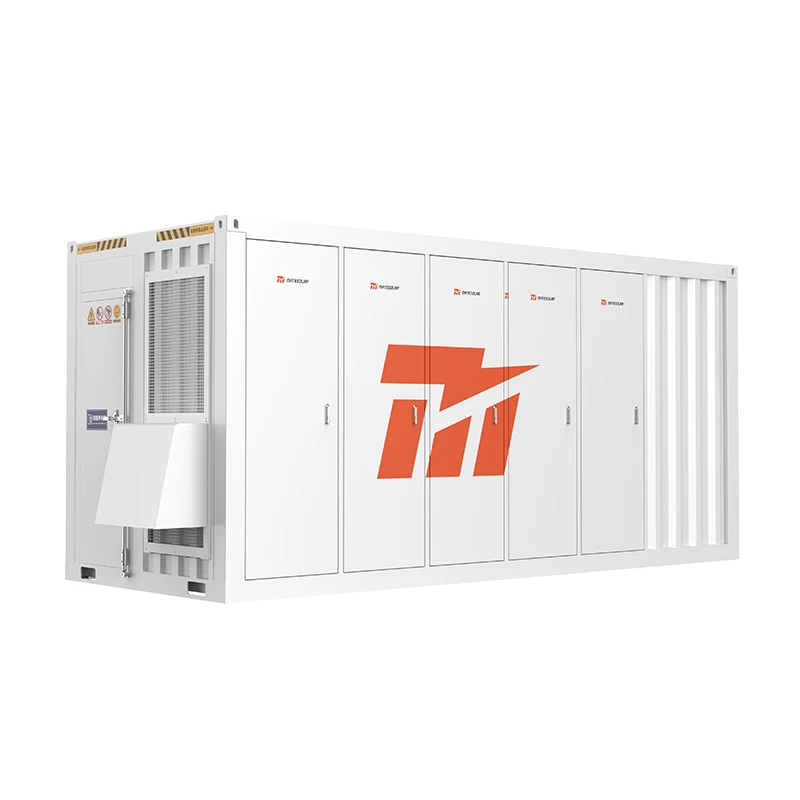
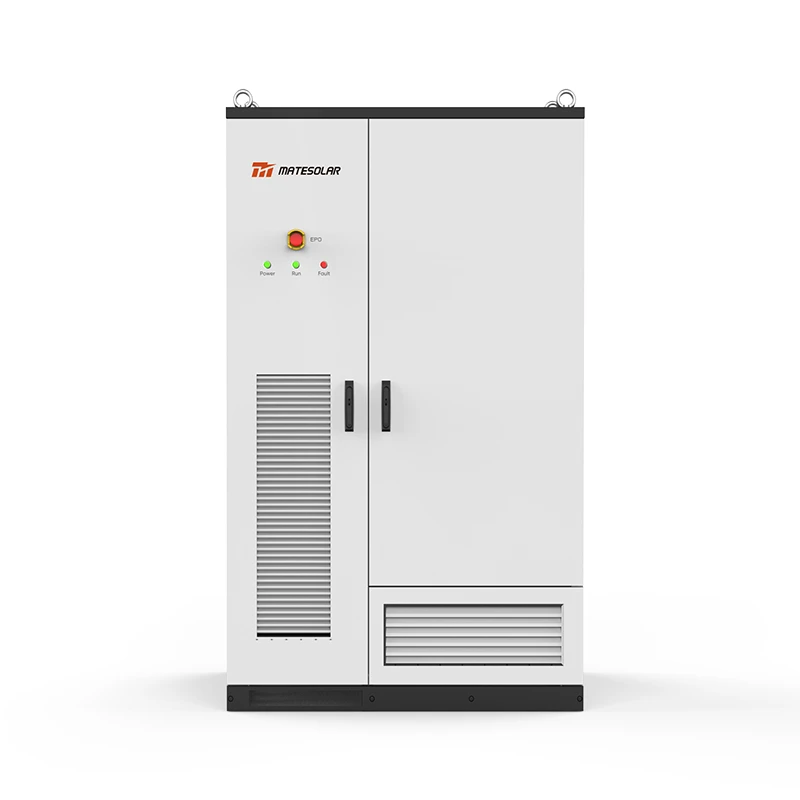
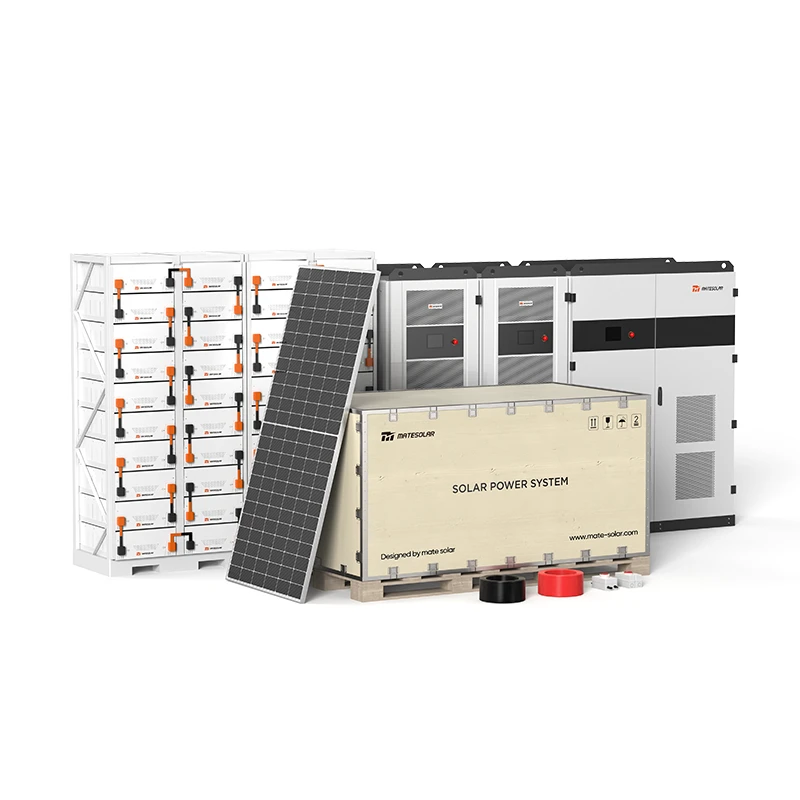
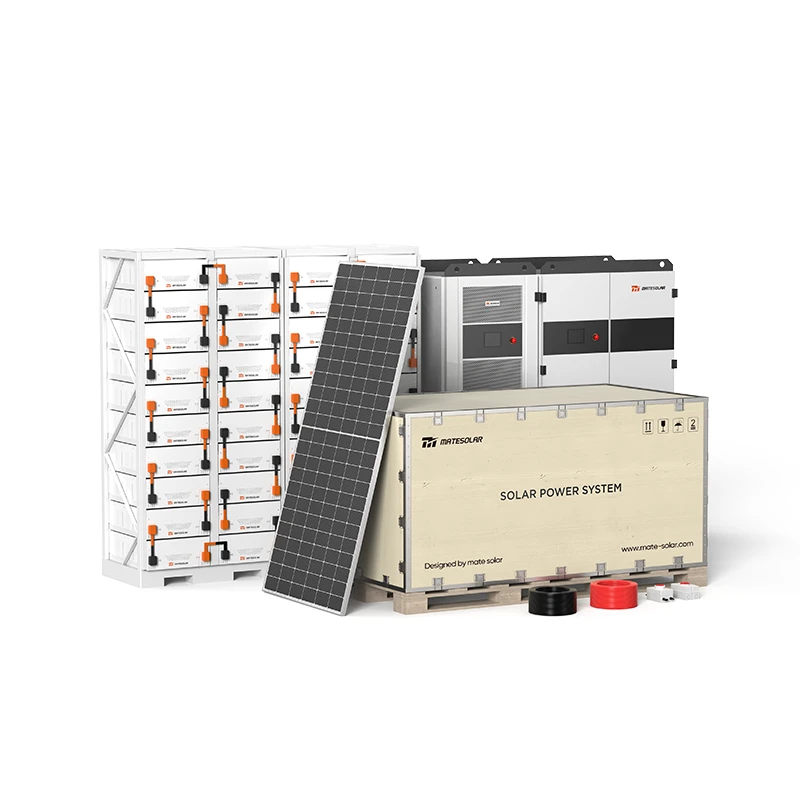
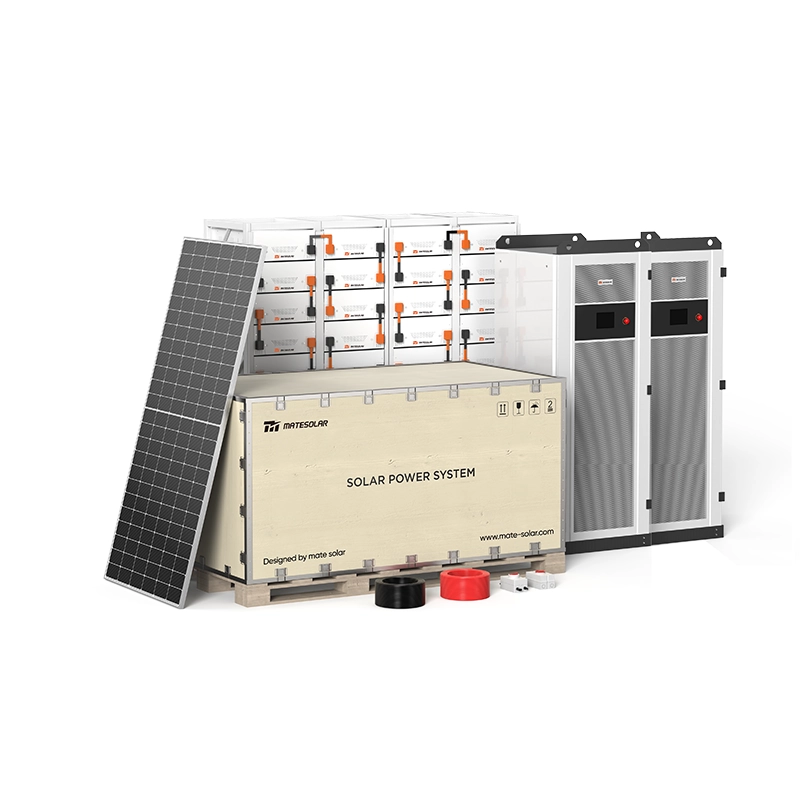
📌 تسليط الضوء على المطورين: لمشاريع النطاق المرافق التي تتطلب يقينًا في الأداء لمدة 15 عامًا، يقدم نظام تخزين الطاقة بالحاويات المبردة بالسوائل بطول 20 قدمًا من MateSolar (3 ميجاوات في الساعة - 5 ميجاوات في الساعة) تكوينات معيارية وقابلة للتطوير تحافظ على الأداء الحراري الأمثل في الظروف الاستوائية. [اعرف المزيد عن تخزين الطاقة بالحاويات للمشاريع على نطاق الشبكة →]
الفصل 3: لمديري الطاقة في الصناعات التجارية الكبيرة - تثبيت تكاليف الكهرباء على المدى الطويل
3.1 الحالة الاقتصادية: تخفيف الذروة والمراجحة بموجب التعريفات الحالية
نقطة الألم تعد أسعار الكهرباء التجارية البالغة 0.197 دولار أمريكي/كيلوواط ساعة من الأعلى في أمريكا اللاتينية, ، وارتفعت التعريفات غير المدعومة بنسبة 15% في أوائل عام 2026. بالنسبة للمستهلكين الصناعيين —مثل مصانع التصنيع، ومنشآت التخزين المبرد، وعمليات تجهيز الأغذية— يمكن أن تمثل الكهرباء ما بين 10–25% من نفقات التشغيل. وتحتاج هذه الشركات إلى حل يضمن تكاليف طاقة يمكن التنبؤ بها ويحميها من الزيادات المستقبلية في التعريفات.
اقتصاديات تخفيف الذروة يشمل هيكل الرسوم الجمركية في غواتيمالا للحسابات التجارية الكبيرة عادةً رسوم الطلب (بناءً على استهلاك ذروة كيلوواط) ورسوم الطاقة (بناءً على إجمالي استهلاك كيلوواط/ساعة). يمكن لنظام تخزين البطاريات (BESS) بحجم مناسب تقليل ذروة الطلب عن طريق التفريغ خلال فترات التكلفة الأعلى للمرافق، مما يؤدي فعليًا إلى “تقليل” الذروات التي تحدد رسوم الطلب الشهرية.
| نوع المنشأة | الاستهلاك السنوي (ميغاواط ساعة) | الذروة الشهرية المقدرة (كيلوواط) | حجم بطارية تخزين الطاقة للذروة (كيلوواط ساعة) | المدخرات السنوية المقدرة | فترة الاسترداد البسيطة (سنوات) |
| التصنيع الخفيف | 500–1,000 | 250–400 | 300–500 | 18 ألف دولار - 35 ألف دولار | 3.0–4.5 |
| مخزن تبريد/مخزن | 1,000–2,500 | 500–800 | 600–1,000 | 35 ألف دولار أمريكي – 70 ألف دولار أمريكي | 2.5–4.0 |
| صناعي ثقيل | 2,500–5,000+ | 800–1,500 | 1,000–2,000 | ٧٠ ألف دولار - ١٤٠ ألف دولار | 2.0–3.5 |
| مركز بيانات/عملية مستمرة | 500–2,000 | 300–600 | 500–1,200 | 25 ألف دولار أمريكي - 60 ألف دولار أمريكي | 2.5–4.0 |
*افتراضات: تعريفة الشبكة 0.197 دولار أمريكي/كيلوواط ساعي؛ تكلفة رأس المال لنظام تخزين طاقة البطاريات (BESS) 200-280 دولار أمريكي/كيلوواط ساعي؛ دورات تفريغ يومية؛ عمر المعدات 4-6 سنوات محسوب في تحليل فترة الاسترداد؛ تشمل المدخرات تخفيض رسوم الطلب بالإضافة إلى موازنة الطاقة.*
3.2 التحوط المستقبلي لأسعار الكهرباء
إن الزيادة في التعرفة غير المدعومة 15% في أوائل عام 2026 ليست ظاهرة شاذة — بل تعكس ضغوطًا هيكلية. ارتفع متوسط سعر الكهرباء في غواتيمالا من حوالي 142 دولارًا أمريكيًا/ميغاواط ساعة في عام 2023 إلى 154 دولارًا أمريكيًا/ميغاواط ساعة في عام 2024، والاتجاه صاعد. بالنسبة لمديري الطاقة في القطاع الصناعي، تعمل أنظمة تخزين الطاقة بالبطاريات (BESS) كمشتق مالي: فكل كيلوواط/ساعة يتم تخزينها خلال فترات انخفاض الأسعار (عادةً في منتصف النهار، عندما يملأ توليد الطاقة الشمسية الشبكة) وتُفرغ خلال فترات ارتفاع الأسعار (أوقات الذروة المسائية) تشكل تحوطًا مباشرًا ضد الزيادات المستقبلية في الأسعار.
التحليل التطلعي: إذا ارتفعت الأسعار التجارية بمعدل متحفظ يتراوح بين 3 و4% سنويًا (وقد كان معدل الزيادة أعلى من ذلك تاريخيًا)، فإن نظام تخزين الطاقة بالبطاريات (BESS) بسعة 1,000 كيلوواط/ساعة الذي يتم تركيبه اليوم سيحقق وفورات تراكمية تتراوح بين 380,000 و520,000 دولار أمريكي على مدى عمر تشغيلي مدته 10 سنوات، مقارنةً بوفورات تتراوح بين 280,000 و400,000 دولار أمريكي في ظل الأسعار الثابتة.
3.3 طاقة غير منقطعة للأحمال الحرجة
بالنسبة للمنشآت التي يعني فيها انقطاع التيار الكهربائي - حتى لو كان أجزاء من الثانية - فقدان المنتج أو تلف المعدات أو مخاطر السلامة، فإن الطاقة الاحتياطية ليست خيارًا. انقطاع التيار الكهربائي عن الشبكة لمدة 4-8 ساعات شهريًا ليس أمرًا غير شائع في أجزاء من غواتيمالا..
المتطلبات الفنية: عاكس هجين مزود بخاصية التبديل السلس (عادةً ما بين 4 و20 مللي ثانية) وقدرة على العمل في وضع العزل. عند انقطاع التيار الكهربائي عن الشبكة، يجب أن ينفصل النظام عن الشبكة (حماية ضد العمل في وضع العزل وفقًا لمعايير IEEE 1547) ويقوم بتزويد الأحمال الحيوية بالطاقة من الطاقة الشمسية وتخزين البطاريات في آن واحد. بالنسبة للمنشآت التي يتم فيها الفصل بين الأحمال غير الحرجة والأحمال الحرجة، يمكن لتكوينات النسخ الاحتياطي الجزئي أن تقلل متطلبات سعة نظام تخزين الطاقة بالبطاريات (BESS) بنسبة تتراوح بين 40 و60%.
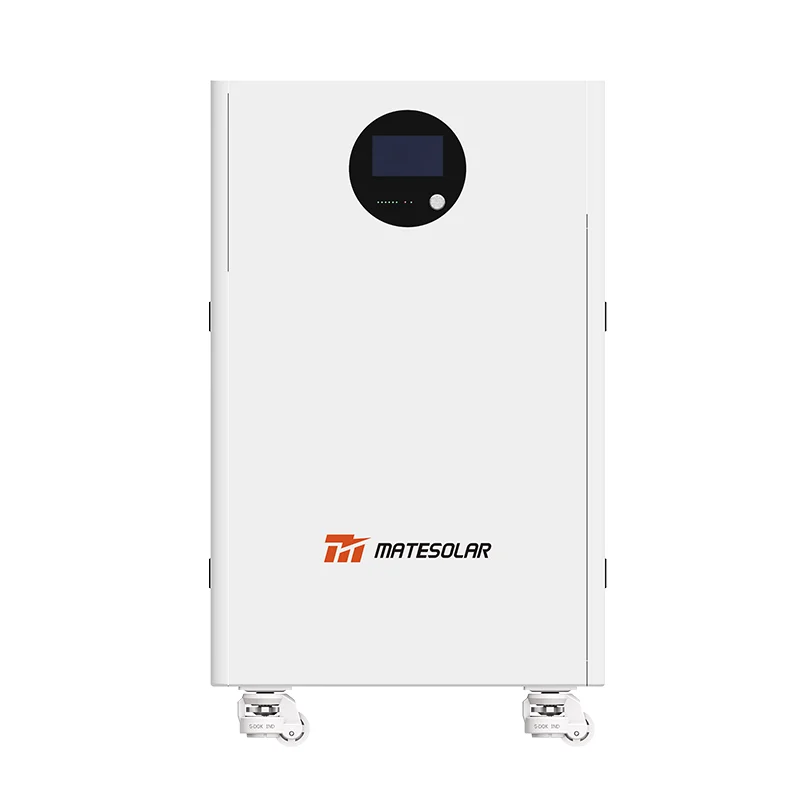
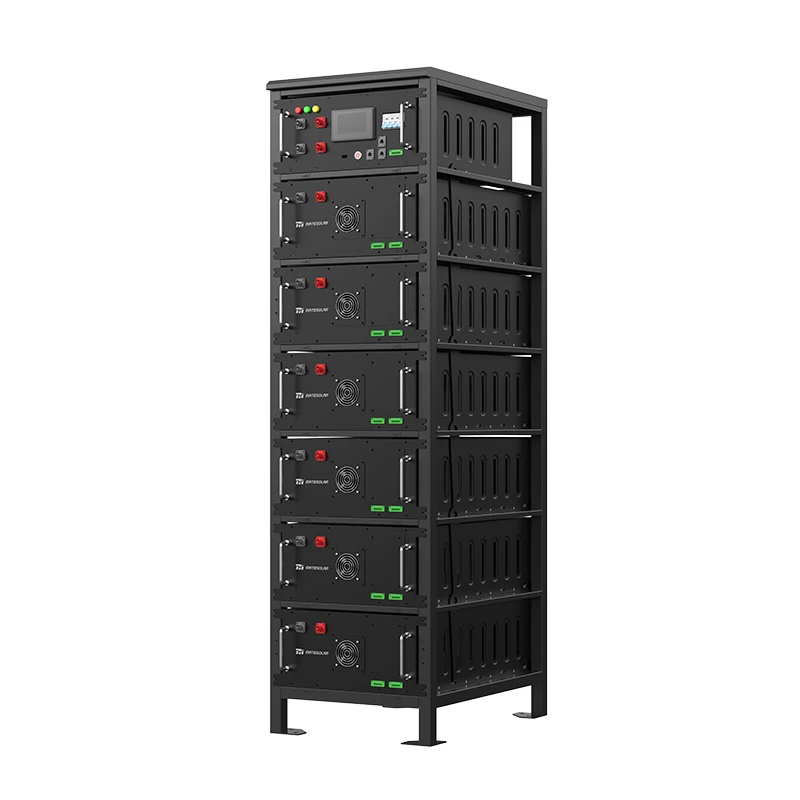
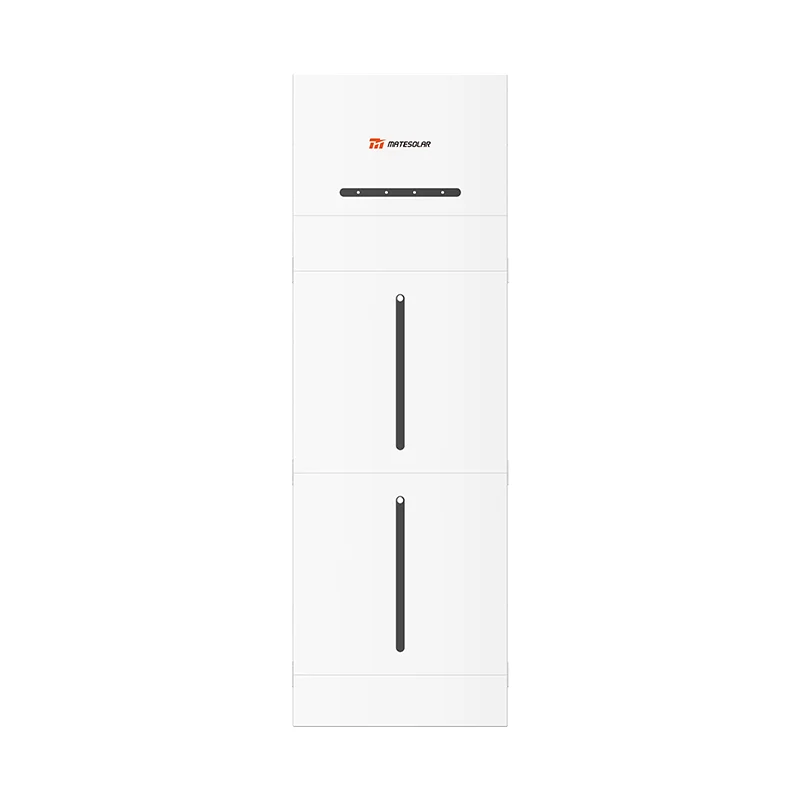
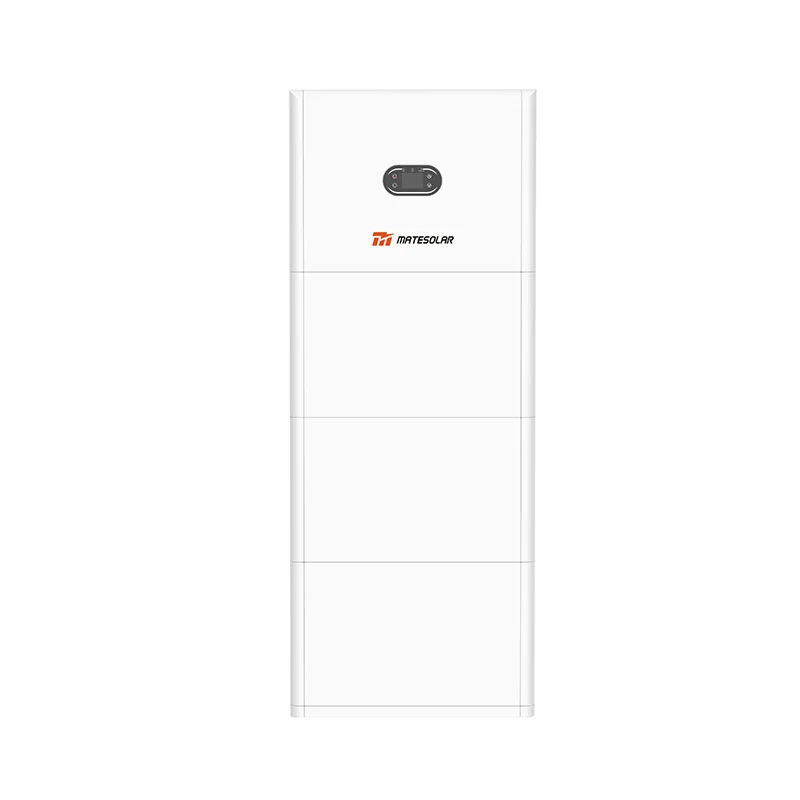
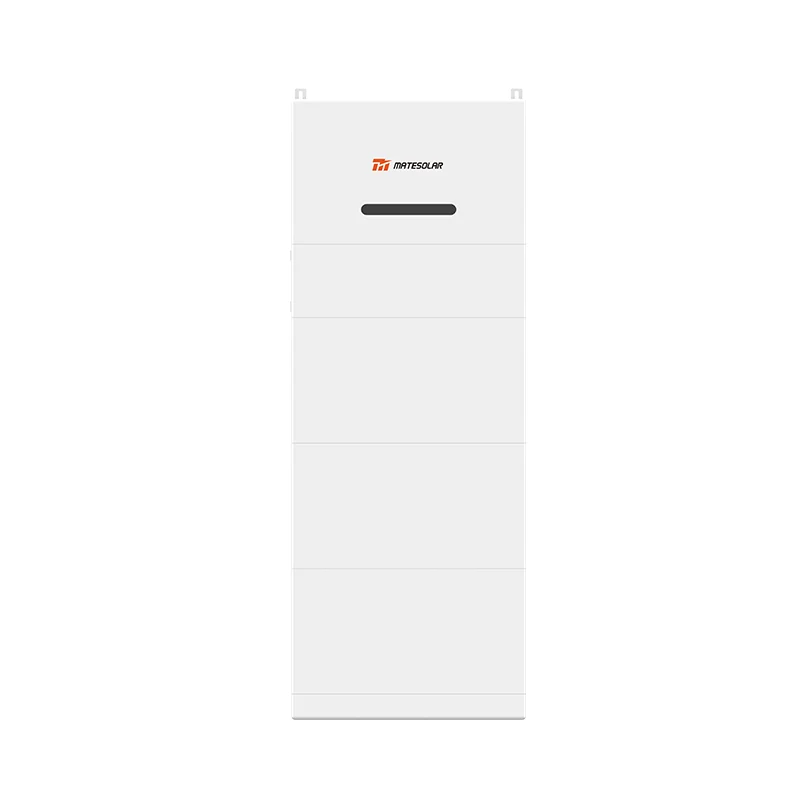
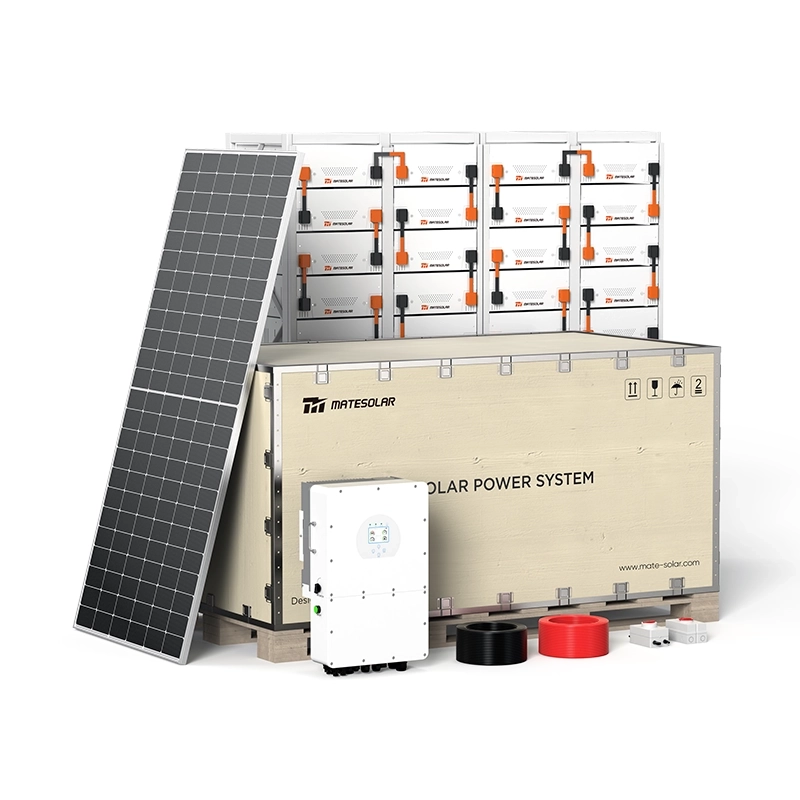
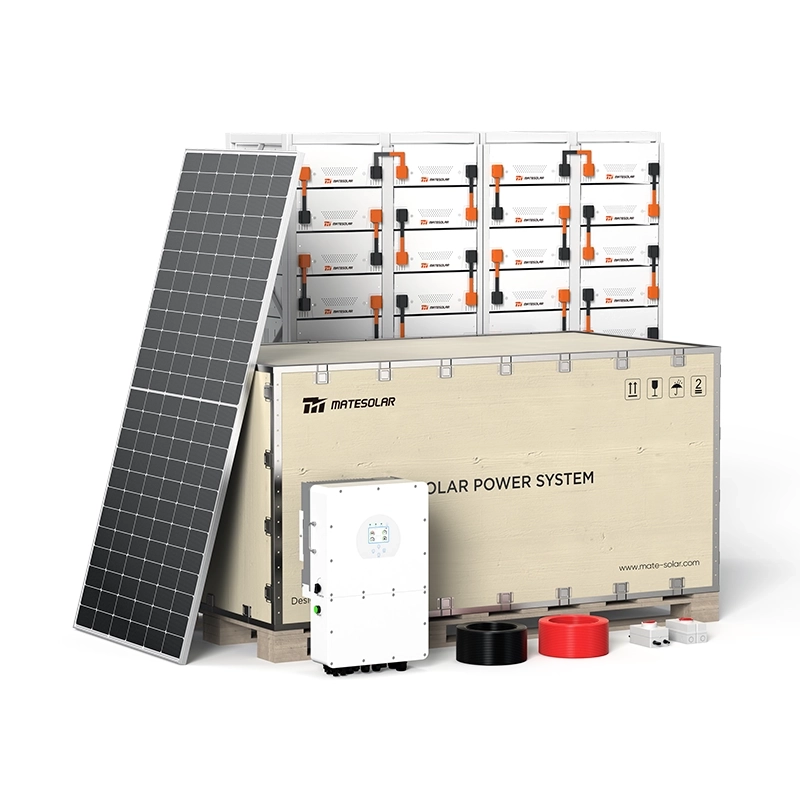
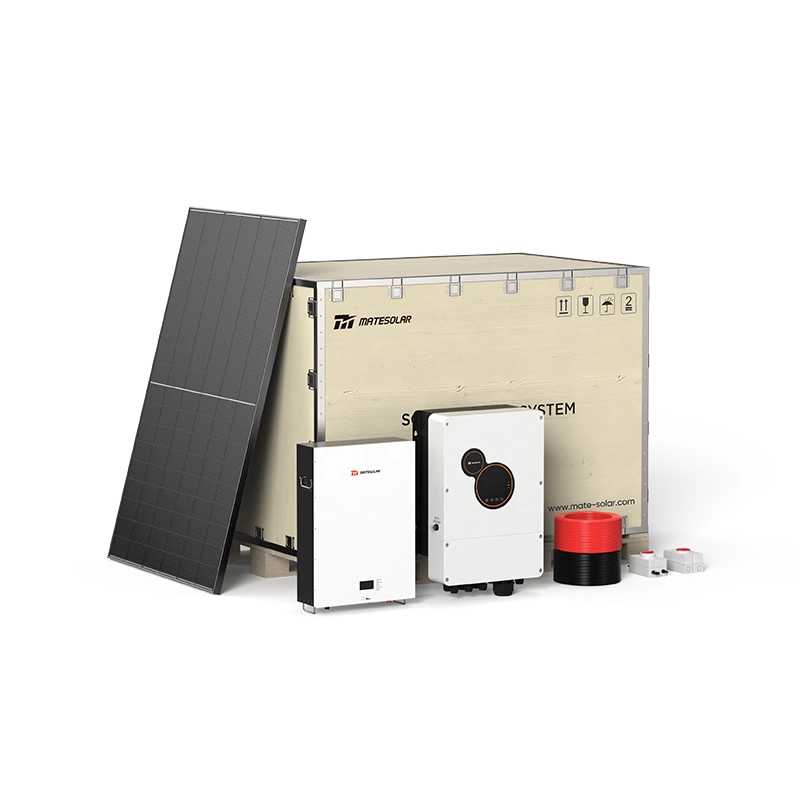
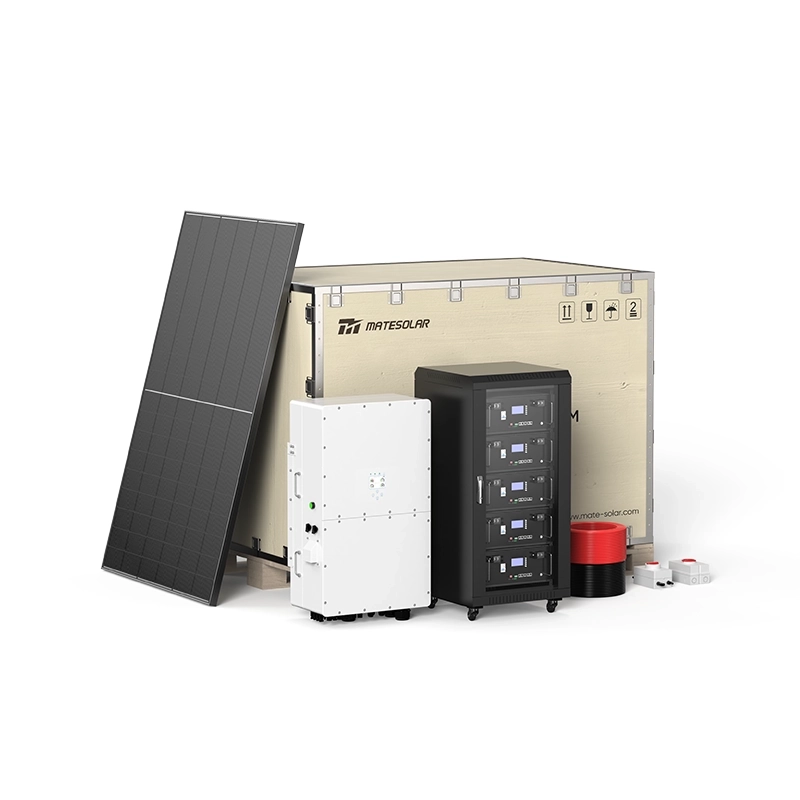
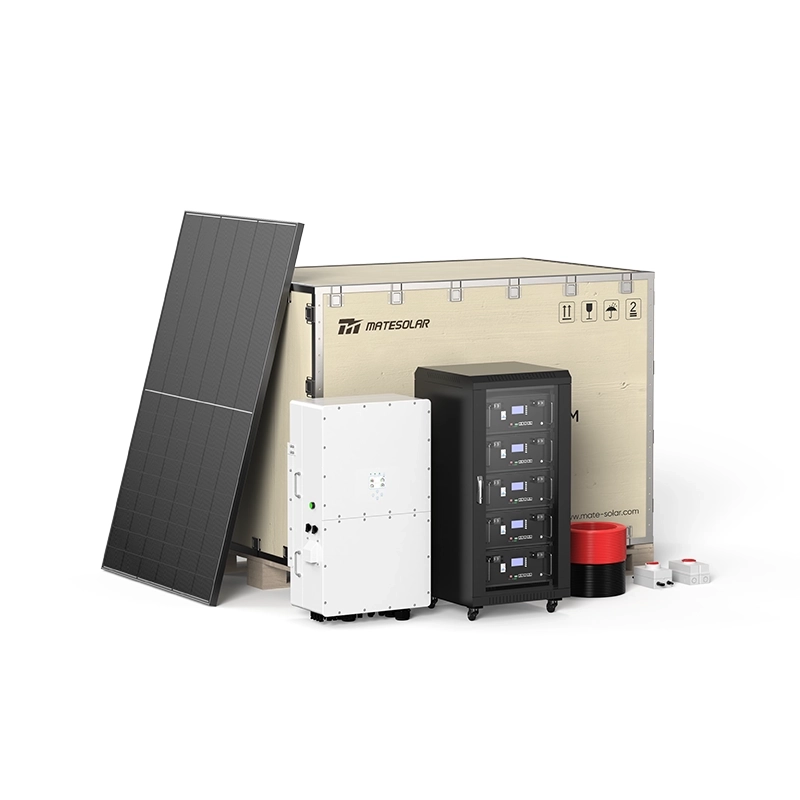
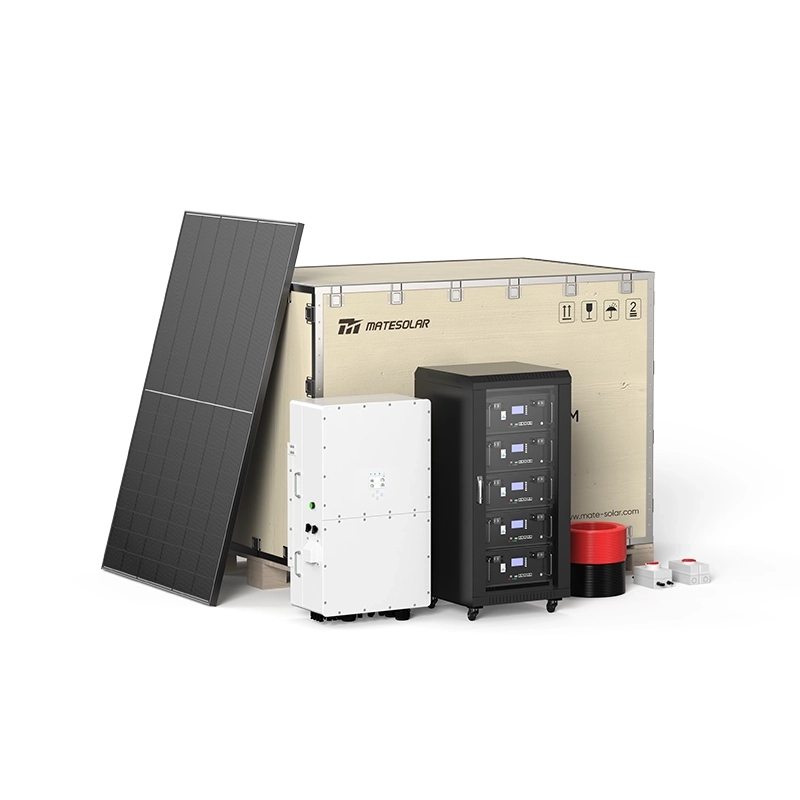
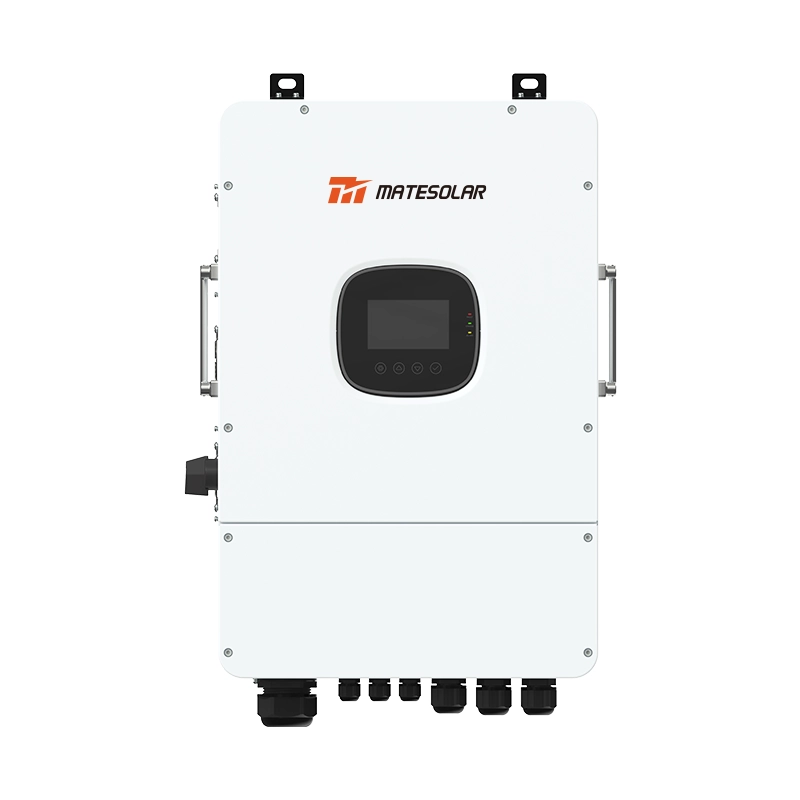
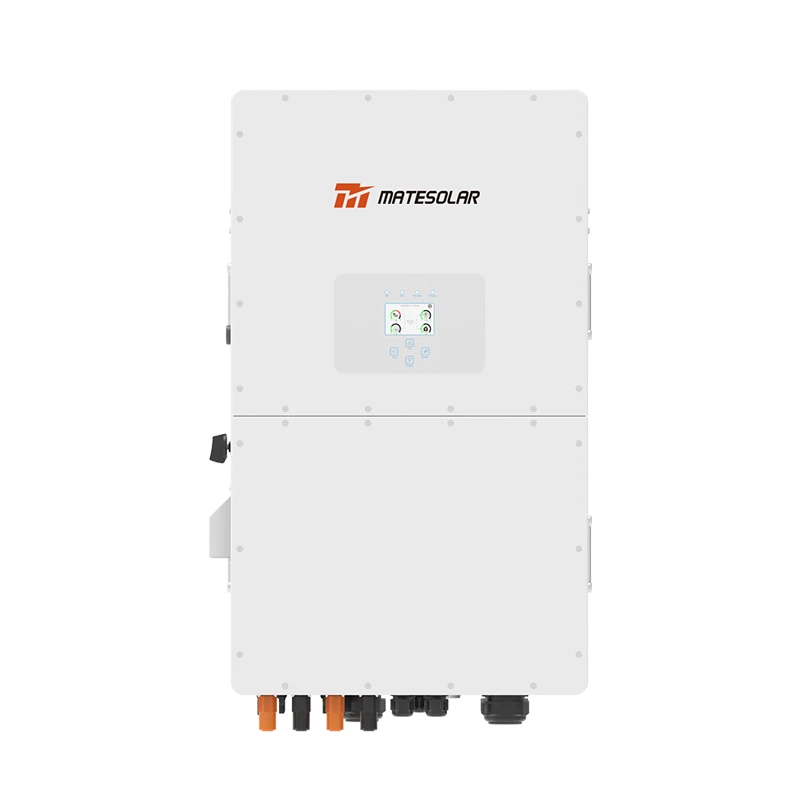
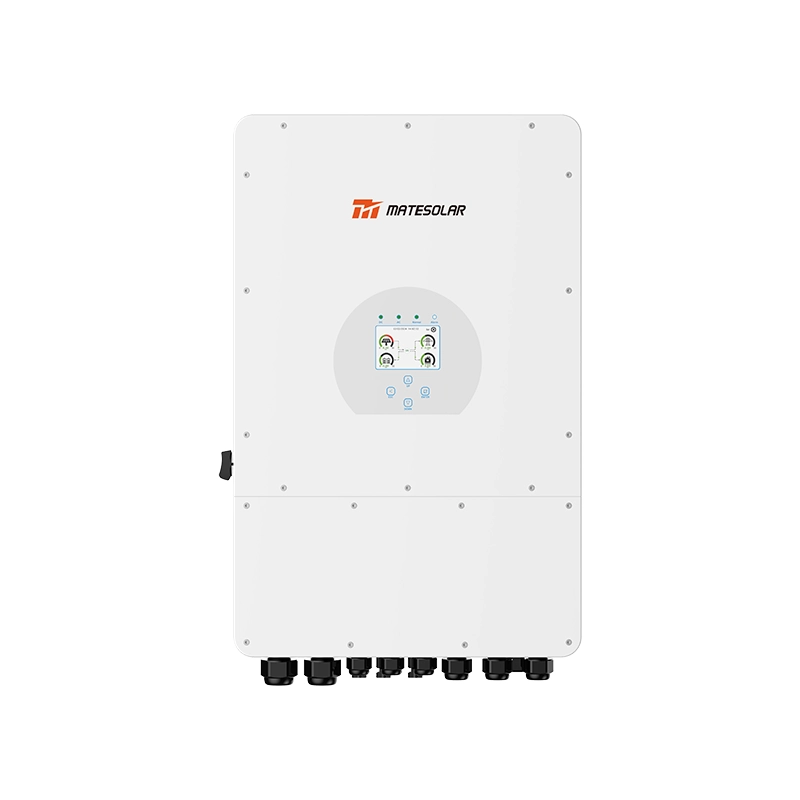
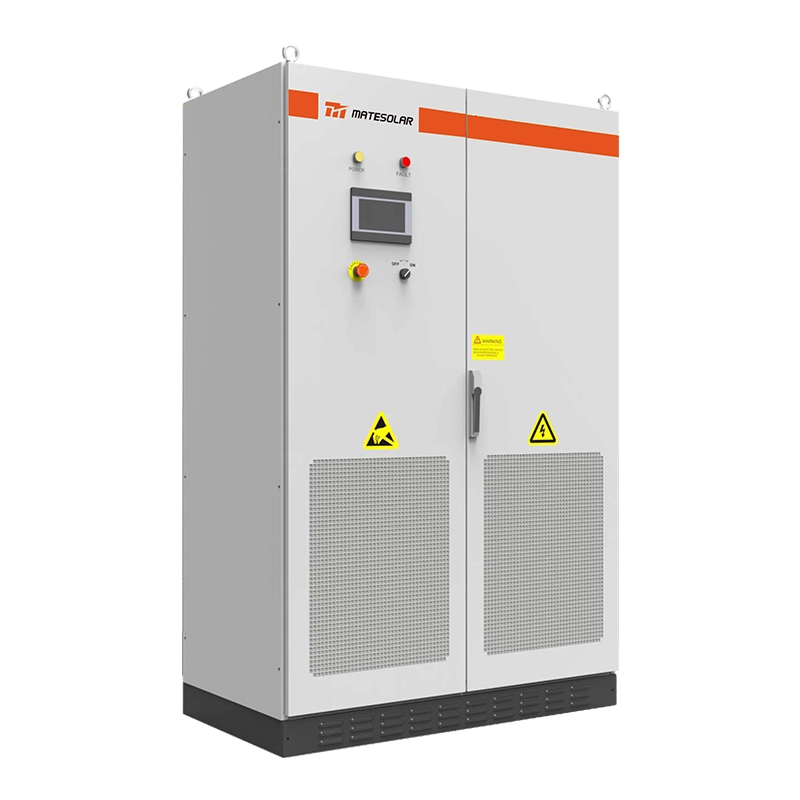
📌 الحل الصناعي: بالنسبة لمصانع الإنتاج ومراكز البيانات ومنشآت التخزين المبرد التي تتطلب تخفيف أحمال الذروة والطاقة الاحتياطية والاستفادة من الفروق في التعريفات، يجمع النظام الشمسي الهجين التجاري من MateSolar بقدرة 250 كيلوواط بين الألواح الكهروضوئية عالية الكفاءة ونظام متطور لإدارة البطاريات. يعمل النظام بكفاءة عاكس تزيد عن 98% ويدعم الانتقال السلس من وضع التشغيل المرتبط بالشبكة إلى وضع التشغيل المستقل. [اكتشف الحل الهجين بقدرة 250 كيلوواط →]
الفصل 4: للشركات التجارية والصغيرة والمتوسطة، وقطاع التجزئة، والضيافة — خفض التكاليف بدون تعقيد
4.1 التركيبات المقيدة بالمساحة والحساسة للسلامة
نقطة الألم تواجه العقارات التجارية الصغيرة والمتوسطة - الفنادق والمطاعم ومتاجر التجزئة والعيادات الطبية - نفس تكاليف الكهرباء المرتفعة التي يواجهها المستخدمون الصناعيون، ولكنها تفتقر إلى موظفي إدارة الطاقة المخصصين، والمساحات السطحية الكبيرة، ورأس المال اللازم لعمليات التركيب واسعة النطاق. تعتبر مخاوف السلامة ذات أهمية قصوى: فاندلاع حريق في بطارية في فندق أو مركز تجاري يعد كارثة.
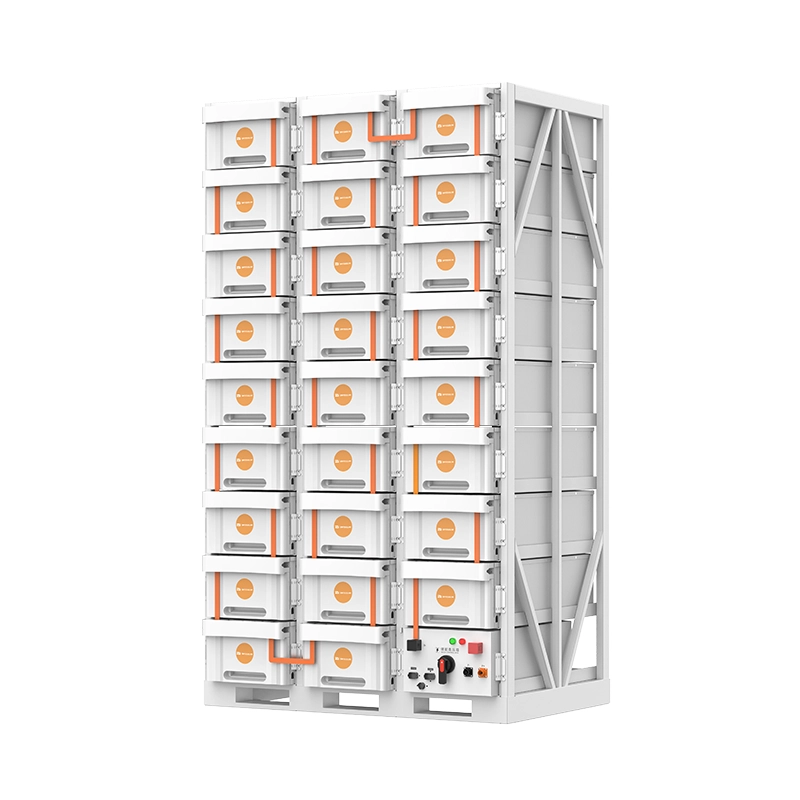
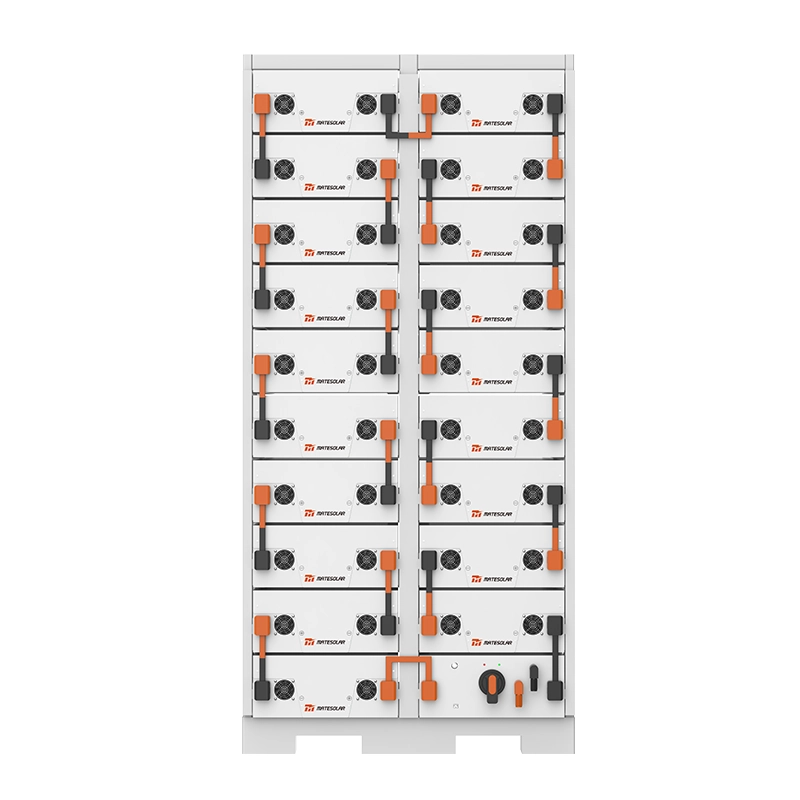
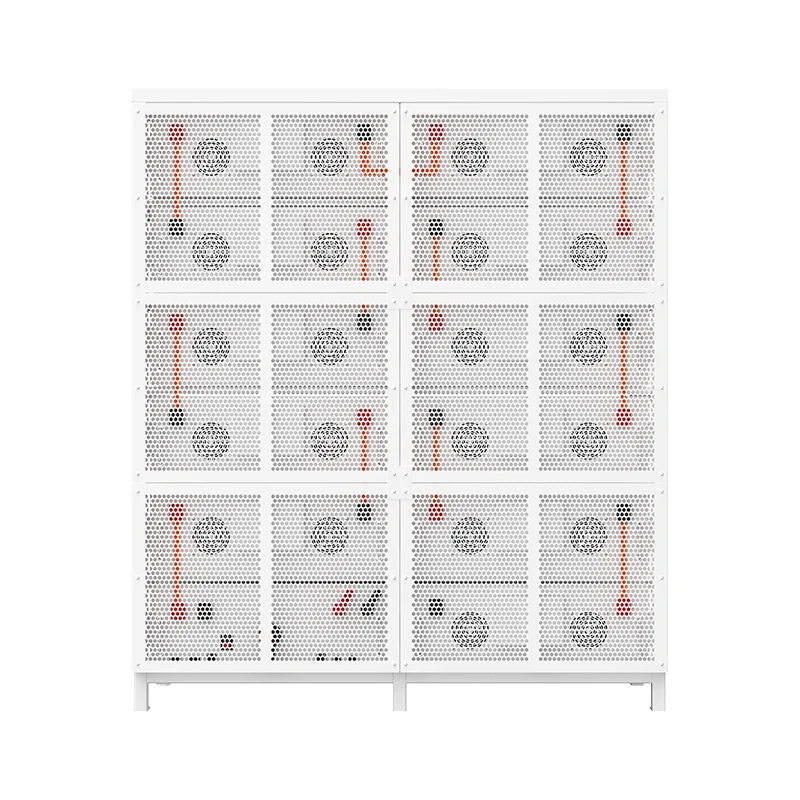
حلول مدمجة ومعتمدة بالنسبة لهذه التطبيقات، توفر أنظمة تخزين البطاريات الخارجية (BESS) ذات الطراز الخزانة (فئة 232 كيلوواط ساعة – 261 كيلوواط ساعة) الشكل الأمثل. المواصفات الرئيسية للتحقق منها:
| المعلمة | متطلبات جواتيمالا C&I | الأساس المنطقي |
| شهادة UL 9540 | إلزامي للتأمين والتصاريح | يتحقق من سلامة النظام المتكامل (البطارية + نظام إدارة البطارية + العاكس) |
| تصنيف IP | IP65 على الأقل | محكم الغلق ضد الغبار ومحمي ضد نفاثات الماء منخفضة الضغط - ضروري للظروف الاستوائية |
| إدارة حرارية | تبريد سائل مفضل | تحافظ على درجة حرارة الخلية في نطاق 25-35 درجة مئوية؛ تبريد الهواء غير كافٍ لدرجة حرارة محيطة في غواتيمالا تتراوح بين 30-40 درجة مئوية |
| البصمة | 3 متر مربع مقابل 261 كيلوواط ساعة للوحدة | يسمح بالتركيب في غرف المرافق، أو مواقف السيارات، أو الألواح الخارجية |
| دورة الحياة | ≥6,000 دورة عند عمق تفريغ (DoD) يبلغ 80% | يتوافق مع عمر تشغيلي يتراوح بين 10-12 عامًا |
شهادة UL 9540 حاسمة بشكل خاص. هذا المعيار - الذي طورته Underwriters
المختبرات - ويشمل السلامة الكهربائية، والاستقرار الحراري، وسلامة نظام إدارة البطارية، والحماية على مستوى النظام ضد الهروب الحراري. بالنسبة للمنشآت التجارية في المناطق المأهولة بالسكان، تطلب شركات المرافق ومقدمو التأمين بشكل متزايد UL 9540 كشرط للربط بالشبكة وإصدار السياسات.
4.2 تخفيف مخاطر الربط بالشبكة
مع زيادة انتشار الطاقة الشمسية الموزعة في أنحاء غواتيمالا، أصبحت الموافقات على ربط الشبكة أكثر صرامة. يضع مدونة الشبكة الخاصة بـ CNEE لمحطات التوليد التي تستخدم محولات تيار مستمر إلى تيار متردد متطلبات فنية يجب أن تلبيها جميع الأنظمة المتصلة بالشبكة.
الحزمة الفنية للموافقة السريعة: تأكد من أن نظامك المقترح يشمل:
- حماية ضد الانعزال — انقطاع تلقائي في غضون 0.2 ثانية من فقدان الشبكة وفقًا لمعايير IEEE 1547/IEC 62116
- التحكم في معامل القدرة — القدرة على العمل عند 0.8 رائد إلى 0.8 متأخر حسب متطلبات مرفق التوزيع
- وظيفة التصدير الصفري / التصدير المحدود — يمنع التغذية العكسية عندما لا يكون المحول المحلي كافياً
- وثائق الامتثال لقواعد الشبكة — تقارير اختبار تثبت الامتثال للمعايير الفنية لـ CNEE
٤.٣ المرونة المناخية: العمل خلال موسم الأعاصير
يمتد موسم الأمطار/الأعاصير في غواتيمالا من يونيو إلى نوفمبر، مع تركز أعلى مخاطر العواصف الاستوائية من يوليو إلى أكتوبر. بالنسبة للتركيبات الخارجية للخزائن، هناك ثلاث ميزات غير قابلة للتفاوض:
1. غلاف حاصل على تصنيف IP65 — يوفر حماية كاملة ضد تسرب الغبار ونفاثات المياه منخفضة الضغط من أي اتجاه. عمليًا، هذا يعني أن النظام يمكنه تحمل الأمطار الاستوائية الغزيرة والأمطار التي تحملها الرياح.
2. حماية من التآكل يوصى بالحماية من التآكل C5 أو C5M للتركيبات التي تبعد أقل من 5 كيلومترات عن سواحل البحر الكاريبي أو المحيط الهادئ، حيث يؤدي رذاذ الملح إلى تسريع تدهور المعادن.
3. ترسيخ بنيوي — يجب تثبيت الخزائن في وسادات خرسانية أو فولاذية إنشائية باستخدام مثبتات مقاومة للزلازل/الأعاصير. في حين أن أحمال الرياح هي الشاغل الرئيسي أثناء العواصف، فإن غواتيمالا لديها أيضًا خطر زلزالي معتدل يتطلب دراسة.
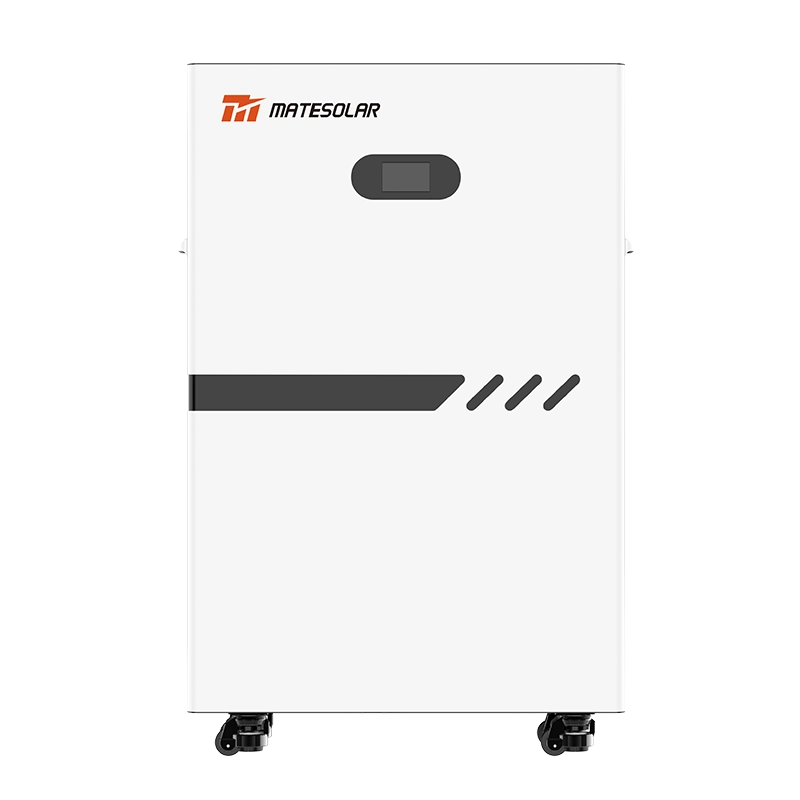
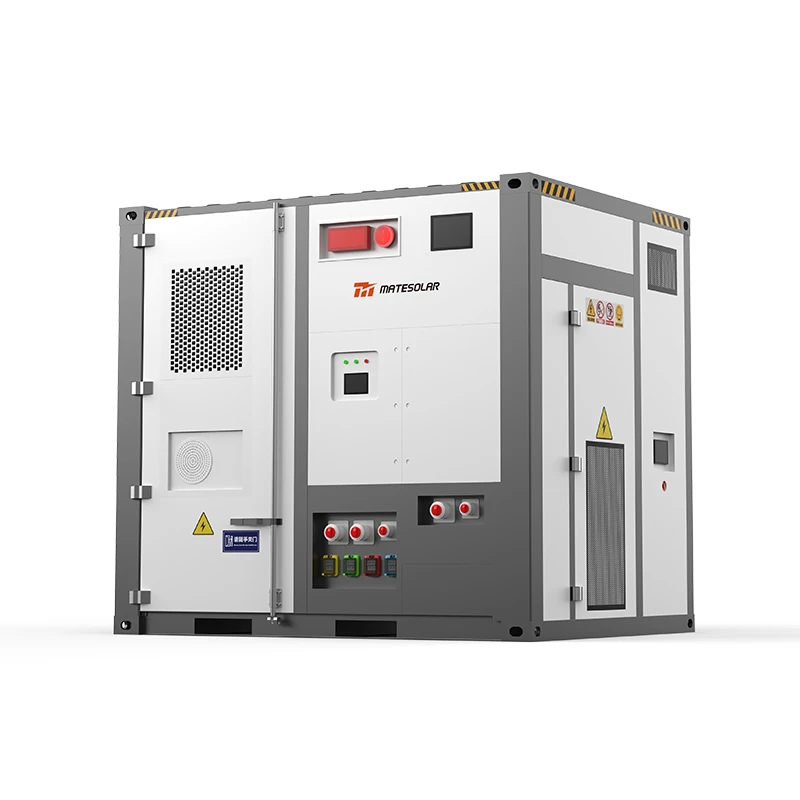
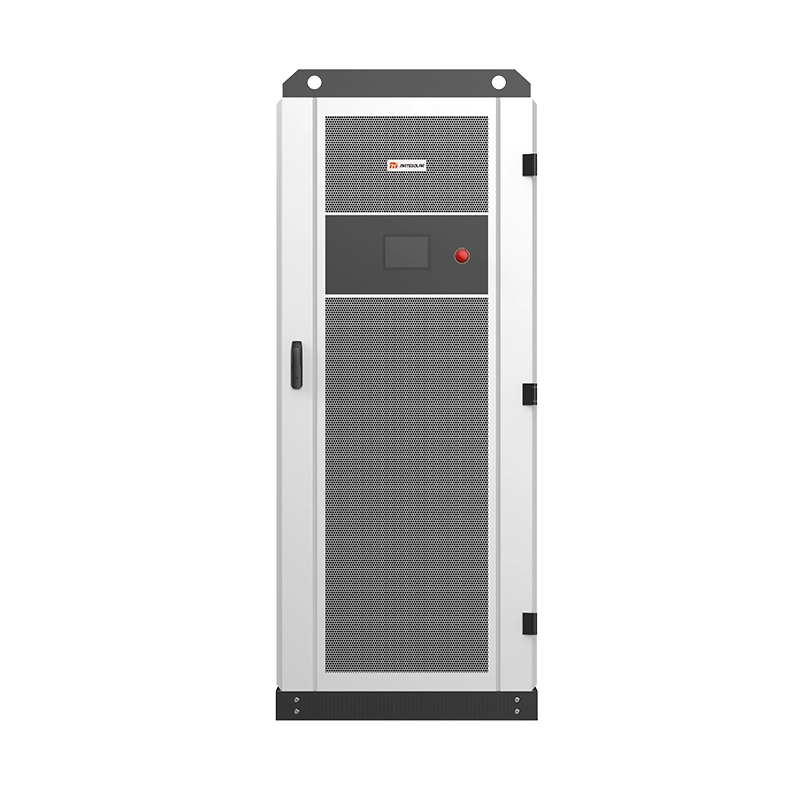
📌 حلول C&I: لمرافق الفنادق ومراكز البيع بالتجزئة ومرافق التصنيع الصغيرة، يوفر نظام تخزين الطاقة الخارجي المبرد بالسائل من MateSolar بقدرة 232 كيلو واط ساعة / 261 كيلو واط ساعة شهادة UL9540، وحماية من دخول الغبار والسوائل IP65، وإدارة حرارية نشطة للسائل في مساحة مدمجة (<3 متر مربع). [عرض مواصفات الخزانة الخارجية →]
الفصل 5: اعتبارات عالمية - القدرة على التكيف مع المناخ الاستوائي والجدوى المصرفية
5.1 حقيقة المناخ: لماذا تفشل الأنظمة القياسية
نقطة الألم عبر جميع فئات المستخدمين - من مطوري المرافق واسعة النطاق إلى المالكين التجاريين الصغار - يتكرر السؤال نفسه: هل سيصمد هذا النظام في مناخ غواتيمالا؟
البيانات الصلبة تؤدي درجات الحرارة المحيطة المرتفعة (30–35 درجة مئوية)، مقترنةً برطوبة نسبية تتراوح بين 80 و90% خلال موسم الأمطار، إلى تهيئة ظروف تُسرّع من تدهور أداء البطارية. تعمل خلايا الليثيوم أيون بشكل مثالي في نطاق درجات حرارة يتراوح بين 18 و28 درجة مئوية؛ حيث تؤدي الحرارة الزائدة إلى تسريع التدهور وتقليل العمر الافتراضي، في حين يتسبب عدم توازن درجات الحرارة في عدم اتساق الأداء بين الخلايا ويزيد من خطر الانفلات الحراري. وتؤدي الرطوبة إلى حدوث تكاثف داخل أنظمة البطاريات، مما يؤدي إلى حدوث دوائر قصيرة وتآكل المكونات، مما يضر بالسلامة والكفاءة.
تشير البيانات الصناعية المستمدة من عمليات النشر في المناطق الاستوائية إلى أن الأنظمة المصممة للمناخات المعتدلة تسجل معدلات أعطال أعلى بكثير من تلك المصممة خصيصًا للظروف الاستوائية — حيث أفاد بعض المشغلين بارتفاع معدلات الأعطال بنسبة 23% عند استخدام المعدات القياسية دون اتخاذ تدابير تعزيز المتانة في الظروف الاستوائية.
5.2 المواصفات المعززة للاستخدام الاستوائي
لأي نشر لبطاريات تخزين الطاقة (BESS) في غواتيمالا، تنطبق المواصفات الدنيا التالية:
| المكوّن | مواصفات استوائية | قياسي (معتدل) | لماذا هذا مهم |
| نطاق تشغيل خلية البطارية | -10 درجة مئوية إلى 55 درجة مئوية مع تبريد نشط | 0 درجة مئوية إلى 40 درجة مئوية | تصل درجة حرارة البيئة في غواتيمالا إلى 35-40 درجة مئوية؛ التبريد السلبي غير كافٍ |
| تصنيف IP للمرفق | IP65 (خزائن خارجية) / IP54 (حاوية) | IP54 | تستدعي الأمطار الاستوائية حماية فائقة من دخول المياه |
| حماية من التآكل | C5 (عالي) أو C5M (بحري) | سي 3-سي 4 | رذاذ الملح من كلا الساحلين يسرع التآكل |
| نظام التبريد | تبريد سائل (نشط) | تبريد هوائي (سلبي) | التبريد السائل يحافظ على درجة حرارة الخلية أقل بنسبة 10-15 درجة مئوية من المحيط؛ لا يستطيع التبريد الهوائي ذلك |
| إزالة الرطوبة | نشط (مكيف) | اختياري | الحماية من التكثف خلال فترات الرطوبة النسبية 80–90% |
تبريد سائل مقابل تبريد هوائي هذا ليس تحسينًا هامشيًا - إنه أهم قرار تقني لنشر أنظمة تخزين الطاقة بالبطاريات الاستوائية (BESS). تقوم أنظمة التبريد السائل بتدوير سائل تبريد عازل عبر ألواح باردة تتلامس مباشرة مع خلايا البطارية، مما يزيل الحرارة بكفاءة أعلى بمقدار 5-10 مرات من الهواء القسري. النتيجة: تباين درجة حرارة الخلية <2 درجة مئوية عبر السلسلة بأكملها (مقارنة بـ 5-8 درجة مئوية مع التبريد الهوائي)، مما يطيل عمر الدورة بشكل مباشر بمقدار 2000-3000 دورة.
5.3 قابلية التمويل المصرفي: شهادات تفتح تمويل المشاريع
بالنسبة للمطورين الذين يبحثون عن تمويل المشاريع - سواء من البنوك التجارية، أو مؤسسات تمويل التنمية، أو وكالات ائتمان الصادرات - فإن شهادات BESS ليست اختيارية. إنها شروط مسبقة.
الشهادات المطلوبة:
- UL 9540 — شهادة سلامة على مستوى النظام تغطي نظام تخزين الطاقة بالبطاريات المتكامل كوحدة كاملة. تتطلب المرافق والسلطات القضائية بشكل متزايد UL 9540 للأنظمة المتصلة بالشبكة.
- يو إل 9540 إيه — اختبار انتشار الحريق الجامح حرارياً. للمشاريع في المناطق المأهولة بالسكان أو بالقرب من البنية التحتية الحيوية، غالبًا ما يكون هذا مطلوبًا من قبل شركات التأمين ومسؤولي الإطفاء المحليين.
- IEC 62619 — معيار السلامة الدولي للخلايا والبطاريات الليثيوم الثانوية المستخدمة في التطبيقات الصناعية، يشمل المخاطر الكهربائية والحرارية والميكانيكية.
- UN 38.3 — شهادة النقل لبطاريات الليثيوم. ضرورية للتخليص الجمركي والخدمات اللوجستية.
لماذا هذا مهم لغواتيمالا: وافق بنك التنمية للبلدان الأمريكية (IDB) على قرض بقيمة 250 مليون دولار أمريكي لبرامج الكهرباء الريفية التي تدمج شبكات مصغرة تجمع بين مصادر الطاقة المتجددة والتخزين. للمشاريع التي تسعى للحصول على تمويل من بنك التنمية للبلدان الأمريكية أو مؤسسات تمويل متعددة أخرى، يجب أن تثبت أنظمة تخزين طاقة البطاريات (BESS) امتثالها لمعايير السلامة والأداء المعترف بها دولياً.
5.4 الدعم الفني واستكشاف الأخطاء عن بعد
بالنسبة لأي نشر لتخزين الطاقة، فإن القدرة على تشخيص المشكلات وحلها بسرعة أمر بالغ الأهمية. بالنسبة لغواتيمالا على وجه التحديد، حيث تظل الخبرة الفنية المحلية في أنظمة تخزين الطاقة بالبطاريات محدودة، فإن قدرات الدعم عن بُعد ضرورية.
الدعم عن بعد الفعال يتطلب:
- منصة مراقبة عن بعد في الوقت الفعلي مع رؤية على مستوى الخلية
- بروتوكولات تشخيصية تسمح للفنيين بتحديد المشكلات دون زيارات ميدانية
- فريق دعم عالمي متاح عبر المناطق الزمنية
- قطع غيار متوفرة للشحن السريع
بالنسبة للمشاريع الكبرى (على نطاق المرافق الكبيرة والتجارية والصناعية الكبيرة)، يتوفر الدعم الفني في الموقع للإشراف على التركيب وتشغيل الأنظمة. أما بالنسبة لعمليات النشر الأصغر، فإن الوثائق الشاملة، والتوجيه عن بعد عبر الفيديو، وضمانات استبدال المكونات تضمن الحد الأدنى من وقت التوقف عن العمل.
الفصل 6: الأسئلة الشائعة — غواتيمالا الطاقة الشمسية + التخزين
س1: ما هو متطلب تخزين الطاقة المحدد لمشاريع الطاقة الشمسية ضمن خطة 2026-2050؟
ج: يجب أن تتضمن جميع مشاريع الطاقة الشمسية التي تتجاوز قدرتها المركبة 50 ميجاوات نظام تخزين بالبطاريات يعادل 30% من قدرتها الكهروضوئية. ويُعد هذا متطلبًا تقنيًّا ملزمًا بموجب «خطة التوسع الإرشادية لتوليد الطاقة» (PEIG) للفترة 2026–2050. وبحلول عام 2050، من المتوقع أن تدخل الخدمة أنظمة تخزين الطاقة بالبطاريات (BESS) المقترنة بمحطات الطاقة الكهروضوئية بقدرة لا تقل عن 370 ميجاوات..
السؤال الثاني: ما هو سعر الكهرباء التجاري الحالي في غواتيمالا؟
ج: وفقًا لبيانات سبتمبر 2025، يبلغ سعر الكهرباء للشركات 1.509 غاتق/كيلوواط ساعة (حوالي 0.197 دولار أمريكي/كيلوواط ساعة)، شاملاً جميع تكاليف النقل والتوزيع والضرائب والرسوم. وقد خضعت التعريفات غير المدعومة لتعديل تصاعدي بمقدار 15% في أوائل عام 2026.
هل يمكن لأنظمة التخزين الهجينة المستقلة المشاركة في سوق الكهرباء بالجملة في غواتيمالا؟
ج: نعم. تسمح لائحة CNEE رقم 128-2024 (المعتمدة في مايو 2024) صراحةً لأنظمة التوليد الهجينة ذاتية التشغيل مع التخزين بالمشاركة في سوق الكهرباء بالجملة، مع الاعتراف القانوني لأنظمة التخزين لدورها في استقرار الشبكة..
ما هي الفترة النموذجية لاسترداد تكلفة نظام تخزين الطاقة التجاري (BESS) في غواتيمالا؟
ج: بالنسبة لتطبيقات القطاع التجاري والصناعي (C&I) في ظل الشروط التعريفية الحالية (0.197 دولار أمريكي/كيلوواط ساعة، مع رسوم الطلب في أوقات الذروة)، تتراوح فترات استرداد التكلفة عادةً بين 2.5 و5 سنوات، اعتمادًا على نمط الحمل في المنشأة، وحجم نظام تخزين الطاقة بالبطاريات (BESS)، واستراتيجية الدورات اليومية. وتحقق المنشآت ذات الطلب المرتفع في أوقات الذروة (حيث تشكل رسوم الطلب ما بين 30 و50% من الفواتير الشهرية) استردادًا أسرع للتكلفة. وقد أدت الزيادة غير المدعومة في التعرفة البالغة 15% في عام 2026 إلى تحسين عائد الاستثمار في جميع القطاعات.
هل شهادة UL 9540 مطلوبة للأنظمة الكهربائية لتخزين البطاريات (BESS) في غواتيمالا؟
أ: على الرغم من أنها لم تُدرج بعد في التشريعات الأساسية، إلا أن UL 9540 مطلوبة بشكل متزايد من قبل:
- مرافق التوزيع للموافقة على ربط الشبكة
- شركات التأمين لتغطية الممتلكات والمسؤولية
- المقرضون متعددو الأطراف (بنك التنمية الإسلامي، البنك الدولي) لتمويل المشاريع
- البلديات المحلية للامتثال لقوانين البناء والنار
بالنسبة للمشاريع التي تسعى للحصول على وضع مصرفي، يجب اعتبار شهادة UL 9540 إلزامية.
كيف يؤثر مناخ غواتيمالا الاستوائي على أداء وعمر بطاريات تخزين الطاقة؟
ج: تؤدي درجات الحرارة المحيطة المرتفعة (تتراوح عادةً بين 30 و35 درجة مئوية) والرطوبة (80–90% خلال موسم الأمطار) إلى تسريع تدهور أداء البطارية. وستواجه الأنظمة المصممة للمناخات المعتدلة ما يلي:
- 2–3 مرات سرعة تلاشي السعة بدون تبريد نشط
- زيادة مخاطر حدوث دوائر قصر مرتبطة بالتكثف
- تآكل الوصلات الكهربائية في البيئات عالية الرطوبة
يُنصح بأنظمة التبريد السائل، وعلب الحماية المصنفة IP65، والحماية من التآكل بمستوى C5، للتشغيل الموثوق على المدى الطويل.
س 7: ما هي مدة اتفاقية شراء الطاقة (PPA) للمشاريع الممنوحة في PEG-5؟
أ: اتفاقيات شراء الطاقة (PPAs) لمحطات التوليد الجديدة بموجب PEG-5 لها مدة تصل إلى 15 عامًا. أما بالنسبة للمحطات القائمة، فإن شروط اتفاقيات شراء الطاقة تصل إلى 5 سنوات متتالية.
س ٨: ما هو توسيع شبكة النقل المخطط له حتى عام ٢٠٥٠؟
تتضمن خطة PET 2026-2050 بناء 5,687 كيلومترًا من خطوط النقل الجديدة و 172 محطة فرعية جديدة، تعمل بجهد 69 كيلوفولت، 138 كيلوفولت، 230 كيلوفولت، و 400 كيلوفولت.. هذا التوسع سيمكن من دمج الشبكة بقدرة 1055 ميجاوات التي تم منحها في PEG-5 ودعم نمو الطلب طويل الأجل.
المتطلبات التقنية لأنظمة تخزين الطاقة المتصلة بالشبكة في غواتيمالا؟
أ: مدونة شبكة CNEE لمحطات التوليد التي تستخدم محولات DC إلى AC تضع المتطلبات بما في ذلك:
- حماية منع العزل (متوافقة مع IEEE 1547/IEC 62116)
- القدرة على التحكم في معامل القدرة
- تحمل التردد والجهد
- مراقبة عن بعد وإمكانية الإرسال
- الالتزام بمعايير ربط مرافق التوزيع
س 10: ما هو الوضع الحالي لتوليد الطاقة الشمسية الموزعة في غواتيمالا؟
زادت القدرة المركبة لتوليد الطاقة الموزعة المتجددة (RDG) من 7.5 ميجاوات في عام 2009 إلى أكثر من 160 ميجاوات في عام 2024، ومن المتوقع أن تصل إلى 1200 ميجاوات بحلول عام 2050 (بما في ذلك 810 ميجاوات من الطاقة الشمسية الكهروضوئية). تمتلك غواتيمالا حاليًا أكثر من 14000 منتج ذاتي لديهم فائض من الطاقة يتم حقنه في الشبكة..
الفصل 7: الطريق إلى الأمام — توصيات استراتيجية
لمطوري الهندسة والمشتريات والبناء وممولي المشاريع:
- قم بتثبيت اتفاقيات توريد نظم تخزين الطاقة في البطاريات مبكراً. سيخلق 713 ميجاوات من الطاقة الشمسية والتخزين الممنوحة في PEG-5 ضغطًا في العرض. المشاريع ذات المشتريات المؤكدة لنظمة تخزين البطاريات سيكون لها ميزة تنافسية.
- إعطاء الأولوية للتبريد السائل. تبرر التكلفة الرأسمالية الإضافية بما يتراوح بين 2000-3000 دورة إضافية وضمان أداء لمدة 15 عامًا في الظروف الاستوائية.
- تأكد من الحصول على شهادة UL 9540 لجميع الأنظمة المتصلة بالشبكة. هذا هو المسار الأقل مقاومة للتمويل والموافقة التنظيمية.
لمديري الطاقة الصناعيين والتجاريين الكبار:
- قم بتدقيق ملف تعريف الحمل الخاص بك. تعد رسوم ذروة الطلب المحرك الاقتصادي الأساسي لأنظمة تخزين الطاقة بالبطاريات (BESS). قم بتركيب عدادات فرعية إذا لزم الأمر لتوصيف طلبك على فترات مدتها 15 دقيقة.
- الحجم لقص الذروة أولاً، والمراجحة ثانياً. يؤدي خفض رسوم الطلب إلى تحقيق وفورات فورية وقابلة للتنبؤ. موازنة الطاقة (الشراء بسعر منخفض، البيع بسعر مرتفع) هي أمر ثانوي.
- خطة تصعيد التعريفات الجمركية. الزيادة التي ستحدث في أوائل عام 2026 بمقدار 15% ليست حدثًا لمرة واحدة. تتحسن الجدوى الاقتصادية لأنظمة تخزين الطاقة الكهربائية (BESS) مع ارتفاع أسعار الشبكة.
للشركات والمؤسسات التجارية والضيافة الصغيرة والمتوسطة:
- ابدأ بشهادات السلامة. UL 9540 و IP65 غير قابلين للتفاوض للتركيبات في المباني المأهولة.
- ضع في اعتبارك الخزائن الخارجية المعيارية. الفئة 232–261 كيلوواط ساعة توفر التوازن الأمثل للسعة والمساحة والسلامة للفنادق ومحلات البيع بالتجزئة والعيادات.
- الاستفادة من الدعم عن بعد. بالنسبة للمشاريع التي لا يوجد بها موظفون تقنيون في الموقع، فإن المراقبة والتشخيص عن بعد التي يوفرها المورد ضرورية.
لجميع أصحاب المصلحة:
إن تحول قطاع الكهرباء في غواتيمالا حقيقي ويتسارع. ينذر مزاد PEG-5، وتوسيع شبكة النقل PET 2026–2050، وبرنامج البنك الدولي للكهرباء بقيمة 250 مليون دولار أمريكي بشكل جماعي بأن غواتيمالا قد دخلت دورة استثمارية تمتد لعقود في توليد الطاقة المتجددة وتخزين الطاقة.
يوفر الإطار التنظيمي الأساسي — وهو قرار اللجنة الوطنية للطاقة الكهربائية (CNEE) رقم 128-2024 الذي يتيح المشاركة في أنظمة التخزين، وشرط 30% المتعلق بأنظمة تخزين الطاقة بالبطاريات (BESS) للمشاريع الشمسية الكبيرة، وهياكل اتفاقيات شراء الطاقة (PPA) لمدة 15 عامًا — القدر من اليقين الذي يتطلبه رأس المال المؤسسي.
بالنسبة للمطورين، لم يعد السؤال هو ما إذا كان يجب تقديم عطاء أم لا، بل كيفية التنفيذ. بالنسبة للمستخدمين النهائيين، فإن السؤال ليس ما إذا كان يجب اعتماد التخزين أم لا، بل متى. المشاريع التي تتحرك أولاً - وتتحرك مع الشركاء التقنيين المناسبين - ستحصل على أعلى العوائد.
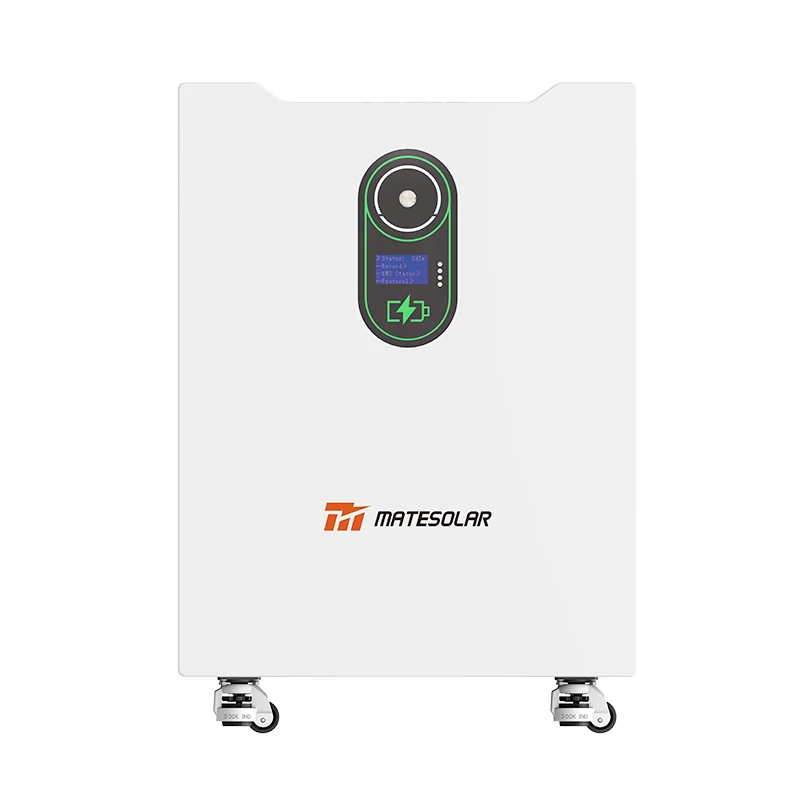
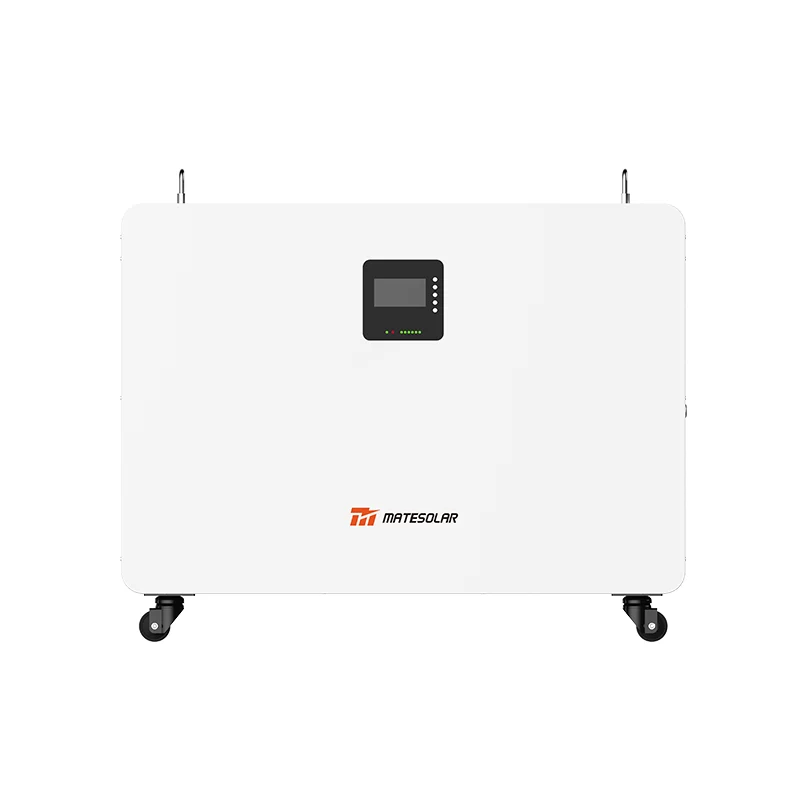
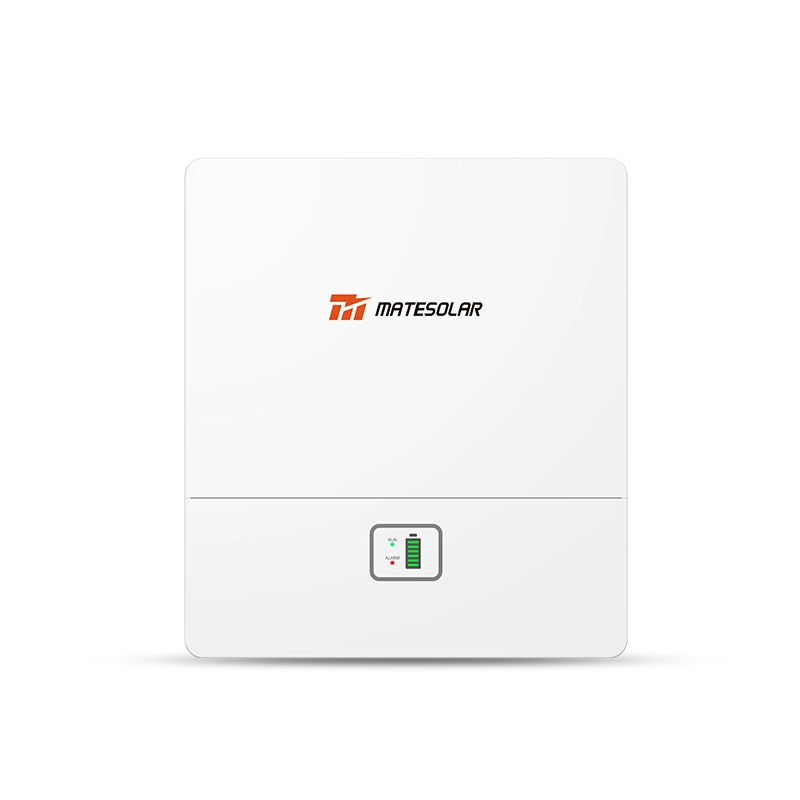
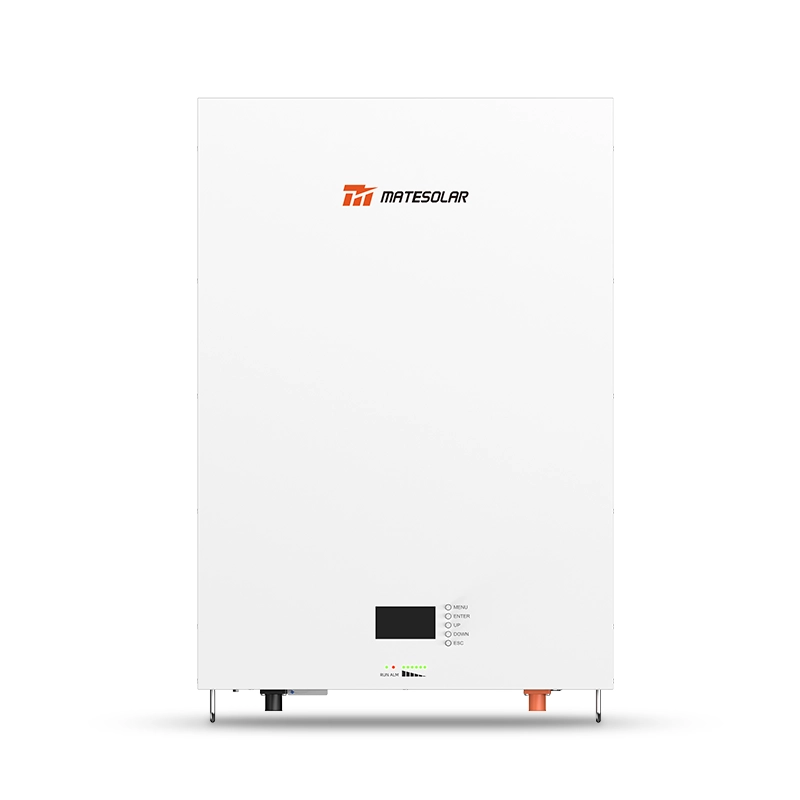
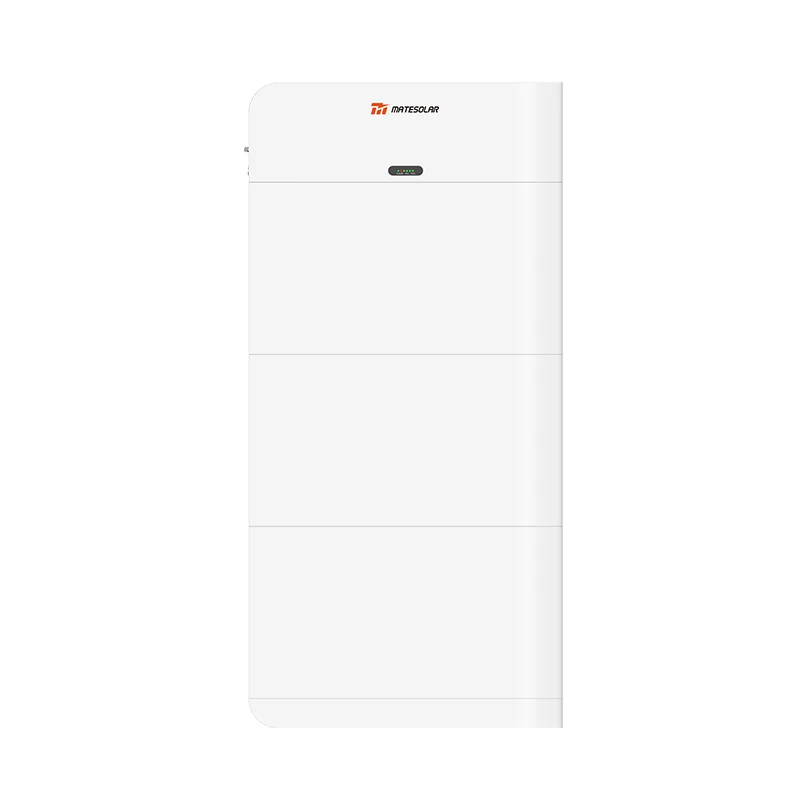
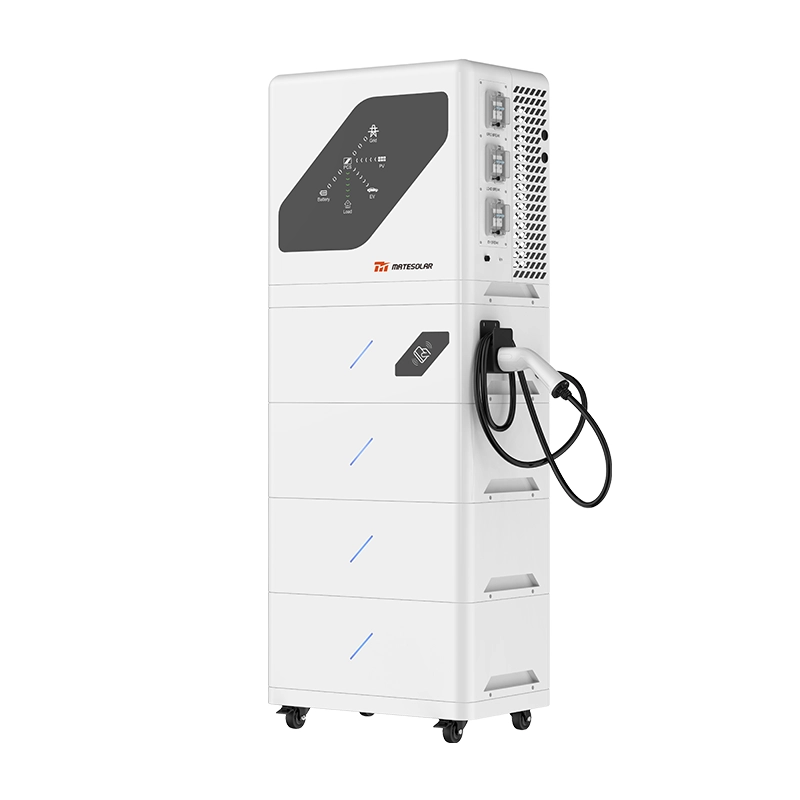
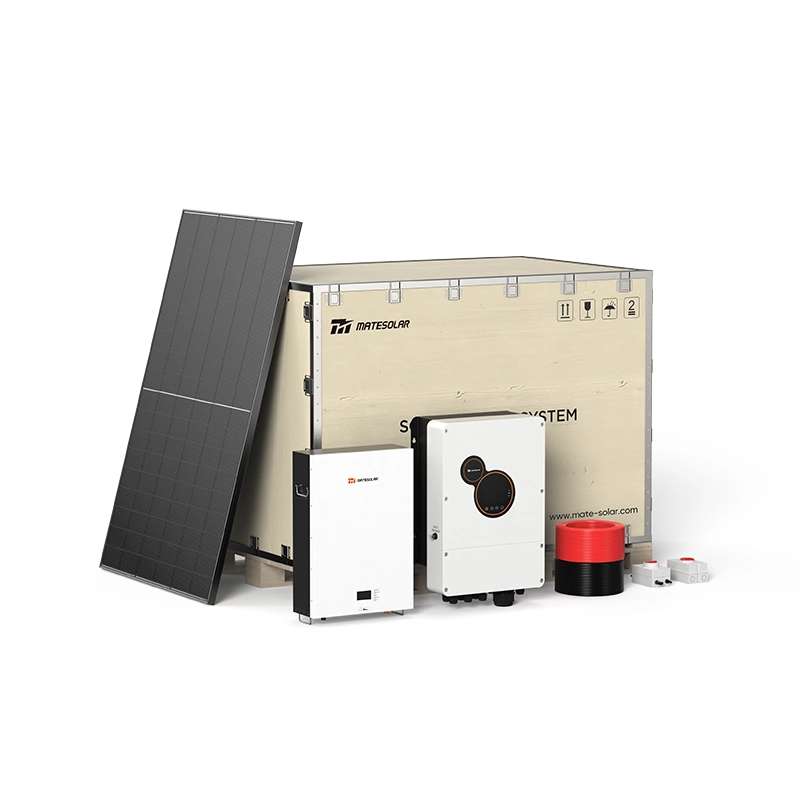
مات سولار هي مزود رائد لحلول تخزين الطاقة الكهروضوئية المتكاملة، وهي مكرسة لتقديم أنظمة تخزين الطاقة (BESS) المعتمدة والمقاومة لظروف المناطق المدارية، للتطبيقات واسعة النطاق، والتطبيقات التجارية والصناعية، والتطبيقات السكنية في أمريكا الوسطى والأسواق العالمية. تشمل محفظتنا أنظمة الخزائن الخارجية المعتمدة من UL9540 (232 كيلوواط ساعة - 261 كيلوواط ساعة)، وتخزين في حاويات مبردة بالسائل (3 ميغاواط ساعة - 5 ميغاواط ساعة)، وحلول طاقة شمسية هجينة كاملة للعملاء التجاريين والصناعيين. بفضل التطبيقات المثبتة في البيئات الاستوائية والدعم الفني الشامل عن بعد، تعد مات سولار شريكك لتخزين طاقة موثوق وقابل للتمويل في غواتيمالا.
ينشر هذا المستند كمصدر معلومات استخباراتية للسوق للمهنيين في الصناعة. وتعكس جميع البيانات المقدمة معلومات متاحة للجمهور اعتبارًا من أبريل 2026. وينصح القراء بالتحقق من التعريفات الحالية والمتطلبات التنظيمية مع المصادر الرسمية بما في ذلك CNEE و MEM قبل تنفيذ المشروع.