








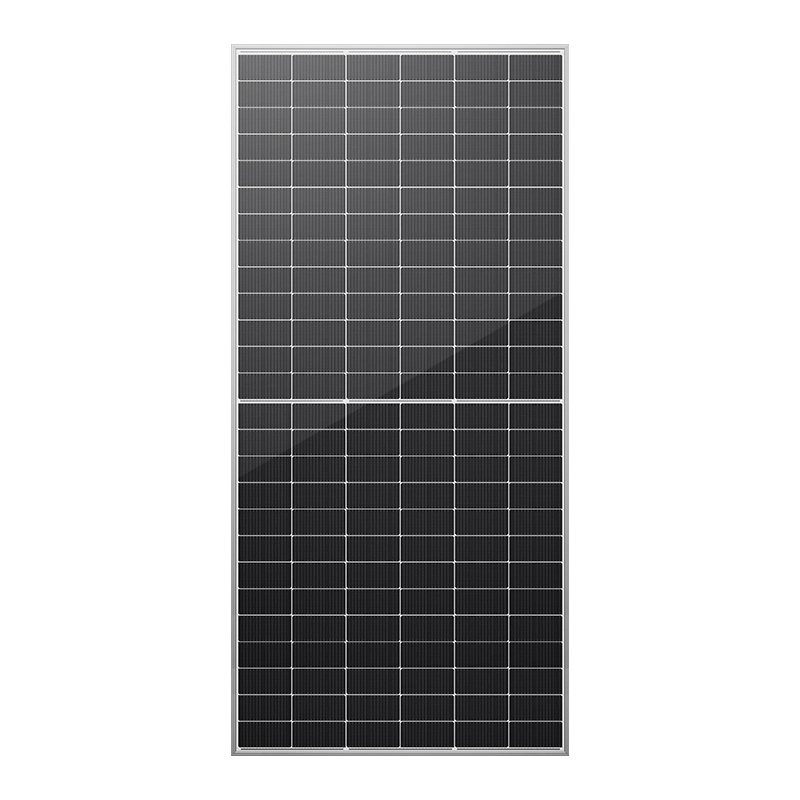
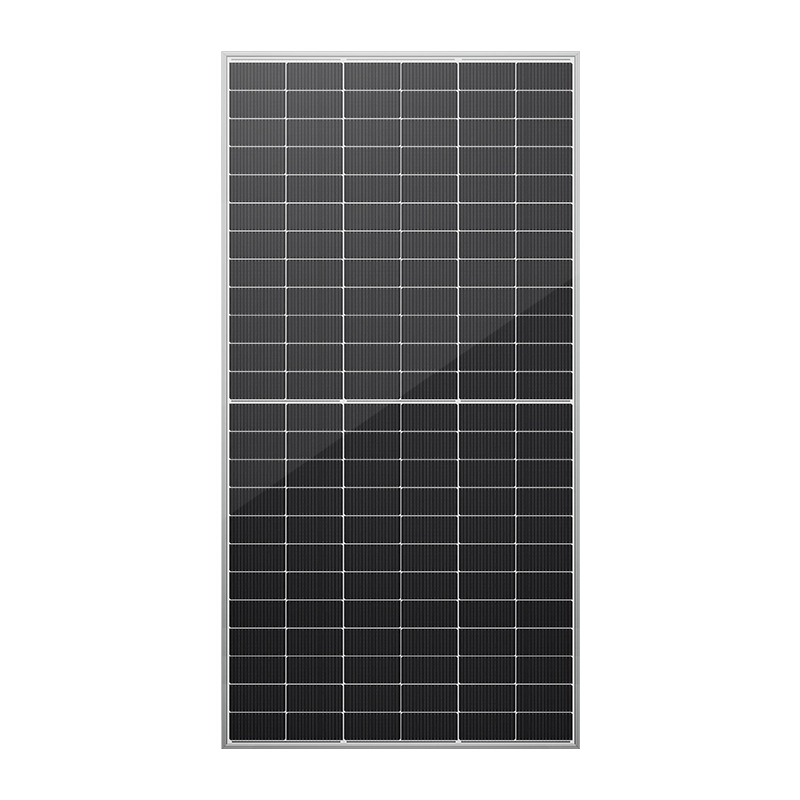
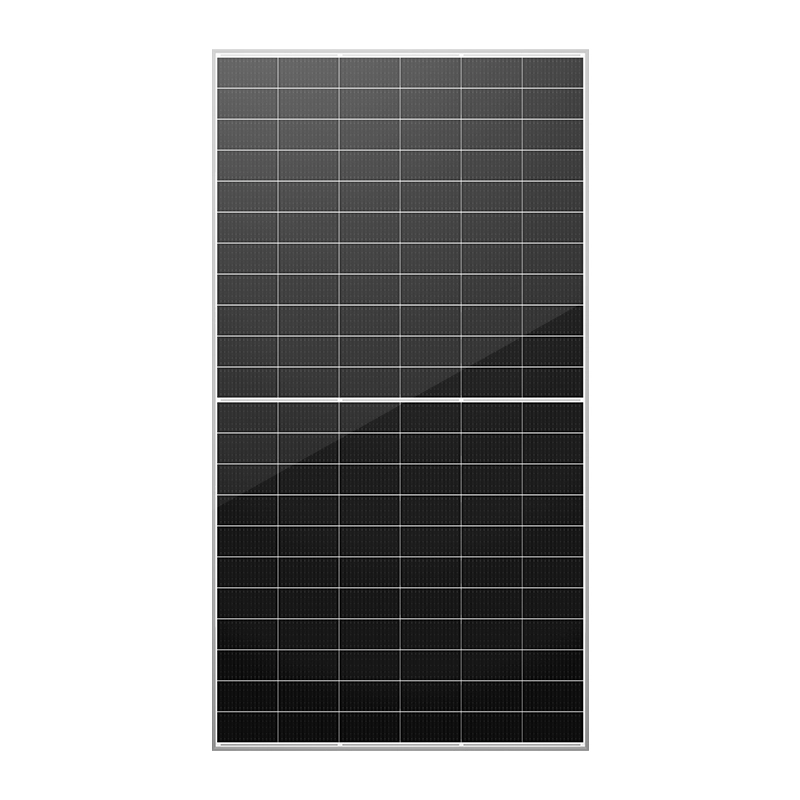
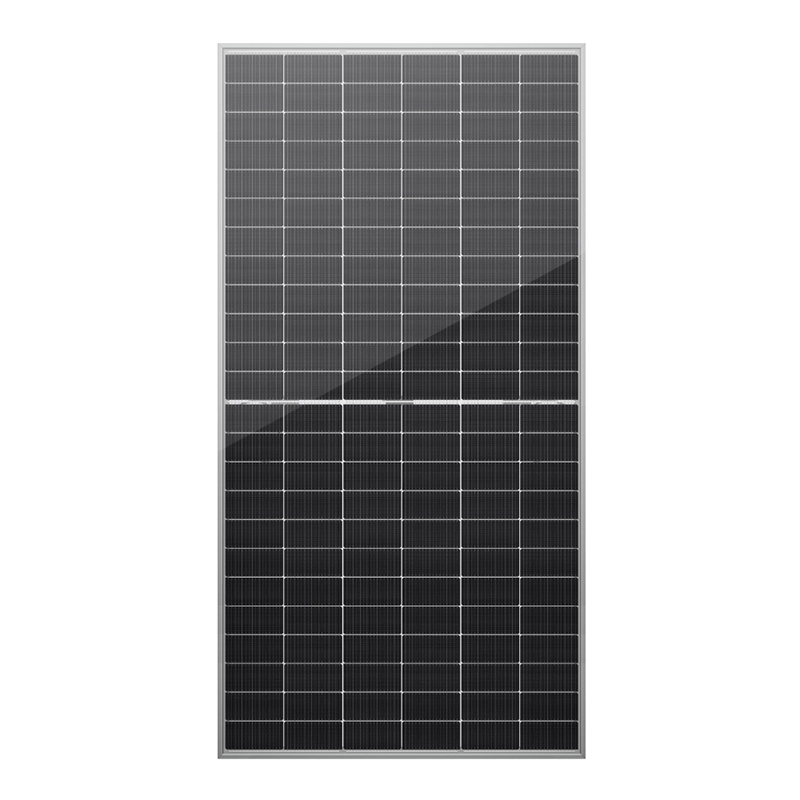
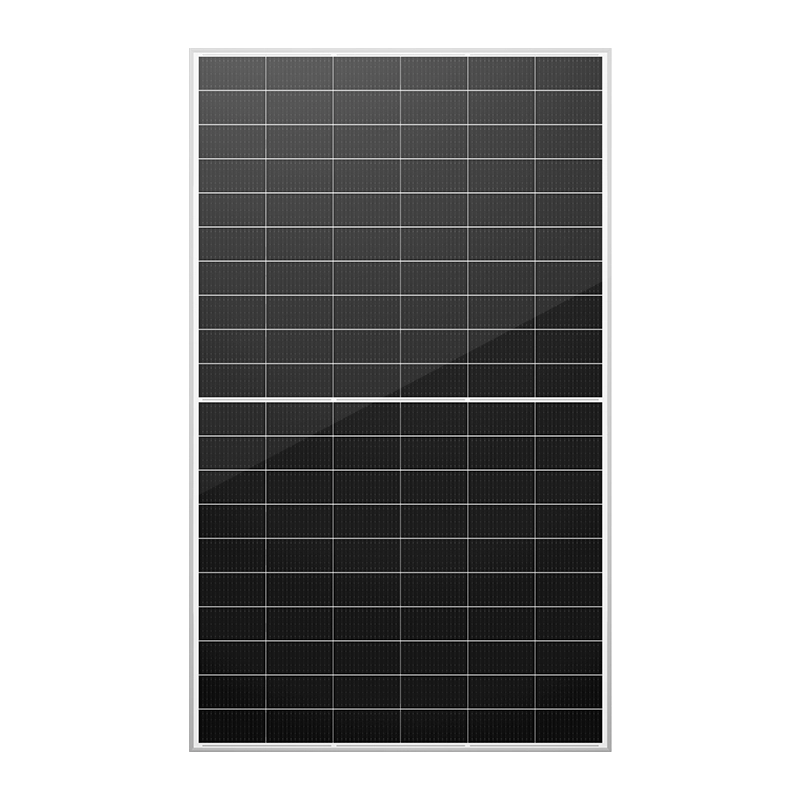
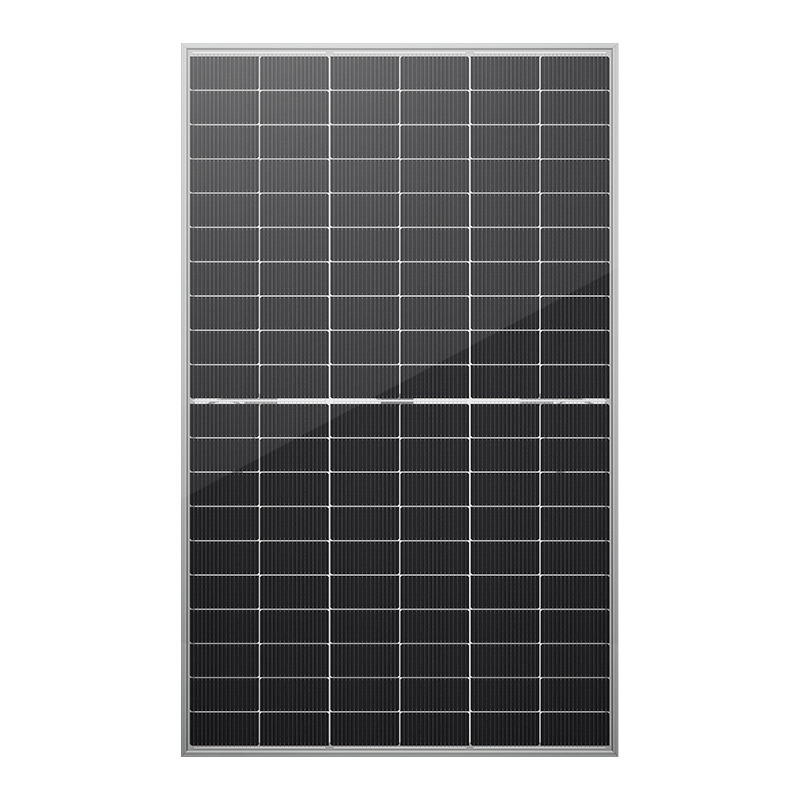
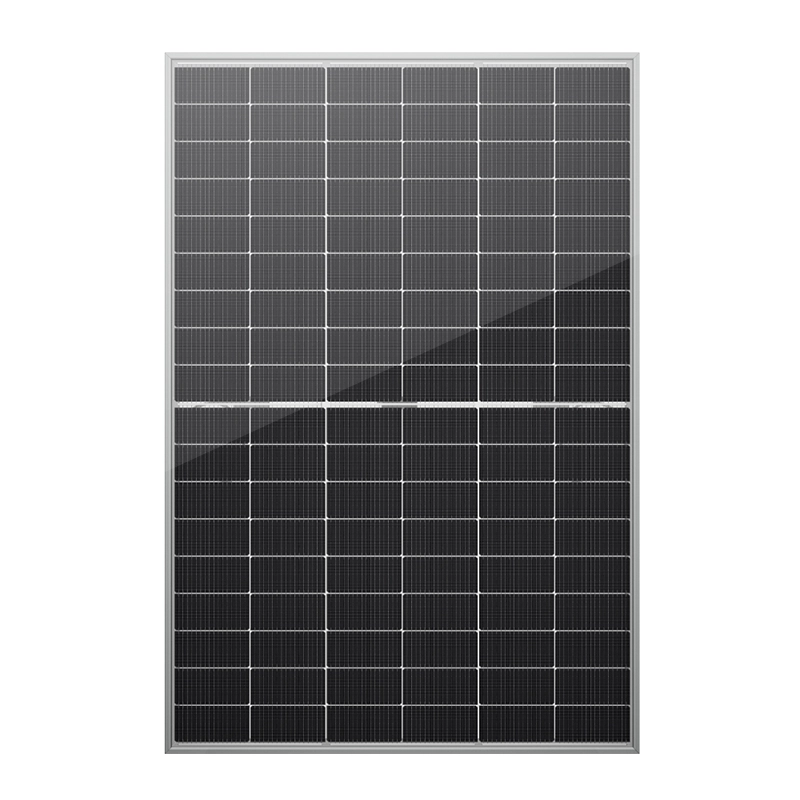
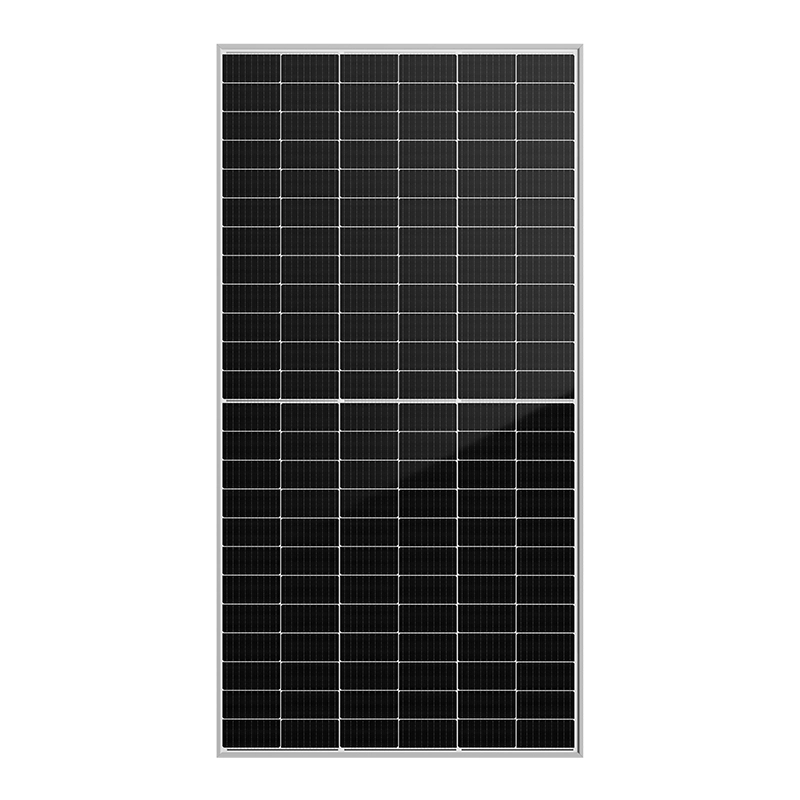
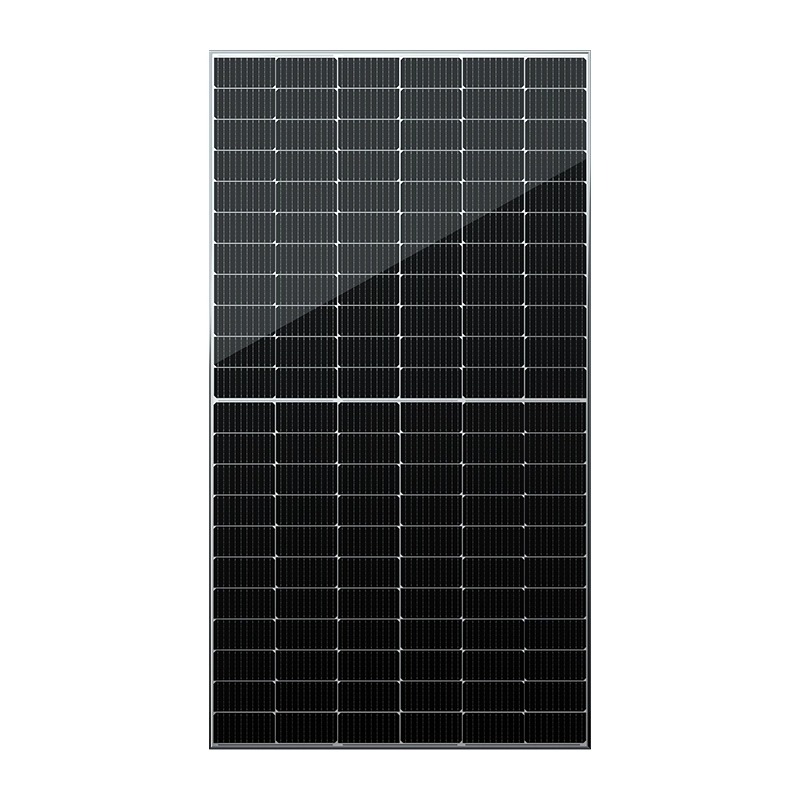
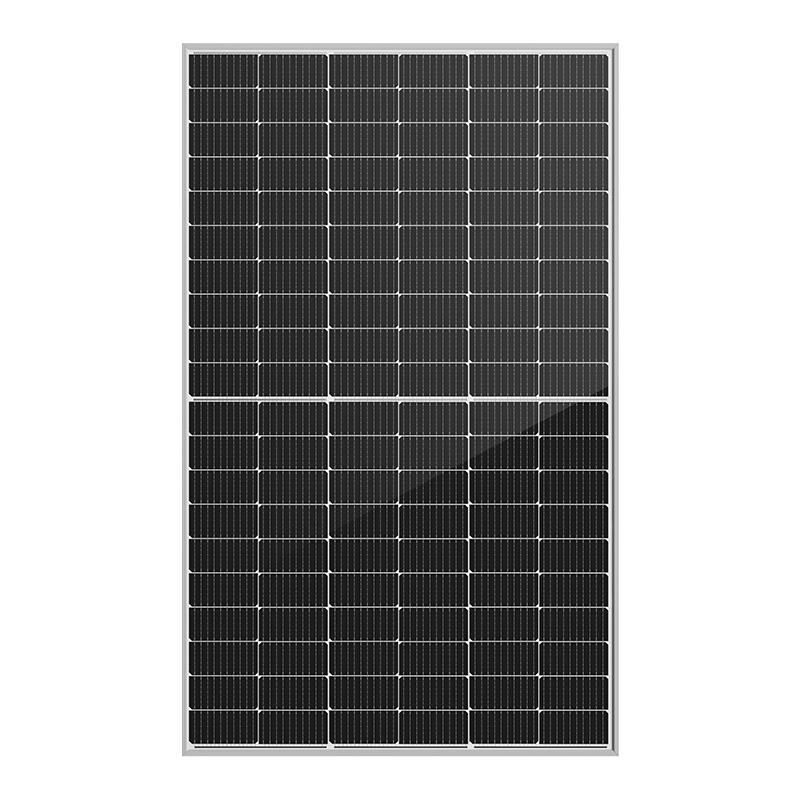
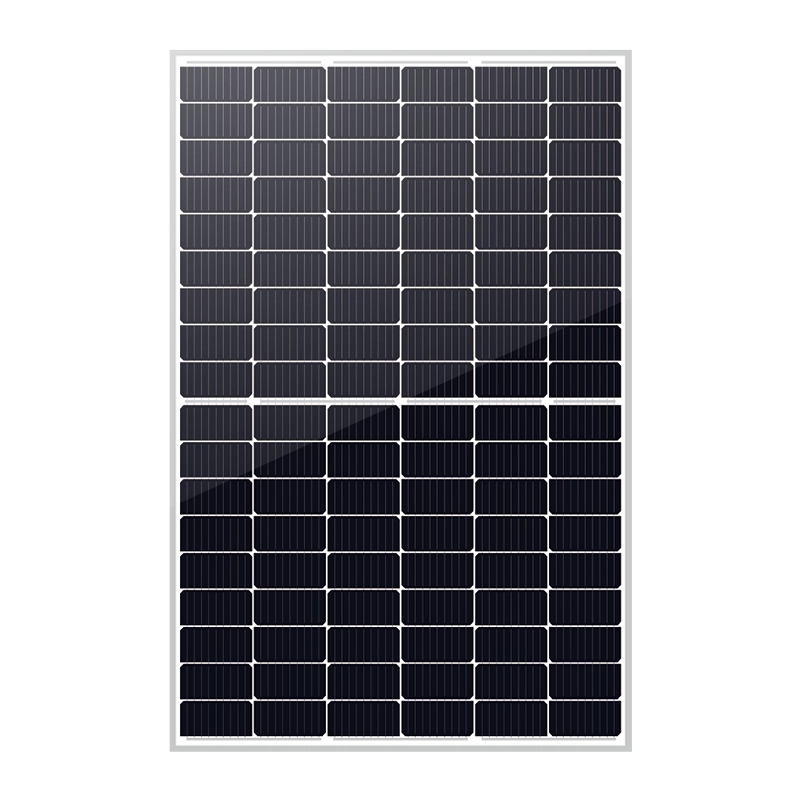
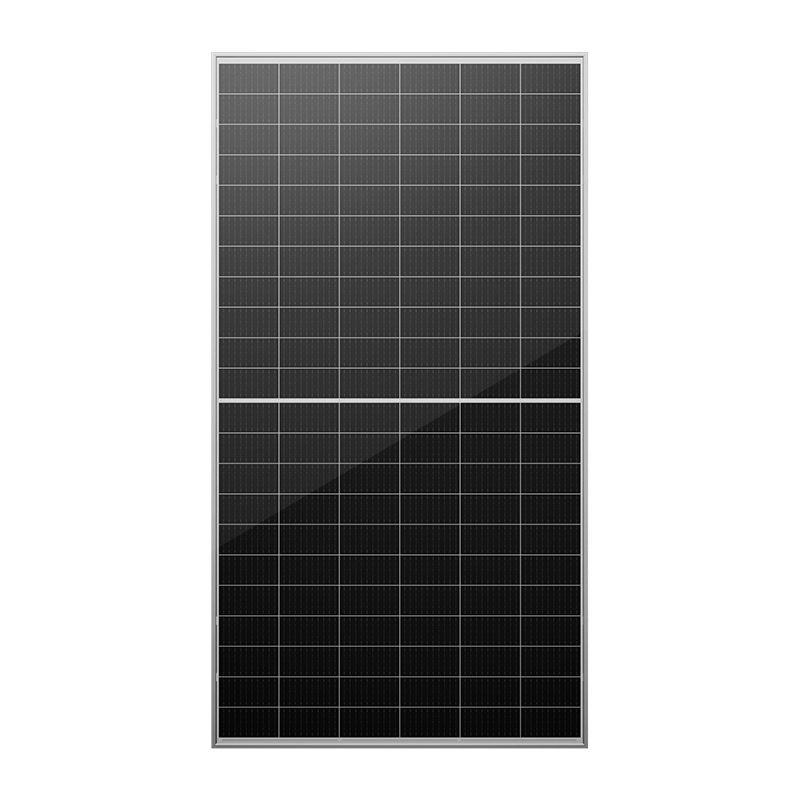









برزت جمهورية السلفادور كأكثر أسواق الطاقة المتجددة ديناميكية في أمريكا الوسطى، وذلك في أعقاب سلسلة من الإنجازات التشريعية التي دخلت حيز التنفيذ الكامل في أوائل عام 2026. ومع وصول حصة الطاقة الشمسية الكهروضوئية (PV) حالياً إلى 21.1% من إجمالي إنتاج الكهرباء الوطني، ووصول إجمالي السعة المركبة للطاقة الكهروضوئية إلى 633 ميغاواط، شهدت مزيج الطاقة في البلاد تحولاً جذرياً — مما أتاح فرصاً غير مسبوقة وتحديات تقنية غير مسبوقة أيضاً..
إن التقاء ثلاث سياسات هامة - قانون تعزيز الطاقة المتجددة (ساري المفعول في فبراير 2026)، وإصلاح سوق تجارة التجزئة للكهرباء (تم تمريره في 10 أبريل 2026)، والخطة الوطنية لتخزين الطاقة (بدأت مرحلتها التجريبية في نوفمبر 2025) - قد خلق بيئة تنظيمية في وضع فريد لتسريع نشر أنظمة تخزين طاقة البطاريات (BESS) عبر قطاعات المرافق التجارية والصناعية..
هذا الدليل الشامل بمثابة المرجع الصناعي النهائي للتنقل في مشهد تخزين الطاقة المتطور بسرعة في السلفادور. بالاعتماد على بيانات SIGET الرسمية، وخرائط طريق البنية التحتية لـ ETESAL، وتوقعات سوق BloombergNEF، ودراسات حالة المشاريع الواقعية، تعالج هذه المنشورة التحديات الفنية والتجارية الملحة التي تواجه مشغلي الشبكات، والمستهلكين الصناعيين للطاقة، والمشاريع الصغيرة والمتوسطة، وشركاء EPC المحليين.
ضمن هذه الصفحات، سيجد صانعو القرار حلولاً قابلة للتنفيذ لأكثر أربع نقاط مؤلمة حاسمة تشكل انتقال الطاقة في السلفادور:
- استقرار الشبكة في ظل اختراق قياسي للطاقة الشمسية
- مشاركة سوق التجزئة للمستهلكين الكهربائيين الصناعيين والتجاريين
- التنقل التنظيمي للشركات الصغيرة والمتوسطة
- التمويل والجدوى المصرفية لمدمجي الأنظمة المحليين
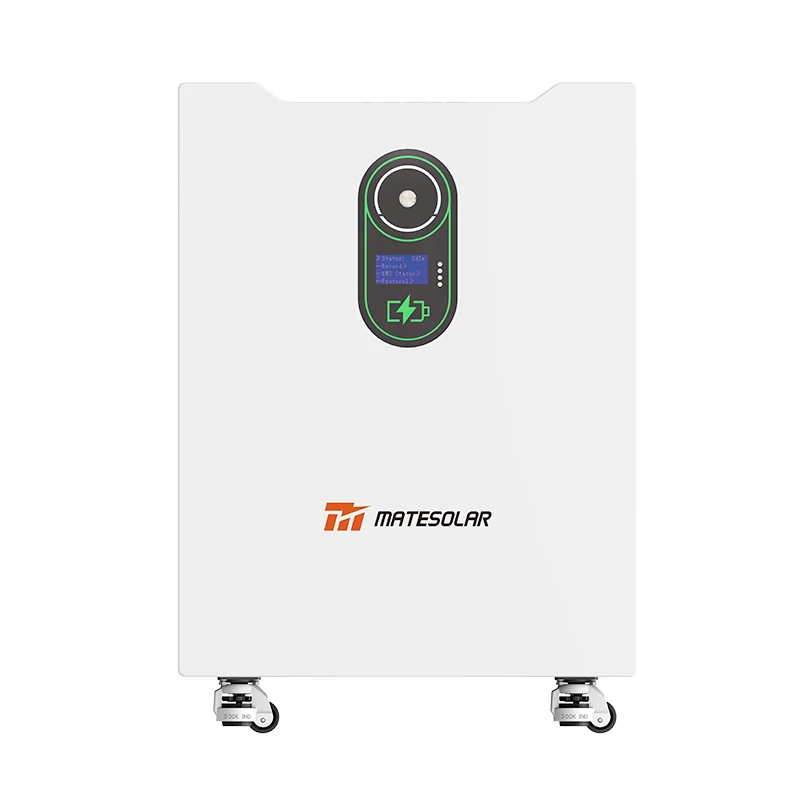
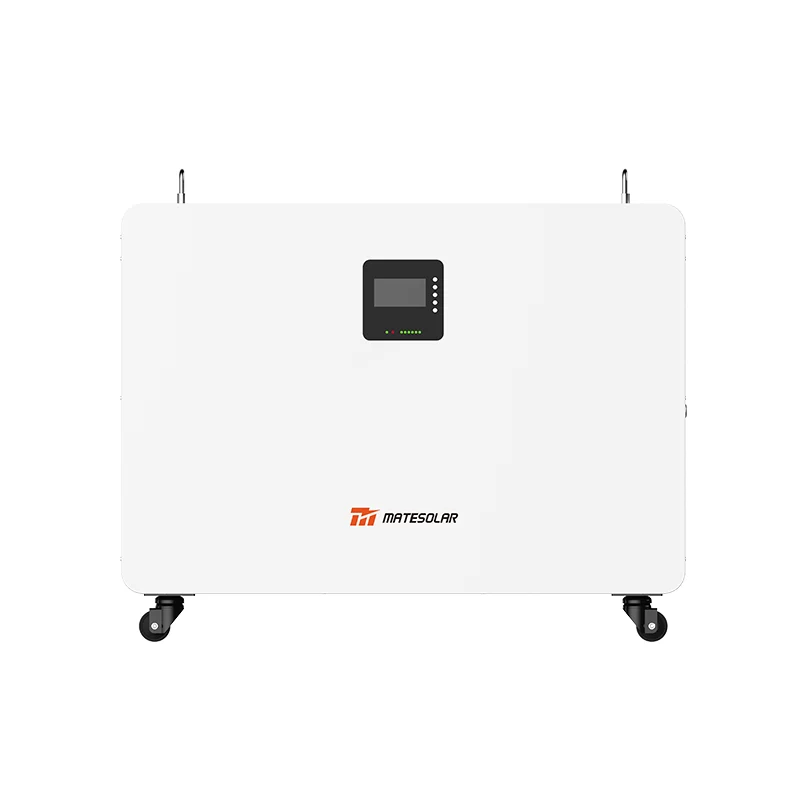
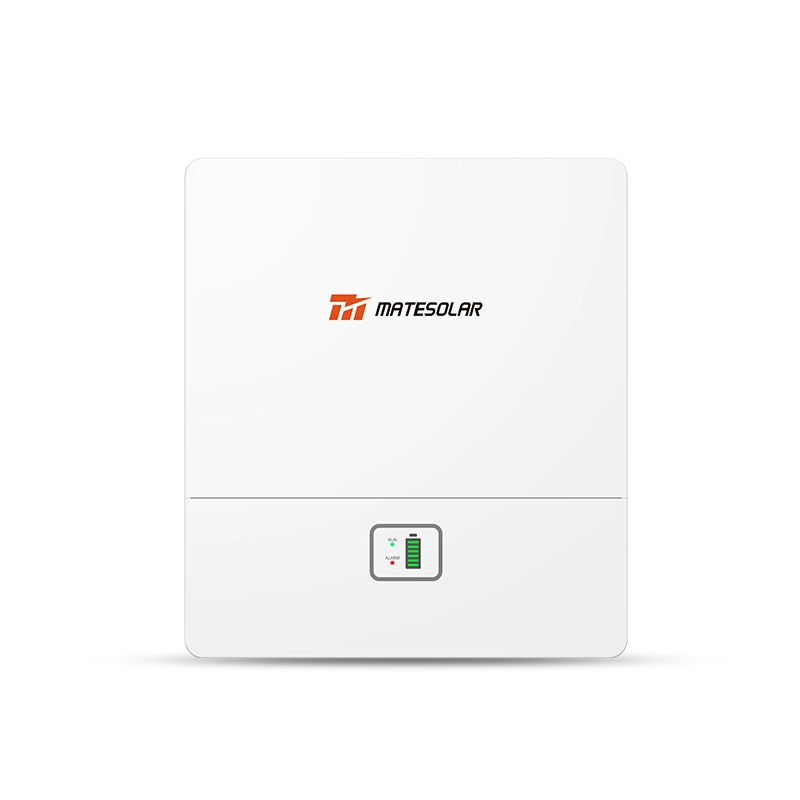
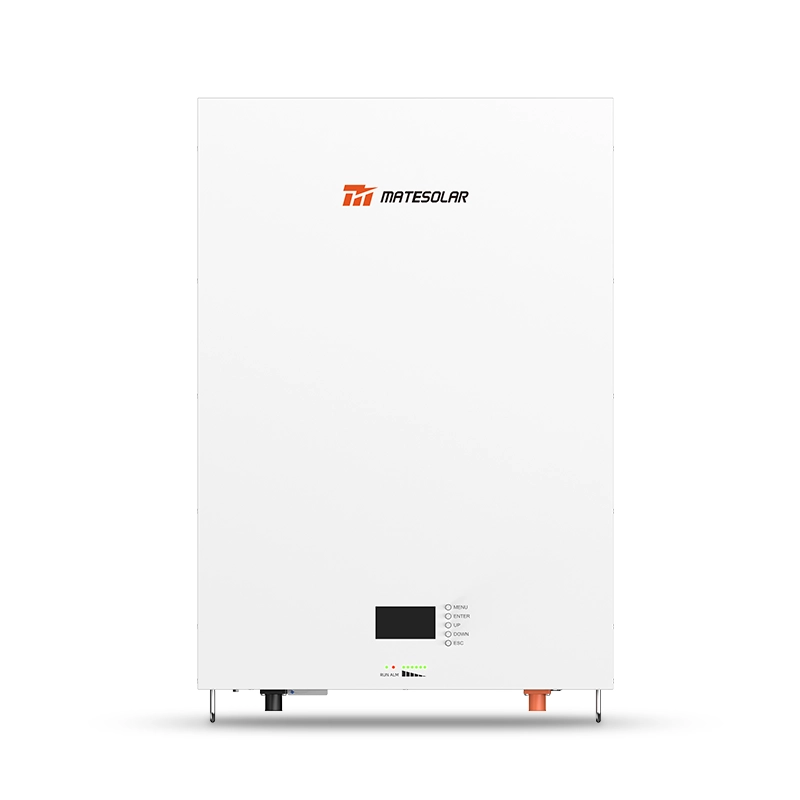
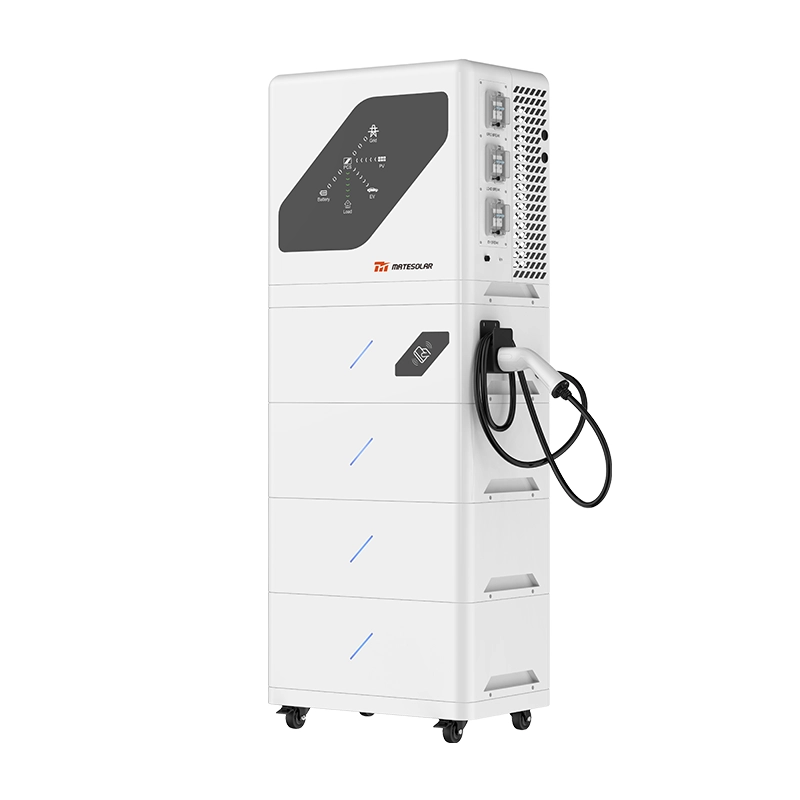
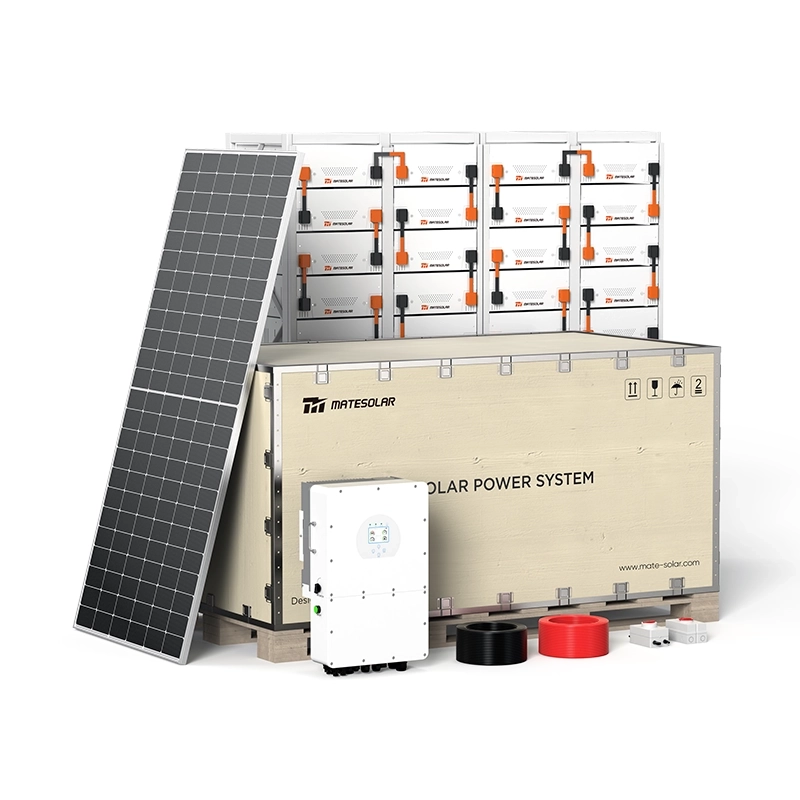
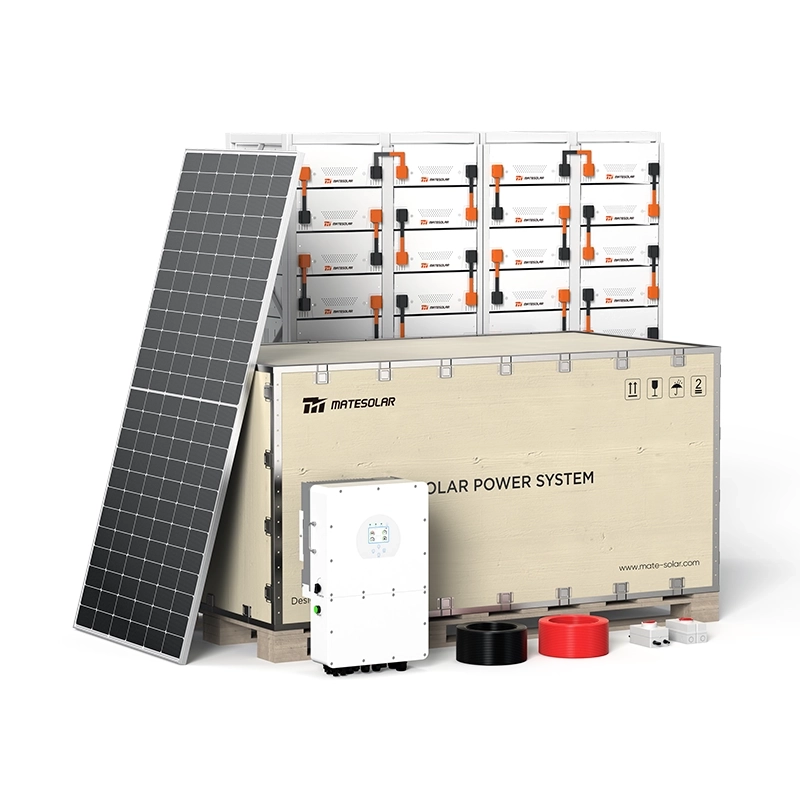
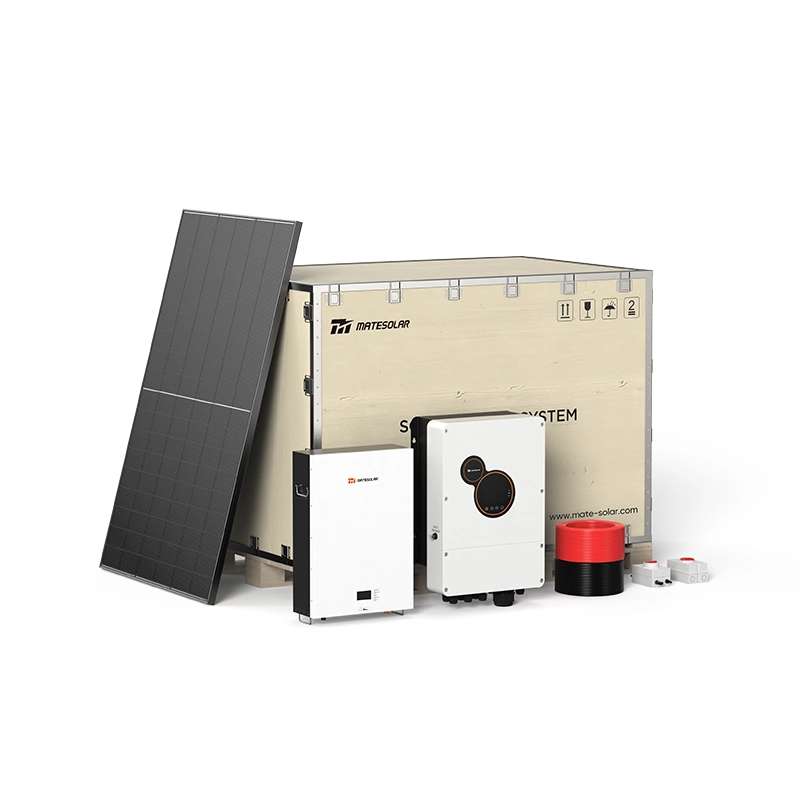
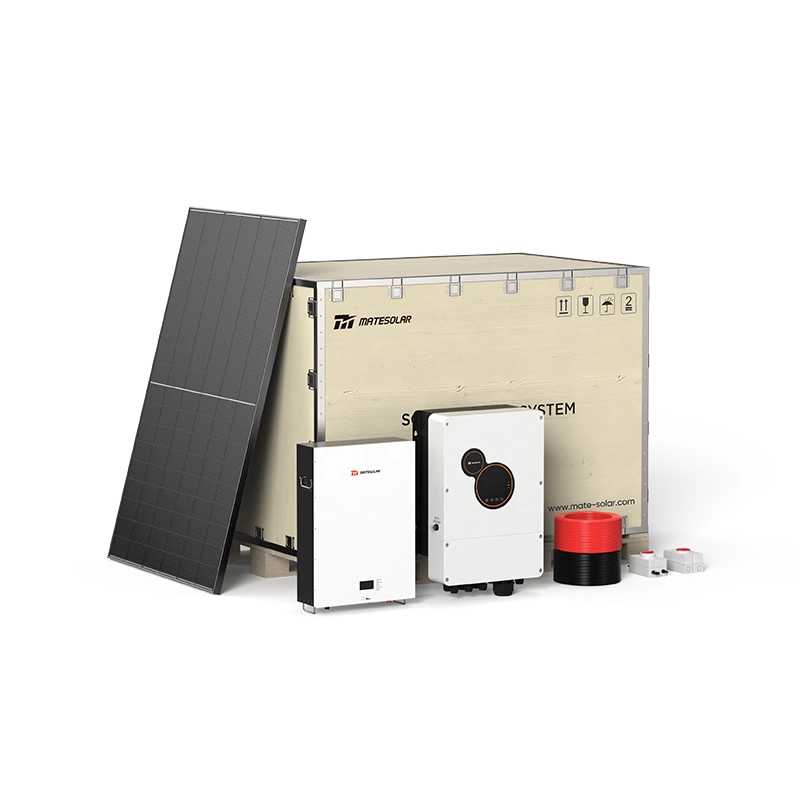
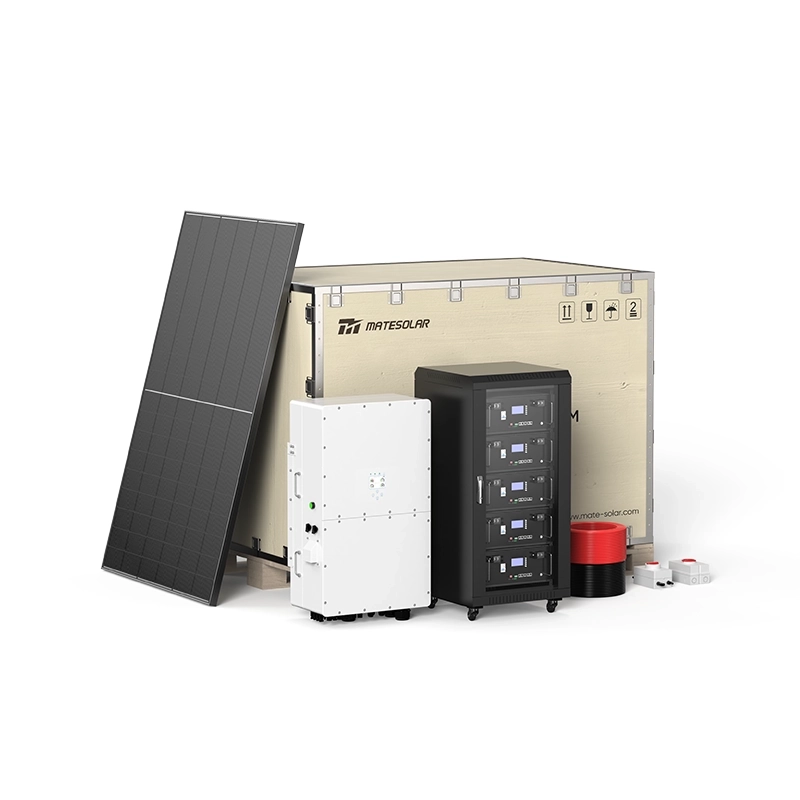
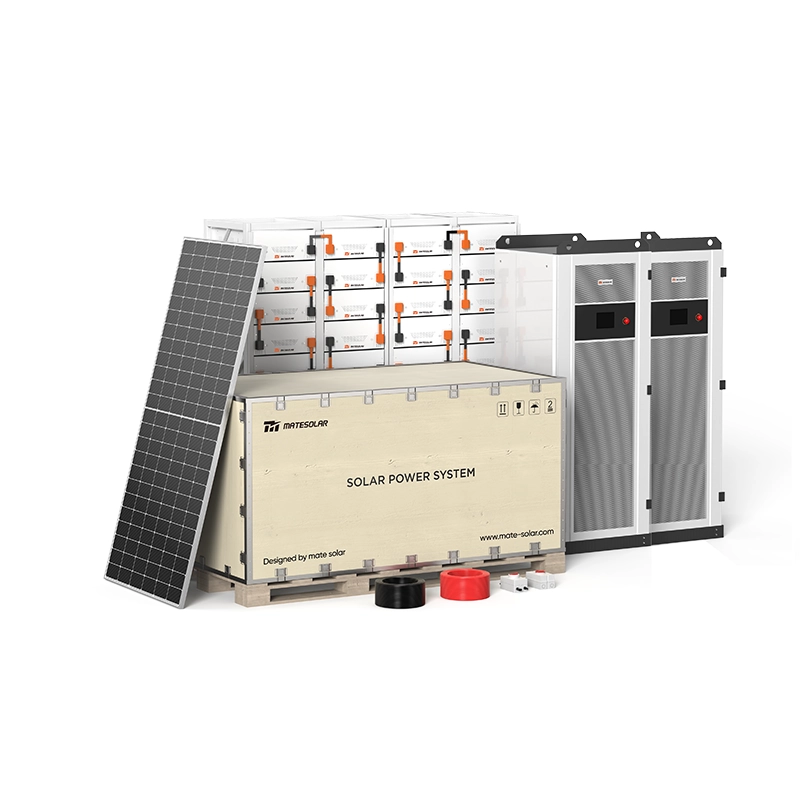
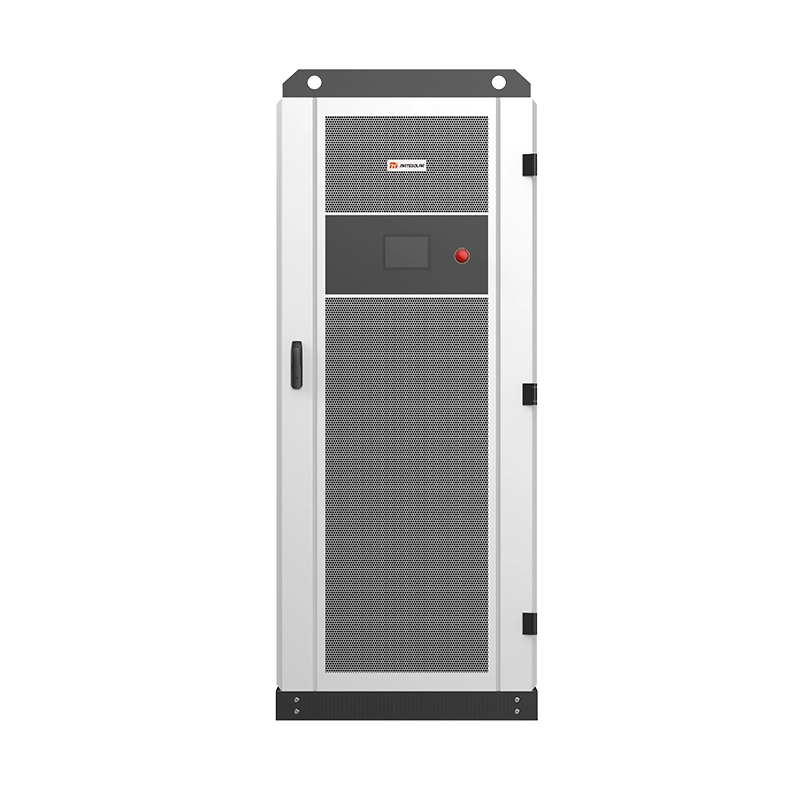
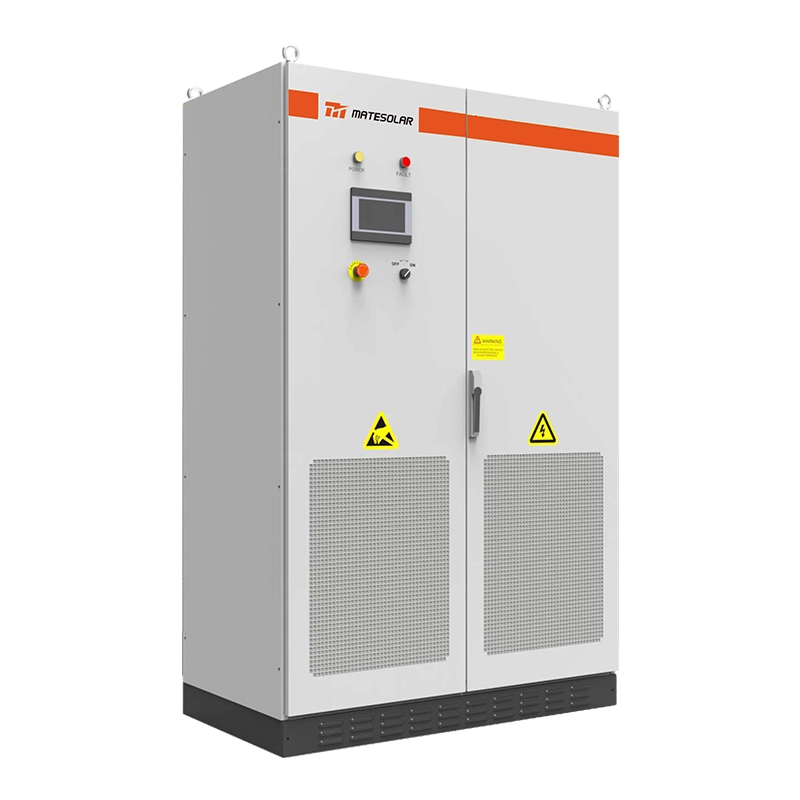
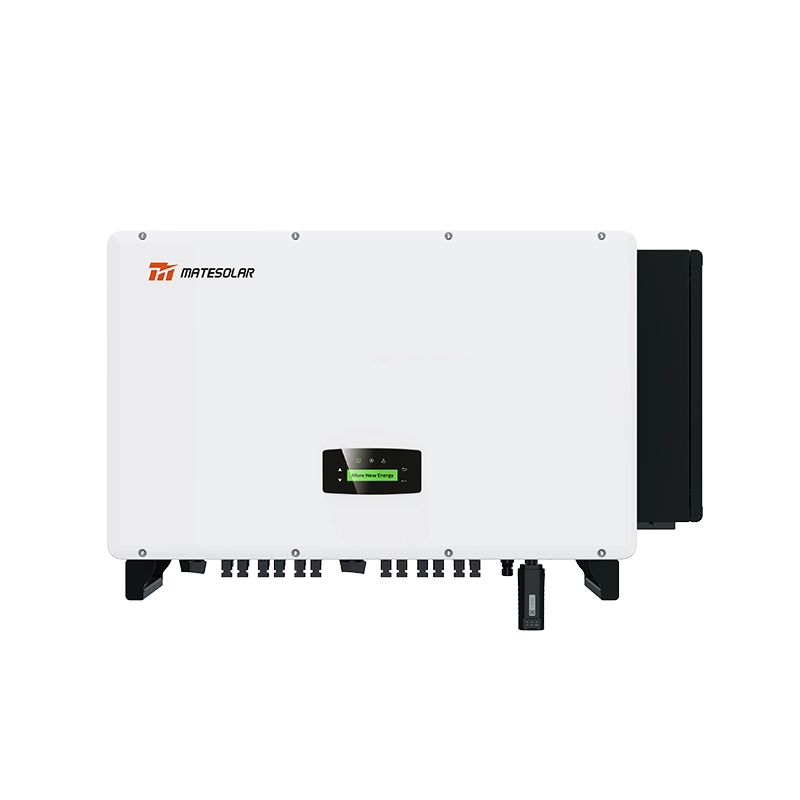
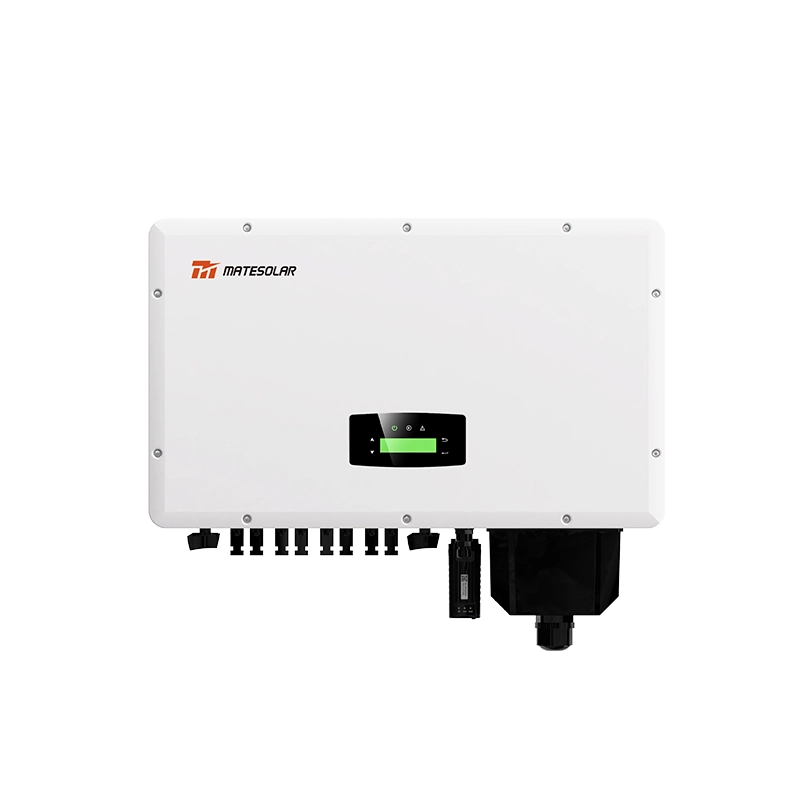
مع نضوج السوق، تقف MateSolar جاهزة كمزود حلول شامل لمحطات الطاقة الكهروضوئية وتخزين الطاقة، حيث تقدم أنظمة متكاملة مصممة خصيصًا لبيئة التشغيل الفريدة في السلفادور.
الفصل الأول: إعادة ضبط الإطار التنظيمي - التحول التنظيمي الأكثر أهمية في عقد من الزمان
1.1 قانون تعزيز الطاقة المتجددة (قانون تعزيز استخدام الطاقة المتجددة)
تم تمريره في الجمعية التشريعية في أكتوبر 2025 ودخل حيز التنفيذ الكامل في فبراير 2026، ويؤسس هذا التشريع التاريخي إطارًا حافزًا لمدة 10 سنوات يغير بشكل أساسي اقتصاديات تبني الطاقة المتجددة والتخزين..
الأحكام الأساسية للمستخدمين النهائيين:
| نوع الحافز | تفاصيل | المدة | شروط الأهلية |
| إعفاء من ضريبة القيمة المضافة | إعفاء كامل من الرسوم المتعلقة بشراء وتركيب وصيانة أنظمة توليد الطاقة المتجددة وتخزينها | 10 سنوات (حتى فبراير 2036) | يجب شراء المعدات من الموردين المعتمدين والمؤهلين المدرجين في كتالوج SIGET |
| خصم ضريبة الدخل | الخصم الكامل لمصروفات الشراء والتركيب من الدخل الخاضع للضريبة في نفس السنة المالية | دائم (لكل فترة مالية) | يجب أن تكون الأنظمة مخصصة لأغراض الاستهلاك الذاتي |
| تعويض الطاقة الفائضة | يتم الدفع مقابل الكهرباء المُضخَّمة في شبكة التوزيع وفقًا للأسعار التي تحددها SIGET؛ ويُخصم المبلغ كخصم من الفاتورة الشهرية، ويمكن تجميعه لمدة تصل إلى ستة أشهر متتالية | مستمر | يتطلب عد ثنائي الاتجاه والامتثال للمعايير الفنية للتوصيل البيني |
مزايا الموردين المؤهلين:
| نوع الحافز | تفاصيل |
| الإعفاء الضريبي على الدخل | إعفاء كامل من الضرائب على الإيرادات المتأتية من أنشطة الطاقة المتجددة المشجعة |
| إعفاء من ضريبة القيمة المضافة | إعفاء كامل من ضريبة المبيعات وخدمات التركيب |
| إعفاء من رسوم الاستيراد | إعفاء كامل على المعدات والمواد وقطع الغيار الأساسية اللازمة للبيع أو التوريد أو التركيب |
يشمل القانون صراحةً أنظمة تخزين الطاقة وتركيبها وتشغيلها وص.
تنص اللائحة الخاصة التي نُشرت في الجريدة الرسمية بتاريخ 20 أبريل 2026 على الإطار التشغيلي للتنفيذ. وتشمل الأحكام الرئيسية ما يلي:
- إلغاء الرسوم الإضافية التي تفرضها شركات التوزيع على ضخ الطاقة المتجددة في الشبكة
- شهادات IEC و UL الإلزامية لجميع المعدات والمكونات
- متطلبات التقديم، بما في ذلك المذكرات الفنية، والمخططات أحادية الخط، والمواصفات التفصيلية للمعدات
- تتراوح المدة الزمنية اللازمة لمراجعة طلبات SIGET والموافقة عليها بين ثلاثة وعشرين يوم عمل، اعتمادًا على سعة النظام
- إرشادات الامتثال المحددة للأنظمة التي تتضمن معدات التخزين والمراقبة والحماية
1.2 إصلاح سوق الكهرباء بالتجزئة: تعديلات قانون الكهرباء العام
في 27 أبريل 2026، صوتت الجمعية التشريعية السلفادورية بأغلبية 56 صوتًا مقابل صفر لصالح إقرار إصلاحات شاملة لقانون الكهرباء العام، مما أدى إلى إنشاء سوق تجزئة للكهرباء خاضع للتنظيم يعيد هيكلة الطريقة التي تتفاعل بها أنظمة التوليد الموزع والاستهلاك الذاتي مع الشبكة بشكل جذري.
تم تصميم الإطار السوقي الجديد لـ:
- تنظيم معاملات الطاقة ضمن شبكات التوزيع، مكملاً بذلك سوق البيع بالجملة الحالي
- توفير شفافية في الأسعار تعكس المزايا الحقيقية لتقنيات الطاقة المتجددة من حيث التكلفة
- تحديد دقيق للطاقة المولدة، والطاقة المُضخَّمة في الشبكة، وتأثير ذلك على تعريفات المستخدم النهائي من خلال نظام القياس التجاري الخاضع للتنظيم
- تعزيز إجراءات الربط البيني، ودراسات السعة الإلزامية، وآليات المراقبة في الوقت الفعلي
تأتي هذه الإصلاحات في الوقت الذي تمتلك فيه السلفادور بالفعل قدرة مركبة تبلغ 553 ميغاواط في إطار مشاريع التوليد الموزع والاستهلاك الذاتي، مما يؤكد الحاجة الملحة إلى إطار تنظيمي معاصر.
في ظل الممارسات الحالية، يتم احتساب أسعار الطاقة بناءً على تكاليف وقود السفن أو الديزل - وهي أعلى بكثير من تكاليف توليد الطاقة المتجددة. يهدف تصميم السوق الجديد بشكل صريح إلى تمكين أسعار كهرباء نهائية أقل من خلال السماح لانعكاس المزايا التكلفية للطاقة الشمسية والتخزين في التعرفات.
تواجه شركات التوزيع الآن التزامات معززة للإبلاغ عن المعلومات الدورية حول عمليات الربط البيني وتقديم البيانات الفنية التي تسهل تخطيط نظام الكهرباء الوطني.
1.3 خطة الطاقة الوطنية للتخزين ومبادرات ETESAL
في 25 نوفمبر 2025، أعلن إدوين نونيز، رئيس شركة ETESAL (شركة نقل الطاقة الوحيدة في السلفادور)، عن إطلاق المرحلة التجريبية للخطة الوطنية لتخزين الطاقة، والتي سيتم بموجبها تركيب بنوك بطاريات في كل محطة فرعية كجزء من استراتيجية شاملة لتحديث الشبكة..
تُنظم الخطة على مرحلتين:
| المرحلة | الجدول الزمني | نطاق |
| المرحلة الأولى | 2025–2034 | تركيب أنظمة تخزين البطاريات في محطات ETESAL الفرعية؛ استكمال مشاريع المحطات الفرعية الاستراتيجية في تامانيكي ومورازان |
| المرحلة الثانية | 2040 | التوسع الكامل لشبكة التخزين المعتمدة على المحطات الفرعية |
تشمل عمليات إنجاز المحطات الاستراتيجية الأخيرة محطة تامانيكي (تحسين جودة الخدمة على طول الشريط الساحلي لـ لا ليبرتاد ولا باز) وخط نقل تالنيك-تامانيكي (تعزيز التوزيع الإقليمي).
وفقًا لـ نونيز، تمتلك السلفادور حاليًا قدرة توليد مركبة تتجاوز 3,000 ميجاوات، بينما يصل استهلاك الذروة إلى حوالي 1,162 ميجاوات - وهي فائض كبير يسهل مرونة الشبكة ولكنه يخلق أيضًا متطلبات موازنة معقدة يمكن للتخزين معالجتها بشكل فريد..
1.4 رقمنة الشبكة: مشهد الاستثمار في القطاع الخاص
وتعمل شركات تشغيل الشبكات الخاصة في الوقت نفسه على تنفيذ برامج رقمنة كبرى. فقد نفذت شركة «AES السلفادور»، التي تخدم أكثر من 1.5 مليون عميل وتغطي ما يقارب 80% من أراضي السلفادور، خطة رقمنة تكنولوجية بلغت قيمة استثماراتها الإجمالية أكثر من US$67 مليون.
المكونات الرئيسية تشمل:
| التكنولوجيا | استثمار | وظيفة |
| البنية التحتية المتقدمة للقياس | US$7.2 مليون | عدادات ذكية تنقل بيانات الاستهلاك في الوقت الفعلي عبر شبكة اتصالات متقدمة |
| نظام إدارة التوزيع المتقدم (ADMS) | US$7.6 مليون | يقلل أوقات الاستجابة أثناء حالات الطوارئ؛ يدمج جميع مكونات تكنولوجيا المعلومات لشبكة التوزيع |
| نظام النظام البيئي الرقمي للعملاء (ACE) | US$51.9 مليون | وتؤتمت وتحسن جميع عمليات الإدارة التجارية |
| حل إدارة الشبكة الرقمية (DGM) | جزء من ADMS | منصة AspenTech ADMS + DERMS التي تمكن الانتقال من الشبكة التقليدية أحادية الاتجاه إلى مشغل النظام الموزع (DSO) |
يقدم تطبيق ADMS قدرات DSCADA متقدمة، وتدفق الطاقة للتوزيع، وإدارة أوامر التبديل، و DERMS، وتحديد الأعطال وعزلها واستعادة الخدمة، ونظام إدارة الانقطاع. صرح دانيال برنارديز، نائب رئيس العمليات في AES السلفادور، بأن النظام يتيح "الكشف السريع وعزل انقطاعات الكهرباء، وتقليل وقت الاستعادة أثناء حالات الطوارئ وزيادة الموثوقية الإجمالية لعملائنا بشكل كبير".".
كما تخطط شركة AES لتخصيص مبلغ إضافي قدره $3.3 مليون دولار أمريكي لـ 12 مشروعًا جديدًا للشبكات الذكية في مختلف أنحاء البلاد خلال السنوات المقبلة.
الفصل الثاني: الضرورة الشمسية – نمو قياسي، وتحديات متزايدة للشبكة
2.1 إحصائيات اختراق الطاقة الشمسية
وفقاً لبيانات SIGET:
| متري | القيمة | اعتبارًا من |
| حصة الطاقة الشمسية من إنتاج الكهرباء الوطني | 21.1% | ديسمبر ٢٠٢٣ |
| إجمالي الطاقة الشمسية المركبة (SIGET) | 633 ميجاوات | ديسمبر ٢٠٢٣ |
| إجمالي الطاقة المركبة (بما في ذلك الإنتاج الذاتي) | 734.23 ميجاوات (1953 محطة طاقة شمسية) | ديسمبر ٢٠٢٤ |
| إجمالي الطاقة المركبة الوطنية (جميع المصادر) | 3101.24 ميجاوات | نهاية عام 2024 |
تعد الطاقة الشمسية الآن ثاني أكبر مساهم في شبكة السلفادور، خلف محطات الوقود الأحفوري فقط (757.12 ميجاوات) وتتقدم على الطاقة الكهرومائية من حيث عدد مرافق التوليد..
أصبحت غالبية محطات توليد الكهرباء في السلفادور الآن محطات كهروضوئية، وهو ما يعكس الاستغلال الاستراتيجي الذي تقوم به الدولة لمواردها الشمسية الوفيرة.
2.2 مشاريع الطاقة الشمسية الكهروضوئية الكبرى على نطاق المرافق
تتضمن التطورات الأخيرة والمستمرة للطاقة الشمسية على نطاق المرافق ما يلي:
| مشروع | السعة | الحالة | الملاحظات |
| الملكوتال | 273 ميجاوات ذروة | تشغيلي (الربع الأول 2026) | أكبر تركيب للضوئية منفرد في البلاد؛ توطيد كبير لمصفوفة الطاقة |
| كابيلا سولار | 50 ميجاوات + 3 ميجاوات/1.5 ميجاوات ساعة نظام تخزين طاقة البطارية | تشغيلي | يتضمن تخزينًا للطاقة بالبطاريات لضمان الامتثال لقواعد الشبكة (متطلبات الاحتياطي الأساسي 3%) |
| خط أنابيب شمسي عائم | 186.27 ميجاوات ذروة | 2025–2033 | مبادرة ICE لنشر الطاقة الشمسية القائمة على الخزانات |
2.3 استقرار الشبكة: تحديد حجم التحدي
يشكل الانتشار الشمسي المرتفع تحديات تقنية موثقة جيداً. شبكة السلفادور تظهر:
- تقلبات الجهد ومشاكل جودة الطاقة، خاصة في المناطق الريفية والمناطق الصناعية القديمة
- ارتبط عدم استقرار التردد بالتقطع الشمسي ومعدلات الارتفاع السريعة خلال فترات الغطاء السحابي
- خطر الإفراط في توليد الكهرباء في منتصف النهار، حيث يصل إنتاج الطاقة الشمسية إلى ذروته في الوقت الذي قد يكون فيه الطلب أقل
مشكلة التقييد:
في غياب التخزين الكافي، تُجبر الفترات التي تزخر فيها الطاقة الشمسية مشغلي الشبكات على تقليص إنتاج الطاقة المتجددة — مما يعني فعليًّا إهدار طاقة نظيفة ومنخفضة التكلفة. وقد حققت المشاريع في مراحلها المبكرة التي تضم أنظمة تخزين تحسينات قابلة للقياس:
- انخفاض مستوى التخفيض من 12.7% إلى 3.2%
- ضغط زمن الاستجابة الترددية إلى 80 مللي ثانية
- تحسين الامتثال لقواعد الشبكة لخدمات الاحتياطي الأساسي
متطلبات كود الشبكة:
للإشارة، تنص لوائح شبكة الكهرباء في السلفادور على توفير خدمة احتياطية أولية بمواصفات 3% لأغراض التنظيم الأولي — وهو متطلب صُمم نظام البطاريات من شركة «كابيلا سولار» بسعة 3 ميغاواط/1.5 ميغاواط/ساعة خصيصًا لتلبيته.
2.4 فجوات البنية التحتية للشبكة: تقلبات الجهد مكشوفة
على الرغم من الاستثمارات الضخمة في تحديث شبكة الكهرباء، لا يزال تقلب الجهد مصدر قلق كبير بالنسبة للمعدات الصناعية الحساسة.
يكشف تحليل مقارن لحوادث تقلبات التيار الكهربائي في مختلف مناطق السلفادور خلال الفترة من 2015 إلى 2025 ما يلي:
| المنطقة | المتوسط السنوي للحوادث في الفترة 2015–2020 | متوسط الحوادث السنوية 2021-2025 | التغيير | العوامل الدافعة الرئيسية |
| أبرشية سان سلفادور | 12.4 | 8.2 | -34% | نظام إدارة البيانات (ADMS) + نشر العدادات الذكية |
| الممر الصناعي (سانتا آنا، سونشونات) | 18.7 | 15.9 | -15% | تحديث جزئي؛ تستمر البنية التحتية القديمة |
| المناطق الريفية (مورازان، أوسولوتان، لا أونيون) | 26.3 | 24.8 | -6% | تغطية ADMS محدودة؛ مشكلات في طول التوزيع |
| مناطق تجهيز الصادرات (منطقة سان سلفادور الحضرية) | 9.8 | 6.1 | -38% | تحديثات المحطات الفرعية الخاصة؛ زيادة الاستثمار في الشبكة الكهربائية |
ملاحظة: تُعرَّف "الحوادث" بأنها انحرافات في الجهد تتجاوز ±10% عن القيمة الاسمية لمدة تزيد عن 100 مللي ثانية، وفقًا لما أبلغت به شركات التوزيع إلى SIGET.
الفجوة الحرجة:
ورغم أن نظام ADMS قد أثبت فعاليته في تحسين عملية الكشف عن الأعطال واستعادة الخدمة، إلا أن الوقت اللازم للتبديل المادي واستعادة الحمل لا يزال طويلاً. وبالنسبة لتصنيع أشباه الموصلات، والتصنيع الدقيق، وعمليات مراكز البيانات، فإن الانقطاعات التي تدوم حتى على نطاق الميلي ثانية يمكن أن تؤدي إلى خسائر كبيرة في الإنتاج. وهنا تكمن الوظائف الأساسية التي يوفرها نظام BESS: القدرة على تشكيل الشبكة، والانتقال السلس إلى وضع التشغيل المستقل، ووظيفة إمداد الطاقة غير المنقطع (UPS).
الفصل 3: المخطط الفني – أربعة قطاعات سوقية، أربعة حلول، منصة واحدة
3.1 نقطة الألم 1: مشغلو الشبكات ومقدمو الطاقة المستقلون/مقاولون رئيسيون على نطاق المرافق - تقييد الإمداد وتنظيم التردد
يتمثل التحدي الرئيسي الذي يواجه كل من ETESAL وAES السلفادور ومطوري مشاريع الطاقة الكهروضوئية واسعة النطاق في الحفاظ على استقرار التردد مع تزايد توليد الطاقة الشمسية المتقطع. ومع وصول السعة على نطاق شبكات التوزيع إلى 633 ميجاوات ودخول مشاريع جديدة حيز التشغيل، فإن الفرصة المتاحة للتنظيم الفعال للتردد على المستويين الأولي والثانوي آخذة في التضييق.
3.1.1 التحدي التقني
قطع منتصف النهار
يبلغ إنتاج الطاقة الشمسية ذروته بين الساعة 10:00 و14:00، وغالبًا ما يتجاوز الطلب في الوقت الفعلي. وفي غياب أنظمة التخزين، يضطر مشغل الشبكة إلى تقليص الإنتاج — متقبلًا بذلك الخسائر المالية الناجمة عن الطاقة المتجددة غير المستغلة. بالنسبة لمحطة طاقة شمسية بقدرة 50 ميجاوات، تمثل كل نقطة مئوية من التخفيض السنوي خسارة في الإيرادات تتراوح بين حوالي US$35,000 و50,000 سنويًا.
احتياجات تنظيم الترددات:
تتطلب شبكة السلفادور خدمات مساندة عبر فترات زمنية متعددة:
| نوع الخدمة | متطلبات وقت الاستجابة | المدة | ملاءمة BESS |
| التنظيم الأساسي | أقل من ثانية واحدة إلى 5 ثوانٍ | ثواني إلى دقائق | ممتاز (يمكن تحقيقه في أقل من 100 مللي ثانية) |
| تنظيم ثانوي | 15 ثانية إلى 5 دقائق | 5–15 دقيقة | ممتاز |
| الاحتياطي الثالث/الدوران | 5–15 دقيقة | ١٥+ دقيقة | جيد مع مدة كافية |
| البدء الأسود | غير متوفر (بعد انقطاع الخدمة) | حسب الحاجة | نعم، باستخدام محولات تشكيل الشبكة |
3.1.2 حل البطاريات لتوفير دعم الشبكة على نطاق واسع للمرافق
بالنسبة للتطبيقات واسعة النطاق، توفر أنظمة التخزين المعبأة في حاويات المزيج الأمثل من سعة الطاقة، ومدة الطاقة، وإمكانية التمويل.
التكوين الموصى به لمزيج الطاقة الشمسية الكهروضوئية + البطاريات بقدرة 50 ميجاوات+
- الهندسة المعمارية للنظام: نظام تخزين بطاريات (BESS) مقترن بالتيار المستمر (DC) أو بالتيار المتردد (AC) مدمج عند نقطة الربط أو داخل محطة التحويل الفرعية لمحطة الطاقة الكهروضوئية.
- المدة: 1–2 ساعة (محسّنة لتنظيم التردد وقص الذروة)
- استراتيجية التحكم: اتباع الشبكة لإزاحة الطاقة زمنياً؛ تشكيل الشبكة للتشغيل عند انقطاع التيار والتشغيل المعزول
دراسة حالة المرجع: الأداء المثبت
محطة طاقة شمسية كهروضوئية بقدرة 50 ميجاوات في السلفادور مجهزة بنظام تخزين طاقة البطاريات حققت:
- انخفاض حجم التخفيض: 12.7% → 3.2% (انخفاض قدره 74.8% في حجم الطاقة المقطوعة)
- تنظيم التردد استجابة: <80 مللي ثانية (متطلبات تنظيم الشبكة الثانوية مستوفاة)
- توافر الاحتياطي الأساسي: سعة مضمونة تبلغ 3%، و100% من ساعات التشغيل
- إيرادات إضافية: مدفوعات خدمة تنظيم التردد من سوق الجملة
3.1.3 استراتيجية الأصول طويلة الأجل
بالنسبة لاتفاقيات شراء الطاقة التي تمتد لمدة 15 عامًا أو أكثر (المعيار الصناعي للمشاريع واسعة النطاق القابلة للتمويل)، يجب أن توفر أنظمة التخزين ضمانات أداء قابلة للتحقق في ظل ظروف التشغيل الاستوائية في السلفادور. معايير الاختيار الرئيسية:
- دورة الحياة 6,000 دورة على الأقل عند عمق التفريغ (DoD) البالغ 80% قبل الوصول إلى حالة الصحة (SoH) البالغة 80%
- ضمانات الحياة التقويمية: 15–20 سنة بمعدل تدهور سنوي يبلغ ≤1.5%
- إدارة حرارية: التبريد السائل النشط للحفاظ على درجة حرارة الخلية ضمن نطاق 15-35 درجة مئوية على الرغم من وصول درجات الحرارة المحيطة إلى 40 درجة مئوية + في المنطقة الشرقية
- هيكل الضمان أداء قائم على منحنى تلاشي خطي للسعة؛ يتم شحن قطع الغيار للتركيب الميداني بواسطة فنيين محليين
3.1.4 الشبكات الذكية المايكرو والعيوب الذكية
حتى مع نشر أنظمة إدارة توزيع الطاقة المتقدمة (ADMS)، تتطلب بعض الأحمال في المجمعات الصناعية والمحطات الفرعية النائية استمرارية مضمونة للطاقة. توفر أنظمة تخزين الطاقة بالبطاريات (BESS) ذات القدرة على البدء الأسود - وهي القدرة على تشغيل جزء من الشبكة في وضع الجزيرة بعد انقطاع التيار - تكراراً حاسماً. المتطلبات التقنية الرئيسية:
- اكتشاف الجزر والانتقال السلس 20 مللي ثانية لبطارية تخزين الطاقة لاكتشاف فقدان الشبكة والانتقال إلى وضع الجزيرة
- تردد وفولطية مرجعية: عاكس بتكوين شبكة يوفر مرجعًا مستقرًا
- قدرة المزامنة القدرة على إعادة المزامنة مع الشبكة الرئيسية عند استعادتها
جدول الملخص الفني: مواصفات أنظمة تخزين الطاقة على نطاق المرافق
| المعلمة | الحد الأدنى للمتطلبات | المواصفات المفضلة |
| قدرة الطاقة | 10 ميجاوات (لكل موقع) | 20–50 ميجاوات قابلة للتطوير |
| القدرة الطاقوية | 10 ميجاوات ساعة (1-ساعة) | 30-100 ميجاوات ساعة (1-2 ساعة) |
| كفاءة الرحلة ذهاباً وإياباً | >85% | >88% |
| وقت الاستجابة (الطاقة الكاملة) | أقل من 200 مللي ثانية | أقل من 100 مللي ثانية |
| عدد دورات الشحن والتفريغ (80% DoD) | 6,000 دورة | أكثر من 8,000 دورة |
| نطاق درجة حرارة التشغيل | 0 درجة مئوية إلى 40 درجة مئوية | -10 درجات مئوية إلى 50 درجة مئوية |
| تصنيف IP للحاويات | IP54 | IP65 |
3.2 نقطة الألم 2: المستهلكون الصناعيون الكبار ومناطق المعالجة التصديرية – تحسين سوق التجزئة
تبلغ تعرفة الكهرباء التجارية في السلفادور $0.24 دولار أمريكي/كيلوواط ساعة اعتبارًا من سبتمبر 2025، وهي من بين أعلى التعريفات في أمريكا الوسطى. بالنسبة لمصنعي المنسوجات ومصانع تجهيز الأغذية ومناطق تجهيز الصادرات المحيطة بسان سلفادور، تشكل تكاليف الطاقة ما بين 15 و30% من النفقات التشغيلية.
يخلق سوق الكهرباء الجديد للمحافظ استثمارات وفرصًا غير مسبوقة للمستهلكين الكبار لإدارة تكاليف الطاقة الخاصة بهم بنشاط.
3.2.1 دراسة الجدوى: تخفيف الذروة والمراجحة
نظرة عامة على اقتصاديات الأعمال
| المعلمة | القيمة |
| التعريفة التجارية (شراء من الشبكة) | $0.24/كيلوواط ساعة |
| التعريفة التجارية (سعر الذروة) | $0.27–0.32/كيلوواط ساعة (تقدير بعد فتح السوق) |
| تكلفة تسوية الطاقة الشمسية (المرافق، 2026) | $0.08–0.10/كيلوواط ساعة |
| التكلفة المُعَدَّلة لتخزين الطاقة باستخدام تقنية BESS (لمدة 4 ساعات) | $0.078/كيلوواط ساعة (معيار عالمي، 2025) |
| الوفورات السنوية المحتملة (محطة بقدرة 1 ميجاوات، تعويض طاقة شمسية بمقدار 30%، طاقة مخزنة بمقدار 50%) | $ 120,000–200,000 |
فهم الائتمان الضريبي الاستثماري 15%:
ينص قانون تشجيع الطاقة المتجددة على إعفاء ضريبي بقيمة 15% على منشآت التخزين التجارية، ولكن الأهم من ذلك أن هذا الإعفاء متاح فقط حتى نهاية عام 2026. وستفقد الشركات التي لم تكتمل مشاريع التركيب الخاصة بها بحلول 31 ديسمبر 2026 هذه الميزة.
ينطبق الرصيد على:
- معدات نظام تخزين طاقة البطارية
- عمالة التركيب والمواد
- مكونات التوصيل الكهربائي
- أنظمة المراقبة والتحكم
توصية عاجلة: لأي مشروع C&I تزيد سعته عن 100 كيلوواط، ابدأوا بتقديم طلبات دراسة الربط مع SIGET فورًا. تتطلب عملية الموافقة من 3 إلى 20 يوم عمل للمراجعة ووقتًا إضافيًا لفحص الموقع. قد تؤدي التأخيرات إلى تفويت الموعد النهائي للإعفاء الضريبي لعام 2026.
3.2.2 حل نظام تخزين الطاقة (BESS): أنظمة الإنشاءات والصناعة للمنشآت الصناعية
بالنسبة للمستهلكين الكبار للطاقة، توفر أنظمة التخزين الخارجية من نوع الخزانات التوازن الأمثل بين قابلية التوسع والموثوقية وسهولة النشر.
أنظمة خزانات خارجية مبردة بالسائل بقدرة 100 كيلوواط/232 كيلوواط-ساعة و 125 كيلوواط/261 كيلوواط-ساعة
الميزات الرئيسية للبيئات الصناعية في السلفادور:
| الميزة | فائدة للعميل الصناعي |
| تصنيف خارجي IP65 أو أعلى | يقاوم الرطوبة الاستوائية والغبار ورذاذ الملح (وهو أمر بالغ الأهمية لمناطق المعالجة الساحلية) |
| إدارة حرارة سائلة | يحافظ على درجة حرارة الخلية على الرغم من درجات الحرارة المحيطة التي تزيد عن 40 درجة مئوية؛ يطيل عمر الخدمة. |
| تصميم معياري | يدعم الإضافات التدريجية للسعة من 232 كيلوواط ساعي إلى ميغاواط ساعي متعددة |
| اتصال RS485/Modbus | متوافق مع أنظمة SCADA للمصانع وأنظمة إدارة الطاقة الحالية |
| حماية من التيار العكسي | يمنع الحقن غير المقصود للشبكة، وتجنب المشاكل التنظيمية |
التطبيق: تخفيف الذروة + استراتيجية المراجحة
- تعيين عتبة تخفيف الأحمال في أوقات الذروة إلى 80% من الحد الأقصى للطلب على المنشأة لتجنب رسوم فترات الذروة
- جدولة دورات المراجحة اشحن نظام تخزين طاقة البطارية (BESS) خلال ساعات إنتاج الطاقة الشمسية (10:00-14:00) أو في غير أوقات الذروة ليلاً (إذا طبق سوق التجزئة أسعارًا حسب وقت الاستخدام)؛ قم بالتفريغ خلال فترات الأسعار الذروة (عادةً 18:00-21:00)
- الوفورات المتوقعة في الإيرادات السنوية المتكررة: 20–30% تخفيض في رسوم الطلب + 15–25% تخفيض في رسوم الطاقة، وفقًا لملف حمل المنشأة
3.2.3 شهادات الطاقة الخضراء والامتثال للتصدير
بالنسبة للعمليات الموجهة للتصدير (المنسوجات، الملابس، الإلكترونيات، الأطعمة المتخصصة)، يتطلب المشترون المتعددون الجنسيات بشكل متزايد طاقة خالية من الكربون على مدار الساعة طوال أيام الأسبوع للامتثال لانبعاثات النطاق 2. تتيح الطاقة الشمسية والتخزين ما يلي:
- شهادات الطاقة المتجددة الموقوتة إظهار استخدام الطاقة النظيفة على مدار الساعة
- خفض الكربون قابل للتحقق اجتماع RE100، أو SBTi، أو متطلبات العملاء المحددة
- الميزة التنافسية في الأسواق ذات آليات تعديل الكربون على الحدود
3.2.4 النسخ الاحتياطي للمنشأة وجودة الطاقة
بالنسبة للمنشآت التي تحتوي على معدات حساسة، توفر بطاريات تخزين الطاقة الكهربائية (BESS) قدرة حيوية على تجاوز انخفاضات جهد الشبكة. نقاط التكامل:
- تنسيق مولدات الديزل تغطي BESS المدة المطلوبة لبدء تشغيل المولد والمزامنة، والتي تتراوح بين 5 إلى 15 ثانية
- وظائف UPS: تحويل أقل من 10 ملي ثانية للآلات الحيوية
- تصفية التوافقيات توفر بعض وحدات تخزين الطاقة بالبطاريات (BESS) إمكانيات مرشح الطاقة النشط
قائمة مرجعية لمعايير اختيار أنظمة تخزين الطاقة الصناعية (BESS):
هل يدعم نظام تخزين الطاقة البطارية (BESS) أوضاع تشغيل متعددة (قص الذروة، المراجحة، النسخ الاحتياطي، الاستجابة للطلب)؟
2. هل الوحدة مصنفة لدرجة حرارة محيطة +40 درجة مئوية بدون انخفاض في الأداء؟
3. هل هناك ضمانات لدورة حياة مع دفع على أساس الأداء إذا تجاوز التدهور الحدود؟
٤. هل لدى المورد خبرة مثبتة مع متطلبات الربط البيني لـ SIGET؟
٥. هل يمكن توسيع النظام من السعة الأولية إلى تكوينات أكبر دون استبدال المكونات الأساسية؟
3.3 نقطة الضعف 3: الشركات الصغيرة والمتوسطة، الفنادق، المزارع، المجمعات اللوجستية - التعامل مع الاستهلاك الذاتي
بالنسبة للشركات الصغيرة والمتوسطة، والفنادق (التي تنتشر الآن بكثرة على طول الممر السياحي الساحلي المتنامي على ساحل المحيط الهادئ في السلفادور)، ومزارع الألبان والبن، والمرافق اللوجستية، فإن الجمع بين الإعفاء من ضريبة القيمة المضافة، وإمكانية الخصم من ضريبة الدخل، وائتمان ضريبة الاستثمار 15% يجعل الجدوى الاقتصادية لنظام الطاقة الشمسية مع التخزين مقنعة — شريطة أن تكون عملية النشر بسيطة.
تشير بيانات الاستطلاع إلى أن ما بين 96 و100% من الشركات الصغيرة والمتوسطة تذكر ارتفاع التكاليف الأولية وعدم اليقين السياسي باعتبارهما العائقين الرئيسيين أمام اعتماد هذه التقنية.
3.3.1 تحدي الملاحة التنظيمية
تتطلب عملية الموافقة على الاستهلاك الذاتي للطاقة المتجددة:
1. تقديم دراسة فنية تتضمن مخطط أحادي الخط ومواصفات المعدات
2. مراجعة SIGET (3-20 يوم عمل حسب القدرة الاستيعابية)
3. معاينة الموقع من قبل SIGET (عادة ما تكون مجدولة بعد 7-14 يومًا من الموافقة)
4. إصدار التصريح النهائي والتمكين
عنق الزجاجة يقدم العديد من المهندسين المحليين طلبات غير مكتملة تفتقر إلى الشهادات المطلوبة (IEC، UL) أو يفشلون في استخدام معدات من قائمة الموردين المؤهلين المعتمدين من SIGET.
الحل: خزائن خارجية للتوصيل والتشغيل مع تصميمات جاهزة متوافقة مع SIGET التي تشمل:
- مذكرات فنية مسبقة التعبئة لسيناريوهات التثبيت الشائعة
- شهادات IEC/UL معتمدة لجميع المكونات
- وظيفة متكاملة للحماية من فصل الشبكة وحمايتها
- رسوم بيانية مبسطة أحادية الخط معتمدة مسبقًا من SIGET للتكوينات القياسية
3.3.2 المواصفات الفنية لبيئات التشغيل الاستوائية
يتطلب مناخ السلفادور (متوسط درجة الحرارة 25–32 درجة مئوية، الرطوبة 60–85%، التعرض للملوحة الساحلية، الغبار البركاني) معدات تتمتع بما يلي:
| المواصفات | المتطلبات | لماذا هذا مهم |
| تصنيف IP | IP65 كحد أدنى (خارجي) أو NEMA 4X | يمنع دخول الرطوبة والغبار والملح |
| كيمياء الخلايا | ليثيوم فوسفات حديد | ثبات حراري فائق؛ مخاطر حريق أقل |
| إدارة حرارية | تبريد سائل نشط أو هواء قسري عالي الكفاءة مع مجفف | يمنع تدهور السعة في الرطوبة العالية؛ يحافظ على عمر الدورة |
| نطاق درجة حرارة التشغيل | الشحن: 0-50 درجة مئوية؛ التفريغ: -20-55 درجة مئوية | يستوعب تركيبات المستودعات/الأسطح بدون تكييف مركزي |
| مقاومة رذاذ الملح | IEC 60068-2-52 درجة الشدة 5 | أساسي للفنادق الساحلية ومراكز اللوجستيات (لا ليبرتاد، لا باز، ساحل أوسولوتان) |
يجب على الموزعين/المنشئين التحقق من أن خزانات التخزين تتضمن فلاتر لسحب الهواء مع التحكم في الرطوبة لمنع تآكل الإلكترونيات الداخلية الناجم عن التكثف.
3.3.3 النمطية والتوسع التدريجي
لا تستطيع العديد من الشركات الصغيرة والمتوسطة تحمل التكاليف الكاملة مقدمًا لكنها تتوقع نمو الأعمال على مدى 3-5 سنوات. الحل المثالي يدعم:
- التكوين الأساسي: 50 كيلوواط / 100 كيلوواط/ساعة (تكفي للاستهلاك الذاتي لفندق متوسط الحجم أو مصنع صغير، بما يتراوح بين 40 و60%)
- التوسع التدريجي وحدات بطارية إضافية مثبتة بالتوازي تتواصل بدون استبدال وحدة التحكم الأساسية
- هندسة عاكس قابلة للتطوير سعة العاكس مضبوطة للتوسع الأقصى؛ يستخدم النشر الأولي سعة بطارية أقل
- إضافة وحدة توصيل وتشغيل: قابلة للترقية ميدانياً بأقل وقت توقف (المستهدف أقل من 4 ساعات لكل وحدة +50 كيلوواط ساعة)
مثال لاستراتيجية النشر:
- السنة الأولى: نظام بقدرة 50 كيلوواط / 200 كيلوواط ساعة يغطي حملًا نهاريًّا يبلغ 50%
- السنة الثانية: أضف وحدة بقدرة 50 كيلوواط/ساعة للوصول إلى 250 كيلوواط/ساعة؛ وزيادة الاستهلاك الذاتي إلى 65%
- السنة 3: إضافة وحدة عاكس ثانية وبطارية سعة 100 كيلوواط/ساعة؛ وتحقيق استهلاك ذاتي بمقدار 85%؛ وإضافة البنية التحتية لشحن السيارات الكهربائية
3.3.4 المحركات المالية
بالنسبة للعمليات الفندقية (متطلبات الطاقة على مدار الساعة طوال أيام الأسبوع للتبريد وتكييف الهواء والإضاءة ومعدات المطبخ) ومراكز الخدمات اللوجستية (المستودعات المبردة، ومستودعات شحن المركبات الكهربائية)، فإن الجدوى الاقتصادية تعمل:
- توفير تكاليف الكهرباء من خلال الاستهلاك الذاتي: 12–15% تخفيض سنوي في فواتير الكهرباء
- الإعفاء الضريبي على شراء المعدات 13% وفورات فورية
- خصم ضريبة الدخل لتكلفة النظام: استهلاك كامل في سنة الشراء
- الإعفاء الضريبي 15% على مكون التخزين (ينتهي في ديسمبر 2026): تخفيض إضافي بمقدار 15%
- تعويض حقن الطاقة الفائضة يتجنب اقتطاع قيمة الصفر للطاقة الشمسية الزائدة
حاسبة عائد الاستثمار المبسّطة للفندق (استهلاك 150 كيلوواط/ساعة في اليوم):
| المكوّن | القيمة |
| الاستهلاك اليومي للشبكة | 150 كيلو واط ساعة |
| السعة الشمسية المقترحة | 60 كيلووات ذروة |
| سعة التخزين المقترحة | 100 كيلوواط ساعة |
| الاستهلاك الذاتي المقدر للطاقة الشمسية | 65% (97.5 كيلوواط·ساعة/يوم) |
| الكهرباء السنوية للشبكة التي تم توفيرها | 35,588 كيلوواط ساعي |
| التوفير السنوي في التكاليف (بسعر $0.24/كيلوواط ساعة) | $8,541 |
| تكلفة تركيب النظام (الإجمالي) | $45,000 |
| معفى من ضريبة القيمة المضافة (13%) | -$5,850 |
| الخصم الضريبي (معدل الضريبة على الشركات 30% على مبلغ $45,000) | -$13,500 التأثير الضريبي الفعلي |
| صافي التكلفة بعد الحوافز | $25,650 |
| الاسترداد البسيط | 3.0 سنوات |
| المدخرات التراكمية على مدى 10 سنوات | $85,410 |
3.4 نقطة الألم 4: الموزعون، والمكاملون، وشركاء EPC – التمويل والقابلية للاستخدام المصرفي
العقبة الأخيرة التي تحول دون النشر على نطاق واسع هي التمويل. يتمتع شركاء EPC المحليون بعلاقات واسعة مع العملاء، لكنهم يفتقرون إلى القوة المالية اللازمة لتقديم شروط سداد ممددة. ولا يزال العملاء مترددين في تحمل الدفعة المقدمة لـ 100%.
3.4.1 سلسلة توريد ذات أسعار تنافسية
بالنسبة للأنظمة المعبأة (وحدات 40 قدمًا ، 1 ميجاوات ساعة - 2 ميجاوات ساعة مبردة بالهواء أو وحدات 20 قدمًا ، 3 ميجاوات ساعة - 5 ميجاوات ساعة مبردة بالسائل) ، بلغ سعر نظام تخزين طاقة بطاريات الليثيوم واسع النطاق عالميًا مستويات قياسية في عام 2025:
- معيار التكلفة المستوية للطاقة لبطاريات تخزين الطاقة (BESS) العالمية لمدة 4 ساعات: $78/ميغاواط ساعة (انخفاض بنسبة 27% مقارنة بنفس الفترة من العام الماضي)
- تسعير حزمة بطاريات ليثيوم أيون على مستوى النظام:
95-115/كيلوواط ساعة (على مستوى الخلية؛ السوق المحلية الصينية)؛ أسعار النظام المدمج في حاويات: 130-170/كيلوواط ساعة (شاملة التسليم).
يمكن للموزعين الذين يعقدون شراكات مع موردين متكاملين رأسيًا تمرير هذه التخفيضات في التكاليف إلى العملاء النهائيين، مما يحسن معدلات العائد الداخلي للمشروع.
3.4.2 عرض حالة IRR
يجب أن يوضح مشروع الطاقة الشمسية + التخزين المنظم بشكل صحيح في السلفادور:
نموذج مالي تجريبي لتركيب صناعي تجاري بقدرة 500 كيلو واط (kWp) وسعة 1 ميجاواط ساعي (MWh):
| متري | بدون حوافز | مع حزمة الحوافز الكاملة |
| النفقات الرأسمالية الأولية | $250,000 | $250,000 |
| الإعفاء من ضريبة القيمة المضافة (@13%) | 0 | -$32,500 فعليًّا |
| الإعفاء الضريبي على التخزين 15% | 0 | -$37,500 |
| صافي النفقات الرأسمالية بعد الحوافز | $250,000 | $180,000 |
| تشغيل وصيانة سنوية | $5,000 | $5,000 |
| الوفورات السنوية في الطاقة (بمعدل $0.24 لكل كيلوواط/ساعة تم تجنب استهلاكها) | $65,000 | $65,000 |
| الإيرادات السنوية للطاقة الفائضة (إن وجدت) | $3,000 | $3,000 |
| صافي الربح السنوي | $63,000 | $63,000 |
| الاسترداد البسيط | 4.0 سنوات | 2.9 سنوات |
| معدل العائد الداخلي لسنة واحدة | 21% | 30% |
| المدخرات التراكمية على مدى 10 سنوات | $580,000 | $580,000 |
ملاحظة: يفترض معدل العائد الداخلي (IRR) عدم وجود قيمة متبقية في السنة العاشرة، واستبدال العاكس بقيمة US$15,000 في السنة العاشرة، وتدهور سعة البطارية بشكل خطي إلى 70%.
3.4.3 حلول تمويل مبتكرة
يتم معالجة غياب التمويل المصرفي المحلي لمشاريع الطاقة الخضراء من خلال عدة قنوات:
- التعاون الفني للبنك للتنمية للبلدان الأمريكية (IDB) لتمويل الشركات الصغيرة والمتوسطة — تمت الموافقة في أغسطس 2025، ويتم التنفيذ حاليًا
- هياكل دفع مرنة من الموردين — دفعة أولى + دفعات تقدم + جداول سداد لمدة 12-24 شهرًا
- نماذج الطاقة حسب الطلب (EaaS) — يدفع العميل مقابل الطاقة المسلمة بدلاً من المعدات المدفوعة مقدمًا (يتطلب قدرة الميزانية العمومية للمورد)
توصية للموزعين:
1. بناء شهادة كمورد مؤهل بموجب قانون تشجيع الطاقة المتجددة. يتطلب التسجيل إثبات القدرة الفنية، وتقديم كتالوجات المعدات بشهادات IEC/UL، والحصول على تسجيل لدى سلطة الضرائب. الشهادة صالحة لمدة عامين.
2. إقامة شراكات مع موردين يقدمون شروط دفع منظمة للطلبات الكبيرة.
3. تدريب الموارد الداخلية على إعداد طلبات الربط المتوافقة مع SIGET (مهلة موافقة تتراوح من 3 إلى 20 يوم عمل).
٤. تطوير قوالب مقترحات موحدة تقدم تلقائيًا حزمة الحوافز الكاملة والتحليل المالي.
3.4.4 جودة الأجهزة ودعم الخدمة
يقوم الجدول التالي بتعيين خطوط الإنتاج إلى شرائح السوق:
| قطاع السوق | تحديد حجم المنتج الأساسي | نوع المنتج | تعقيد التثبيت | نموذج الخدمة |
| الأداة المساعدة / IPP | 20 قدم 3-5 ميجاوات ساعة، 40 قدم 1-2 ميجاوات ساعة | حاوية مبردة بالسوائل أو مبردة بالهواء | عالي. نشر فني ميداني متاح من شبكة الشركاء. يشمل التركيب في الموقع. | الأجهزة: قطع يتم شحنها للاستبدال المحلي أو الاستبدال الكامل. البرامج: التشخيص والإصلاح عن بعد. |
| كبيرة تجارية وصناعية | حاوية 20 قدم (3-5 ميجاوات ساعة) أو خزائن خارجية متعددة | حاوية مبردة بالسائل أو خزانات خارجية | متوسط–مرتفع. النشر الميداني متاح. تركيب الموقع متضمن. | الأجهزة: تم شحن وحدات بديلة. البرمجيات: دعم عن بعد. |
| المنشآت الصغيرة والمتوسطة / فندق / مزرعة | قدرة 50-250 كيلوواط | خزانة خارجية | منخفض–متوسط. مُصممة هندسيًا مسبقًا للحصول على موافقة SIGET. | الأجهزة: تم شحن القطع. البرمجيات: تشخيصات عن بعد. |
| الموزع / المورد | كل الأحجام | كل الأنواع | يختلف حسب الحجم. الوثائق الفنية متوفرة. | الأجهزة: سياسة الاستبدال. البرمجيات: الدعم عن بعد. |
ملخص نموذج الخدمة للسلفادور:
- لا يوجد فريق تركيب محلي — يتم شحن جميع الأنظمة مع وثائق فنية شاملة وأدلة فيديو. بالنسبة لأنظمة الحاويات والخزانات الكبيرة الخارجية، يمكن ترتيب فنيين ميدانيين من الشركاء للتشغيل والبدء.
- لا يوجد فنيو صيانة محليون — يتم حل مشاكل الأجهزة عن طريق شحن مكونات بديلة أو وحدات كاملة ليتم استبدالها محليًا بواسطة كهربائي العميل. تتلقى الحسابات الكبيرة إرسالًا سريعًا للأجزاء.
- الدعم عن بعد للبرامج — جميع الأنظمة تشمل اتصال مراقبة عن بعد. يتم تشخيص مشاكل البرامج وحلها عن بعد.
- ضمان الاستبدال الكامل — في حالات فشل الأجهزة الكبرى تحت الضمان، يتم شحن وحدات بديلة كاملة. يقوم كهربائي محلي تابع للعميل بالتبديل باتباع التعليمات.
- دعم في الموقع متاح للمشاريع الكبيرة — بالنسبة للمشاريع واسعة النطاق للأدوات والمستودعات الصناعية الكبيرة، يمكن ترتيب الإشراف الفني في الموقع للتشغيل عند الحاجة لتعقيد المشروع أو عقد العميل.
الفصل 4: آفاق السوق – فرص تتجاوز الطلب الحالي
4.1 مسار النمو الإقليمي
وفقًا لتحليل أجرته بلومبرغ إن إي إف (BloombergNEF)، من المتوقع أن يتجاوز حجم سوق تخزين الحاويات في أمريكا الوسطى $2.7 مليار دولار أمريكي بحلول عام 2030، مدفوعًا بانخفاض تكاليف بطاريات الليثيوم وسياسات الدعم الحكومية.
العوامل الرئيسية
- تكاليف بطاريات الليثيوم: الانخفاض السنوي المتوقع بمقدار 8.5% حتى عام 2030
- تكافؤ تكلفة الكهرباء المسعر للطاقة الشمسية والتخزين تحقيق ذلك في معظم أسواق أمريكا الوسطى بحلول عام 2027
- التنسيق التنظيمي لوائح السوق الإقليمي للكهرباء السارية اعتبارًا من نوفمبر 2025 تدعم التجارة عبر الحدود للطاقة وتكامل التخزين.
4.2 تحليل الفجوة: الاختراق الحالي مقابل إمكانيات 2030
حاليًا، تمتلك السلفادور نشرًا محدودًا لأنظمة تخزين الطاقة على نطاق المرافق (Capella بقدرة 3 ميجاوات/1.5 ميجاوات ساعة، Jinko ESS بقدرة 2.15 ميجاوات ساعة للتطبيقات التجارية والصناعية، Neoen بقدرة 14 ميجاوات/10 ميجاوات ساعة عبر مواقع متعددة). يظل السوق في مرحلة التبني المبكر، مما يخلق نافذة "المبادر الأول" للموردين وشركات الهندسة والمشتريات والبناء والعملاء المبادرين.
4.3 عوامل الخطر واستراتيجيات التخفيف
| خطر | احتمال | التأثير | تخفيف |
| ينتهي سريان الائتمان الضريبي 15% في ديسمبر 2026 | معين | عالية | تسريع تجهيزات الربع الثالث / الرابع من عام 2026 |
| تأخيرات موافقة SIGET | متوسط | متوسط | استخدم التصاميم المصممة مسبقًا؛ طبّق مبكرًا |
| جودة جهد الشبكة | عالية | متوسط (للأحمال الحساسة) | تحديد BESS مع التحويل من فئة UPS؛ إضافة تكييف الخط |
| تحلل حراري | عالية | متوسط | حدد سائل تبريد أو LFP ذو تصنيف حرارة عالية؛ راقب حالة الشحن (SoH) |
| تقلبات أسعار صرف العملات | متوسط | منخفضة | السعر بالدولار الأمريكي؛ احتفظ بالحسابات بالدولار الأمريكي |
| توافر التمويل | متوسط | عالية | الشراكة مع برامج الشركات الصغيرة والمتوسطة المدعومة من بنك التنمية الإسلامي؛ تقديم نماذج الطاقة كخدمة |
الفصل 5: المواصفات الفنية لتنفيذ المنتج
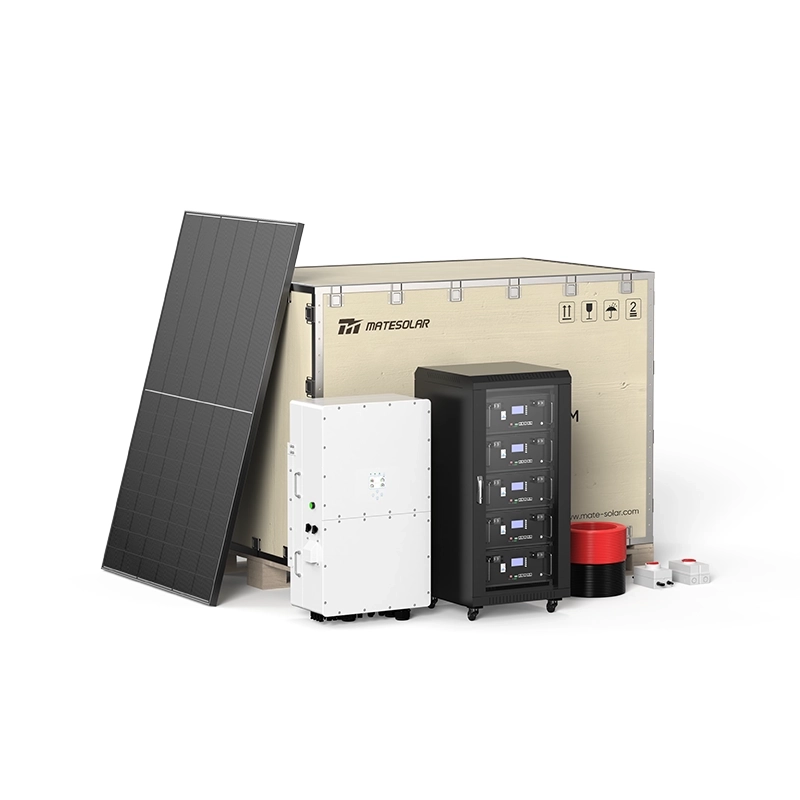
5.1 نظام الطاقة الشمسية الهجين تجاري 500 كيلو واط
تم تصميم النظام الشمسي الهجين التجاري بقدرة 500 كيلووات للمنشآت الصناعية متوسطة إلى كبيرة والمجمعات التجارية التي تتطلب تعويضًا كبيرًا للطاقة اليومية وقدرة احتياطية.
المواصفات الرئيسية:
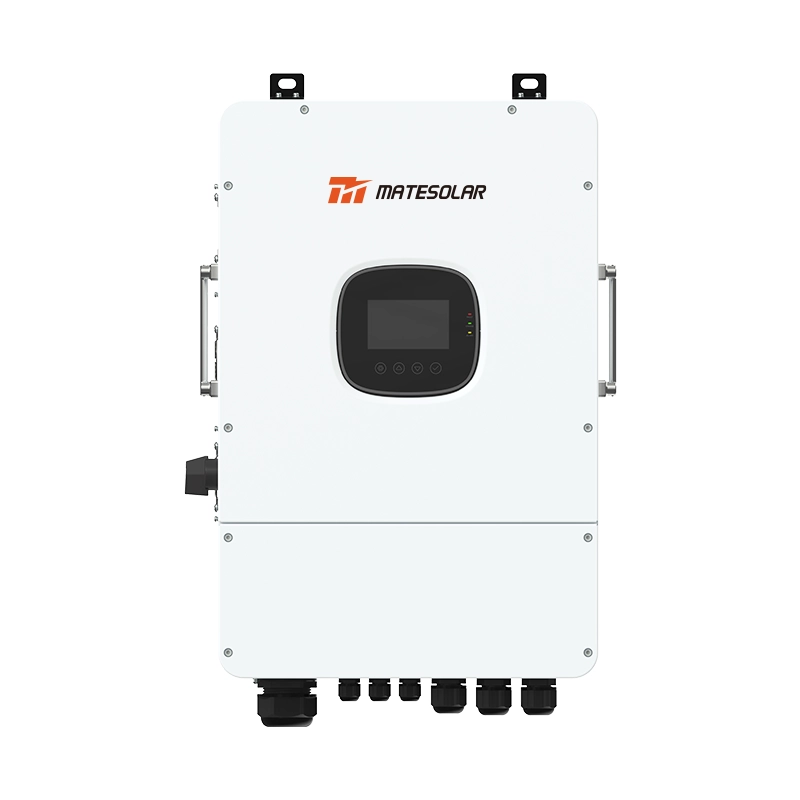
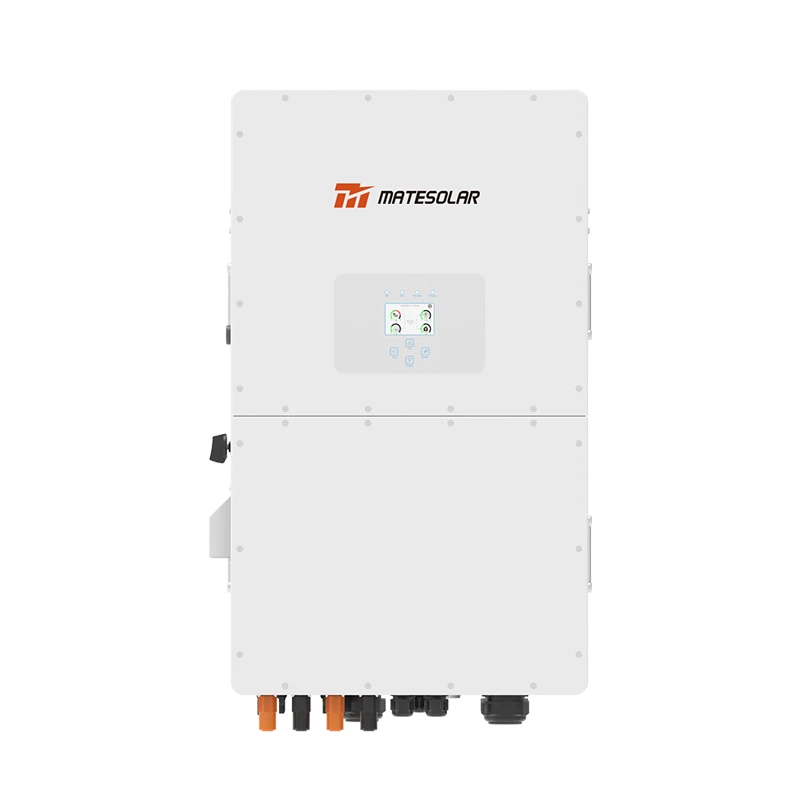
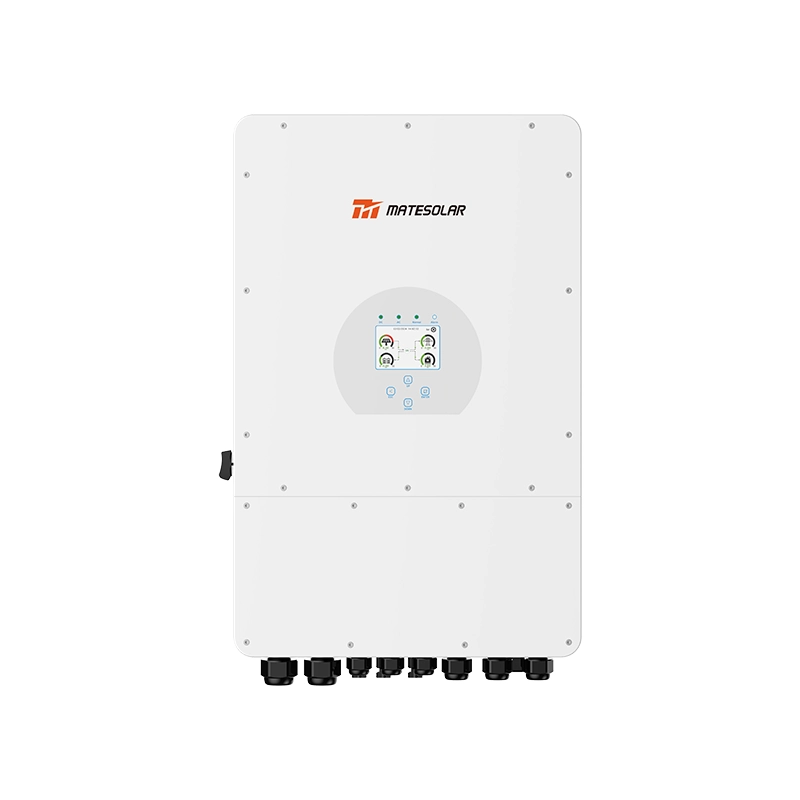
- قدرة العاكس 500 كيلوواط متوافقة مع معايير شبكة سلفادور (120/208 فولت، 277/480 فولت، قابلة للتعديل للتوصيل بالمرافق المحلية)
- بطارية مدمجة جاهزة للاقتران بتيار متردد منخفض الجهد أو متوسط الجهد
- يدعم أوضاع تخفيف الذروة والمراجحة والنسخ الاحتياطي
- تتضمن حماية منع العزل، واتصالات RS485/Modbus TCP، ومنصة مراقبة عن بعد
- مُعدة مسبقاً للحصول على موافقة SIGET عبر مسار المورد المؤهل المعتمد
يتوفر نظام الطاقة الشمسية الهجين التجاري بقدرة 500 كيلوواط من خلال كتالوج الموردين المعتمدين المؤهلين. [رابط صفحة المنتج قيد النشر.]
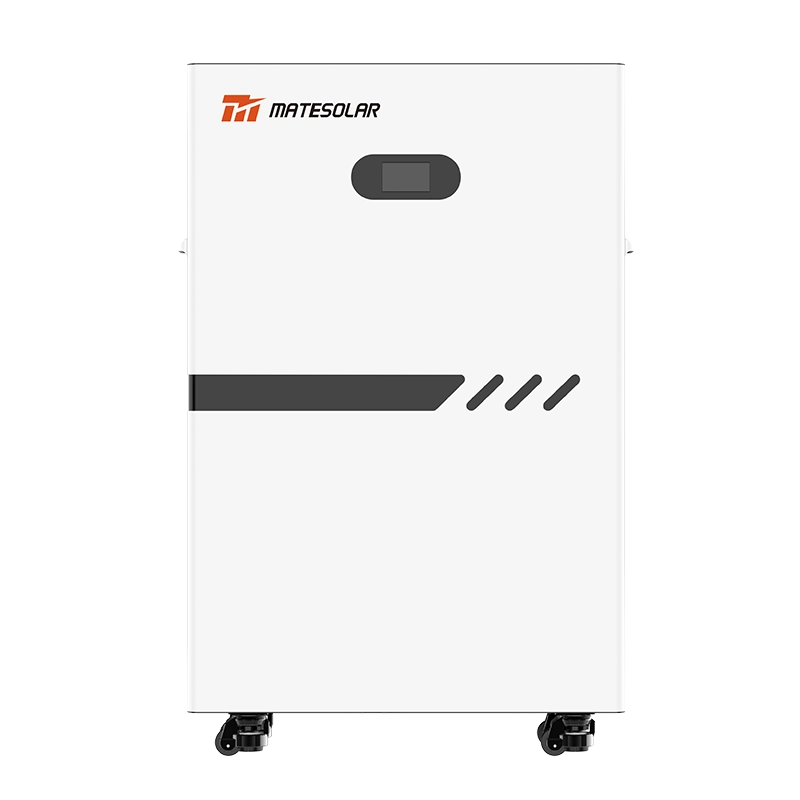
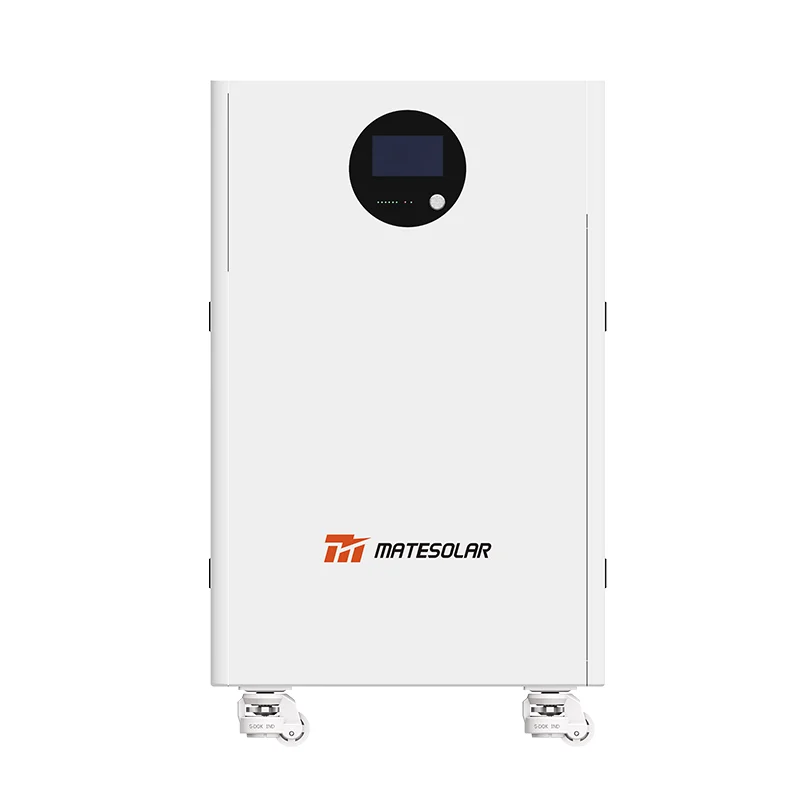
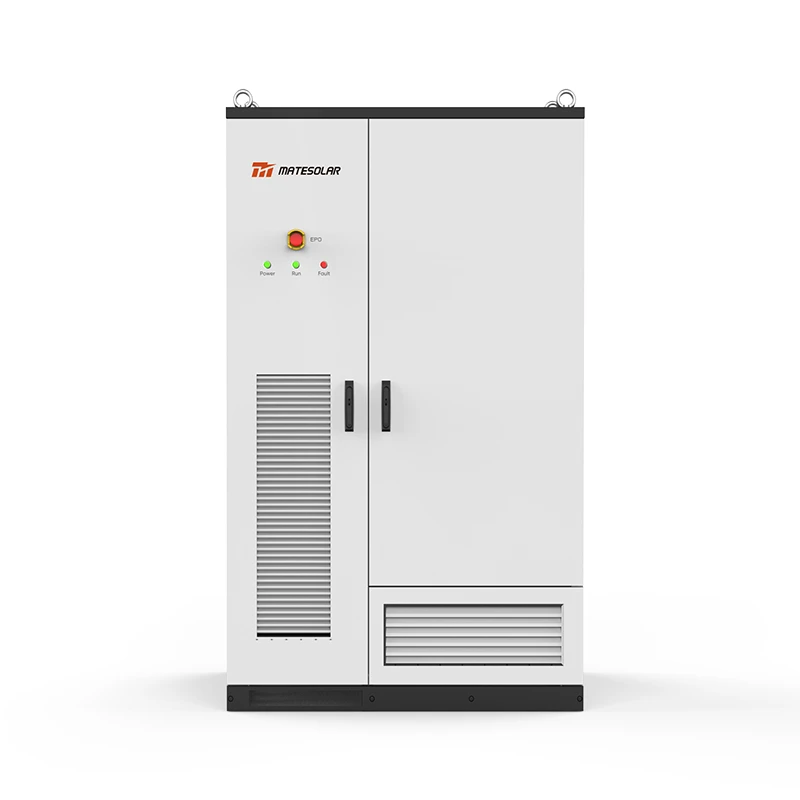
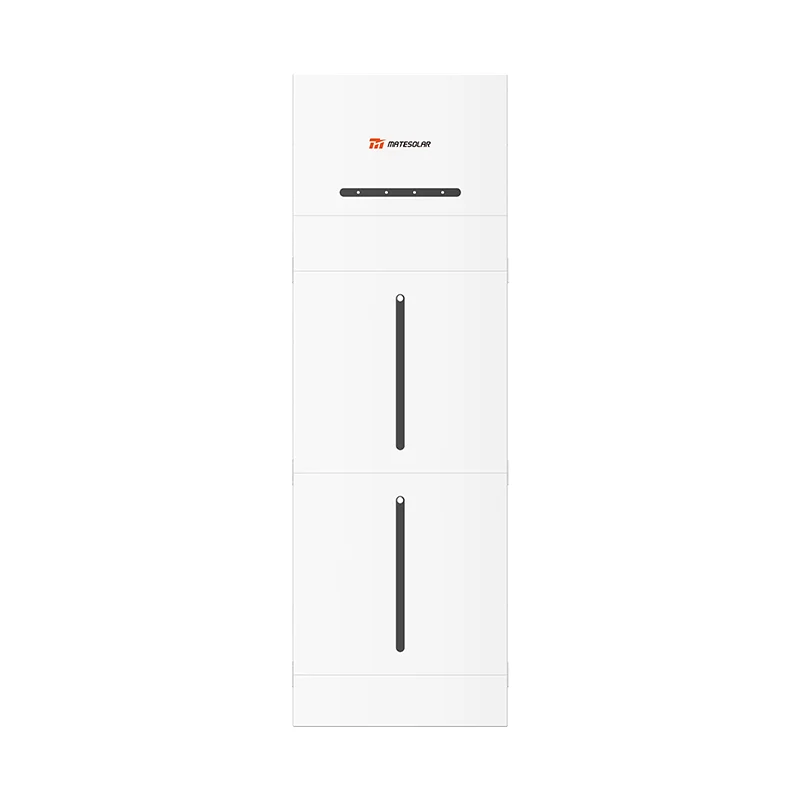
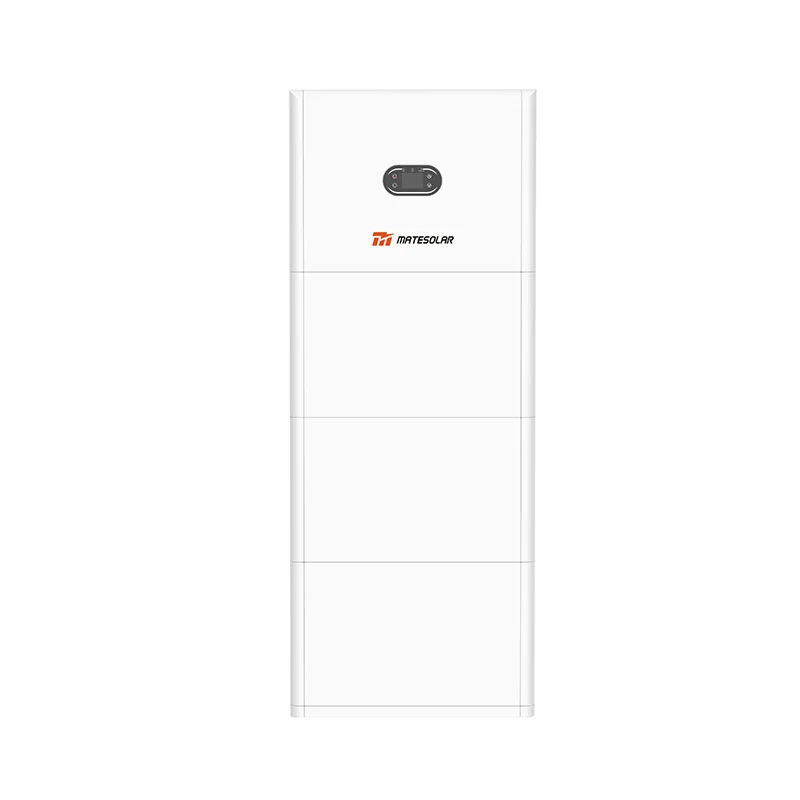
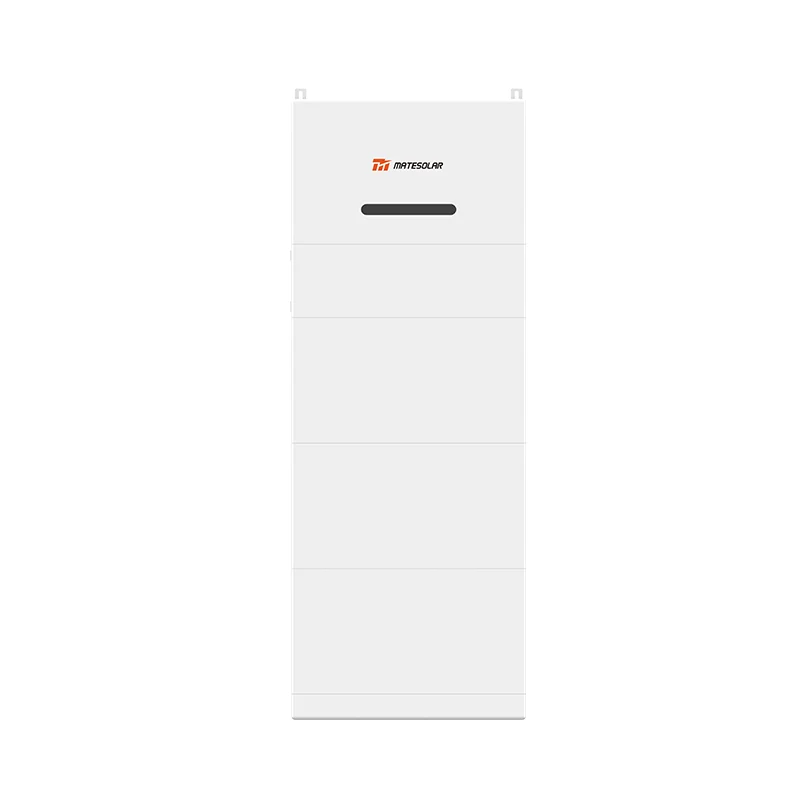
5.2 أنظمة تخزين الخزائن الخارجية (100 كيلوواط/232 كيلوواط ساعة، 125 كيلوواط/261 كيلوواط ساعة)
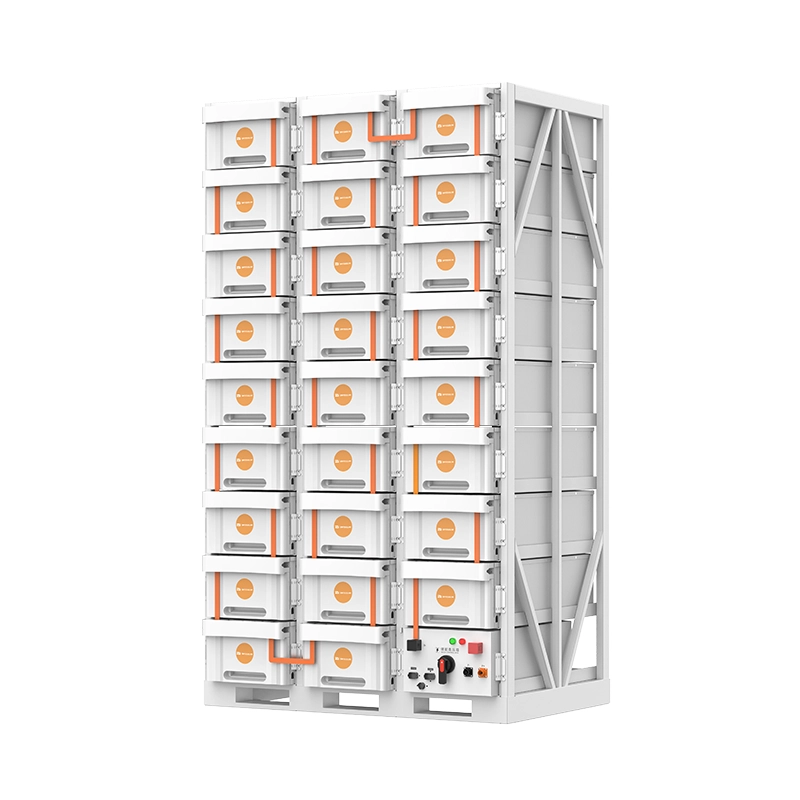
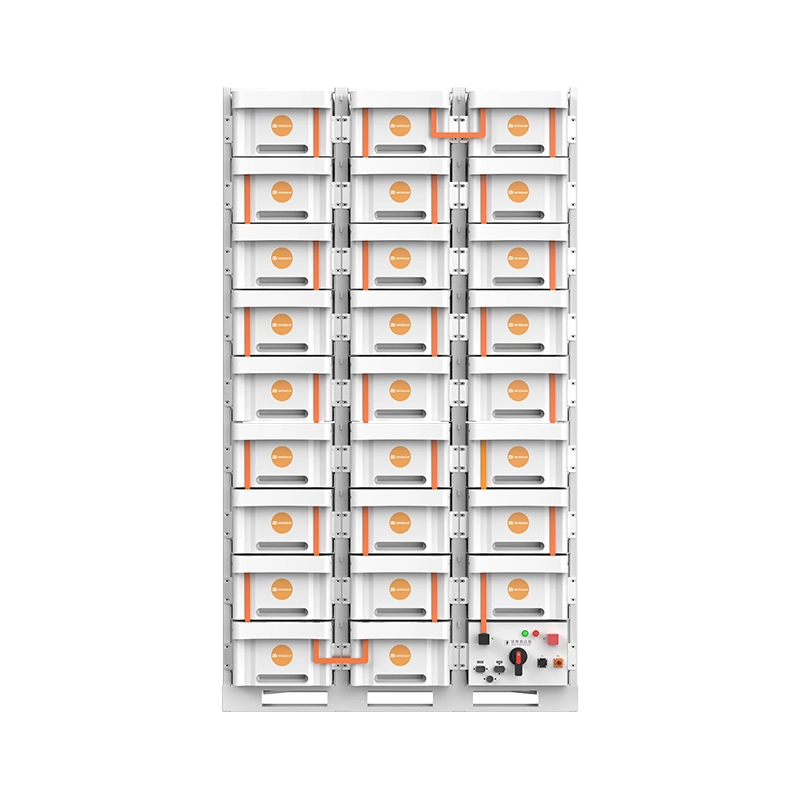
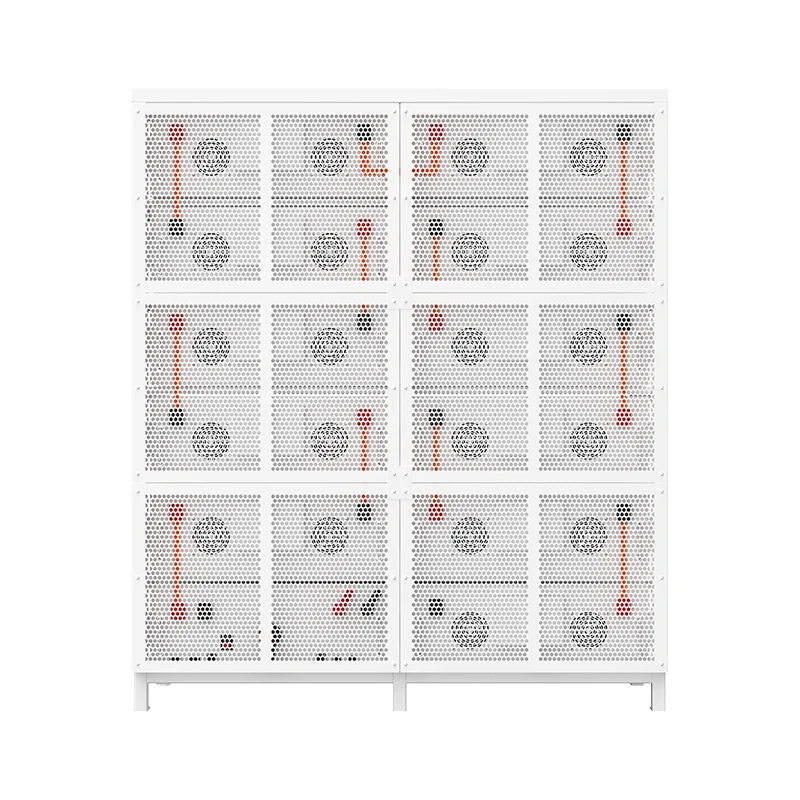
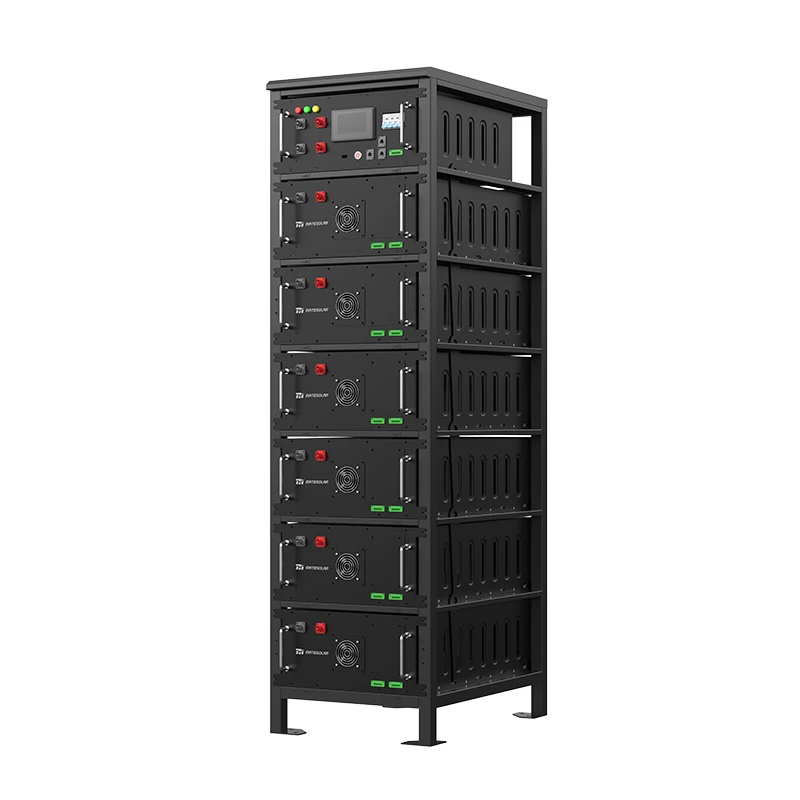
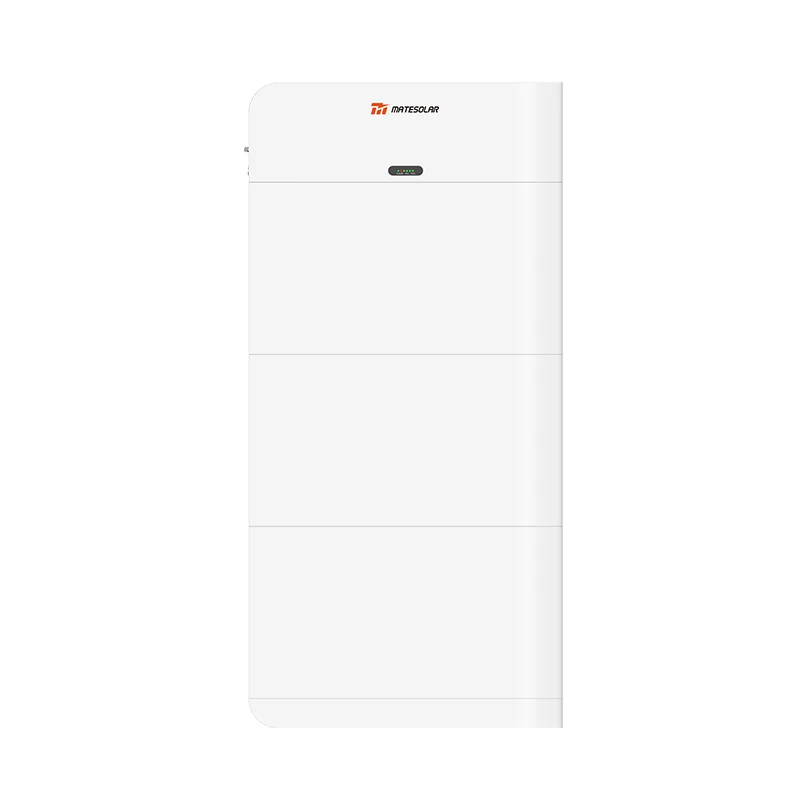
نظام تخزين الطاقة بالخزانة الخارجية المبردة بالسائل مناسب تمامًا للتطبيقات الصغيرة والمتوسطة والفنادق والمزارع والصناعات الخفيفة التي تتطلب حماية بيئية IP65 وقابلية توسعة معيارية.
المواصفات الرئيسية:
- السعة الاسمية للطاقة 232 كيلوواط/ساعة (طراز 100 كيلوواط) / 261 كيلوواط/ساعة (طراز 125 كيلوواط)
- ذروة الطاقة 110 كيلوواط / 138 كيلوواط (10 ثوانٍ)
- كيمياء الخلية: LFP
- إدارة حرارية: تبريد سائل، الحفاظ على درجة حرارة الخلية بين 20-35 درجة مئوية في جو محيط 40 درجة مئوية
- تصنيف الحاوية: IP65 (محكم ضد الغبار، ورش الماء من أي اتجاه)
- درجة حرارة التشغيل: -20 درجة مئوية إلى 55 درجة مئوية (انخفاض الشحن فوق 50 درجة مئوية)
- الاتصالات RS485، CAN، Modbus TCP/IP، بوابة مراقبة اختيارية 4G/WiFi
- دورة الحياة 6,500 دورة عند 25 درجة مئوية، مع عمق تفريغ (DoD) يبلغ 80%، وحتى نسبة صحة البطارية (SoH) تبلغ 70%
- شهادات السلامة: UL 1973 ، IEC 62619 ، UN 38.3
- الأبعاد تقريبًا 1400 × 1200 × 2200 ملم (عرض × عمق × ارتفاع)
- وزن: حوالي 2600 كجم (محملة بالكامل)
- متطلبات التثبيت: لوح خرساني، وصول سهل للعادم الحراري، خلوص محيطي بحد أدنى 600 ملم
تتوفر أنظمة الخزائن الخارجية المبردة بالسائل بقدرة 100 كيلووات/232 كيلووات في الساعة و 125 كيلووات/261 كيلووات في الساعة من خلال كتالوج المورد المؤهل المعتمد. [رابط صفحة المنتج قيد النشر.]
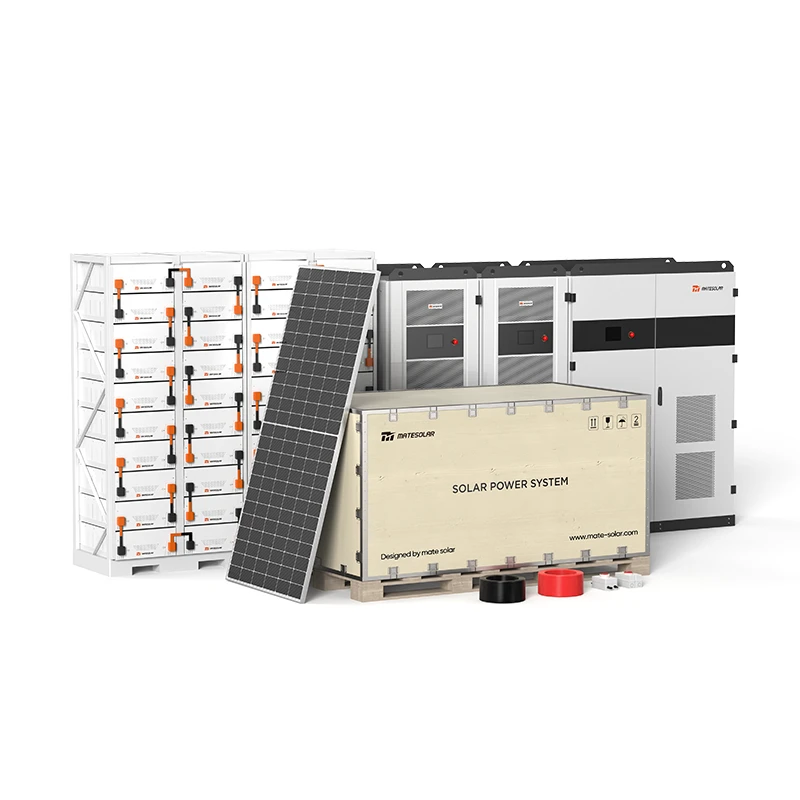
5.3 أنظمة تخزين طاقة الحاويات
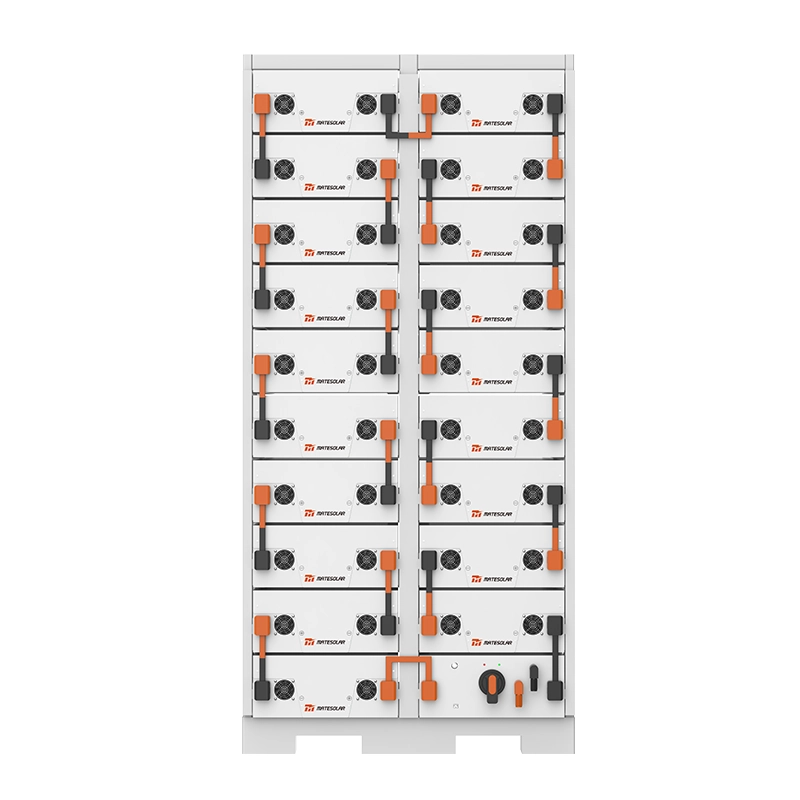
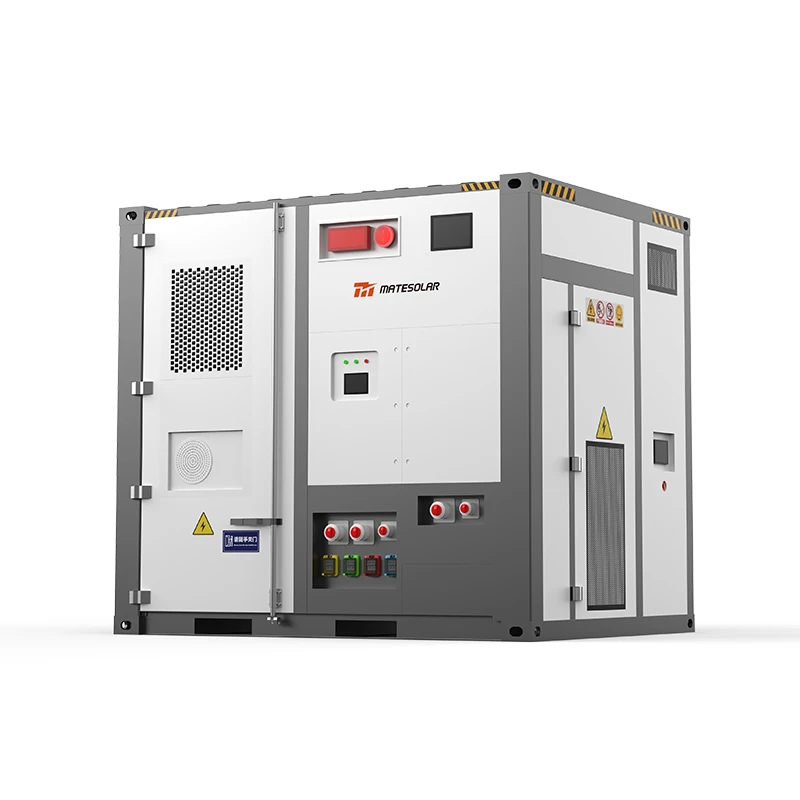
5.3.1 حاوية 40 قدم مبردة بالهواء (1 ميغاواط/ساعة، 2 ميغاواط/ساعة)
مصمم للتطبيقات التجارية والصناعية متوسطة الحجم والمشاريع المرفقية الصغيرة.
المواصفات الرئيسية:
- أبعاد الحاوية: 12.2 م × 2.44 م × 2.9 م (مساحة 20 قدمًا متاحة للتركيبات الأصغر)؟
- خيارات السعة الاسمية:
- التكوين أ: 1000 كيلوواط ساعة / 500 كيلوواط
- التكوين ب: 2000 كيلوواط ساعة / 1000 كيلوواط
- كيمياء الخلية: LFP
- إدارة حرارية: هواء قسري (عالي الكفاءة مع الرطوبة / الترشيح)
- تصنيف الحاوية: IP54 (محمي ضد دخول الغبار ورذاذ الماء)
- دورة الحياة 5,000 دورة عند 25 درجة مئوية، مع عمق تفريغ (DoD) يبلغ 80%، وحتى نسبة صحة البطارية (SoH) تبلغ 70%
- الاتصالات مودباص تي سي بي/آي بي، تكامل اختياري لنظام سكادا
- متطلبات التثبيت: تنزيل رافعة، أساس خرساني، حد أدنى 3 متر وصول للخدمة
- شحنة تم شحنها مجمعة بالكامل؛ جاهزة للتوصيل الميداني
*تتوفر أنظمة تخزين الطاقة (ESS) المبردة بالهواء في حاويات مقاس 40 قدم بقدرة 1 ميجاوات/ساعة و 2 ميجاوات/ساعة من خلال كتالوج الموردين المعتمدين المؤهلين. [رابط صفحة المنتج قيد النشر.]*
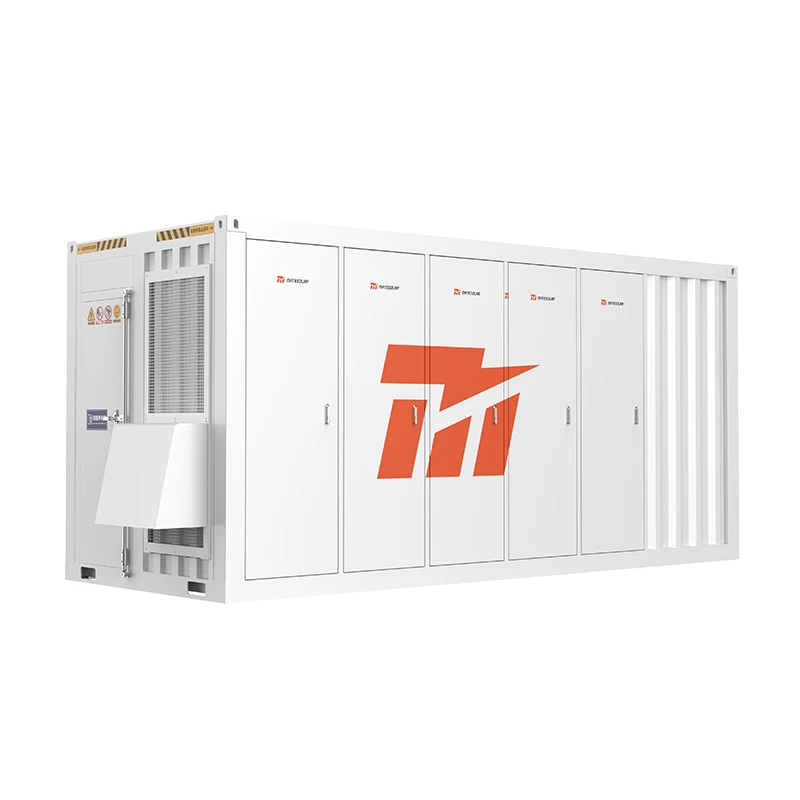
5.3.2 حاوية مبردة بالسوائل بطول 20 قدمًا (3 ميجاوات ساعة، 5 ميجاوات ساعة)
محسّن للتطبيقات الصناعية واسعة النطاق، والمجمعات الصناعية الكبيرة، وتطبيقات دعم الشبكة التي تتطلب كثافة طاقة عالية وإدارة حرارية فائقة.
المواصفات الرئيسية:
- أبعاد الحاوية: 6.058 متر × 2.438 متر × 2.591 متر (قياسي 20 قدم ISO)
- خيارات السعة الاسمية:
- ج: 3,000 كيلوواط ساعة / 1,500 كيلوواط (مدتها ساعتان)
- التكوين د: 5000 كيلوواط ساعة / 2500 كيلوواط (مدة ساعتين)
- كيمياء الخلية: LFP
- إدارة حرارية: التبريد السائل النشط (يعتمد على الجليكول)
- تصنيف الحاوية: IP55 (مقاومة محدودة لتغلغل الغبار، رشاشات الماء من أي اتجاه)
- دورة الحياة 8,000 دورة عند 25 درجة مئوية، مع عمق التفريغ (DoD) من 80% إلى 70%، ومستوى الشحن (SoH)
- الكفاءة في رحلة ذهاب وعودة (تيار متردد - تيار متردد): >88%
- وقت الاستجابة: 80 مللي ثانية بكامل الطاقة
- القدرة على تشكيل الشبكة متضمن (يدعم بدء التشغيل من الصفر و التشغيل المنفصل)
- الاتصالات مودباص TCP/IP، IEC 61850، جاهز لـ SCADA
- السلامة تم اختباره لمقاومة الهروب الحراري وفقًا لمعيار UL 9540A (مقاومة الانتشار على مستوى الخلية)
- متطلبات التثبيت: تنزيل رافعة، أساس خرساني، وصول للخدمة 3 متر، نظام إطفاء حريق (مضمن)
- شحنة تم الشحن مملوءًا ومجمعًا بالكامل؛ يتوفر بدء التشغيل والتشغيل بواسطة شريك المورد للمشاريع الكبيرة
تتوفر أنظمة تخزين الطاقة بالسوائل المبردة بحجم 20 قدمًا وسعة 3 ميجاوات/ساعة و 5 ميجاوات/ساعة من خلال كتالوج الموردين المؤهلين المعتمدين. [رابط صفحة المنتج قيد النشر.]
الفصل 6: أسئلة متكررة (فنية وتجارية)
س1: ما هو الجدول الزمني الفعلي للموافقة على الربط البيني لـ SIGET بموجب اللائحة الجديدة؟
A: وفقًا للوائح الخاصة المنشورة في 27 أبريل 2026، فإن جداول مراجعة واعتماد SIGET هي:
- الأنظمة ≤ 31.5 كيلوواط: مطلوب موافقة خلال 3 أيام عمل
- الأنظمة من 31.5 كيلوواط إلى 150 كيلوواط: يتطلب الحصول على الموافقة في غضون 10 أيام عمل
- الأنظمة > 150 كيلوواط والمشاريع التجارية/الصناعية: يتطلب موافقة خلال 20 يوم عمل
تبدأ هذه الجداول الزمنية عند تقديم طلب فني كامل يتضمن مخططاً أحادي الخط، ومواصفات المعدات (مع شهادات IEC/UL)، ودليل اعتماد المورد، واتفاقية توصيل موقعة. الطلبات غير المكتملة تعيد تشغيل الساعة. يتم فحص الموقع بعد الموافقة ويضيف 7-14 يوماً قبل التشغيل النهائي.
السؤال 2: كيف يعمل الإعفاء الضريبي 15% في مجال التخزين، وهل لا يزال متاحًا؟
ج: ينطبق الائتمان الضريبي الاستثماري 15% على تركيبات أنظمة تخزين الطاقة التجارية/الصناعية. ويُحسب الائتمان على أساس التكلفة الإجمالية لتركيب نظام التخزين (المعدات + التركيب). ولا يتوفر هذا الائتمان إلا حتى 31 ديسمبر 2026. بالنسبة لعقود المشاريع الموقعة التي لم يكتمل تركيبها بعد، لا يزال من الممكن المطالبة بالائتمان في الإقرار الضريبي لعام 2026 (المستحق في أبريل 2027). أما بالنسبة للمشاريع الجديدة التي تبدأ بعد 1 يناير 2027، فلن يكون الائتمان 15% متاحًا بعد الآن، على الرغم من استمرار الإعفاء من ضريبة القيمة المضافة وإمكانية الخصم من ضريبة الدخل.
س ٣: هل يسمح سوق البيع بالتجزئة الجديد للكهرباء ببيع الطاقة الشمسية المخزنة مرة أخرى إلى الشبكة بأسعار السوق؟
A: نعم، ولكن مع مؤهلات مهمة:
- بموجب إطار التجزئة الجديد، يتم تعويض فائض الطاقة المحقون كرصيد على فاتورتك الشهرية، وليس كدفعة نقدية.
- يُحسب الائتمان باستخدام معادلة وضعتها SIGET (اعتبارًا من مايو 2026، لا يزال جدول الأسعار المحدد قيد المراجعة النهائية، لكن من المتوقع أن يستند إلى تكلفة التوليد التي تم تجنبها — ما يقارب $0.10–0.14/كيلوواط ساعة بدلاً من سعر التجزئة الكامل).
- يمكن أن تتراكم الأرصدة لمدة تصل إلى ستة أشهر متتالية ولكنها لا تولد استردادًا نقديًا؛ بل تُطبق مقابل الاستهلاك المستقبلي.
- يجب أن تشمل الأنظمة ذات قدرة الحقن عدادات ثنائية الاتجاه معتمدة وحماية ضد فصل الشبكة.
بالنسبة لنماذج الأعمال القائمة على مبيعات الطاقة البحتة (أي، الإنتاج للتصدير بشكل أساسي)، لا يزال سوق البيع بالجملة - وليس التجزئة - هو القناة المناسبة، ويتطلب تراخيص وهياكل اتفاقيات شراء طاقة مختلفة.
س4: ماذا يحدث إذا فشل نظام تخزين الطاقة البطاري (BESS) ولم يكن لدي فريق إصلاح محلي؟
A: نموذج الخدمة هو عن بعد + استبدال:
- فشل في الأجهزة: يقوم المورد بشحن مكونات بديلة (وحدة، عاكس، لوحة تحكم، إلخ) لمقاول الكهرباء المحلي لديك لتركيبها باتباع التعليمات الموجهة. في حالة فشل الوحدات/الحاويات بالجملة بموجب الضمان، يقوم المورد بشحن وحدة بديلة كاملة؛ يقوم فريقك بإجراء التبديل.
- البرمجيات والإعدادات: التشخيص عن بعد عبر بوابة المراقبة الخاصة بالوحدة. يقوم فريق برامج المورد بتسجيل الدخول وتشخيص مشاكل التكوين وحلها.
- فشل رئيسي في نظام الحاويات: للمشاريع الخدمية/الكبيرة للعملاء التجاريين والصناعيين التي تستوفي عتبات معينة، يمكن للمورد نشر فني ميداني في الموقع للمساعدة في التشغيل والإصلاحات الرئيسية (وهذا محدد في عقد المشروع، وليس ضمن تغطية الضمان القياسية).
المتطلب الأساسي هو أن يمتلك العميل أو يتعاقد مع فني كهرباء محلي قادر على اتباع تعليمات الاستبدال الموجهة - لا يتم الاحتفاظ بمخزون إصلاح في البلد.
هل كيمياء بطاريات LFP (ليثيوم فوسفات الحديد) آمنة للتركيب الخارجي في المناطق الاستوائية؟
A: نعم - فسفات حديد الليثيوم (LFP) هي الكيمياء المفضلة للتطبيقات الاستوائية. تشمل المزايا:
- استقرار حراري فائق لا تتعرض بطاريات فوسفات حديد الليثيوم (LFP) للانفلات الحراري على مستوى الخلية تحت حوالي 270 درجة مئوية، مقارنة ببطاريات NMC (نيكل منغنيز كوبالت) التي يمكن أن تتعرض للانفلات الحراري عند 150-200 درجة مئوية.
- لا كوبالت يُزيل المخاوف المتعلقة بسلسلة التوريد والأخلاق.
- عمر دورة أطول: تحقق بطاريات الفوسفات الليثيوم عادةً 6,000-8,000 دورة مقابل 3,000-5,000 دورة لبطاريات NMC.
- كثافة طاقة أقل ولكنها مقبولة للتطبيقات الثابتة.
متطلبات التركيب: بغض النظر عن الكيمياء، يجب تركيب بطاريات تخزين الطاقة الخارجية (BESS) مع مظلات (أو تبريد نشط) في السلفادور لمنع درجات الحرارة المحيطة من تجاوز نطاقات التشغيل الموصى بها. يوصى بشدة بالتبريد السائل لجميع الأنظمة الخارجية في التركيبات الساحلية أو في المناطق الشرقية.
س 6: كيف أؤهل كمورد معتمد بموجب قانون تشجيع الطاقة المتجددة؟
A: تتطلب عملية اعتماد الموردين، المحددة في اللائحة الخاصة لشهر أبريل 2026، ما يلي:
1. التسجيل لدى السلطة الضريبية التابعة لوزارة المالية (DGII)
2. إثبات القدرة التقنية (تقديم مؤهلات المهندسين، مراجع المشاريع المكتملة، إجراءات مراقبة الجودة الداخلية)
3. عرض كتالوج للأنظمة والمعدات المعروضة، والتي تتوافق جميعها مع شهادات IEC/UL
٤. للمعدات المستوردة، دليل على مسار التخليص الجمركي (الإجراء المبسّط لمعدات الطاقة المتجددة)
5. دفع رسوم التسجيل المطبقة
الشهادة صالحة لمدة عامين ويجب تجديدها عند استيفاء نفس المعايير. تحتفظ SIGET بالكتالوج الرسمي للموردين المعتمدين على موقعها الإلكتروني (www.siget.gob.sv). لا يمكن للموردين غير المعتمدين تقديم مزايا الإعفاء من ضريبة القيمة المضافة أو الخصم الضريبي للعملاء.
س7: ما هي التعريفة التجارية الحالية، وكم يمكنني التوفير مع الاستهلاك الذاتي؟
A: اعتبارًا من سبتمبر 2025، تبلغ تعريفة الكهرباء التجارية US$0.24/كيلوواط ساعة. يمكن تحقيق وفورات كبيرة في الاستهلاك الذاتي:
- تكلفة الطاقة الكهربائية من الطاقة الشمسية (LCOE) (التوليد الذاتي): $0.08–0.10/كيلوواط ساعة
- هامش التوفير: $0.14–0.16/كيلوواط ساعة لكل كيلوواط ساعة يتم استهلاكها ذاتيًا (توفير قدره 66%)
- يمكن لنظام الطاقة الشمسية بقدرة 100 كيلوواط بيك (kWp) + نظام تخزين بقدرة 200 كيلوواط ساعة (kWh) أن يعوض 150,000 كيلوواط ساعة سنويًّا، مما يوفر ما بين $21,000 و24,000 سنويًّا
- تحقق العديد من التركيبات عائدًا في 3-5 سنوات؛ ومع الحوافز الكاملة، تتراوح الفترة بين 2-3 سنوات.
بعد أن يطبق سوق التجزئة بالكامل شفافية الأسعار (المتوقع بحلول أواخر عام 2026)، قد تزيد أسعار فترات الذروة من إمكانية التوفير بينما تنخفض أسعار خارج أوقات الذروة.
س٨: هل يمكنني تركيب الطاقة الشمسية + التخزين على سطح منزل دون هندسة إنشائية؟
A: بموجب اللائحة الخاصة، يجب أن تتوافق جميع الأنظمة مع متطلبات الكود الوطني للكهرباء (NEC). بالنسبة للتركيبات على الأسطح، يلزم الحصول على شهادة هندسة إنشائية لـ:
- أنظمة تتجاوز سعتها 31.5 كيلوواط
- تركيبات على المباني بدون رسومات إنشائية متاحة
- أي تركيب يتجاوز فيه وزن الألواح (عادةً ما يتراوح بين 15 و20 كجم لكل لوح × عدد الألواح) مضافًا إليه حمل الرياح 10% من الحمل الحي التصميمي للسقف
بالنسبة للمنشآت الصغيرة (≤31.5 كيلوواط)، قد لا يتطلب المسار المبسط للحصول على الترخيص شهادة هيكلية، لكن SIGET قد تطلبها إذا أشار الفحص البصري إلى وجود خطر محتمل من الحمل الزائد. تتعاون العديد من الشركات الصغيرة والمتوسطة مع مهندسي الإنشاءات المحليين للحصول على الشهادة؛ وعادةً ما يتم استرداد التكلفة ($500–1,500) في غضون 2–3 أشهر من توفير الطاقة.
س9: ما هو الأداء الفعلي لأنظمة تخزين الطاقة الخارجية في درجات حرارة محيطة تزيد عن 40 درجة مئوية؟
A: يعتمد الأداء على الإدارة الحرارية.
- علب مبردة بشكل سلبي اختبر انخفاض السعة من 15 إلى 25% والتقادم الزمني المتسارع (تدهور سنوي يتراوح بين 2.5 و3.5% مقابل 1.5% عند 25 درجة مئوية)
- تبريد مروحة نشط بمرشحات عالية الكفاءة انخفاض في الأداء بمقدار 5–10% في درجة حرارة محيطة تبلغ 40 درجة مئوية؛ ومعدل التدهور السنوي يتراوح بين 2.0 و2.5%
- تبريد سائل (حلقات الجليكول): انخفاض أدنى في الأداء (<2%) حتى درجة حرارة محيطة تبلغ 45 درجة مئوية؛ معدل التدهور السنوي يتراوح بين 1.2 و1.6%. يُوصى باستخدامه في جميع التركيبات التي يُتوقع أن تتجاوز عدد دوراتها 3,000 دورة أو التي تتطلب عمر خدمة يزيد عن 10 سنوات.
اطلب دائماً من الموردين: (أ) منحنى انخفاض قدرة نظام تخزين البطاريات مقابل درجة الحرارة المحيطة، (ب) دورة الحياة المتوقعة عند 40 درجة مئوية مقابل أداء صحيفة البيانات، و (ج) بيانات ميدانية من عمليات النشر في المناخات الاستوائية (مثل تايلاند والبرازيل والهند).
س10: كيف تقارن أنظمة الحاويات (40 قدمًا 1-2 ميجاوات ساعة) بخزائن خارجية (100-250 كيلووات ساعة) لتطبيقات مختلطة تجارية وصناعية؟
A:
| العامل | خزانة خارجية (100-250 كيلوواط/ساعة) | حاوية (1–5 ميغاواط ساعة) |
| سرعة النشر | 2–4 أسابيع | ٤–٨ أسابيع |
| تعقيد التصاريح | منخفضة | متوسط إلى مرتفع |
| تكلفة الوحدة ($ لكل كيلوواط/ساعة مُزوَّدة) | أعلى ($180–250/كيلوواط ساعة) | المنخفض ($130–170/كيلوواط ساعة) |
| البصمة | منخفض (1-2 منصة) | مرتفع (حاوية) |
| قابلية التوسع | عالي (إضافة وحدات خزائن) | متوسط (إضافات الحاوية الكاملة) |
| القطاع المثالي | المشاريع الصغيرة والمتوسطة، الفنادق، المزارع | اتفاقيات شراء الطاقة الصناعية والمرافق الكبيرة |
بالنسبة لمعظم تطبيقات C&I التي تقل عن 500 كيلو وات ساعة من التخزين الإجمالي، تُفضل الخزانات للسرعة والبساطة وقابلية التوسع التدريجي. بالنسبة للمنتزهات الصناعية الجديدة، أو مناطق المعالجة التصديرية، أو المجمعات متعددة المباني التي تتجاوز سعتها 1 ميجاوات ساعة، توفر الحاويات تكلفة دورة حياة أقل ومزايا التحكم المركزي.
السؤال 11: كيف يمكنني الاستفادة إلى أقصى حد من الائتمان الضريبي للتخزين 15% (الذي تنتهي صلاحيته في ديسمبر 2026) إذا كانت ميزانيتي محدودة في عام 2026؟
A: استراتيجياً، يمكنك:
1. تصميم للتركيب على مراحل ضمن نفس التطبيق الواحد. اطلب موافقة SIGET للسعة القصوى (مثل 500 كيلوواط ساعة) ولكن تعاقد على تركيب السعة الأولية فقط (مثل 300 كيلوواط ساعة) في عام 2026 والسعة المتبقية في عام 2027. ومع ذلك، ينطبق الائتمان الضريبي فقط على المعدات تم الدفع والتثبيت في عام 2026, ، وليس القدرة المستقبلية. الدفع الجزئي للمعدات المستقبلية التي لم يتم تسليمها لا يؤهل.
2. الحد الأدنى للتخزين القابل للتطبيق نهج (MVS): بالنسبة لعام 2026، قم بتركيب أصغر سعة مؤهلة للحصول على الائتمان مع تصميم النظام بحيث يسمح بالتوسع. مثال: بالنسبة لمنشأة تحتاج إلى سعة تخزين إجمالية تبلغ 500 كيلوواط ساعة، قم بتركيب 150 كيلوواط ساعة في عام 2026 (مع المطالبة بائتمان 15% على كامل السعة البالغة 150 كيلوواط ساعة)، ثم أضف السعة المتبقية البالغة 350 كيلوواط ساعة في عام 2027 (لا يوجد ائتمان ضريبي، لكن الإعفاء من ضريبة القيمة المضافة لا يزال ساريًا). يجب أن يتضمن التثبيت في عام 2026 البنية التحتية للتحكم/الاتصالات الخاصة بالسعة المستقبلية (المحولات، القواطع الكهربائية، أنظمة المراقبة) لتجنب تكبد تكلفة مزدوجة للبنية التحتية.
3. تسريع الجدول الزمني للمشروع عن طريق إشراك مورد بتطبيقات SIGET المصممة مسبقًا لتقصير مدة الموافقة من أسابيع إلى أيام.
هل توجد تسهيلات تمويل مشترك للمشاريع الصغيرة والمتوسطة في السلفادور؟
نعم. وافق بنك التنمية للبلدان الأمريكية (IDB) على مشروع تعاون فني (ES-T1405) في 12 أغسطس 2025، لدعم تمويل استثمارات الشركات الصغيرة والمتوسطة في كفاءة الطاقة والطاقة المتجددة في السلفادور.. المشروع قيد التنفيذ حاليًا (الحالة اعتبارًا من مايو 2026). وقد صُمم لتسهيل الحصول على رأس المال العامل والتمويل الأخضر، خاصةً للمؤسسات الصغيرة. على الشركات المؤهلة الاتصال بمصرف التنمية للبلدان الأمريكية (IDB) أو البنوك المحلية المشاركة (القائمة غير متاحة للجمهور اعتبارًا من مايو 2026) للحصول على تفاصيل التقديم. قد تتوفر خيارات تمويل خاصة إضافية من الموردين الذين يقدمون شروط سداد مهيكلة (على سبيل المثال، 30% مقدمًا، و30% عند الشحن، و40% عند بدء التشغيل).
ما هي مواصفات العاكس الموثوق به في بيئة استوائية مع جهد كهربائي متقلب؟
ج: بالنظر إلى ظروف شبكة الكهرباء في السلفادور (تقلب الجهد ±10–15%، وتقلبات التردد من حين لآخر)، يجب أن تتمتع المحولات المستخدمة في أنظمة تخزين الطاقة بالبطاريات (BESS) بما يلي:
- نطاق جهد دخل واسع: 150–500 فولت تيار مستمر الحد الأدنى (نطاق تتبع نقطة الطاقة القصوى على مستوى السلسلة)؛ تتطلب العديد من المواقع الصناعية قدرة إدخال 1000–1500 فولت تيار مستمر
- شهادة الاتصال بالشبكة: UL 1741 (معيار أمريكي شمالي، مقبول على نطاق واسع بواسطة SIGET) أو IEC 62109
- قدرة تحمل انخفاض الجهد (LVRT): القدرة على البقاء متصلاً بالشبكة أثناء انخفاض الجهد إلى 0% من القيمة الاسمية لمدة تصل إلى 150 مللي ثانية (متطلب نموذجي وفقًا لقواعد الشبكة)
- وضع تنظيم التردد يجب أن يدعم استجابة التردد الأولية (تحكم الانحدار أو التحكم المتزامن)
- كشف الفصل طرق إزاحة الجهد بترتيب موجب + إزاحة التردد (كلاهما مطلوب)
- مراقبة عن بعد: بوابة لرؤية الأداء الإقليمي وتحديثات البرامج
بالنسبة لأنظمة 500 كيلو وات، يوصى بالهندسة المعمارية العاكسة النمطية (2-4 وحدات نمطية متوازية بقدرة 125-250 كيلو وات) للحماية من الفشل – إذا فشلت وحدة عاكس واحدة، تستمر الوحدات الأخرى في العمل. يجب أن يكتشف النظام الفشل تلقائيًا ويخطر خدمة المراقبة عن بُعد (سيرشد المورد الفني الكهربائي لديك لاستبدال الوحدة الفاشلة من المخزون المشحون).
الخاتمة: نافذة الفرصة الآن
تقف السلفادور عند نقطة تحول تاريخية. لقد أوجد التقاء قانون تعزيز الطاقة المتجددة، وإصلاح سوق تجارة التجزئة للكهرباء، وخطة تخزين الطاقة الوطنية، والاختراق القياسي للطاقة الشمسية، بيئة سوق أكثر ملاءمة لتخزين الطاقة من أي مكان آخر في أمريكا الوسطى.
بالنسبة لمشغلي الشبكات، توفر أنظمة تخزين البطاريات (BESS) المسار الأكثر فعالية من حيث التكلفة لإدارة تخفيض الإنتاج وتنظيم التردد. بالنسبة للمستهلكين الصناعيين للطاقة، يفتح التخزين القيمة الكاملة للتوليد الذاتي للطاقة الشمسية مع توفير إمكانيات النسخ الاحتياطي وجودة الطاقة. بالنسبة للشركات الصغيرة والمتوسطة، تحول الخزانات الخارجية المعيارية وكامل حوافز الدعم الاستقلال في مجال الطاقة من طموح إلى واقع مالي فوري. بالنسبة للموزعين وشركات الهندسة والمشتريات والإنشاءات (EPCs)، يشكل السوق المتنامي، جنباً إلى جنب مع انخفاض تكاليف البطاريات، فرصة نمو فريدة من نوعها في عقد من الزمن.
ينتهي سريان الائتمان الضريبي الاستثماري 15% المخصص للتخزين التجاري في غضون سبعة أشهر فقط. وكل شهر من التأخير يقلل من الحوافز المتاحة ويؤخر تحقيق الوفورات.
المواصفات الفنية مثبتة. الإطار التنظيمي قائم. الشبكة تتطلبه. الاقتصاديات منطقية. السؤال ليس ما إذا كانت السلفادور ستنشر قدرة تخزين كبيرة - السؤال هو أي المشاريع ستستفيد أولاً، وأي الموردين سيبنون علاقات السوق التي تحدد الصناعة للعقد القادم.
تمثل المعلومات المقدمة في هذا المنشور أحدث البيانات المتاحة حتى 6 مايو 2026. يُنصح القراء بالتحقق من التفاصيل التنظيمية مع SIGET (www.siget.gob.sv) ومتطلبات أهلية المشروع مع مستشاريهم الضريبيين.
للاستفسارات المحددة حول المنتجات، والمواصفات الفنية، وفرص الشراكة، يرجى الرجوع إلى صفحات المنتجات المرتبطة في جميع أنحاء هذا المستند.
نبذة عن ماتيسولار
مايت سولار مزود حلول شامل للطاقة الشمسية الكهروضوئية وتخزين الطاقة، يقدم أنظمة متكاملة مصممة للأداء والموثوقية والامتثال التنظيمي في الأسواق العالمية. يتضمن ملفنا التجاري نظام الطاقة الشمسية الهجين بقدرة 500 كيلوواط، وأنظمة تخزين الطاقة الخارجية المبردة بالسائل بقدرة 100 كيلوواط/232 كيلوواط ساعي و 125 كيلوواط/261 كيلوواط ساعي، وأنظمة تخزين الطاقة بالحاويات المبردة بالهواء مقاس 40 قدم بقدرة 1 ميغاواط ساعي - 2 ميغاواط ساعي، وأنظمة تخزين الطاقة بالحاويات المبردة بالسائل مقاس 20 قدم بقدرة 3 ميغاواط ساعي - 5 ميغاواط ساعي - تم تصميم كل منها لتلبية المتطلبات التقنية والبيئية المحددة لمشهد الطاقة المتطور في السلفادور.
بصفتها موردًا معتمدًا بموجب الأطر التنظيمية المعمول بها، تتعاون MateSolar مع الموزعين المحليين وشركات EPC (الهندسة والمشتريات والإنشاءات) والعملاء المباشرين لتسريع انتقال الطاقة في السلفادور بحلول قابلة للتمويل والتسليم والدعم.
شروط الضمان، ومواصفات المنتج، وشروط الدعم مفصلة في وثائق المنتجات الفردية واتفاقيات التوريد.