








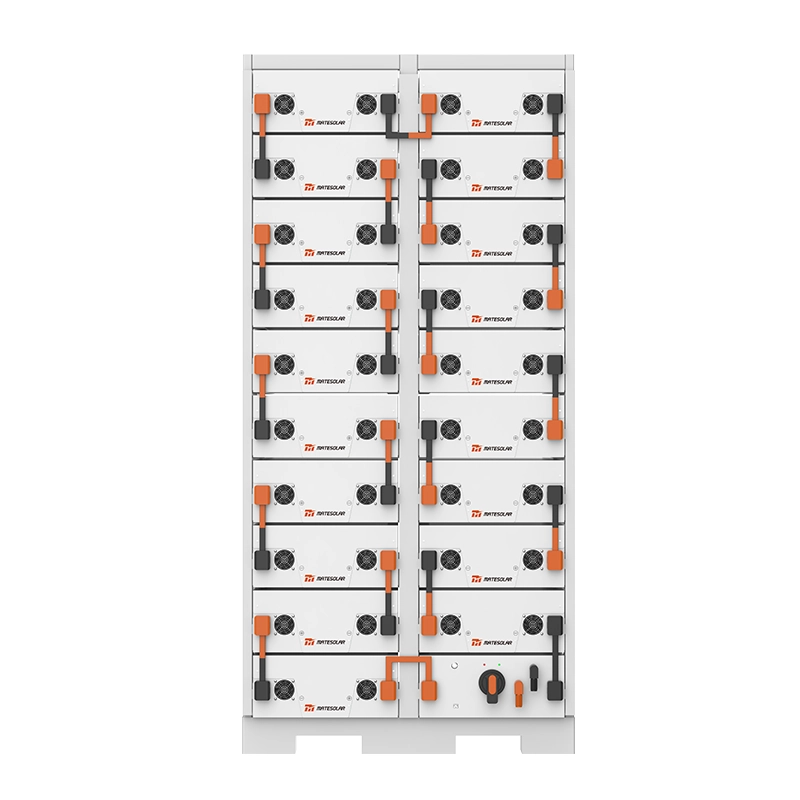
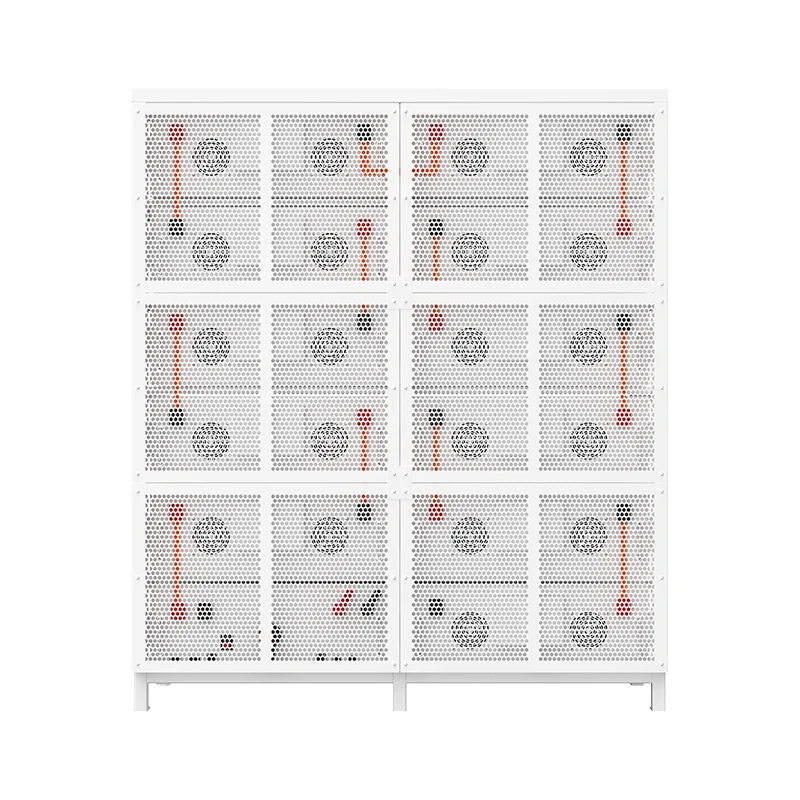
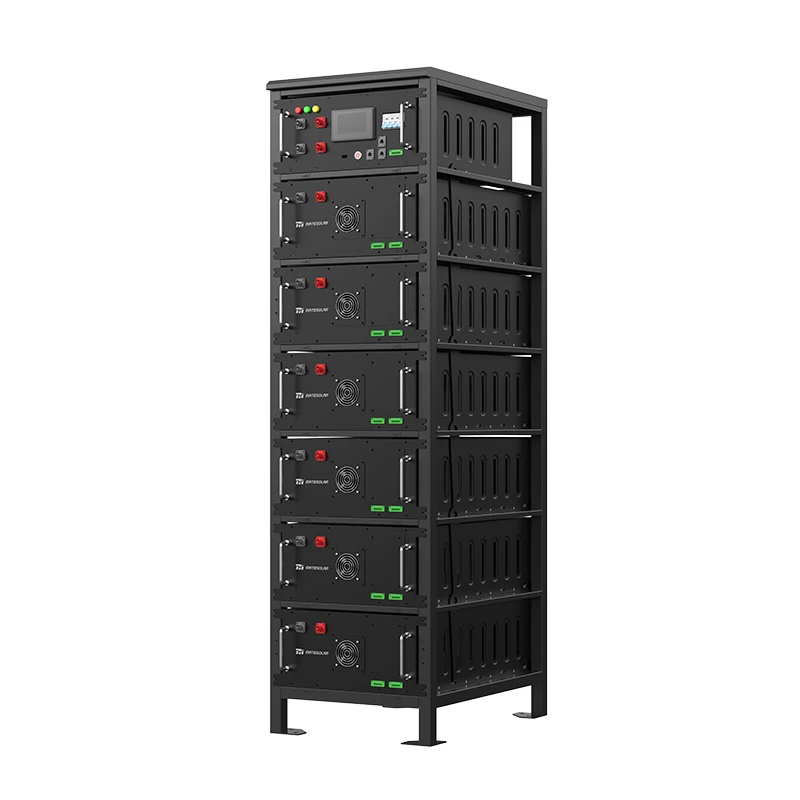
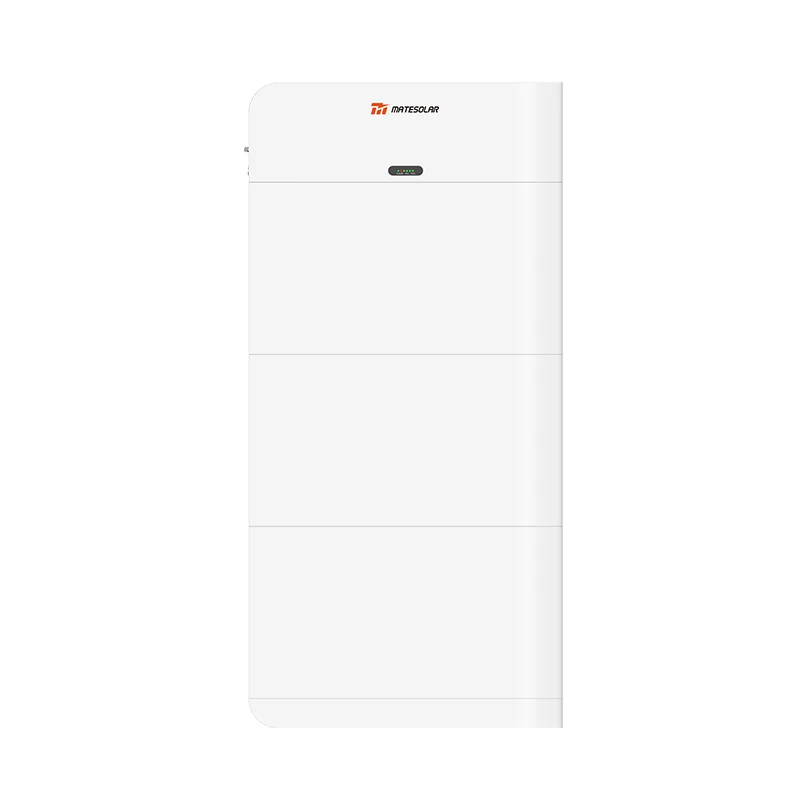




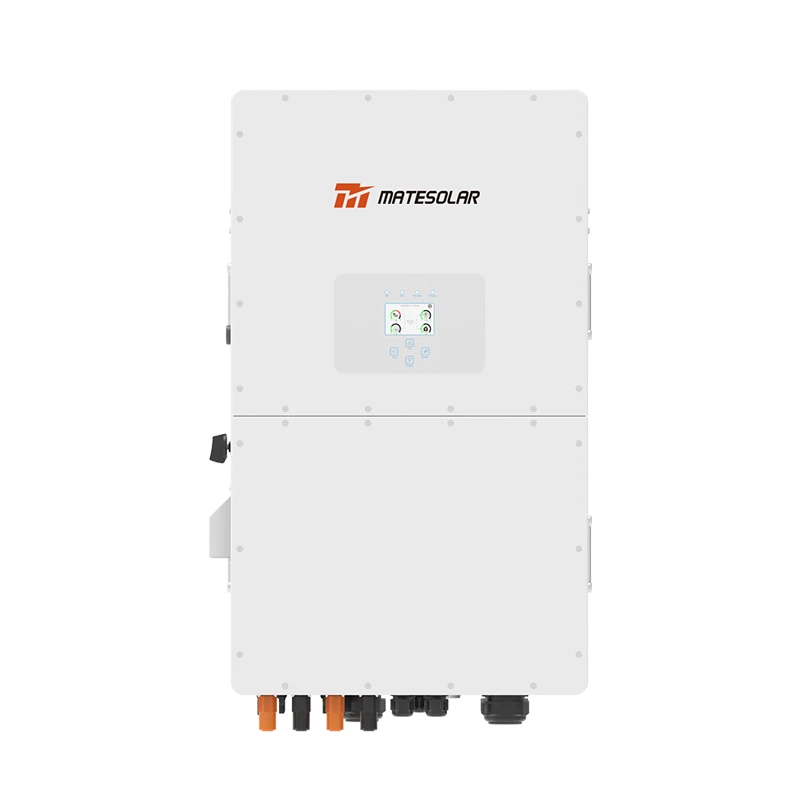
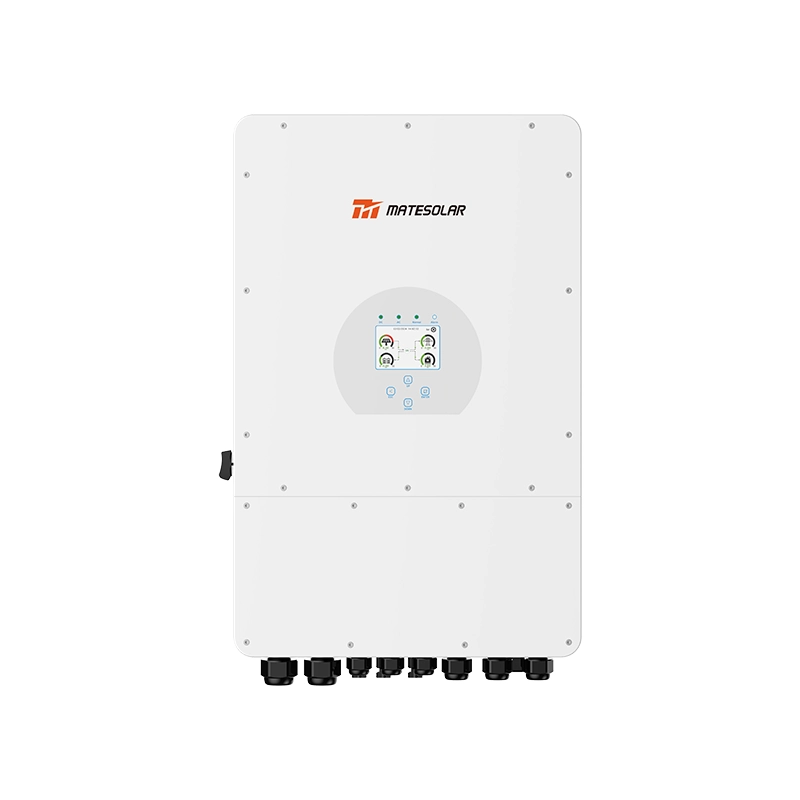
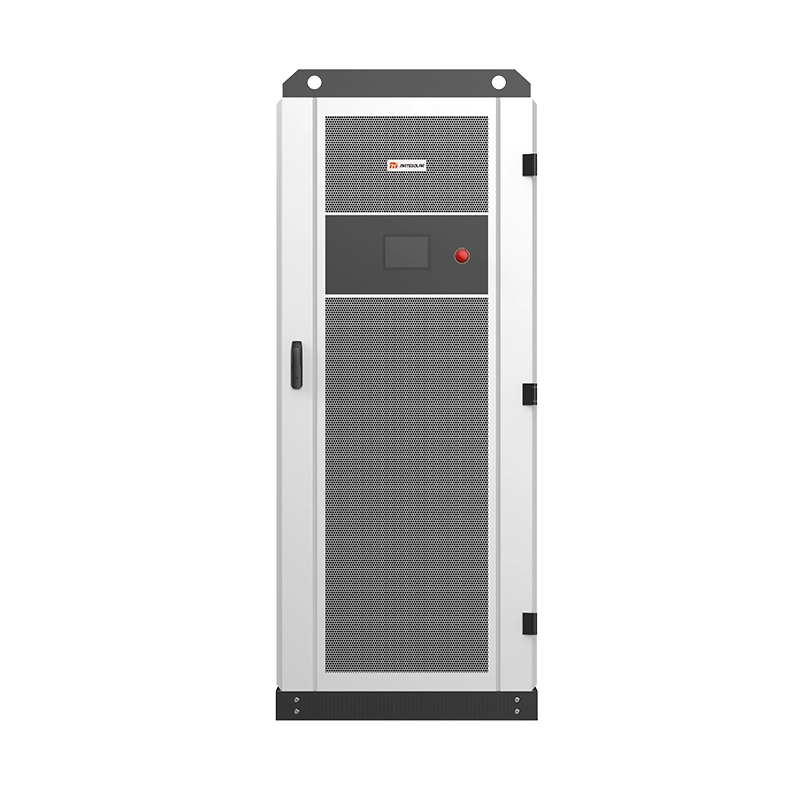
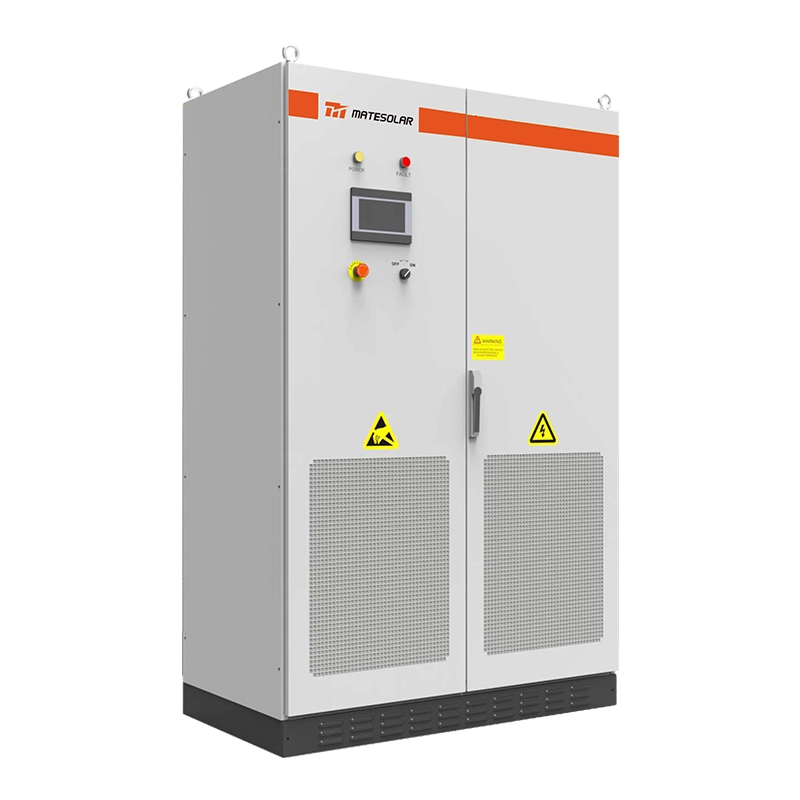



The African commercial and industrial (C&I) energy storage market has crossed a critical threshold in 2026. What was once a patchwork of pilot projects and donor‑funded demonstrations has rapidly matured into a scalable market defined by gigawatt‑hour‑level orders, national procurement frameworks, and policy‑driven structural shifts that are fundamentally rewriting the economics of solar energy across the continent.
Four markets are driving this transformation:
- South Africa – the undisputed C&I “main battlefield” – where private sector GWh‑scale deals are replacing bespoke engineering with modular, repeatable products.
- Egypt – the utility‑scale “testing ground” – where GW‑level solar‑plus‑storage projects are setting new benchmarks for project finance and local manufacturing.
- Morocco – the “policy‑driven value play” – where a 20% solar export cap has turned storage from optional to essential overnight.
- Ghana – the “emerging window” – where a 200 MW / 1,500 MWh national BESS tender signals the beginning of West Africa’s utility storage era.
This report serves as a comprehensive blueprint for project developers, EPCs, asset owners, financiers, and technology providers navigating Africa’s rapidly evolving C&I energy storage landscape. Drawing on verified market data, regulatory updates, and real‑world project case studies from the first half of 2026, we examine the drivers, barriers, and opportunities that will define the continent’s storage trajectory through 2030.
Part One: South Africa – The C&I “Main Battlefield”
1.1 Market Dynamics: 2026 in Review
South Africa remains the epicentre of Africa’s C&I energy storage revolution. The first half of 2026 has witnessed a series of landmark transactions that confirm the market’s transition from custom‑engineered installations to standardised, mass‑deployable products.
The GWh Milestone
On 26 March 2026, Sungrow – a global leader in PV inverters and energy storage systems – signed a landmark agreement with Herholdt’s Group, its official distribution partner in South Africa, to deploy a total of 1,155 MWh of commercial and industrial battery energy storage systems. This represents the largest single C&I storage order ever recorded in Africa. The deployment will be executed in phases across multiple regions, supporting a wide range of use cases including peak shaving, load shifting, and backup power for manufacturing, mining, and retail facilities.
Nigel Sun, President of Sungrow Sub‑Saharan Africa, stated: “This agreement reflects our shared confidence in the long‑term potential of the C&I segment, as well as strong recognition of Sungrow’s solutions in delivering reliable and scalable energy storage for local applications.”
Tianneng’s Five‑Year Framework Agreement
Tianneng Energy Storage has secured a five‑year framework agreement with Wuhan Jinneng New Energy Technology to supply 2,000 units of 261 kWh energy storage cabinets, representing an estimated total capacity exceeding 500 MWh. The first batch of liquid‑cooled integrated cabinets was shipped to South Africa in February 2026. These products are specifically engineered for South Africa’s high‑temperature, dusty environment and have passed UN38.3 and IEC62619 international certifications.
GoodWe’s Gauteng Flagship Installation
GoodWe, in partnership with Plexus SA, has completed a flagship C&I solar‑plus‑storage project in Gauteng Province. The system comprises:
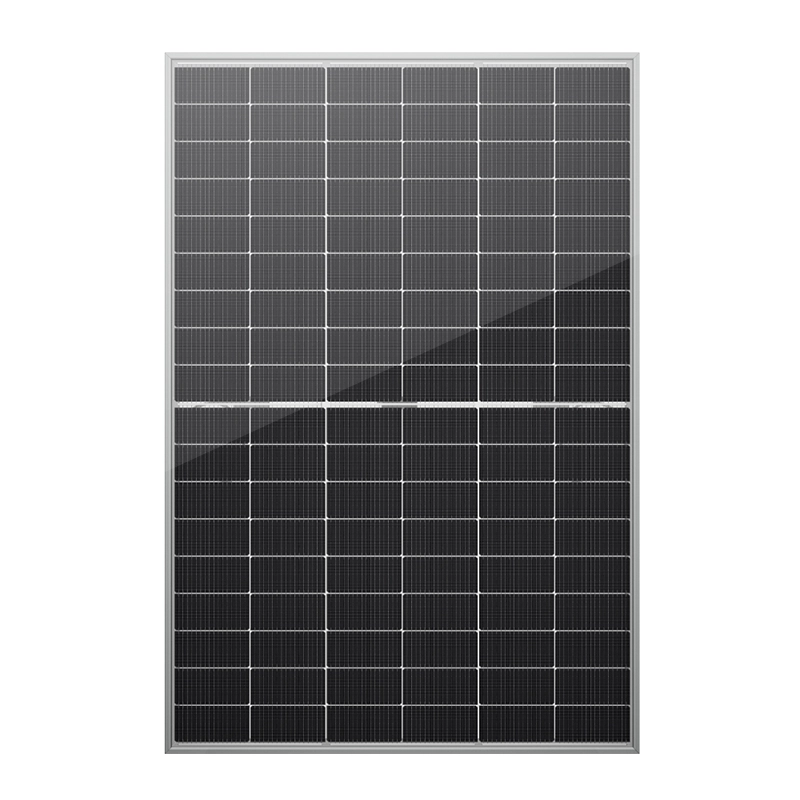
- 900 kWp solar PV (using high‑efficiency LONGi modules)
- 1.12 MWh storage capacity (twenty 56 kWh battery units)
- Ten 50 kW GoodWe ET hybrid inverters with static transfer switches
Within months of commissioning, the system has delivered ZAR 1.31 million in electricity cost savings for the host metal fabrication facility. The millisecond‑level seamless transition during grid outages has eliminated production downtime – a critical value driver in a country plagued by load‑shedding.
Exhibition and Product Launches
At Solar & Storage Live Johannesburg 2026 (March), Far East Battery showcased its PowerPLANT H230 PLUS outdoor liquid‑cooled storage cabinet (IP55‑rated), designed specifically for Africa’s complex operating environments. GENIXGREEN launched its Tower‑X‑HV outdoor integrated cabinet and announced plans to expand its local engineering team and establish a regional spare parts centre in 2026. AlphaESS unveiled its full C&I storage product portfolio at a March launch event in Johannesburg.
1.2 Core Market Drivers
Supply Reliability as the Primary Imperative
South Africa’s persistent load‑shedding crisis has fundamentally reshaped how businesses view energy storage. Unlike mature markets where storage is primarily an arbitrage or grid‑services tool, South African businesses adopt storage first and foremost to keep their operations running. The GoodWe Gauteng project’s seamless transition capability directly addresses this core requirement – storage is not a cost‑saving measure; it is an insurance policy against production losses.
Rising Electricity Tariffs and Peak/Off‑Peak Spread
Eskom’s tariff trajectory continues upward, with widening peak‑to‑off‑peak differentials. The current average commercial tariff is approximately ZAR 1.80–2.50/kWh (USD 0.12–0.18), with peak rates up to 40% higher than off‑peak. This creates a strong economic case for load shifting and peak shaving.
Policy Support: Tax Incentives and Grant Funding
- Accelerated depreciation: The South African Revenue Service allows a 100% deduction of storage asset costs in the first year under Section 12B (for renewable energy) and Section 12C (for manufacturing assets).
- ZAR 2.3 billion grant programme: The Department of Trade, Industry and Competition (DTIC) has allocated this fund for eligible energy storage projects, with the application window open from 1 April to 30 June 2026 – just days remaining.
The SAWEM Opportunity
The South African Wholesale Electricity Market (SAWEM) is expected to launch in the third quarter of 2026, replacing Eskom’s traditional single‑buyer model with a competitive day‑ahead trading system based on hourly marginal pricing. Trading through SAWEM is expected to commence by the end of 2026. For storage asset owners, this creates new revenue streams – systems can arbitrage hourly price differentials, provide frequency response, and participate in ancillary services markets. The storage installed today for backup can become a trading asset tomorrow.
1.3 Customer Pain Points and Market Messaging
Pain Point 1: Production Interruption During Load‑Shedding
“A metal fabrication facility in Gauteng installed 900 kWp of solar plus 1.12 MWh of storage and saved ZAR 1.31 million within months. The core value isn’t electricity savings – it’s that when Eskom cuts power, your production line keeps running. Our systems feature static transfer switches that achieve millisecond‑level seamless transition during grid outages. Your equipment stays on. Your orders stay on track.”
Pain Point 2: The 15% Lithium Battery Import Tariff
“The International Trade Administration Commission (ITAC) has proposed raising the general customs duty on fully assembled lithium‑ion batteries to the WTO‑bound rate of 15% ad valorem. That makes whole‑cabinet imports significantly more expensive. However, locally assembled or semi‑knocked‑down (SKD) imports can circumvent this tariff. Our solutions support SKD/CKD local assembly, minimising the tariff impact. The South African Battery Manufacturers Association projects that Southern Africa will require 55 GWh of battery capacity by 2034 – localisation is an inevitable trend.”
Pain Point 3: SAWEM Readiness
“SAWEM is expected to launch by the end of 2026. Storage will no longer be just ‘backup’ – it will be a trading asset. Our EMS systems already include SAWEM interface reservation, supporting real‑time price response and automated trading strategies. The storage you install today can become a revenue‑generating asset tomorrow.”
Pain Point 4: The ZAR 2.3 Billion Grant Window
“The South African government’s ZAR 2.3 billion storage grant programme closes 30 June 2026 – only days remain. Our team is familiar with the application process and can provide end‑to‑end support from project planning to submission. Miss this window and the next opportunity is uncertain.”
Part Two: Egypt – The Utility‑Scale “Testing Ground”
2.1 Market Dynamics: 2026 in Review
Egypt has emerged as Africa’s most active utility‑scale solar‑plus‑storage market, with multiple GW‑level projects advancing simultaneously and local manufacturing capacity coming online.
Abydos II: Africa’s Largest Solar+Storage Project Under Construction
The Abydos II project comprises a 1 GW photovoltaic plant and a 600 MWh battery energy storage system. On 8 June 2026, the 500 kV substation reverse power transmission was successfully completed on the first attempt – a critical milestone toward commissioning. The British International Investment (BII) has committed USD 37 million to the project, which has a total investment of USD 737 million and is expected to commence operations in late 2026.
Obelisk: Scatec’s 1.1 GW Solar + BESS
Scatec is developing a 1.1 GW solar PV plant with battery storage. The first phase – 561 MW – has already been commissioned. The Egyptian National Bank has acquired a 20% equity stake, and the project has secured USD 479.1 million in financing from the European Bank for Reconstruction and Development (EBRD), the African Development Bank (AfDB), and BII.
Dandara: EIB‑Assessed Project
The European Investment Bank (EIB) is assessing a 1.1 GWp solar PV + 50 MW / 200 MWh BESS project located in Qena, which has secured a long‑term power purchase agreement (PPA) with Misr Aluminium.
1,500 MWh Standalone BESS – AMEA Power’s Twin Projects
On 4 June 2026, Egypt’s Ministry of Electricity and Renewable Energy witnessed the signing of EPC contracts for two standalone BESS projects:
- Horus (500 MWh) – located in Zafarana
- Nefertiti (1,000 MWh) – located in Benban
China Energy Engineering Corporation (Energy China) is the EPC contractor. AMEA Power had previously signed Capacity Purchase Agreements with the Egyptian Electricity Transmission Company (EETC) for both projects in February 2025. The EBRD is studying senior debt financing of up to USD 223.5 million for these two projects. The storage stations are expected to be grid‑connected within 18 months.
Egypt is targeting battery storage capacity of 14,320 MWh by 2028.
Local Manufacturing Accelerates
- Sungrow has signed an agreement to establish a 10 GWh BESS manufacturing plant in the Suez Canal Economic Zone (SCZone). The factory will be built on a 50,000 m² site in the Sokhna Industrial Zone and is scheduled to commence commercial operations in April 2027. It will be the first BESS manufacturing facility in the Middle East and Africa.
- Gotion High‑Tech has signed an agreement to build a 3 GWh energy storage battery manufacturing base in Egypt, specialising in lithium iron phosphate (LFP) batteries. Preparatory work is scheduled to begin in Q3 2026, with completion expected within 18–24 months.
2.2 Core Market Drivers
National Energy Transition Targets
Egypt has committed to achieving 42% renewable energy generation by 2030. This target is driving unprecedented investment in solar and storage infrastructure.
Multilateral Financing and USD Denomination
Large‑scale projects in Egypt are predominantly financed by multilateral institutions – EBRD, AfDB, BII, and IFC – with USD‑denominated payment channels that mitigate currency risk for international investors. This creates a favourable environment for foreign technology providers and EPCs.
Localisation Policy
Egypt is actively moving from “buying storage” to “building storage.” The Sungrow and Gotion manufacturing facilities represent a structural shift that will reduce import dependence, create local jobs, and position Egypt as a regional storage manufacturing hub. The government also offers incentives for local content, making joint ventures and technology transfer highly attractive.
2.3 Customer Pain Points and Market Messaging
Pain Point 1: Bankability – Will Lenders Recognise Your Equipment?
“Abydos II secured USD 37 million from BII. Obelisk secured USD 479.1 million from EBRD, AfDB, and BII. The equipment in these projects passed the most rigorous bankability reviews. Our BESS solutions carry IEC62619, UL9540A full certifications and BloombergNEF bankability ratings. Banks recognise our products. You don’t need to defend our technology during financing due diligence.”
Pain Point 2: 50°C Desert Heat – Will Equipment Survive?
“Egypt’s summers routinely hit 50°C. TrinaStorage has already deployed Elementa 2 systems for Egypt’s first utility‑scale solar+storage project, engineered specifically for harsh desert environments with intelligent liquid cooling and modular design. Our outdoor cabinets achieve full‑rated power output at 50°C ambient, with liquid‑cooled thermal management maintaining cell temperature differentials within 3°C. Not ‘can operate’ – ‘can operate in the desert for 15 years.’”
Pain Point 3: 1,500 MWh Standalone BESS Tender – How to Respond Quickly?
“Egypt has just signed Horus (500 MWh) and Nefertiti (1,000 MWh), with Energy China as EPC. These tenders demand rapid response capability and technical alignment. Our solutions are designed for rapid deployment in such projects, with technical packages already validated against Egyptian grid requirements.”
Pain Point 4: Local Content Requirements – How to Structure Supply Chains?
“Sungrow’s 10 GWh factory comes online in April 2027. Gotion’s 3 GWh facility is advancing. Egypt is transitioning from ‘buying storage’ to ‘building storage.’ Our strategy leverages local assembly partnerships to meet local content requirements while circumventing fully assembled import tariffs.”
Part Three: Morocco – The Policy‑Driven “Value Play”
3.1 Market Dynamics: 2026 in Review
Morocco has executed a policy shift that fundamentally redefines the economics of solar energy in the country. The implementing decree of Law No. 82‑21, published in the government’s Official Bulletin, establishes a framework for self‑consumption with surplus feed‑in. The regulation took effect on 9 June 2026.
The 20% Export Cap
Under the new rules, solar power exports are capped at 20% of annual generation. Surplus electricity can be sold at:
- MAD 0.21/kWh during peak hours
- MAD 0.18/kWh during off‑peak hours
This fundamentally shifts the financial case for solar away from grid sales toward on‑site optimisation. Without storage, 80% of solar generation must be either consumed on‑site in real time or wasted – making storage structurally necessary for any new solar project.
Grid Capacity Constraints
After accounting for projects approved through 2025, Morocco’s remaining grid connection capacity stands at approximately 3,886 MW, with around 72% already allocated to solar PV. This reflects broader structural pressures as the country expands renewable capacity while managing import dependence. Connection rights themselves are becoming a scarce resource.
Major Projects Advancing
- OCP Green Energy’s Ben Guerrir BESS: Morocco’s industrial giant OCP Group is deploying the country’s first confirmed LFP battery storage project at its Ben Guerrir site. The system provides 25 MW / 125 MWh with five hours of autonomy, enabling storage of excess solar production during the day for use during peak periods. Commissioning is scheduled for 2026.
- Noor Midelt II and III: These projects have been reconfigured from concentrated solar power (CSP) hybrids to 400 MW PV‑plus‑BESS projects each, with flexible 2‑to‑4‑hour scheduling capability.
- Noor Atlas: Launched in March 2026 with 305 MW of capacity.
SolaX Power Market Entry
SolaX Power has developed C&I storage solutions specifically for the Moroccan market, enabling users to reduce electricity costs by up to 12% while maintaining reliable power supply. The company’s systems support time‑of‑use optimisation, allowing excess solar generation to be stored and deployed when tariffs are highest.
3.2 Core Market Drivers
Policy‑Forced Transition
The 20% export cap has made storage not just economically attractive but structurally necessary. Without storage, 80% of solar generation must either be consumed on‑site in real time or wasted. For most commercial and industrial facilities, this makes storage the only viable path to project viability.
Self‑Consumption Optimisation
The regulation shifts project design away from export maximisation toward intelligent energy management, including load shifting, peak shaving, and real‑time balancing. This creates sustained demand for advanced energy management systems (EMS) and smart inverters.
Industrial Demand
OCP’s deployment of a 25 MW/125 MWh BESS at Ben Guerrir demonstrates that Morocco’s industrial sector is treating storage as a standard component of energy infrastructure, not a pilot project. Mines, fertiliser plants, and large manufacturing facilities are following suit.
3.3 Customer Pain Points and Market Messaging
Pain Point 1: Only 20% of Solar Can Be Exported – What About the Other 80%?
“From 9 June 2026, you can sell only 20% of your solar generation. The other 80% must be either consumed on‑site or wasted. Our C&I storage systems store that excess power for your own use. The economics work: peak export tariff is MAD 0.21/kWh, off‑peak charging is MAD 0.18/kWh – the spread itself is profit. SolaX has already validated this logic in Morocco, with users reducing electricity costs by up to 12%.”
Pain Point 2: Only 3,886 MW of Grid Capacity Remains – How to Secure Connection?
“Morocco’s remaining connection capacity is approximately 3,886 MW, with 72% already allocated to solar. Connection rights are themselves a scarce resource. Our solutions maximise self‑consumption and minimise grid dependence, giving you a competitive advantage in securing connection capacity.”
Pain Point 3: What Does OCP’s 25 MW/125 MWh Project Prove?
“OCP Green Energy has deployed Morocco’s first BESS project at Ben Guerrir – 25 MW/125 MWh, five hours of storage. A mining and industrial giant is proving that storage in Morocco is not a pilot – it’s standard infrastructure. Our C&I storage solutions are equally applicable to mines, industrial parks, and large commercial facilities.”
Part Four: Ghana – The National Procurement “Emerging Window”
4.1 Market Dynamics: 2026 in Review
Ghana has launched a national BESS procurement that signals the beginning of West Africa’s utility‑scale storage era.
The 200 MW / 1,500 MWh Tender
In mid‑March 2026, Ghana’s Minister for Energy and Green Transition, John Abdulai Jinapor, announced in Parliament that the government would procure 200 MW of battery energy storage systems through competitive bidding. The systems will be distributed across 10 sites, including Pwalugu, Bui, Buipe, Gbenjari, and Akuse, with total capacity of 200 MW / 1,500 MWh.
The procurement represents a dramatic expansion from Ghana’s current installed battery capacity of approximately 10 MWh. The systems are intended to enhance integration with renewable energy projects, including existing and planned utility‑scale solar plants. Minister Jinapor emphasised that the initiative is central to reducing reliance on expensive thermal generation during peak night‑time hours, thereby lowering the country’s annual fuel deficit, which currently amounts to USD 700 million.
The tender uses standardised, independent modular units (20–150 MWh each) operating within a unified dispatch framework. The bidding deadline was 8 May 2026 – though the government has indicated that subsequent tenders will follow as the pipeline expands.
Renewable Energy Targets
Ghana aims to achieve 99% electrification by 2030 and 50% renewable energy generation by 2060. The Renewable Energy and Green Transition Fund is being operationalised to support these projects. Ghana added approximately 80 MW of solar capacity in 2025, bringing total installed solar to 280 MW.
Regional Significance
Ghana is West Africa’s first lithium mining lease country, giving the nation unique strategic positioning in the regional battery and storage value chain. The 200 MW BESS procurement serves as a “showroom” for the entire West African storage market, including Nigeria, Côte d’Ivoire, and Senegal.
4.2 Core Market Drivers
Grid Stability and Peak Management
Ghana’s primary driver is replacing expensive thermal generation during night‑time peak demand. The annual USD 700 million fuel deficit is the central policy driver behind the procurement.
Інтеграція відновлюваної енергетики
As Ghana’s solar capacity expands, storage becomes essential for managing intermittency and ensuring grid stability.
Regional Leadership
As the first West African nation to launch a large‑scale BESS procurement, Ghana is positioning itself as the regional storage pioneer – a position that carries both prestige and first‑mover advantages.
4.3 Customer Pain Points and Market Messaging
Pain Point 1: 200 MW/1,500 MWh Tender – Can Your Solution Match?
“Ghana’s 200 MW BESS tender – deadline 8 May 2026 – is a rapid‑response opportunity. The system requires 10 sites, modular deployment, and unified dispatch. Our solutions use standardised modular design with 20–150 MWh flexible configuration, fully matching tender requirements. Technical packages are ready for your bid.”
Pain Point 2: USD 700 Million Fuel Deficit – How Does Storage Help?
“Ghana spends USD 700 million annually on fuel imports for night‑time peak generation. When 200 MW of storage comes online, night‑time demand will be met with stored renewable energy instead of diesel and gas. The savings flow directly to the bottom line. Our BESS solutions feature rapid frequency response and peak management capabilities that directly address the Ministry of Energy’s core concerns.”
Pain Point 3: How to Replicate Success Across West Africa?
“Ghana is West Africa’s first lithium mining lease country, and this 200 MW project is the region’s storage ‘showroom.’ Winning in Ghana means securing your entry ticket to Nigeria, Côte d’Ivoire, and Senegal. Our solutions serve not just Ghana but position you for the entire West African storage market.”
Comparative Market Overview
| Market | Key 2026 Development | Total Capacity (MWh) | Основний драйвер | Policy Catalyst |
| South Africa | Sungrow‑Herholdt’s 1,155 MWh C&I deal | ~2,000+ (C&I) | Load‑shedding mitigation | SAWEM launch (Q3 2026), ZAR 2.3B grant |
| Egypt | Abydos II (1GW+600MWh), 1.5GWh standalone BESS | 5,000+ (utility) | 42% renewable by 2030 | Local manufacturing mandates |
| Morocco | 20% export cap effective 9 June | 1,000+ pipeline | Self‑consumption optimisation | Law 82‑21 implementing decree |
| Ghana | 200 MW/1,500 MWh national tender | 1,500 | USD 700M fuel deficit reduction | Renewable Energy & Green Transition Fund |
Technical Deep Dives
Table 1: BESS Technology Comparison for African Markets
| Технологія | Щільність енергії (Вт/кг) | Термін служби (80% DoD) | Діапазон робочих температур | Best Application | African Suitability |
| LFP (літій-залізо-фосфат) | 120–160 | 6,000-8,000 | –20°C to 60°C | C&I, utility‑scale | ★★★★★ – Optimal for high‑temp environments |
| NMC (Nickel Manganese Cobalt) | 200-250 | 3,000–5,000 | від 0°C до 45°C | High‑energy applications | ★★★ – Requires active cooling in African heat |
| LTO (Lithium Titanate) | 60–80 | 15,000–20,000 | –40°C to 60°C | High‑power, frequent cycling | ★★★★ – Excellent longevity, lower density |
| Advanced Lead‑Acid | 30–50 | 1,000–1,500 | –10°C to 40°C | Low‑cost backup | ★ – Limited cycle life, maintenance‑intensive |
Analysis: LFP chemistry has emerged as the dominant technology for African C&I and utility‑scale storage applications due to its superior thermal stability, longer cycle life, and proven performance in high‑temperature environments. OCP’s Ben Guerrir project in Morocco has deployed the first confirmed LFP batteries in the country, and most new projects in Egypt and South Africa specify LFP as the preferred chemistry.
Table 2: Cooling System Comparison for African Conditions
| Cooling Type | Ефективність | Capex | Opex | Найкраще для | African Considerations |
| Air‑Cooled | Помірний | Низький | Помірний | Moderate climates, smaller systems | Requires regular filter maintenance in dusty conditions; may derate above 40°C |
| Liquid‑Cooled | Високий | Вище. | Нижній | High‑density, high‑temperature environments | Superior thermal management at 50°C ambient; maintains cell ΔT ≤3°C |
| Phase‑Change Material | Experimental | Високий | Низький | R&D, niche applications | Limited commercial availability; not yet proven for large‑scale deployment |
Analysis: Liquid‑cooled systems have become the preferred solution for African deployments, particularly in Egypt and South Africa’s interior regions where ambient temperatures routinely exceed 40°C. Liquid cooling maintains cell temperature differentials within 3°C, significantly extending battery life and ensuring consistent performance. The Far East Battery PowerPLANT H230 PLUS and Tianneng’s liquid‑cooled cabinets exemplify this trend.
Table 3: African C&I Storage Economics – Sample ROI Calculation
| Параметр | South Africa | Egypt | Morocco | Ghana |
| Average Commercial Tariff (USD/kWh) | 0.12–0.18 | 0.08–0.12 | 0.10–0.14 | 0.14–0.20 |
| Peak/Off‑Peak Spread (USD/kWh) | 0.04–0.06 | 0.02–0.04 | 0.03–0.05 | 0.03–0.05 |
| Typical C&I System Size | 500 кВт / 1 МВт-год | 1 MW / 2 MWh | 500 кВт / 1 МВт-год | 500 кВт / 1 МВт-год |
| Estimated Capital Cost (USD/kWh) | 280–350 | 300–380 | 290–360 | 310–390 |
| Simple Payback (Years) | 4–6 | 5–8 | 4–7 | 5–7 |
| Primary Value Driver | Backup + Arbitrage | Пікове гоління | Self‑Consumption | Пікове гоління |
| Secondary Value Driver | SAWEM Trading (2026+) | Мережеві послуги | Мережеві послуги | Мережеві послуги |
Note: These figures are indicative and vary significantly based on system configuration, financing terms, and specific site conditions. South Africa’s SAWEM launch by end‑2026 will create additional revenue streams that could reduce payback periods by 1–2 years.
Table 4: Key Regulatory and Policy Milestones (2026)
| Країна | Policy / Regulation | Effective Date | Вплив на зберігання |
| South Africa | ZAR 2.3B DTIC grant window | 1 April – 30 June 2026 | Immediate incentive for C&I projects |
| South Africa | SAWEM market launch | Q3 2026 (expected) | Creates wholesale trading revenue for storage |
| South Africa | 15% import tariff on fully assembled Li‑ion batteries | Proposed (pending finalisation) | Favours local assembly / SKD |
| Morocco | Law 82‑21 implementing decree (20% export cap) | 9 June 2026 | Makes storage structurally necessary |
| Egypt | Local manufacturing incentives (Sungrow 10GWh, Gotion 3GWh) | 2026–2027 | Reduces import dependence, creates local supply chain |
| Ghana | 200 MW/1,500 MWh national BESS tender | Bid deadline 8 May 2026 | First large‑scale procurement in West Africa |
Часті запитання (FAQ)
Q1: What is the single most important factor driving C&I storage adoption in Africa?
A: Supply reliability. Unlike mature markets where storage is primarily an arbitrage or grid‑services tool, African businesses adopt storage first and foremost to keep their operations running during grid outages. South Africa’s load‑shedding crisis has made this abundantly clear – businesses are not investing in storage to save money; they are investing to stay in business. The financial returns are a secondary benefit, not the primary driver.
Q2: How does the 15% South African lithium battery import tariff affect project economics?
A: The International Trade Administration Commission (ITAC) has proposed raising the general customs duty on fully assembled lithium‑ion batteries to 15% ad valorem. This significantly increases the cost of importing fully assembled storage systems. However, locally assembled or semi‑knocked‑down (SKD) imports can circumvent this tariff. The South African Battery Manufacturers Association (SABMA) projects that Southern Africa will require 55 GWh of battery capacity by 2034, making localisation an inevitable trend. Project developers should structure their supply chains to include local assembly or SKD/CKD approaches.
Q3: What certifications should African storage equipment have?
A: For bankable projects in Africa, the minimum certification suite should include:
- IEC 62619 – Safety requirements for industrial batteries
- УЛ 9540А – Thermal runaway fire propagation testing
- UN38.3 – Transport of dangerous goods (lithium batteries)
- IEC 62477 – Safety requirements for power electronic converter systems
- BloombergNEF Bankability Rating – Third‑party validation for project financing
Projects financed by multilateral institutions (EBRD, AfDB, BII, IFC) typically require all of the above plus additional project‑specific technical due diligence.
Q4: What is SAWEM and why does it matter for storage in South Africa?
A: The South African Wholesale Electricity Market (SAWEM) is expected to launch in the third quarter of 2026, replacing Eskom’s traditional single‑buyer model with a competitive day‑ahead trading system based on hourly marginal pricing. Trading through SAWEM is expected to commence by the end of 2026. SAWEM will initially facilitate trading between Eskom Generation and Distribution through day‑ahead and intraday markets before gradually expanding participation to independent power producers and other market participants from 2027. For storage asset owners, SAWEM creates new revenue streams – storage systems can arbitrage hourly price differentials, provide frequency response, and participate in ancillary services markets. The storage installed today for backup can become a trading asset tomorrow.
Q5: How does Morocco’s 20% solar export cap affect project design?
A: The implementing decree of Law No. 82‑21, effective 9 June 2026, caps solar exports at 20% of annual generation. Surplus electricity can be sold at MAD 0.21/kWh during peak hours and MAD 0.18/kWh during off‑peak hours. This fundamentally shifts project economics away from export maximisation toward self‑consumption optimisation. Project developers must now design systems that maximise on‑site consumption through load shifting, peak shaving, and intelligent energy management. Storage is no longer optional – it is structurally necessary for any solar project exceeding 20% of on‑site consumption.
Q6: What is the bankability landscape for storage projects in Africa?
A: Bankability has improved significantly in 2026, driven by:
1. Track record: Successful projects like Abydos II, Obelisk, and AMEA Power’s Egyptian BESS projects have demonstrated operational viability
2. Multilateral involvement: EBRD, AfDB, BII, and IFC are actively financing storage projects, providing comfort to commercial lenders
3. Standardised products: The transition from bespoke engineering to modular products (evidenced by Sungrow’s 1,155 MWh C&I deal) has reduced technology risk
4. Сертифікація: Equipment with IEC, UL, and BloombergNEF ratings passes bankability reviews more easily
However, project developers should expect rigorous technical due diligence, particularly around thermal management in high‑temperature environments and cycle life validation.
Q7: What is the typical project timeline for a C&I storage installation in Africa?
A: Typical timelines vary by market and project complexity:
- Feasibility and site assessment: 4–8 weeks
- Financing and procurement: 8–16 weeks
- Equipment manufacturing and shipping: 8–12 weeks (longer for custom configurations)
- Installation and commissioning: 4–8 weeks
- Всього: 6–12 months from project inception to commercial operation
Expedited timelines are possible for modular, standardised systems. The Sungrow‑Herholdt’s 1,155 MWh agreement involves phased deployment, suggesting a multi‑year execution timeline.
Q8: How do African high‑temperature environments affect battery performance and lifespan?
A: High ambient temperatures accelerate battery degradation through:
- Increased chemical reaction rates: Each 10°C increase above 25°C roughly doubles the degradation rate
- Thermal runaway risk: Poorly managed thermal conditions can lead to safety incidents
- Reduced cycle life: Batteries operating consistently above 40°C may experience 20–30% reduction in cycle life
Mitigation strategies include:
- Рідинне охолодження: Maintains cell temperature differential within 3°C, even at 50°C ambient
- Active thermal management: Real‑time temperature monitoring and adjustment
- Derating: Operating at reduced power output during extreme heat events
- Site selection: Shaded installations, proper ventilation, and avoiding heat islands
Egypt’s 50°C summer temperatures and South Africa’s interior heat make liquid cooling the preferred solution for long‑duration applications.
Q9: What is the role of local content requirements in African storage markets?
A: Local content requirements are accelerating across Africa:
- Egypt: Sungrow’s 10 GWh factory (April 2027) and Gotion’s 3 GWh facility reflect a strategic shift toward local manufacturing
- South Africa: The 15% import tariff on fully assembled lithium batteries incentivises local assembly
- Morocco: The 20% export cap drives local value creation through self‑consumption
For project developers, local content compliance requires:
- Partnering with local assembly or manufacturing partners
- Using SKD/CKD approaches for battery systems
- Documenting local value‑add for regulatory compliance
- Building relationships with local EPCs and installation teams
Q10: How can I participate in Ghana’s 200 MW BESS tender?
A: The tender for Ghana’s 200 MW/1,500 MWh BESS procurement closed on 8 May 2026. However, Ghana’s storage market is just beginning. The government has announced plans to scale solar initiatives to 1,000 MW and is actively seeking private investment in renewable energy and storage infrastructure. Companies interested in Ghana should:
1. Monitor the Public Procurement Authority website for future tenders
2. Establish local partnerships with Ghanaian EPCs and developers
3. Register with the Energy Commission and PURC
4. Prepare bankable project proposals with verified technical specifications
5. Engage with the Ministry of Energy and Green Transition on pipeline projects
Q11: What financing options are available for C&I storage projects in Africa?
A: Financing options are expanding rapidly:
- Комерційні банківські позики: Increasingly available for projects with strong off‑taker credit and verified technology
- Development finance institutions (DFIs): EBRD, AfDB, BII, IFC, and Proparco offer senior debt, mezzanine, and guarantees
- Equipment leasing: Some technology providers offer lease‑to‑own structures
- Power purchase agreements (PPAs): Third‑party owned systems with fixed‑price energy contracts
- Green bonds: Growing interest from international investors
The key to securing financing is a well‑structured business case with transparent revenue streams (backup value, arbitrage, grid services) and bankable equipment certifications.
Q12: How do currency fluctuations affect project economics in African markets?
A: Currency risk is a significant consideration. In markets like Egypt, where project revenues are often in USD (via multilateral financing), the risk is partially mitigated. In South Africa, tariffs are in ZAR, but equipment is typically priced in USD or EUR, creating exposure. Strategies to manage currency risk include:
- Hedging through forward contracts or options
- Structuring payments in hard currency where possible
- Including currency escalation clauses in PPAs
- Using local debt financing where available
Q13: What after‑sales support should I expect from a storage supplier?
A: For African projects, after‑sales support is critical. Reputable suppliers offer:
- Remote monitoring and diagnostics via cloud‑based EMS
- Software updates and performance optimisation (remote)
- Hardware warranty with replacement or repair options
- Spare parts availability (local or regional warehouses)
- Technical support during commissioning and troubleshooting
While we do not maintain local installation teams in every country, we provide comprehensive remote guidance for commissioning, troubleshooting, and software updates. For major projects, we can arrange on‑site technical supervision if required. Hardware issues are addressed through replacement parts or, in severe cases, full product replacement.
Q14: How do I size a C&I storage system for my facility?
A: System sizing depends on:
1. Load profile: Hourly consumption data (minimum 12 months)
2. Solar generation profile (if solar is installed)
3. Grid outage patterns: Frequency, duration, and time of day
4. Tariff structure: Peak/off‑peak rates and demand charges
5. Objectives: Backup-only, peak shaving, load shifting, or participation in grid services
A typical methodology:
- Backup capacity: Determine critical load and required autonomy (e.g., 4 hours)
- Arbitrage/peak shaving: Analyse load and tariff data to optimise battery capacity
- Сонячна інтеграція: Size storage to capture excess solar and shift to peak periods
Our engineering team provides custom sizing using simulation tools and verified data.
Q15: What are the main risks in African storage projects and how can they be mitigated?
A: Key risks and mitigation measures:
| Ризик | Зменшення |
| Technology performance | Use proven, certified equipment with track record in similar climates |
| Grid integration | Engage with local utility early; comply with grid codes |
| Currency fluctuation | Hedge, use USD‑linked tariffs, or multilateral financing |
| Political/regulatory | Conduct thorough due diligence; engage local partners |
| Supply chain delays | Order early; maintain buffer stock; use local assembly where possible |
| Maintenance access | Establish spare parts inventory; use remote monitoring; train local staff |
Product Solutions for the African C&I Market
For commercial and industrial businesses seeking to deploy storage across Africa’s diverse operating environments, the following product categories address the specific demands of the market:
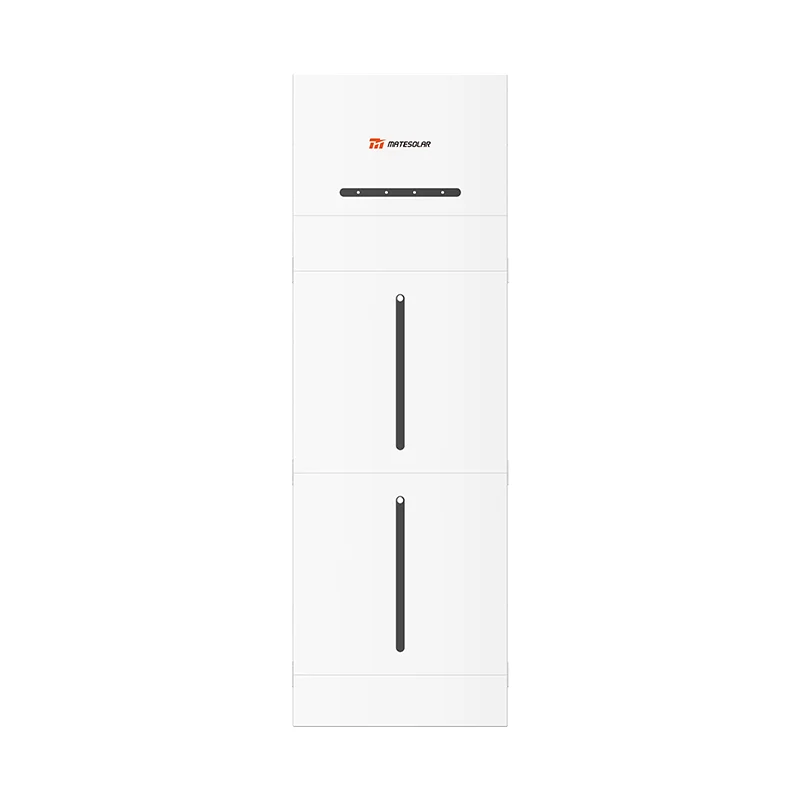
Комерційна гібридна сонячна система потужністю 500 кВт
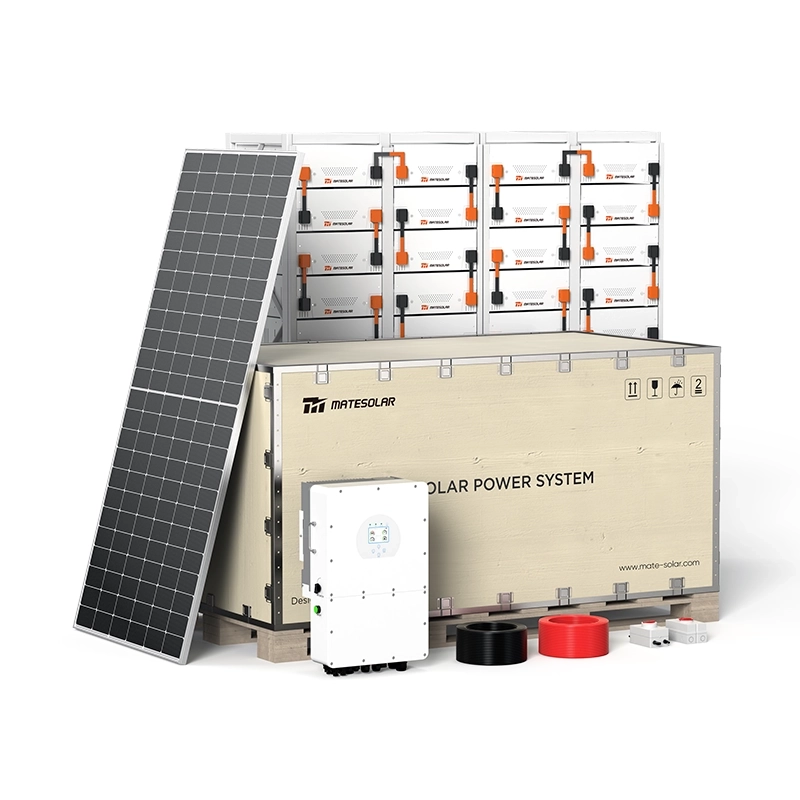
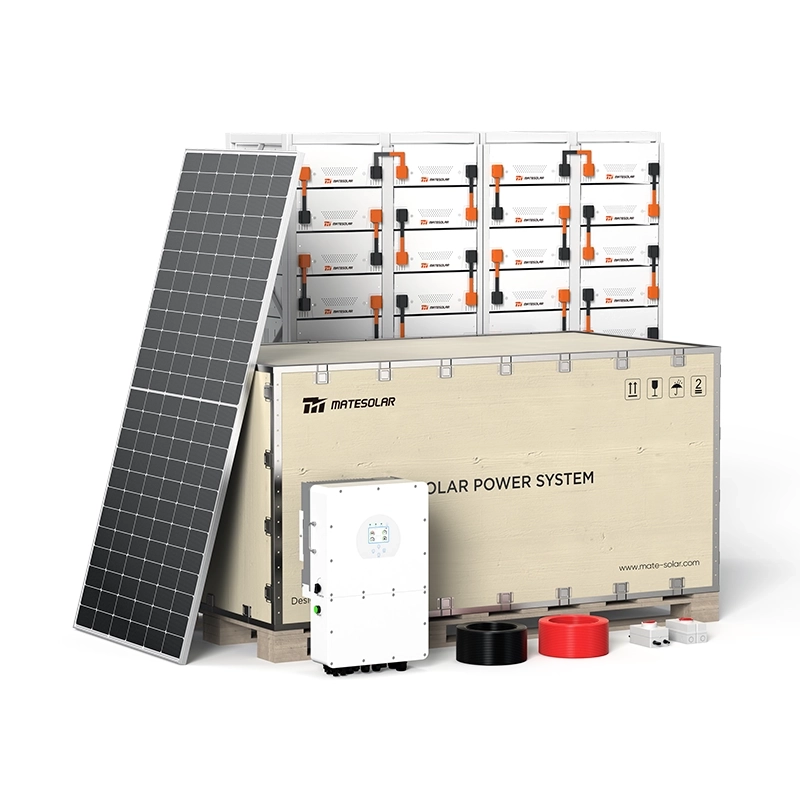
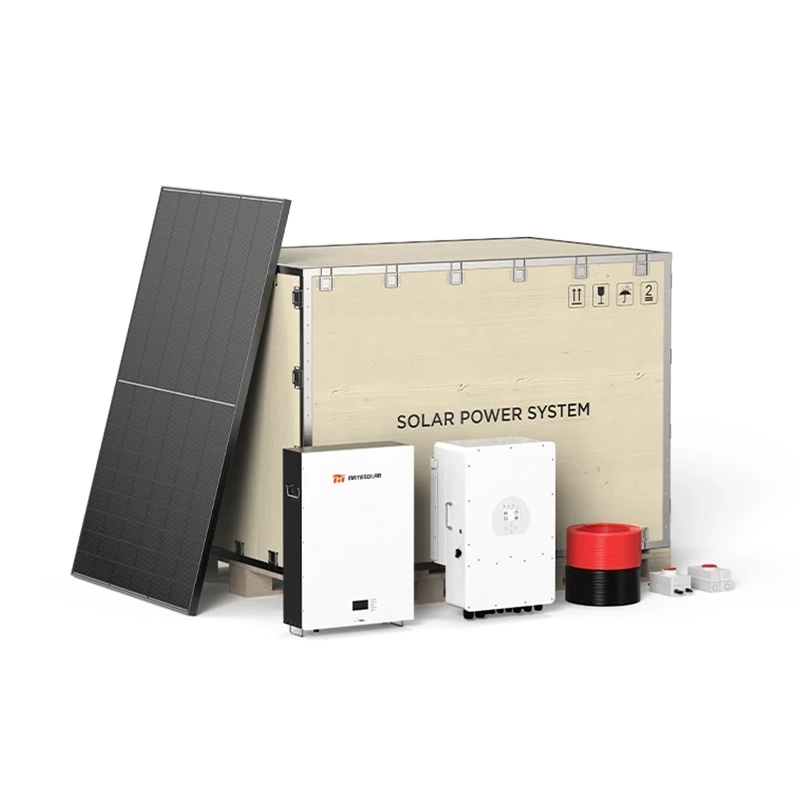
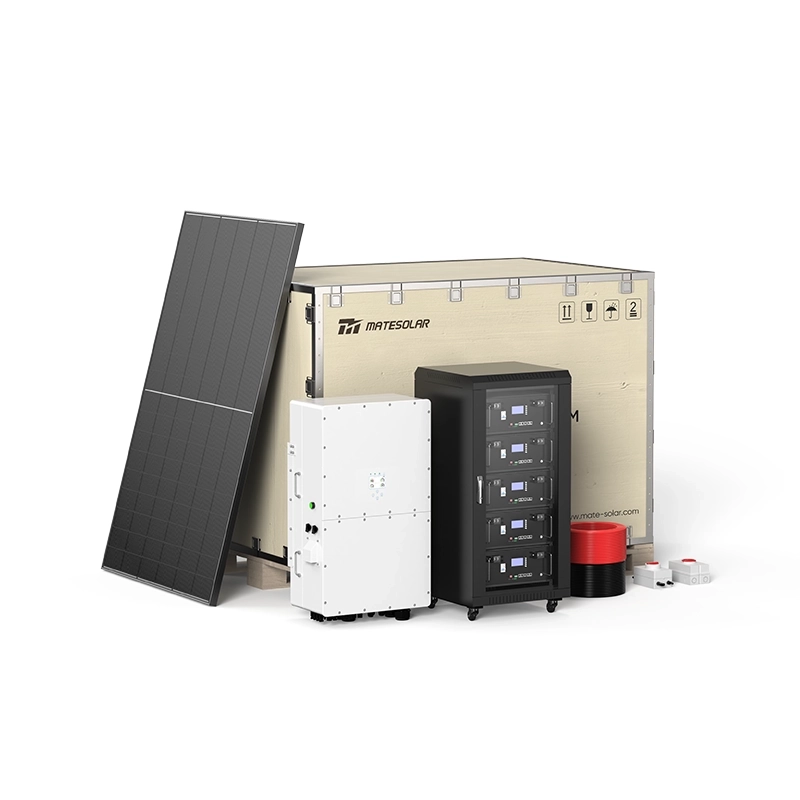
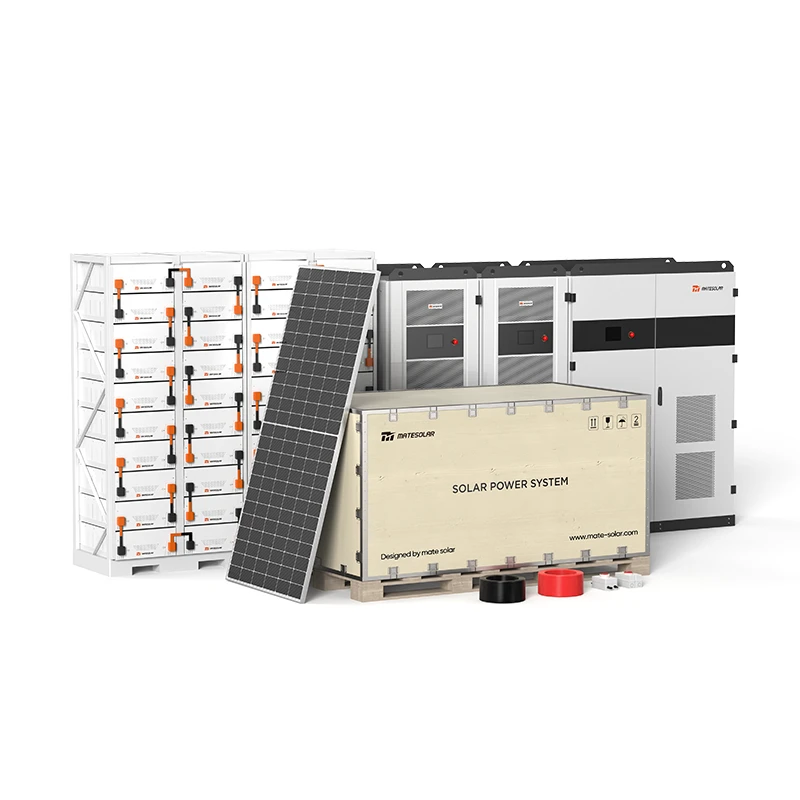
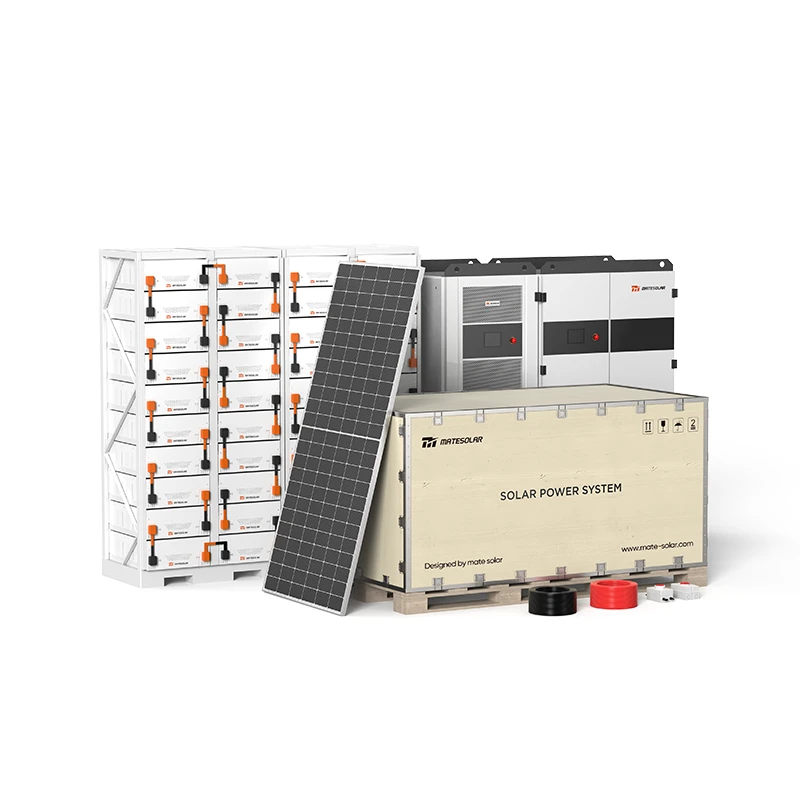
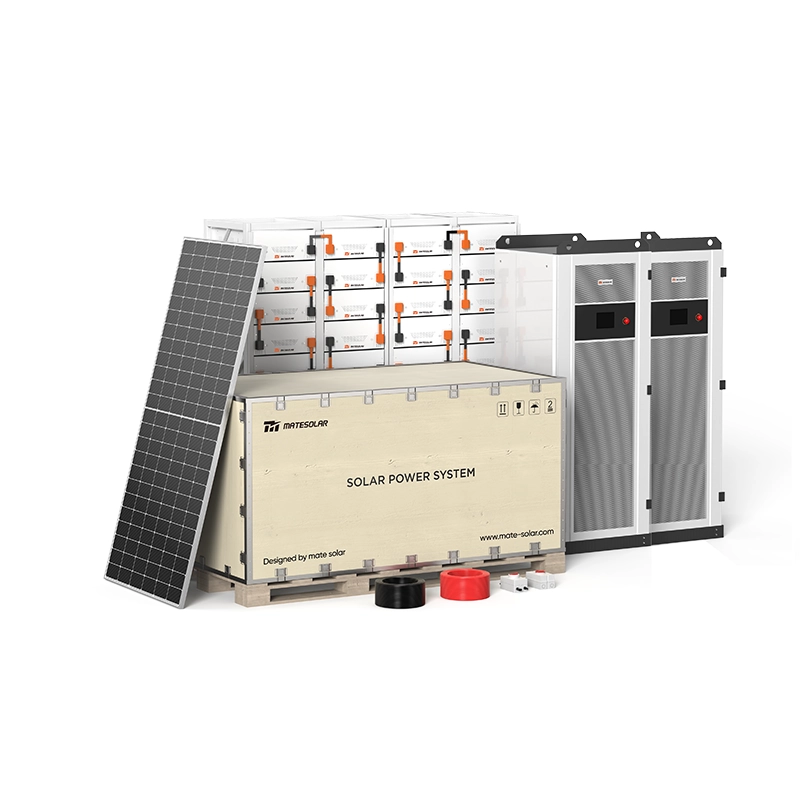
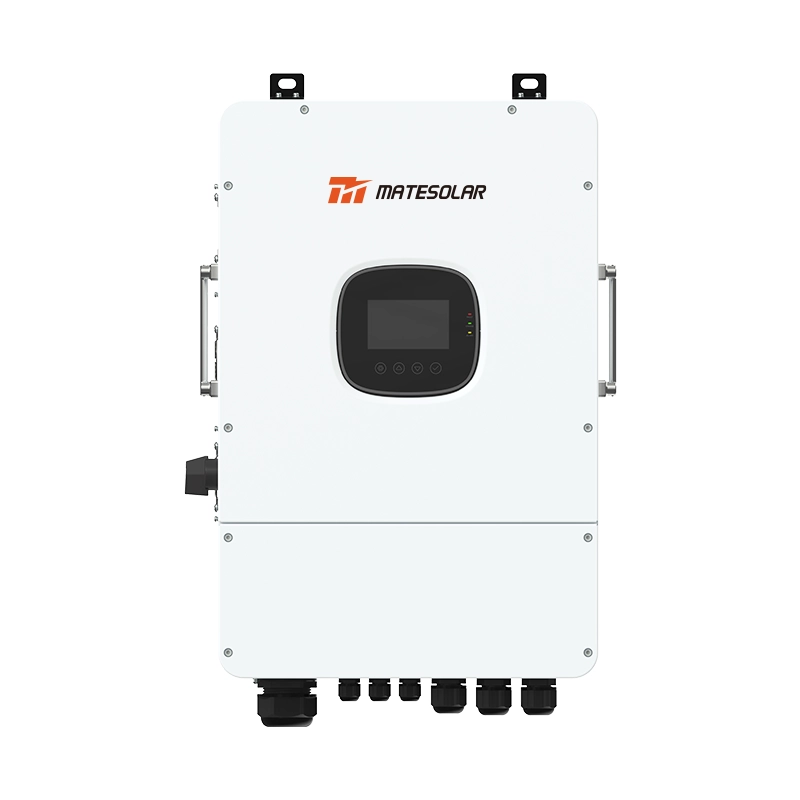
Designed for large commercial and industrial facilities requiring reliable, scalable solar‑plus‑storage solutions. This system architecture supports seamless grid transition, peak shaving, and load shifting – core requirements for South African businesses facing load‑shedding and Egyptian facilities managing peak demand. The system integrates high‑efficiency inverters, advanced battery management, and intelligent EMS for optimal performance in grid‑unstable conditions.
Learn more about the Commercial 500KW Hybrid Solar System →
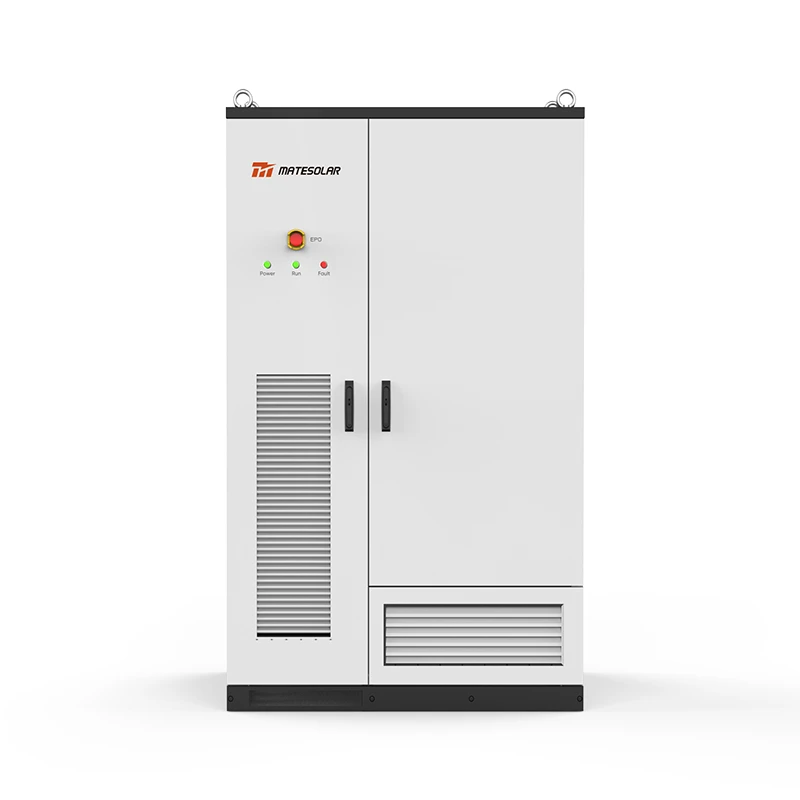
100kW/232kWh & 125kW/261kWh Liquid‑Cooled Outdoor Cabinet Energy Storage System
These outdoor cabinets are specifically engineered for Africa’s challenging environments – high temperatures, dust, and humidity. Liquid cooling maintains optimal cell temperatures even at 50°C ambient, extending battery life and ensuring consistent performance. The modular design supports flexible scaling from 232 kWh to multi‑MWh configurations. With IP55 protection, these cabinets are ideal for rooftop, ground‑mount, and industrial installations across the continent.
Learn more about Liquid‑Cooled Outdoor Cabinet ESS →
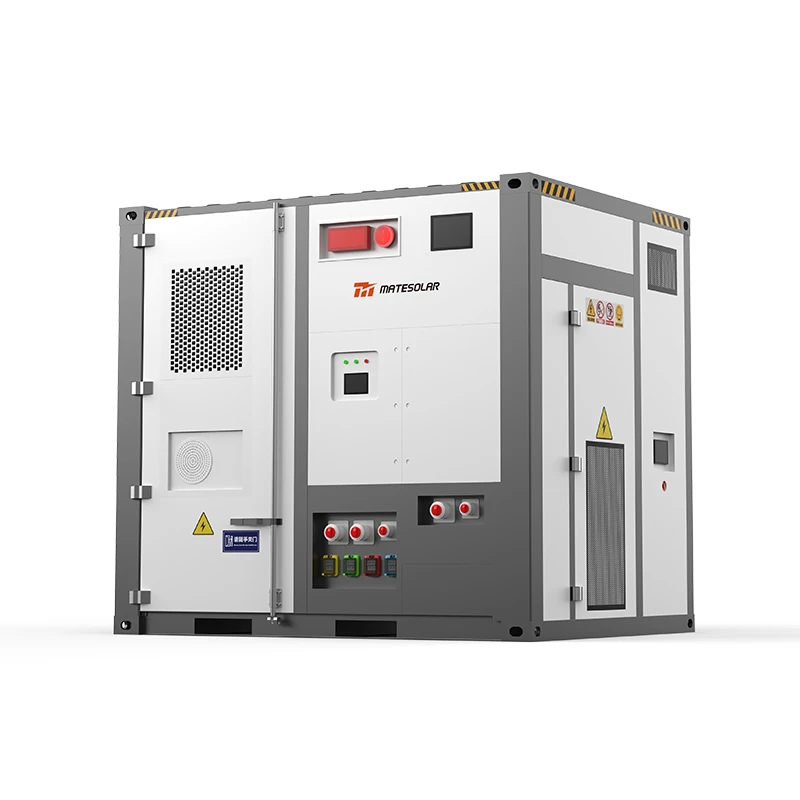
40Ft 1MWh / 2MWh Air‑Cooled Container ESS
The 40‑foot containerised storage solution offers rapid deployment for projects requiring utility‑scale capacity in a compact footprint. Air‑cooled design reduces complexity and maintenance requirements while delivering reliable performance in moderate climate conditions. Ideal for South African coastal regions and Ghanaian installations where ambient temperatures are relatively moderate. The container is fully plug‑and‑play, reducing on‑site installation time.
Learn more about 40Ft Air‑Cooled Container ESS →
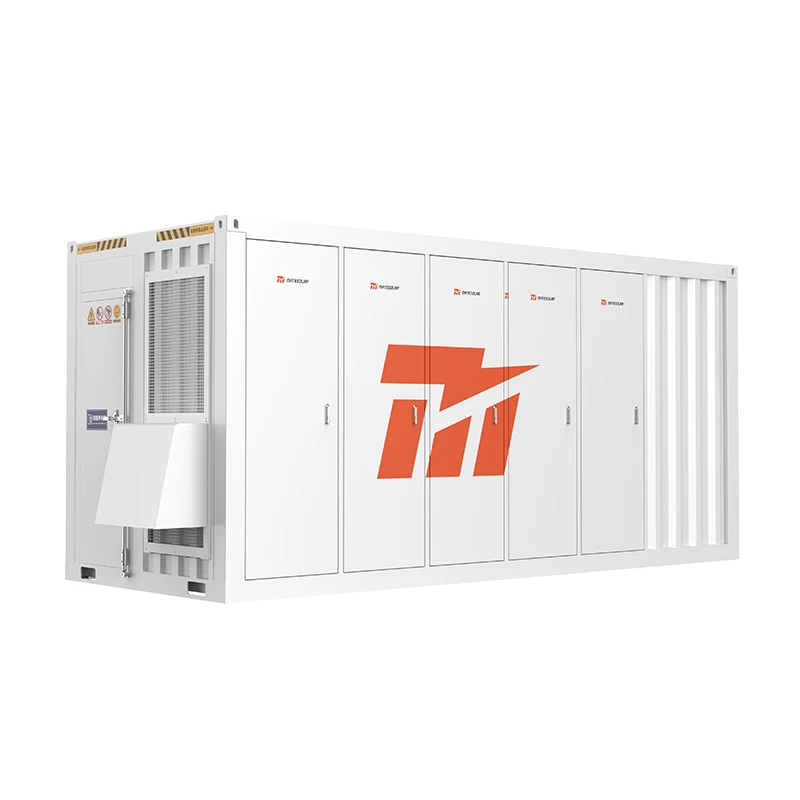
20Ft 3MWh / 5MWh Liquid‑Cooling Container Energy Storage System
For high‑density, high‑capacity utility‑scale applications, the 20‑foot liquid‑cooled container delivers industry‑leading energy density. The advanced liquid thermal management system maintains cell temperature differential within 3°C, ensuring optimal performance and extended cycle life even in the most demanding environments – including Egypt’s desert conditions and Morocco’s industrial applications. This solution is particularly suited for large‑scale C&I parks, mining operations, and utility‑scale renewable integration projects.
Learn more about 20Ft Liquid‑Cooling Container ESS →
Conclusion: The African Storage Opportunity in 2026 and Beyond
The African C&I storage market has crossed the threshold from early adoption to large‑scale deployment in 2026. Four distinct market dynamics are driving this transformation:
South Africa is demonstrating that C&I storage can scale through standardised, modular products deployed across multiple sites. The Sungrow‑Herholdt’s 1,155 MWh agreement proves that the market can absorb GWh‑level capacity when the value proposition – supply reliability in the face of load‑shedding – is compelling enough.
Egypt is showing that utility‑scale solar‑plus‑storage projects can achieve financial close with multilateral financing and that local manufacturing is the next frontier. The Abydos II, Obelisk, and AMEA Power 1,500 MWh projects collectively demonstrate that Africa can host world‑class storage infrastructure.
Morocco is proving that policy can force storage adoption. The 20% export cap has made storage structurally necessary for solar project viability. OCP’s Ben Guerrir BESS is the proof point that industrial users are treating storage as standard infrastructure.
Ghana is opening the West African market with a national procurement that signals the beginning of a regional storage build‑out. As the first West African nation to launch a large‑scale BESS tender, Ghana is creating a template that Nigeria, Côte d’Ivoire, and Senegal are likely to follow.
Key Takeaways for Industry Stakeholders
Для розробників проєкту: The window of opportunity is now. South Africa’s ZAR 2.3 billion grant window closes 30 June 2026. Morocco’s 20% export cap is already in effect. Ghana’s 200 MW tender has closed but the pipeline is expanding. First‑mover advantages are significant.
For Technology Providers: Standardisation is the path to scale. The transition from bespoke engineering to modular products – evidenced by Sungrow’s 1,155 MWh agreement and Tianneng’s 2,000‑unit framework – is the defining trend of the market. Products must be designed for Africa’s specific conditions: high temperatures, dust, grid instability, and remote locations.
For Financiers: Bankability is improving but due diligence remains critical. Equipment with IEC, UL, and BloombergNEF certifications passes reviews more easily. Projects with multilateral involvement (EBRD, AfDB, BII, IFC) set the benchmark for bankability standards.
For EPCs and Installers: Local presence and capability are becoming competitive advantages. South Africa’s 15% import tariff, Egypt’s local manufacturing mandates, and Morocco’s self‑consumption regulations all favour local partners with on‑the‑ground capabilities.
The Role of Technology Partners
Success in Africa’s C&I storage market requires more than just hardware. It demands:
- Product engineering for extreme environments (50°C ambient, high dust, humidity)
- Сертифікація that satisfies multilateral financiers (IEC62619, UL9540A, UN38.3)
- Модульний дизайн that enables rapid deployment and easy scaling
- Intelligent energy management that optimises for arbitrage, backup, and emerging markets like SAWEM
- Comprehensive support – remote monitoring, software updates, and hardware replacement services
Про MateSolar
MateSolar is a comprehensive one‑stop solar and energy storage solution provider serving commercial, industrial, and utility‑scale clients across Africa and beyond. From product design and engineering to project financing support and after‑sales service, MateSolar delivers end‑to‑end solutions tailored to the unique demands of African operating environments.
Our product portfolio includes liquid‑cooled outdoor cabinets, air‑cooled and liquid‑cooled containerised systems, and hybrid solar‑plus‑storage solutions – all engineered for high‑temperature, dusty, and grid‑unstable conditions. With a focus on bankable technology, modular scalability, and local support, MateSolar is your partner for Africa’s storage transition.
Contact MateSolar today to discuss your C&I storage project requirements.