

















Канадський ринок систем накопичення енергії для комерційного та промислового секторів (C&I) досяг переломного моменту у 2026 році. Те, що колись було сферою раннього впровадження, яка характеризувалася пілотними проєктами та обережним інвестуванням, перетворилося на швидкозростаюче, з високим рівнем впевненості, що підтримується федеральними податковими пільгами на інвестиції загальною сумою до 45%, провінційними програмами закупівель, які забезпечують 22-річні контракти з фіксованим доходом, а також планами щодо розгортання понад 15 ГВт ємності систем накопичення, що очікують підключення до мережі.
Цифри говорять самі за себе: ринок стаціонарних систем накопичення енергії за приладом обліку (BTM) в Канаді, за прогнозами, зросте з 1,2–1,6 мільярда канадських доларів у 2026 році до 4,5–6,0 мільярдів канадських доларів до 2035 року.. Ринок стаціонарних систем зберігання енергії промислового масштабу, що охоплює електромережеві об'єкти та великі установки для комерційних і промислових споживачів, за прогнозами, зросте з 1,8–2,2 мільярда канадських доларів у 2026 році до 8–12 мільярдів канадських доларів до 2035 року.. Системи категорії C&I в діапазоні від 30 кВт·год до 5 МВт·год становлять понад 55% від загальної ринкової вартості сегмента BTM. Очікується, що загальний обсяг канадського ринку стаціонарних систем зберігання енергії до 2035 року досягне 12,5–18,0 млрд канадських доларів, що відповідає середньорічному темпу зростання на рівні 16–19%.
Цей посібник створений як авторитетний довідник для розробників проєктів, власників об'єктів, інжинірингових, закупівельних та будівельних компаній (EPC), а також інвесторів, які орієнтуються в ландшафті комерційних та промислових (C&I) систем накопичення енергії в Канаді у 2026 році. Ми розглядаємо критичні проблеми, які визначають успіх або провал проєктів на цьому ринку: затримки з підключенням до мережі, максимізацію податкового кредиту на інвестиції (ITC), участь у закупівлях IESO, дефіцит монтажників, ризики ланцюжка постачань та стійкість до екстремальних кліматичних умов.
Частина І: Огляд ринку – Настав переломний момент
1.1 Розмір ринку та траєкторія зростання
Канадський ринок накопичувачів енергії більше не є спекулятивним — він приносить вимірні прибутки в кожному сегменті. Лише ринок стаціонарних акумуляторних накопичувачів BTM має намір досягти 4,5–6,0 мільярдів канадських доларів до 2035 року, що становить сукупний річний темп зростання, який ставить Канаду серед ринків накопичувачів енергії з найшвидшими темпами зростання в Північній Америці..
Таблиця 1: Прогноз ринку стаціонарних систем зберігання енергії на батареях у Канаді (2026–2035)
| Сегмент ринку | 2026 Вартість (CAD) | 2035 Вартість (CAD) | CAGR |
| Стаціонарне сховище BTM | 1,2–1,6 мільярда | 4.5–6,0 мільярда | 14–16% |
| Промислові стаціонарні системи зберігання | 1,8–2,2 мільярда | 8,0–12,0 мільярдів | 18–22% |
| Загальний сукупний ринок | 3,0–3,8 мільярда | 12,5–18,0 мільярдів | 16–19% |
Джерела: Звіти IndexBox Market Reports (2026)
Цьому зростанню сприяють кілька структурних чинників:
- Зростання тарифів на електроенергію у всіх провінціях роблять системи накопичення енергії «за лічильником» економічно вигідними для комерційних та промислових споживачів енергії.
- Ризик, пов’язаний із платою за споживання—особливо в Онтаріо, Альберті та Британській Колумбії — створює негайну, вимірювану економію для комерційних та промислових об'єктів, які використовують накопичувачі для зменшення пікових навантажень.
- Федеральні та провінційні програми заохочення терміни окупності скоротилися з 10–14 років у 2020 році до 6–10 років для типових комерційних та промислових застосувань на сьогодні.
- Зобов’язання компанії щодо сталого розвитку стимулюють попит на відновлювані джерела енергії з використанням систем накопичення енергії, при цьому оператори центрів обробки даних та промислові підприємства укладають довгострокові угоди про закупівлю енергії.
У 2026 році обсяг встановленої потужності (МВт·год) у сегменті промислових та комунальних об’єктів, підключених до мережі, становитиме приблизно 65–70%, тоді як у сегменті комерційних та промислових об’єктів, підключених за лічильником, темпи зростання будуть вищими — прогнозований середньорічний темп зростання (CAGR) до 2035 року становитиме 18–22%..
1.2 Дорожня карта технологій: домінування LFP та зниження витрат
Технологія літій-залізо-фосфатних (LFP) акумуляторів остаточно перемогла в технологічній конкуренції за ринок комерційних та промислових (C&I) систем накопичення енергії в Канаді. Наразі на LFP припадає 80–85% нових установок BTM та понад 80% системних контрактів, підписаних у 2025–2026 роках, витіснивши нікель-марганець-кобальт (NMC) завдяки перевагам у безпеці, тривалості циклу експлуатації та вартості..
| Хімія | Частка ринку (МВт-год) | Основні сфери застосування | Ключові драйвери |
| LFP (літій-залізо-фосфат) | 80-85% | комерційно-промислові системи "за лічильником" (C&I BTM), промислового масштабу (utility-scale) | Безпека, ресурс циклів, вартість |
| NMC (нікель-марганець-кобальт) | 10–15% | Ніша з високою щільністю енергії | Густина енергії |
| Проточні акумулятори та інше | 3–5% | Пілотні проєкти тривалої дії | виписка через 8+ годин |
У 2026 році витрати на встановлення системних акумуляторних систем (BESS) промислового масштабу в Канаді становитимуть від 550 до 750 канадських доларів за кВт·год, при цьому вартість акумуляторних елементів та блоків становитиме приблизно 55–65% від загальної вартості системи. Проєкти, що поєднують сонячні електростанції з системами накопичення енергії та вітрові електростанції з системами накопичення енергії, стають домінуючою моделлю розгортання в Альберті та Онтаріо, причому ємність систем накопичення становить 25–501 ТП3Т номінальної потужності об’єктів відновлюваної енергетики.
1.3 Унікальна ринкова позиція Канади
На відміну від Німеччини (де політичні та ринкові механізми є зрілими, але ринок перенасичений конкуренцією), ринку Техасу ERCOT у США (який керується ринковими механізмами) та Аргентини (де переважають масштабні тендери), ринок Канади визначається трьома відмінними рисами:
1. Сукупне застосування подвійних стимулів на федеральному та провінційному рівнях – Унікальний канадський підхід, що поєднує федеральні податкові кредити на інвестиції (ITC) з регіональними програмами субсидій
2. Система довгострокових контрактів на потужність IESO – 20-річні договори з фіксованим доходом, що забезпечують економічну доцільність проекту з точки зору банківського фінансування
3. Участь корінних народів у капіталі – Локальна вимога щодо виходу на ринок, унікальна для Канади, зокрема для Онтаріо
Частина II: Політичне та регуляторне середовище
2.1 Федеральні інвестиційні податкові кредити на чисту економіку – головний рушійний фактор
26 березня 2026 року уряд Канади ухвалив законопроект C-15 («Закон про виконання бюджету на 2025 рік, № 1»), яким було офіційно запроваджено систему податкових пільг на інвестиції в чисту економіку. Законодавство охоплює п’ять ключових сфер: уловлювання, використання та зберігання вуглецю; чисті технології (включно з виробництвом енергії з відновлюваних джерел та відповідними системами зберігання); чистий водень; виробництво чистих технологій; та чиста електроенергія.
Податковий кредит на інвестиції в чисті технології (30%, з можливістю повернення)
Програма «Чисті технології» (ITC) передбачає повернену податкову пільгу 30% на капітальні витрати, пов’язані з акумуляторними системами зберігання енергії, що відповідають вимогам. Основні особливості включають:
- З можливістю повернення коштів – Навіть якщо у певному році оподатковуваний дохід підприємства є обмеженим, податковий кредит надається у вигляді грошового відшкодування.
- Сховище стоїть окремо – Системи акумулювання енергії за допомогою акумуляторів можуть бути впроваджені незалежно від сонячної генерації.
- Застосовується до обладнання, вводяться в експлуатацію в період з 2024 по 2034 рік, з поступовим зниженням до 15% для об’єктів, введених в експлуатацію у 2034 році.
- A Зниження 10% застосовується, якщо вимоги щодо робочої сили не виконуються.
До обладнання, що відповідає вимогам, належать акумулятори, системи перетворення енергії (PCS) та системи терморегулювання.
Податковий кредит на інвестиції в «чисту» електроенергію (15%, з правом відшкодування)
Програма CEITC передбачає повернену податкову пільгу в розмірі 15% для інвестицій у об’єкти екологічно чистої електроенергетики, зокрема в системи генерації з низьким рівнем викидів, стаціонарні системи накопичення електроенергії та обладнання для міжпровінційної передачі електроенергії. Ця пільга поширюється на проекти, будівництво яких розпочалося 28 березня 2023 року або пізніше.
Критичний дедлайн подачі заявки: Відповідна нерухомість має бути придбана з 16 квітня 2024 року та введена в експлуатацію до або станом на 31 грудня.
Можливість комбінування моделі 45%
У разі сукупного застосування податкові кредити за «Чисті технології» (30%) та «Чисту електроенергію» (15%) забезпечують федеральний податковий кредит у розмірі до 45% на капітальні витрати, що відповідають критеріям, пов’язані з проектами накопичення енергії у секторі комерції та промисловості (C&I). Цю перевагу ще більше підсилює програма прискореного амортизаційного відрахування (CCA) за програмою 100%, яка дозволяє підприємствам повністю віднести на витрати капітальні витрати на екологічно чисту енергію, що відповідають критеріям, вже у перший рік інвестицій — це унікальне поєднання заходів у Північній Америці.
Таблиця 3: Поєднання федерального ITC для комерційних та промислових систем зберігання енергії
| Заохочення | Оцінити | Право на участь | Застосовність |
| ІТ-центр «Чисті технології» | 30% | Капітальні витрати на акумуляторні сховища | Автономні чи спільного розміщення |
| Податковий кредит за екологічно чисту електроенергію (ITC) | 15% | Стаціонарні системи зберігання | Нове будівництво чи переобладнання |
| Загальний федеральний ITC | До 45% | Комбінований стекінг | Капітальні витрати проєкту |
| Прискорений CCA | 100%, 1-й рік навчання | Капітальні витрати на чисту енергію | Повна виписка за перший рік |
2.2 Невизначеність вимоги щодо місцевого вмісту (Domestic Content Requirement – DCR) – Дамоклів меч
Критична невизначеність: З 13 лютого по 13 березня 2026 року Міністерство фінансів провело громадські консультації щодо запровадження вимог щодо внутрішнього вмісту (DCR) для інвестиційних податкових кредитів на чисті технології та чисту електроенергію. Результати ще не оголошено станом на серпень 2026 року.
Запропонована вимога щодо внутрішнього вмісту (DCR) зобов'язуватиме, щоб певний відсоток матеріалів і продукції, які використовуються в проєкті чистої енергетики, вироблявся або виготовлявся в Канаді для того, щоб проєкт відповідав умовам для отримання податкових кредитів на інвестиції (ITC). Передові виготовлені продукти, що розглядаються, включають акумуляторні модулі та системи.
Виклик: Канада залишається структурно залежною від імпорту акумуляторних елементів та обладнання для перетворення енергії. Потужності з внутрішнього складання акумуляторних елементів становлять менше 2 ГВт-год/рік у 2026 році порівняно з очікуваним попитом, що перевищує 12 ГВт-год/рік. Імпорт хімікатів для зберігання становить 70–85% від внутрішнього споживання.
У разі впровадження DCR може стати палицею про два кінці:
- ПозитивнийСтимулює виробництво внутрішніх акумуляторів та розвиток ланцюга постачання
- НегативнийМоже збільшити витрати на проєкт та подовжити строки розробки через обмежені внутрішні постачання
Поточний статус: DCR ще не закріплено на законодавчому рівні, і воно не обмежує поточні заявки. Проте розробникам проєктів слід уважно стежити за подіями та розглядати стратегії диверсифікації ланцюжка постачань.
2.3 Провінційні стимули – мозаїка можливостей
Британська Колумбія: BC Hydro — знижка до 80%
Компанія BC Hydro надає відповідним комерційним та промисловим об’єктам компенсацію у розмірі до 80% від вартості проектів зі зберігання енергії в рамках чинних програм заохочення. У червні 2026 року компанія Aegis Critical Defence Energy пройшла реєстрацію в якості постачальника в BC Hydro, що дозволило її клієнтам отримати доступ до цих компенсацій.
Онтаріо: Попит IESO та ринок потужності
Власники комерційних та промислових систем зберігання енергії в Онтаріо можуть брати участь у програмах реагування на попит та потужності IESO, отримуючи постійні джерела доходу. Системи зберігання створюють цінність за допомогою трьох механізмів:
1. Події зниження енергоспоживання – Погодинні платежі на основі подій, коли IESO вимагає зниження навантаження
2. Участь у аукціоні потужності – Аукціон потужності 2026 року відбудеться 25–26 листопада 2026 року
3. Енергетичний арбітраж – Заряджання під час періодів низьких цін і розряджання під час пікового ціноутворення
Програма заощаджень на ремонт житла в Онтаріо (HRSP) надає до 10 000 канадських доларів у вигляді знижок на комбінацію сонячних панелей та акумуляторів для відповідних установок.
Квебек: Гідро-Квебек – Знижка на потужність 1000 канадських доларів/кВт
Гідро-Квебек запустив Субсидія 1 000 канадських доларів за кВт потужності у 2026 році, покриваючи до 40% витрат, що підлягають відшкодуванню для прийнятних накопичувальних установок.
Федеральний: Арктичний енергетичний альянс (AEA)
Для ізольованих дизельних спільнот Агентство з енергетики та навколишнього середовища (AEA) надає субсидії в розмірі до 20 000 канадських доларів на проєкти з відновлюваних джерел енергії та накопичення енергії на акумуляторах.
2.4 Довгострокові контракти на потужність IESO в Онтаріо – краєвугільний камінь ринкової структури
Незалежний системний оператор електроенергії Онтаріо (IESO) надає фіксовані договори на отримання доходу строком до 20 років для проєктів зі зберігання енергії через процедуру довгострокового запиту пропозицій (LT-RFP).
Основні етапи станом на серпень 2026 року:
- Онтаріо має сукупно закупили приблизно 3,6 ГВт акумуляторних накопичувачів комунального масштабу.
- В червень 2026 року, закуплено ємність вікна 1 LT2 640 МВт восьмигодинного акумуляторного сховища у трьох проєקтах, перевищення цільового вікна.
- Закупівля забезпечила ціни 36% нижня частина ніж за прискорений перший довгостроковий запит пропозицій та 16% нижня частина ніж Перший довгостроковий запит пропозицій.
- Усі три проекти, що отримали фінансування, передбачають участь корінних народів у капіталі за програмою 50% – унікальна вимога канадського ринку щодо допуску.
Таблиця 4: Вікно 1 IESO LT2 – Проєкти-переможці (червень 2026 р.)
| Проєкт | Ємність | Тривалість | Рівність корінних народів | Статус |
| Проєкт А (Північна Онтаріо) | ~213 МВт | 8-годинний | 50% | Контракт укладено |
| Проєкт B (Південно-Західна Онтаріо) | ~213 МВт | 8-годинний | 50% | Контракт укладено |
| Проєкт C (Східний Онтаріо) | ~213 МВт | 8-годинний | 50% | Контракт укладено |
| Всього | 640 МВт | / | / | Перевищено цільовий показник |
IESO, 19 червня 2026 року
IESO також запустила запит пропозицій (RFP) щодо технологій накопичення енергії з тривалим часом розгортання (LLT) для систем накопичення енергії тривалої дії (LDES) потужністю щонайменше 10 МВт, зокрема систем накопичення енергії на основі стисненого повітря та гідроакумулюючих електростанцій. Подання пропозицій за програмою LLT триває до 26 листопада 2026 року, а укладення контрактів заплановане на 30 березня 2027 року.
До 2028 року весь парк акумуляторних сховищ Онтаріо складатиметься з 26 об'єктів із загальною потужністю 2916 МВт.
Частина III: Приклади нещодавніх проєктів – що насправді будується
3.1 Великі проєкти зберігання
Таблиця 5: Основні канадські проєкти зберігання енергії (2025–2026)
| Проєкт | Розмір | Ключові особливості | Статус |
| Oneida Energy Storage | 250 МВт / 1 000 МВт·год | Найбільше діюче сховище Канади | Травень 2025 р. – Комерційна експлуатація |
| Напані БЕСС | 250 МВт / 1 000 МВт·год | Інвестиції в розмірі 600 мільйонів канадських доларів, завершено на 5 тижнів раніше терміну | Травень 2026 – Комерційна експлуатація |
| Напані, фаза 2 | 300 МВт | Партнерство з першою нацією міссісога з острові Скугог | В розробці |
| Енергетичний акумуляторний парк Хагерсвілл | 300 МВт / 1 200 МВт·год | 334 блоки Tesla Megapack 2XL, 4-годинне розряджання | Березень 2026 – Комерційна експлуатація |
| Симулятор BESS | 150 МВт / 1200 МВт·год | 20-річна угода з IESO, цільовий ввід в експлуатацію у 2030 році | Липень 2026 – Контракт підписано |
| Neoen Eagle Lake | 200 МВт / 1 600 МВт·год | 20-річний контракт з IESO, 50% — частка капіталу корінних народів | Контракт укладено у червні 2026 року, цільовий ввід в експлуатацію (COD) — 2030 рік |
Енергетичний акумулюючий проєкт Онейда (250 МВт / 1000 МВт-год)
Найбільший діючий об'єкт зберігання акумуляторної енергії в Канаді розпочав комерційну експлуатацію у травні 2025 року, завершившись достроково та з дотриманням бюджету. Проєкт налічує 278 літій-іонних акумуляторних блоків і працює за 20-річним контрактом на закупівлю з IESO.
Напані СЗЕ (250 МВт / 1000 МВт·год)
Цей проєкт вартістю 600 мільйонів канадських доларів, розроблений у межах спільного підприємства компаній Ameresco та Atura Power, досяг стадії комерційної експлуатації у травні 2026 року — на п'ять тижнів раніше запланованого терміну. Об'єкт включає 284 акумуляторні батареї та може забезпечувати електроенергією 250 000 будинків протягом чотирьох годин у період пікового споживання.
Енергетичний накопичувальний парк Хагерсвілл (300 МВт / 1200 МВт·год)
Введена в експлуатацію в березні 2026 року компаніями Boralex і Six Nations of the Grand River Development Corporation, ця установка використовує 334 блоки Tesla Megapack 2XL і на момент введення в експлуатацію була найбільшою діючою батарейною системою зберігання енергії в Канаді.
Neoen Eagle Lake (200 МВт / 1600 МВт-год)
Цей проєкт, який у червні 2026 року отримав 20-річний контракт на надання послуг з забезпечення потужності, перебуватиме у спільній власності компаній Neoen та Eagle Lake First Nation у рамках партнерства з розподілом частки капіталу за схемою 50% — моделі, яка стала стандартом для великомасштабних сховищ в Онтаріо. Початок будівництва очікується у 2028 році, а введення в експлуатацію заплановане на 2030 рік.
3.2 Проєкти накопичення енергії для комерційного та промислового секторів
Таблиця 6: Помітні розгортання систем зберігання енергії для комерційного та промислового секторів (2026)
| Проєкт | Розмір | Місцезнаходження | Ключові особливості |
| Вютек Канада | 3,6 МВт / 7,2 МВт-год | Вудсток, Онтаріо | Виробничі потужності, згладжування пікових навантажень, реагування на попит |
| PowerBank Cramahe | 4,99 МВт | Крамага, Онтаріо | 22-річний контракт IESO з фіксованим доходом |
| Система зберігання даних SFF-06 | / | Крамага, Онтаріо | 251 день підключення до енергомережі, фіксований дохід протягом 22 років |
Vuteq Canada — 3,6 МВт / 7,2 МВт·год
У липні 2026 року компанія Peak Power оголосила про початок комерційної експлуатації літій-іонної системи накопичення енергії (BESS) потужністю 3,6 МВт / 7,2 МВт·год на виробничому об’єкті компанії Vuteq Canada у місті Вудсток, провінція Онтаріо. Цей проєкт демонструє, як системи накопичення енергії для комерційних та промислових об’єктів (C&I) можуть сприяти зменшенню витрат на глобальне вирівнювання та брати участь у програмах реагування на коливання попиту.
3.3 Динаміка ринку продукції зовнішніх шаф
Ринок систем зберігання для промисловості та комерційного сектору дедалі більше характеризується стандартизованими, готовими рішеннями у вигляді зовнішніх шаф:
- Aegis PWR-Flex 261Q: Повністю інтегрована зовнішня система зберігання енергії (BESS) потужністю 261 кВт·год / 135 кВт, на основі технології LFP, з рідинним охолодженням, типу «plug-and-play». У червні 2026 року отримано реєстрацію як постачальника в компанії BC Hydro.
- E-STORAGE KuBank 3.0: Окремий шафа з рідинним охолодженням потужністю до 940 кВт·год, що пройшла випробування на великомасштабну пожежу згідно зі стандартом UL 9540A:2026 у серпні 2026 року.
- SOCOSMEC SMARTSYS C260: від 125 кВА / 261 кВт·год до 1 МВА / 2 МВт·год — повністю інтегровані зовнішні шафи для зберігання.
Частина IV: Критичні болючі точки – що не дає розробникам проєктів спати ночами
Проблема № 1: Накопичення федеральних податкових кредитів за програмою ITC — як отримати максимальну вигоду від податкового кредиту за програмою 45%?
Поєднання податкової пільги за чисті технології 30% ITC + податкової пільги за чисту електроенергію 15% ITC + прискореної амортизації за перший рік 100% створює пакет заходів, який не має аналогів у Північній Америці. Проте більшість розробників проєктів та власників об’єктів не знайомі з:
- Як одночасно отримати кілька кредитів
- Як розпланувати терміни реалізації проєкту, щоб відповідати кваліфікаційним вимогам
- Як структурувати володіння проєктом для оптимізації використання податкового кредиту
Шлях вирішенняЗалучайте податкових радників з досвідом роботи у сфері податкового кредиту на чисту енергію (ITC) на ранніх етапах розробки проєкту. Структуруйте спеціальні проєктні компанії (SPV) так, щоб забезпечити врахування всіх прийнятних витрат. Ретельно документуйте капітальні витрати для обґрунтування претензій на отримання ITC.
Проблема № 2: Невизначеність щодо вимог до частки вітчизняних компонентів (DCR) — як зменшити ризики в ланцюгу поставок?
Консультації щодо DCR завершилися в березні 2026 року, проте результати досі не оголошені. Ланцюжок постачання акумуляторних елементів та обладнання для перетворення енергії в Канаді структурно залежить від імпорту.:
- Збирання вітчизняних елементів живлення: < 2 ГВт·год/рік (2026)
- Орієнтовний попит: > 12 ГВт·год/рік
- Залежність від імпорту: 70–85% для хімікатів, що використовуються для зберігання
Шлях вирішення: Диверсифікувати джерела ланцюжка постачання. Зберігати гнучкість у закупівлі обладнання. Розглянути поетапне виконання проєкту для адаптації до потенційного впровадження DCR. Уважно стежити за заявами уряду.
Больова точка 3: Черги на підключення – затримки на 3–5 років – Як прискорити розгортання проєктів?
Перевантаження черги на підключення є найзначнішою перешкодою для прискорення ринку:
- Лише в провінціях Онтаріо та Альберта на розгляді знаходяться проекти зі зберігання енергії загальною потужністю понад 15 ГВт, які очікують на проведення досліджень щодо підключення до енергомережі
- Терміни затвердження, що виходять за межі 2028 року
- Проєкти потужністю понад 10 МВт потрапляють у черги на проведення досліджень щодо підключення до мережі, тривалість яких становить 12–18 місяців
- Погодження підключення до електромережі в Онтаріо триває понад 12 тижнів, що спричиняє затримки проєктів
Шляхи вирішення: Орієнтуйтеся на проєкти в регіонах із налагодженими процесами підключення до електромереж. Розгляньте розгортання систем за лічильником (behind-the-meter), які оминають черги на підключення до комунальних мереж. Залучайте комунальні підприємства на ранніх етапах циклу розробки. Для комерційних та промислових об'єктів системи зберігання енергії за лічильником можуть бути введені в експлуатацію в значно коротші терміни, ніж проєкти комунального масштабу.
Проблема № 4: Плата за споживання – 30–50% рахунків за електроенергію – як досягти негайної економії?
Плата за пікове споживання становить 30–50% від загальної суми рахунків за електроенергію для комерційних та промислових споживачів в Онтаріо, Альберті та Британській Колумбії. Це створює негайну, вимірну економію для комерційних та промислових об'єктів, які впроваджують накопичувачі енергії для зрізання пікових навантажень.
Модель Vuteq Canada: проєкт потужністю 3,6 МВт / 7,2 МВт-год на підприємстві Vuteq у Вудстоку демонструє, як комерційні та промислові накопичувачі знижують плату за глобальне регулювання (Global Adjustment), одночасно беручи участь у програмах реагування на попит.
Шлях вирішення: Розгорнути накопичувачі енергії за лічильником об'єму, розраховані на покриття періодів пікового попиту. Смоделювати економію на платі за попит, використовуючи дані про навантаження об'єкта за 12–24 місяці. Поєднати з федеральними податковими кредитами на інвестиції (ITC) та провінційними знижками для скорочення термінів окупності.
Проблема 5: Вимоги щодо рівності корінних народів — як досягти унікального порогового значення локалізації в Канаді?
Частка корінного населення в капіталі стала стандартною конфігурацією для великомасштабних проєктів зі зберігання енергії в Онтаріо:
- LT2, вікно 1: Усі три проекти, що отримали фінансування, передбачають дотримання принципів рівності корінних народів 50%
- Neoen Eagle Lake: партнерство на засадах рівноправної участі (50%) з Першою нацією Ігл-Лейк
- Акумуляторна система зберігання енергії Simcoe (Simcoe BESS): Партнерство з громадою Шість Націй Гранд-Ривер та Першою нацією міссісога з Кредіту
- Друга фаза Напані: Партнерство з першою нацією міссісога з острова Скугог
Шлях вирішення: Залучайте корінні громади та корпорації розвитку на ранніх етапах розробки проєкту. Структуруйте партнерства таким чином, щоб забезпечити значну участь у капіталі та вигоду для громади. Використовуйте Програму підтримки енергетики корінних народів IESO.
Боль 6: Технологія LFP – Як довести, що технологія продукту відповідає ринковим тенденціям?
LFP остаточно виграла технологічну битву накопичувачів для комерційного та промислового секторів:
- 80-85% нових інсталяцій BTM
- > 80% системних контрактів, підписаних у 2025–2026 роках
- Літій-іонні (особливо LFP) становлять > 85% нових системних розгорнувань у МВт-год
Шлях вирішення: Зазначте хімічний склад LFP у всіх закупівлях систем зберігання для комерційного та промислового застосування (C&I). Переконайтеся, що продукція має сертифікацію UL 9540 та відповідає стандартам NFPA 855. Задокументуйте переваги щодо життєвого циклу, безпеки та загальної вартості володіння порівняно з альтернативами на основі NMC.
Больова точка 7: Екстремальний клімат Канади – чи витримають вироби для вулики?
Канадські проєкти охоплюють територію від Онтаріо до Британської Колумбії в умовах екстремального клімату:
- Зимові температури нижче -30°C
- Літні спекотні хвилі
- Хуртовини та крижаний дощ
- Висока вологість у прибережних регіонах
Дострокове завершення проєкту Napanee на п'ять тижнів раніше запланованого терміну демонструє доцільність використання великомасштабних систем накопичення енергії (BESS) в умовах канадського клімату. Система Aegis PWR-Flex 261Q пройшла незалежну сертифікацію на відповідність умовам провінції Британська Колумбія.
Шлях вирішення: Зазначити системи з рідинним охолодженням для забезпечення однорідності температур. Забезпечити ступені захисту IP, що відповідають місцевим умовам (корпуси IP55, акумуляторні блоки IP67). Переконатися, що системи містять можливості запуску в холодну погоду та системи підігріву для акумуляторних модулів.
Проблема 8: Дефіцит кваліфікованих кадрів для монтажу – Як забезпечити успішну реалізацію проєкту?
Канада стикається з дефіцитом 500–800 сертифікованих установників систем зберігання даних:
- Кваліфіковані інженерні кадри зі спеціалізованої системної інтеграції є дефіцитними
- Розробники проєктів конкурують з великими EPC-компаніями за досвідчених інженерів з систем зберігання енергії
- Це безпосередньо подовжує терміни реалізації проєкту та збільшує витрати на монтаж
Шляхи вирішення: Співпрацювати з постачальниками, які пропонують попередньо спроєктовані рішення за принципом «вмикай і працюй», що мінімізують складність інтеграції на майданчику. Для менших комерційних та промислових проєктів стандартизовані зовнішні шафи знижують потреби в монтажних роботах. Для більших проєктів — залучати партнерів з генерального підряду (EPC) із доведеним досвідом зберігання в Канаді на ранніх етапах.
Частина V: Рішення та рекомендації щодо продуктів
5.1 Для середніх та великих промислових підприємств — Комерційна гібридна сонячна система потужністю 500 кВт
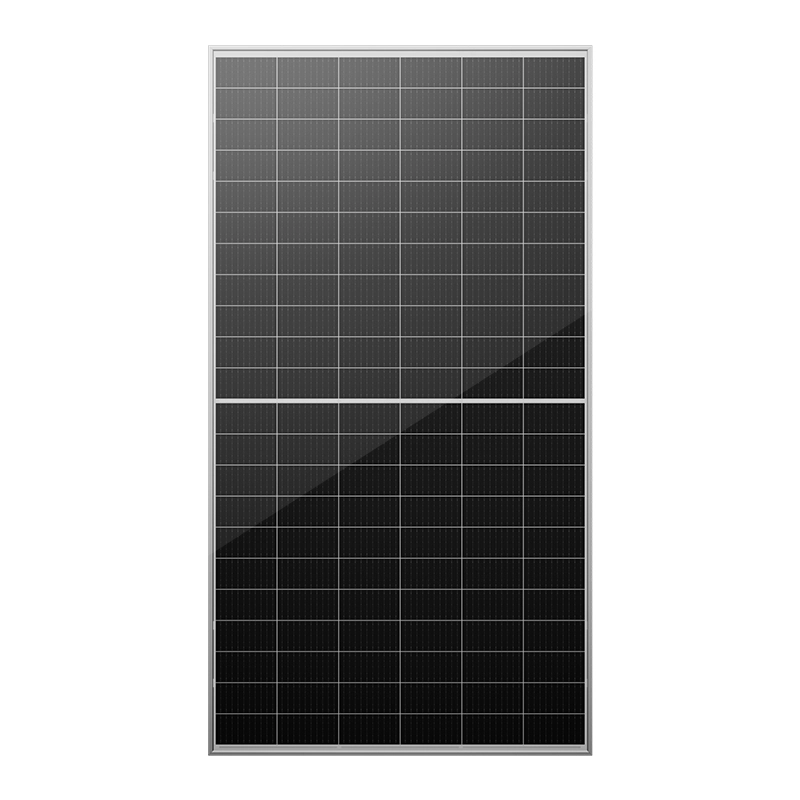
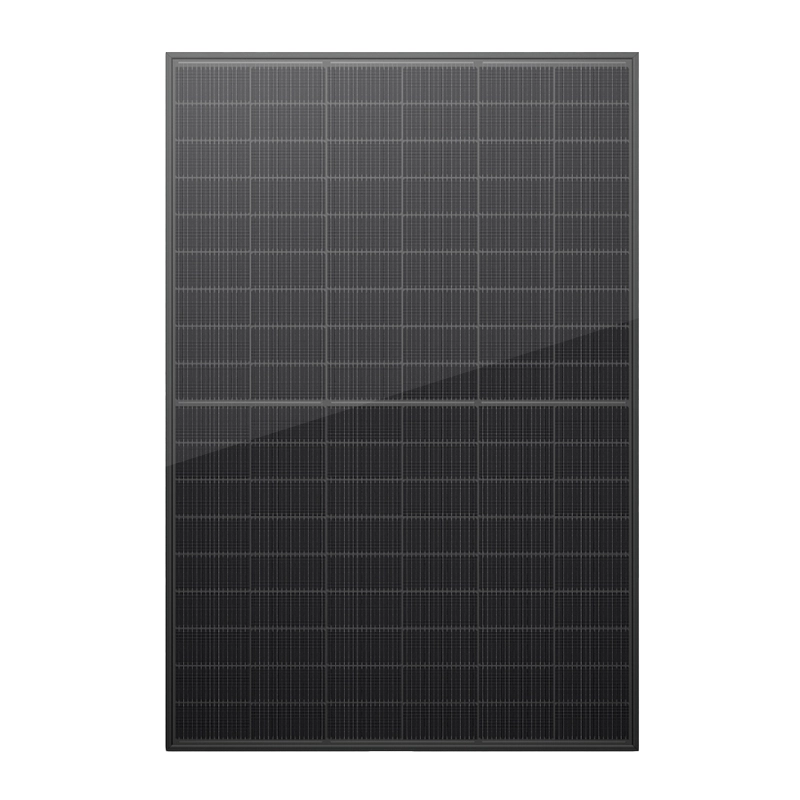
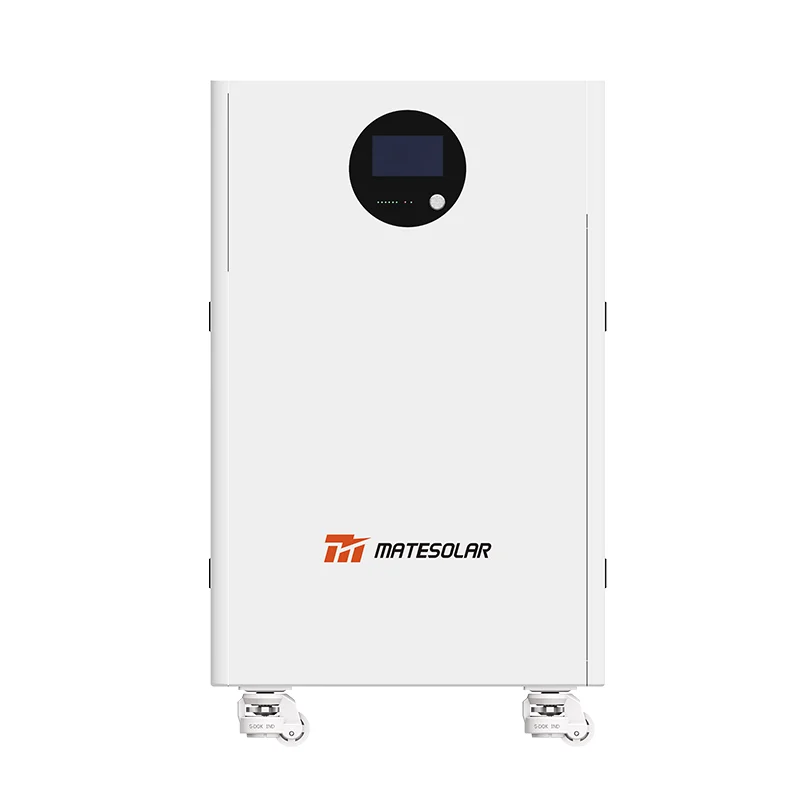
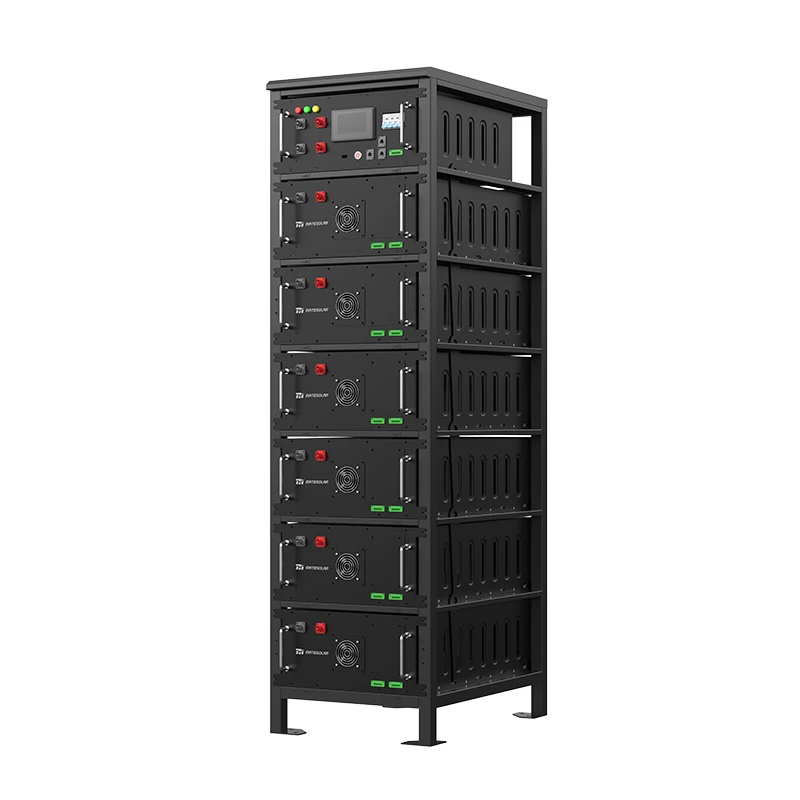
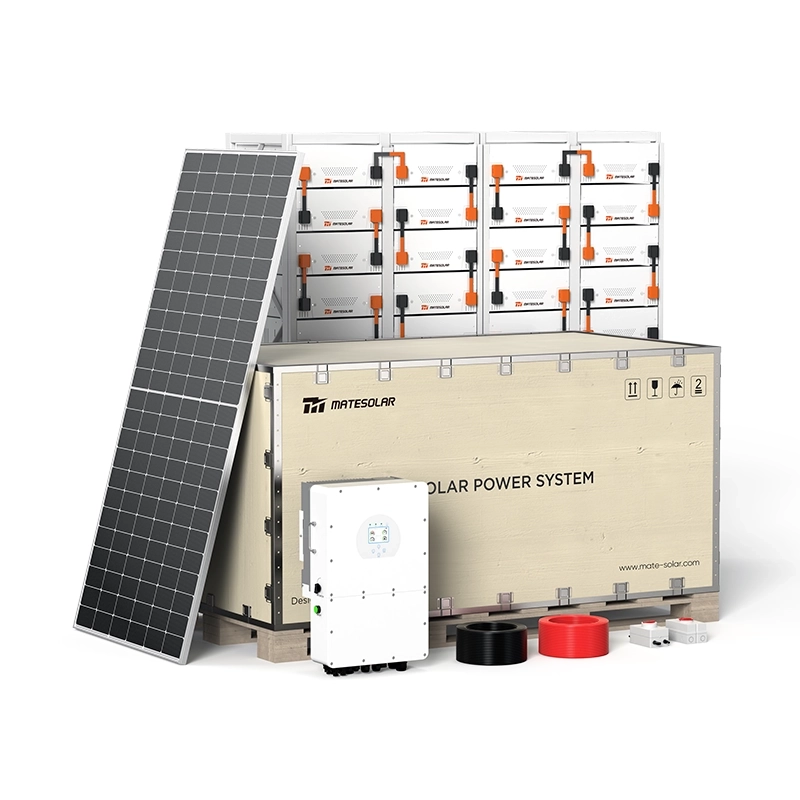
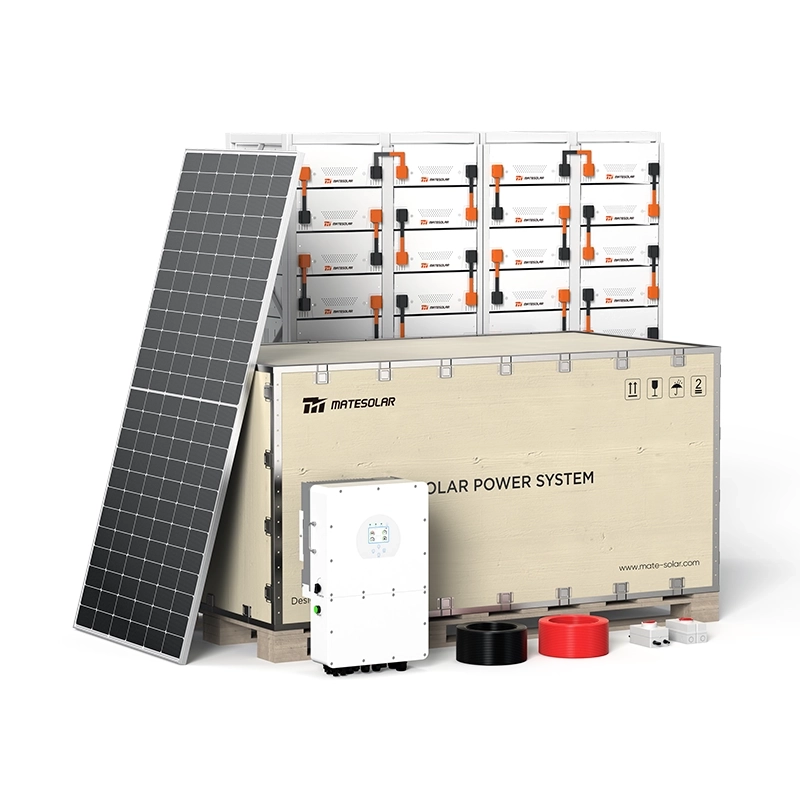
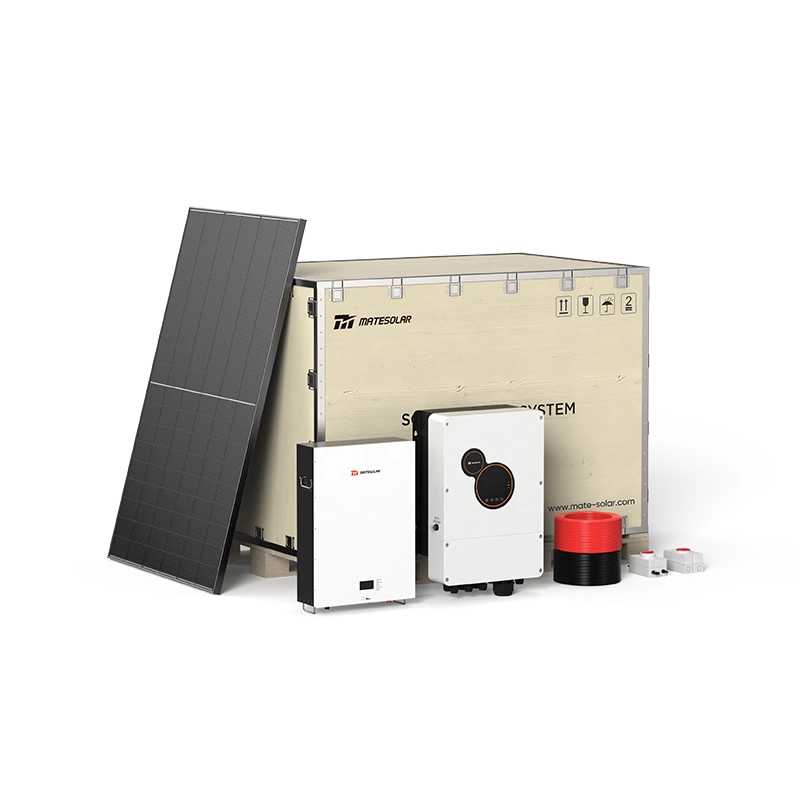
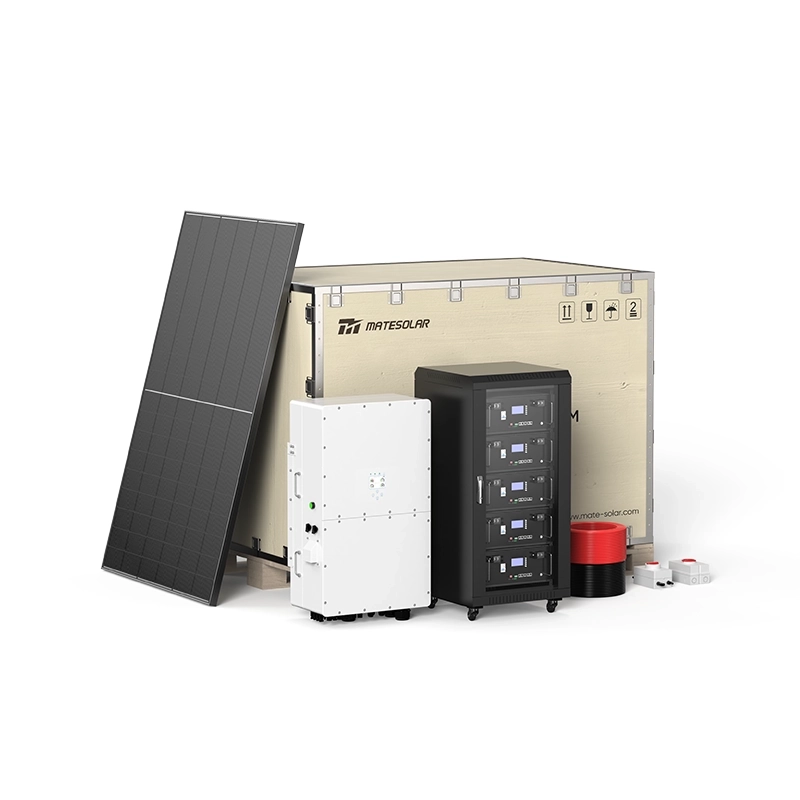
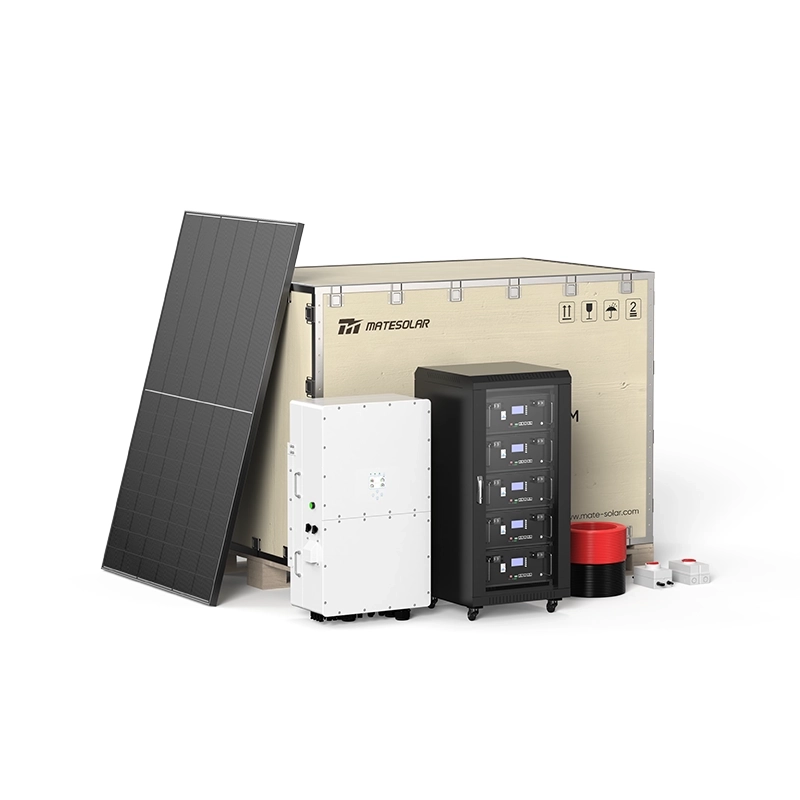
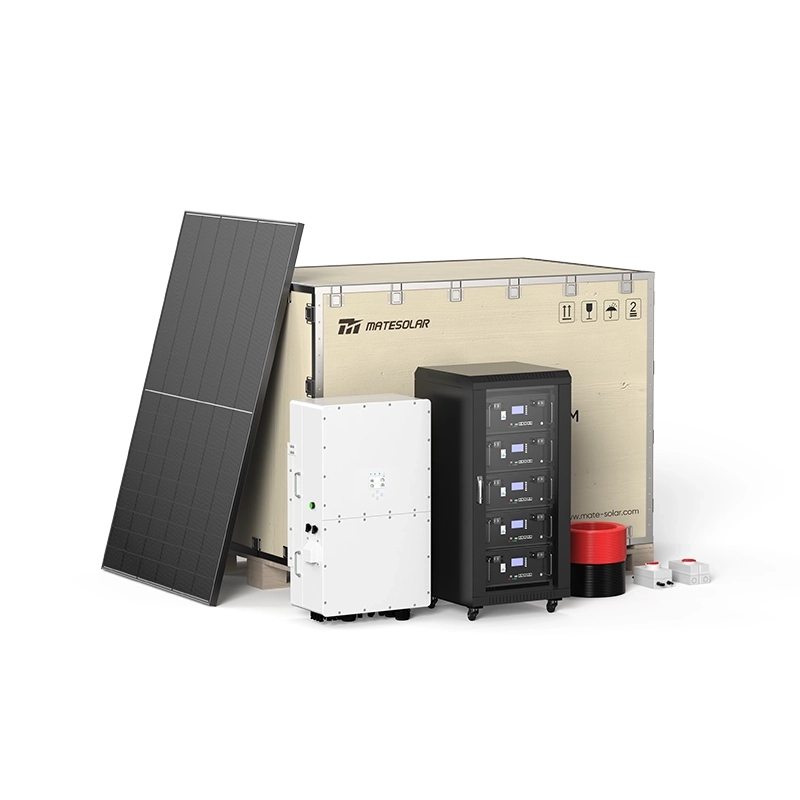
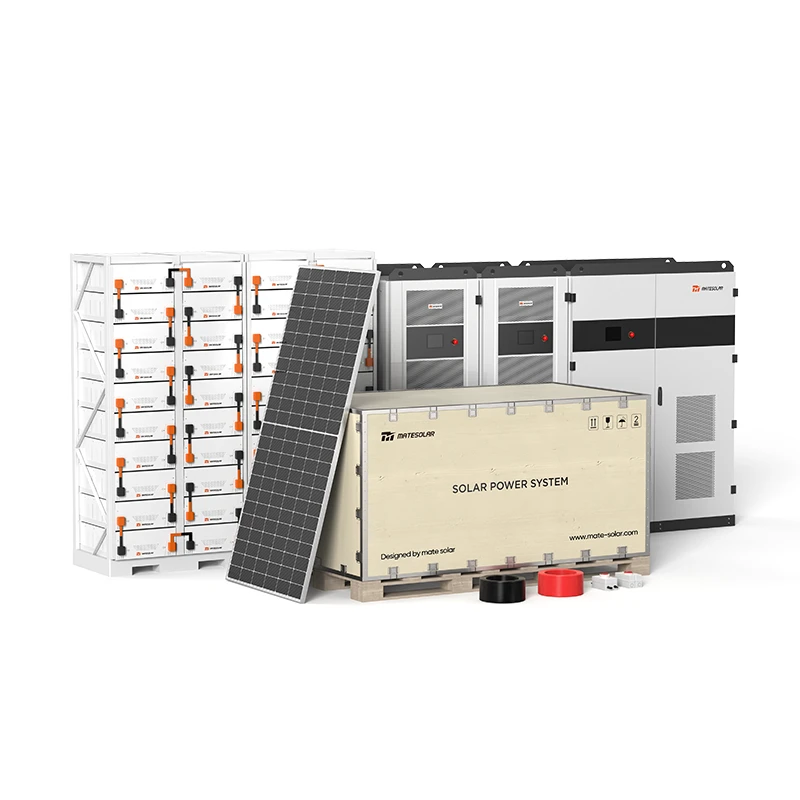
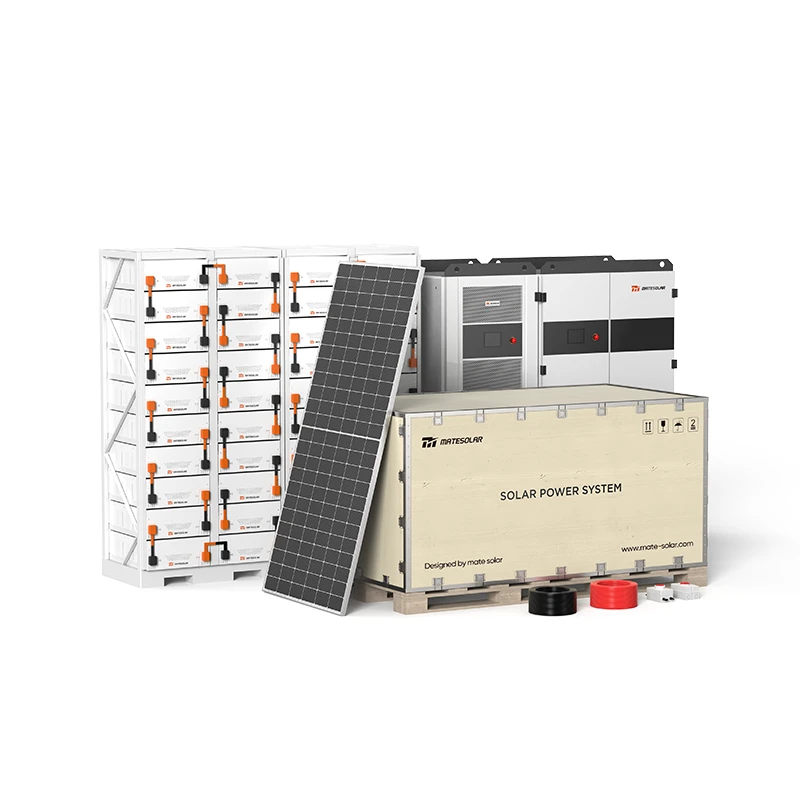
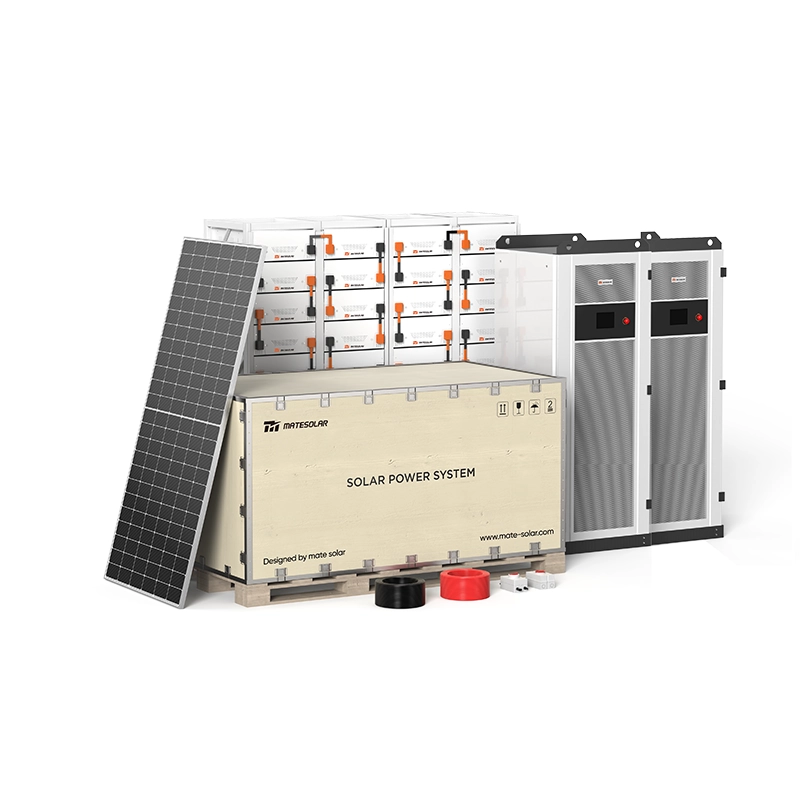
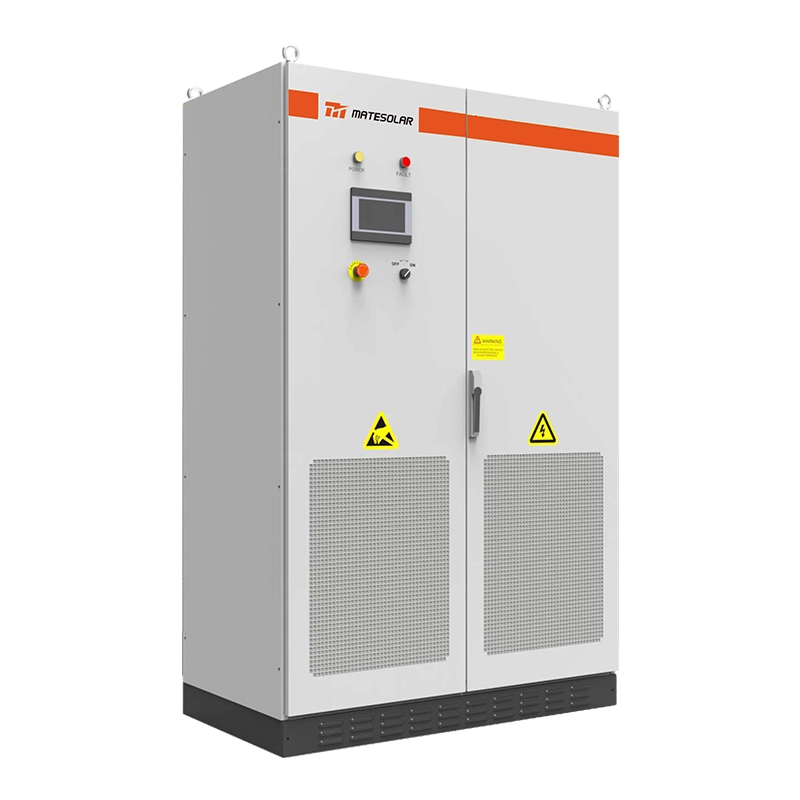
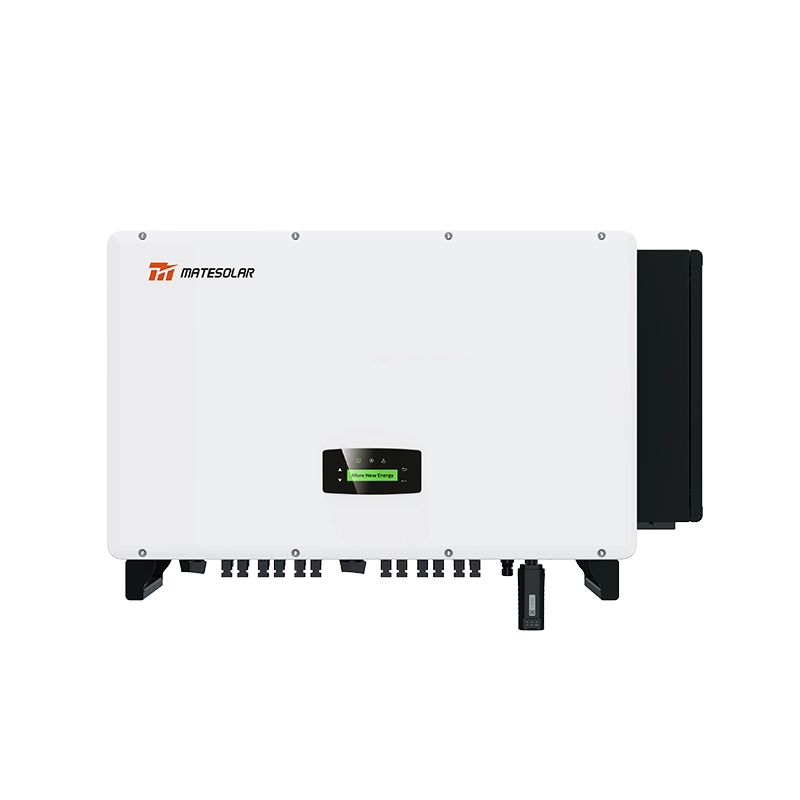
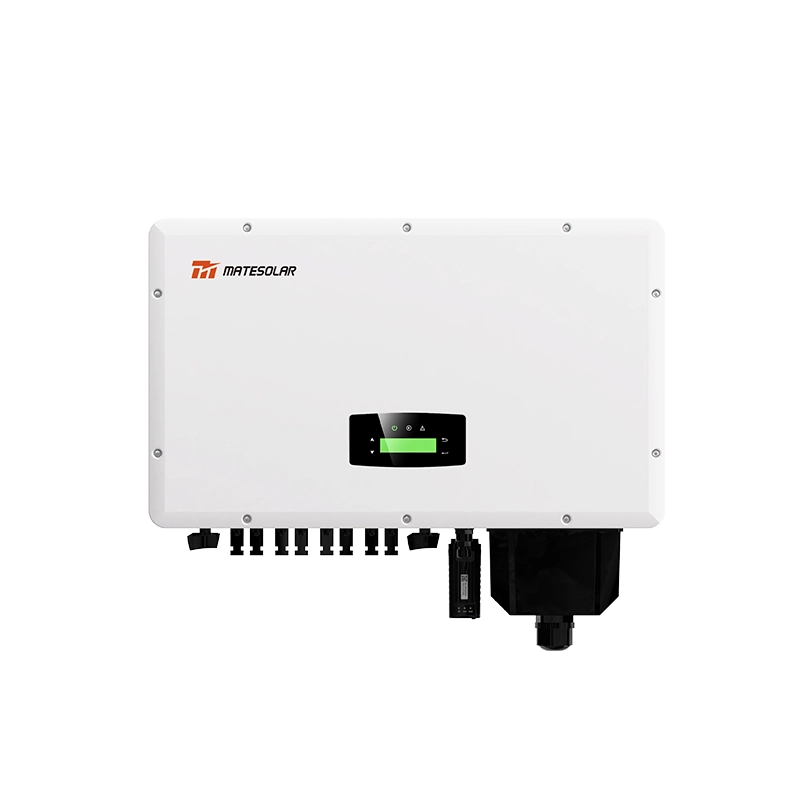
Для промислових підприємств, які прагнуть максимізувати власне споживання сонячної енергії та водночас зменшити плату за максимальну потужність, Комерційна гібридна сонячна система потужністю 500 кВт забезпечує комплексне рішення, що поєднує фотоелектричні панелі, інвертори та акумуляторні системи зберігання енергії, розраховані на вечірні зміни та критичні навантаження. Ця конфігурація є особливо ефективною для виробничих підприємств в Онтаріо та Альберті, де вплив плати за пікову потужність є найвищим.
5.2 Для комерційних та промислових об'єктів, що потребують модульних, масштабувальних систем зберігання енергії – рідинноохолоджувана зовнішня шафа ESS
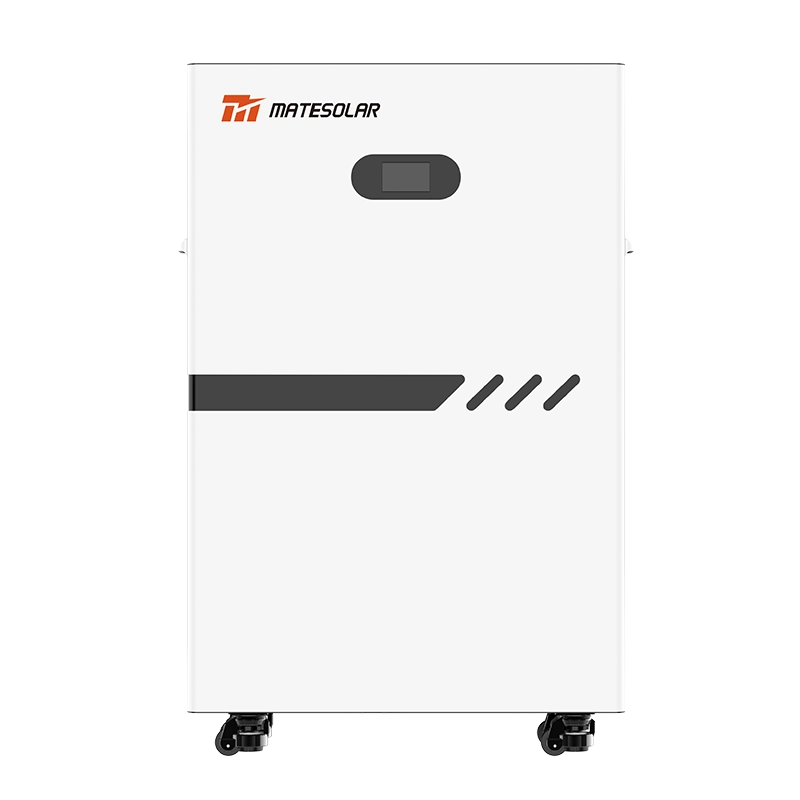
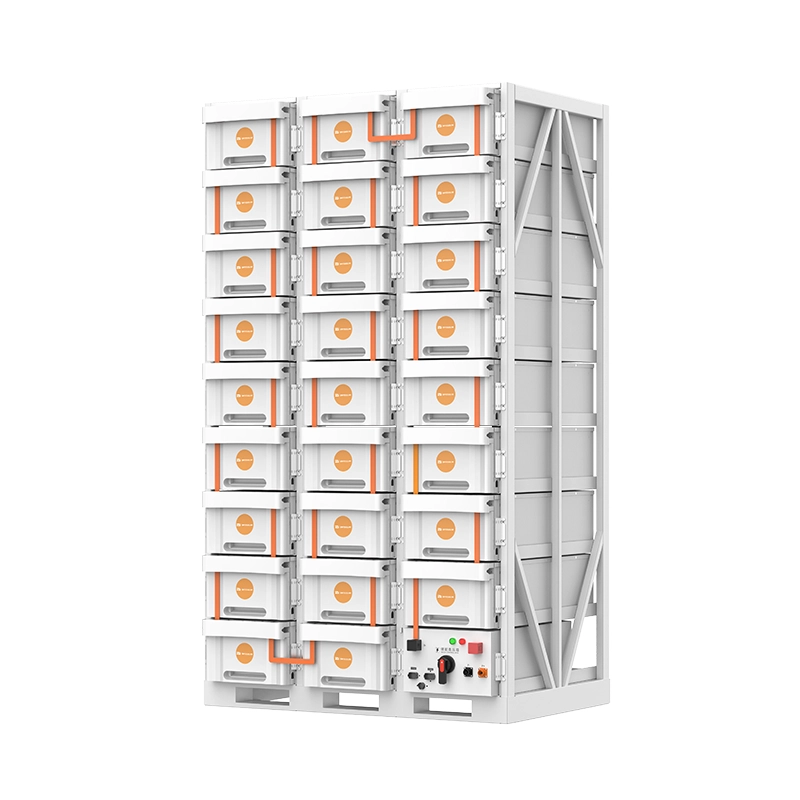
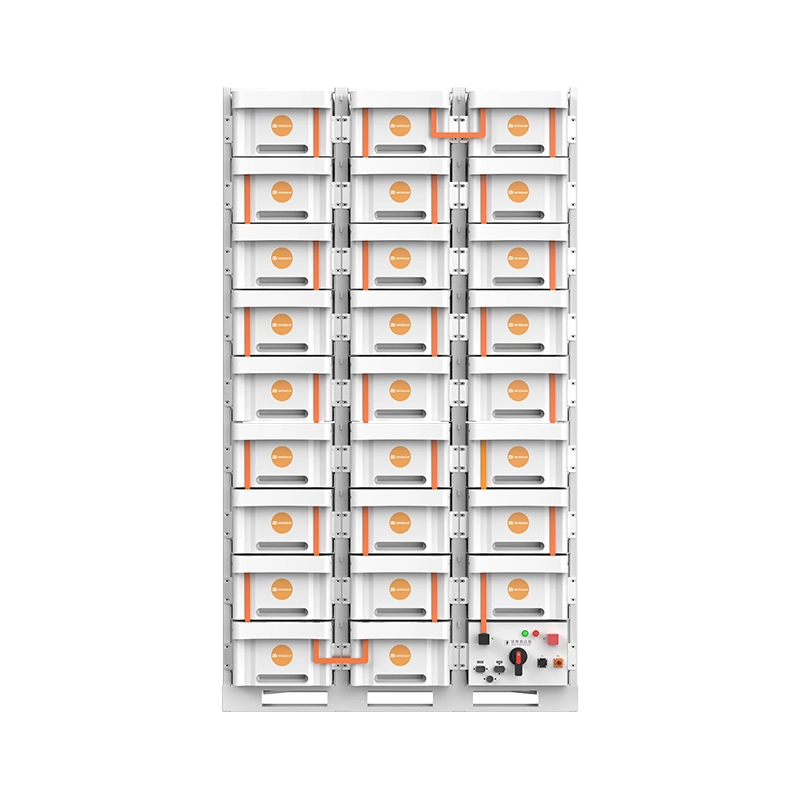
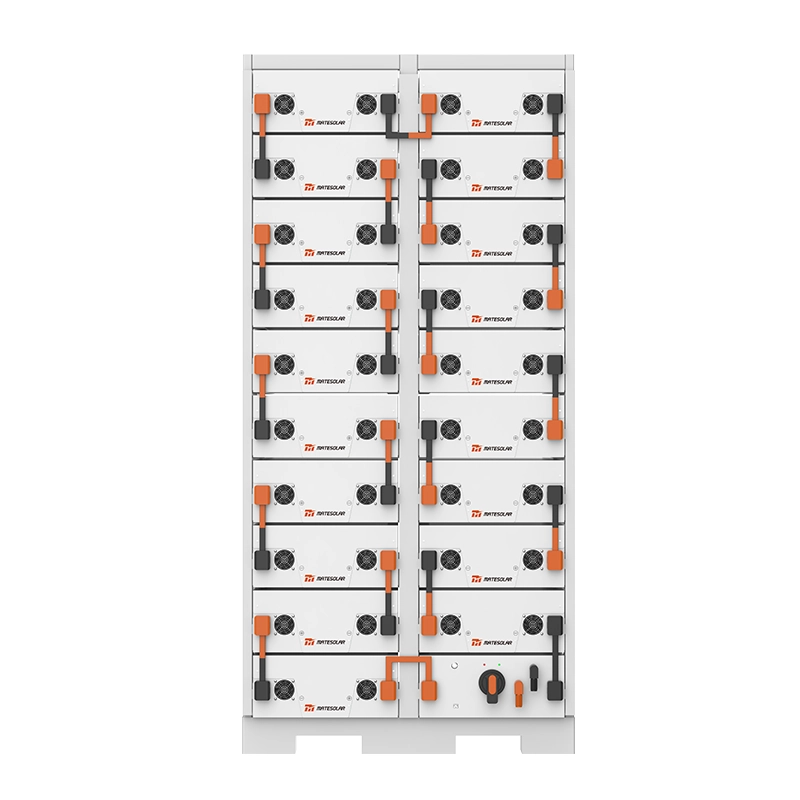
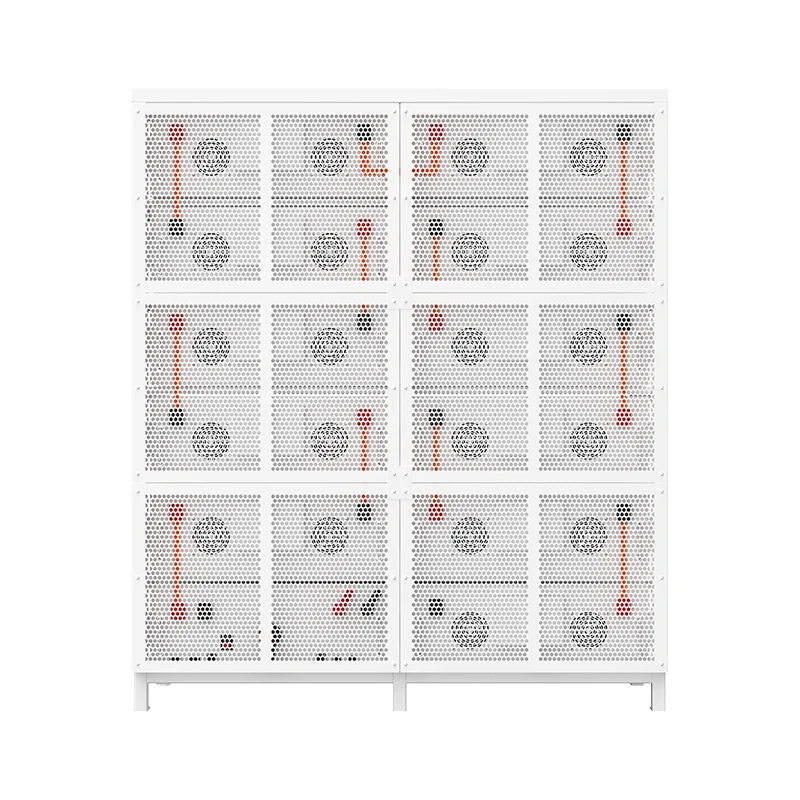
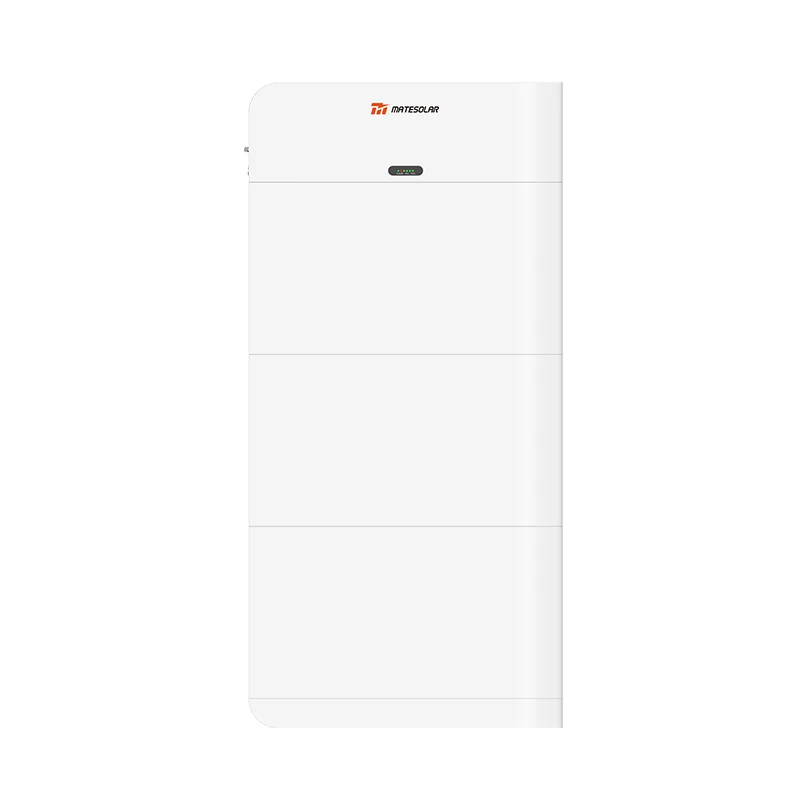
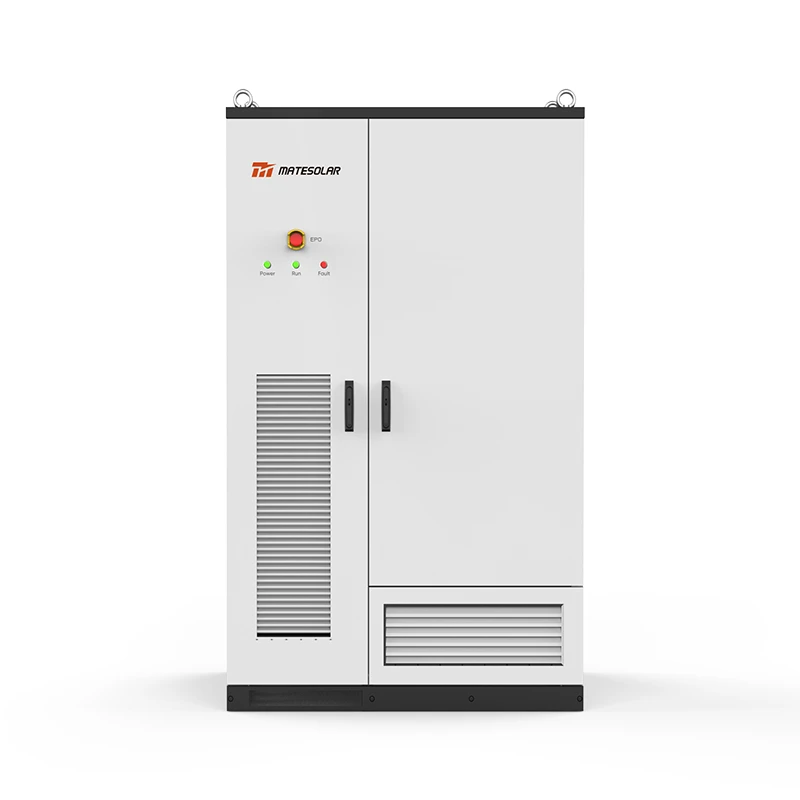
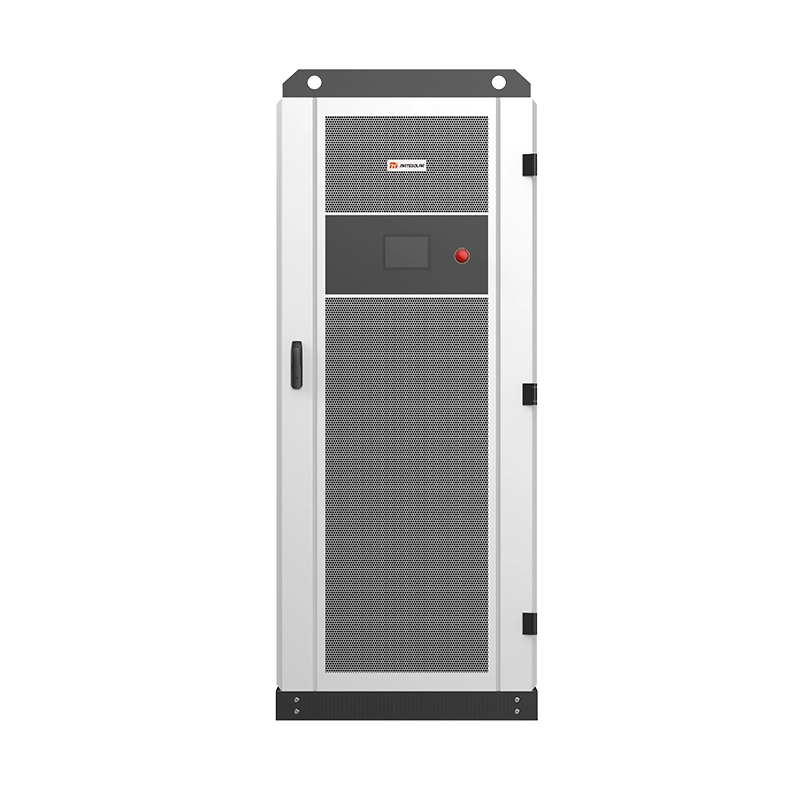
Для розничної торгівлі, готельно-ресторанного бізнесу, комерційних будівель та малих і середніх промислових об'єктів, що потребують швидкого розгортання з мінімальним втручанням на будівельному майданчику, 100кВт/232кВт·год та 125кВт/261кВт·год зовнішня шафа енергосховища з рідинним охолодженням пропонують розгортання за принципом «вмикай і працюй» на основі літій-залізо-фосфатної (LFP) хімії, з рідинною системою терморегуляції та відповідністю стандарту UL 9540. Ці системи ідеально підходять для застосувань поза мітчиком (commercial & industrial), де простір обмежений, а швидкий монтаж має критичне значення.
5.3 Для масштабних комерційних та промислових (C&I) і комунальних проєктів — Система накопичення енергії в контейнерах з повітряним охолодженням
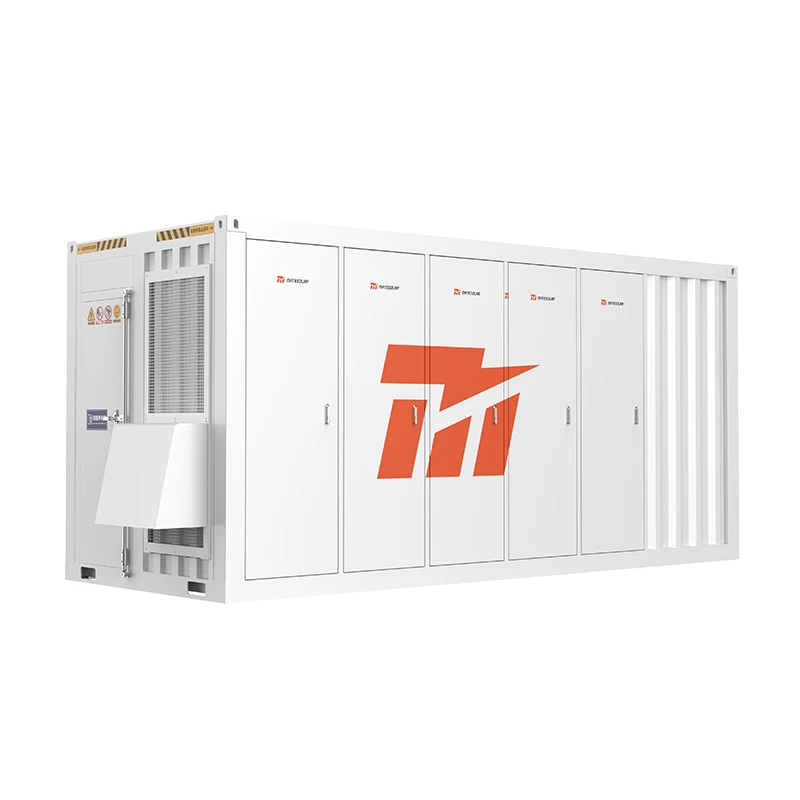
Для проєктів, що вимагають 1–2 МВт·год ємності накопичення зі стандартизованими, придатними для транспортування конфігураціями, 40-футовий контейнерний акумулятор енергії з повітряним охолодженням на 1 МВт/год / 2 МВт/год надає гнучкі рішення для зберігання енергії з повітряним охолодженням терморегуляції. Контейнерні рішення особливо підходять для віддалених промислових об'єктів, мікромереж та застосувань, де критично важливими є захист від погодних умов та швидке розгортання.
5.4 Для систем накопичення енергії великої ємності та промислового масштабу — контейнерна система накопичення енергії з рідинним охолодженням
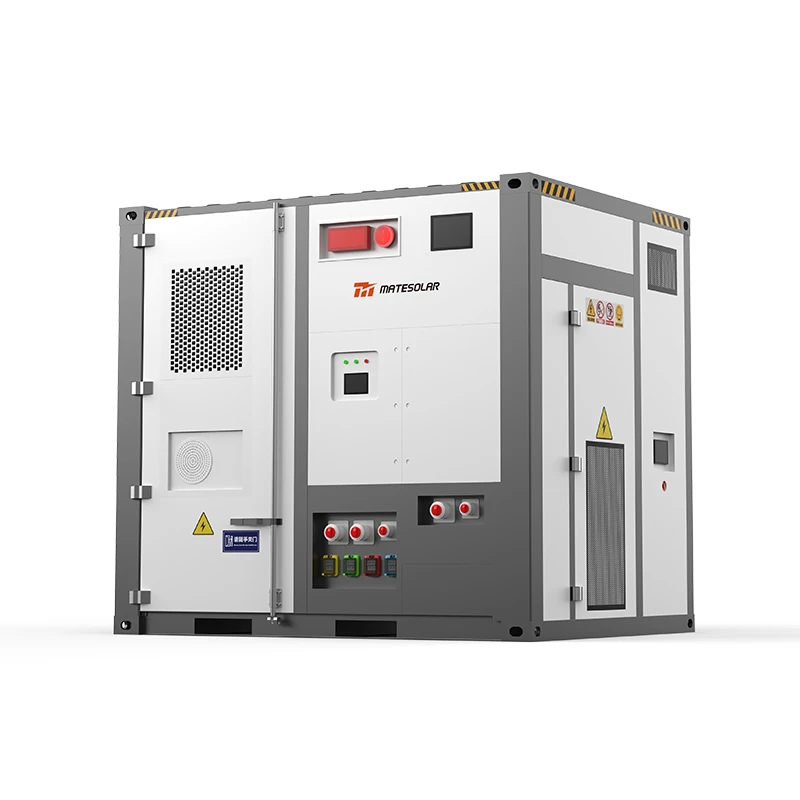
Для великомасштабних комерційних, промислових та комунальних проєктів, що потребують максимальної густини енергії на мінімальній площі, Контейнерна система накопичення енергії 20 футів 3 МВт-год / 5 МВт-год з рідинним охолодженням забезпечує провідну в галузі щільність енергії з рідинним терморегулюванням, яке підтримує відхилення температури елементів у межах ±2°C. Ця конфігурація ідеально підходить для проєктів з обмеженою площею або там, де потрібне максимальне накопичення енергії на транспортний контейнер.
Частина VI: Поширені запитання
Q1: Який загальний федеральний інвестиційний податковий кредит (ITC) доступний для комерційного та промислового (C&I) накопичувального проекту в Канаді?
A: Податковий кредит на чисті технології (ITC) передбачає 30% повернутий кредит на відповідні капітальні витрати на акумуляторні системи зберігання енергії. У поєднанні з податковим кредитом за «чисту електроенергію» (15%), загальний обсяг федерального ITC може сягати 45%. Крім того, прискорена система CCA за програмою 100% дає змогу повністю віднести на витрати у першому році відповідні капітальні витрати, що підпадають під ці вимоги.
Питання 2: Чи підлягає система зберігання акумуляторів підживленню інвестиційним податковим кредитом (ITC), якщо вона встановлена без сонячних панелей?
A: Так.. Податковий кредит на екологічно чисті технології (ITC) поширюється на системи накопичення енергії на акумуляторах незалежно від сонця. Системи зберігання, які не споживають викопне паливо під час роботи, мають право на участь.
Питання 3: Який кінцевий термін для отримання податкового кредиту на чисті технології (ITC)?
A: Кредит застосовується до прийнятного майна введено в експлуатацію в період з 2024 по 2034 рік, з поступовим зниженням до 15% для об’єктів, введених в експлуатацію у 2034 році. У разі невиконання вимог щодо чисельності робочої сили застосовується зниження до 10%.
Q4: Який статус Вимоги щодо вітчизняного вмісту (Domestic Content Requirement — DCR)?
A: Уряд провів громадські консультації з з 13 лютого по 13 березня 2026 року. Результати ще не оголошено станом на серпень 2026 року DCR є не закріплено в законодавстві і не обмежує поточні додатки. Проте розробникам варто уважно стежити за подальшим розвитком подій.
П5: Яка тривалість контрактів IESO на потужність?
A: IESO пропонує фіксовані контракти на дохід строком до 20 років для проєктів зберігання енергії в межах процесу довгострокових запитів на пропозиції.
Q6: Які вимоги щодо участі корінних народів у капіталі для проєктів зберігання енергії в Онтаріо?
A: У "The Вікно LT2 1 закупівля присудила контракти для три проекти, у кожному з яких передбачено участь корінного населення у капіталі за програмою 50%. Це стало стандартна практика для великомасштабних проєктів зберігання енергії в Онтаріо.
Q7: Який типовий термін окупації для промислових і комерційних систем зберігання енергії в Канаді?
A: Федеральні та провінційні стимулюючі програми скоротили терміни окупності з 10–14 років у 2020 році на 6–10 років для типових комерційних та промислових застосувань сьогодні.
Питання 8: Яка хімічна структура акумуляторів домінує на канадському ринку комерційних та промислових систем (C&I)?
A: LFP (літій-залізо-фосфатний акумулятор) становить 80–85% нових установок BTM і понад 80% системних контрактів підписано у 2025–2026 роках.
Q9: Скільки часу тривають черги на підключення в Онтаріо та Альберті?
A: Середні затримки в чергах на підключення 3–5 років для великих проєктів в Онтаріо та Альберті. Понад 15 ГВт із запропонованих проєктів сховищ очікують на дослідження підключення до електромережі, при цьому терміни затвердження розтягуються після 2028 року. Проєкти > 10 МВт (лицьова сторона) 12–18 місяців черги досліджень взаємопідключення.
Питання 10: Які знижки та пільги доступні в Британській Колумбії?
A: BC Hydro надає право на участь відповідним комерційним та промисловим підприємствам знижки до 80% вартості проєктів накопичення енергії за чинними програмами стимулювання. Компанія Aegis Critical Defence Energy отримала реєстрацію постачальника BC Hydro у червні 2026 року, що дає клієнтам можливість отримувати ці знижки.
Q11: Що таке знижка Гідро-Квебек (Hydro-Québec)?
A: Гідро-Квебек запустив Субсидія 1 000 канадських доларів за кВт потужності у 2026 році, покриваючи до 40% витрат, що підлягають відшкодуванню для прийнятних накопичувальних установок.
Q12: Які системні витрати на встановлення БESS в Канаді?
A: Системні витрати на встановлення акумуляторних систем зберігання енергії (BESS) комунального масштабу в Канаді становлять від CAD 550–750/kWh у 2026 році, причому витрати на акумуляторні елементи/блоки становлять приблизно 55–65% від загальної вартості системи.
Q13: Які сертифікати безпеки потрібні?
A: Канадські розробники проєктів дедалі частіше вимагають Сертифікація за стандартом UL 9540 та відповідність нормам NFPA 855 як стандартні специфікації закупівлі.
П14: Чи можуть комерційні та промислові системи зберігання енергії брати участь у програмах реагування на попит?
A: Так.. В Онтаріо системи зберігання енергії можуть створювати цінність за допомогою трьох механізмів IESO: подій реагування на попит, участі в аукціонах потужності та арбітражу енергії.
П15: Що таке дефіцит монтажних кадрів у Канаді?
A: Канада стикається з дефіцит 500–800 сертифікованих монтажників сховищ. Спеціалізовані інженерні таланти з системної інтеграції є дефіцитними, оскільки розробники проєктів конкурують з великими ЄРС-компаніями за досвідчених інженерів з акумуляторних сховищ.
Частина VII: Перспективи та стратегічні рекомендації
7.1 Прогноз ринку до 2035 року
Ринок комерційних і промислових систем зберігання енергії в Канаді готовий до надзвичайного зростання до 2035 року:
- Стаціонарні накопичувачі енергії за місцем встановлення (BTM): CAD 4,5–6,0 мільярдів до 2035 року
- Промислові стаціонарні накопичувачі енергії: від 8 до 12 мільярдів канадських доларів до 2035 року
- Загальний сукупний ринок: 12,5–18,0 млрд канадських доларів до 2035 року
- Очікується, що встановлена потужність перевищить 8–12 ГВт·год до 2035 року, порівняно з приблизно 1,5–2,0 ГВт-год сукупно на кінець 2025 року
- Прогнозується, що обсяги впровадження систем зберігання енергії промислового масштабу зростатимуть на 20–25%, середньорічний темп зростання (CAGR) до 2035 року
7.2 Стратегічні рекомендації для розробників проєктів та власників об'єктів
1. Дійте вже зараз щодо комбінування ITC — комбінація 30% + 15% вже доступна. Затримка з реалізацією проєктів може призвести до впровадження DCR або поступового зниження ставок кредитування.
2. Своєчасно налагоджуйте партнерські відносини з корінними народами — для проектів в Онтаріо участь корінних народів у капіталі за програмою 50% стрімко стає обов’язковою умовою для укладення контрактів з IESO.
3. Оберіть технологію LFP — з часткою ринку 80–85% технологія LFP є ринковим стандартом для канадських комерційних та промислових застосувань.
4. Укажіть стійке до кліматичних умов обладнання – канадські екстремальні погодні умови (-30°C взимку, літні спекотні хвилі) вимагають рідинного терморегулювання та відповідних класів захисту IP.
5. Закладайте в плани затримки на підключення до мережі – Враховуйте терміни у 3–5 років для проєктів комунального масштабу. Розгляньте розгортання систем за лічильником для швидшої окупності інвестицій..
6. Забезпечте партнерів з монтажу заздалегідь – через дефіцит 500–800 сертифікованих монтажників залучайте EPC-партнерів на ранніх етапах розробки проєкту.
7. Моніторинг подій щодо вимог до локалізації виробництва (DCR) – Хоча це ще не закріплено в законодавстві, потенційні вимоги до вмісту місцевих компонентів можуть суттєво вплинути на стратегію ланцюга постачання.
8. Комбінуйте федеральні та провінційні стимули — поєднуйте федеральні податкові кредити на інвестиції (ITC) з провінційними знижками (BC Hydro — до 80%, Hydro-Québec — 1 000 канадських доларів/кВт, HRSP в Онтаріо) для досягнення максимальної економічної ефективності проєкту.
Висновок: Можливості комерційних та промислових систем зберігання енергії в Канаді
Ринок комерційних та промислових систем зберігання енергії в Канаді у 2026 році є однією з найпривабливіших інвестиційних можливостей у сфері чистої енергетики в Північній Америці. Поєднання:
- Федеральні податкові пільги в розмірі до 45% через стекування ITC
- 20-річні контракти з фіксованим доходом через закупівлі IESO
- Провінційні знижки до 80% у Британській Колумбії
- технологія LFP забезпечення переваг у безпеці, довговічності та вартості
- Продемонстрований успіх проєкту від Онейди до Напані до Гагерсвілла
…створило ринкове середовище, де проєкти комерційних та промислових систем зберігання енергії можуть досягти фінансово вигідні прибутки з керовані профілі ризику.
Виклики є реальними — затримки з підключенням до мережі, брак кваліфікованих кадрів для монтажу, невизначеність у ланцюгах постачання та потенційне впровадження вимог щодо вітчизняного походження компонентів (DCR), — проте їх можна подолати завдяки ретельному плануванню проєктів, ранньому залученню корінних партнерів, стратегічному вибору технологій та партнерству з досвідченими постачальниками.
Питання вже полягає не в тому, чи варто розгортати промислові та комерційні накопичувачі енергії в Канаді, а в тому, як швидко і з якими партнерами.
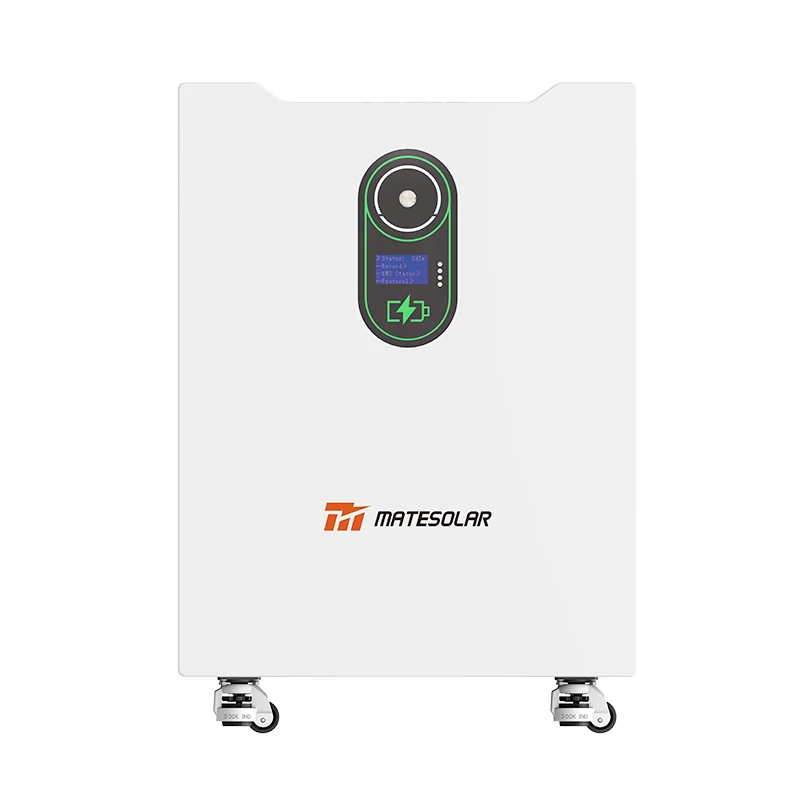
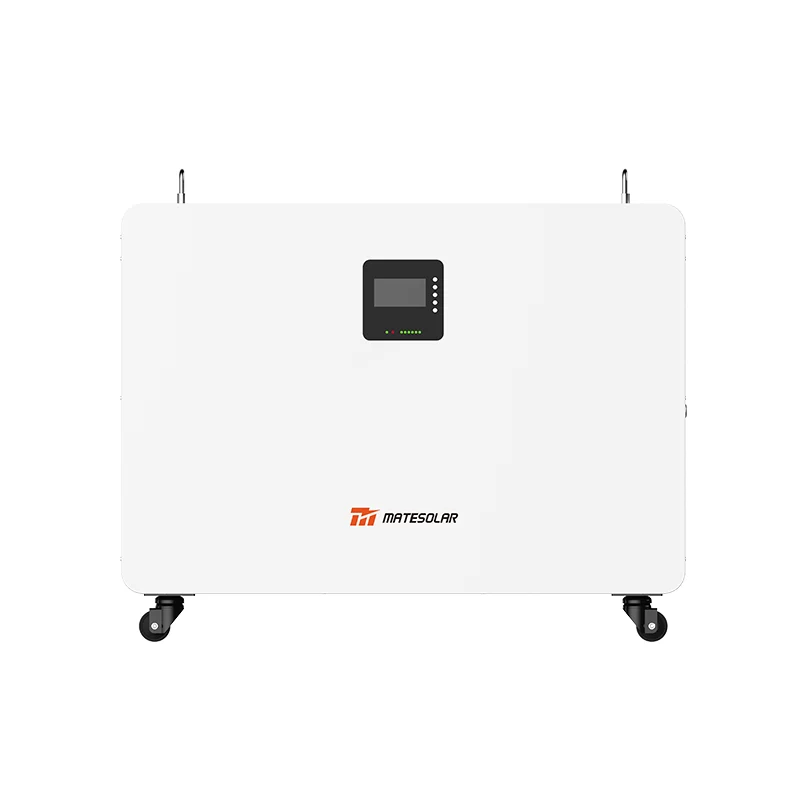
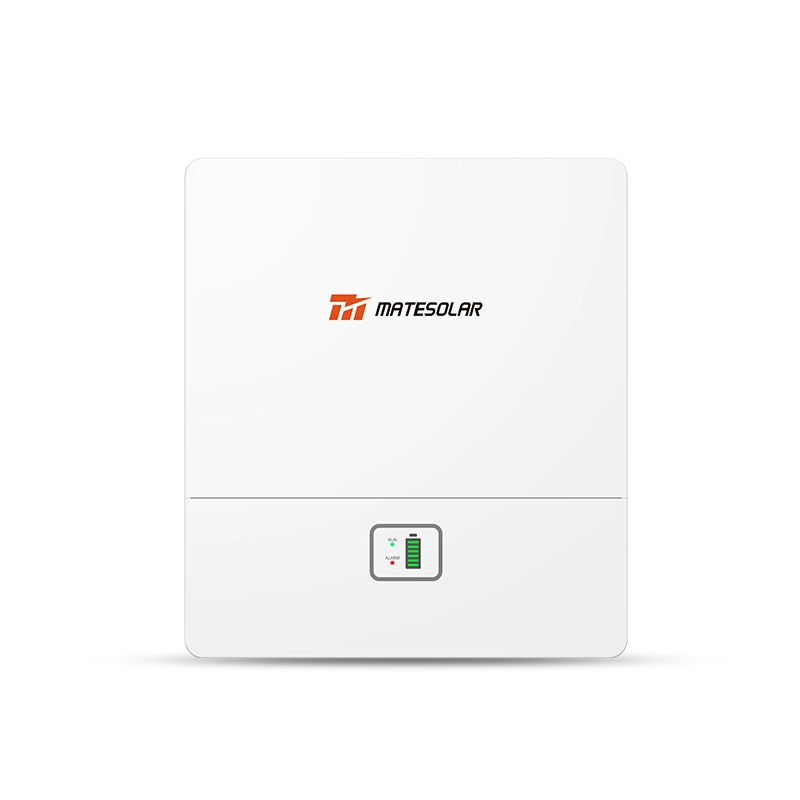
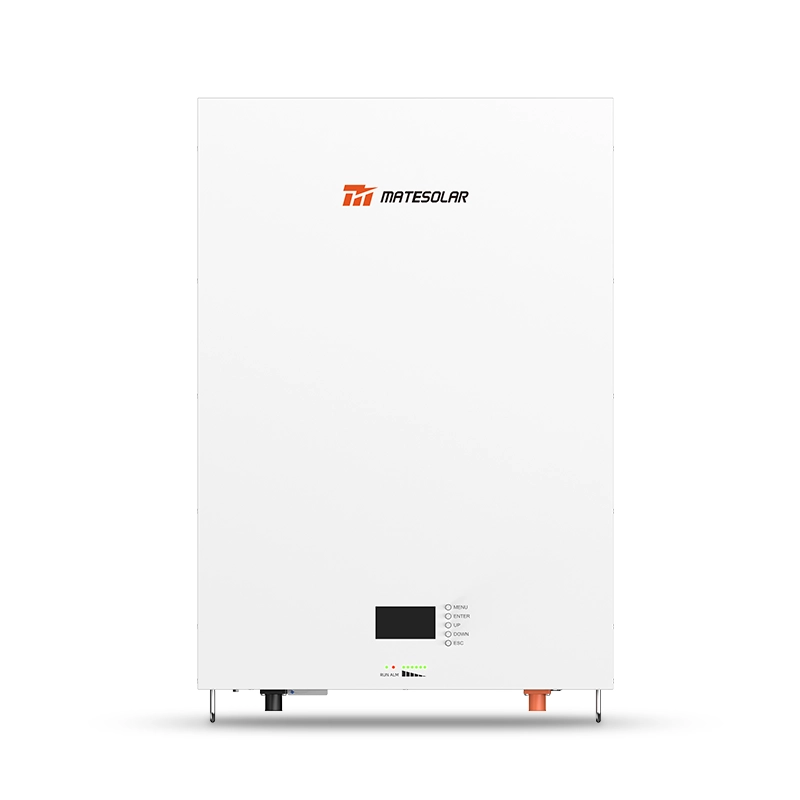
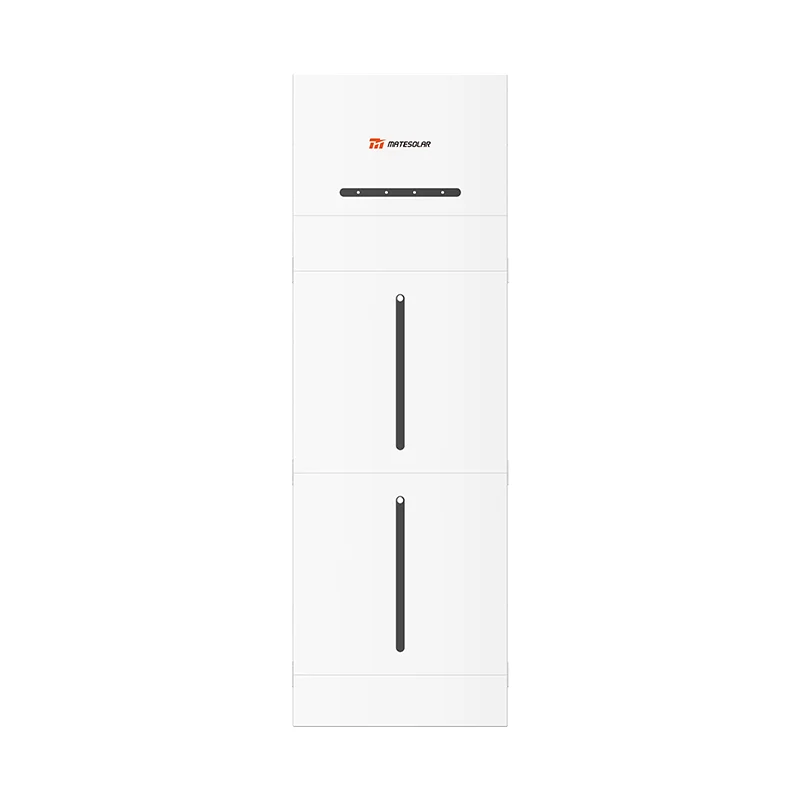
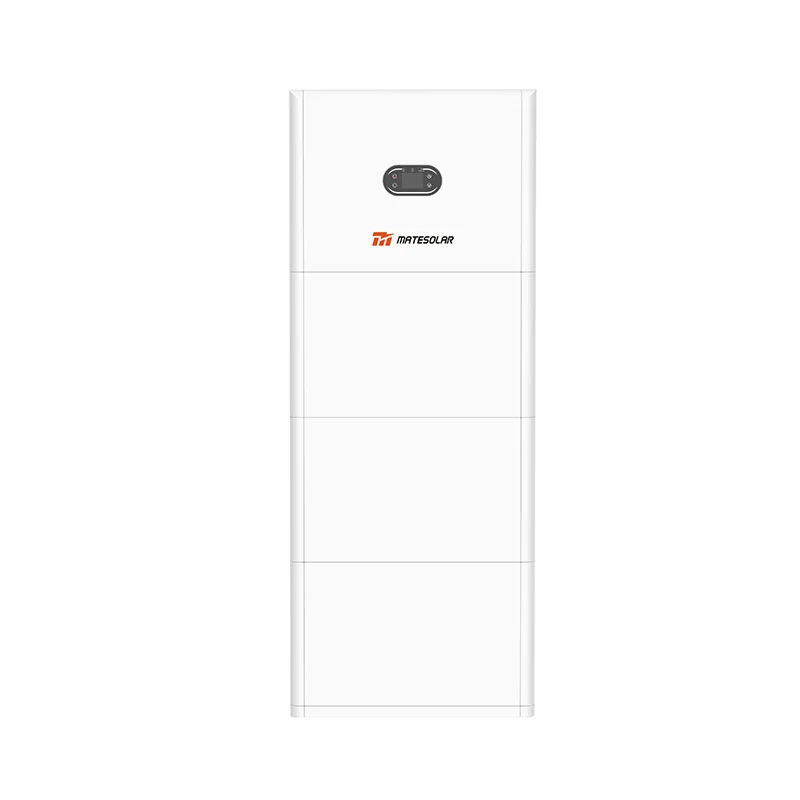
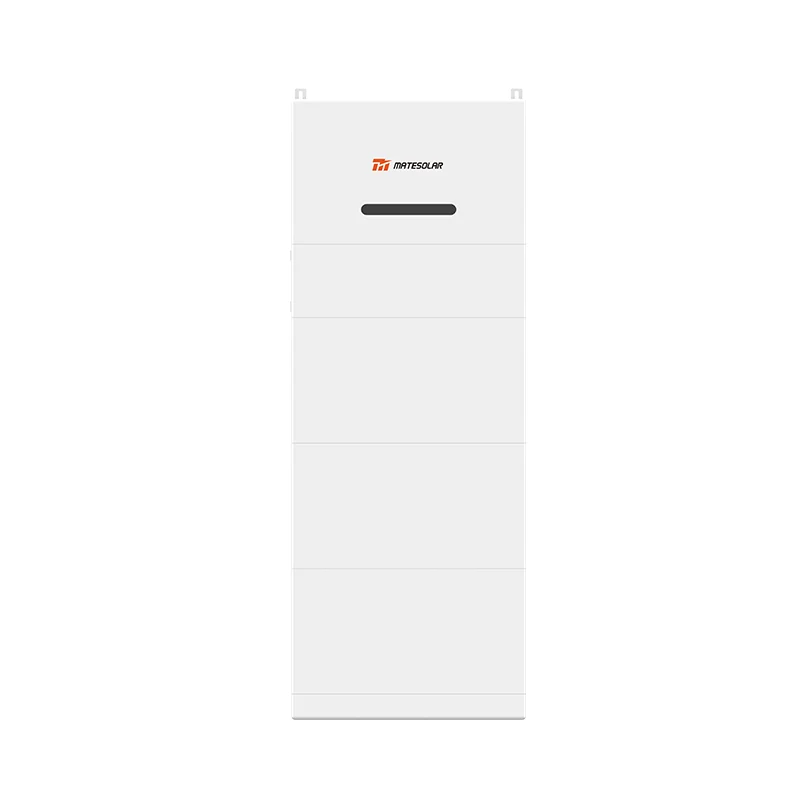
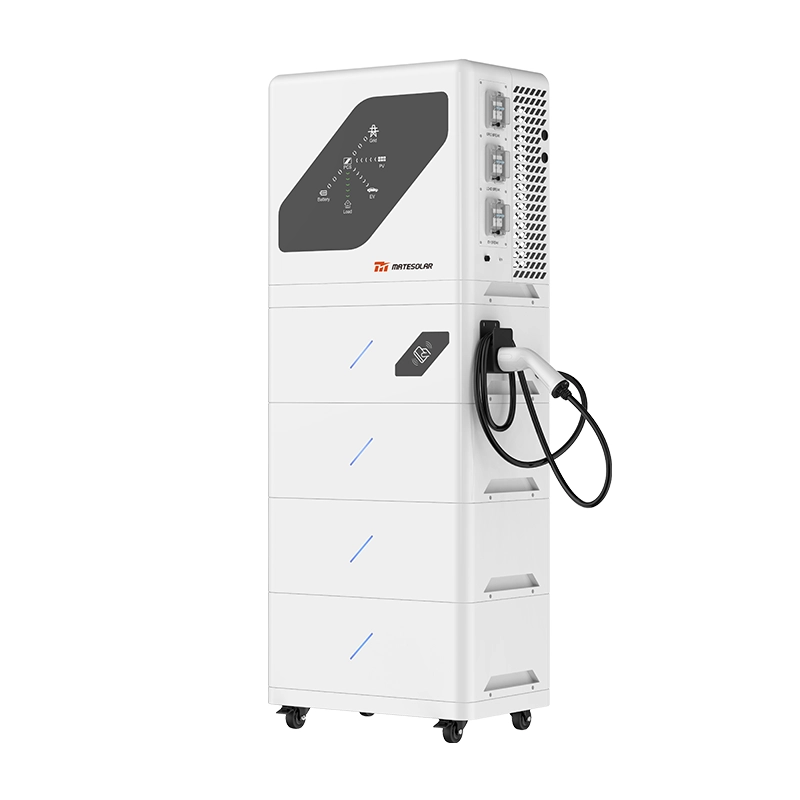
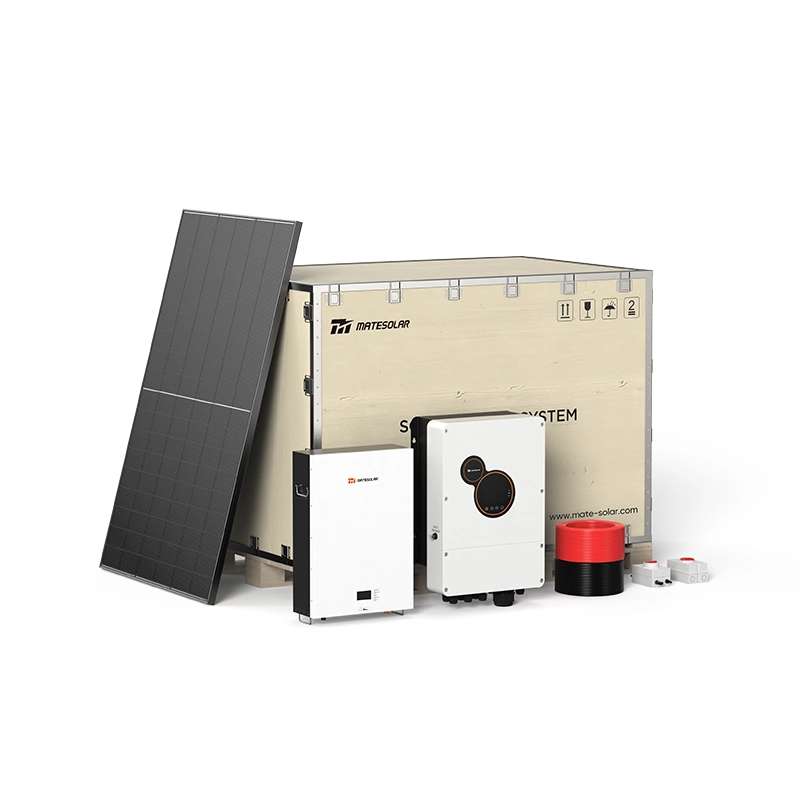
MateSolar є єдиний постачальник рішень для фотоелектричних систем та накопичення енергії присвячена постачанню комплексних, придатних для банківського фінансування систем накопичення енергії для комерційних, промислових та комунальних застосувань на світових ринках. Маючи портфоліо продукції, що охоплює зовнішні шафні системи накопичення енергії (ESS) (від 100 кВт/232 кВт·год до 125 кВт/261 кВт·год), контейнерні ESS (від 1 МВт·год до 5 МВт·год) та гібридні сонячно-накопичувальні системи (від 30 кВт до 500 кВт), MateSolar надає комплексні рішення, адаптировані до конкретних регуляторних, кліматичних та економічних умов кожного ринку.
Для ринку комерційного та промислового сектору (C&I) Канади MateSolar пропонує:
- Готові до встановлення системи plug-and-play що мінімізують складність монтажу на об'єкті
- Технологія акумуляторів LFP із рідинною системою терморегуляції для роботи в екстремальних кліматичних умовах
- Відповідає стандартам UL 9540 та NFPA 855 системи для забезпечення можливості страхування та регуляторного схвалення
- Гнучкі варіанти розгортання від вуличних шаф до контейнерних рішень
- Віддалена технічна підтримка для оптимізації програмного забезпечення та систем керування
- Гарантія на апаратне забезпечення із заміною або підтримкою на рівні компонентів
Щоб дізнатися більше про рішення MateSolar для комерційних та промислових систем зберігання енергії в Канаді, будь ласка, зв'яжіться з нами.