









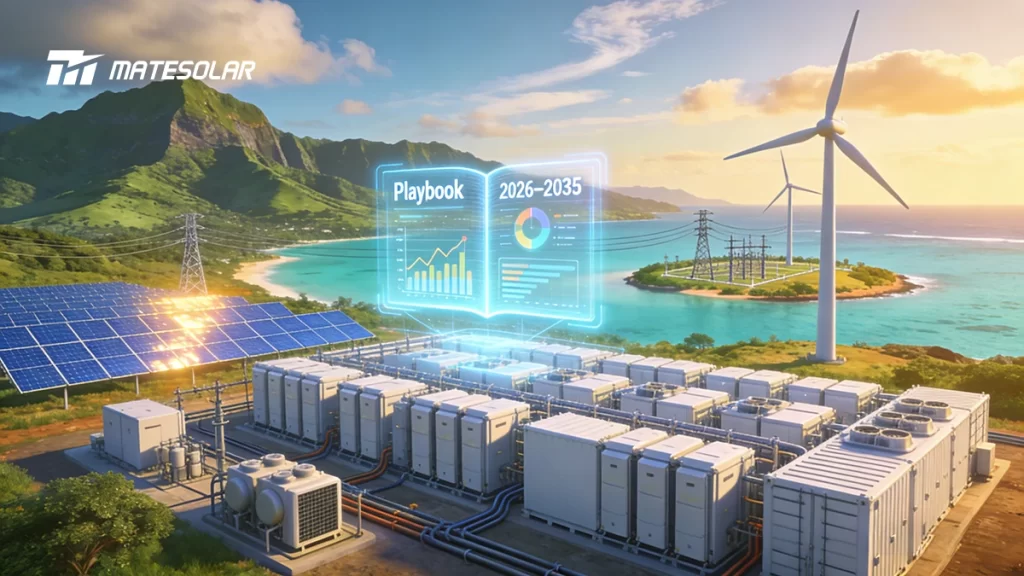
A technical and economic guide for nickel majors and SMEs navigating the STENC 2.0 deadline, grid saturation, and the rise of grid-forming storage.
Date: March 18, 2026
By 2026, the energy landscape of Le Caillou has reached an inflection point. With the civil unrest of 2024 settling into a fragile but determined push for economic self-sufficiency, one thing is clear: the future of New Caledonia will be powered by renewables, or it will not be powered at all.
The numbers are stark. The government’s STENC 2.0 (Schéma de Transition Énergétique de la Nouvelle-Calédonie) mandates a 70% reduction in GHG emissions by 2035 compared to 2019 levels. For the metallurgical sector—which consumes nearly two-thirds of the territory’s electricity—this translates to a binding target: at least 50% renewable energy in the industrial energy mix by 2030, and a complete transformation by 2035.
Simultaneously, the grid managed by Enercal is grappling with the "duck curve" in an island context. Grid saturation in key areas is halting new solar connections, while the reliance on imported diesel for the northern provinces and the Loyalty Islands remains an economic drain.
As of March 2026, we are nine years out from the 2035 deadline. For a nickel mine, where equipment CapEx cycles are measured in decades, the time to act is now. This guide serves as the definitive roadmap for navigating these challenges, leveraging the latest in grid-forming (GFM) technology and modular storage architecture.
We will dissect the two distinct markets emerging in New Caledonia—the Industrial Complex and the Decentralized SME/Community—and provide the technical and financial models to achieve compliance and independence.
Part 1: The Industrial Complex – Solving for Nickel, Power, and the 2035 Clock
The nickel industry is the heart of New Caledonia, but it is a heart that currently runs on heavy fuel oil (HFO) and coal. Entities like SLN (Société Le Nickel) and KNS (Koniambo Nickel SAS) face an existential challenge: decarbonize their deep-site processing plants or face crippling carbon taxes and loss of European market access under the Carbon Border Adjustment Mechanism (CBAM).
While the 160 MW solar + 340 MWh project by TotalEnergies for Prony Resources set a benchmark , not every site has the luxury of massive land availability or a single off-taker PPA structure. For the majority, the path to compliance lies in retrofitting existing operations with industrial-scale Battery Energy Storage Systems (BESS).
Pain Point 1: The 2035 Compliance Gap – Retrofitting vs. Greenfield
Most mining operations have power purchase agreements or internal power plants designed around 24/7 baseload HFO generation. Adding solar PV without storage can destabilize the local grid and rarely exceeds a 15-20% penetration rate. To hit the 50% RE target, storage is mandatory.
The Solution: High-Voltage Direct Coupling
Modern industrial BESS must be capable of DC-coupling with new solar PV or AC-coupling with existing heavy fuel plants. This allows for "solar firming" —shifting daytime solar peaks into the night shift when mining operations continue.
Table 1.0: Compliance Roadmap for New Caledonian Miners (2026-2035)
| Fase | Cronología | Key Action | Required Technology | RE Penetration Target |
| Phase 1: Audit & Pilot | 2026-2028 | Integration of BESS with existing HFO plants to enable spinning reserve displacement. | 5-10 MW / 20-40 MWh Lithium-Iron Phosphate (LFP) Systems | 15% -> 25% |
| Phase 2: Hybridization | 2028-2032 | Full integration of dedicated solar fields with BESS; retirement of 30% of thermal capacity. | 20-50 MW / 80-200 MWh systems with advanced EMS | 30% -> 45% |
| Phase 3: Deep Decarbonization | 2032-2035 | Grid forming BESS allows for temporary islanding of mine grid; thermal purely as backup. | Grid-Forming (GFM) inverters; 100+ MW / 400+ MWh storage | 50%+ |
Pain Point 2: The Economics of Heavy Fuel Oil Displacement
As of Q1 2026, the landed cost of HFO in New Caledonia remains volatile, tied to the Singapore index plus significant freight premiums. Levelized Cost of Energy (LCOE) for hybrid solar+BESS is now undercutting thermal generation.
The Solution: Multi-Axis Optimization
Forget simply "storing solar." An industrial-grade Energy Management System (EMS) must perform "time arbitrage" and "capacity firming" .
- Time Arbitrage: Charging the BESS during low-load periods (mid-day) and discharging during evening peak demand, avoiding the costly startup of a second HFO generator.
- Capacity Firming: Smoothing the ramp rates of solar PV to prevent grid instability, allowing the mine to run on a higher percentage of "invisible" renewables.
Table 2.0: Cost Comparison – HFO vs. Solar+BESS (Industrial Scale)
*Assumptions: HFO price @ $0.28/kWh (variable), Carbon Tax @ $50/tCO2e (projected 2027), BESS Cycle Life @ 8,000 cycles.*
| Métrica | Heavy Fuel Oil (Standalone) | Solar PV (Standalone) | Solar PV + Industrial BESS (e.g., 40ft Container) |
| LCOE (USD/kWh) | $0.28 – $0.35 | $0.06 – $0.09 (Daytime only) | $0.14 – $0.19 (24/7 Firm Power) |
| CO2 Intensity (gCO2/kWh) | ~800 | 0 | ~50 (Embodied + residual) |
| Grid Stability Service | Yes (Inertia) | No (Variable) | Yes (Grid-forming capable) |
| 2035 Compliance Ready? | No | No | Sí |
Pain Point 3: Grid Stability in a Weak Island Grid
The Akuo Boulouparis project (50 MW / 200 MWh) is not just another battery. It is a landmark because it utilizes grid-forming (GFM) technology. Unlike grid-following inverters that trip when the frequency deviates, GFM inverters can black-start the grid and create their own voltage source.
For a mining complex, this is critical. A voltage sag caused by a large mill motor starting up can collapse a weak diesel grid. A GFM BESS reacts in milliseconds, injecting reactive power (VAr) to support the voltage.
- Unique Insight: By 2027, when the Akuo facility comes online, it will provide frequency regulation and voltage support to the entire South Province . Mines in the region will essentially be able to "ride" on the back of this utility-scale asset. However, mines in the North, lacking such infrastructure, must deploy their own GFM assets internally to maintain stability at high RE penetration.
For industrial clients, the question is no longer "if" to store, but "how fast" the inverters can respond. We recommend consulting our dedicated industrial range to understand the response times.
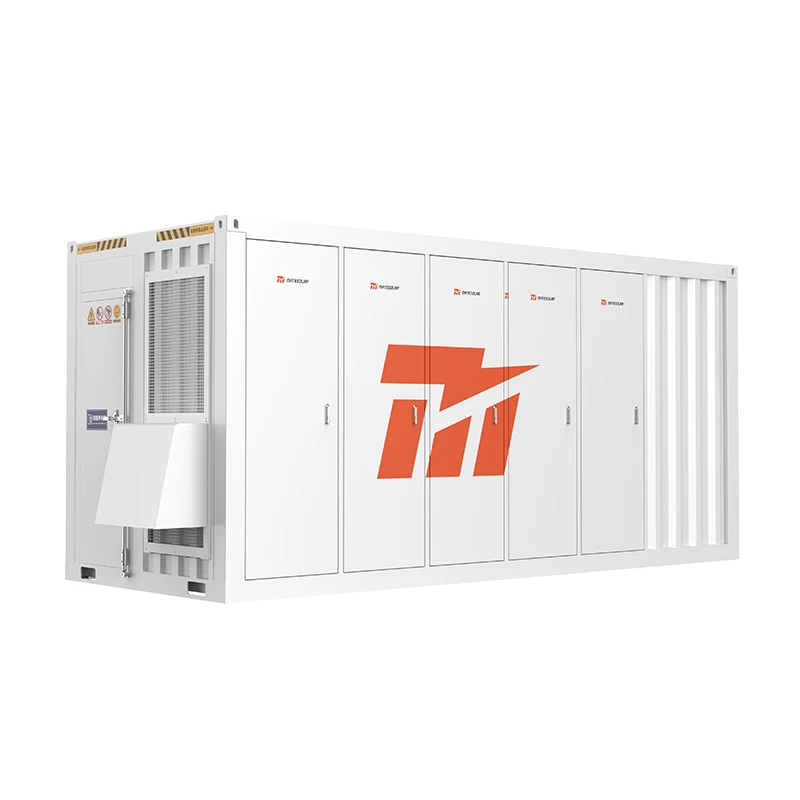
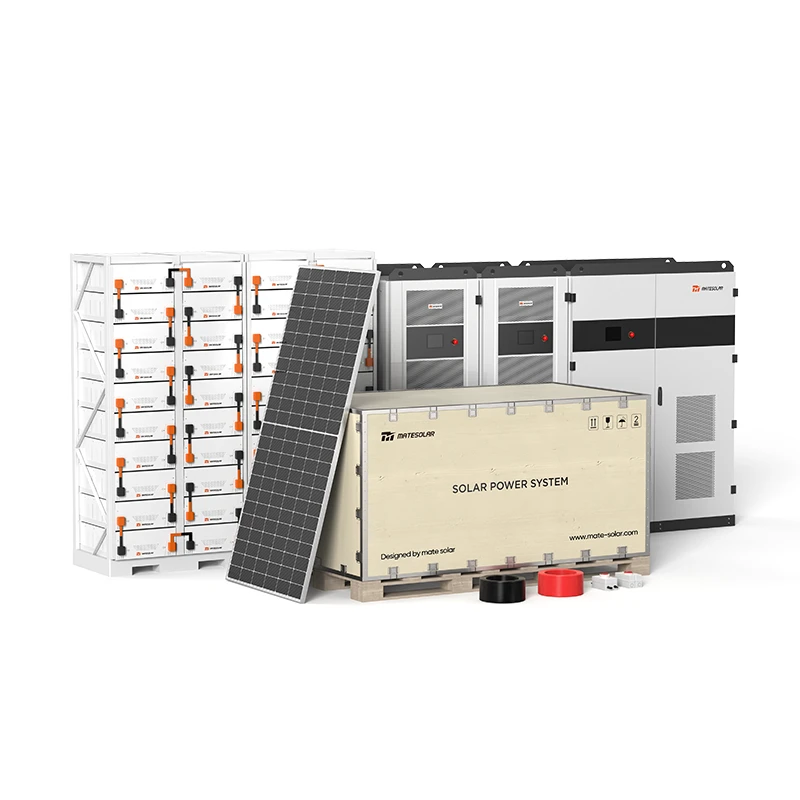
[Internal Link: Discover the 40Ft Air-Cooled Container ESS 1MWh 2MWh Energy Storage System – designed for plug-and-play industrial hybridization.]
Part 2: The Decentralized Grid – SME, Agriculture, and Island Defection
Outside the Grand Sud industrial zone, the reality is different. Small and medium-sized enterprises (SMEs), resorts, and tribal communities face grid access issues. Enercal has stated that in certain areas, the grid has reached its hosting capacity limit for new solar feed-in. The solution? Defection.
Pain Point 4: Grid Saturation and the "No-Export" Dilemma
A hotel in Bourail or a farm in Pouembout wants to go solar, but the local transformer is at capacity. They cannot export excess power. Without storage, a solar system becomes useless at the moment of peak generation.
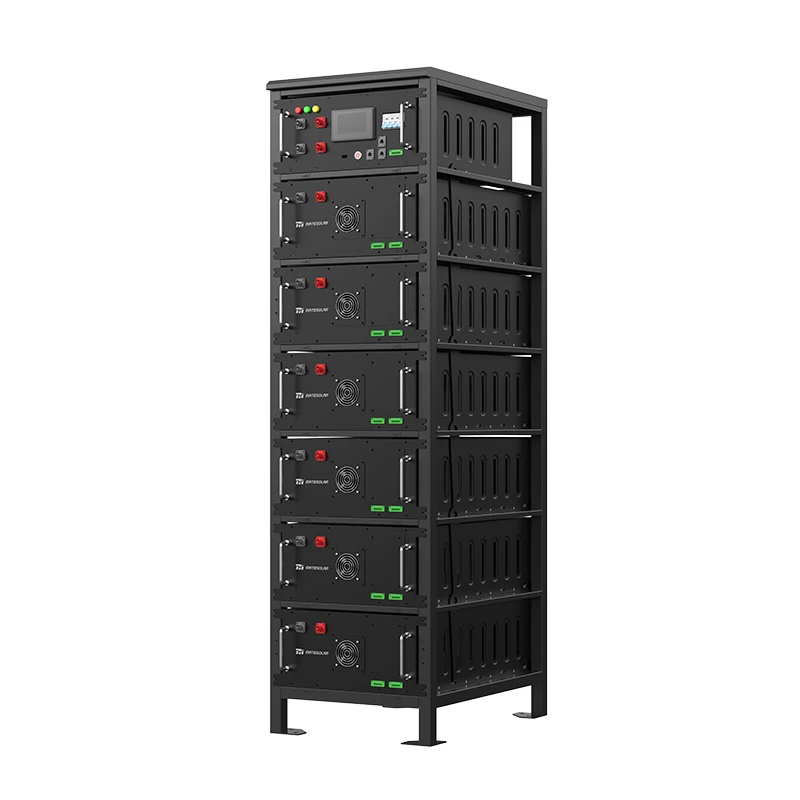
The Solution: The Outdoor "Grid-Defection" Cabinet
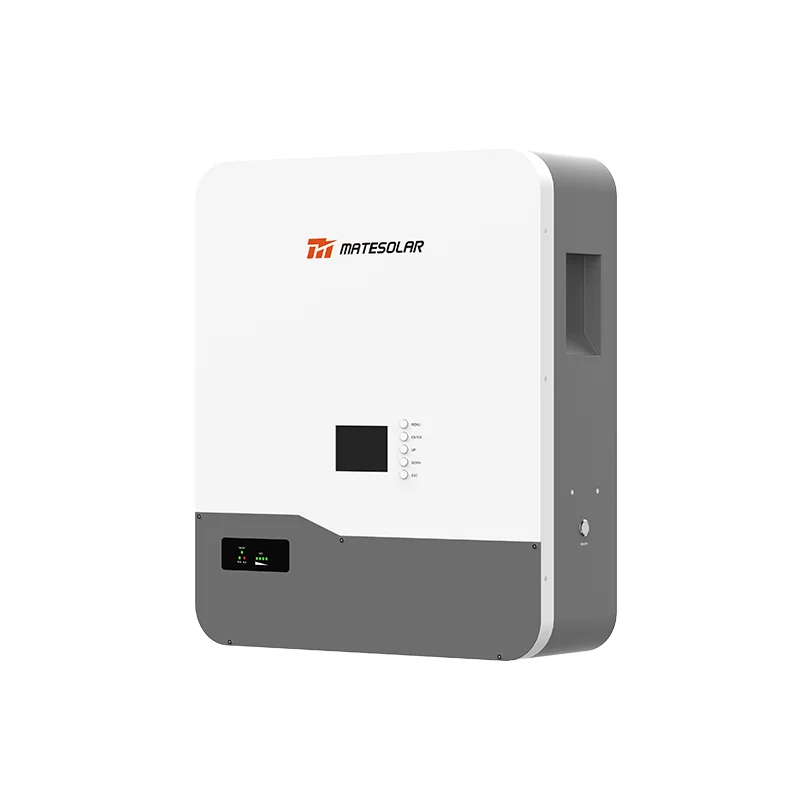
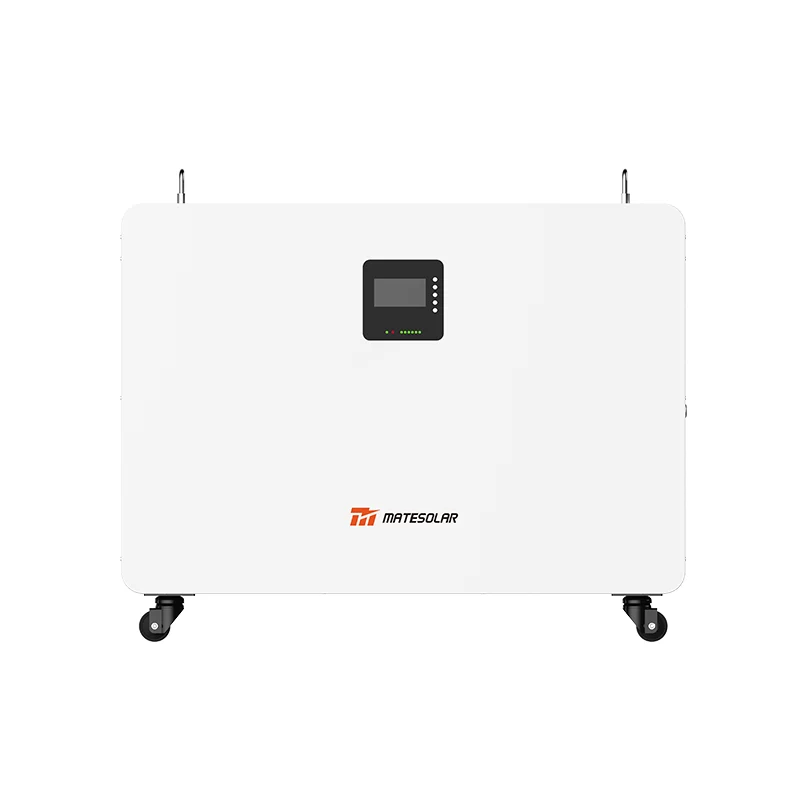
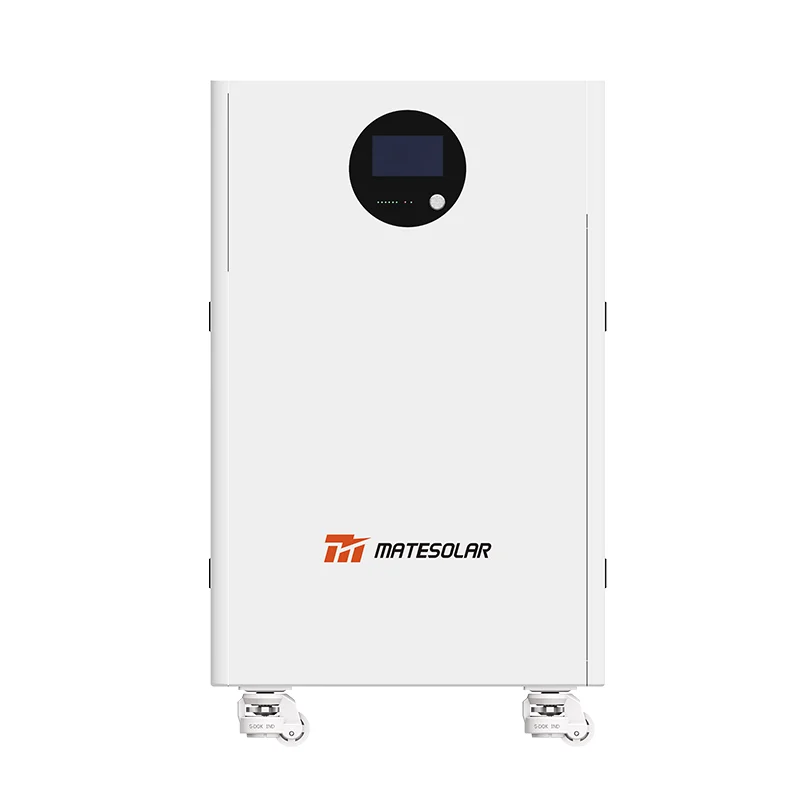
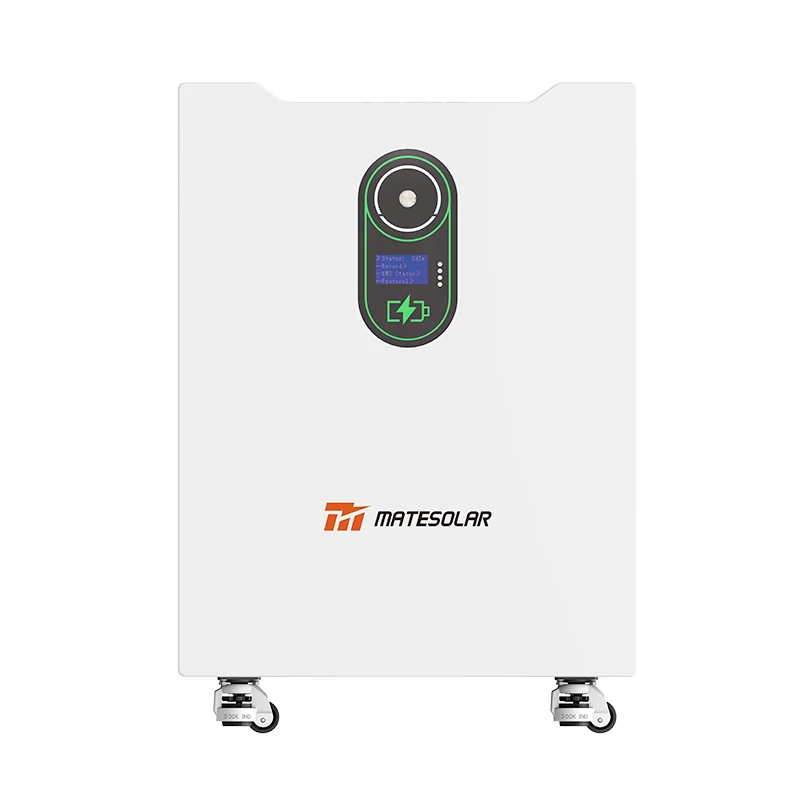
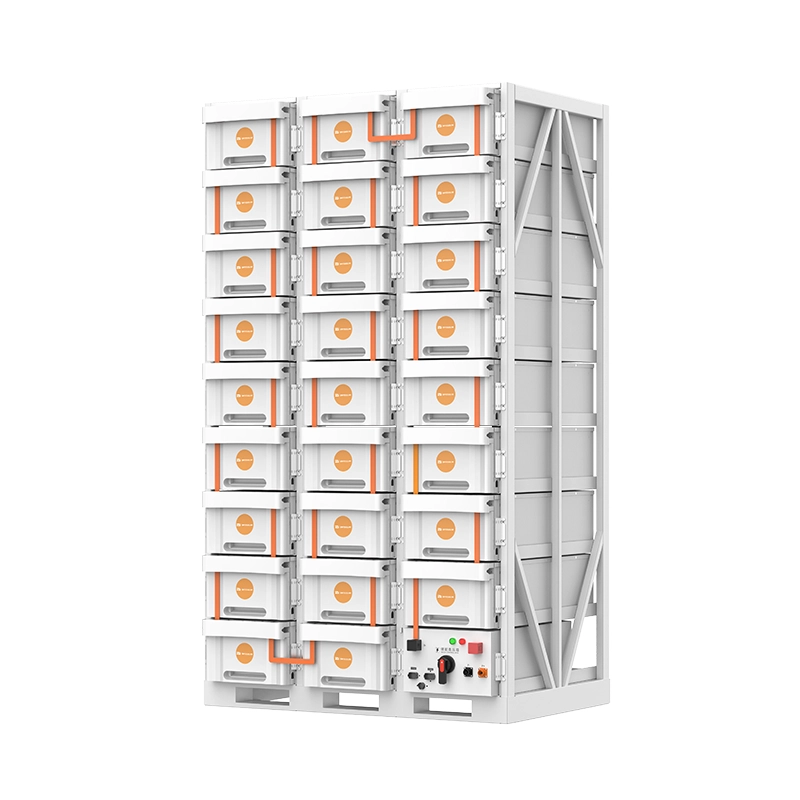
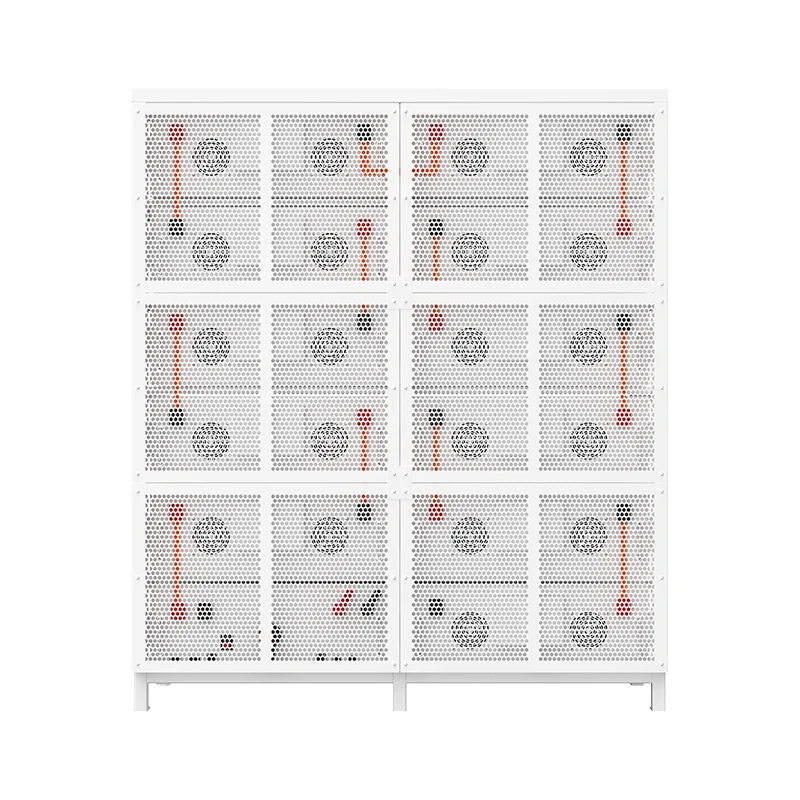
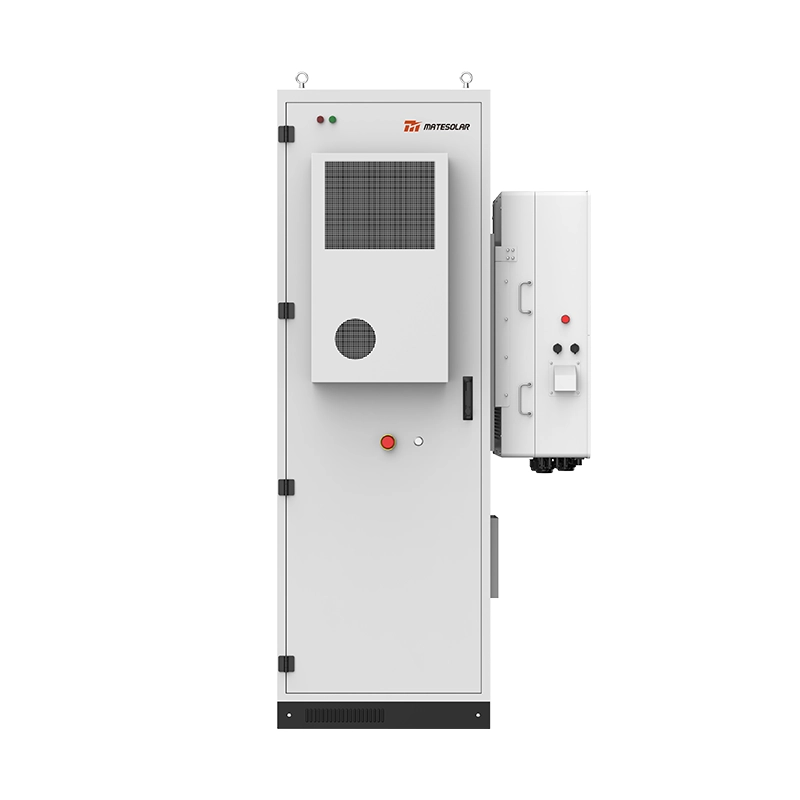
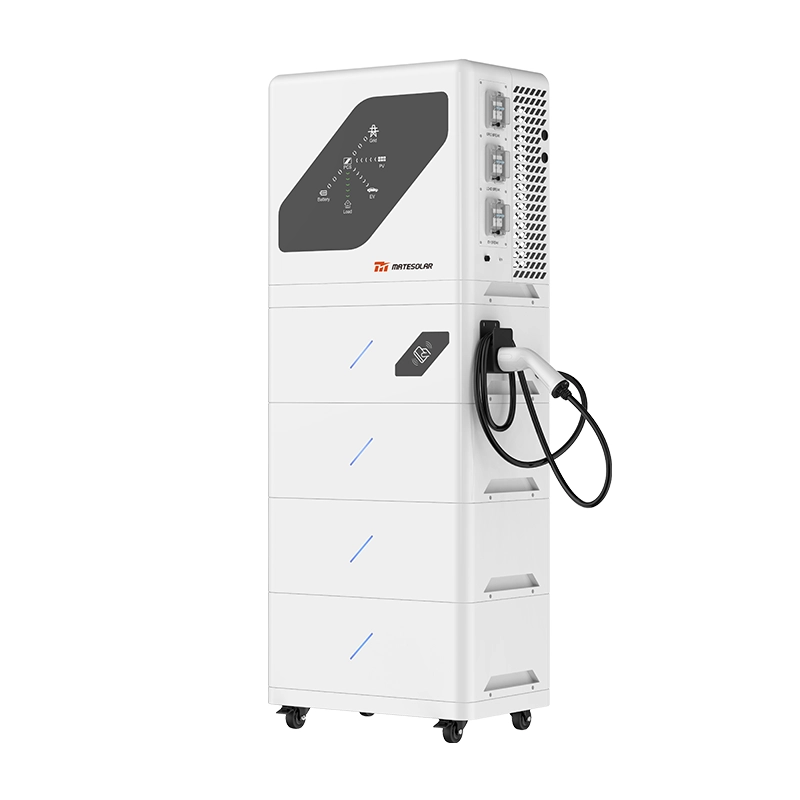
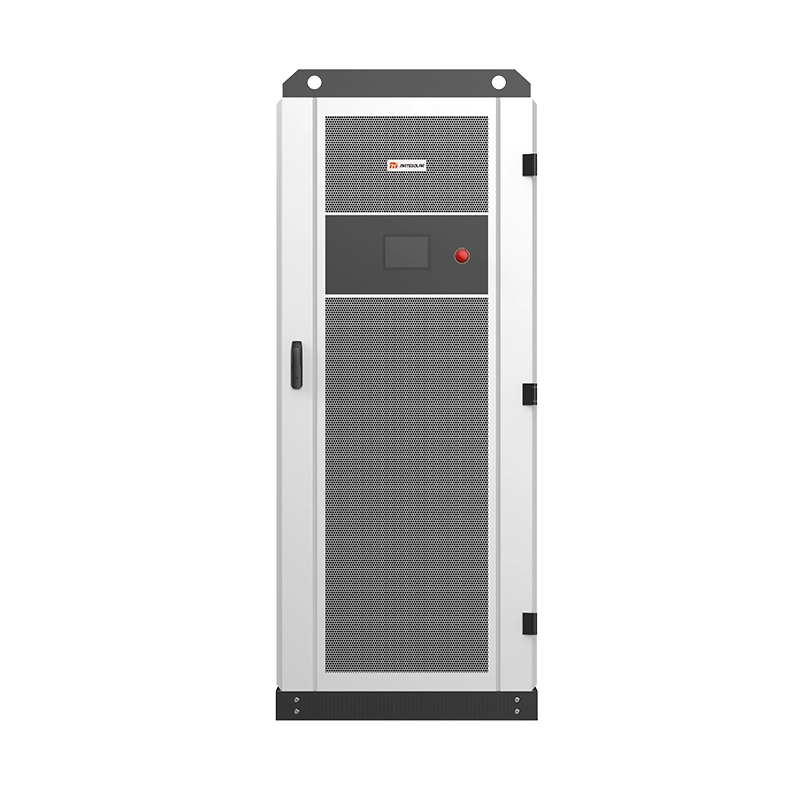
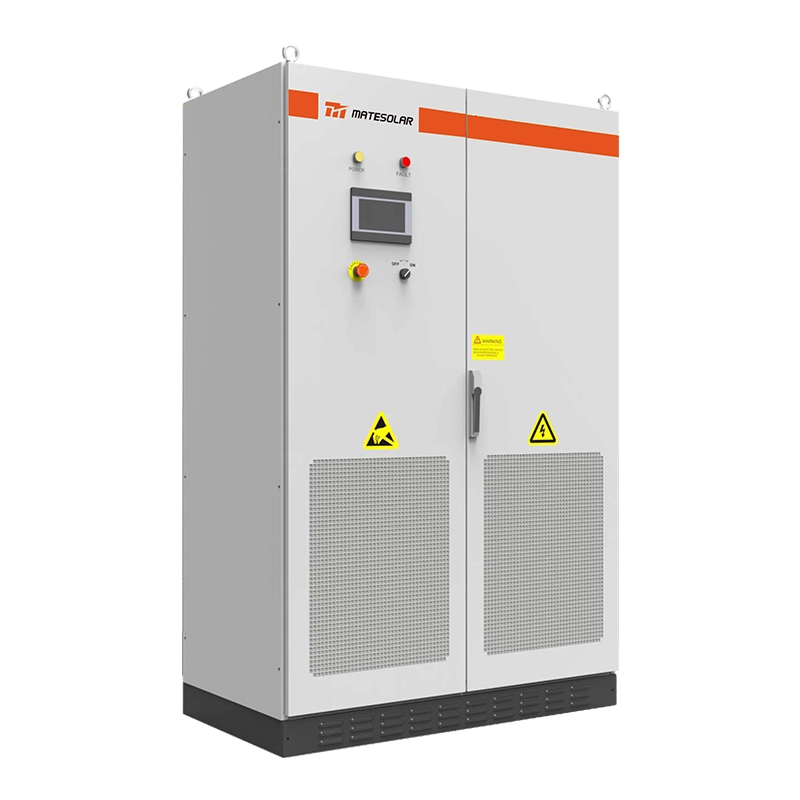
The answer is a C&I Outdoor Cabinet configured for "Zero Export." This system pairs PV with a battery sized to absorb all excess solar energy. The grid sees the site as a simple load with no backfeed, while the site owner enjoys 70-80% self-sufficiency.
Table 3.0: Sizing Guide for Zero-Export C&I Systems (New Caledonia Context)
| Business Type | Avg Daily Load | Recommended PV Size | Recommended BESS (Outdoor Cabinet) | Expected Self-Sufficiency |
| Small Hotel / Lodge | 150 kWh | 40 kWp | 60 kW / 120 kWh | 75% |
| Agricultural Processing | 300 kWh | 80 kWp | 100 kW / 200 kWh | 80% |
| Retail / Supermarket | 80 kWh | 25 kWp | 30 kW / 60 kWh | 70% |
| Remote Tribe (Community) | 50 kWh | 20 kWp | 30 kW / 60 kWh | 90% (with diesel backup) |
Pain Point 5: The Diesel vs. Battery ROI
Diesel generation in the Loyalty Islands (Lifou, Maré, Ouvéa) can cost upwards of €0.40/kWh (approx. $0.43 USD) due to transport and logistics. A high-quality LFP outdoor cabinet has an upfront cost, but the operational savings are rapid.
The Solution: Energy-as-a-Service (EaaS)
Given the high upfront cost of capital in the territory, the "Energy-as-a-Service" model is gaining traction. Under this model, a provider like MateSolar owns the asset on the customer's roof or land. The customer simply pays a monthly fee lower than their historical diesel bill.
- Traditional Model: Client invests $100,000 upfront. Payback period: 4-5 years.
- EaaS Model: Client invests $0. Capex handled by provider. Monthly fee: $1,500 (vs. previous diesel bill of $3,000). Instant savings.
Pain Point 6: Cyclone Resilience (Category 4/5)
March 2026 is the heart of the cyclone season. Equipment in New Caledonia must survive winds exceeding 250 km/h and salt spray that corrodes standard electrical cabinets within months.
The Solution: Marine-Grade Metallurgy
Standard IP54 enclosures are insufficient. Outdoor cabinets destined for New Caledonia require:
- C5-M Corrosion Protection: The highest rating for marine environments.
- Structural Integrity: Anchoring points rated for 290 km/h wind loads.
- Rapid Reconnection: Pre-wired harnesses that allow a mobile generator to plug into the DC bus or AC output quickly after a storm.
Expert Tip: After a cyclone, the grid may be down for weeks. A solar+storage system configured for "storm mode" can retain enough reserve to power critical loads (water pumps, cold storage) indefinitely, recharging during daylight hours even without the grid.
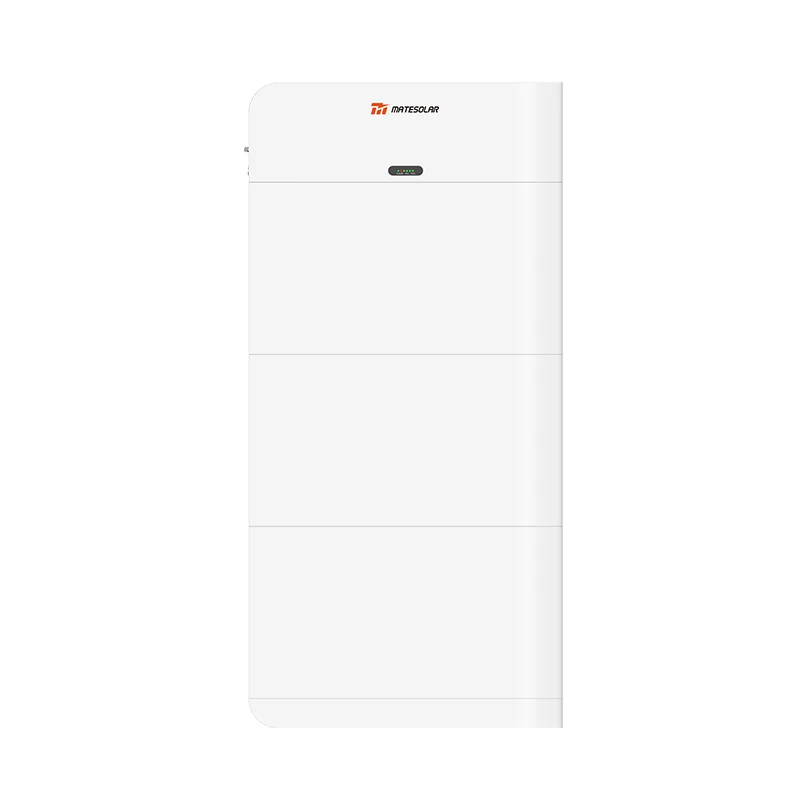
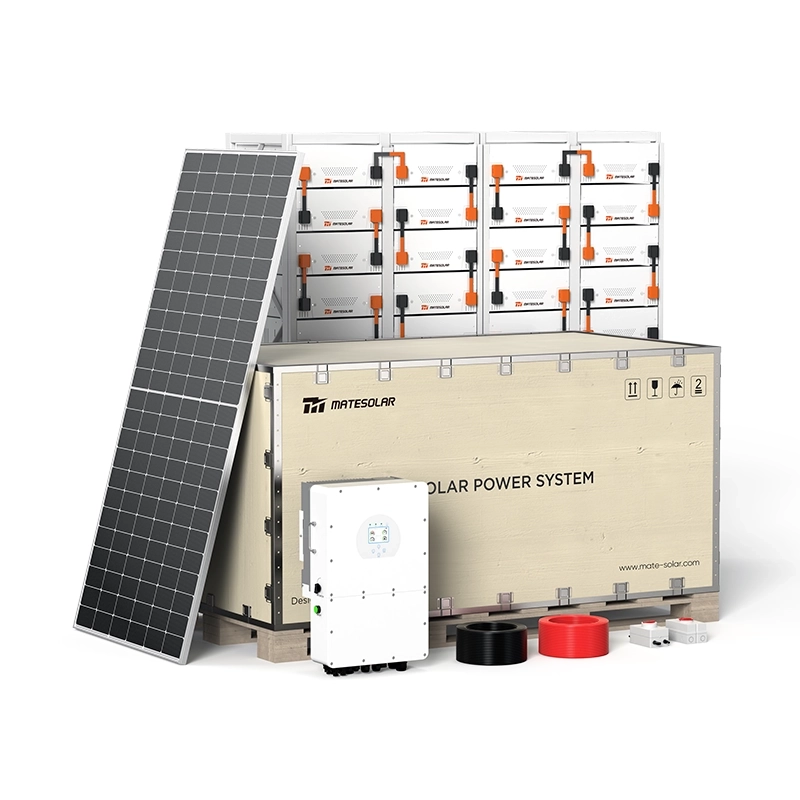
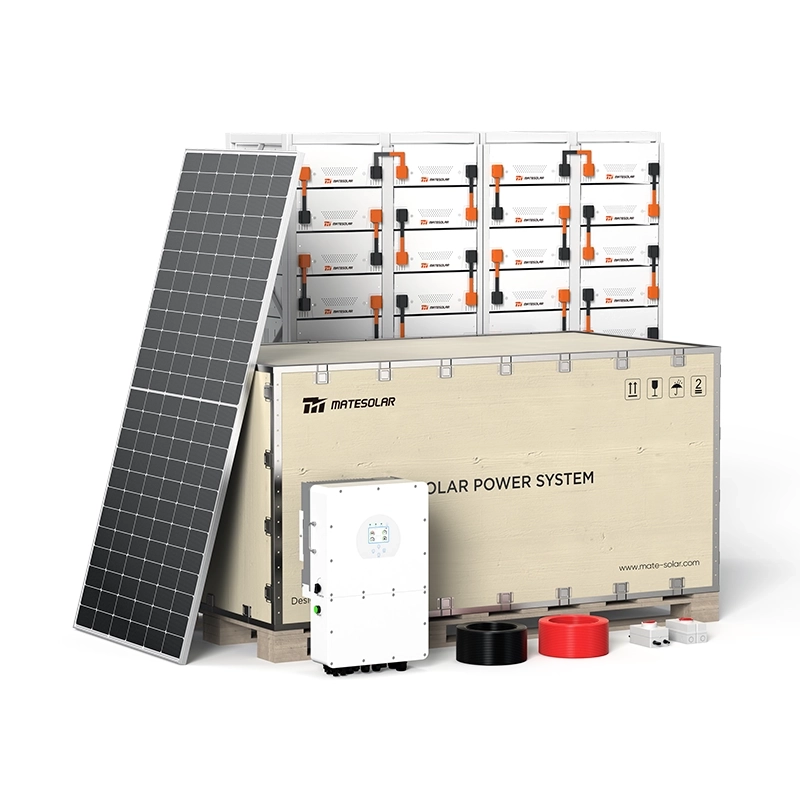
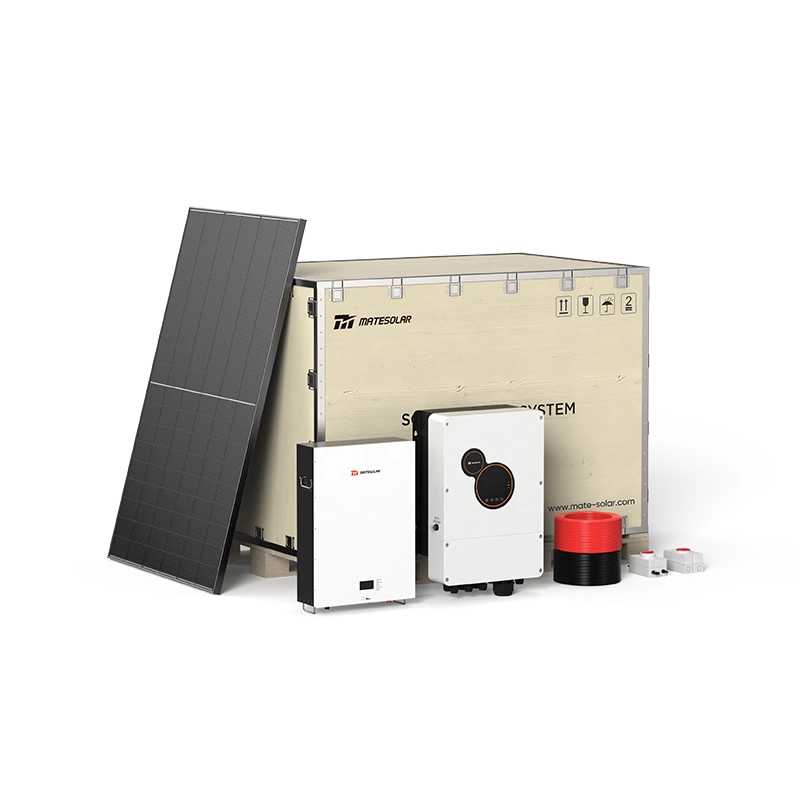
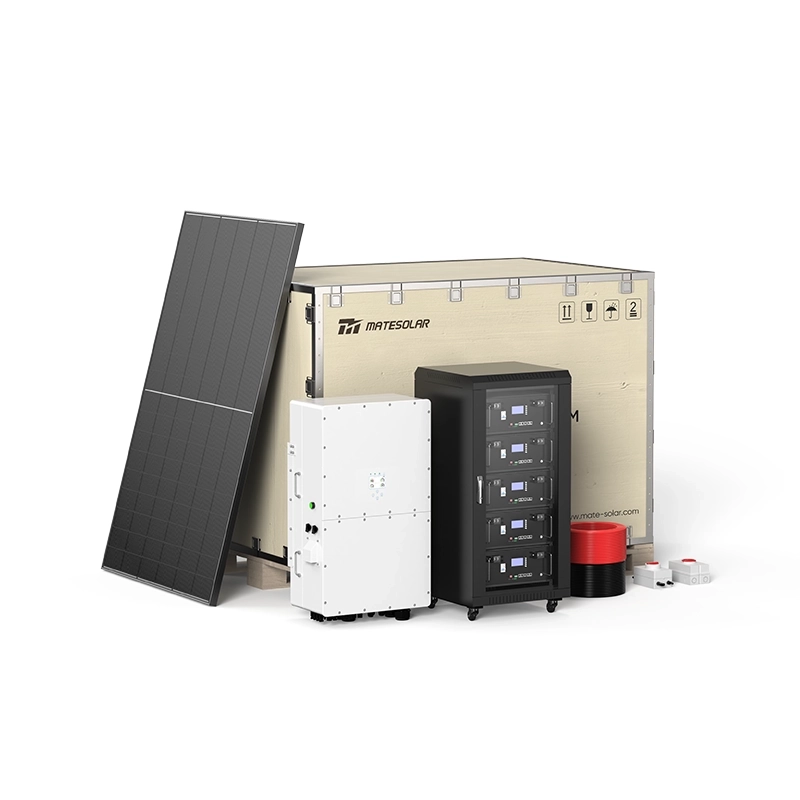
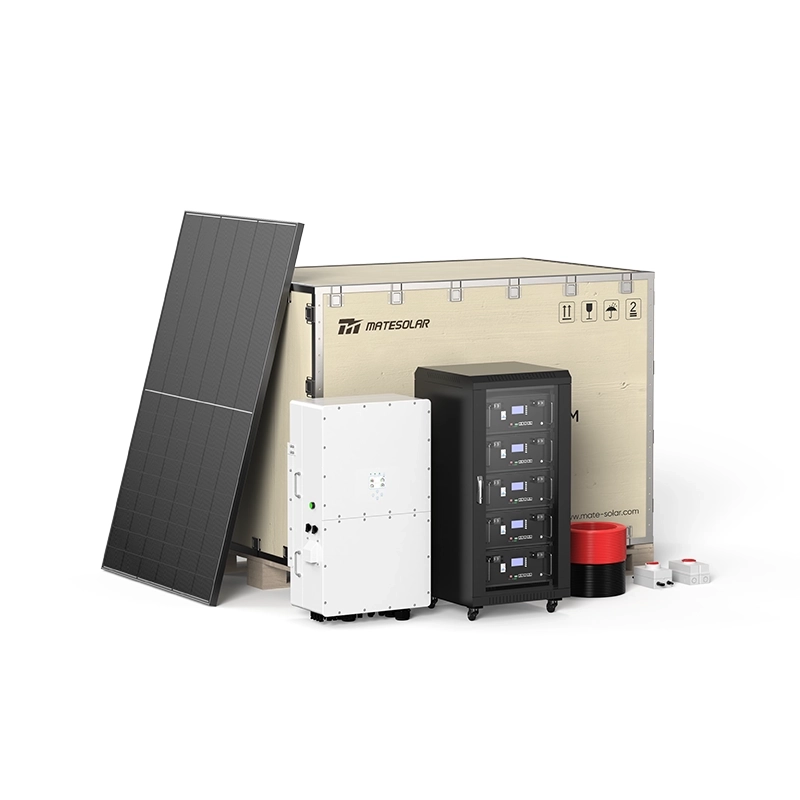
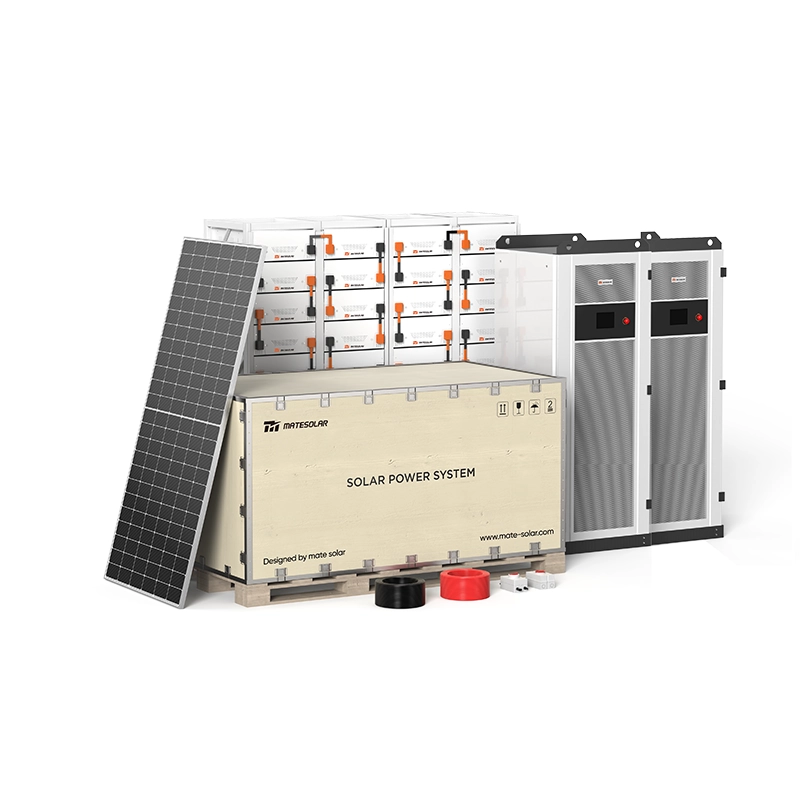
[Internal Link: Explore the Commercial 100KW Hybrid Solar System – ideal for hotels and agricultural co-ops looking for silent, diesel-free backup.]
Part 3: Technology Deep Dive – Matching Hardware to the Pacific Climate
As of 2026, the battery chemistry debate is largely settled for the Pacific region: LFP (Lithium Iron Phosphate) is the dominant choice due to its thermal stability and cycle life. However, the thermal management strategy—Air Cooling vs. Liquid Cooling—remains a critical decision point based on application.
Air-Cooled vs. Liquid-Cooled Containers
New Caledonia does not experience extreme cold, but it does experience high ambient heat (+30°C) coupled with high humidity. Battery cells must be kept below 35°C to prevent accelerated aging.
- 40ft Air-Cooled ESS (1MWh - 2MWh):
- Best For: Short-duration applications (1-2 hours), frequency regulation, and sites with lower ambient dust.
- Pros: Lower parasitic load, simpler maintenance (no coolant pumps/leaks), lower upfront cost.
- Cons: Less efficient at heat removal; requires larger air handlers; potential for thermal gradients within the rack.
- Application: Hybridizing existing diesel plants where the BESS runs hard for short bursts.
- 20ft Liquid Cooling ESS (3MWh - 5MWh):
- Best For: High energy density requirements, long-duration (4+ hours), high ambient temperature sites.
- Pros: 50-100% higher energy density (saves footprint), uniform cell temperature (extends life by 20%), sealed enclosure (ideal for high dust/pollen).
- Cons: Higher CapEx; requires specialized maintenance for coolant systems.
- Application: Large-scale solar firming for mines where space is limited and the battery runs steadily for hours.
Table 4.0: Recommended Thermal Management by New Caledonia Region
| Región | Climate Challenge | Recommended Technology | Reasoning |
| West Coast (Boulouparis, La Foa) | Hot, Dry, Dusty | 20ft Liquid Cooling | Sealed system prevents dust ingress; superior cooling handles high ambient heat. |
| East Coast (Houaïlou, Poindimié) | Humid, High Rainfall | 20ft Liquid Cooling | Sealed system prevents humidity corrosion on internal electronics. |
| Southern Industrial (Prony) | Moderate, Industrial | 40ft Air-Cooled | Lower ambient temps; easier maintenance for industrial staff. |
| Loyalty Islands | Marine, Salty, Hot | 20ft Liquid Cooling | C5-MH rating essential; high density reduces footprint in tight logistics. |
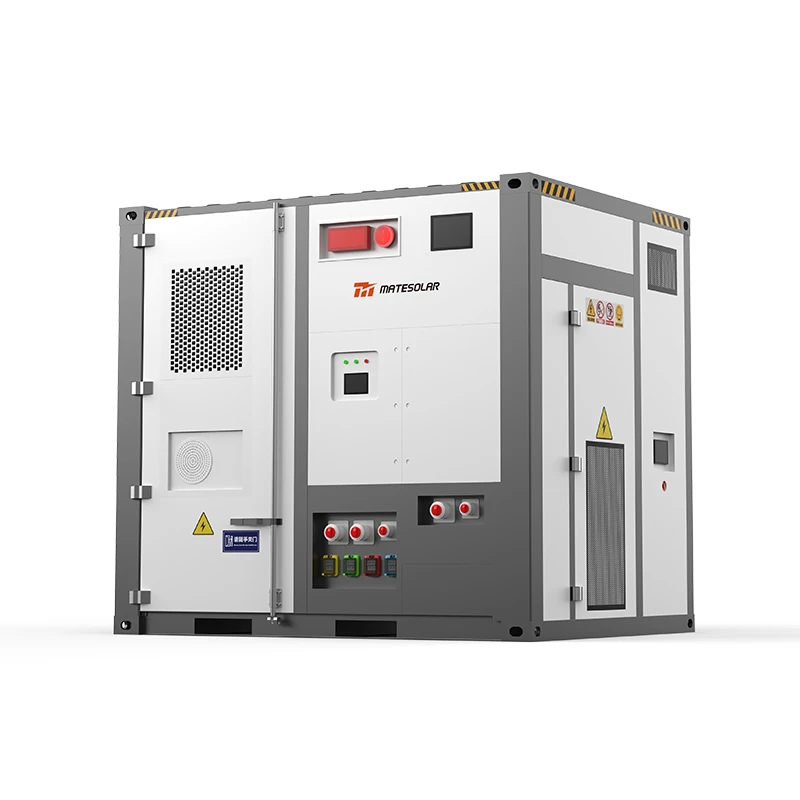
[Internal Link: Check out the 20ft 3MWh 5MWh Liquid Cooling Container Energy Storage System for high-density, high-temperature industrial applications.]
Part 4: The Regulatory Horizon – What to Watch in 2026-2027
As of this March, the New Caledonian government is finalizing the incentive structure for the STENC 2.0 targets. Key developments expected in the next 18 months include:
1. The Carbon Threshold: Imports of HFO are likely to face a progressively increasing carbon levy starting 2027. This will widen the economic gap between fossil fuels and Solar+BESS.
2. The "Green Nickel" Premium: European automakers are demanding certified low-carbon nickel. Mines that can prove they use 50%+ renewable power in the smelting process will command a price premium of 15-20% on their nickel matte or hydroxide.
3. Enercal Grid Codes: Enercal is drafting new technical requirements for grid connection that heavily favor grid-forming capabilities. Inverter hardware must be capable of providing synthetic inertia to pass the new compliance tests by 2028.
Preguntas más frecuentes (FAQ)
Q: With the 2035 deadline looming, is it too late for a mine to start its decarbonization journey?
A: Absolutely not. 2026 is the optimal time. Given the 9-year runway, you can implement a phased approach. Start with a 10-20 MW BESS pilot in 2026-2027 to prove the hybrid concept. By 2030, you can scale to 50% penetration. Waiting until 2030 will make the transition dangerously rushed and expensive.
Q: My business is on the Enercal grid, but they denied my solar connection. Can I still install panels?
A: Yes. You need a "Zero-Export" or "Grid-Following with Limiter" configuration. By installing an outdoor BESS cabinet, you can consume all the solar you generate on-site. The battery stores the excess, ensuring no power flows back to the saturated grid node.
Q: How does a BESS survive a cyclone?
A: It requires physical hardening and digital pre-planning. Physically, the cabinet must be rated for high wind speeds and bolted to a reinforced slab. Digitally, the EMS should have a "Cyclone Mode" which keeps the battery at a high state of charge before the storm hits and isolates critical loads, allowing for immediate backup power once the winds subside.
Q: What is the real cost of storage in F CFP (Pacific Francs) in 2026?
A: For a fully installed industrial container (40ft, 1MWh), you are looking at approximately 55-70 million F CFP per MWh, depending on the complexity of the grid connection and logistics. For smaller outdoor cabinets (20-100 kWh), the price per kWh is higher, ranging from 80,000 to 120,000 F CFP per kWh installed due to the balance of system costs.
Q: Is Lithium-Ion safe in our hot climate?
A: Yes, specifically LFP (Lithium Iron Phosphate) chemistry. LFP is the safest lithium chemistry due to its high thermal runaway threshold (exceeding 270°C). Coupled with a liquid cooling system that maintains the cells at a stable 25°C, the risk is minimized to near zero.
Conclusion: The 2026 Inflection Point
For New Caledonia, 2026 is not a year for planning; it is a year for procurement and construction. The policies are set, the technology is proven, and the financial models are viable.
The Akuo project in Boulouparis has lit the fuse, demonstrating that utility-scale, grid-forming storage is not just possible in the Pacific, but essential. For the nickel industry, the path to 2035 requires immediate action to retrofit existing power systems with industrial-grade BESS. For the SMEs and remote communities, the pathway to energy independence lies in the rugged, intelligent, and weather-proof outdoor cabinets that allow them to disconnect from a saturated grid.
The solution is not a single product, but a portfolio of technologies tailored to the specific grid, load, and environmental constraints of Le Caillou.
At MateSolar, we serve as the one-stop partner for this transition. From the 100kW hybrid systems powering a boutique hotel to the multi-MW liquid-cooled containers stabilizing a mining operation, we provide the technical expertise, hardware, and financial structuring (EaaS) to make New Caledonia’s energy transition a reality.
The clock is ticking toward 2035. Let's ensure the lights—and the smelters—stay on, powered by the sun and the smartest storage on the planet.
Contact MateSolar today for your site-specific feasibility study and compliance roadmap.