

















Santo Domingo, República Dominicana - 9 de marzo de 2026 - El panorama energético de la República Dominicana ha sufrido un cambio sísmico en el primer trimestre de 2026. Lo que una vez fue una discusión sobre el potencial a largo plazo de la energía solar se ha cristalizado en una dura realidad regulatoria y económica para el sector Comercial e Industrial (C&I). Con la Superintendencia de Electricidad (SIE) imponiendo estrictos mandatos técnicos para los nuevos proyectos renovables y la Empresa de Transmisión Eléctrica Dominicana (ETED) lanzando una histórica licitación de 600 MW / 1200 MWh "BESS-as-a-Service" hace apenas unos días, el mensaje es inequívoco: Los sistemas de almacenamiento de energía en baterías (BESS) ya no son opcionales; son la licencia para operar y obtener beneficios.
Para el "Gran Consumo" (grandes usuarios) -incluidas las plantas de fabricación, la logística de la cadena de frío, los gigantes de la hostelería y las zonas francas industriales- la convergencia de la política y la fragilidad de la red presenta una elección binaria. Seguir gastando capital en generadores diésel y tarifas de máxima demanda, o adoptar una nueva clase de activos que convierta la inestabilidad de la red en una ventaja competitiva.
Este análisis exclusivo le servirá de plan técnico y económico. Diseccionamos los tres puntos críticos que definen el mercado dominicano en estos momentos (viabilidad de la reducción de picos, verdadera capacidad de funcionamiento en isla y desplazamiento diésel) y proporcionamos modelos basados en datos que demuestran que la solución híbrida adecuada puede alcanzar el umbral de rentabilidad en menos de cuatro años.
Parte 1: El huracán político y la anatomía de la red (actualización del 1er trimestre de 2026)
Para comprender la urgencia del almacenamiento industrial, debemos fijarnos en la mecánica del Sistema Eléctrico Nacional Interconectado (SENI) a partir de marzo de 2026.
La realidad de la red
La República Dominicana aspira a alcanzar casi 2 GW de capacidad fotovoltaica en 2027 . Sin embargo, la SENI, una red insular, adolece de un desajuste temporal fundamental. La generación solar alcanza su punto máximo entre las 10.00 y las 15.00 horas, pero el pico crítico de demanda se produce entre las 19.00 y las 23.00 horas. Este desfase diurno obliga al operador de la red a recurrir a centrales térmicas de pico ineficientes y caras, lo que crea una oportunidad de arbitraje de precios que ahora está al alcance de los usuarios industriales.
Datos recientes confirman la gravedad del problema. Entre enero y junio de 2025, los generadores de energía renovable perdieron aproximadamente $5,17 millones de dólares debido a las restricciones, mientras que los distribuidores estatales gastaron más de $6,5 millones de dólares en la compra de combustibles fósiles caros cuando la energía solar barata se desperdiciaba deliberadamente. Esto no es sólo un problema de la red; es una transferencia directa de riqueza que un BESS puede capturar.
El martillo regulador
A partir de enero de 2026, la Resolución de la SIE ha hecho obligatorio el almacenamiento para los nuevos accesos a la red, definiendo estrictos parámetros técnicos para la regulación de la frecuencia y el apoyo a la red. . Pero el cambio de juego se produjo el 3 de marzo de 2026. La ETED lanzó su Expresión de Interés (EOI) para 600 MW de almacenamiento de 2 horas. Se trata de un modelo de BESS como servicio, que ofrece a los promotores privados un horizonte contractual de 15 años y una TIR estimada de 11%.
¿Por qué le importa esto al dueño de una fábrica?
Esto valida la clase de activos. Establece un punto de referencia financiable para la economía del almacenamiento en el país. Si el Estado está dispuesto a garantizar la rentabilidad del almacenamiento a escala de red, la tecnología subyacente y los argumentos comerciales para el almacenamiento industrial privado detrás del contador se hacen innegables.
Tabla 1: Panorama energético de la República Dominicana (marzo de 2026)
| Parámetro | Situación / Objetivo | Implicaciones para los usuarios industriales |
| Objetivo de capacidad fotovoltaica | 2 GW para 2027 | Aumento de la saturación de la red durante el día; mayor riesgo de restricciones para la autogeneración. |
| Pico de demanda del sistema | 19:00 - 23:00 | Tarifas eléctricas más elevadas; ventana privilegiada para el arbitraje de descarga de BESS. |
| Posición reguladora | SIE Mandato para BESS en nuevos proyectos | El cumplimiento requiere experiencia en almacenamiento; establece normas técnicas de seguridad/código de red. |
| Señal nacional de almacenamiento | ETED 600 MW / 1200 MWh EOI (mar 2026) | Valida la economía del BESS; establece la TIR 11% como referencia del mercado. |
| Coste de reducción (H1 2025) | $5,17M USD perdidos por los generadores | Destaca el límite de absorción de la red; autoconsumo industrial + almacenamiento es la solución. |
Parte 2: La trinidad industrial del dolor y la solución del BESS
Para el director de una fábrica o el director financiero de una zona franca, los macroproblemas de la red se manifiestan como tres quebraderos de cabeza financieros y operativos. He aquí cómo los resuelve un BESS industrial especialmente diseñado.
Reto 1: La ecuación del arbitraje - Vencer el pico de las 19.00 horas
El principal motor del almacenamiento detrás del contador es económico. Con la estructura tarifaria actual, el diferencial entre la energía diurna (cuando la solar produce en exceso) y la energía pico nocturna puede ser significativo. Sin embargo, el mercado está inundado de modelos genéricos de rentabilidad que no tienen en cuenta las limitaciones de la red local.
La visión única: En la República Dominicana, el valor no está sólo en la "reducción de picos", sino en la "reducción de picos más reafirmación". Al acoplar un BESS a un panel solar existente, se desplaza la producción solar de 4 a 6 horas. Se carga gratuitamente durante el periodo de alta y baja demanda solar y se descarga durante el periodo de alta demanda y alto coste. Esto también alivia la tensión de la "curva de pato" en el SENI, un punto que los reguladores ven ahora con buenos ojos.
Reto 2: Insularización real: más allá de la falacia del SAI
En la actualidad, muchos parques industriales utilizan sistemas de alimentación ininterrumpida (SAI) para los equipos electrónicos y generadores diésel para cortes de larga duración. Sin embargo, un SAI no puede hacer funcionar una línea de producción, y un generador diésel tarda segundos en ponerse en marcha, segundos que pueden arruinar un lote en un almacén frigorífico o detener una línea de proceso continuo.
Una visión única: El mercado necesita BESS formadores de red, no sólo seguidores de red. Un inversor estándar sigue la frecuencia y el voltaje de la red. En caso de apagón, se desconecta. Un verdadero sistema híbrido industrial, como el sistema solar híbrido comercial de 500 kW, utiliza algoritmos de control avanzados (modos de control PQ y VF) para cambiar al "modo isla" en menos de 20 milisegundos. Esto es perfecto. Para el centro de control del motor, no ha pasado nada. El BESS se convierte instantáneamente en la referencia de la microrred, lo que permite a la fábrica continuar sus operaciones sin interrupciones.
Reto 3: Acabar con el diésel: un imperativo económico y medioambiental
La dependencia de los grupos electrógenos diésel es un gran lastre. Con la volatilidad mundial de los precios del petróleo, presupuestar la energía de reserva es una apuesta arriesgada. Además, las normativas sobre ruido y emisiones en zonas turísticas (como Punta Cana o Puerto Plata) son cada vez más estrictas. Sin embargo, la simple adición de energía solar sin almacenamiento sigue haciendo que una instalación dependa del gasóleo por la noche o cuando hay nubes.
Una visión única: Un sistema híbrido "FV + Almacenamiento + Grupo electrógeno", gestionado por un sistema inteligente de gestión de la energía (SGE), puede reducir el consumo de gasóleo hasta 90%. . El BESS gestiona las fluctuaciones de carga, permitiendo que los grupos electrógenos (si son absolutamente necesarios) funcionen sólo con su carga óptima y eficiente, o no funcionen en absoluto. Esto transforma un cobertizo diésel de fuente de energía primaria en una auténtica "póliza de seguro" que rara vez funciona.
Tabla 2: Puntos débiles de la industria frente a la arquitectura de la solución BESS
| Punto débil industrial | Requisitos técnicos | Solución MateSolar |
| Tarifas High Peak | Energía Time-Shift / Arbitraje | Carga a partir de energía fotovoltaica/red a bajo coste; descarga durante la hora punta de 7 a 11 de la tarde. ESS de contenedor refrigerado por aire de 20 pies (500 kWh-1 MWh) dimensionado para ciclos diarios. |
| Cortes de red / parpadeos | Aislamiento sin fisuras (formación de redes) | Conmutación a modo isla en menos de 20 ms. Mantiene la alimentación de cargas críticas (cámaras frigoríficas, PLC) sin interrupción. |
| Dependencia del diésel | Gestión integrada de microrredes | EMS avanzado que da prioridad a la energía fotovoltaica y a la batería; relega los grupos electrógenos al modo de espera/almacenamiento muerto, consiguiendo un ahorro de combustible >90%. |
| Limitaciones de espacio | Alta densidad y escalabilidad | Arquitectura escalable de 500 kW a MW. Contenedores de refrigeración líquida de 20 pies (3 MWh-5 MWh) para emplazamientos de alto consumo energético con espacio limitado. |
| Cumplimiento de la normativa | Certificación del Código de Red | Sistemas certificados que cumplen los requisitos técnicos de interconexión y seguridad del SIE. |
Parte 3: El modelo económico: más allá de los 5 años de amortización
Los directores financieros exigen cifras concretas. Teniendo en cuenta las actuales tarifas eléctricas dominicanas (con una media de entre diez y veinte céntimos de euro por kWh para los usuarios industriales, con picos significativamente superiores) y la rápida deflación de los precios de las baterías de litio a principios de 2026, el argumento a favor de la inversión es convincente.
Una pregunta habitual es: "¿Podemos conseguir una amortización de 3 a 5 años?"."
La respuesta, basada en nuestra modelización de las señales de precios específicas del SENI, es un sí definitivo, siempre que el sistema tenga el tamaño y el funcionamiento correctos. Veamos un sistema típico de 1 MWh para una fábrica de tamaño medio.
Explicación de la acumulación de ingresos:
1. Arbitraje energético: Carga de la batería a la tarifa baja de la noche o del mediodía y descarga durante la hora punta de 7 a 11 de la tarde.
2. Reducción del cargo por demanda: Recorte de la punta de KW de la instalación, que reduce la demanda mensual facturada por la distribuidora.
3. Valor de respaldo (coste evitado): Cuantificación del coste del tiempo de inactividad evitado y del gasóleo no quemado. Este es a menudo el mayor flujo de valor, aunque el más ignorado.
Un estudio publicado en 2025 en la revista Energía para el desarrollo sostenible se centró específicamente en la red insular de la República Dominicana. Los resultados fueron asombrosos para el mercado de la regulación de frecuencia, pero proporcionan un poderoso indicador para los usuarios industriales: la investigación indicó que los periodos de recuperación de la inversión para BESS que proporcionan servicios de respuesta rápida podrían ser inferiores a 1,2 años cuando se capturan múltiples flujos de valor. Aunque un sistema industrial detrás del contador se centra en el arbitraje más que en la regulación de frecuencia al por mayor, el principio subyacente de alta utilización y captura de ventanas de energía de alto valor se aplica directamente al sector C&I.
Tabla 3: Modelo de ROI proyectado para un BESS industrial de 1MWh (República Dominicana)
| Métrica | Valor | Supuestos |
| Tamaño del sistema | 500 kW / 1 MWh | Adecuado para instalaciones con una carga crítica de ~150 kW-200 kW y un objetivo de reducción de picos. |
| Coste estimado de instalación | ~$250,000 - $300,000 | Incluye BESS, inversor híbrido, EMS e instalación. (Tipo de mercado 1T 2026). |
| Ciclo diario de arbitraje | 1 ciclo completo | Carga en horas valle/día, descarga en horas punta (80% DoD). |
| Energía anual transferida | ~260.000 kWh | Contabilización de pérdidas y días operativos 90%. |
| Diferencial medio captado | $0,12 - $0,15 / kWh | Diferencia entre el coste de carga y el valor máximo de descarga. |
| Ahorro directo anual (arbitraje) | ~$36,000 | ($0,14 de diferencial medio * 260.000 kWh). |
| Reducción de la tasa por demanda | ~$15,000 | Reducción de la demanda máxima de KW en 150-200 KW a ~$8/KW/mes. |
| Tiempo de inactividad evitado / Gasóleo | ~$20,000 - $30,000 | Valor cuantificado de las interrupciones evitadas (1-2 eventos/año). |
| Prestación anual total | ~$71,000 - $81,000 | Estimación conservadora. |
| Periodo de amortización simple | 3,1 - 4,2 años | Dentro de los 10-15 años de vida útil de las baterías LFP. |
Parte 4: La inmersión técnica - Selección del arma
No todos los sistemas de almacenamiento son iguales. Para el exigente entorno industrial de la República Dominicana -altas temperaturas ambiente, humedad y necesidad de conmutación rápida-, la selección de la tecnología es primordial.
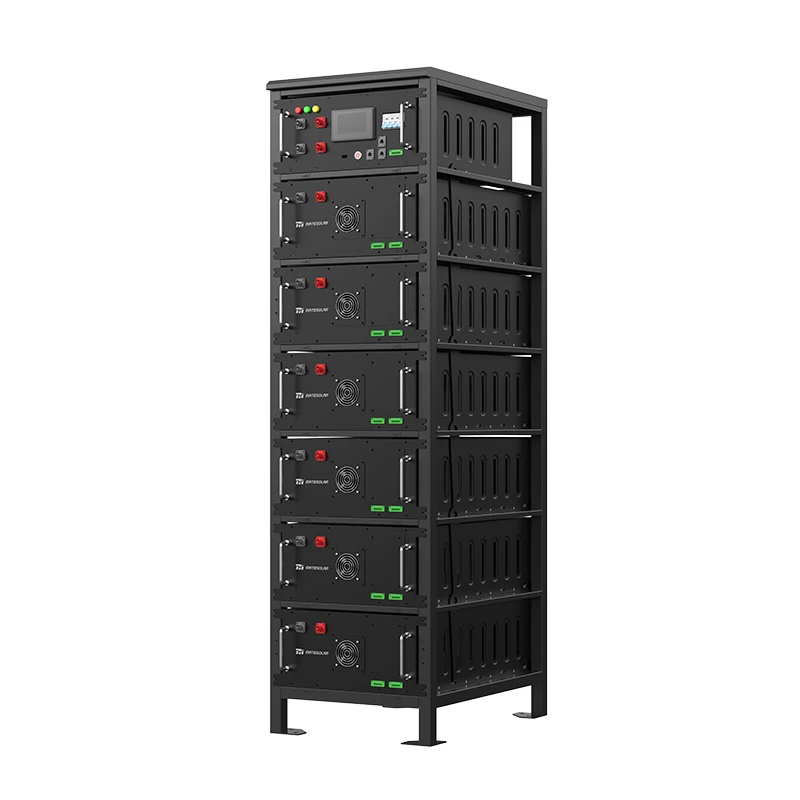
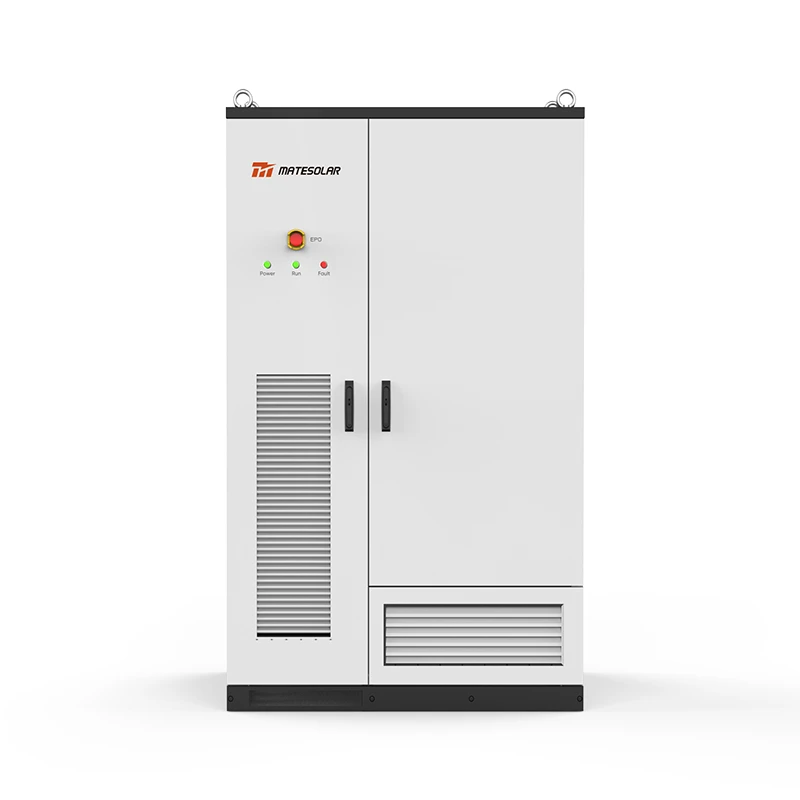
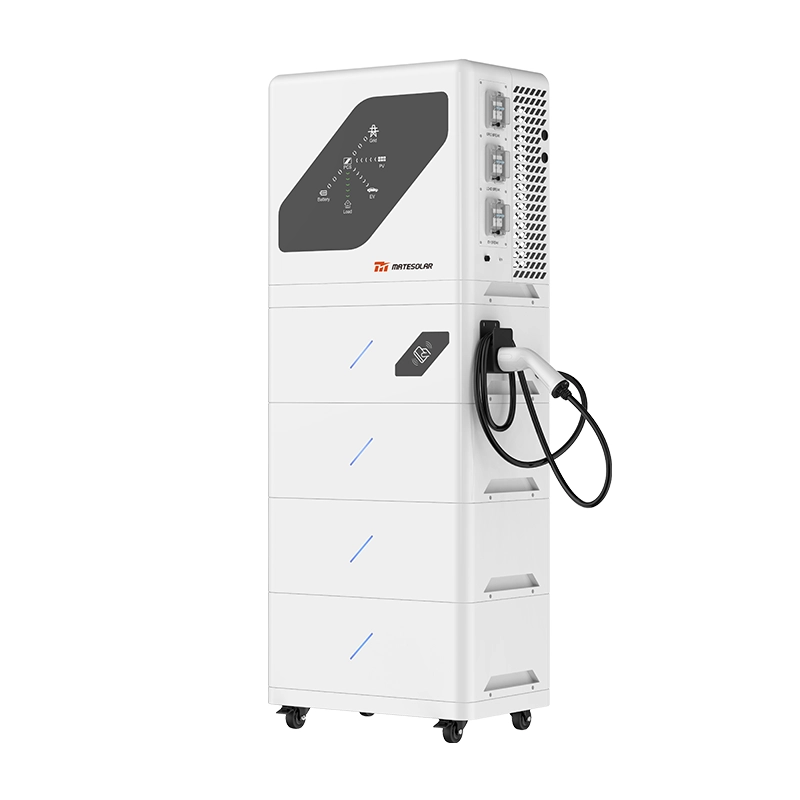
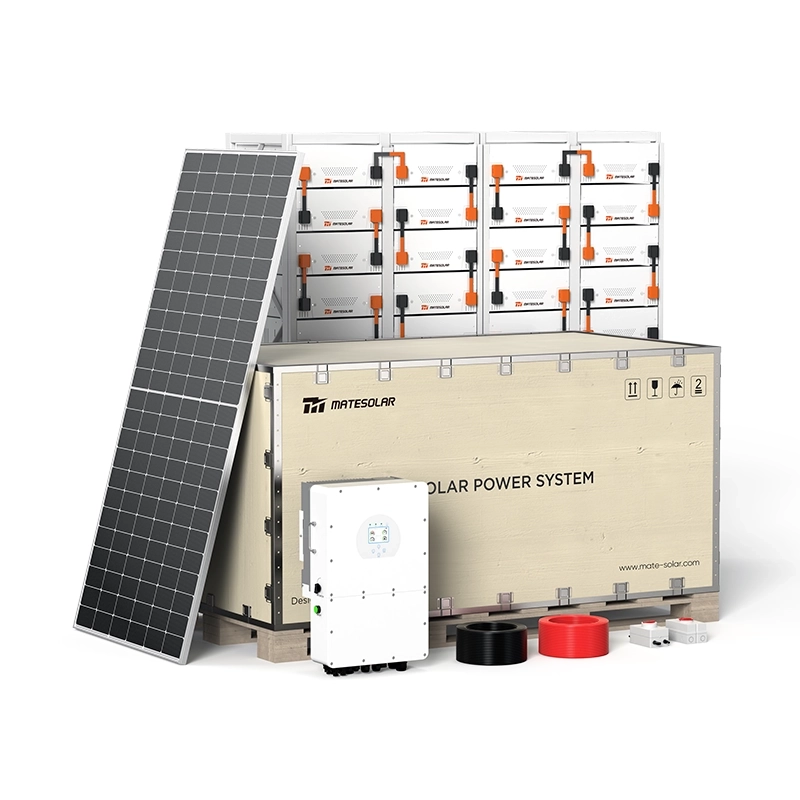
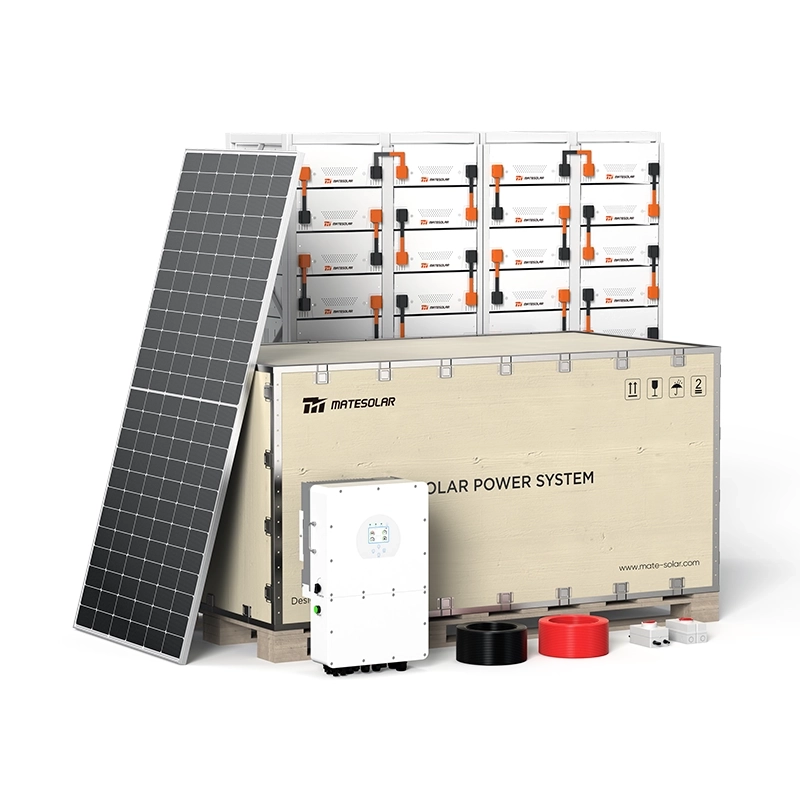
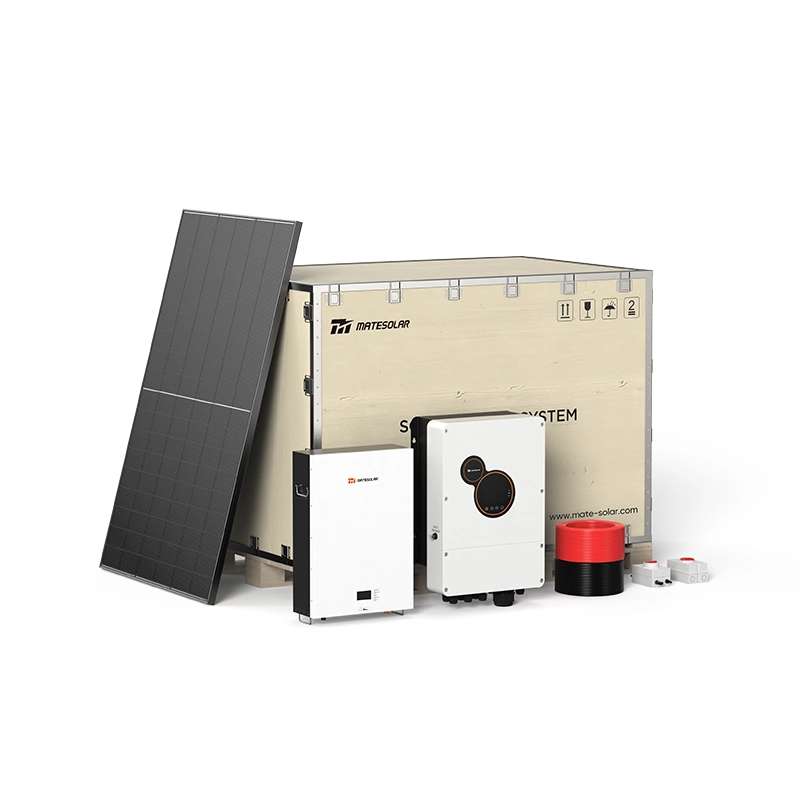
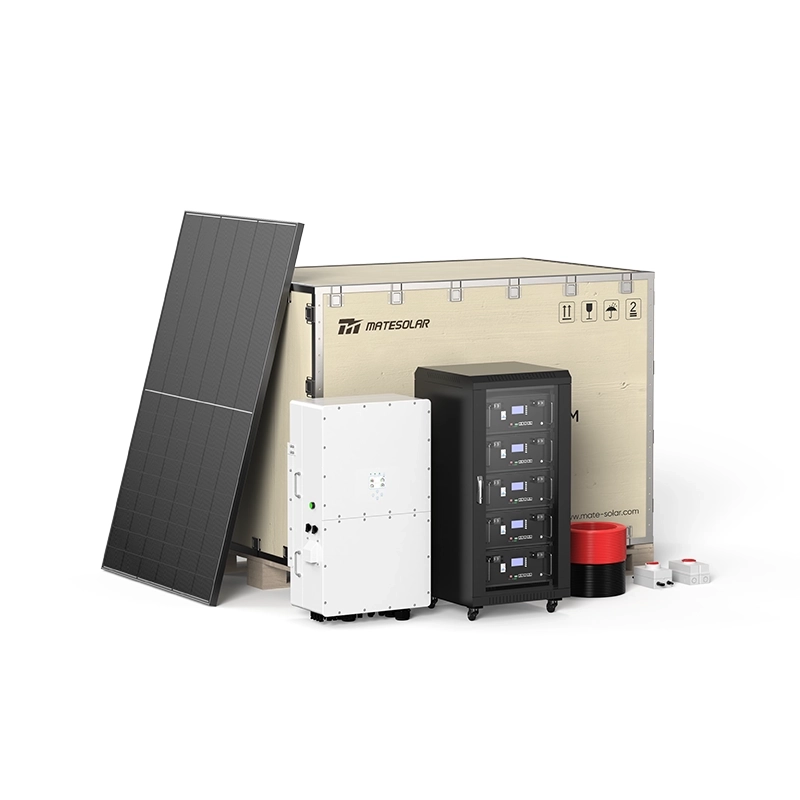
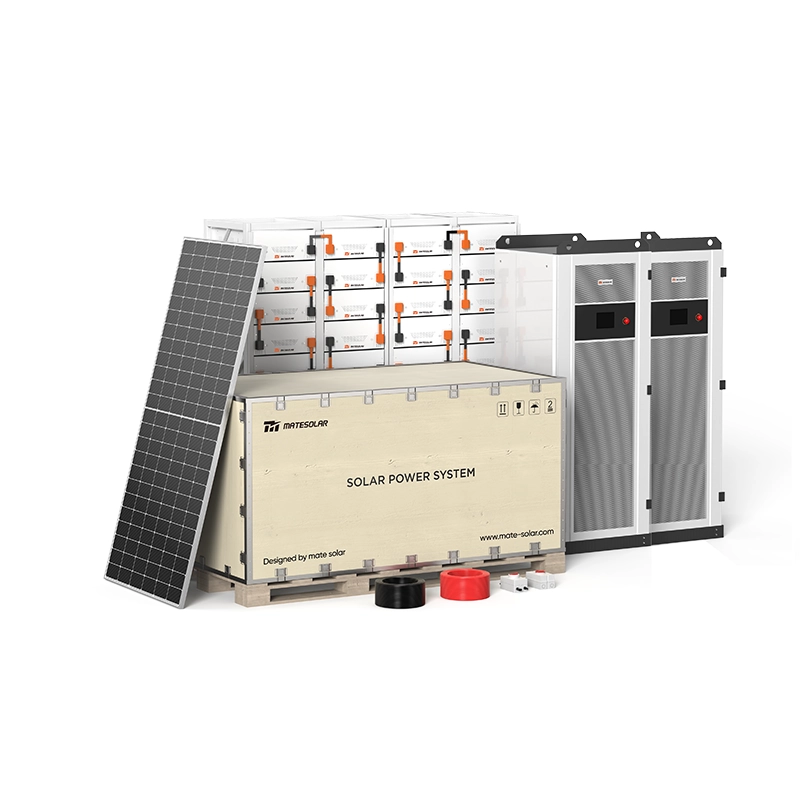
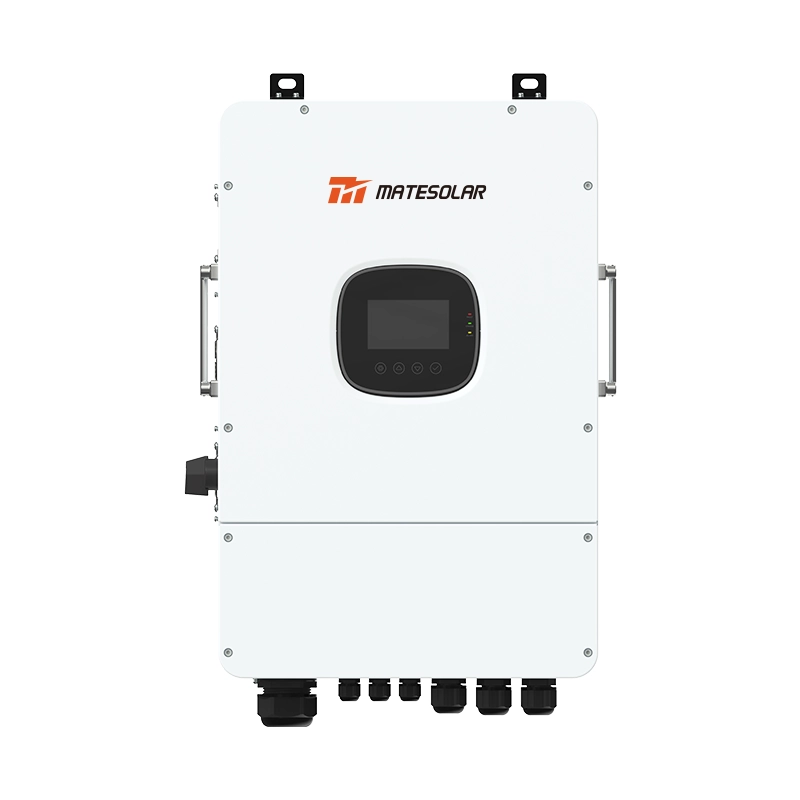
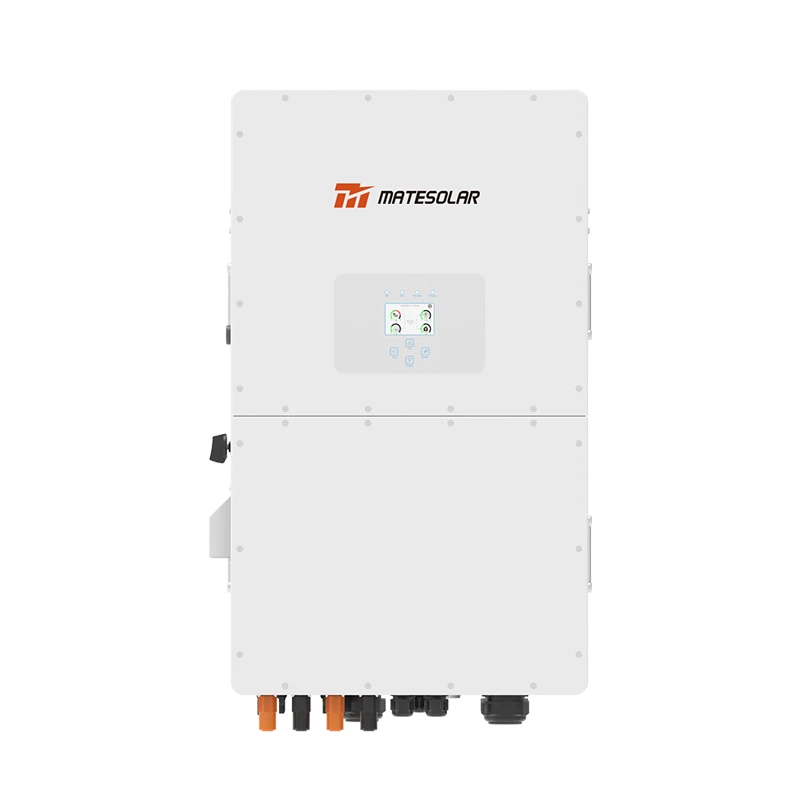
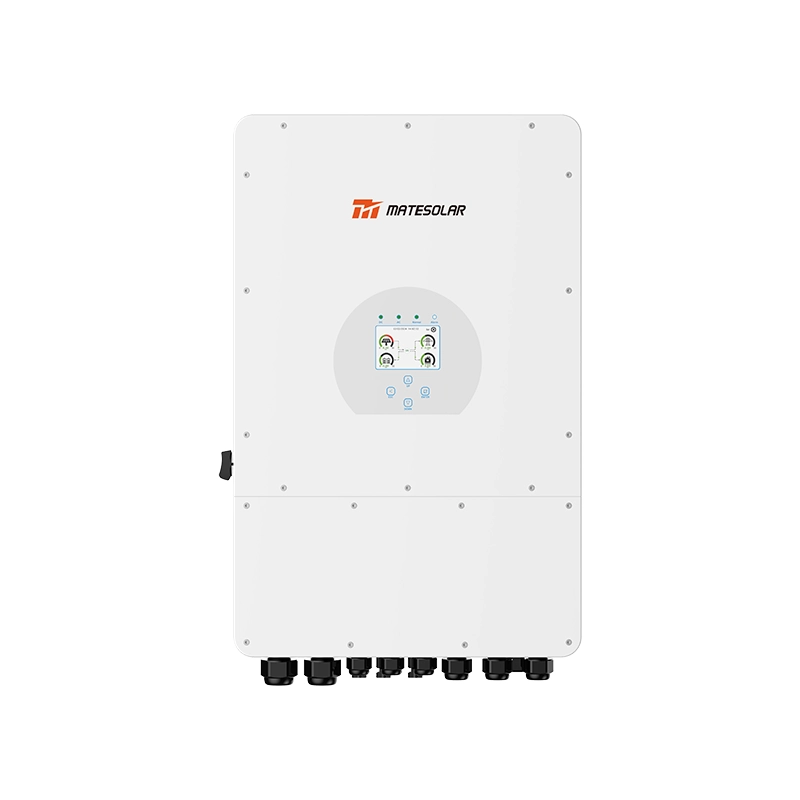
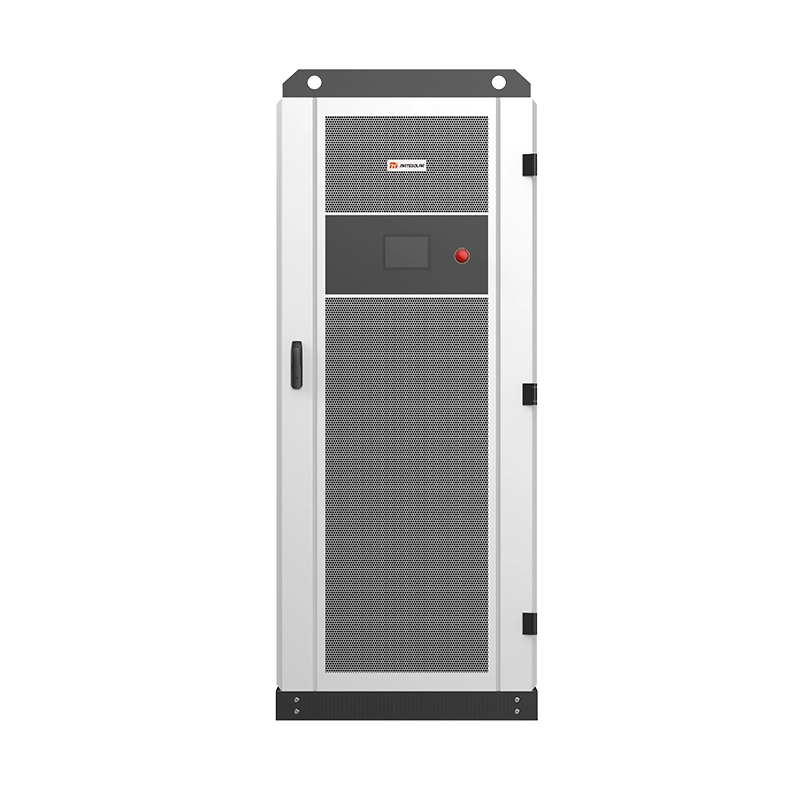
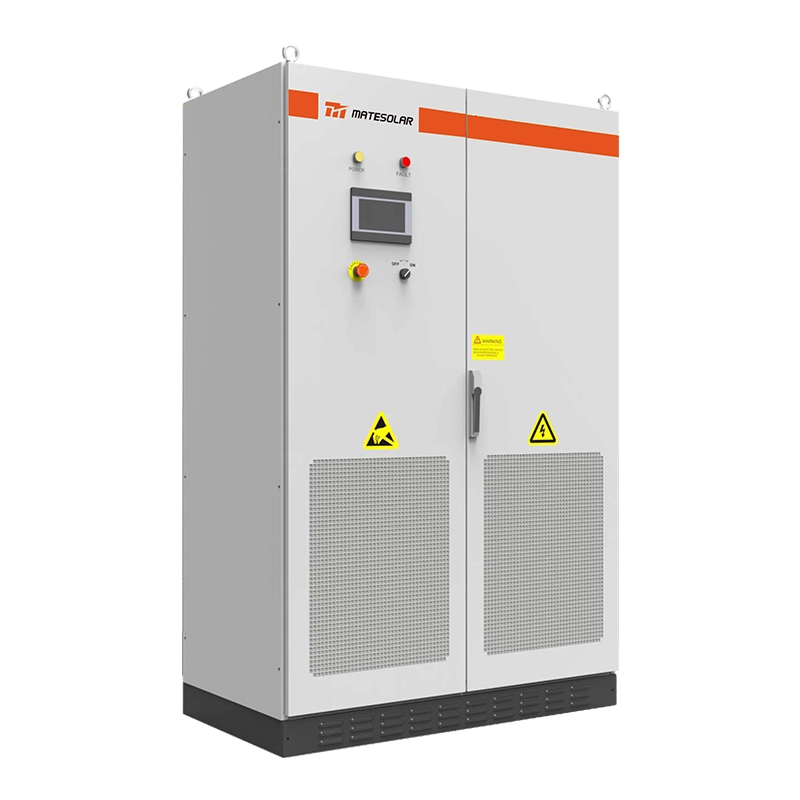
1. La unidad de potencia: Sistema solar híbrido comercial de 500 kW
Para las fábricas que buscan integrarse directamente con la energía solar fotovoltaica existente o nueva, éste es el centro neurálgico. Es el cerebro y el músculo que gestiona la CC de la energía solar, la CC de la batería y la CA de la fábrica.
- Característica clave: Su capacidad para funcionar tanto en modo conectado a la red como aislado de ella.
- Por qué es importante: Permite que una instalación participe en la medición neta durante periodos estables y se aísle instantáneamente durante los fallos. Su diseño híbrido simplifica el acoplamiento con la 20Ft Air-Cooled Container ESS 500kWh 1MWh Energy Storage System, creando una pareja perfectamente combinada.
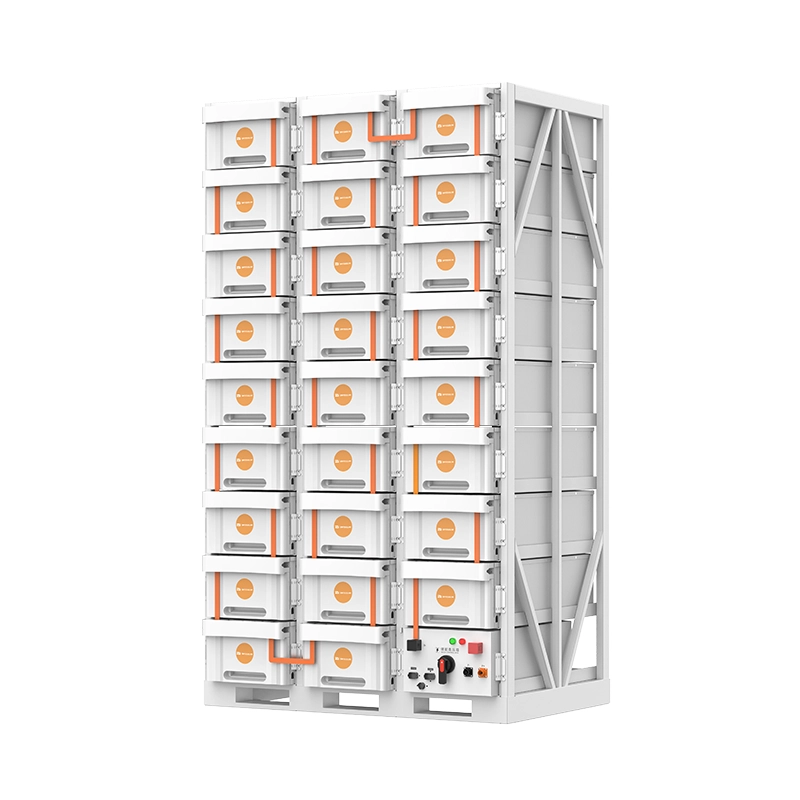
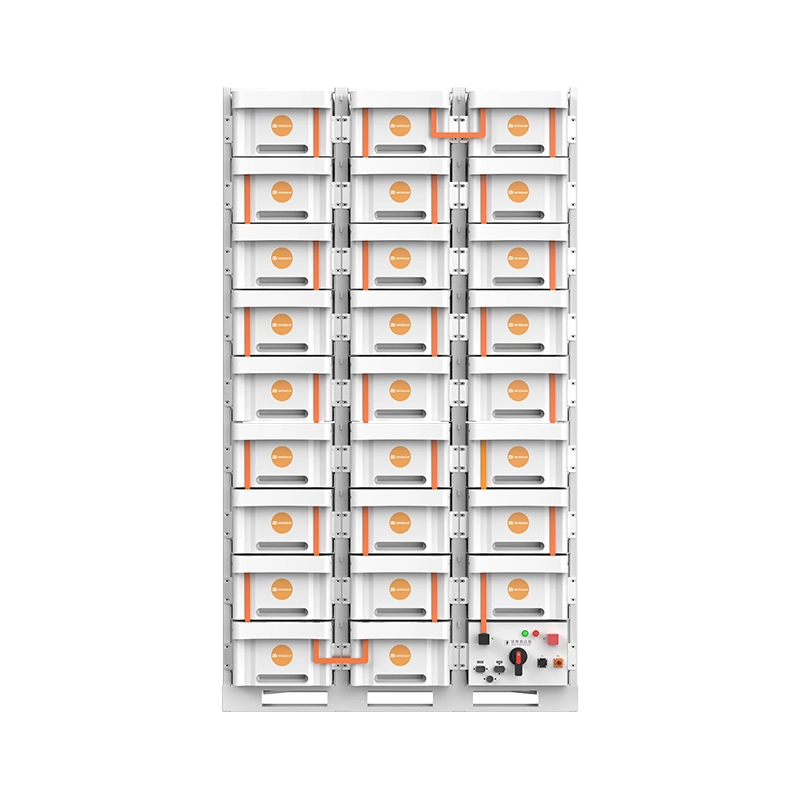
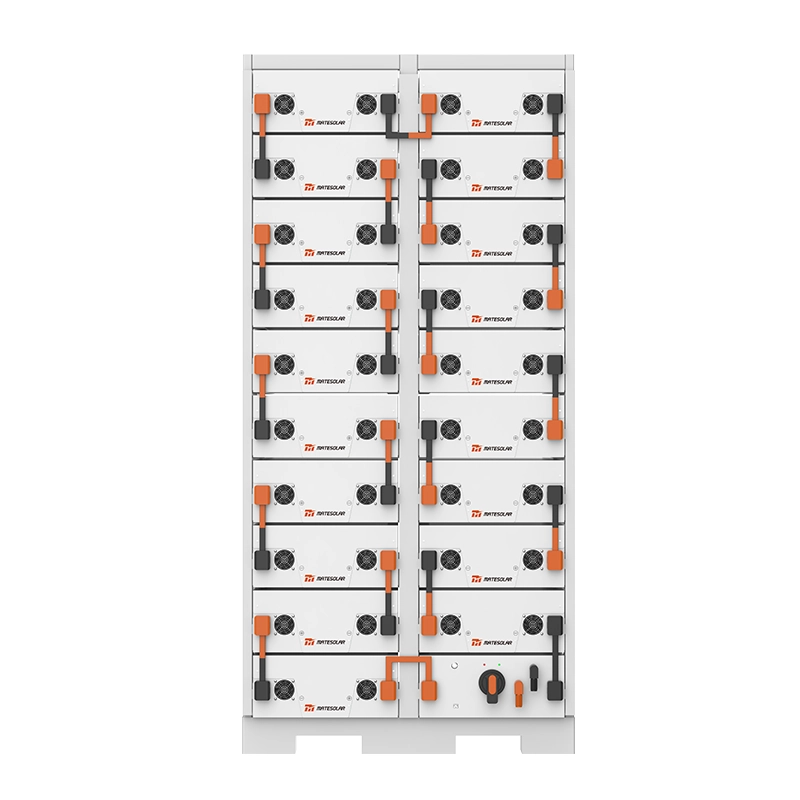
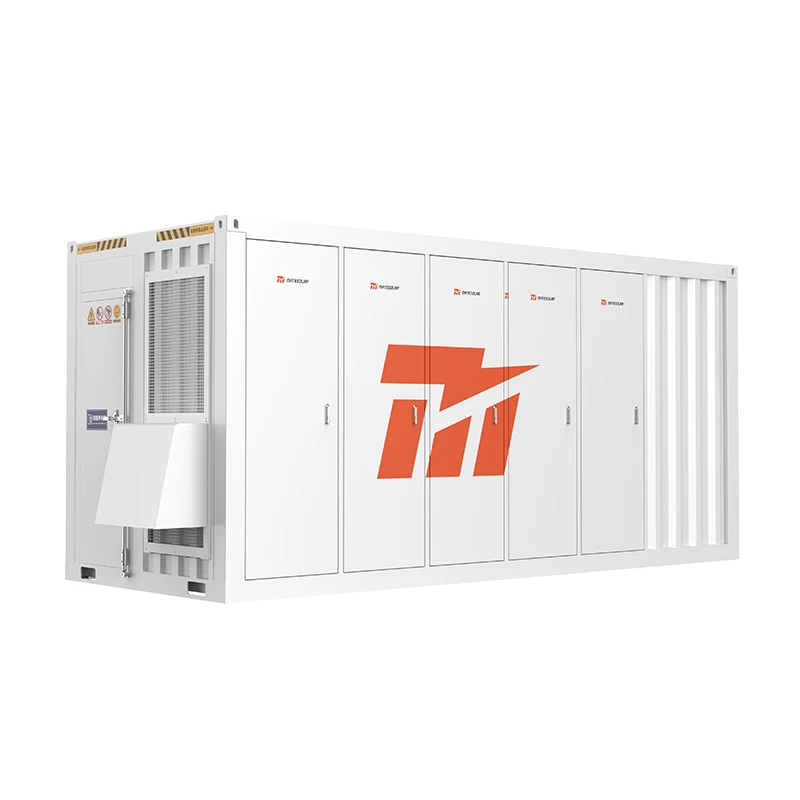
2. El depósito de energía: ESS de contenedor refrigerado por aire de 20 pies (500 kWh - 1 MWh)
Es el caballo de batalla para el consumidor industrial de tamaño medio. Utiliza fosfato de hierro y litio (LFP) de eficacia probada, el estándar de oro en seguridad y vida útil.
- Característica clave: La refrigeración inteligente por aire mantiene la uniformidad de la temperatura de la célula, fundamental para la longevidad en climas tropicales.
- Perfecto para: Almacenes frigoríficos, fábricas medianas y complejos hoteleros que buscan reducir los picos de demanda y proporcionar respaldo durante la noche. Su naturaleza modular le permite empezar con 500 kWh y escalar a 1 MWh a medida que aumentan su confianza y su carga.
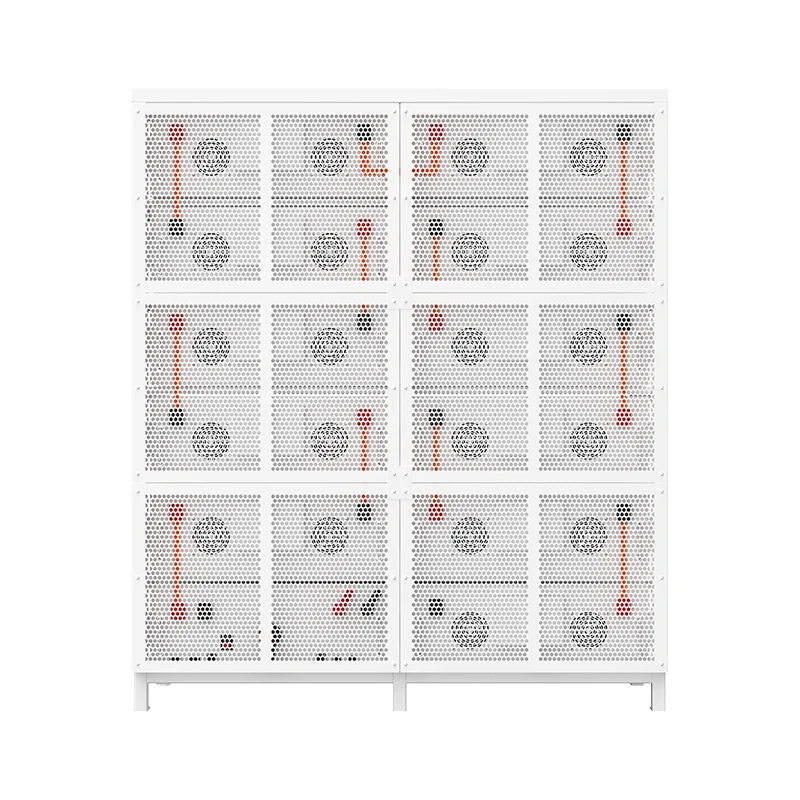
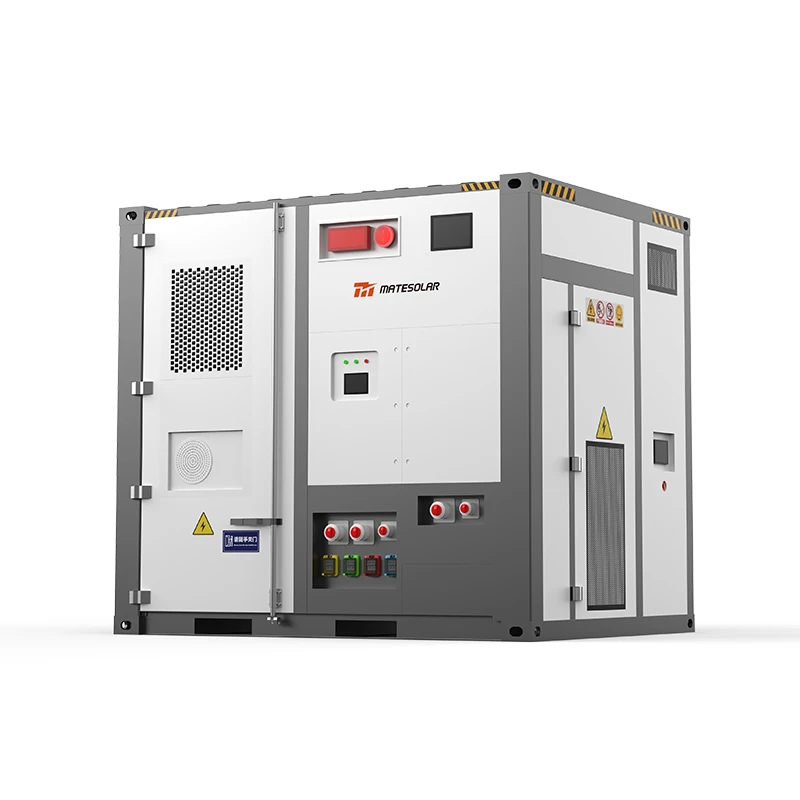
3. El Peso Pesado: Contenedor de Refrigeración Líquida ESS de 20 pies y 3MWh - 5MWh
Para un parque industrial a gran escala, una explotación minera o un gran centro logístico, el espacio es oro, y la densidad de potencia, el rey.
- Característica clave: La refrigeración líquida permite un empaquetamiento mucho más ajustado de las células, consiguiendo el doble de densidad energética que los sistemas refrigerados por aire en el mismo espacio de 6 metros.
- Por qué es importante: Como los costes del suelo cerca de las zonas industriales de Santo Domingo y Santiago se disparan, poder desplegar 5 MWh de almacenamiento en un solo contenedor cambia las reglas del juego. Simplifica la instalación, reduce el cableado y proporciona el respaldo masivo necesario para las operaciones continuas 24/7.
Parte 5: Preguntas frecuentes (FAQ) - El contexto dominicano
Para desmitificar aún más la transición, abordamos las preguntas específicas que nos plantean los clientes industriales de Santiago y Santo Domingo.
P: ¿Es la infraestructura de red de mi polígono industrial lo bastante sólida para soportar un BESS?
R: En general, sí. Los sistemas BESS están diseñados para ser compatibles con la red. De hecho, ayudan a la red local proporcionando potencia reactiva y control de tensión. Siempre realizamos una auditoría preliminar del emplazamiento para evaluar la capacidad del transformador y la red de distribución interna. La mayoría de los parques construidos en los últimos 15 años tienen la capacidad necesaria, sobre todo si se combina con energía solar para reducir la exportación.
P: ¿Cómo se gestiona el intenso calor y la humedad? ¿Degrada las pilas?
R: Esta es una consideración crítica. Los contenedores estándar no diseñados para el Caribe fallarán. Nuestro Sistema de almacenamiento de energía en contenedores de refrigeración líquida de 20 pies 3MWh-5MWh está diseñado específicamente para ello. La refrigeración líquida mantiene una temperatura interna estable, lo que evita el desbordamiento térmico y ralentiza significativamente la tasa de degradación natural de las células LFP. Una gestión térmica adecuada garantiza una vida útil de entre 6.000 y 8.000 ciclos.
P: Nuestro sistema solar actual a veces se ve interrumpido por el distribuidor. ¿Podrá evitarlo una batería?
A: Absolutamente. Este es uno de los valores ocultos del almacenamiento. En lugar de que tu inversor se apague cuando la red está saturada, ese exceso de energía puede desviarse para cargar el BESS. Dejas de perder energía gratuita. Luego utilizas esa energía almacenada más tarde por la noche. De este modo, se desvincula la generación de la demanda de la red en tiempo real.
P: ¿Qué pasa si se corta la red durante 24 horas? Puede durar tanto un sistema de 1 MWh?
R: Depende de la carga. El objetivo de un BESS en modo isla no es necesariamente hacer funcionar toda la fábrica a pleno rendimiento, sino hacer funcionar las cargas críticas. Aislando los circuitos esenciales (cámaras frigoríficas, sistemas de control, seguridad, iluminación, una línea de producción), se puede estirar ese 1MWh durante muchas horas, o incluso días. El sistema está diseñado para ser "escalable", lo que significa que si el funcionamiento a pleno rendimiento las 24 horas del día, los 7 días de la semana, es crítico, se pueden poner varios contenedores en paralelo.
Conclusión: La Ventana de la Ventaja Competitiva es Ahora
La República Dominicana ya no espera una transición energética, sino que la está diseñando a una velocidad vertiginosa. Para el sector industrial, las señales reguladoras de la SIE y las señales financieras de la licitación masiva de 1,2 GWh de ETED son claras. La era del acceso barato y sin restricciones de la energía solar a la red está llegando a su fin, sustituida por un nuevo paradigma de energía limpia gestionada, firme y despachable.
Los usuarios industriales que duden corren el riesgo de quedarse con activos solares bloqueados por la red y facturas de gasóleo desorbitadas. Aquellos que actúen ahora, desplegando sistemas híbridos que ofrezcan reducción de picos, funcionamiento en isla sin interrupciones y sustitución real del diésel, se asegurarán unos costes de electricidad bajos durante la próxima década, se aislarán de la inestabilidad de la red y mejorarán significativamente sus credenciales ESG.
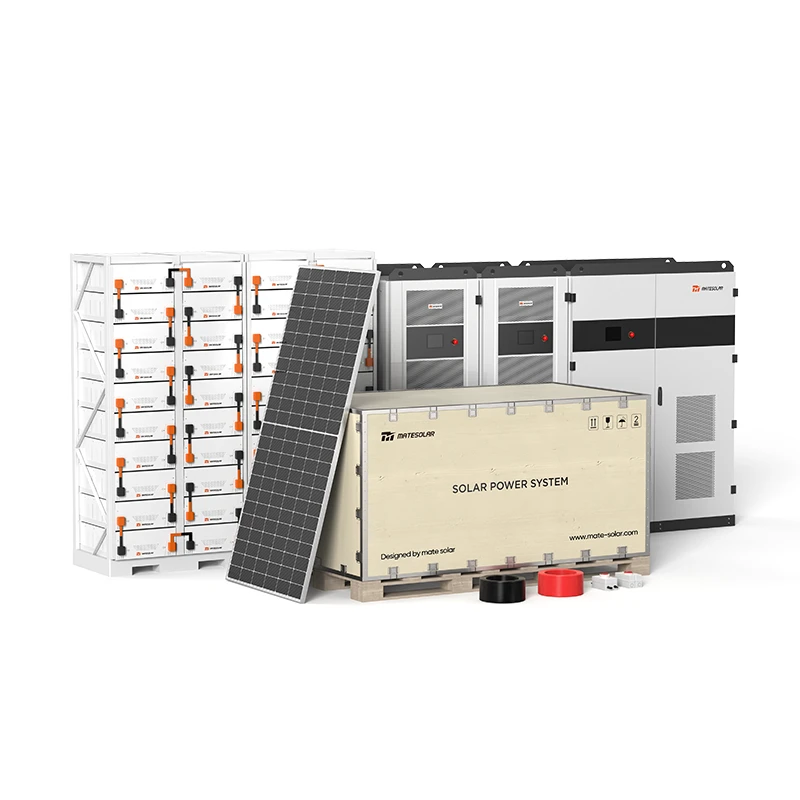
Como proveedor integral de soluciones fotovoltaicas y de almacenamiento de energía, MateSolar está a la vanguardia de esta transformación. No nos limitamos a vender hardware; ofrecemos los conocimientos técnicos, la modelización financiera y la implantación llave en mano necesarios para navegar por este nuevo panorama. Tanto si necesita la flexibilidad de nuestros Sistema solar híbrido comercial de 500 kW, la robusta capacidad de nuestro Contenedor refrigerado por aire de 20 pies ESS, o la potencia de alta densidad de nuestro Contenedor de refrigeración líquida de 20 pies ESS, Tenemos la solución probada para convertir su gasto energético en un activo estratégico.
Las reglas han cambiado. Ahora es el momento de almacenar.
Póngase en contacto con MateSolar hoy mismo para obtener un análisis de inversión específico adaptado a su perfil de carga industrial en la República Dominicana.
*Palabras clave: República Dominicana BESS, Almacenamiento Energético Industrial, Ahorro de Picos, Modo Isla, Sistema Híbrido Solar, ETED 600MW, Normativa SIE, Sistema Solar Comercial 500kW, Contenedor Refrigerado por Aire 1MWh, Refrigeración Líquida 5MWh, Arbitraje Energético, Sustitución Diesel, Respaldo Fábrica Santo Domingo*.