










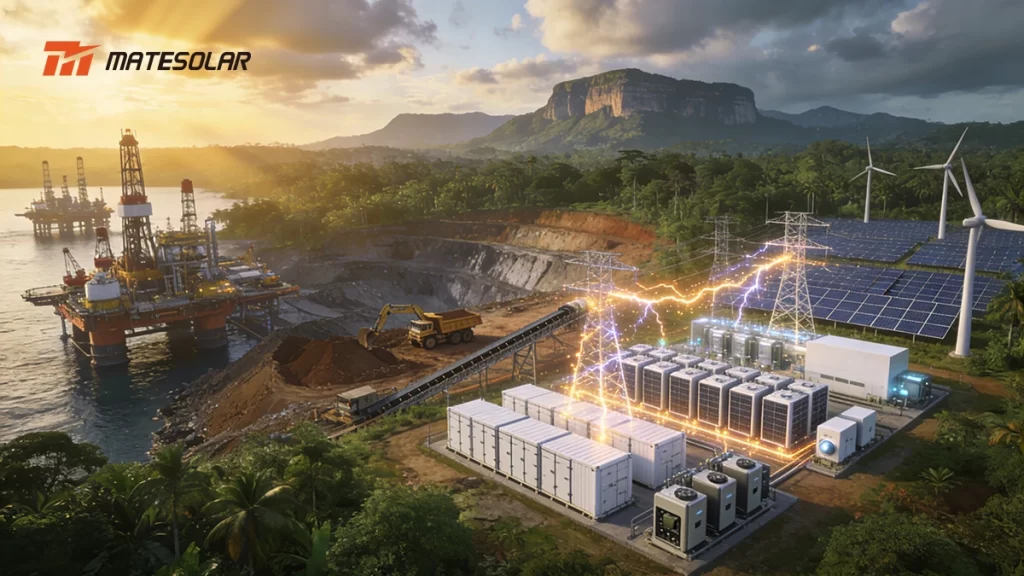
The economic landscape of Guyana in 2026 is defined by acceleration. With the economy projected to grow by a staggering 16.2% , driven by a 17.9% expansion in the oil and gas sector and a 5.4% to 19.3% surge in mining activities, the demand for electrical power has never been more urgent. The streets of Georgetown and the staging grounds in the interior are buzzing with activity, yet beneath this vibrant growth lies a critical bottleneck that threatens to stall industrial progress: the electricity supply.
For months, the government has signaled its most aggressive push yet to stabilize the national grid. The newly consolidated Ministry of Public Utilities and Aviation is channeling approximately $69 billion into grid upgrades, transmission expansion, and the landmark Gas-to-Energy (GtE) project . However, for the Mining Operators, Oil Service Providers, and Large Industrial Manufacturers on the front lines, this long-term vision presents a short-term paradox.
While the government bets big on a 2026 grid transformation and the eventual 300 MW GtE plant, industrial operators are facing a harsh reality today . The Guyana Power and Light (GPL) grid remains plagued by voltage instability and outages . Simultaneously, the global market for traditional generation assets—gas turbines and heavy fuel oil engines—is stretched thin, with delivery lead times stretching out to an untenable 3 to 4 years.
How does a mining operation expanding its excavation fleet, or an oil service company setting up a new shore base, bridge the gap between today’s unreliable power and a permanent grid solution that is years away?
This comprehensive guide, published by MateSolar, dissects the specific power generation pain points of Guyana’s industrial sector in 2026. We move beyond generic theory to provide a technical roadmap for how Industrial Battery Energy Storage Systems (BESS) , deployed as "Energy as a Service" (EaaS) bridge solutions, are not just an alternative but the most viable path to maintain operational continuity and profitability during this critical transition period.
Part 1: The Great Squeeze — Why 2026 is the Year of the "Power Bridge"
To understand the current crisis, one must look at the timelines colliding in the Guyanese economy.
The Demand Shock
According to the 2026 budget insights, the non-oil economy is growing at 10.8%. This isn't just about more lights in Georgetown; it’s about industrial load. The bauxite sector is targeting 4.8 million tonnes, gold declarations are rising, and manufacturing is projected to grow by 12.9%. Every new crusher, every new conveyor belt, and every new workshop represents a massive increase in inductive load that the aging grid struggles to absorb.
The Supply Stagnation
The traditional industrial response to grid unreliability has been "captive generation"—buying diesel generators or gas turbines. In 2026, this is no longer a quick fix.
- The 3-4 Year Gap: Global supply chains for heavy rotating machinery are constrained. If an operator orders a turbine today, the expected commissioning window is 2029 or 2030. Your production quotas, however, are for 2026 and 2027.
- The GPL Reality: Despite the historic $69B injection, grid stabilization is a multi-year endeavor. The installation of Battery Energy Storage Systems (BESS) at substations like Sophia and Goedverwagting is a sign that even GPL recognizes storage as critical for stability, but these utility-scale projects are just the tip of the iceberg.
This creates a "Power Gap"—a period where industrial demand has already arrived, but the permanent grid and permanent generation solutions have not.
Table 1: The 2026 Industrial Power Gap Analysis
| Faktor | Current Status (Q1 2026) | Permanent Solution Timeline | The Gap Challenge |
| Grid Stability | High losses, voltage fluctuations | Post-GtE commissioning (Late 2026/Early 2027) | 12-18 months of brownouts |
| New Turbine Supply | 36-48 month global lead time | 2029-2030 | 3-4 years of unmet demand |
| Mining Ops Load | Expanding 5-10% YoY | Dependent on new generation | Immediate need for power |
| Oil Service Base Load | Critical 24/7 uptime required | Grid reinforcement ongoing | Need for instant response |
Part 2: The Three Industrial Pain Points and the BESS Solution
In discussions with operators in the interior and along the coast, three specific, technical pain points emerge repeatedly. These are not theoretical concerns; they are the daily obstacles to productivity.
Pain Point 1: The "Bridge" Viability — We Cannot Wait for Turbines
The Client Question: *"Global turbines are 3-4 years out. Our production can't wait. Can your BESS act as a 'bridge' to keep us running until the permanent plant is built?"*
The Technical Insight:
This is the most immediate concern. The industry needs a "Production Bridge." The concept of "Energy as a Service" (EaaS) is gaining traction here precisely because it circumvents the CapEx bottleneck and long lead times of physical generators.
A modern Industrial BESS is not just a backup battery; it is a grid-forming asset. When deployed as a bridge, it functions as the primary spinning reserve. Here’s how a high-performance BESS solves the "bridge" problem:
- Instantaneous Spinning Reserve: Unlike a diesel generator that needs seconds to start and synchronize, a BESS responds in milliseconds. If your primary feeder from GPL drops, the BESS picks up 100% of the site load instantly, ensuring continuous operation of sensitive electronics and motors.
- Peak Shaving on Steroids: During the bridge period, you will likely rely on temporary rental gensets. A BESS optimizes these gensets by running them at their most efficient load (70-80%) and using stored energy to cover peak demand spikes. This reduces diesel consumption by 15-25% immediately.
- Scalable Deployment: The answer to the 3-4 year wait is modular deployment in weeks. Containerized solutions can be shipped, installed, and commissioned in a fraction of the time it takes to build a permanent power house.
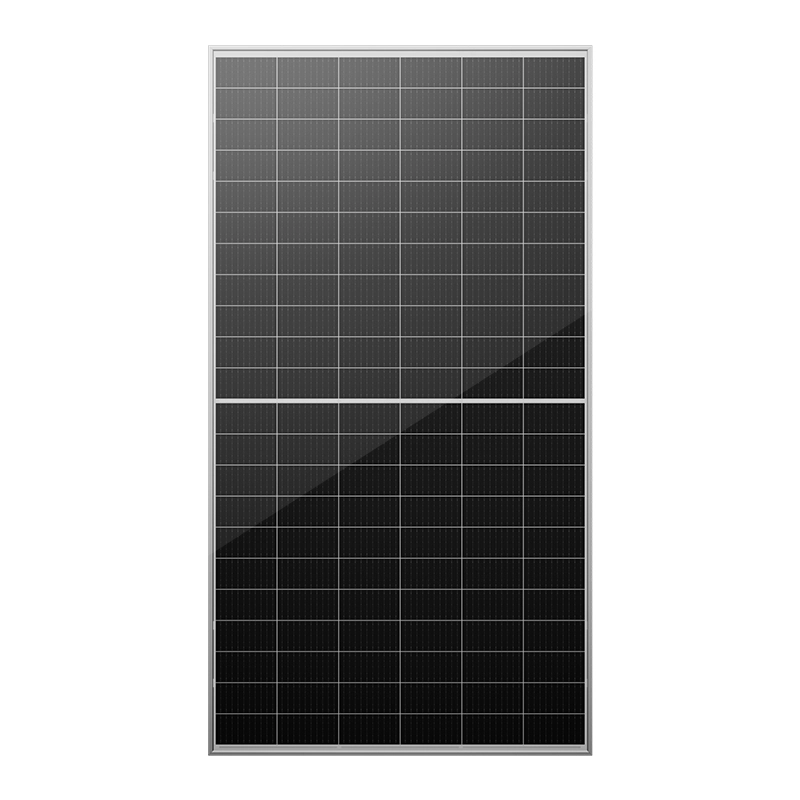
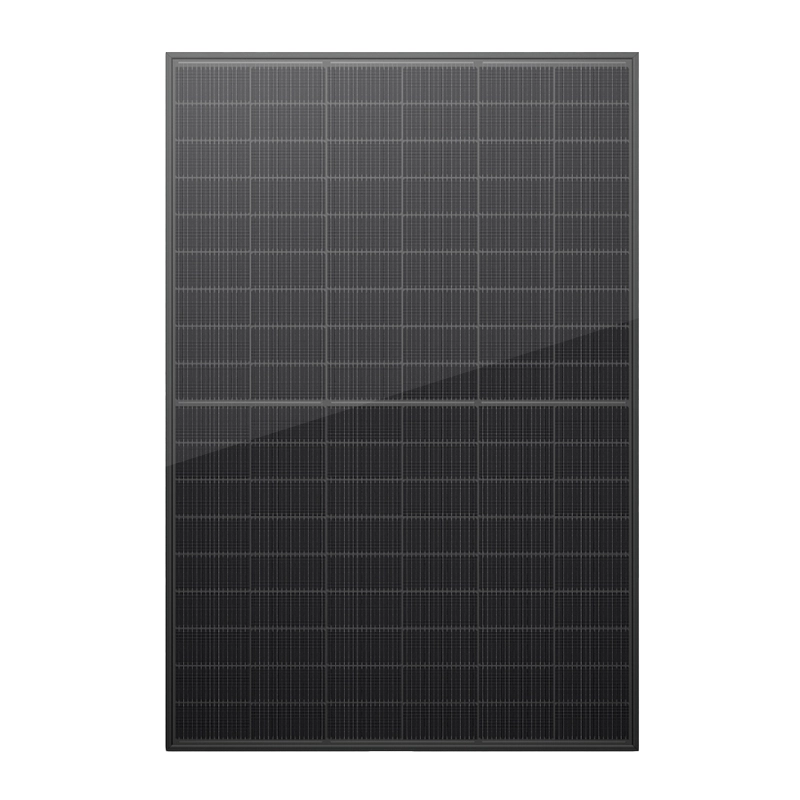
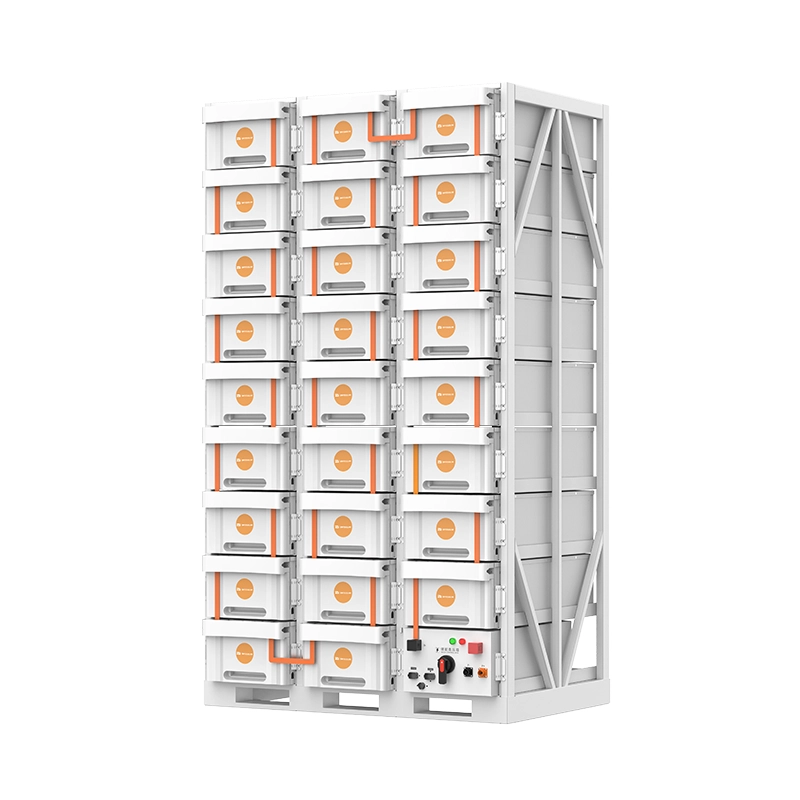
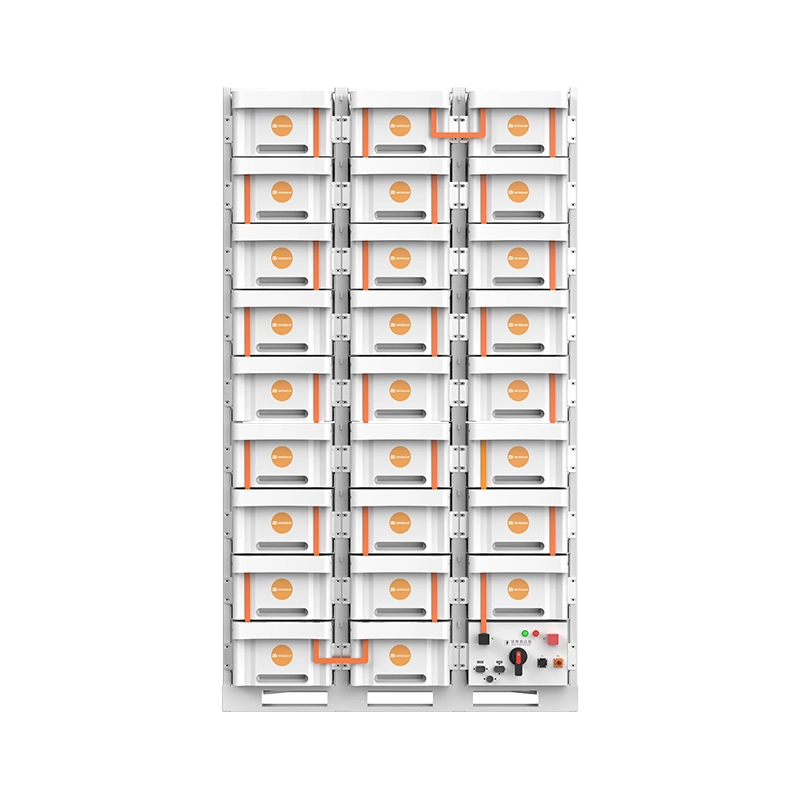
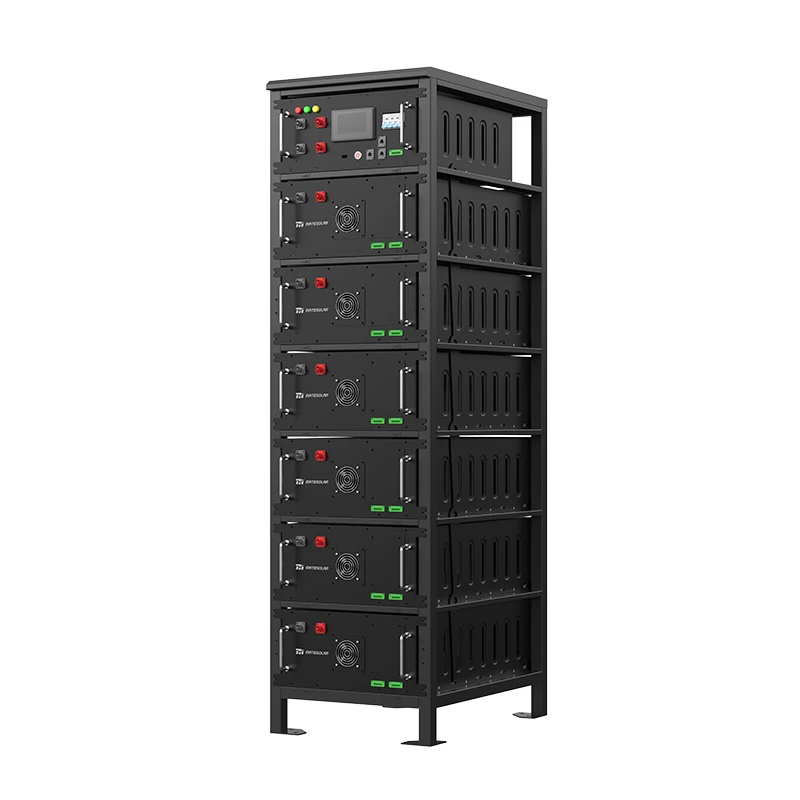
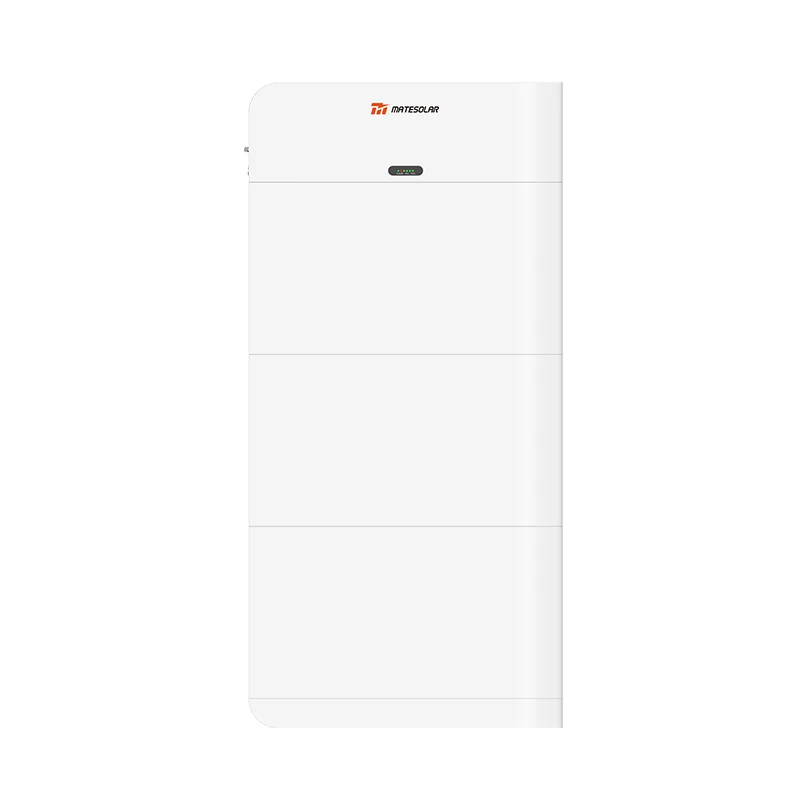
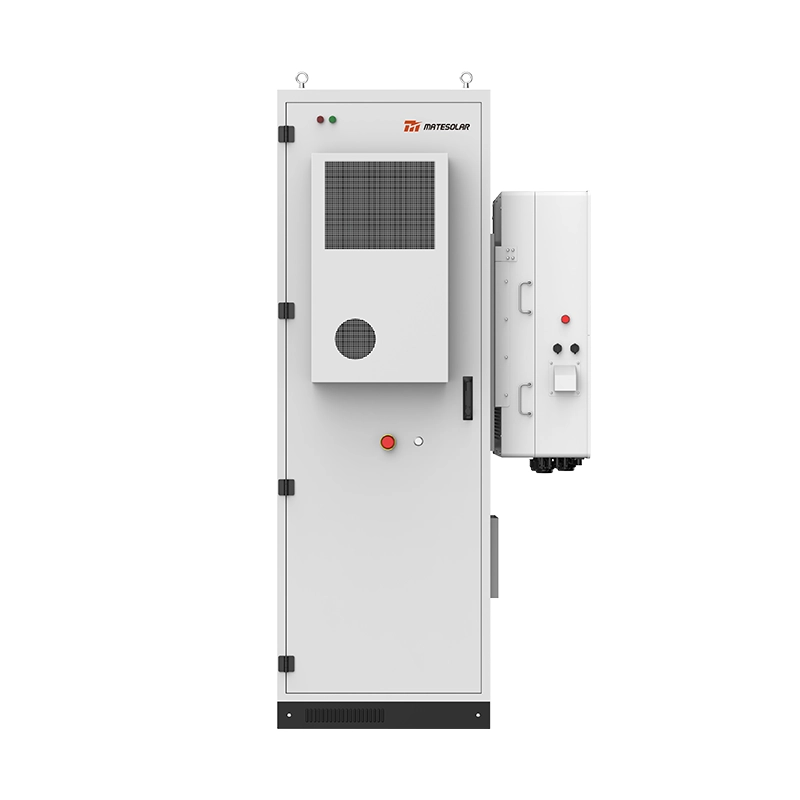
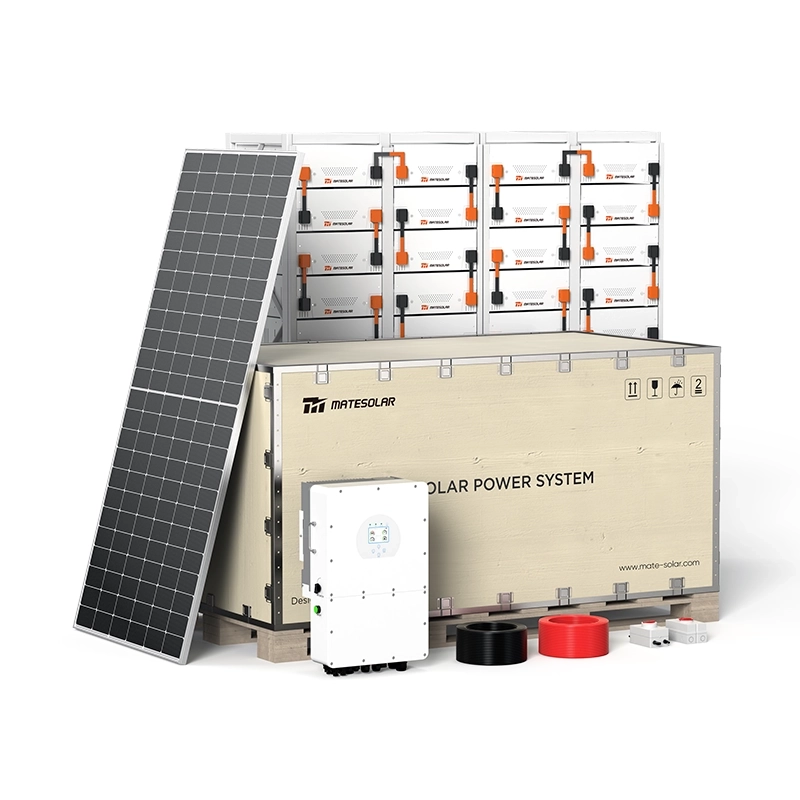
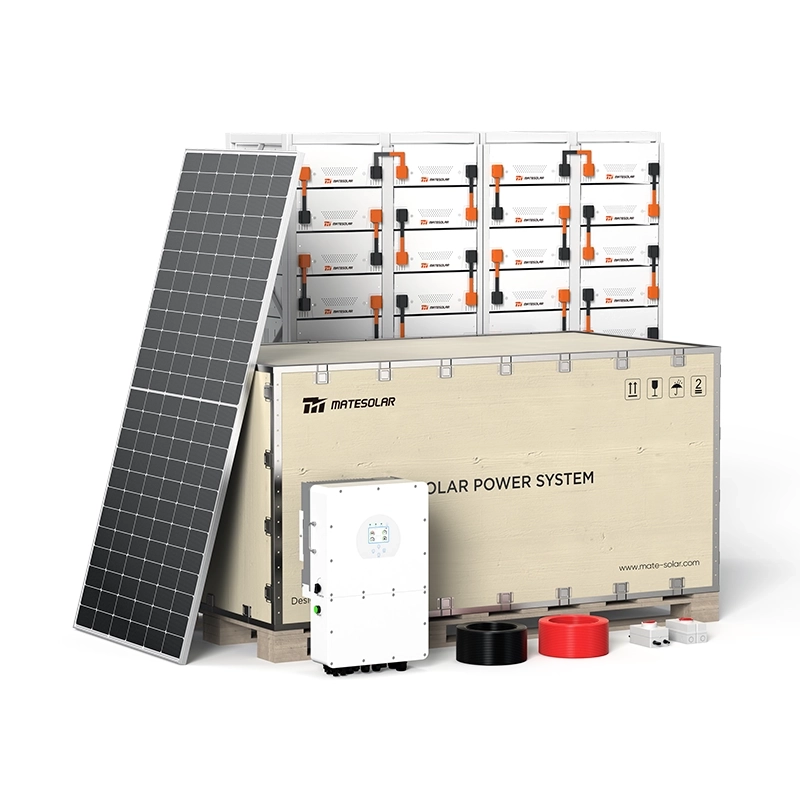
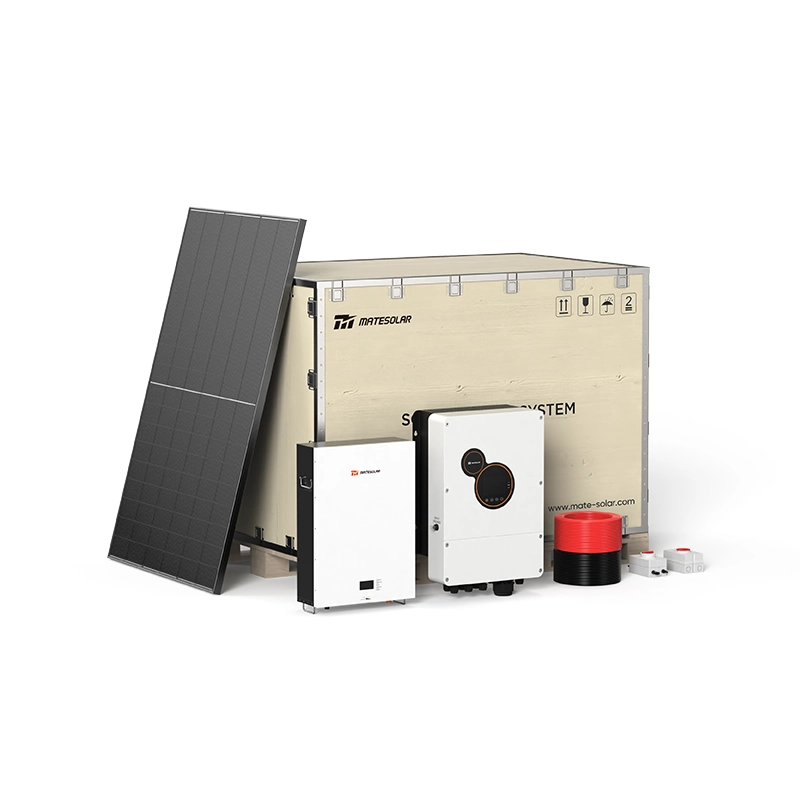
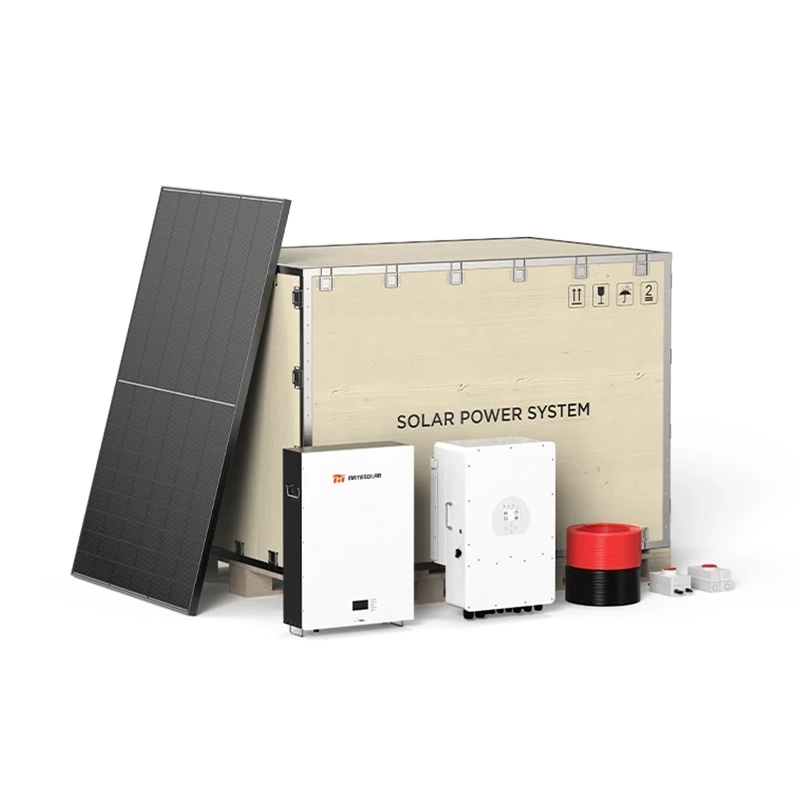
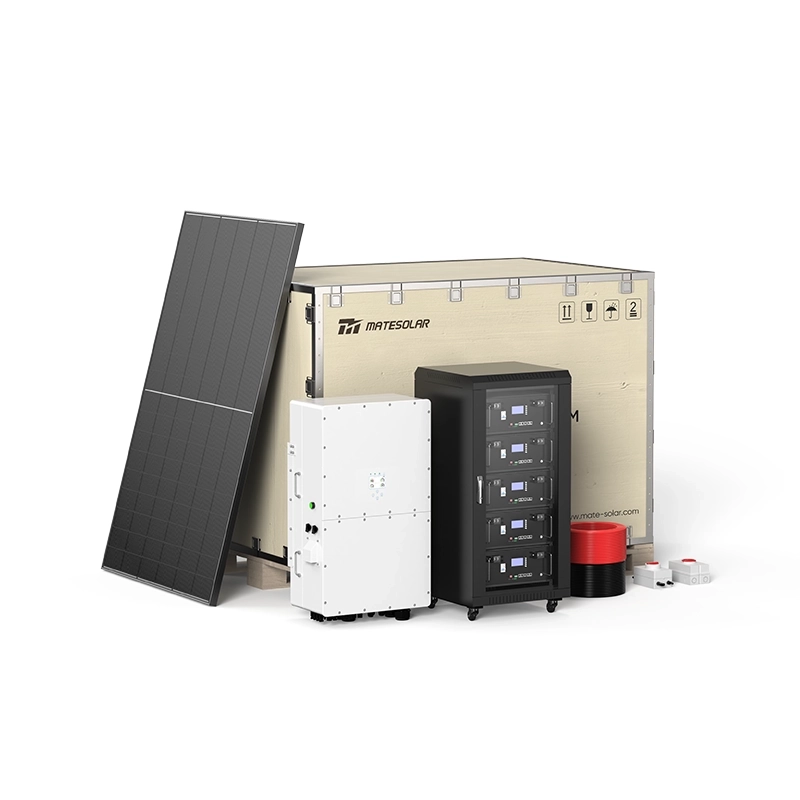
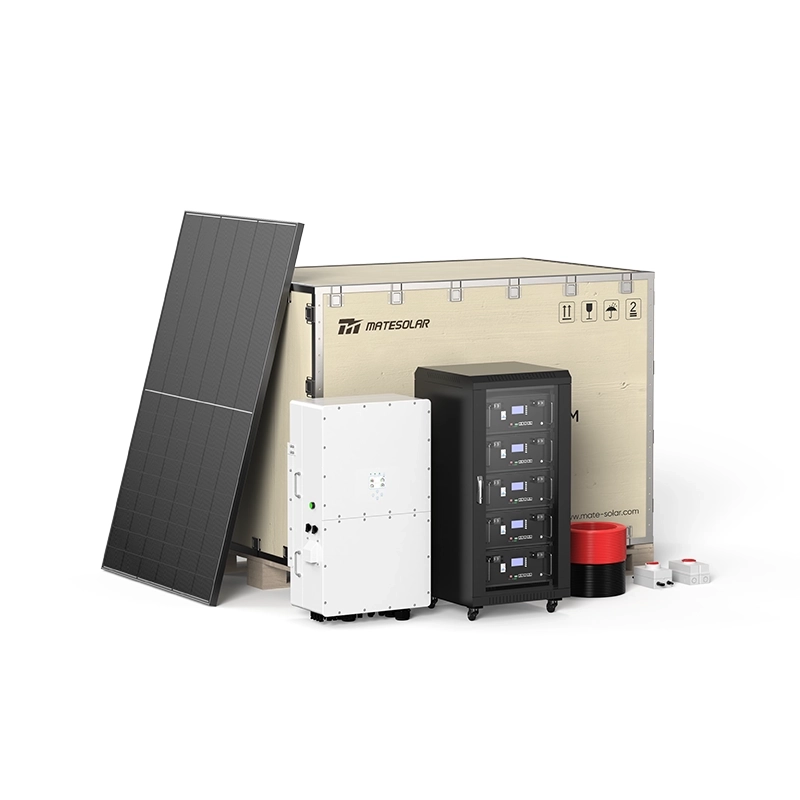
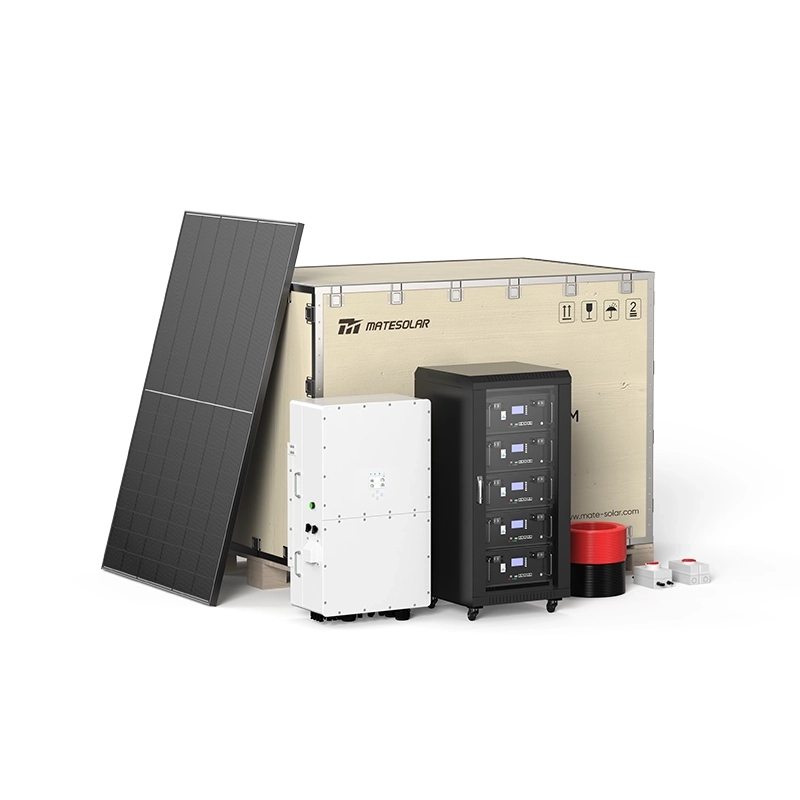
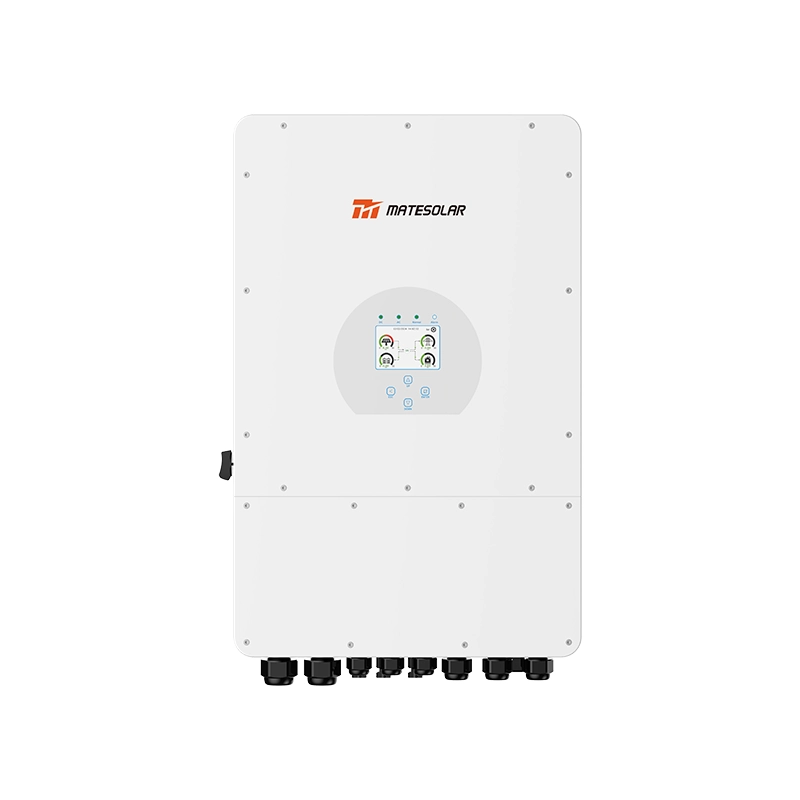
For operations needing immediate reinforcement, exploring scalable storage is the first step. The Commercial 150kW Hybrid Solar System is designed for smaller industrial service bases and workshops looking to hybridize their existing diesel supply immediately, reducing fuel burn while waiting for main grid upgrades.
Pain Point 2: Multi-Source Chaos — The EMS Control Problem
The Client Question: "We have old diesel gensets, we just installed some PV, and now you want to add a BESS. Can your brain actually control all this chaos without tripping the system when the grid flickers?"
The Technical Insight:
You are describing a classic Hybrid Microgrid control problem. In the oil and gas sector, particularly at facilities in Regions 3 and 4, the power mix is becoming dangerously heterogeneous. Throwing Lithium-Iron-Phosphate (LFP) batteries into a mix of aging diesel prime movers and intermittent solar PV without a sophisticated Energy Management System (EMS) is a recipe for frequency trips and blackouts.
The solution lies in the Hierarchical Control Logic of the EMS. Based on recent studies in intelligent energy management for microgrids, a modern EMS utilizes predictive algorithms to manage state-of-health (SOH) and state-of-charge (SOC) across all assets.
- Grid-Tied Stability: When the weak GPL grid is present, the EMS uses the BESS to perform grid following, smoothing out the frequency and voltage sags that are characteristic of the current infrastructure
- Island Mode Mastery: If the grid fails, the EMS seamlessly transitions to grid forming mode. The BESS instantly becomes the voltage and frequency reference for the entire site. It commands the diesel gensets to start or stop based on load and battery capacity, ensuring the solar inverters don't trip off due to over-frequency.
- AI-Driven Prediction: Advanced EMS platforms now use Artificial Neural Networks (ANNs) to predict load spikes and solar generation dips. By forecasting a 6-hour window, the system prevents the BESS from being over-discharged during critical peak times, extending the battery's SOH by up to 45% compared to conventional systems.
This level of control is essential for sites with complex loads. A robust EMS ensures that the addition of new assets doesn't destabilize the existing ones.
Pain Point 3: The Unknown Expansion — Modularity is Non-Negotiable
The Client Question: "We don't know exactly how much power we'll need next year. If we invest in storage now, will we have to throw it away when we expand, or can we just plug in more?"
The Technical Insight:
In an economy growing at 16%, guessing your 2027 power demand is impossible. The capital equipment strategy must therefore be "Plug-and-Expand." This is where the architecture of the BESS matters more than the initial kWh capacity.
The shift from monolithic storage banks to Modular Multi-Port Converter (MMPC) based systems is the answer. Recent advances in power electronics demonstrate that modular converters not only lower the voltage stress on individual battery packs but also allow for unprecedented scalability.
- AC-Coupled Modularity: The most flexible approach for industrial sites is an AC-coupled system. Here, multiple battery containers are connected in parallel on the AC side of the inverter. Need to double your capacity next year? You simply order a second 20ft container, roll it next to the first, and connect it to the AC busbar. The EMS recognizes the additional capacity instantly.
- DC-Coupled Efficiency: For new builds where solar is the primary source, DC-coupled architectures offer slightly higher efficiency (up to 97.02%) but require more careful initial planning for voltage ranges.
- Standardized Footprint: Standardization is key to rapid expansion. The industry is converging on the 20ft container form factor as the "building block" of industrial power.
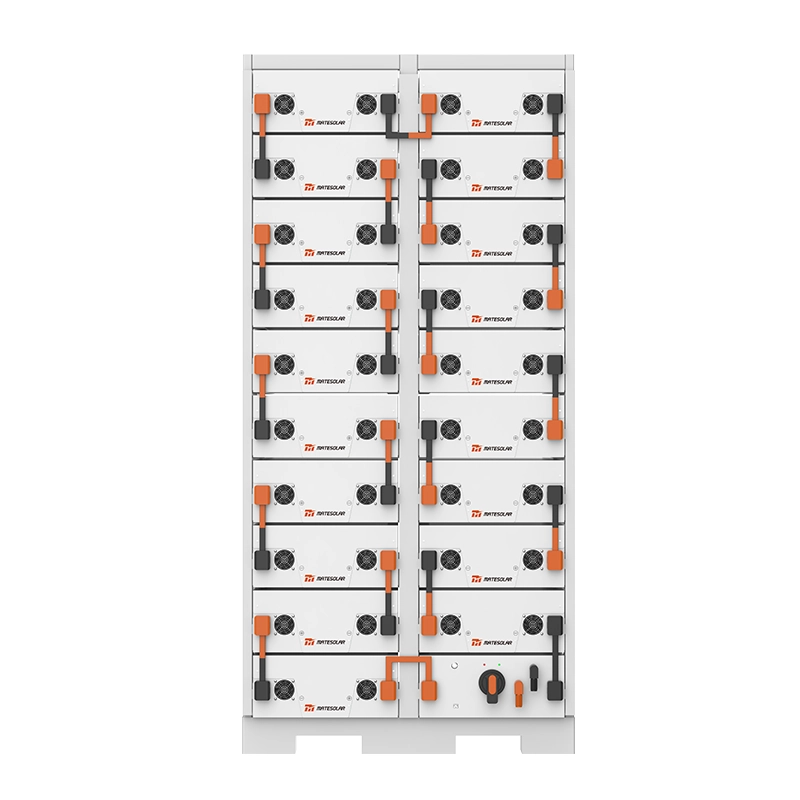
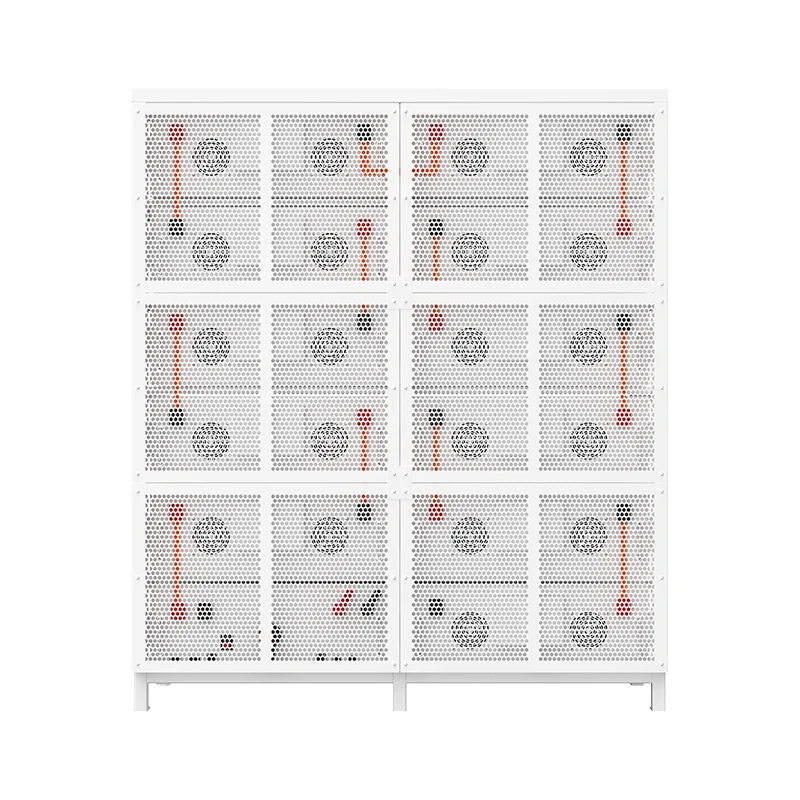
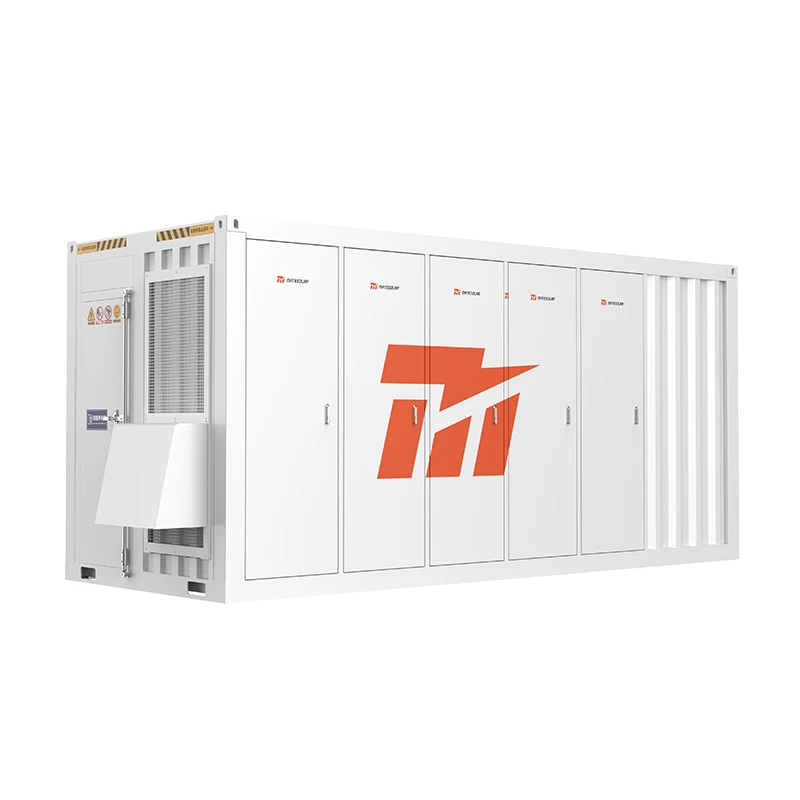
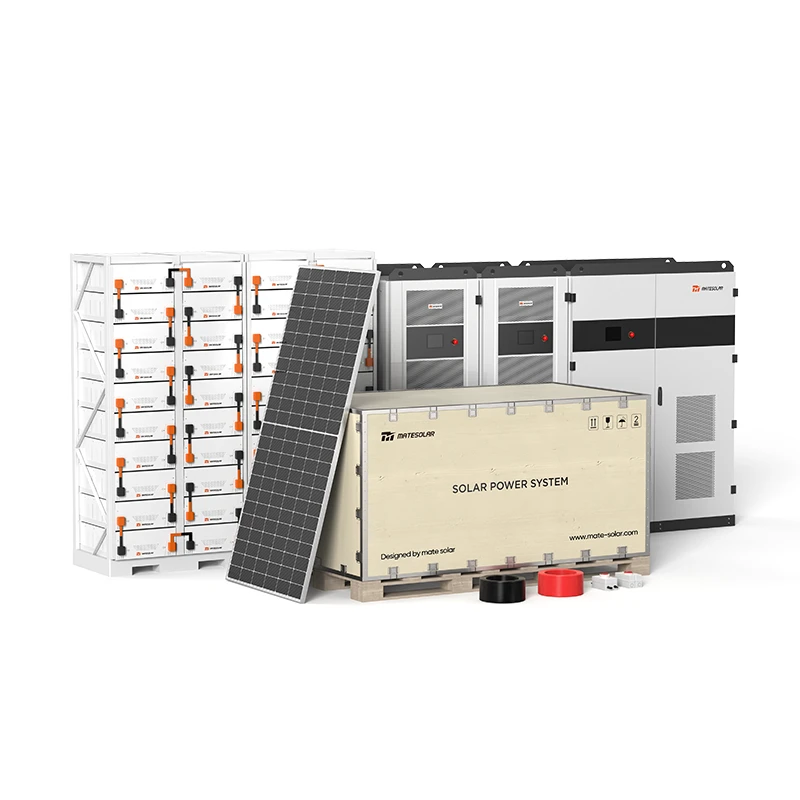
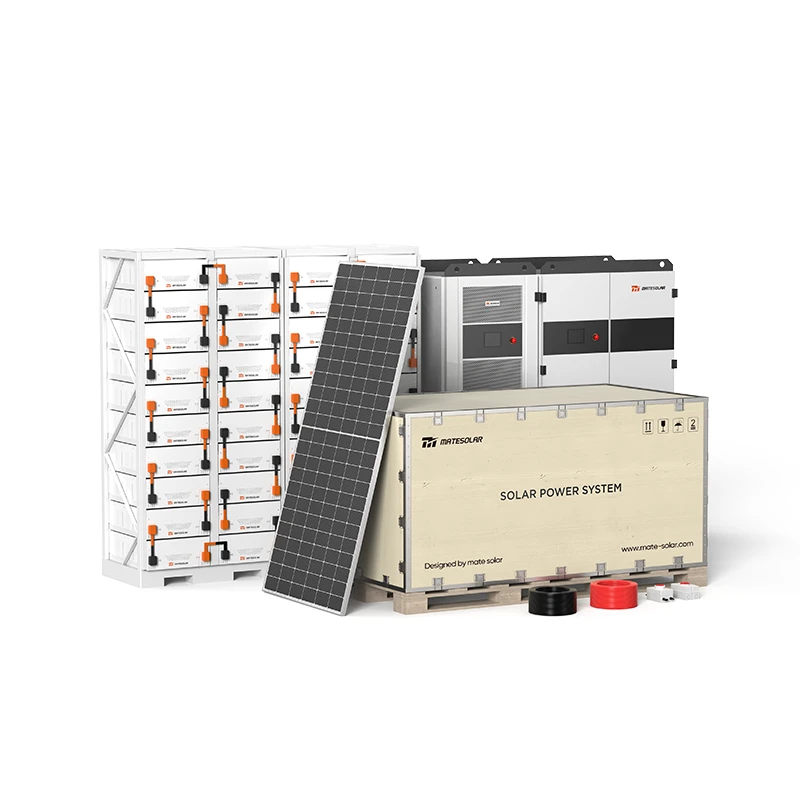
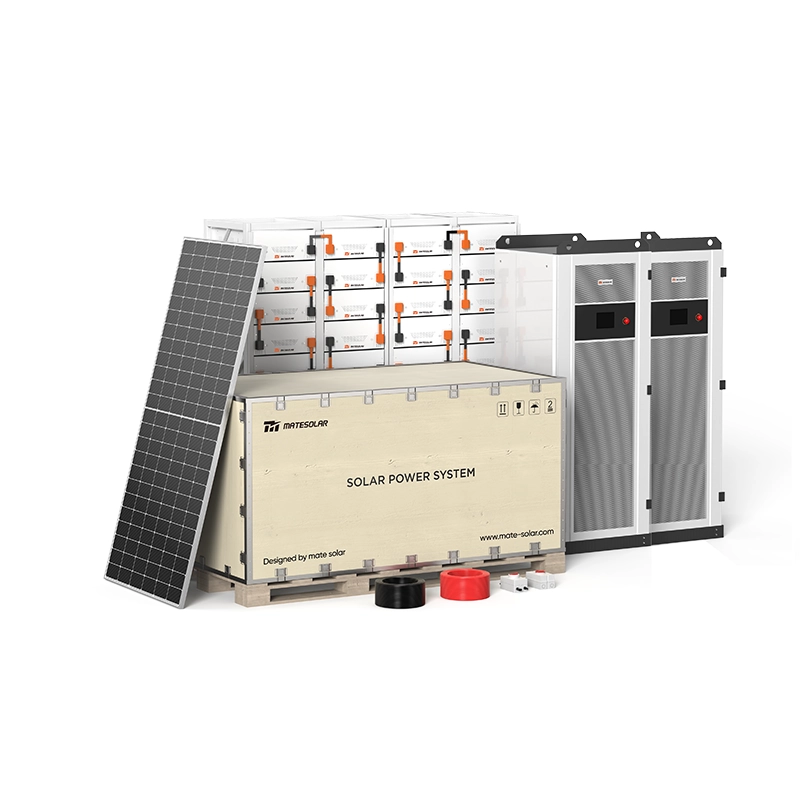
For a mining camp or a medium-sized service company looking for a reliable, easily deployable first step, the 20ft Air-Cooled Container ESS (500kWh - 1MWh) offers the perfect entry point. It provides substantial backup and peak-shaving capacity in a standardized footprint that can be operational in weeks.
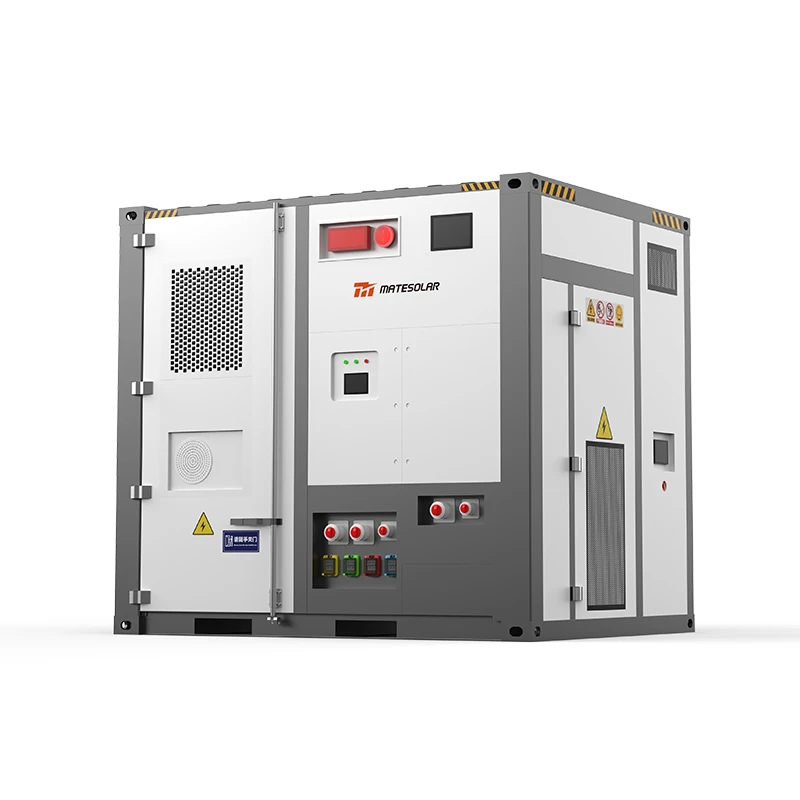
For larger operations—such as a new oil support base or an expansion at a bauxite processing facility—the future-proof choice is high-density liquid cooling. The 20ft 3MWh - 5MWh Liquid Cooling Container Energy Storage System packs maximum power into the same footprint, allowing for massive energy capacity without requiring additional real estate, and the liquid thermal management ensures the batteries survive the tropical climate for 10+ years.
Table 2: Industrial BESS Technology Comparison for Guyanese Conditions
| Merkmal | Air-Cooled ESS (500kWh-1MWh) | Liquid-Cooled ESS (3MWh-5MWh) |
| Ideale Anwendung | Mid-size industrial, mining camps, service cos | Large-scale mining, oil & gas processing, grid support |
| Die Energiedichte | Low-Medium | High (2-3x more in same 20ft space) |
| Thermisches Management | Forced Air (Simpler maintenance) | Liquid (Superior for high ambient temps >35°C) |
| Skalierbarkeit | Modular via AC Parallel | Modular via AC Parallel (High density) |
| Hauptvorteil | Lower upfront cost, ease of maintenance | Lowest LCOE per kWh, smallest footprint |
| Deployment Time | 4-8 weeks | 6-10 weeks |
Part 3: Technical Deep Dive — Why "Energy as a Service" (EaaS) is the 2026 Bridge Model
The concept of simply buying a battery is being replaced by the need for a service-level agreement. Given the uncertainty of the GPL timeline and the volatility of diesel prices, industrial CFOs are increasingly wary of large CapEx outlays for equipment that might be underutilized once the GtE plant comes fully online in late 2026 or 2027.
The EaaS Model Explained:
Energy as a Service flips the script. Instead of purchasing the BESS asset, the industrial client pays for the performance—for reliable kilowatt-hours, frequency regulation, or demand charge reduction. MateSolar, as a solution provider, owns, operates, and maintains the asset on-site.
Why EaaS Matters Now:
1. Preservation of Capital: In a high-growth environment, cash is needed for core business expansion (drills, crushers, transport), not power plant infrastructure.
2. Performance Guarantees: The EaaS contract guarantees uptime. If the BESS fails to pick up the load during a GPL outage, the provider faces financial penalties. This aligns the provider's incentives perfectly with the client's need for production continuity.
3. Technology Obsolescence Protection: As battery technology improves and densities increase, the client is not stuck with obsolete 2026 hardware. The service provider manages the technology roadmap, upgrading cells or inverters as part of the service lifecycle.
Part 4: The Gas-to-Energy Context — Preparing for 2027 Stability
The Gas-to-Energy project is the elephant in the room. By late 2026, Phase 1 is expected to deliver 50 million cubic feet of gas per day to shore, fueling a 300 MW plant. This will eventually lower energy costs by an estimated 50%.
However, the arrival of this cheap power presents its own set of technical challenges for industrial users. The grid of 2027 will be different—it will be stronger, but transitioning from today's weak grid to a gas-fired baseload grid will involve switching operations, phase balancing, and potential transient events.
An industrial BESS installed today is not a "stop-gap" that becomes useless tomorrow. It is the enabling technology for the future grid.
- Smoothing the Transition: When the GtE plant switches on or off, or when transmission lines are reconfigured (like the new 230 kV lines across the Berbice River), the grid will experience transients. A BESS with fast frequency response will act as a shock absorber for your facility, protecting motors and drives from these transients.
- Power Factor Correction: Cheap gas power still needs to be delivered efficiently. Many industrial sites struggle with poor power factor, leading to GPL penalties. A BESS with a smart inverter can provide reactive power support 24/7, correcting the power factor at the point of common coupling without needing additional capacitor banks.
Table 3: The Cost-Benefit Analysis of Industrial BESS (March 2026)
| Parameter | Without BESS | With BESS (Bridge Solution) | Auswirkungen |
| Production Downtime (hrs/yr) | 150-300 (GPL outages) | < 1 hour (seamless transition) | +5-10% Productivity Gain |
| Diesel Genset Efficiency | 30-40% (cycling to meet load) | 70-80% (fixed optimal load) | 20-30% Fuel Savings |
| GenSet Maintenance Interval | 250-500 hrs | 1000+ hrs | 50% Reduction in O&M Cost |
| Grid Transition Readiness | High risk of trips during switching | Grid-forming support stabilizes site | Asset Protection, No Production Halts |
Part 5: Frequently Asked Questions (FAQ) — Industrial BESS in Guyana
To further clarify the role of energy storage in Guyana's industrial expansion, here are answers to the most pressing questions from engineers and operations managers.
Q1: With the GtE plant coming online soon, isn't it too late to invest in BESS?
A: Not at all. The GtE plant is scheduled for completion, but the associated transmission and distribution upgrades required to deliver that power reliably to industrial zones in Regions 3, 4, and 6 will be a phased process extending through 2027 . Your BESS serves as the bridge to 2027 and then transitions to a power quality and resilience asset for the grid of the future, protecting your plant from the transients inherent in any major grid expansion.
Q2: How does a BEMS/BMS handle the mix of old diesel generators and new solar PV?
A: The key is the Master Controller (EMS). High-integrity systems utilize droop control and isochronous control modes. In island mode, the BESS acts as the grid-forming master, setting the frequency. The diesel gensets follow the load, running in a "load take-up" mode. The EMS constantly monitors the battery's SOC and solar output, sending start/stop commands to the diesels to ensure they only run when needed and always at optimal efficiency. It’s a hierarchical system where the BESS is the brain and the heartbeat.
Q3: What is the real-world lifespan of an LFP BESS in Guyana's heat?
A: Lithium Iron Phosphate (LFP) chemistry is the industry standard for safety and longevity. In our Liquid Cooling Container ESS, the thermal management system maintains cell temperatures within an optimal 25-35°C range, regardless of whether the external ambient is 38°C. This preserves the cycle life. A properly thermal-managed LFP system in Guyana should achieve 6,000 to 8,000 cycles at 80% depth of discharge, translating to 15-20 years of operational life. Air-cooled systems may have slightly higher cell variance but are perfectly suited for medium-duty applications with simpler maintenance.
Q4: Can I use a BESS to lower my GPL demand charges right now?
A: Absolutely. This is the fastest ROI for industrial users in 2026. GPL tariffs include significant demand charges (kVA) based on your highest 30-minute peak. A BESS can be programmed for peak shaving. It charges during low-load periods (night) and discharges during high-load periods (day), effectively "shaving" the peak seen by the grid and reducing your monthly demand bill by 20-40%.
Q5: What permits are required for installing an industrial BESS in Guyana?
A: As of March 2026, the regulatory framework is evolving alongside the energy sector. Typically, industrial-scale BESS installations require approval from the Guyana Energy Agency (GEA) and must comply with the Guyana Power & Light (GPL) interconnection guidelines, especially for grid-tied systems. As a full-service provider, MateSolar manages the entire permitting and interconnection process, ensuring compliance with local standards and the latest grid codes.
Conclusion: The 2026 Mandate — Act Now to Secure Production
For the industrial sector in Guyana, waiting is not a strategy. The window to secure production continuity is now. The combination of a surging economy and a lagging grid infrastructure has created a unique challenge that traditional capex-heavy generation assets cannot solve due to their 3-4 year lead times.
The solution lies in agile, intelligent, and scalable energy storage. By adopting a BESS-centric bridge strategy, industrial operators can:
1. Maintain current production levels despite GPL instability.
2. Reduce immediate operational costs through diesel optimization and demand charge management.
3. Prepare facilities for the cheap, but potentially volatile, gas-powered grid of 2027.
4. Preserve capital through flexible EaaS models, keeping funds available for core business expansion.
At MateSolar, we understand the urgency and the technical complexities of operating in this environment. We are not just equipment suppliers; we are Guyana's one-stop integrated partners in navigating this energy transition. From the initial site audit and system design using our modular containerized platforms, to financing, installation, and long-term maintenance, our goal is to ensure that your production never misses a beat.
The future of Guyanese industry is bright, but the power to realize that future must be built today—one modular, intelligent megawatt-hour at a time. Contact MateSolar to discuss how our Commercial 150KW Hybrid Solar System, our rugged 20ft Air-Cooled BESS, or our high-density 20ft Liquid-Cooled BESS can be tailored to bridge your specific power gap.
This industrial guide was prepared on March 16, 2026, based on the latest available data from the Government of Guyana, international energy agencies, and internal technical research at MateSolar.