









Published: March 23, 2026 | By MateSolar
A comprehensive analysis of the new security paradigm for Commercial & Industrial (C&I) and Island Community Energy Storage following the 2025-2026 Wakenaam incident. How to specify, finance, and operate outdoor cabinets and containerized ESS in high-humidity, high-temperature environments without compromising on safety or ROI.
Introduction: The Moment the Market Changed
On February 26, 2026, the Guyanese energy sector faced a pivotal moment. While the government and contractor moved swiftly to contain the situation, the confirmation by Minister Deodat Indar regarding the Wakenaam Solar Farm BESS fire—attributed to thermal runaway—sent shockwaves through the investment community . The US$2.3 million project, part of the UAE-Caribbean Renewable Energy Fund, was intended to be a flagship model for island grid stabilization. Instead, it became a cautionary tale.
For stakeholders across Guyana—from the bustling commercial hubs of Georgetown to the island communities of Essequibo—the message was clear: The era of accepting generic energy storage solutions is over.
The incident highlighted two existential threats to the nation’s energy transition:
1. The Safety Trust Deficit: In the wake of the Wakenaam explosion, the question is no longer just about "green energy" but about "safe energy." Commercial clients with assets located near populated areas are demanding forensic-level proof of safety.
2. The Environmental Reality Check: The tropical climate of Guyana—characterized by average temperatures exceeding 30°C, relentless humidity, and frequent lightning storms—is a brutal testing ground for electronics.
This document serves as a technical and commercial guide for navigating the post-Wakenaam landscape. We will dissect the engineering requirements, financial benchmarks, and logistical frameworks required to deploy truly reliable solar-plus-storage solutions in the Guyanese market.
Chapter 1: The Anatomy of a Crisis – What Really Happened at Wakenaam?
To move forward, we must understand what went wrong. According to official statements from the Ministry of Public Utilities, the Wakenaam Solar PV Hybrid System, commissioned in June 2025, suffered a fire due to thermal runaway in the battery system . While the photovoltaic array remained intact, the Battery Energy Storage System (BESS) was compromised, forcing the Guyana Power and Light (GPL) to halt solar generation to avoid grid frequency fluctuations .
The critical detail for investors and commercial operators was the 8-week replacement timeline. For a business or community relying on this infrastructure, 8 weeks of downtime is not an inconvenience; it is a financial catastrophe.
1.1 The Ripple Effect on Commercial Confidence
The Wakenaam incident created a specific set of anxieties that we must address head-on:
- Fear of Asset Proximity: Commercial clients fear that placing a BESS near their main revenue-generating assets (supermarkets, manufacturing plants, data hubs) is akin to installing a liability.
- Skepticism of "Grant-Funded" Quality: The project was funded via international tender. This raised a silent question among private investors: If a grant-funded, internationally sourced system failed under warranty, what guarantees do I have as a private investor?
- Operational Downtime: The 8-week lead time for replacement parts has become the new benchmark for what not to accept. Investors now demand a sub-48-hour service level agreement (SLA).
Chapter 2: The New Safety Mandate – UL Certifications and Tier-1 Fire Control
In the Guyanese market today, "safety" is no longer a marketing adjective; it is a quantifiable metric. Following the Wakenaam fire, the Guyana National Bureau of Standards (GNBS) and international financiers are tightening specifications. To meet the "Absolute Safety" requirement, a BESS deployed in Georgetown or the Essequibo Islands must possess specific, non-negotiable credentials.
2.1 The UL Certification Hierarchy
We often hear "UL Listed," but for tropical commercial applications, we require the full stack:
- UL 9540: The standard for Energy Storage Systems and Equipment. This is the system-level certification. If a system only has UL 1973 (cells) but not UL 9540, it lacks the validated thermal propagation safety at the system level.
- UL 9540A: This is the critical test for thermal runaway fire propagation. In the wake of Wakenaam, this is the gold standard. It evaluates whether a single cell failure will cascade into a full system explosion or fire.
Table 1: UL Certification Requirements for High-Risk Tropical C&I Sites
| Zertifizierung | Scope | Why It Matters Post-Wakenaam |
| UL 1973 | Battery Cells & Modules | Verifies cell safety, but does not prevent system-level fire spread. |
| UL 9540 | Complete System | Mandatory. Ensures the cabinet/container as a whole meets electrical and fire safety standards. |
| UL 9540A | Thermal Runaway Propagation | Critical. Determines if a single cell failure leads to an explosion or fire outside the unit. Essential for siting near people. |
| UL 1642 | Lithium Cells | Basic cell safety. Required for Tier-1 bankability. |
2.2 Active vs. Passive Fire Suppression
In Guyana’s hot climate, passive cooling is insufficient. A system must have multi-layered active fire suppression.
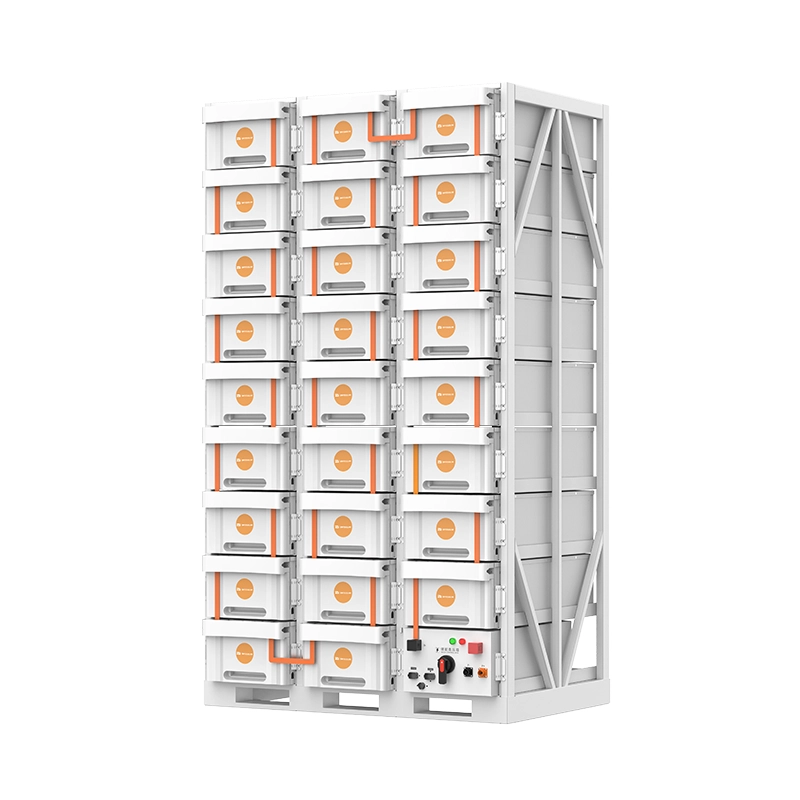
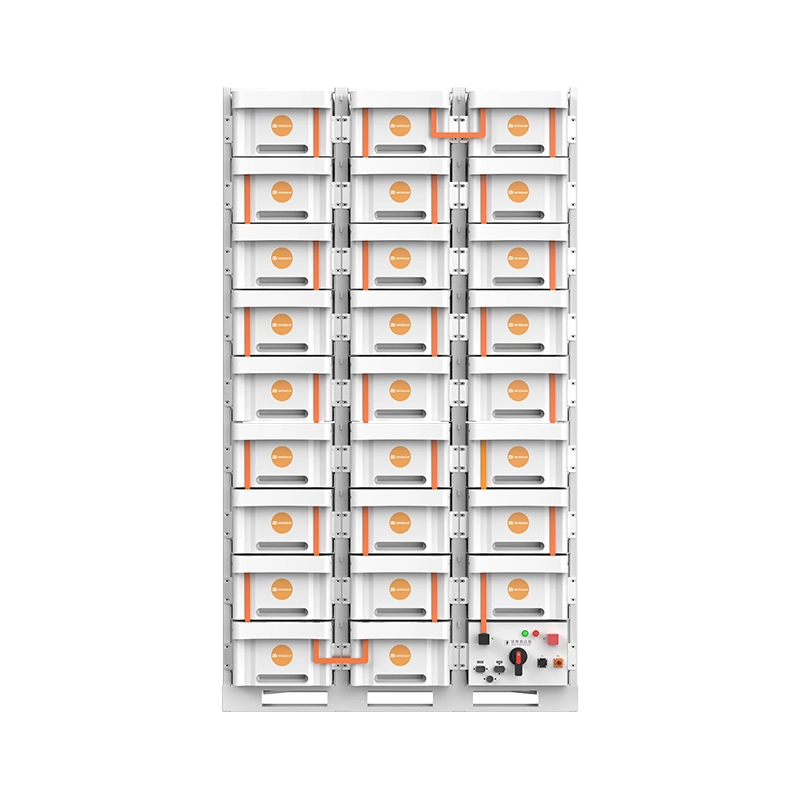
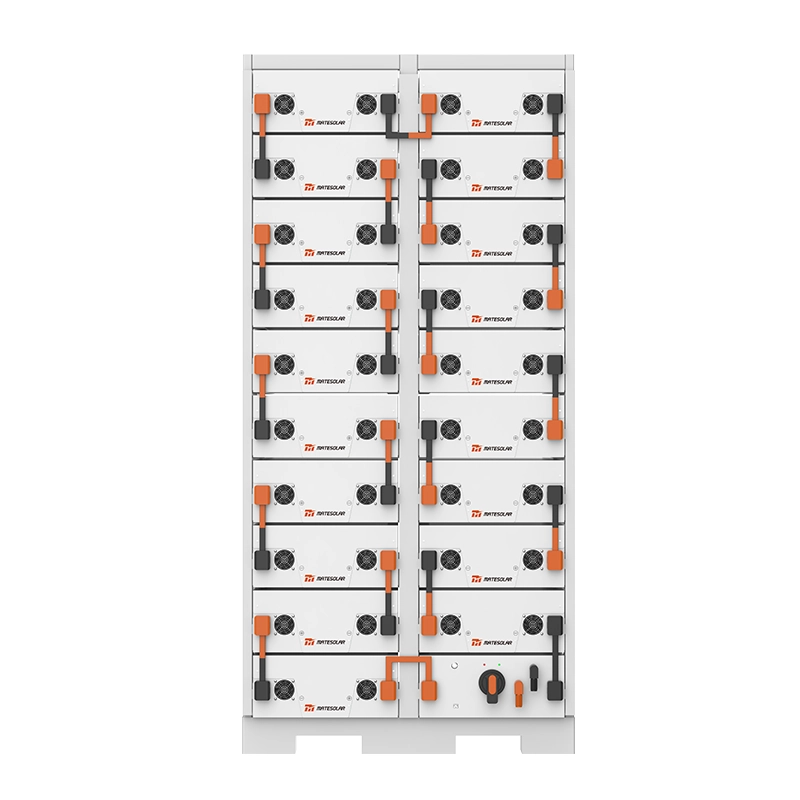
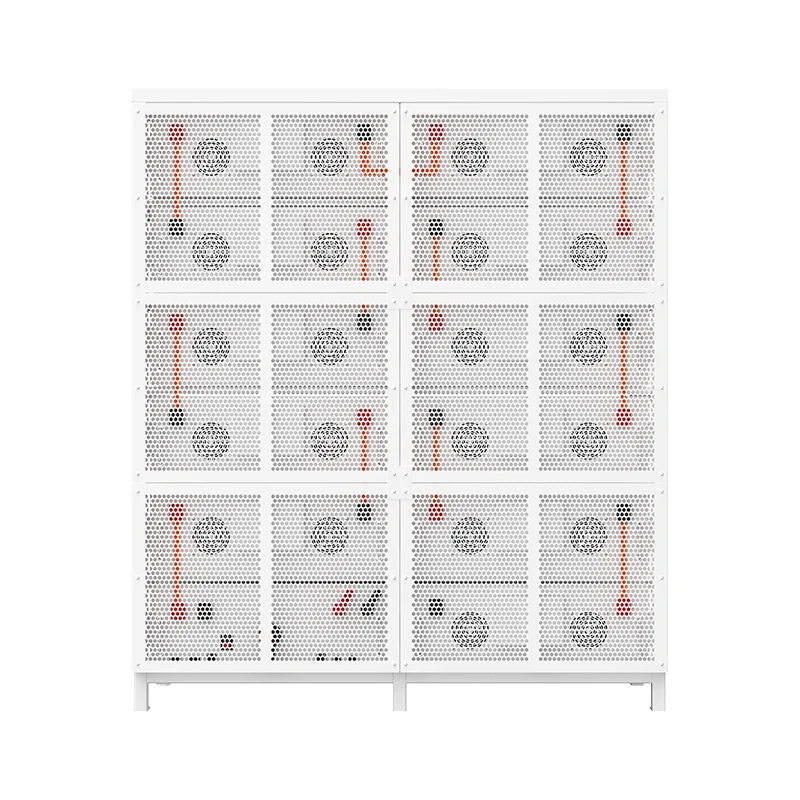
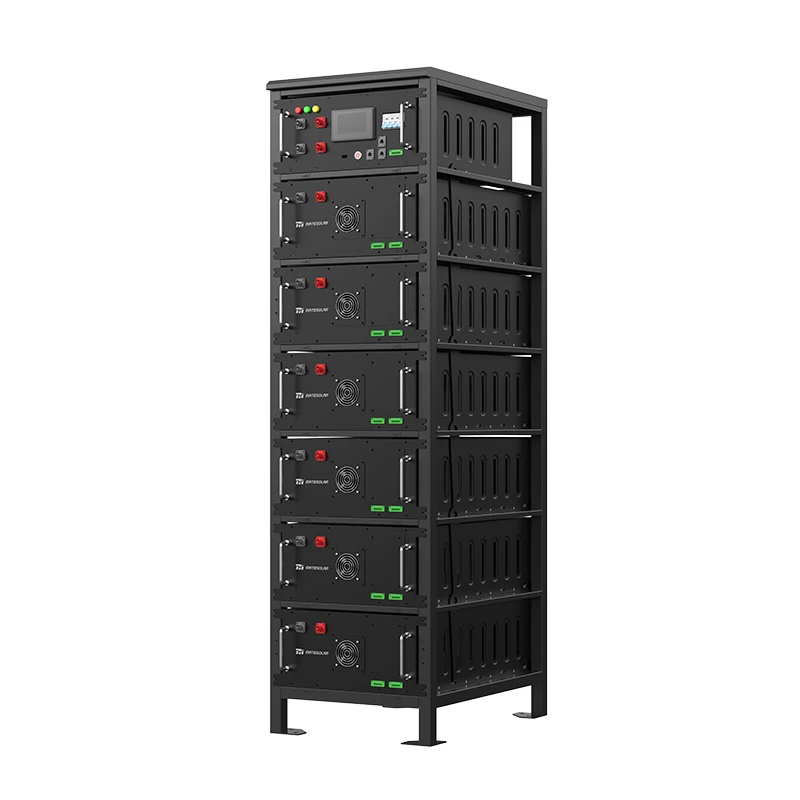
The MateSolar Standard (Applied to our Commercial 500KW System and Container Solutions):
1. Cell-Level Prevention: LiFePO4 (Lithium Iron Phosphate) chemistry is non-negotiable due to its inherently lower thermal runaway risk compared to NMC (Nickel Manganese Cobalt).
2. Module-Level Fusing: Each module has individual fuses to isolate a faulty unit before it can propagate heat to neighbors.
3. Aerosol or Gas-Based Suppression: Systems are equipped with FM-200 or Novec 1230 fire suppression. These agents extinguish fires without damaging surrounding electronics (unlike water or foam).
4. Explosion Venting: Following the Wakenaam explosion, pressure relief valves and explosion-proof vents are mandatory to ensure that if gas buildup occurs, the structure directs the blast upward or outward away from personnel and adjacent buildings.
Chapter 3: Tropical Climate Engineering – Defeating the Heat and Humidity
Guyana’s climate is the silent killer of standard energy storage systems. The combination of high ambient temperatures (30°C–35°C) and relative humidity (80%–90%) accelerates chemical degradation and corrosion.
3.1 The Temperature Degradation Curve
Standard lithium-ion batteries operate optimally at 25°C. For every 10°C increase in ambient temperature, the rate of chemical degradation doubles. In Guyana, without proper thermal management, a battery rated for 8,000 cycles at 25°C could drop to 3,500 cycles at 35°C.
Table 2: Projected Cycle Life Loss in Tropical Climates (Based on 1C Charge/Discharge)
| Temperature (Ambient) | Standard Air-Cooled System (Projected Cycles to 70% SOH) | Advanced Liquid-Cooled System (Projected Cycles to 70% SOH) |
| 25°C (Optimal) | 8,000 | 8,000 |
| 30°C (Typical Guyana Morning) | 6,500 | 7,800 |
| 35°C (Peak Afternoon) | 4,200 | 7,200 |
| 40°C (Inside unventilated container) | 2,500 (High Risk) | 6,500 |
Analysis: Liquid Cooling (as featured in our 20ft 3MWh/5MWh systems) maintains cell temperature variance within ±2°C, ensuring that even when Georgetown ambient temperatures soar, the internal operating temperature remains in the optimal range. Air-cooled systems often struggle to dissipate heat from the center of the rack, leading to "hot spots" that mimic the conditions that led to the Wakenaam incident.
3.2 IP Ratings and Corrosion Resistance
Humidity and salt air (in coastal communities and islands) cause galvanic corrosion.
- Requirement: Minimum IP55 for outdoor cabinets (dust-tight and protected against water jets).
- Coating: C5-M corrosion protection (marine-grade) for all external enclosures and mounting hardware. Standard industrial paint (C3) will fail within 2 years in Essequibo’s island environment.
Chapter 4: The "Island Mode" Imperative – Grid Independence and Seamless Switching
One of the overlooked factors in the Wakenaam situation was the decision by GPL to halt solar generation because the absence of the battery caused frequency fluctuations . For commercial and industrial (C&I) clients, this highlights a critical dependency: if the battery goes offline, the entire solar asset becomes stranded.
4.1 The 10ms Uninterrupted Power Supply (UPS) Function
For commercial operations—such as cold storage facilities, supermarkets, or data centers—a power blip of even 200 milliseconds can reset equipment, corrupt data, or damage compressors.
- The Problem: Standard grid-tied inverters take 1 to 2 seconds to switch to island mode. This is too slow.
- The Solution: High-end hybrid inverters (such as those paired with our Commercial 500KW Hybrid System) offer <10ms seamless switching. The inverter acts as a voltage source, forming a microgrid that the battery supports continuously. When the utility grid fails, the transition is imperceptible to the load.
4.2 Black Start Capability
In the event of a complete grid collapse—common in island communities—the system must be able to "black start." This means using the energy stored in the battery to energize the inverters and restart the solar PV without needing the utility grid.
Chapter 5: Service Logistics – The 8-Week Nightmare vs. The 48-Hour Standard
The Wakenaam incident revealed a supply chain vulnerability: an 8-week wait for battery replacement. In the private sector, this is unacceptable. A commercial operation cannot bear the revenue loss of two months of downtime.
5.1 Service Architecture – A China‑Based Supplier with Transparent Logistics
The Wakenaam incident exposed a critical supply chain vulnerability: an 8‑week wait for replacement modules . For private commercial operations, such downtime is unacceptable. However, the solution does not require a local warehouse or in‑country service team; it requires a well‑defined logistics and support protocol that sets realistic expectations while minimizing delays through efficient coordination.
As a China‑based supplier, our service model is built on clarity and reliability:
1. Central Stock in China: All critical spares – battery modules, BMS boards, inverters, communication units – are held in our integrated warehouse in China. This ensures that replacement parts are available for immediate dispatch without relying on unpredictable third‑party supply chains.
2. Expedited Shipping Options: For emergency replacements, we utilize air freight directly to Georgetown (Cheddi Jagan International Airport). Typical air transit time is 5–7 business days from dispatch. For non‑critical spares or planned maintenance, sea freight (20–25 days) offers a cost‑effective alternative. Clients are encouraged to purchase a recommended spare parts kit at the time of initial procurement to cover common failure modes, reducing potential downtime.
3. Remote Technical Support: Our engineering team provides same‑day remote diagnostics via secure access (with client approval) to the Battery Management System (BMS) and inverter logs. The majority of faults can be diagnosed remotely, allowing us to accurately identify the required replacement part and ship it without delay.
4. On‑Site Execution: Local installation, commissioning, and any on‑site maintenance are the responsibility of the client or their chosen local electrical contractor. We provide detailed documentation, remote commissioning support, and troubleshooting assistance, but we do not maintain a physical service presence in Guyana. This approach is standard for international suppliers serving the Caribbean market and ensures that clients work with locally licensed professionals who are familiar with GPL grid codes and site conditions.
Table 3: Service Benchmark – China‑Based Supplier Serving Guyana
| Service Component | Wakenaam Outcome (Industry Norm) | MateSolar Commitment |
| Spare Parts Availability | 8 Weeks (uncoordinated sourcing) | Immediate (central stock in China) |
| Emergency Shipment | No defined logistics | 5–7 Days (air freight to Georgetown) |
| Technical Response | Remote troubleshooting with delays | Same‑Day (remote diagnostics via BMS logs) |
| On‑Site Support | Unclear or delayed | Handled by client/local contractor (we provide remote guidance) |
| Warranty Replacement | Warranty process with grantor delays | Standard RMA (part shipped upon confirmation; failed unit returned) |
This model reflects the actual operational reality of serving the Guyanese market from China while delivering lead times far shorter than the 8‑week Wakenaam experience. By maintaining transparent communication, a stocked central warehouse, and responsive remote support, we help clients minimize downtime without over‑promising on local infrastructure that does not exist.
Chapter 6: Bankability – Passing the International Finance Test
For large-scale commercial projects and Independent Power Producers (IPPs), the question of "bankability" is paramount. International lenders (IDB, CDB, Green Climate Fund) and local commercial banks require due diligence on the BESS vendor.
6.1 The Checklist for Lenders
If you are presenting a project to a bank for financing, your BESS specification must include:
- IEC 62619: Safety requirements for industrial batteries.
- ISO 13849: Safety of machinery (control systems).
- UN 38.3: Transport safety (mandatory for shipping batteries to Guyana).
- Performance Guarantees: A bankable capacity retention warranty (e.g., 70% remaining capacity after 10 years, not just a "workmanship" warranty).
6.2 Reference Cases in Analogous Climates
A lender needs to see success in similar conditions. References in the Caribbean, Southeast Asia (Thailand, Philippines), or the Gulf Coast of the USA are essential. They want to see systems that have weathered a Category 3 hurricane or 10 years of equatorial sun without a catastrophic failure.
7. The Product Arsenal: Deploying the Right Hardware for Guyana
To address the specific pain points of the Guyanese market—safety, tropical resilience, and rapid service—MateSolar offers a tiered hardware strategy. We do not believe in one-size-fits-all; we believe in application-specific engineering.
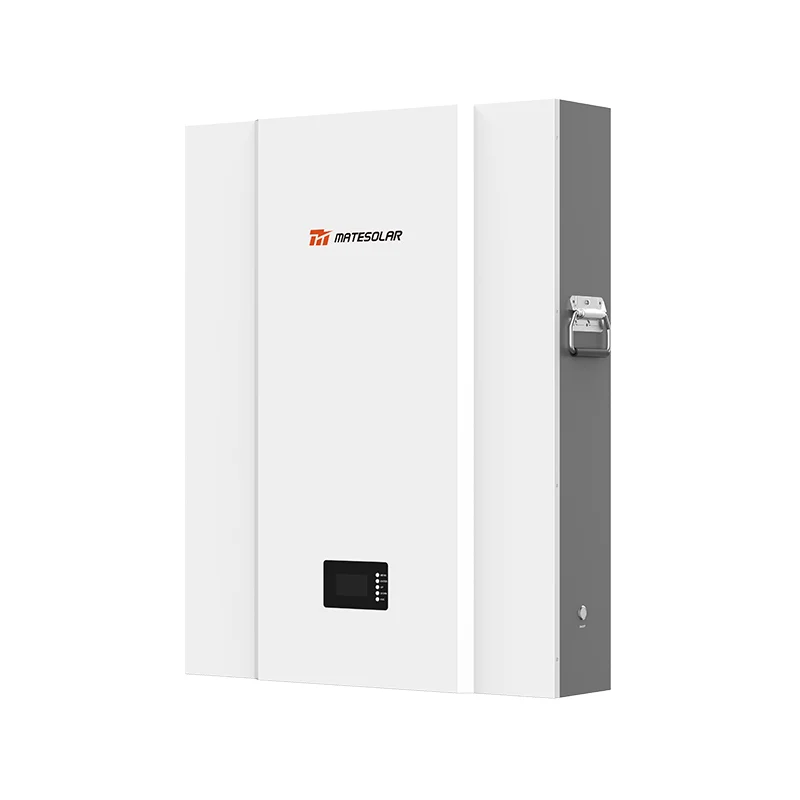
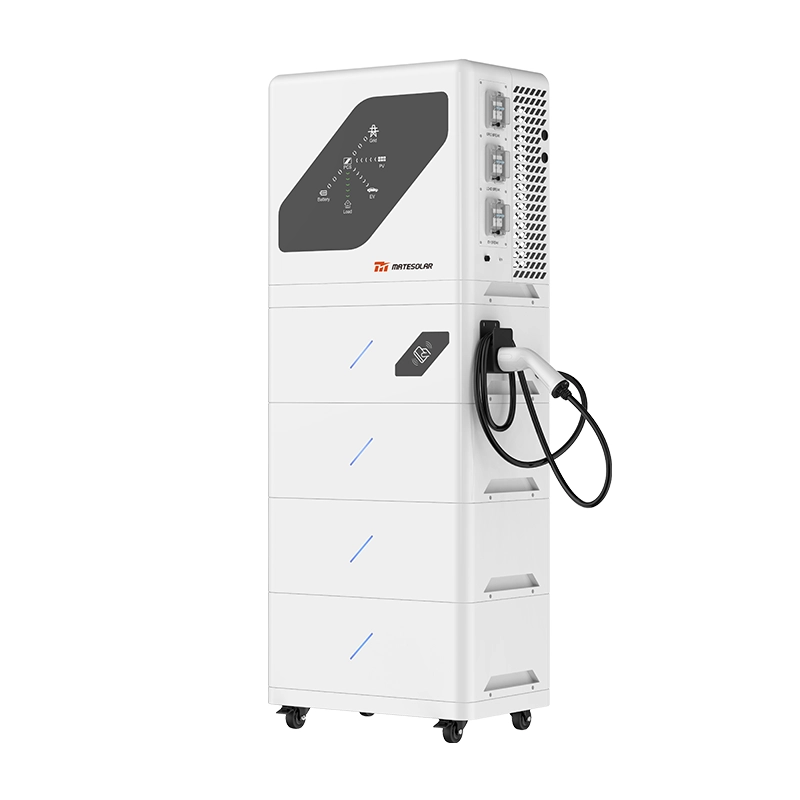
7.1 For Commercial and Industrial (C&I) Sites: The Scalable Outdoor Cabinet
For businesses requiring high power density in a compact footprint—such as a supermarket in Georgetown or a manufacturing plant on the East Bank—the solution must be modular, safe, and visually unobtrusive while providing UPS-level switching.
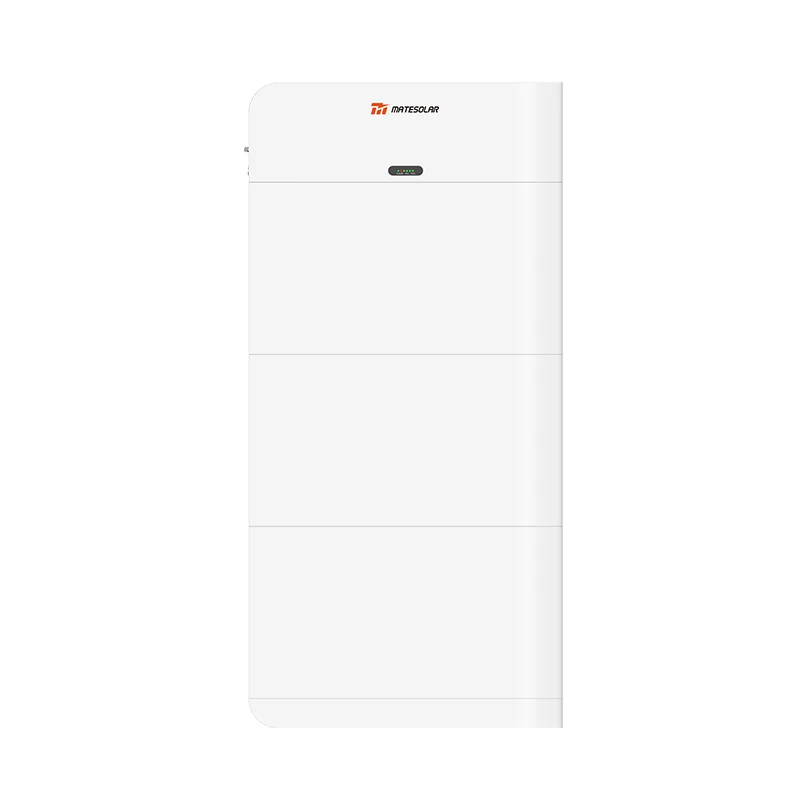
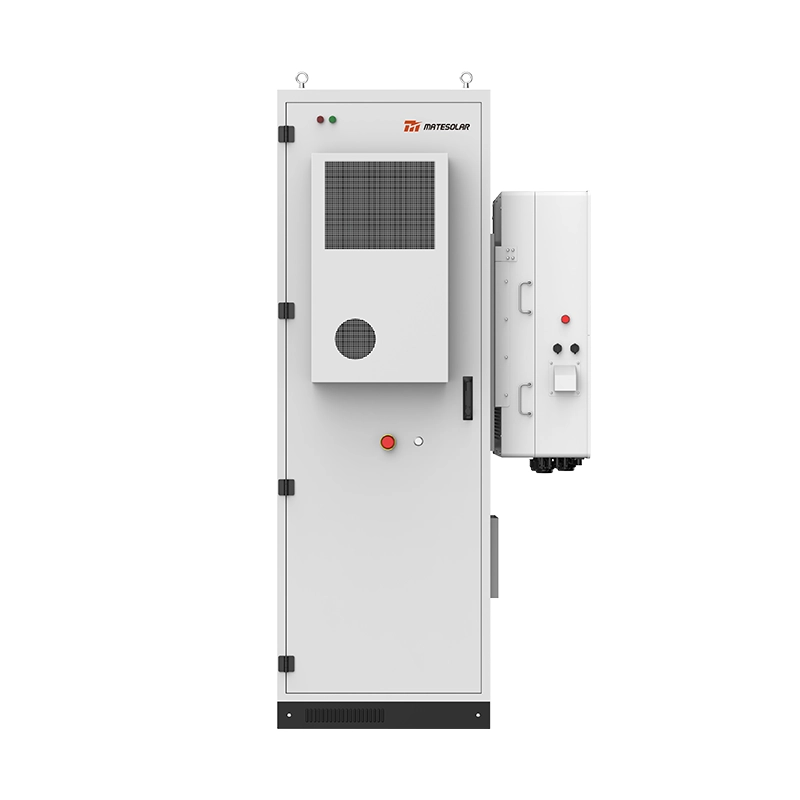
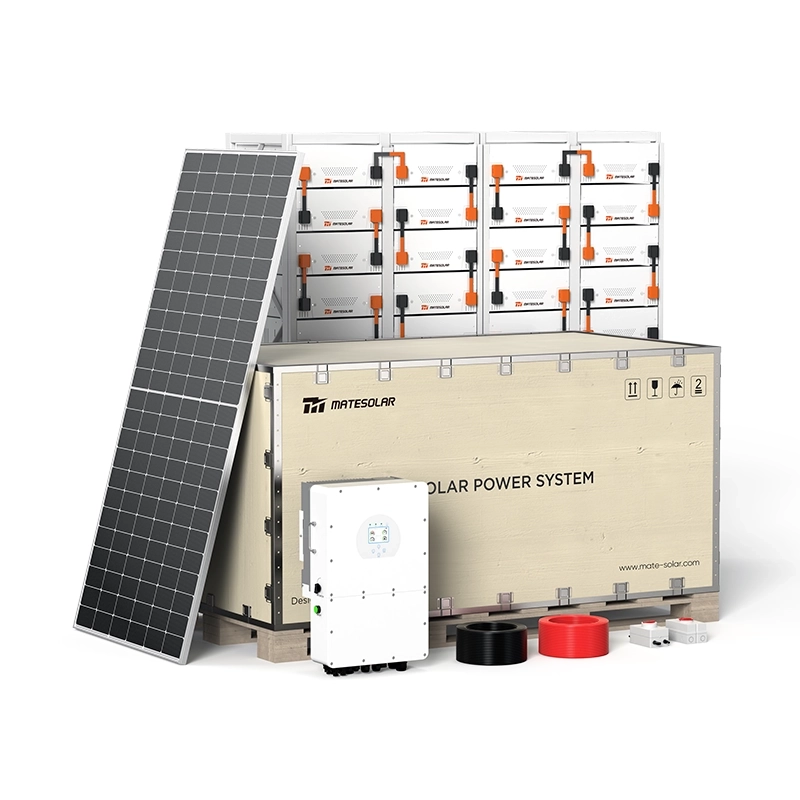
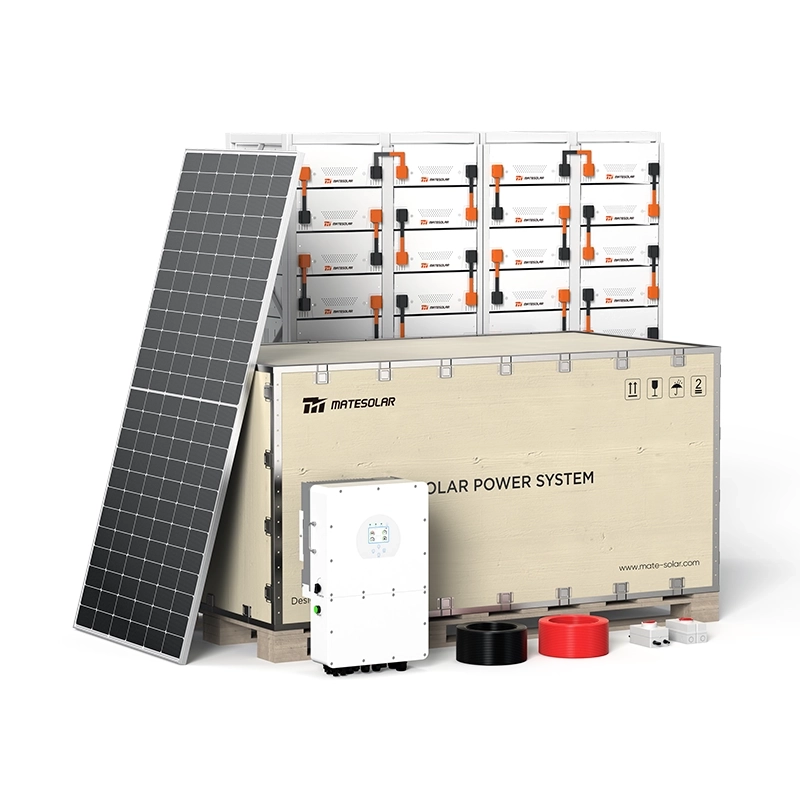
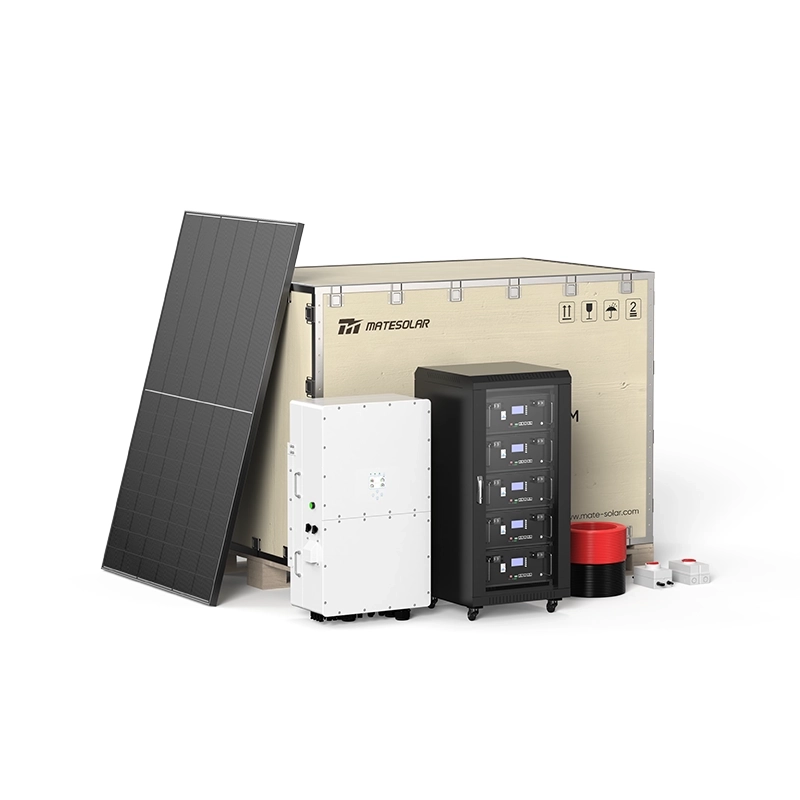
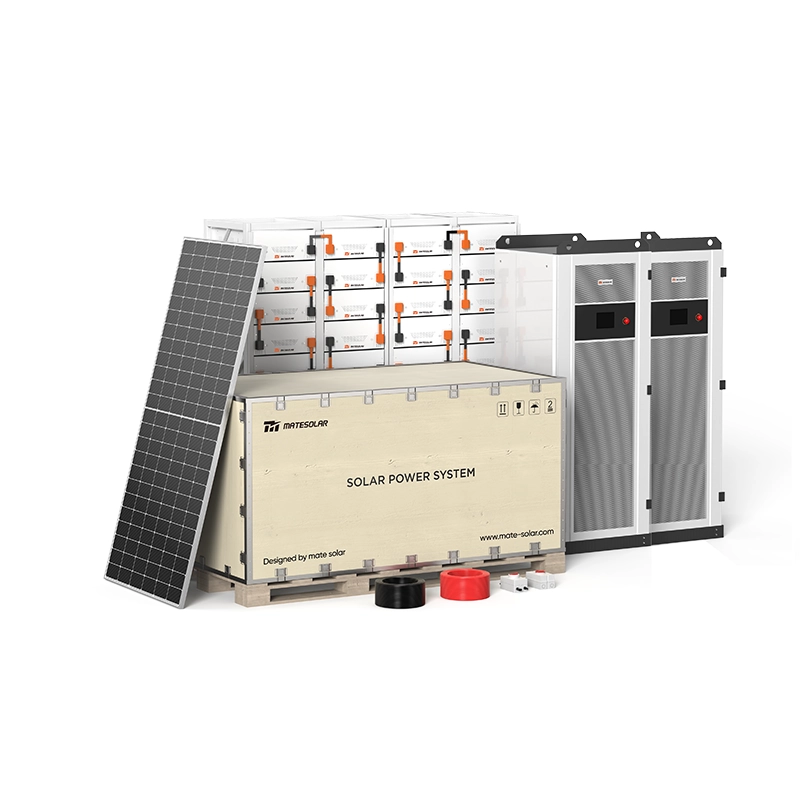
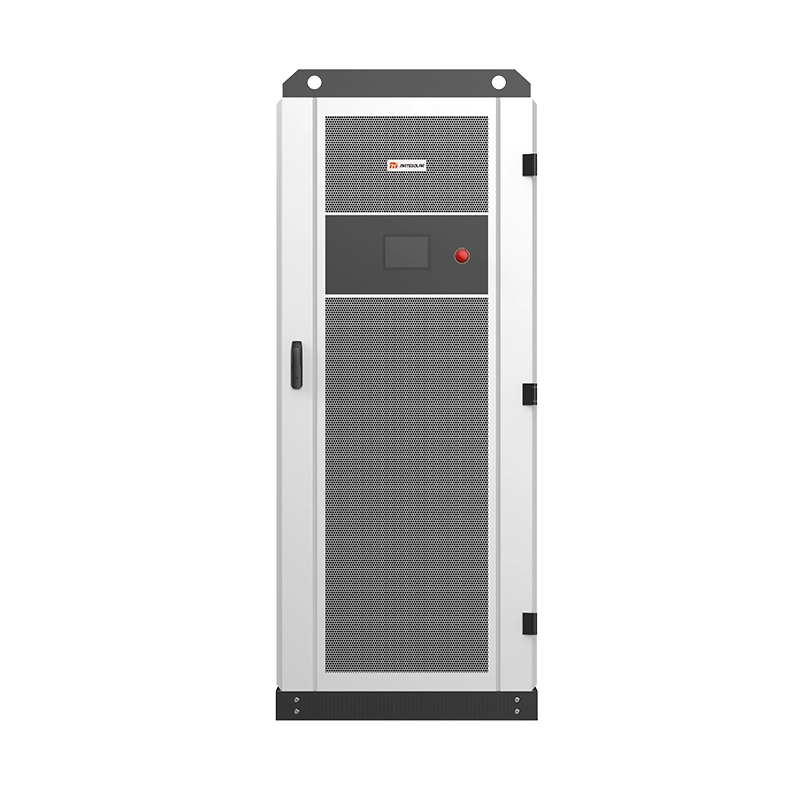
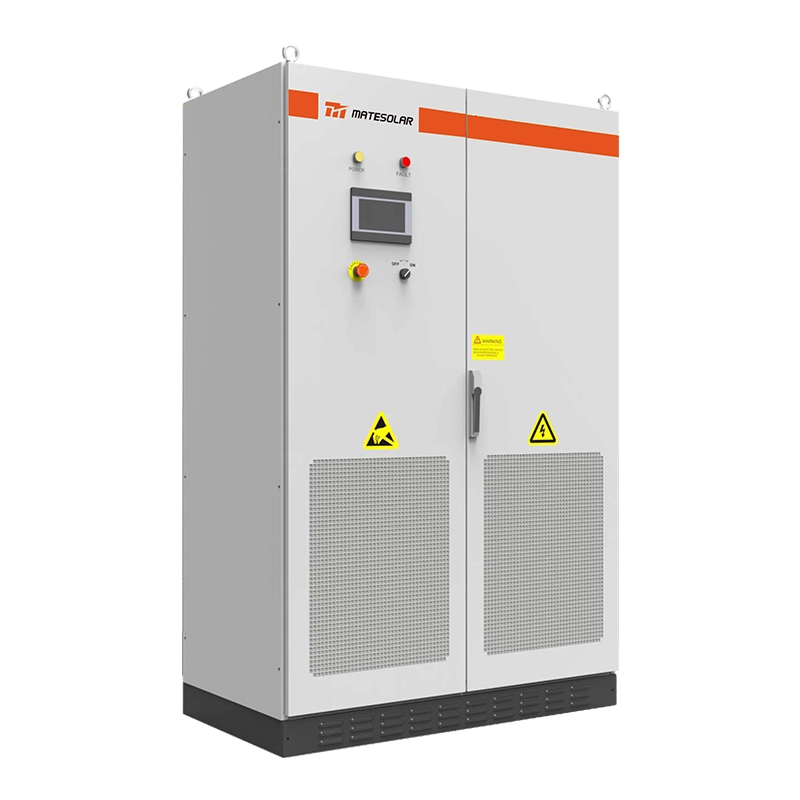
[Anchor Text: Explore the Commercial 500KW Hybrid Solar System] – *This system is engineered specifically for the high-demand commercial sector, featuring the <10ms seamless switching required to protect sensitive industrial loads from grid fluctuations.*
Why this fits the Guyanese C&I sector:
- Modular Scalability: Start with 500kW and scale to 2MW+ as your business grows.
- Integrated Safety: UL 9540A certified enclosure with integrated fire suppression and explosion venting, designed to be safely placed in parking lots adjacent to occupied buildings.
- Tropical Hardening: Ingress protection rated for high humidity with forced air cooling designed to operate efficiently up to 50°C ambient.
7.2 For Island Communities and Large-Scale Storage: The Air-Cooled Container
The 40ft container solution remains the industry standard for utility-scale and large community projects. However, post-Wakenaam, the specification for this container has changed. It must be "plug-and-play" to reduce on-site wiring risks (a common source of installation errors) and offer robust cell-level monitoring.
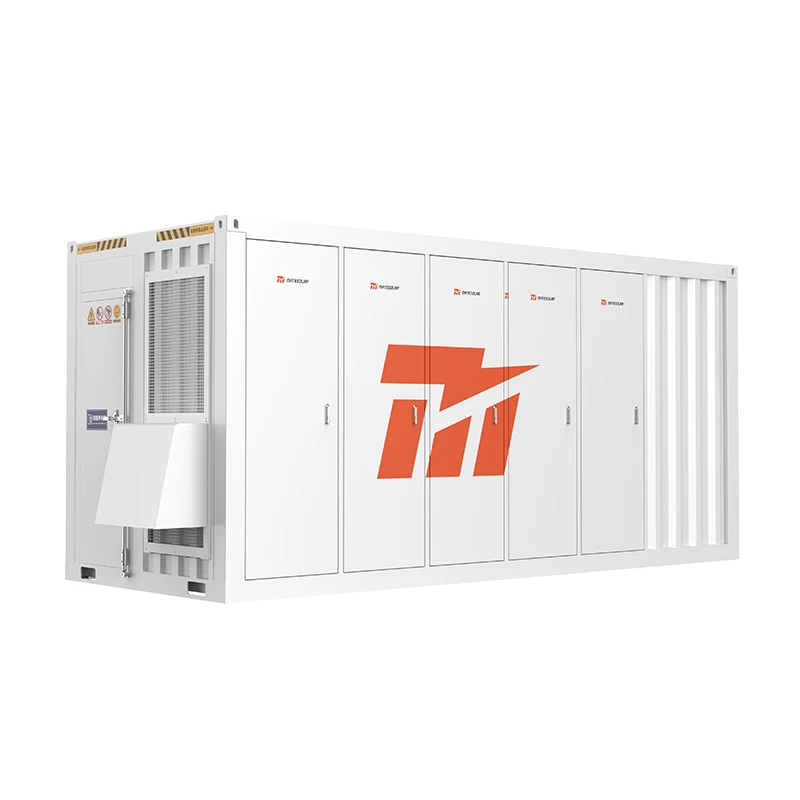
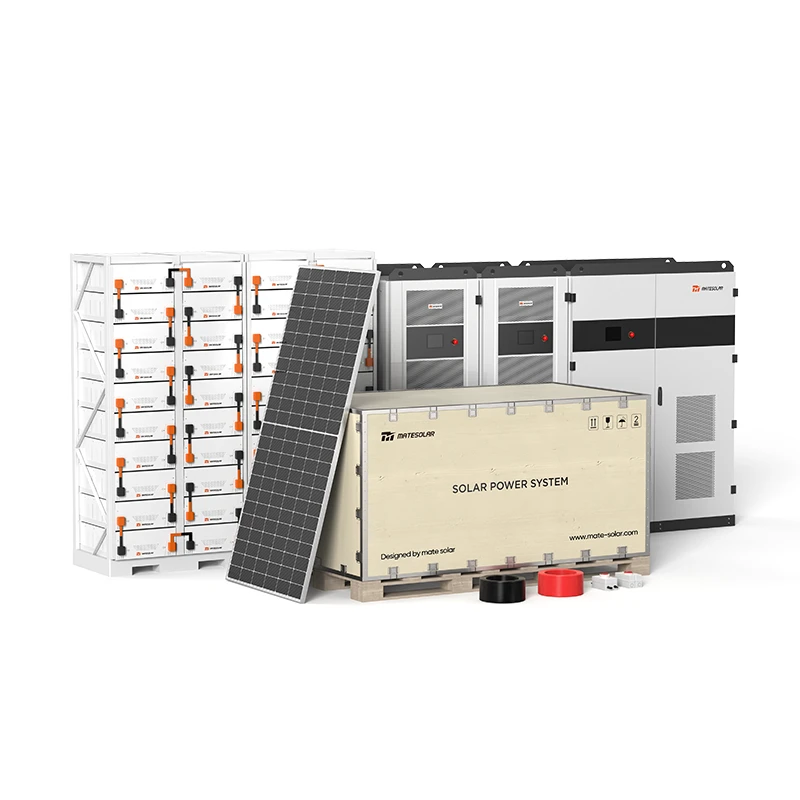
[Anchor Text: View the 40Ft Air-Cooled Container ESS (1MWh/2MWh)] – The ideal solution for rapid deployment in remote communities, featuring pre-assembled internal wiring and a factory-tested Battery Management System (BMS) to eliminate installation errors that can lead to safety issues.
Advantages for Guyana:
- Pre-fabricated: Reduces on-site construction time, which is critical in remote riverine or island communities where skilled labor is scarce.
- Centralized Monitoring: Allows the Guyana Power and Light (GPL) to monitor individual cell health from a central control room, preventing thermal runaway before it starts.
- Air-Cooled Efficiency: While liquid cooling is superior for heavy cycling, air-cooled systems offer lower parasitic losses (auxiliary power consumption), making them highly efficient for grid stabilization where the battery is not constantly deep-cycled.
7.3 For High-Cycle Applications and Extreme Temperatures: The Liquid-Cooled Container
For high-intensity applications—such as solar firming where the battery is cycled twice daily (morning and evening peak) or for heavy industrial use—liquid cooling is the only technology that ensures longevity in the tropical heat.
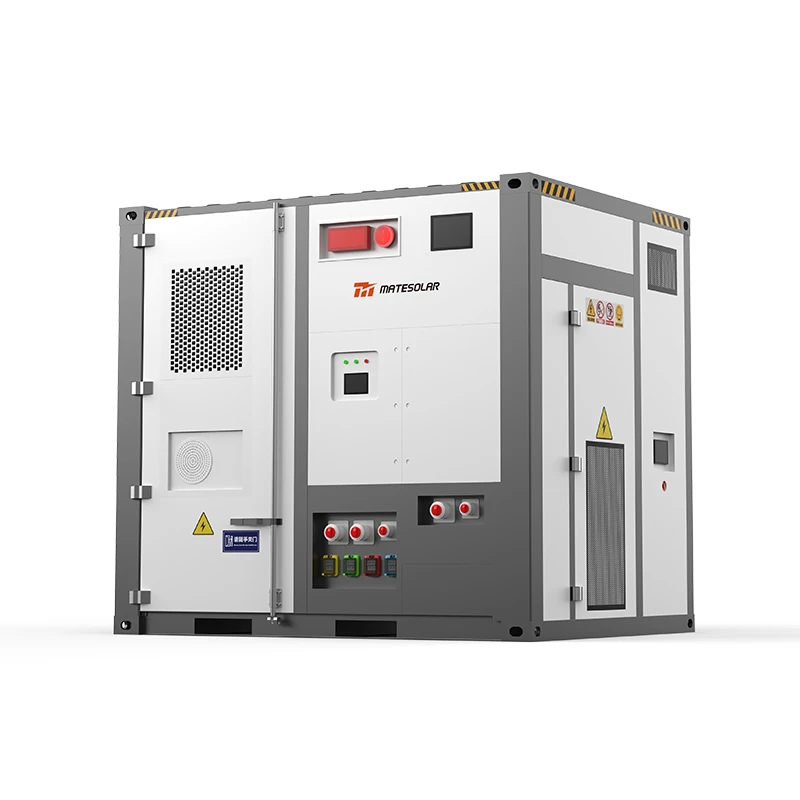
[Anchor Text: Discover the 20ft 3MWh/5MWh Liquid Cooling Container Energy Storage System] – *This high-density solution represents the pinnacle of tropical climate engineering, utilizing liquid cooling to maintain optimal cell temperature even under maximum load in 35°C ambient conditions.*
Why Liquid Cooling is the "Wakenaam Antidote":
- Thermal Uniformity: Keeps all cells within 2°C of each other. Hot spots are eliminated.
- Higher Energy Density: 5MWh in a 20ft footprint saves valuable land space in commercial zones.
- Extended Life: Guarantees 8,000+ cycles to 70% capacity, even in Guyanese conditions, effectively doubling the lifespan of the asset compared to standard air-cooled units in the same climate.
Chapter 8: Frequently Asked Questions (FAQ) – The Guyanese Context
To further clarify the landscape for local business owners, facility managers, and investors, we have compiled a list of the most pressing questions we have received since the Wakenaam incident.
Q1: Is LiFePO4 chemistry safe for use in a commercial district after what happened in Wakenaam?
A: Yes, but only with a robust Battery Management System (BMS). LiFePO4 is inherently more stable than NMC (Nickel Manganese Cobalt) and does not undergo thermal runaway until much higher temperatures (approx. 270°C vs. 150°C for NMC). However, the Wakenaam incident underscores that chemistry alone is not safety; the system must have UL 9540A certification proving that a single cell failure will not propagate to adjacent cells. MateSolar systems utilize multi-layer BMS protection that disconnects the module milliseconds after detecting an anomaly.
Q2: If the system catches fire, how does it affect my insurance premiums?
A: Insurers in the Caribbean are rapidly updating their requirements. If your system is UL 9540A certified and installed by a certified local partner (like our network in Guyana), it is considered a "low-risk asset." Conversely, uncertified or air-cooled systems in high-density areas may face significantly higher premiums or outright denial of coverage. We work with local insurance brokers to provide the technical documentation required for favorable risk assessment.
Q3: We have frequent lightning storms. How do you protect the system?
A: Lightning is a major concern in the Guyanese hinterland and coastal regions. Our systems include Type 1 & Type 2 Surge Protective Devices (SPDs) on both the DC (solar) and AC (grid) sides. Additionally, we specify a dedicated earth ground grid resistance of <5 ohms for the container/cabinet. This is not optional; it is part of our standard installation protocol to ensure that a lightning strike does not propagate to the battery cells.
Q4: What is the real-world degradation of the battery at 32°C ambient?
A: With standard air cooling, you can expect 15-20% additional degradation over a 10-year period compared to a temperate climate. With our liquid-cooled systems (20ft 3MWh/5MWh), the degradation curve is flattened. We provide a linear performance guarantee: 70% capacity retention after 10 years, regardless of the Guyanese climate, backed by liquidated damages if the system fails to meet this threshold.
Q5: How does the "10ms seamless switching" work for my business?
A: The inverter uses a "grid-following" mode when the grid is stable, but switches to "grid-forming" mode when the grid drops. In a standard system, there is a break before the transfer (open transition). In our Commercial 500KW Hybrid system, the inverter operates in parallel with the grid continuously. When the grid fails, the inverter simply stops exporting and starts supplying the load from the battery without a break. This is ideal for sensitive equipment like servers, medical imaging devices, or refrigeration compressors.
Q6: Who handles the installation and permits with GPL?
A: We partner with local EPCs (Engineering, Procurement, and Construction) who are already registered with GPL. Navigating the net-metering or grid-interconnection process in Guyana requires local expertise. Our role is to provide the hardware, the technical training, and the warranty support, while our local partners manage the physical installation and regulatory sign-off. We ensure the system meets GPL’s stringent new safety protocols introduced post-Wakenaam.
Chapter 9: The Financial Model – Making the Numbers Work
While safety and reliability are paramount, the commercial decision ultimately hinges on Return on Investment (ROI). In Guyana, where diesel generators are the norm for backup and grid power is often unstable, the business case for BESS is strong, but it must be structured correctly.
9.1 The Diesel Avoidance Model
Many commercial clients rely on diesel generators for backup. The cost of diesel in Guyana fluctuates but typically sits between G$500 and G$700 per liter, with generators consuming 0.3 to 0.4 liters per kWh.
- Cost of Generator Power: ~G$180 – G$280 per kWh.
- Cost of Solar + BESS (Levelized Cost): ~G$45 – G$70 per kWh over 15 years.
By installing a hybrid system with a 10ms switch, the generator becomes a "deep reserve" asset. The ROI is typically realized in 3 to 5 years for high-energy-consumption businesses.
9.2 Demand Charge Management
For larger C&I clients, the utility tariff structure often includes a "demand charge" (fee for the peak capacity used). By deploying a BESS, businesses can "peak shave"—discharging the battery during the 15-30 minute daily peak usage—reducing the monthly demand charge by 30-50%.
Chapter 10: Conclusion – Building the New Standard for Guyanese Energy Security
The Wakenaam incident of February 2026 was a setback for the renewable energy sector, but it was also a necessary catalyst for maturation. It stripped away the complacency that sometimes accompanies "grant-funded" infrastructure and forced a hard reset on the standards required for private and utility-scale investments.
The path forward is clear. It is no longer sufficient to source a battery based solely on price per kilowatt-hour. The Guyanese market now demands:
1. Forensic Safety: UL 9540A certification, not just marketing brochures.
2. Climate Resilience: Liquid cooling or high-performance air cooling engineered for 35°C+ ambient temperatures.
3. Logistical Certainty: Local spare parts stock and 4-hour on-site response times, eliminating the 8-week replacement cycle.
4. Uninterrupted Operations: True <10ms switching and black start capabilities to ensure that solar assets remain productive even when the grid fails.
As Guyana continues its trajectory as the fastest-growing economy in the world, the demand for reliable, safe, and sustainable power will only intensify. The energy infrastructure must match the ambition of the nation.
At MateSolar, we have designed our offerings—from the modular Commercial 500KW Hybrid Solar System for urban businesses, to the rapid-deployment 40Ft Air-Cooled Container ESS, and the high-density 20ft 3MWh/5MWh Liquid Cooling Container Energy Storage System—to meet this new standard. We combine Tier-1 manufacturing with a localized service network to ensure that our clients never face the "Wakenaam Scenario" of stranded assets and extended downtime.
We are not just selling hardware; we are providing the technical assurance that your business, community, or investment is resilient against both the tropical elements and the grid’s uncertainties.
For project quotes, technical whitepapers on UL 9540A testing, contact the MateSolar engineering team today.