








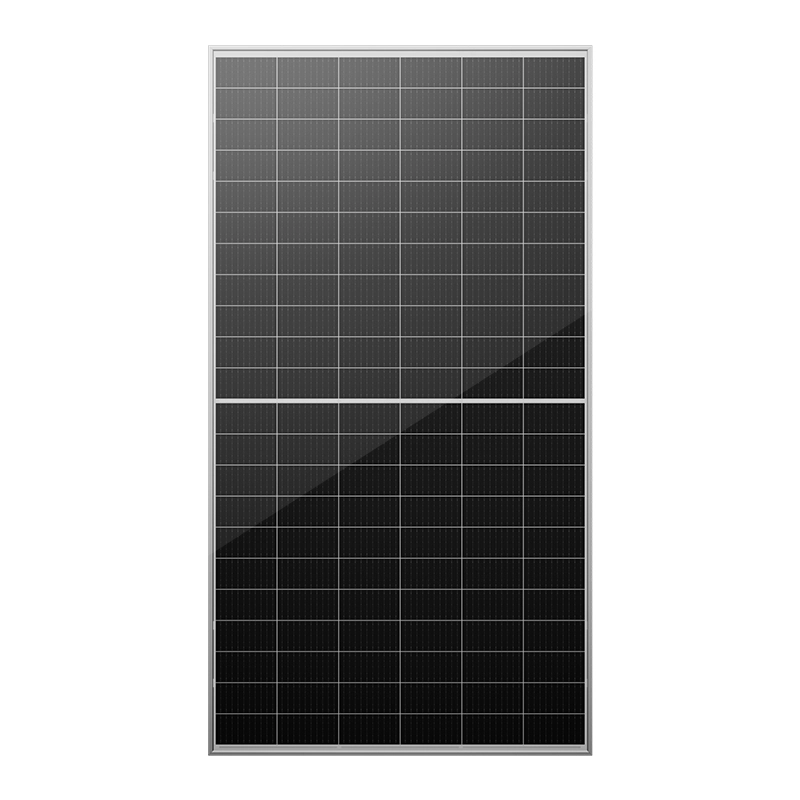


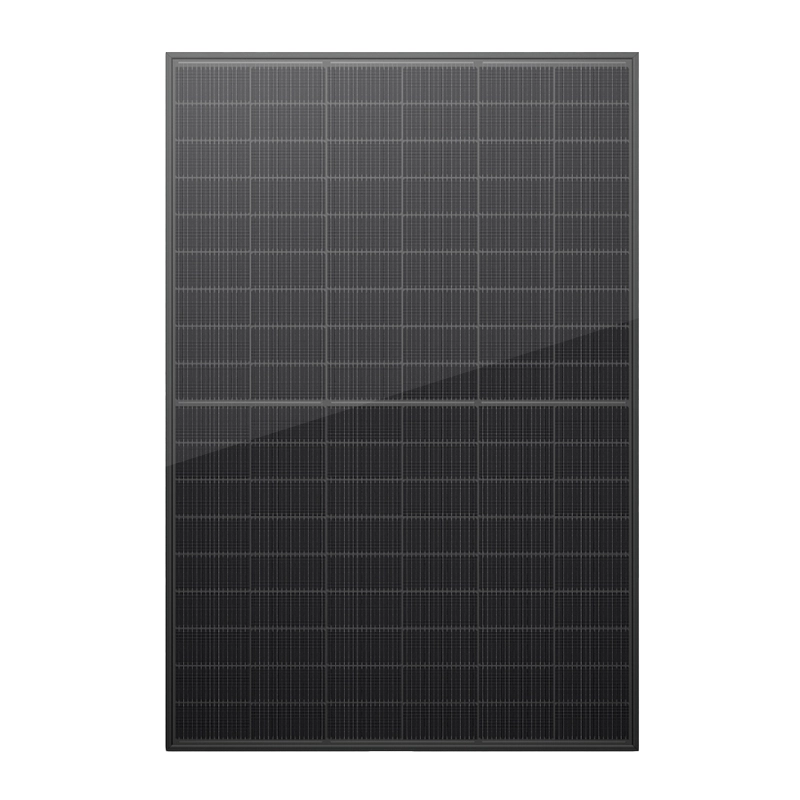
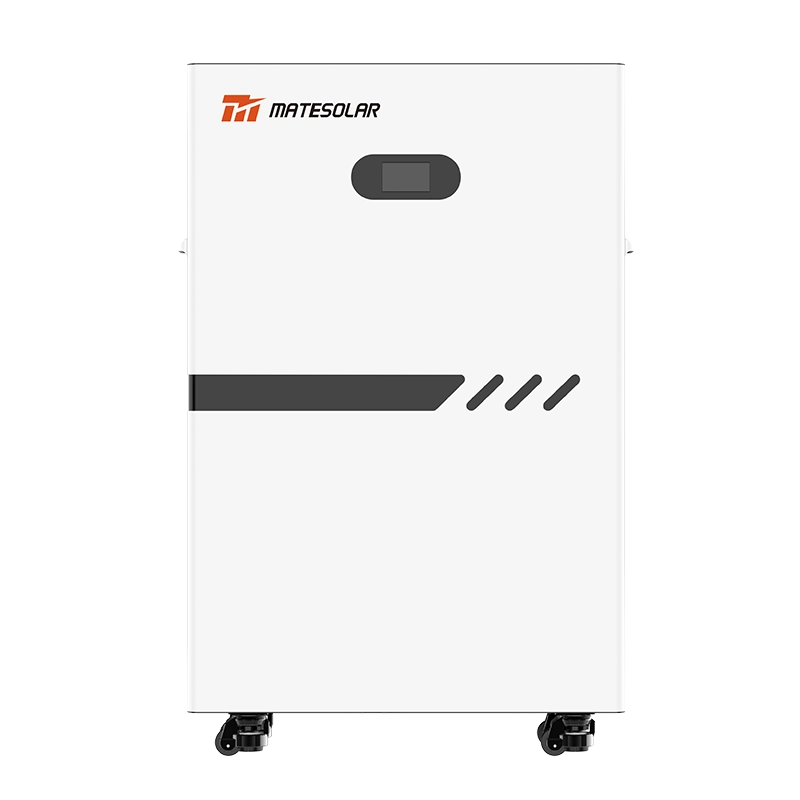
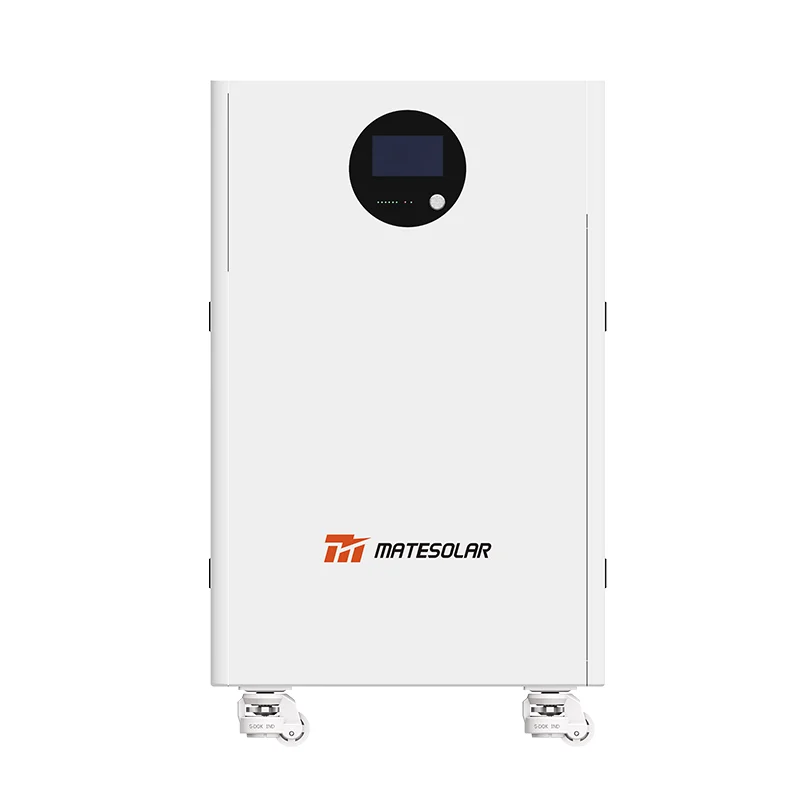
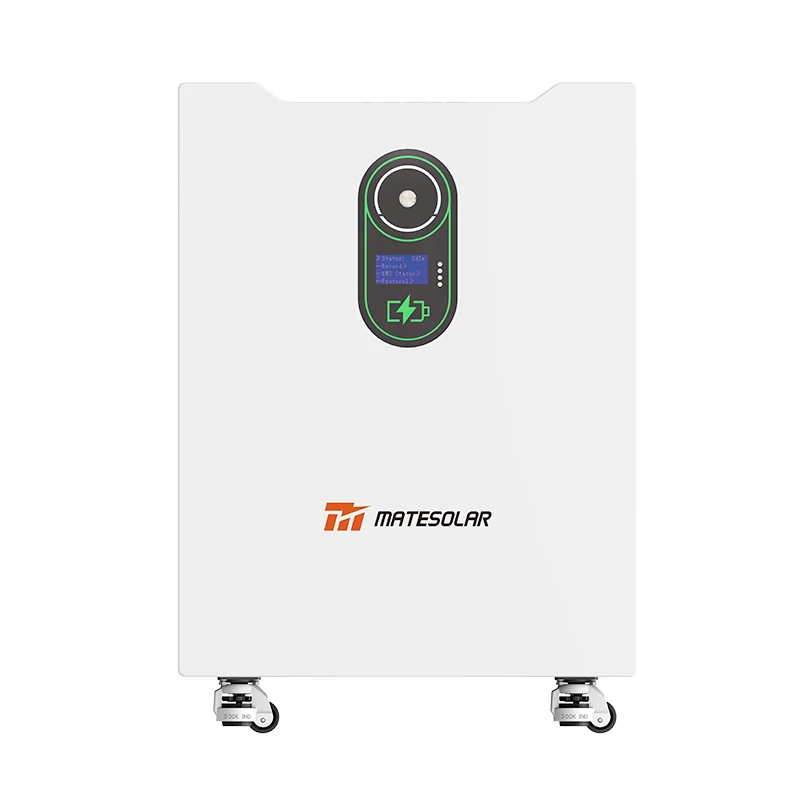
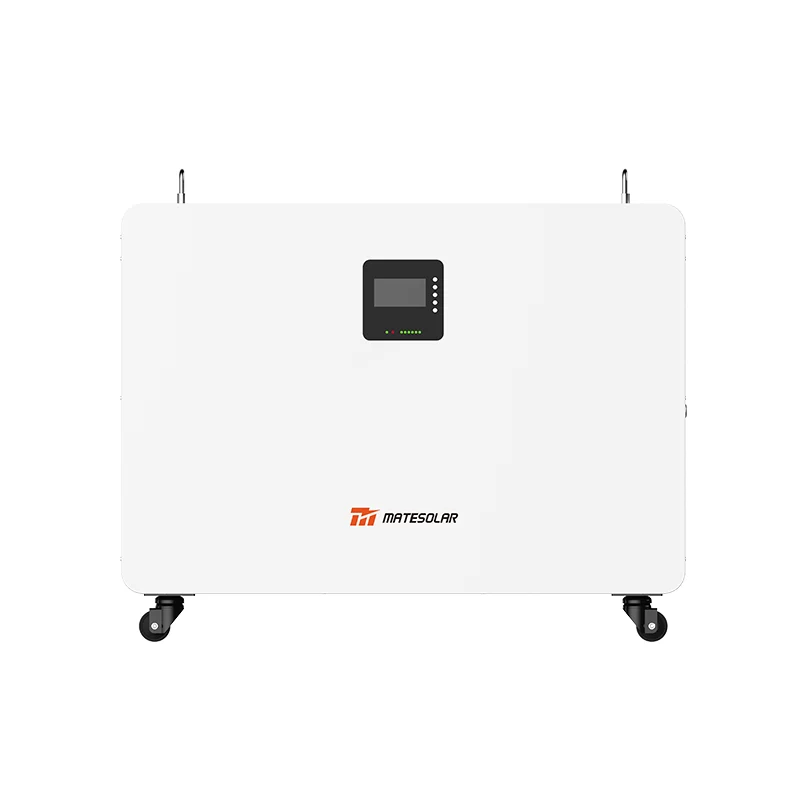
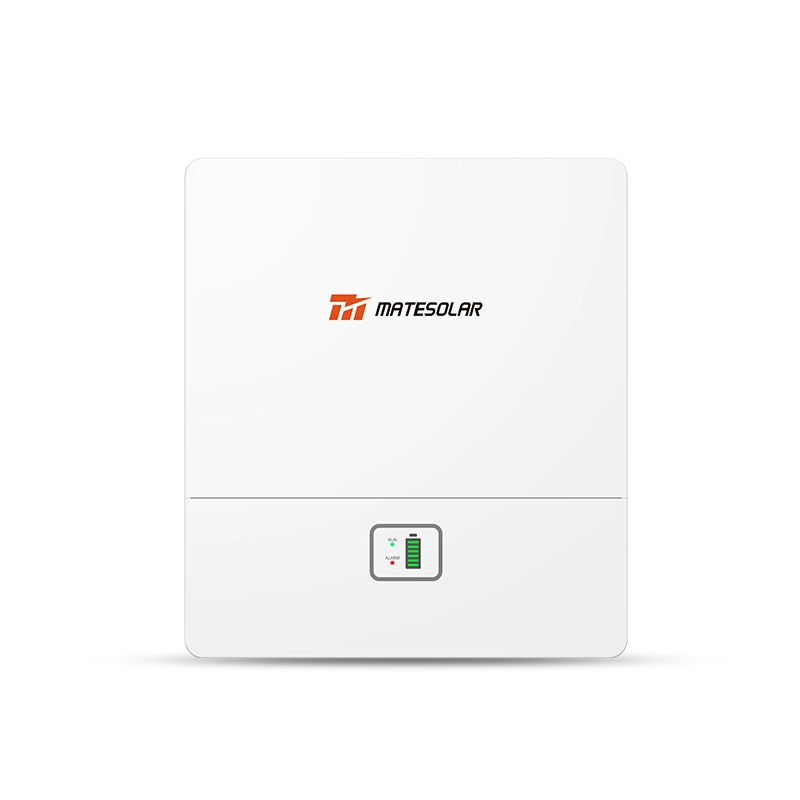
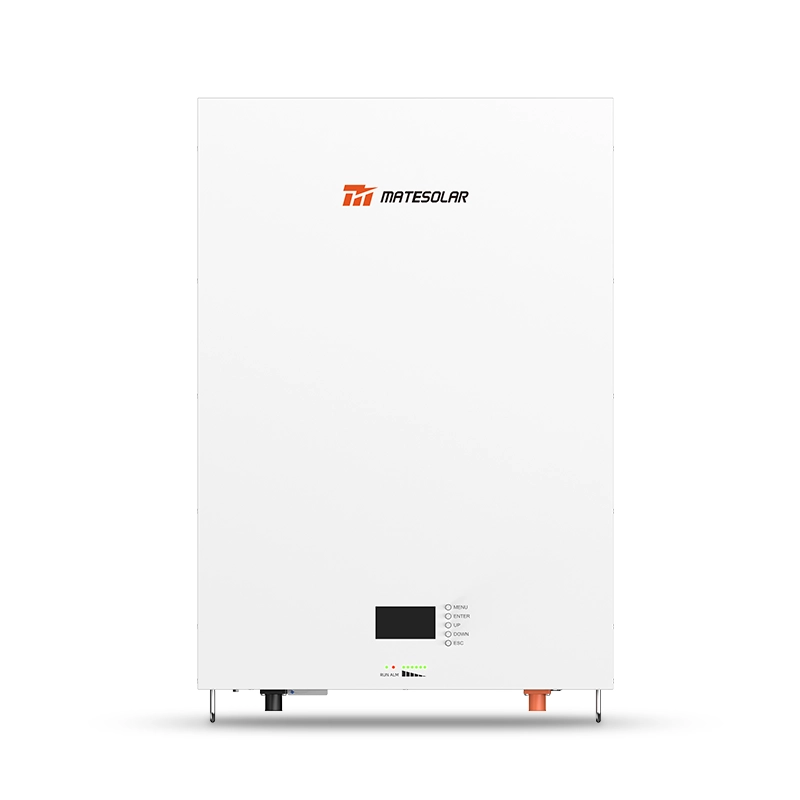
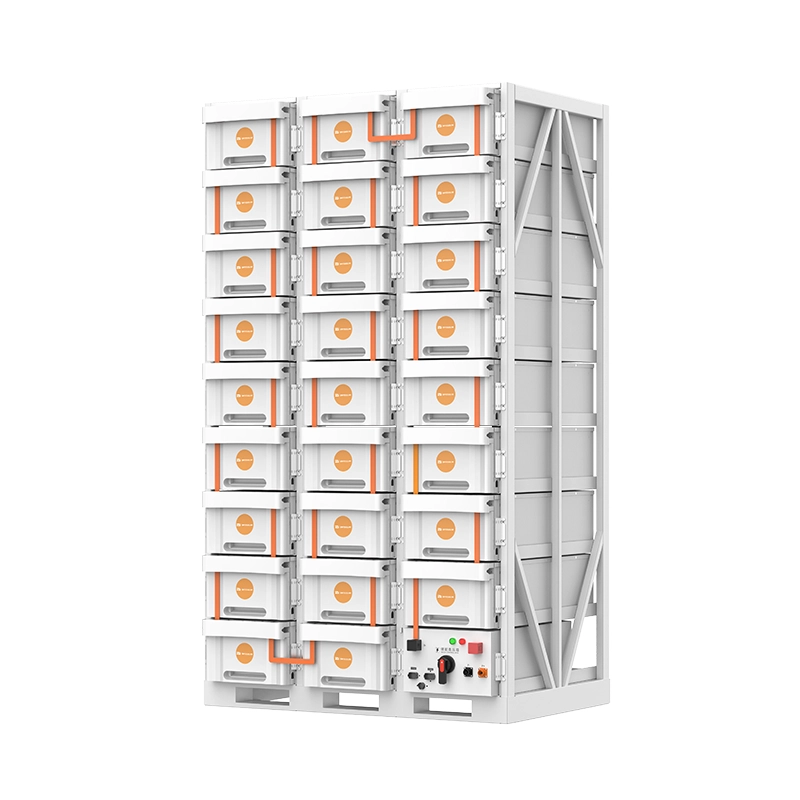
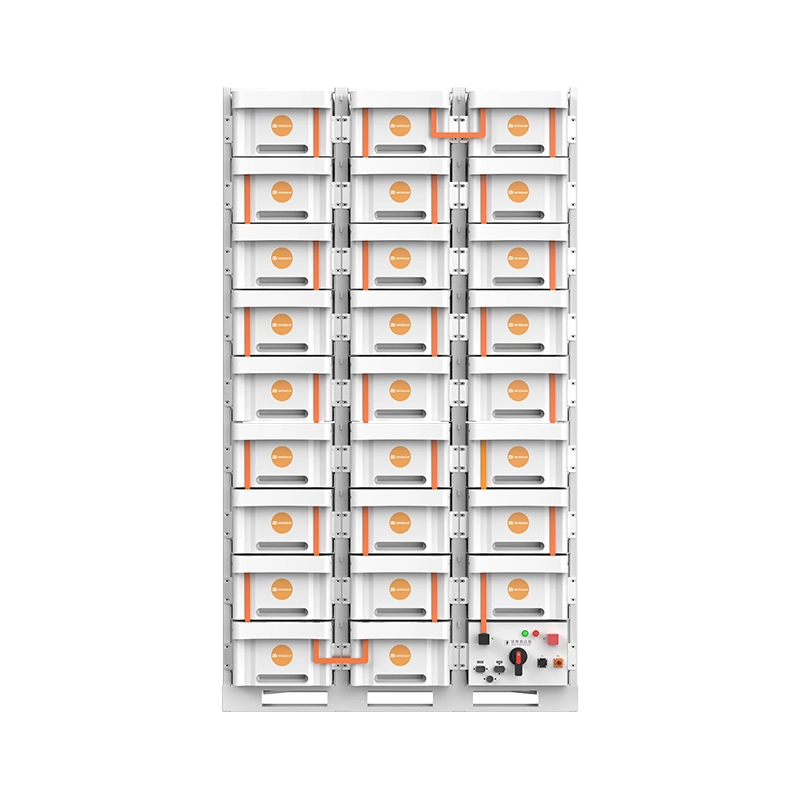
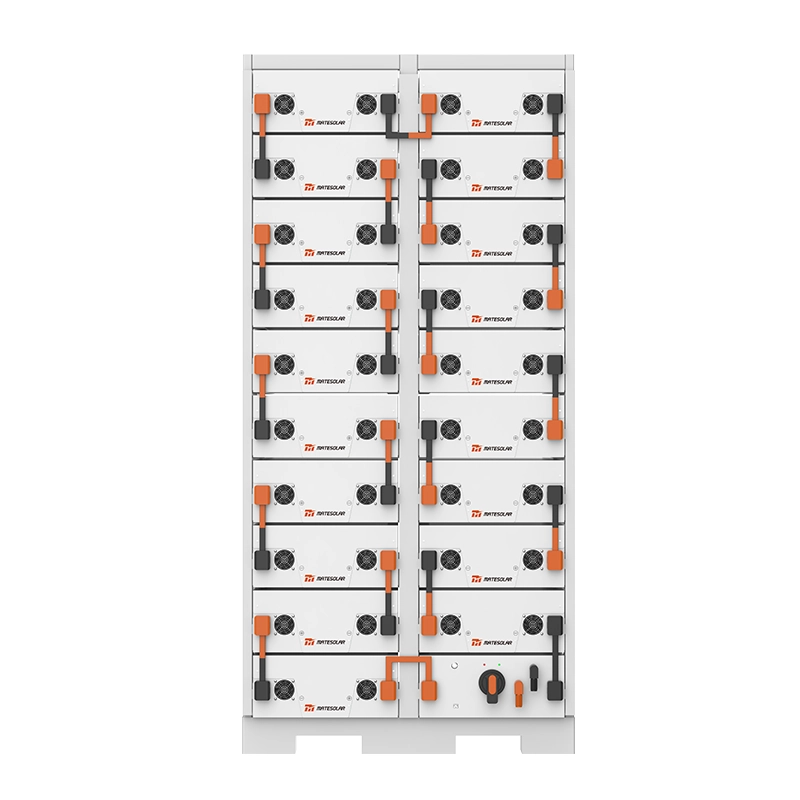
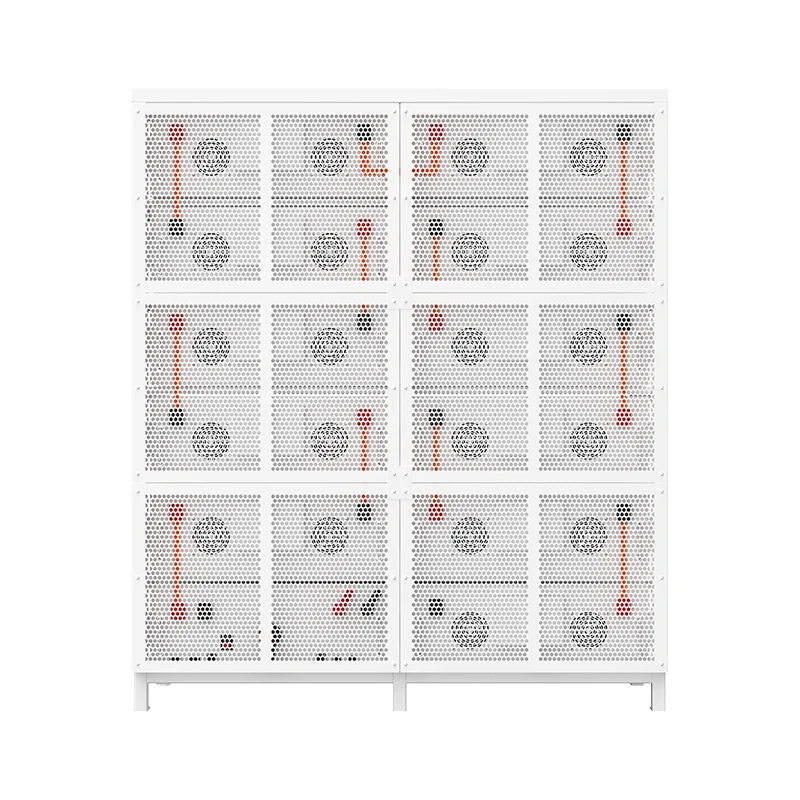
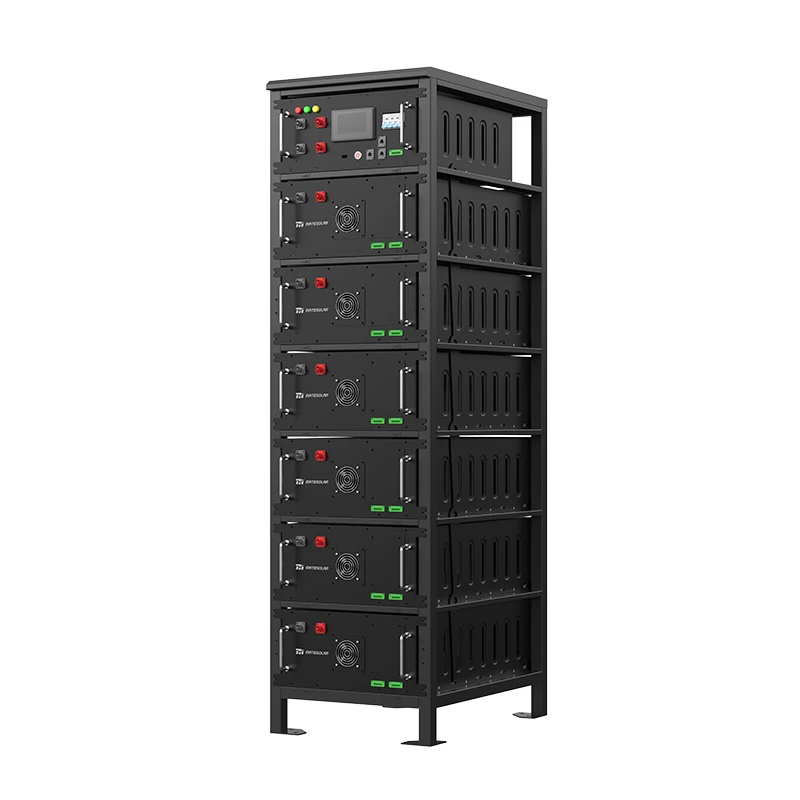
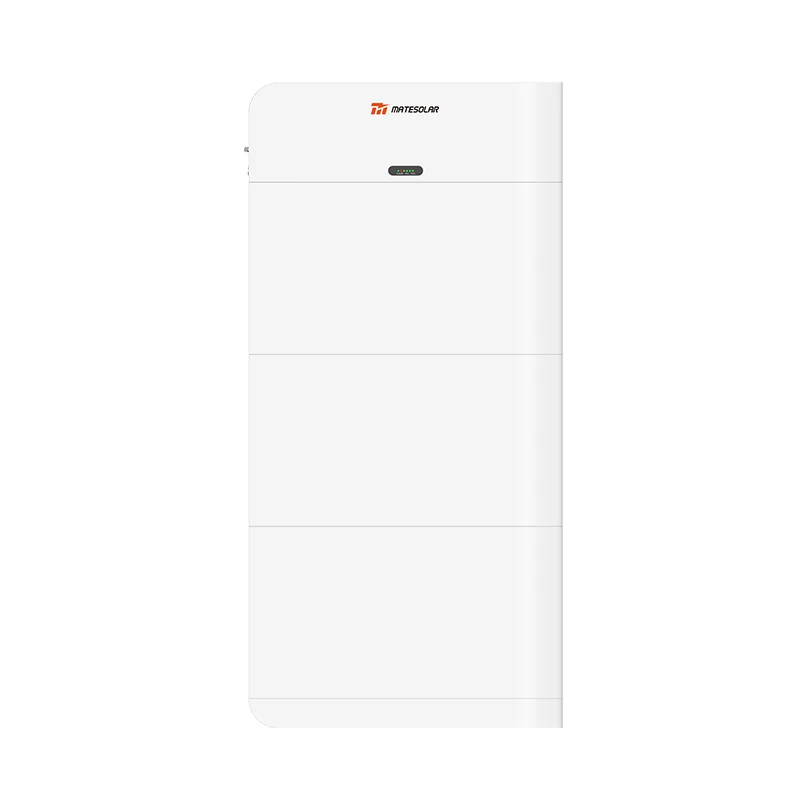


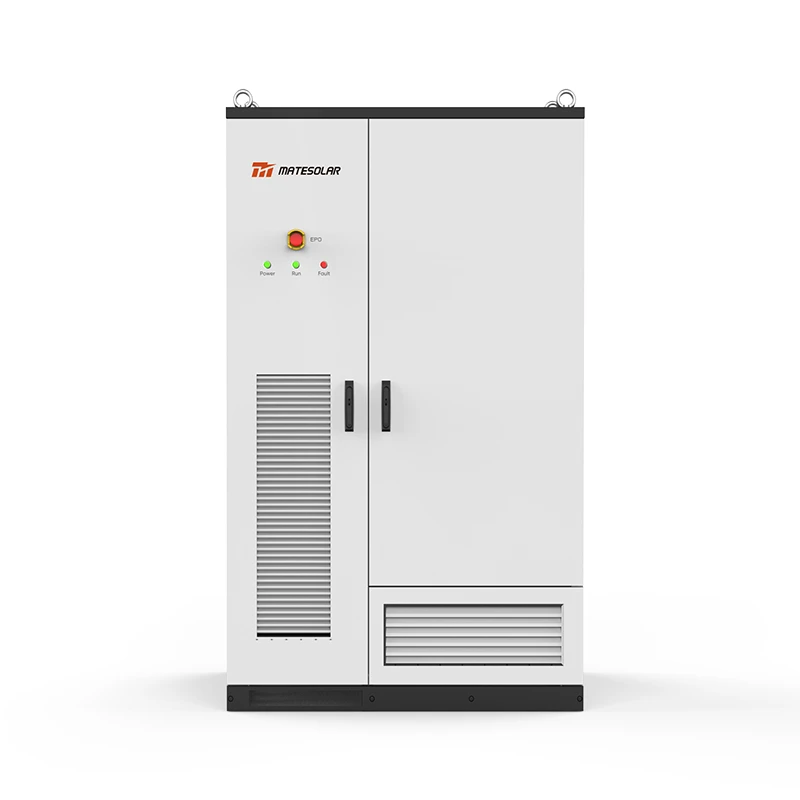

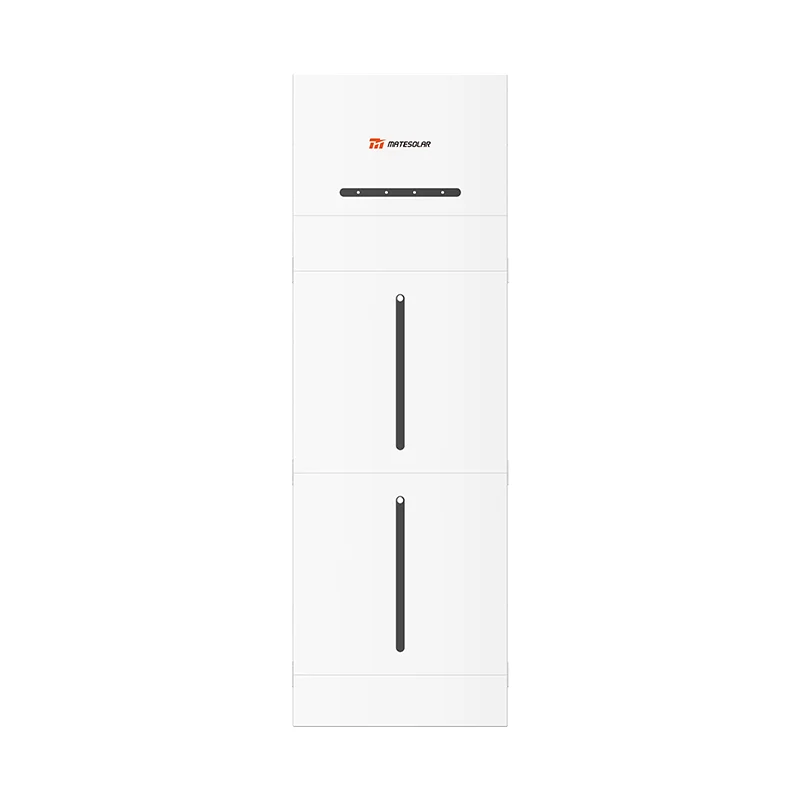
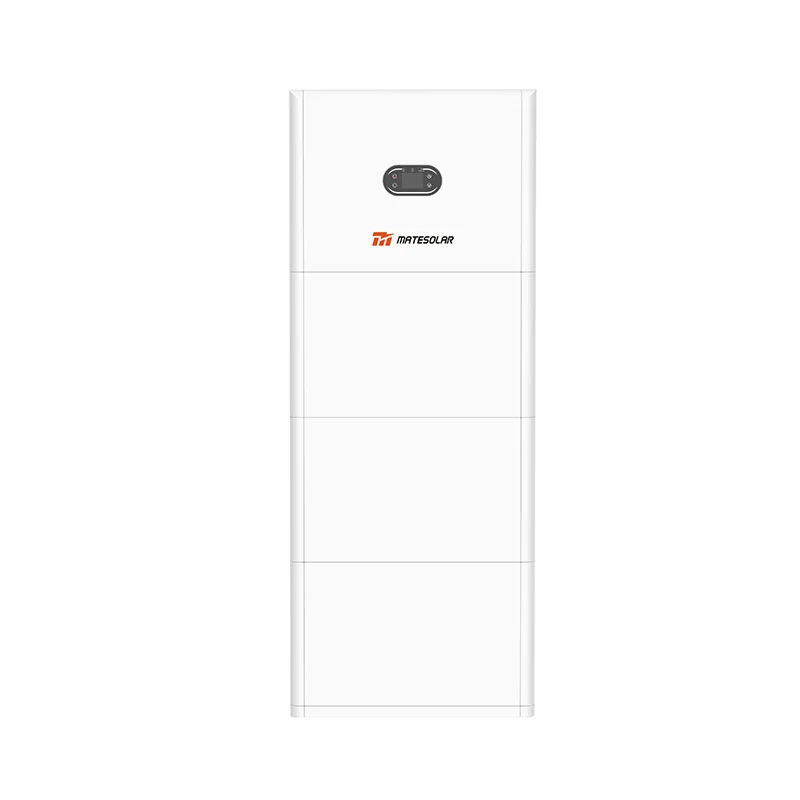
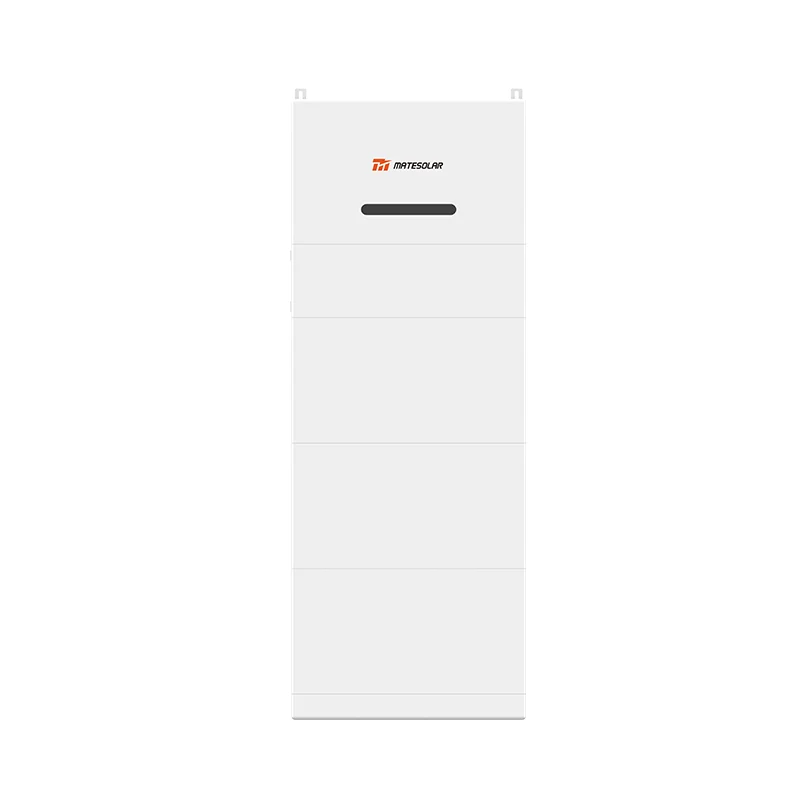
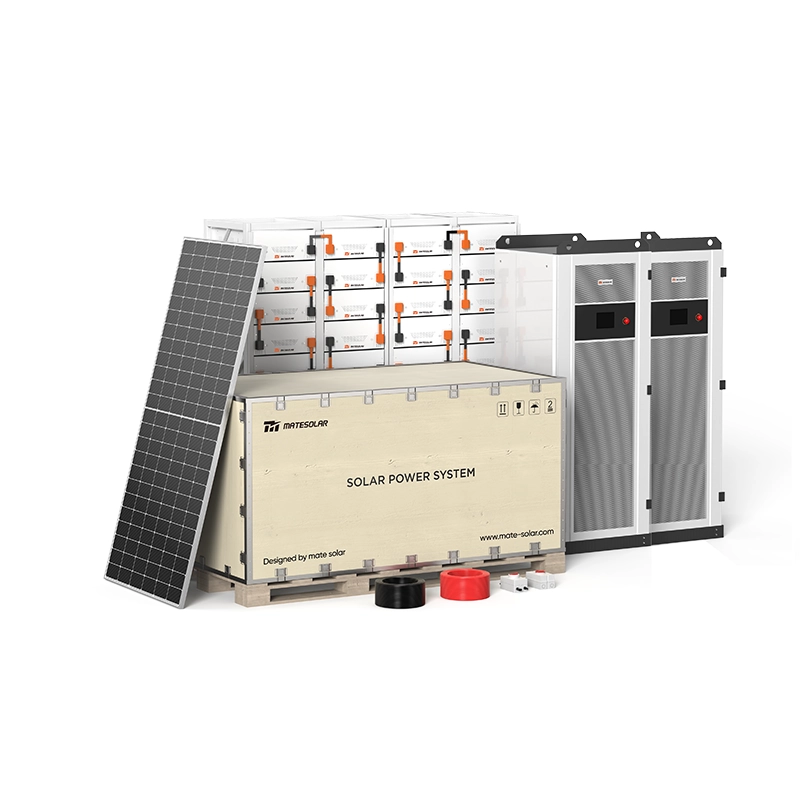
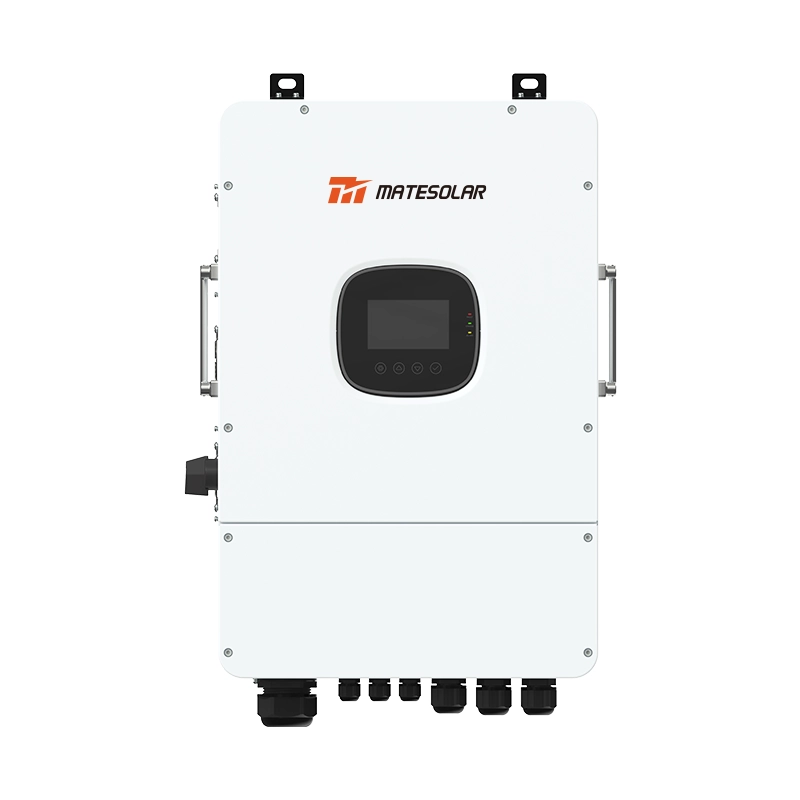

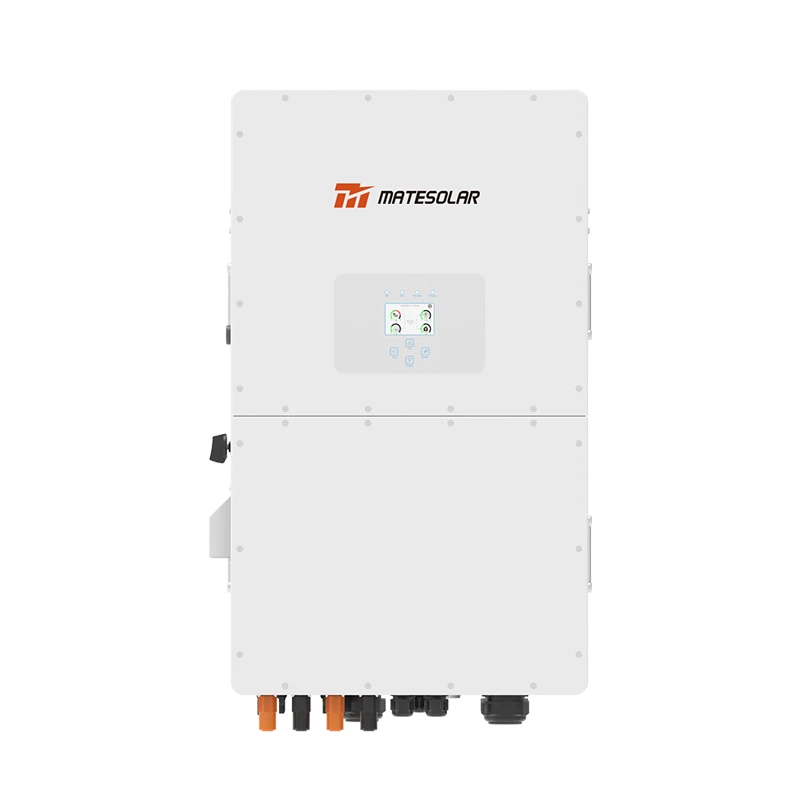
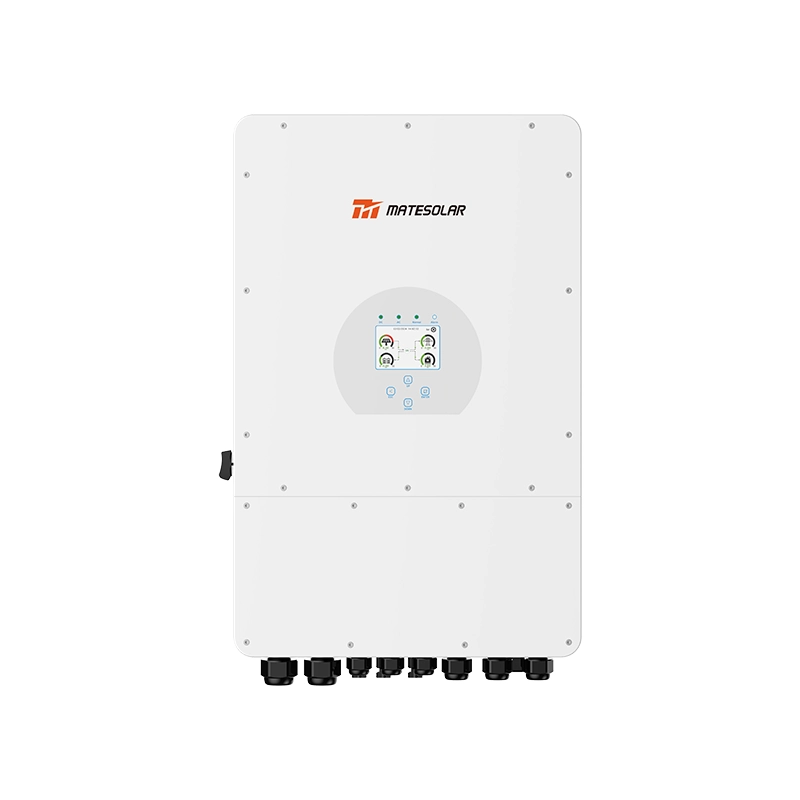
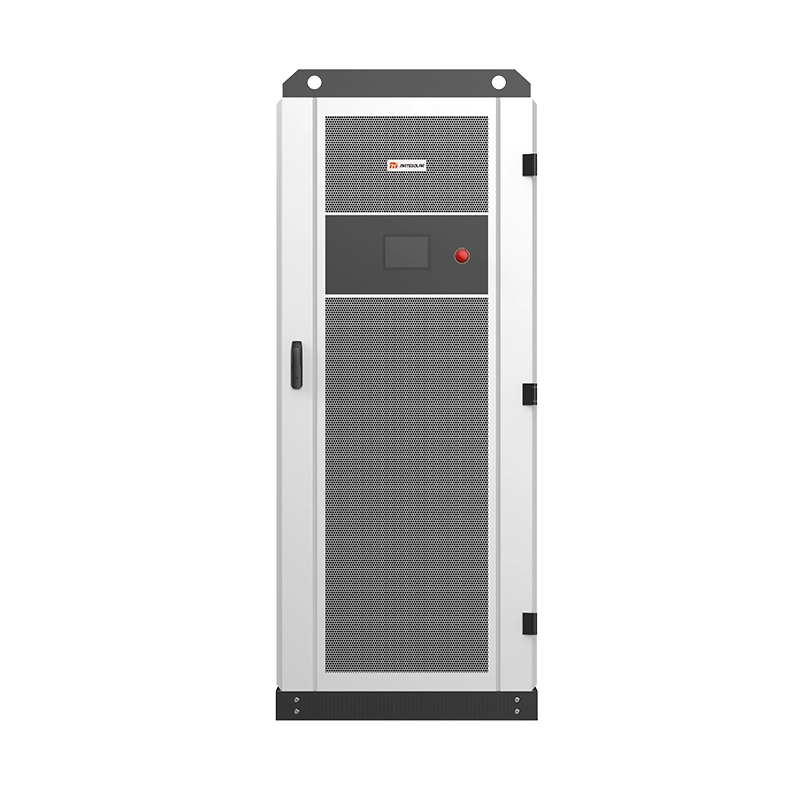
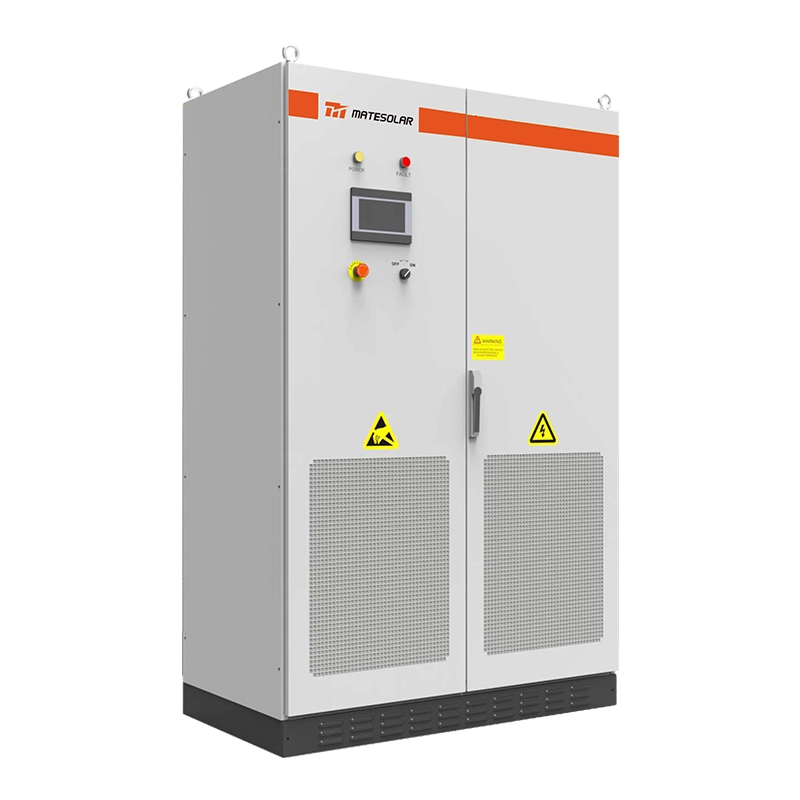
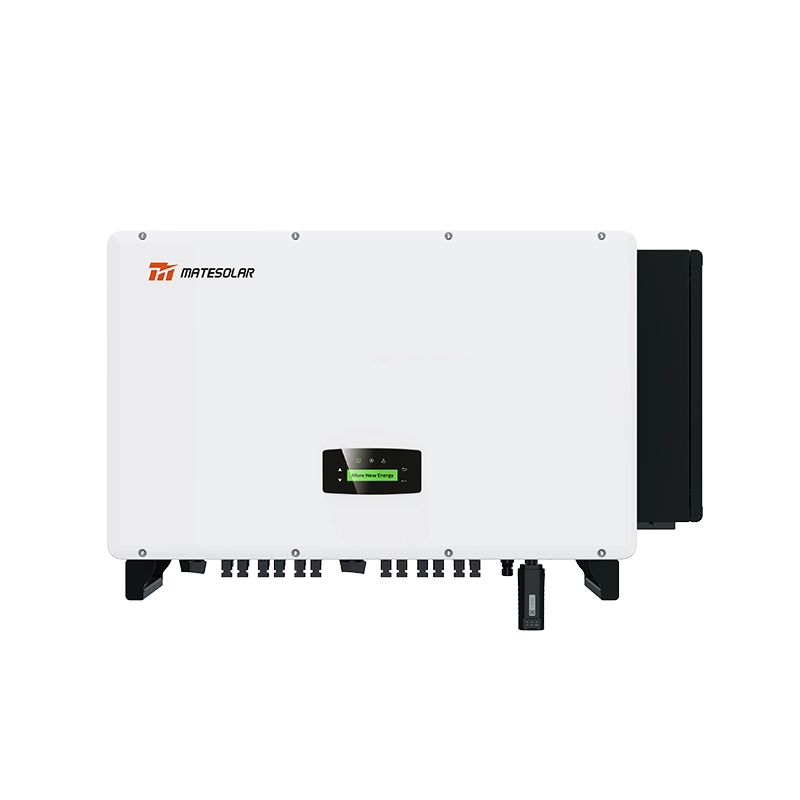
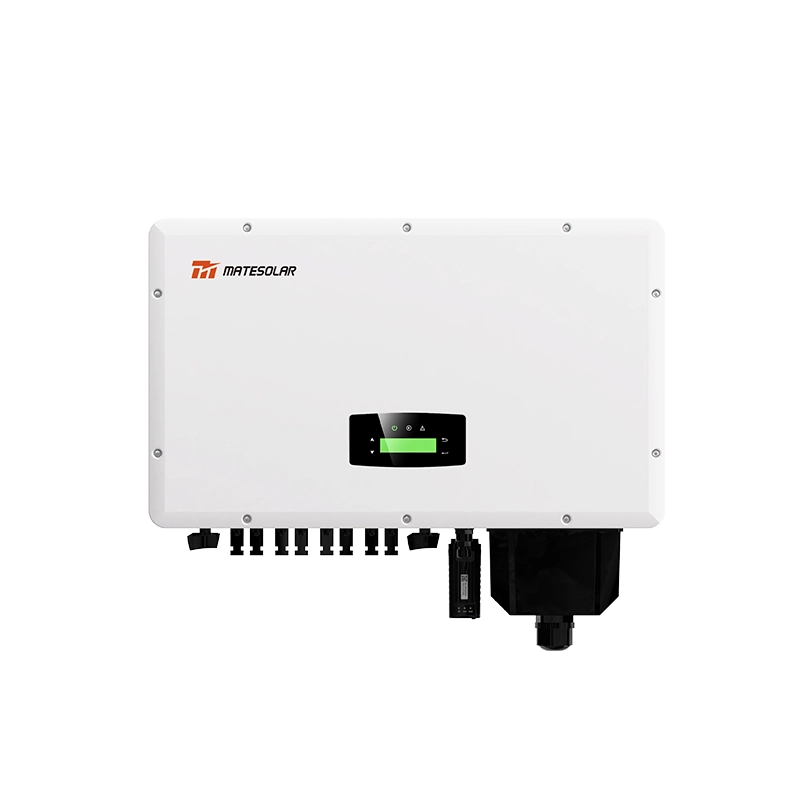
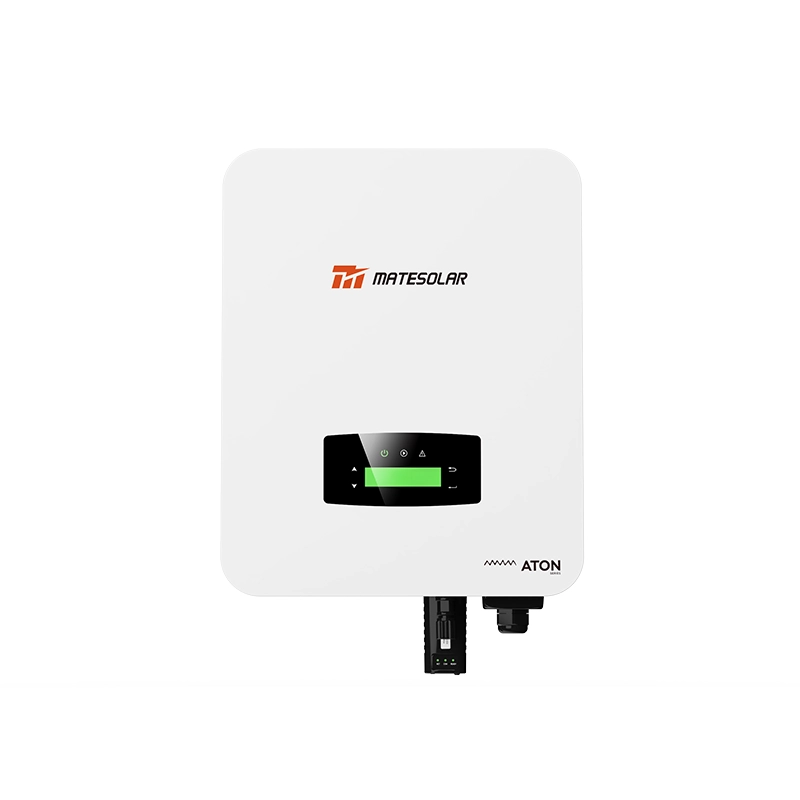
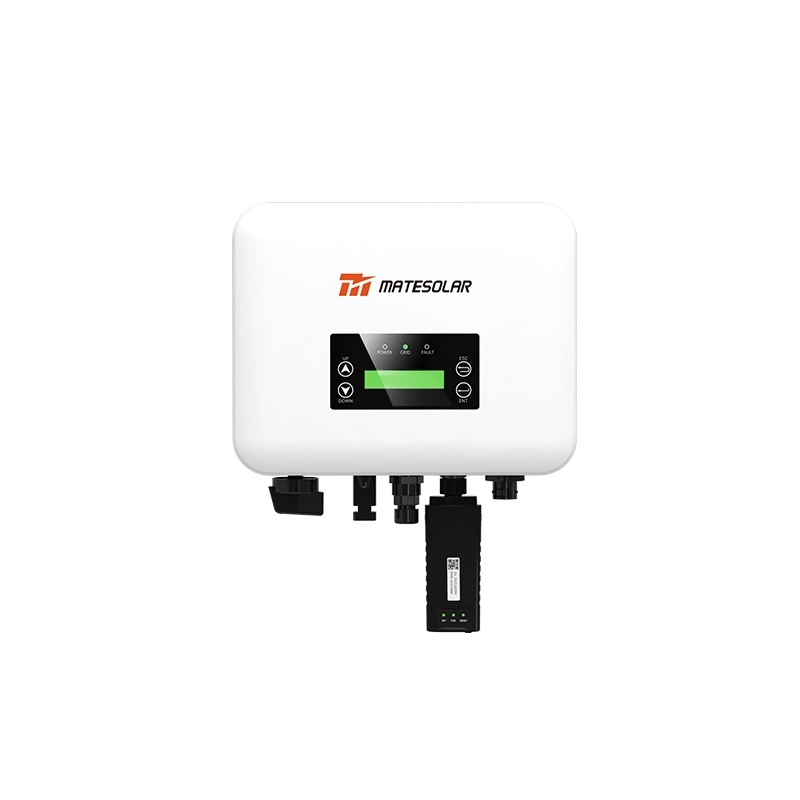


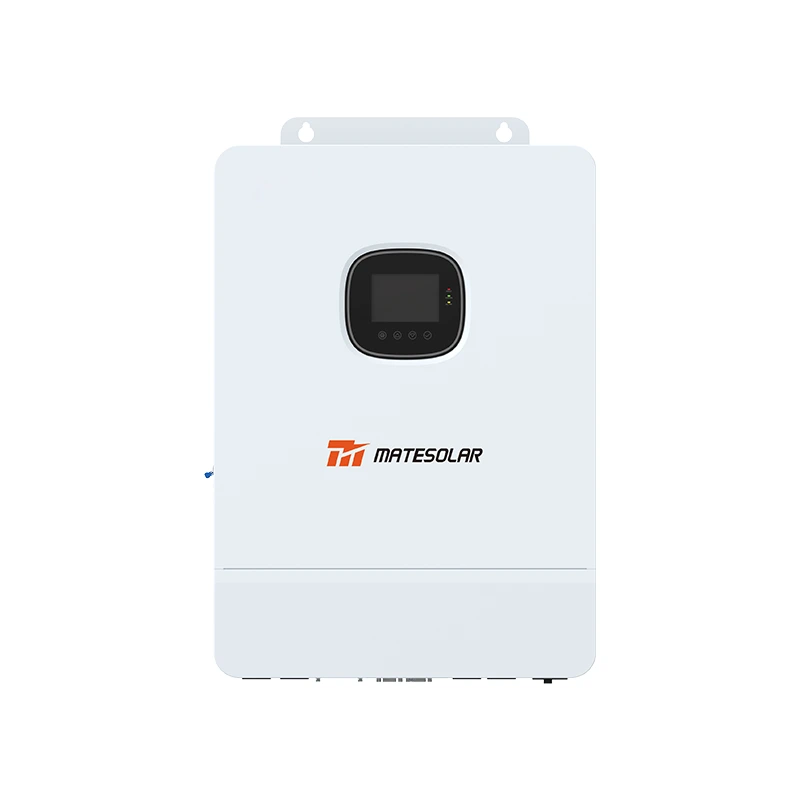
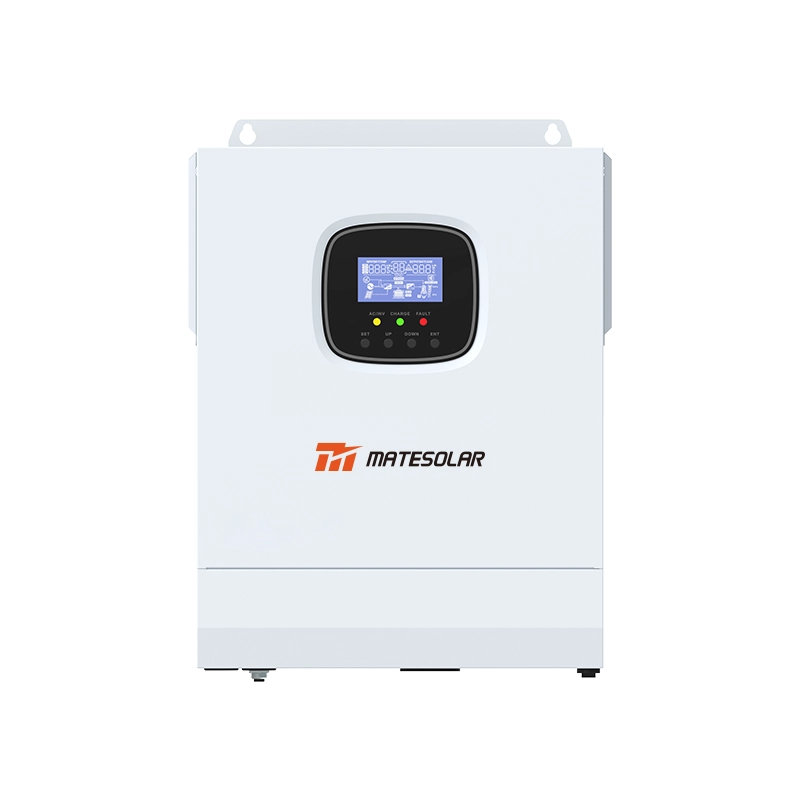
Wie EPCs, Projektentwickler, IPPs, Industrieunternehmen, C&I-Unternehmen, Einzelhändler, Hotels, landwirtschaftliche Betriebe und klimabewusste Betreiber Netzengpässe, politische Reformen, sich entwickelnde Einnahmemodelle und die Widerstandsfähigkeit gegen extreme Wetterereignisse bewältigen können – mit Experten-Tabellen, FAQs und Lösungen für jedes Einsatzszenario
Einleitung: Der deutsche Speichermarkt an einem Wendepunkt
Mai 2026 markiert einen entscheidenden Moment für den deutschen Energiespeichermarkt. Nach Jahren, in denen er von netzfernen Heimspeichern dominiert wurde – meist in Verbindung mit Dachanlagen – durchläuft der Markt einen fundamentalen strukturellen Wandel. Das Zeitalter der unangefochtenen Vorherrschaft von Hausspeichern ist vorbei. Die Zukunft gehört den Speichern im Versorgungsmaßstab (Utility-Scale) sowie im gewerblichen und industriellen Bereich (C&I).
Offizielle Daten aus dem deutschen Marktstammdatenregister (MaStR), die vom Fraunhofer ISE und der RWTH Aachen analysiert wurden, bestätigen diesen Trend. Allein im März 2026 wurden Batteriespeichersysteme mit einer Gesamtleistung von 522,9 MW und einer Gesamtspeicherkapazität von 985,9 MWh an das deutsche Stromnetz angeschlossen – der höchste jemals verzeichnete monatliche Zuwachs, wobei die endgültigen Zahlen voraussichtlich erstmals die 1-GWh-Marke überschreiten werden. Im gesamten ersten Quartal 2026 wurden in Deutschland schätzungsweise 2,2 GWh an neuer Batteriespeicherkapazität hinzugefügt, was einem Wachstum von etwa 38% im Vergleich zum ersten Quartal 2025 entspricht.
Hinter den Gesamtzahlen verbirgt sich jedoch ein stark differenziertes Bild. Bei den Speicherkapazitäten für Privathaushalte – einst der unbestrittene Wachstumsmotor – kam im März 2026 ein Zuwachs von lediglich 132,5 MWh hinzu, was einem Rückgang von 41% gegenüber dem Vorjahresmonat und einem Rückgang von 30% gegenüber Februar entspricht. Gleichzeitig stieg die Speicherkapazität im Großmaßstab im selben Monat auf 108,7 MWh, wobei die Großinstallationen im ersten Quartal 472 MW / 1.016 MWh – was einem erstaunlichen Anstieg von 72,5% in Bezug auf die Leistung und 116,2% in Bezug auf die Energie im Vergleich zum Vorjahreszeitraum entspricht. Zum ersten Mal in der deutschen Geschichte überholte die Speicherkapazität im Großmaßstab die Speicherkapazität im Privathaushaltsbereich bei den vierteljährlichen Zuwächsen und erreichte bis Anfang April insgesamt 3,17 GW / 5,07 GWh.
Das Segment Gewerbe und Industrie (C&I;) verzeichnete zwar im März mit 12,3 MWh in absoluten Monatswerten noch bescheidene Werte, wies jedoch prozentual das stärkste Wachstum auf. Im ersten Quartal 2026 stieg die Speicherkapazität im C&I;-Segment Speicherkapazität im Vergleich zum Vorjahreszeitraum um etwa 30%, wobei Anlagen im Bereich von 30–100 kW um 28% zunahmen und diejenigen im Bereich von 100–1.000 kW um 64% sprunghaft anstiegen.
Die Botschaft ist unmissverständlich: Deutschlands Speichermarkt vollzieht eine starke Wende von Haushalten hin zur Industrie, von Dächern hin zu Umspannwerken, vom Eigenverbrauch zu Netzdienstleistungen. Aber diese Wende bringt eine völlig neue Reihe von Herausforderungen mit sich – regulatorischer, technischer, finanzieller und operativer Natur.
Teil Eins: Die Makrolandschaft – Warum deutsche Speicherlösungen wichtiger denn je sind
1.1 Rekordverdächtige Installationsdaten
Laut aktualisierten MaStR-Daten erreichte die kumulierte installierte Batteriespeicherkapazität in Deutschland Ende März 2026 17,9 GW / 27,2 GWh. Über 2,4 Millionen einzelne Speichersysteme wurden registriert, wobei allein im März rund 45.000 Heimspeicher neu hinzukamen und im selben Zeitraum mindestens 30 neue überregionale Speicher registriert wurden.
Die kumulierten Zahlen verschleiern jedoch das Tempo des Wandels. Der Bereich der Privathaushaltsspeicher verzeichnete nach Jahren exponentiellen Wachstums im ersten Quartal 2026 einen starken Rückgang: Im Vergleich zum ersten Quartal 2025 sanken die Neuinstallationen um 19,91 TP3T bei der Leistung und um 17,81 TP3T bei der Energiekapazität. Im Gegensatz dazu verzeichnete die Speicherkapazität im Großmaßstab – definiert als Anlagen mit einer Leistung von 1 MWh oder mehr – im Jahresvergleich einen fast vierfachen Anstieg, wobei allein im ersten Quartal 2026 über 1 GWh installiert wurde.
Die Pipeline geplanter Projekte ist noch beeindruckender. Anfang April 2026 hatte Deutschland 418 registrierte skalierbare Speicherprojekte in Planung, mit einer Gesamtkapazität von 7,06 GW / 16,55 GWh. Das größte Einzelportfolio gehört der LEAG, die vier Projekte mit einer Gesamtkapazität von 1,6 GW / 6.137 GWh plant.
1.2 Der Politikschub: ISP, KfW und der TRANSFORMATIONSFONDS KLIMA
Zwei wichtige politische Maßnahmen haben den kommerziellen Ausbau von Speichern beschleunigt.
Zunächst genehmigte die Europäische Kommission Ende 2025 offiziell ein deutsches Beihilfeprogramm in Höhe von 5 Milliarden Euro, die Industriestrompreis-Subvention (ISP), die energieintensiven Branchen dabei helfen soll, ihre Produktion zu dekarbonisieren und gleichzeitig international wettbewerbsfähig zu bleiben. Förderfähige Unternehmen erhalten subventionierten Strom für bis zu 50% ihres Jahresverbrauchs zu einem Zielpreis von etwa 5 Cent/kWh, rückwirkend ab Januar 2026 und bis einschließlich 2028. Diese Maßnahme belohnt direkt Investitionen in dezentrale Energiespeicher, um die Last an die Erzeugung aus erneuerbaren Energien anzupassen und die Abhängigkeit vom Stromnetz zu verringern.
Zweitens bieten die erweiterten Förderprogramme der KfW für gewerbliche Speicher dieselben Konditionen wie ihre bekannten Programme für Privathaushalte. Im Rahmen von KfW 275 – das in erster Linie für den Spitzenlastausgleich mit PV-Anlagen bis zu 30 kW konzipiert ist – können gewerbliche Projekte Darlehen in Höhe von bis zu 100% der förderfähigen Kosten sowie Investitionszuschüsse in Höhe von bis zu 30% der Gesamtprojektkosten in Anspruch nehmen, wobei der maximale Zuschuss pro Unternehmen bei 600.000 € liegt. Das Programm KfW 270 bietet zinsgünstige Darlehen für Investitionen in erneuerbare Energien und Speichersysteme im gesamten gewerblichen Sektor.
Diese Förderprogramme sind nicht nur theoretisch. Branchenquellen bestätigen, dass die KfW Ende 2025 und Anfang 2026 über 300 Millionen Euro an Speicher- und erneuerbare Energienprojekte im KMU- und Industriesektor ausgezahlt hat, wobei die Zahlen für das Gesamtjahr voraussichtlich 600 Millionen Euro übersteigen werden.
1.3 Erneuerbare Durchdringung und das Imperativ der Volatilität
Die Stromerzeugung aus erneuerbaren Energien in Deutschland erreichte im ersten Quartal 2026 einen Anteil von 54,41 TP3T an der gesamten öffentlichen Nettostromerzeugung – 68,2 TWh von insgesamt 125,2 TWh [37†L25-L27]. Windenergie führte den Mix mit 34,11 TP3T an, während Solarenergie im ersten Quartal 9,21 TP3T beitrug; ihr saisonaler Einfluss ist jedoch in den Sommermonaten weitaus stärker.
Die Folge ist eine extreme Intraday-Preisvolatilität. Im Mai 2025 berührten die Intraday-Strompreise während des solaren Produktionspeaks kurzzeitig -450 €/MWh. Die Day-Ahead-Spreads weiteten sich von nur 30 €/MWh im Jahr 2019 auf über 130 €/MWh im Jahr 2024. Diese Volatilität schafft die Arbitragemöglichkeit, auf der Batteriespeicher-Geschäftsmodelle beruhen – sie erfordert aber auch hochentwickelte Energiemanagementsysteme und Optimierungsfähigkeiten für die Einsatzplanung, die weit über eine einfache zeitabhängige Nutzungsverschiebung hinausgehen.
1.4 Marktdynamik Zusammenfassungstabelle
| Indikator | Q1 2025 | Q1 2026 | YoY-Veränderung |
| Gesamte neue Speicherkapazität (GWh) | ~1.45 | ~2.0 | +38% |
| Anlagenneubau im Versorgungsmaßstab (GWh) | ~0.47 | ~1.016 | +116% |
| Wohnneubaukapazität (GWh) | ~1.03 | ~0.85 | -17.8% |
| C&I neue Kapazität (MWh) | ~80 | ~108 | +35% |
| Kumulierte Gesamtspeicherkapazität (GWh) | ~24 | ~27.2 | +13% |
| Anteil erneuerbarer Energien an der Stromerzeugung (%) | ~52% | ~54.4% | +2,4 Prozentpunkte |
| Täglicher Preisspread (€/MWh im Schnitt) | ~95 | ~115 | +21% |
Quellen: MaStR / Fraunhofer ISE / BNetzA / Energy-Charts
Teil Zwei: Die fünf kritischen Schmerzpunkte – und wie man sie löst
Die obigen Daten zeichnen ein Bild voller Chancen. Doch Entwickler, Investoren, Industrieunternehmen und kommerzielle Installateure sehen sich alle spezifischen Hindernissen gegenüber, die – wenn sie schlecht gemanagt werden – die Projektökonomie vollständig zerstören können. Dieser Abschnitt analysiert die dringendsten Probleme jeder Interessengruppe und präsentiert praktische, umsetzbare Lösungen.
Schmerzpunkt Eins: EPCs / Projektentwickler / IPPs – Bewältigung von Netzengpässen und Gebührenreform
Das Kernproblem: Das deutsche Übertragungsnetz ist praktisch gesättigt. Allein im Jahr 2025 erhielten die Übertragungsnetzbetreiber 226 GW an neuen Netzanschlussanfragen von Batteriespeicherentwicklern – weit mehr als die verfügbare Kapazität. Ein Übertragungsnetzbetreiber hat bestätigt, dass bis 2029 keine neue Kapazität verfügbar sein wird [20†L26-L30]. Fast 10.000 Anträge auf Anschluss von großflächigen BESS (Battery Energy Storage Systems) sind derzeit rückläufig, und es wird erwartet, dass sich die Situation verschärfen wird, da die Projektpipeline von 7,06 GW / 16,55 GWh in Richtung Bau fortschreitet.
Als Reaktion darauf haben die vier deutschen Übertragungsnetzbetreiber (ÜNB) (50Hertz, Amprion, TenneT und TransnetBW) am 1. April 2026 den traditionellen “Windhundverfahren”-Ansatz aufgegeben und ihn durch ein reifegradbasiertes “Reifeverfahren” ersetzt, das knappe Anschlusskapazitäten auf der Grundlage von Projektbereitschaft, Landkontrolle, finanzieller Leistungsfähigkeit und Netznutzen zuweist. Eine nicht erstattungsfähige Antragsgebühr von 50.000 € und eine Erfolgsprämie von 1.500 € pro MW sind nunmehr Standard.
Selbst bei Projekten, denen ein Netzanschluss zugesichert wird, führen flexible Anschlussvereinbarungen (FCAs) zu betrieblichen Einschränkungen – wie der Begrenzung der Ein- und Ausspeisekapazität, der Rampenraten oder beidem –, die die finanzielle Performance erheblich beeinträchtigen können. Eine auf der „Watson Farley & Williams BESS Deep Dive“-Konferenz vorgestellte Analyse aus dem Jahr 2026 ergab, dass die strengsten FCAs (die gleichzeitig Leistung, Rampenrate und Hilfsdienste begrenzen) den IRR eines Projekts um 5 Prozentpunkte senken und die Lebenszyklus-Einnahmen um 20% verringern können.
1A. FCA Finanzielle Auswirkungen – Quantifiziert
| Verbindungsart | Erlaubter Stromexport/-import | Anstiegsratenbegrenzung | Primäre Serviceerlös-Auswirkungen | Gesamtauswirkungsbetrachtung des Umsatzes (Lebensdauer) |
| Unabhängige Firmenverbindung | 100% | Unbegrenzt | 0% | 0% |
| Leicht FCA (nur Exportkappe) | ≤90% | Unbegrenzt | -2% bis -4% | -5% bis -7% |
| Moderates FCA (Deckelung + Rampenlimit) | ≤80% | ≤50% Typenschild/Sek. | -4% bis -6% | -10% bis -13% |
| Schwere FCA (vollständige Einschränkungen) | ≤60% | ≤251 TP3T/Sek. + Dienstsperren | -8% bis -10% | -15% bis -20% |
Quellen: Modo Energy / WFW BESS Deep Dive 2026 / FlexPowerHub-Analyse.
1B. Lösungen zur FCA-Minimierung
Fortgeschrittene Optimierungsalgorithmen: Moderne Energiemanagementsysteme (EMS) müssen FCA-Einschränkungen bereits auf der Ebene der Einsatzplanung berücksichtigen – und nicht erst nachträglich auf einen optimierten Zeitplan anwenden. Die fortschrittlichsten Plattformen nutzen eine mehrperiodische Optimierung mit rollierendem Horizont, die Leistungsgrenzen, Rampenbeschränkungen und Nichtverfügbarkeitsintervalle für bestimmte Regelenergieprodukte explizit modelliert. Betreiber, die solche Systeme einsetzen, haben bei moderaten FCAs Gesamteinnahmeeinbußen von nur 8% bis 10% erzielt, verglichen mit >15% bei Betreibern, die eine naive Handhabung der Einschränkungen anwenden.
Selektive Teilnahme an FCR/aFRR: Unter strengen FCA-Bedingungen können einige Regelenergiemärkte teilweise oder vollständig unzugänglich werden. Dispatch-Optimierungsplattformen müssen die Kapazität dynamisch auf die werthaltigsten verfügbaren Märkte im 15-Minuten-Takt neu zuweisen. In der Praxis bedeutet dies, die Fähigkeit aufrechtzuerhalten, innerhalb von Millisekunden zwischen aFRR+ und aFRR- zu wechseln, unter Berücksichtigung von möglicherweise asymmetrischen Exportgrenzen.
Energiereservenoptimierung: Der Trägheitsmarkt und der Markt für sofortige Reserven im Jahr 2026 erfordern, dass Systeme nachweisen können, dass sie die vertraglich vereinbarte Kapazität jederzeit bereitstellen können. Intelligente EMS-Plattformen, die nur die minimal notwendige Energie reservieren und dennoch die Verfügbarkeitsanforderungen erfüllen, können auch bei moderaten FCAs am Markt teilnehmen und bis zu 4 Prozentpunkte IRR erhalten, die sonst verloren gehen würden.
2A. Stromnetzgebührenreform (AgNes) – Die Drohung von 66,50 €/MWh
Die Bundesnetzagentur (BNetzA) entwickelt derzeit das “Allgemeine Netzentgeltsystem” (AgNes), eine umfassende Überarbeitung der Netzentgeltstrukturen. Die Kernfrage: Sollen Stromproduzenten – einschließlich Betreiber von Batteriespeichern – beginnen, Netzentgelte zu zahlen?
Derzeit genießen Speicheranlagen eine Befreiung von Netznutzungsentgelten bis August 2029. Die Branche erwartet jedoch, dass diese Befreiung nach diesem Datum aufgehoben oder erheblich eingeschränkt wird. Die direkteste Bedrohung für die Wirtschaftlichkeit von Speichern geht von Vorschlägen aus, Netzentgelte für Eigenverbrauchsstrom zu erheben – Strom, der an demselben Netzanschlusspunkt in eine Batterie geladen und später wieder entladen wird. In einem diskutierten Szenario würden Speicher für jede zirkulierte MWh etwa 66,50 €/MWh zahlen, was die Projekt-IRR um etwa 4 Prozentpunkte reduziert.
2B. BESS-Reaktionsstrategien auf Unsicherheit bei AgNES
Dynamische standortbezogene Arbitrage: Nicht alle Netzstandorte sind unter den AgNes-Vorschlägen gleich. Batterien an Knotenpunkten, die unter starker Überlastung leiden, werden wahrscheinlich höheren dynamischen Netzentgelten ausgesetzt sein, während solche an Knotenpunkten mit überschüssiger erneuerbarer Stromerzeugung möglicherweise Anspruch auf ermäßigte Entgelte haben. Smart Siting – die Auswahl von Anschlusspunkten auf der Grundlage öffentlich zugänglicher Daten des Übertragungsnetzbetreibers (ÜNB) zu Überlastungsmustern und Kapazitätsverfügbarkeit – ist die effektivste Absicherung. Entwickler, die vom ÜNB veröffentlichte NetzdFine-Daten zur Steuerung von Standortentscheidungen nutzen, haben die modellierten IRR um bis zu 3 Prozentpunkte in AgNes-Szenarien verbessert.
Abwälzungsvereinbarungen als Absicherung: Da die Unsicherheit bezüglich AgNes anhält, wird die Finanzierung von eigenständigen Merchant-Speicherprojekten zunehmend schwieriger. Abwälzungsvereinbarungen – bei denen ein Versorgungsunternehmen oder Abnehmer eine feste Gebühr für die Speicherkapazität zahlt, unabhängig von den Markteinnahmen – verlagern das Risiko der Netzentgelte vom Projektträger weg. Im Jahr 2026 haben mehrere große deutsche Versorgungsunternehmen begonnen, Abwälzungsangebote speziell so zu gestalten, dass Entwickler vor der Unsicherheit der Netzentgelte geschützt werden.
Backup-Versand für Worst-Case-Szenarien: Das größte Risiko unter AgNes besteht darin, dass rückwirkende Gebühren für bestehende Projekte ohne Bestandsschutz auferlegt werden. Obwohl ein Bestandsschutz für bestehende Anschlüsse erwartet wird, kann dieser nicht garantiert werden. Die Marktkatastrophe von ERCOT in Texas (Februar 2021) hat die Folgen der Annahme regulatorischer Stabilität gezeigt. Entwickler sollten ihre Portfolios unter mindestens drei AgNes-Szenarien modellieren – statische Befreiung von Netzgebühren verlängert, moderate Gebühren nach 2029 gestaffelt eingeführt und Worst-Case-Rückwirkungsgebühren – und sicherstellen, dass die LCOE auch im schlimmsten Fall wettbewerbsfähig bleibt.
3A. Marktsättigung bei Nebenleistungen – Die Herausforderung 2030
Derzeit machen die Zusatzdienstleistungen (FCR und aFRR) etwa 55% der deutschen BESS-Einnahmen aus. Bis 2030 wird dieser Anteil voraussichtlich auf nur noch 5% sinken, da das Angebot die Beschaffung durch die Netzbetreiber übersteigt und die Großhandelsarbitrage zur dominierenden Einnahmequelle wird.
Diese Entwicklung ist keine Spekulation – sie lässt sich bereits in den Daten erkennen. Im Januar 2026 sanken die deutschen aFRR+-Grenzpreise von 11.703 €/MW/h im Dezember 2025 auf 10.293 €/MW/h, während die aFRR-Preise von 4.379 €/MW/h auf 2.866 €/MW/h fielen. Die BESS-Kapazität in Deutschland wird bis Ende 2026 etwa 5,7 GW erreichen. Wenn nur 35% dieser Anlagen für aFRR in Frage kommen, übersteigt dies bereits die von den deutschen Netzbetreibern beschaffte aFRR-Kapazität von 2 GW.
Die Lehren aus Großbritannien geben Anlass zur Besinnung. Nach einer Welle von kurzlebigen Batterieprojekten, die ausschließlich auf den Frequenzgang optimiert waren, brachen die Umsätze im Bereich Frequenzgang in Großbritannien im Jahr 2023 um 73% ein, da das Angebot die Nachfrage überstieg.
3B. Zukunftsfestigkeit für das Zeitalter des Großhandels
Die Laufzeit ist entscheidend: Die wichtigste Einzelkennzahl für deutsche Speicherkapazitäten nach 2030 ist die Laufzeit. Im Jahr 2026 erreicht ein 4-Stunden-BESS in der Basisszenario-Modellierung eine unverschuldete IRR von 13,71 TP3T, während ein 2-Stunden-System 12,21 TP3T erreicht. Der Vorteil einer längeren Speicherdauer wächst exponentiell, je mehr die Einnahmen aus Zusatzdiensten zurückgehen, da 4-Stunden-Systeme sowohl den Solarüberschuss am Mittag als auch die Abendspitzenlast abdecken können, während 2-Stunden-Systeme nur eines davon abdecken können.
Gitterbildende Zertifizierung: Ab Januar 2026 hat Deutschland durch ein neues marktbasierendes Produkt Trägheitsleistungen beschafft. Batteriespeicher mit zertifizierten gitterbildenden Wechselrichtern erhalten eine Festpreisvergütung von ca. 8.000–17.000 €/MW/Jahr für die Bereitstellung von Trägheit. Dieser neue Einnahmestrom ist ortsabhängig – Übertragungsnetzbetreiber zahlen Prämiensätze an Knotenpunkten, an denen die Trägheit am knappsten ist – und bietet eine stabile Absicherung mit langer Laufzeit gegen eine Kompression der Nebenleistungen.
Sofortreserve-Markt: Der am 22. Januar 2026 eingeführte Sofortreserve-Markt bezieht erstmals Netzstabilisierungsleistungen mit einer Reaktionszeit von unter 30 Sekunden von umrichterbasierten Anlagen, einschließlich BESS. Für das Premium-Produkt (Verfügbarkeit 90%) zu 805 € pro MWs/Jahr kann ein 1-MW-BESS zusätzliche Einnahmen in Höhe von ca. 20.125 €/MW/Jahr erzielen, wobei die Anforderungen an die Leistungs- und Energiereservierung minimal sind (etwa 35 kWh für eine Anlage mit 100 MW/100 MWh).
4A. Die 15-Minuten-Abwicklungsherausforderung
Deutschland hat nun sowohl im Day-Ahead- als auch im Intraday-Markt vollständig auf 15-Minuten-Abrechnungsintervalle umgestellt. Diese Granularität birgt sowohl Chancen als auch Risiken. Für BESS, die über 96 tägliche Intervalle hinweg optimieren können, verstärkt sich die Möglichkeit, kleine, aber häufige Preisunterschiede zu nutzen, erheblich. Für BESS, die dazu – aufgrund veralteter EMS oder unzureichender Rechenkapazität – nicht in der Lage sind, vergrößert sich die Lücke zwischen potenziellen und realisierten Erlösen jährlich um schätzungsweise 20–30%.
4B. EMS-Fähigkeiten für granulare Märkte
Hochauflösende Optimierung: Das minimale, marktreife EMS für die deutsche Marktteilnahme muss eine rollierende Optimierung über mindestens 96 diskrete Zeitintervalle durchführen, die alle fünf sequenziellen Gate Closures einbezieht: FCR → aFRR → Day-Ahead → Intraday → Redispatch. Systeme, die ihre Dispatch-Strategie nicht über diese Sequenz abbilden können, werden systematisch Geld verlieren.
Preisprognosen mittels maschinellem Lernen: Aufgrund des beschleunigten Ausbaus erneuerbarer Energien reichen historische Preisverläufe nicht mehr aus, um die deutschen Intraday-Preise zu prognostizieren. Moderne EMS-Plattformen müssen Modelle des maschinellen Lernens integrieren, die auf Prognosen zur Erzeugung aus erneuerbaren Energien, Gaspreisentwicklungen, der Verfügbarkeit von Übertragungsleitungen sowie historischen FCR-/aFRR-Preisen trainiert wurden. Betreiber, die solche Plattformen nutzen, verzeichnen in volatilen Märkten um 15–20% höhere Umsatzrealisierungsraten im Vergleich zur regelbasierten Optimierung oder einer Optimierung, die ausschließlich auf Netzentgelten basiert.
Echtzeitfähigkeit: Die Marktstruktur von 15 Minuten bedeutet, dass bis zu 96 neue Preissignale pro Tag eintreffen. Das EMS muss in der Lage sein, seinen geplanten Zeitplan für das nächste Intervall zu verwerfen und eine neue Strategie in Millisekunden neu zu berechnen, wenn ein FCR- oder aFRR-Gate Kapazitäten neu zuweist. Dies erfordert nicht nur schnelle Prozessoren, sondern eine grundlegend reaktive Steuerarchitektur – was manche Entwickler als “Echtzeit-reaktive Optimierung” bezeichnen.”
Schmerzpunkt Zwei: Industrieunternehmen und große Gewerbebetriebe – Stromrechnungen senken und Dekarbonisierungsziele durch Speichertechnologie erreichen
Das Kernproblem: Die deutschen Industriestrompreise lagen im ersten Halbjahr 2026 bei durchschnittlich rund 38,4 Cent/kWh – unter den höchsten in Europa und deutlich über dem Zielpreis von 5–6 Cent/kWh für subventionierten Industriestrom. Selbst wenn die ISP-Subvention die Hälfte des Verbrauchs abdeckt, bleiben nicht subventionierte Teile unrentabel hoch.
Gleichzeitig nehmen negative Preiseventualitäten – wie die 141-stündige Serie negativer Preise im Mai 2025 – zu. Für Industrieunternehmen ohne Speicherkapazitäten vor Ort bedeuten solche negativen Preiseventualitäten, dass sie für den Stromverbrauch bezahlen müssen (da Einspeisevergütungen und Festpreis-PPAs weiterhin gelten). Für diejenigen mit intelligenten Speichern stellen negative Preise kostenlose Ladechancen dar.
1A. Dynamische Tarifarbitrage
Die Lösung: Ein richtig dimensioniertes BESS mit Integration von Echtzeit-Preissignalen kann das Laden bei negativen Preisen und das Entladen bei hohen Preisen vollständig automatisieren. Die wichtigste technische Voraussetzung ist die Anbindung an die Day-Ahead- und Intraday-Märkte von EPEX Spot – es reicht nicht aus, nur eine bestmögliche Schätzung darüber abzugeben, wann geladen werden sollte. Systeme mit einer solchen Integration erzielen bei Unternehmen mit mittlerer bis hoher Lastflexibilität annualisierte Einsparungen bei den Stromkosten in Höhe von etwa 25–35%.
Integration mit PV: Bei Industriestandorten mit bestehenden oder geplanten PV-Anlagen auf dem Dach kann ein kombiniertes PV+BESS-System mit intelligenter Energieplanung Eigenverbrauchsquoten von über 90% erreichen, verglichen mit 40–60% bei reinen PV-Anlagen oder einfachen Batteriestrategien nach dem Prinzip “Laden, wenn die Sonne scheint”. Der Grenznutzen der Batterie ist am höchsten bei Anlagen mit Spitzenlasten am Abend, die die PV-Anlage allein nicht decken kann.
2A. Fördervoraussetzungen für ISP – Abgleich von Speicher mit Dekarbonisierungsanforderungen
Die ISP-Förderung verlangt von teilnehmenden Unternehmen, dass sie nachweisen, dass sie echte Investitionen zur Dekarbonisierung tätigen. Energiespeicher vor Ort qualifizieren sich direkt als solche Investitionen, jedoch nur, wenn die Einsatzmuster der Batterie mit dem erklärten Ziel, die Spitzenlast des Netzes zu reduzieren und den Verbrauch auf erneuerbare Stunden zu verlagern, übereinstimmen.
Praktische Implementierung: Wir bieten einen umfassenden ISP-Bewerbungsservice an, einschließlich der Dokumentation der geplanten Speicherkapazität, geschätzter Netzverdrängungsberechnungen, prognostizierter Lastverschiebungskennzahlen und der Integration mit bestehenden oder geplanten erneuerbaren Energieanlagen. Die ISP-Förderung kann rückwirkend für Projekte im Jahr 2026 beantragt werden, wobei die Anträge Anfang 2027 geöffnet werden. Eine frühzeitige Einreichung der Dokumentation wird dringend empfohlen, um Engpässe zum Jahresende zu vermeiden.
Das ISP steht pro Unternehmen für maximal drei Jahre zur Verfügung und muss bis 2030 auslaufen, was bedeutet, dass jetzt getätigte Investitionen in Speicherkapazitäten eine klare Amortisationszeit innerhalb des Förderzeitraums haben. KfW-275-Zuschüsse (bis zu 30% der Investitionssumme) können mit den ISP-Förderleistungen kombiniert werden, wodurch sich für förderfähige industrielle Nutzer ein kombiniertes öffentliches Förderpaket von bis zu 40–45% der Gesamtprojektkosten ergibt.
3A. Stromqualität und unterbrechungsfreie Stromversorgung
Ein Anteil erneuerbarer Energien von über 54% bedeutet, dass Abweichungen der Netzfrequenz von 50 Hz mittlerweile an der Tagesordnung sind und keine Seltenheit mehr darstellen. In Industrieanlagen mit empfindlichen Geräten können selbst kurze Frequenzschwankungen dazu führen, dass Antriebe ausfallen, Elektronik beschädigt wird oder die Produktion unterbrochen werden muss.
BESS als Frequenzstabilisator: Moderne BESS mit <10 ms Umschaltzeit können sowohl Notstromversorgung (unterbrechungsfreie Stromversorgung bei Netzstörungen) als auch kontinuierliche Blindleistungskompensation (Spannungsstabilisierung) bieten. Diese Doppelfunktionalität ist mit derselben Batterie erreichbar, die den täglichen Handel durchführt – die einzige Voraussetzung ist eine ausreichende Wechselrichterkapazität und eine Steuerlogik, die einen kleinen Teil der Batterieladung für die Notfallreaktion reserviert und gleichzeitig den normalen Handel fortsetzt.
Failover-Architektur: Für kritische industrielle Lasten empfehlen wir eine hierarchische Steuerungsarchitektur: Das EMS optimiert im Normalbetrieb das wirtschaftliche Dispatching (Arbitrage + Frequenzregelung), aber wenn die Netzfrequenz vordefinierte Schwellenwerte (±200 mHz) überschreitet, schaltet sich die Steuerungspriorität sofort in den Notstrommodus. Diese Reaktion erfolgt im Millisekundenbereich – für industrielle Geräte unmerklich, aber ausreichend, um die überwiegende Mehrheit der Netzstörungen zu überstehen.
Schmerzpunkt Drei: Kleine und mittlere Gewerbe- und Industriekunden (C&I) / Einzelhandel / Hotels / Landwirtschaft – Außen-Schränke für platzbeschränkte, schnell einsetzbare und subventionsoptimierte Speicherung
Das Kernproblem: Das C&I-Segment in Deutschland wuchs im ersten Quartal 2026 im Vergleich zum Vorjahreszeitraum um etwa 30%, wobei Anlagen im Bereich von 100 bis 1.000 kW um 64% zulegten. Dem typischen C&I-Betreiber fehlt ein eigener Stromversorgungshof oder eine große Freifläche. Das BESS muss auf kleiner Stellfläche Platz finden, vorintegriert geliefert werden, um den technischen Aufwand vor Ort zu minimieren, und – was entscheidend ist – die Voraussetzungen für den KfW-Investitionszuschuss erfüllen.
1A. Kompakte, sichere, vorintegrierte Außenschränke
Unsere 100 kW/232 kWh und 125 kW/261 kWh flüssiggekühlten Außenschrank-Systeme sind speziell für die Einschränkungen der deutschen C&I-Bereiche konzipiert:
- Fußabdruck: 2,5 m² pro Schrank – passt in Standard-Hauswirtschaftskorridore, Parkplätze oder neben bestehende Technikräume.
- Schutzart IP54-Standard (optional IP65), geprüft nach deutschen VDE-Normen für den Außeneinsatz ohne zusätzlichen Wetterschutz.
- Brandschutz Passive Brandunterdrückung (Aerosol oder Löschmittel) nach deutscher Bauordnung und VdS-Anforderungen. Zellbasierte thermische Überwachung mit automatischer Isolierung fehlerhafter Module.
- Akustik: <55 dB in 3 Metern – geeignet für Standorte mit lärmempfindlichen Nachbarn oder Betriebsgenehmigungen, die auf die Tagesstunden beschränkt sind.
- Flüssigkeits-Thermiemanagement: Aktive Kühlung auf 40 °C Umgebungstemperatur und Heizung auf -20 °C mit intelligentem Betrieb zur Optimierung der Effizienz über den gesamten Temperaturbereich.
Für die vollständigen technischen Spezifikationen, die Installationsanleitung und das KfW-Förderfähigkeitszertifikat, Klicken Sie hier, um die Produktseite für das flüssigkeitsgekühlte Outdoor-Schrank-Energiespeichersystem (ESS) mit 100 kW/232 kWh und 125 kW/261 kWh anzuzeigen
2A. KfW-Zuschuss 30% – Vereinfachtes Qualifizierungsverfahren
KfW 275 gewährt Zuschüsse in Höhe von bis zu 30% der förderfähigen Investitionskosten für PV- und Batteriesysteme mit einer Spitzenlastabdeckung von bis zu 30 kW, wobei der maximale Zuschuss pro Unternehmen 600.000 € beträgt. Das KfW-Programm 270 (Programm “Standard” für erneuerbare Energien) bietet zinsgünstige Darlehen, die bis zu 100% der förderfähigen Kosten abdecken.
Die Kernqualifikationsanforderungen, die Bewerber oft stolpern lassen:
Die gesamte im Eigentum befindliche/kontrollierte Projektfläche muss gerechtfertigt sein – keine willkürliche Bemessung. Für die meisten C&I-Anwendungen reicht eine Speicherkapazität von 1-2 Stunden der durchschnittlichen Last aus; größere Systeme benötigen eine dokumentierte Begründung (z. B. Kühllager mit vorhersehbarer Lastkurve).
2. PV muss an demselben Zähler (hinter dem Zähler) angeschlossen sein oder rechtlich verpflichtet werden – reine Speicherprojekte ohne zugehörige erneuerbare Energien erhalten eine reduzierte Priorität (aber weiterhin mit KfW-Darlehensfähigkeit).
3. Antrag vor Beginn der Installation – die Finanzierungszusage muss vor Beginn jeglicher Bau- oder Installationsarbeiten vorliegen. Rückwirkende Anträge werden nicht akzeptiert.
Im Rahmen jedes Verkaufs einer C&I-Anlage übernehmen wir die Vorbereitung des KfW-Antrags, einschließlich Machbarkeitsstudien, Lastprofilierung, Energieertragsmodellierung und des standardisierten KfW-Dokumentationspakets. Unser hauseigenes Team hat seit 2024 über 350 deutsche KfW-Anträge für Speicher- und Solar-Speicher-Anlagen bearbeitet, wobei die Erfolgsquote bei über 94% liegt.
3A. PV+Speicher Optimierung für maximalen Eigenverbrauch
Für C&I-Standorte mit bestehender PV ist das Optimierungsproblem unkompliziert: Die Batterie sollte während der Morgen-/Mittagsstunden (wenn die Last oft geringer ist als die PV-Erzeugung) aus der PV laden und in der Nachmittags-/Abendspitze entladen.
Eine naive Zeitplanung, die nur dann lädt, wenn die PV-Erzeugung die Last übersteigt, ist suboptimal. Die beste Strategie integriert:
- Wettervorhersage-Bewusstsein – Wenn für morgen eine vollständige Bewölkung vorhergesagt wird, sollte die Batterie heute mehr Ladung aus dem Solarsektor behalten, um den Strombedarf am Abend zu decken, anstatt um Mitternacht vollständig entladen zu sein.
- Tagesprognosemarkt-Bewusstsein – Wenn für den Abendspitzenpreis ein außergewöhnlich hoher Wert prognostiziert wird, die Sonneneinstrahlung an diesem Tag jedoch gering war, kann es optimal sein, auch zu moderaten Kosten teilweise aus dem Netz zu laden.
- PV-Clipping-Rückgewinnung – Für PV-Anlagen, die in Perioden mit starker Sonneneinstrahlung (typischerweise 10:00–14:00 Uhr) eine Gleichstrom-zu-Wechselstrom-Wechselrichterbeschneidung erfahren, kann die Batterie die gekappte Energie, die sonst verloren ginge, zurückgewinnen.
Ein gut optimiertes PV-Batterie-System für einen deutschen C&I-Standort erreicht Eigenverbrauchsquoten von >90%, verglichen mit ~55% bei reinem PV-Betrieb oder einem Batteriebetrieb, bei dem nur bei Sonneneinstrahlung geladen wird. Die jährliche Einsparung bei den Stromkosten liegt zwischen 35% und 55%, abhängig von den lokalen Netzentgelten und dem Lastprofil.
Schmerzpunkt Vier: Alle Speicherinvestoren – Bankfähigkeit, langfristiger Betriebs- und Wartungsaufwand sowie behördliche Konformität
Das Kernproblem: Der deutsche Speichermarkt ist reif genug, dass Kreditgeber und Eigenkapitalinvestoren keine Schecks ausstellen, ohne eiserne Sicherheit bezüglich der technologischen Leistung, der Umsatzdauerhaftigkeit und der regulatorischen Anpassungsfähigkeit zu haben. Die wichtigste Erkenntnis aus NORD/LB's Analyse zur BESS-Finanzierung 2026 ist eindeutig: “Das Geld für deutsche Batteriespeicher ist vorhanden. Was knapp ist, ist die Bankfähigkeit – die Klarheit, die es einem Kreditgeber ermöglicht, sich tatsächlich zu verpflichten.”.
Kreditgeber verlangen in der Regel, dass 60–80% der prognostizierten Projekteinnahmen im Rahmen fester Abnahme- oder Tolling-Vereinbarungen vertraglich gesichert sind, bevor sie Projektkredite gewähren. Für kommerzielle Speicherprojekte, die vollständig auf den Energiehandel und Nebenmärkte angewiesen sind, ist diese Schwelle nur sehr schwer zu erreichen. Die Lösung ist eine strukturierte Erlösstruktur, die mindestens eine langfristig vertraglich gesicherte Einnahmequelle umfasst – sei es ein Tolling-Vertrag mit einem Energieversorger, ein Kapazitätsmarktvertrag oder ein Unternehmens-PPA zur Vergütung vermiedener Netzkosten.
1A. Zertifizierungen und globale Bankability-Bilanz
Unsere Systeme tragen die strengsten internationalen Zertifizierungen, die von deutschen und europäischen Kreditgebern akzeptiert werden:
- IEC 62619 (Sicherheitsnorm für Industriebatterien)
- IEC 62477 (Sicherheitsstandard für PCS und Energiespeichersysteme)
- VDE-AR-N 4110 (TR3-Code für Energiespeichersysteme – verpflichtend für alle BESS, die an Niederspannungs-/Mittelspannungsnetze angeschlossen werden)
- CE und UKCA (obligatorisch für den Einsatz in Europa)
- ISO 13849 Funktionale Sicherheit für Steuerungssysteme
- UL 9540A (Thermische Durchgehprüfungen auf Zell- und Modulebene)
- UN 38.3 (Transportsicherheitszertifizierung)
Über Zertifizierungen hinaus suchen Kreditgeber nach einer nachweisbaren operativen Erfolgsbilanz. Unsere globale installierte BESS-Flotte übersteigt 2,8 GW / 5,6 GWh in 27 Ländern, davon über 850 MWh speziell in Deutschland verbaut. Unser Portfolio umfasst Projekte, die von der Commerzbank, der KfW IPEX-Bank und drei großen nordischen Kreditgebern finanziert wurden. Der Leiter des Energieprojektfinanzierungsbereichs der NORD/LB beschrieb unsere Technologie und Finanzierungsstrukturen als “unter den unkompliziertesten für die Kreditwürdigkeitsprüfung im aktuellen deutschen Markt”.
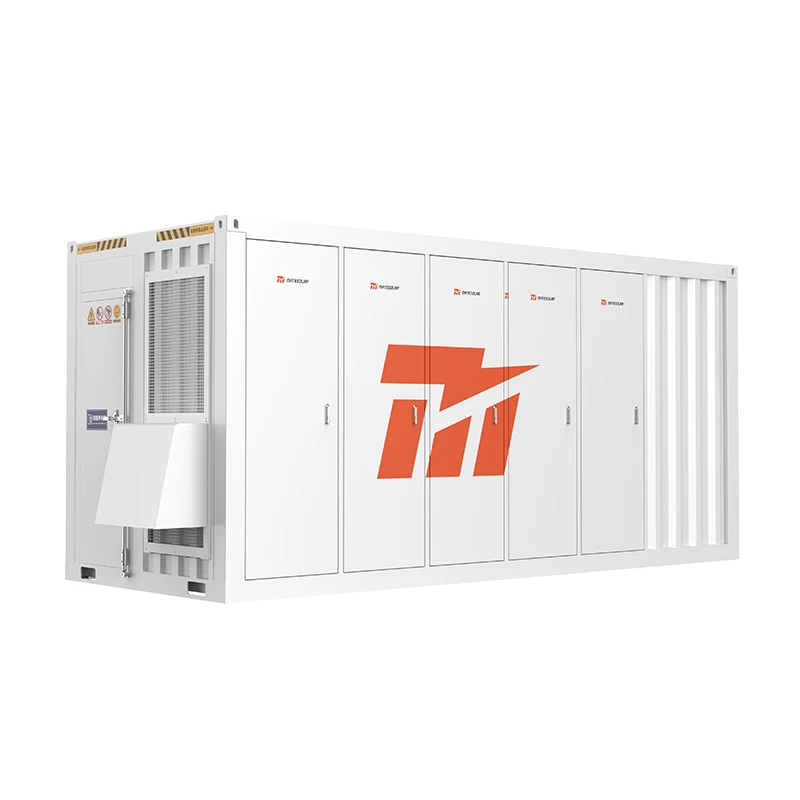
Für detaillierte Projektfinanzierungsfallstudien und unser Standardpaket für die Bankfähigkeit von BESS für Kreditgeber, Klicken Sie hier, um zur Produktseite des 40-Fuß-Containers mit 1 MWh/2 MWh Luftkühlsystem zu gelangen
2A. 15–20 Jahre Betrieb und Wartung: Eine pragmatische Realität
In Deutschland finanzierte Speicherprojekte erfordern in der Regel technische Leistungsgarantien über 15–20 Jahre. Die meisten Entwickler versprechen makellose lokale Serviceteams mit sofort verfügbaren Ersatzteilen. Wir verfolgen einen anderen Ansatz, der sowohl ehrlich als auch bankfähig ist:
- Hardwarequalität & Austauschgarantie: Alle Hauptkomponenten (Batterien, BMS, PCS, EMS, thermische Systeme, Brandunterdrückung) haben Herstellergarantien von 10–15 Jahren. Bei einem katastrophalen Hardwareausfall (unwahrscheinlich angesichts unserer Qualitätsbilanz, aber möglich) versenden wir Ersatzmodule/Schränke/Container mit Unterstützung bei der Installation vor Ort, die per Fernlenkung erfolgt. Kunden zahlen niemals für Ersatzteile innerhalb der Garantiezeit.
- Remote Software-Support: 24/7 Fernzugang zu unserem Ingenieurteam für EMS-Updates, Optimierung der Dispositionssteuerung, Leistungsdiagnose und regulatorische Anpassung. Die überwiegende Mehrheit der “Probleme” wird durch Over-the-Air-Software-Updates behoben.
- Lokale Unterstützung nicht erforderlich: Unsere Hardware ist so konzipiert, dass sie von qualifizierten lokalen Elektrikern mit unserem modularen Komponentendesign gewartet werden kann. Wir unterhalten kein Vollzeit-Team lokaler Techniker. Dies vermeidet hohe Fixkosten, die die O&M-Gebühren für unsere Kunden zwangsläufig in die Höhe treiben. Stattdessen werden Inspektionen und größere Reparaturen von erfahrenen externen deutschen Elektrodienstleistern unter unserer technischen Fernüberwachung durchgeführt.
Für große kommerzielle Projekte und Projekte im Versorgungsmaßstab (>5 MW / >10 MWh) können wir eine Ausnahme machen: Wir organisieren die Anreise eines zertifizierten deutschen Installationspartners zur Inbetriebnahmeunterstützung, zur Schulung des lokalen Personals vor Ort und für notwendige Schwerstörungen, die nicht remote behoben werden können. Diese Dienstleistung wird zu einem festen Tagessatz zuzüglich Reisekosten berechnet, reduziert jedoch das Projektrisiko im Vergleich zur ausschließlichen Nutzung von Remote-Support erheblich.
Für C&I-Projekte (<5 MW / <10 MWh) umfasst das O&M-Modell die Fernüberwachung (kostenlos), Software-Updates per Fernzugriff (kostenlos) sowie den Austausch von Komponenten durch einen lokalen Elektriker (Kosten für Ersatzteile werden durch die Garantie abgedeckt, Arbeitskosten trägt der Kunde). In der Praxis zeigen unsere Daten zur Hardware-Zuverlässigkeit eine jährliche Ausfallrate von <0,51 TP3T über den gesamten installierten Bestand, was bedeutet, dass der durchschnittliche C&I-Kunde in den ersten 10 Betriebsjahren keinerlei Reparaturen benötigen wird.
3A. Regulatorische Anpassungsfähigkeit – Software-definierte Compliance
Deutschlands regulatorischer Rahmen für BESS entwickelt sich rasant, wobei für 2026–2027 mindestens drei größere Änderungen geplant sind: die Netzentgeltreform AgNes, die neuen Märkte für Momentanreserve und Trägheit sowie mögliche Anpassungen des Einspeisevergütungsregimes des EEG 2027.
Die gesamte BESS-Hardware von heute muss damit rechnen, morgen unter einem anderen regulatorischen Regime zu funktionieren. Die einzig praktikable langfristige Strategie ist eine softwaredefinierte Steuerung, die sich ohne Hardwareänderung an Regeländerungen anpassen kann.
Unsere EMS-Plattform ist für eine deutschlandspezifische Anpassungsfähigkeit konzipiert:
- Remote Over-the-Air Updates: Wenn Systembetreiber die Beschaffungsregeln für FCR oder aFRR ändern, kann das EMS ferngesteuert aktualisiert werden. Keine Vor-Ort-Besuche für routinemäßige regulatorische Anpassungen erforderlich.
- Modulare Marktmodule Die Dispatch-Engine ist um steckbare Marktmodule aufgebaut. Wenn ein neuer Markt startet (wie z. B. die sofortige Reserve im Januar 2026), stellen wir ein Software-Update bereit, das diesen Markt zur Optimierungs-Suite hinzufügt – keine Hardwareänderungen erforderlich.
- Parametrisierbare Constraint-Bibliothek Alle regulatorischen Einschränkungen (FCA-Obergrenzen, Hochlaufgeschwindigkeitsbegrenzungen, Netzentgeltstrukturen, EEG-Berechtigungsgrenzen) werden als Parameter gespeichert und nicht als fest kodierte Logik. Wenn AgNes neue Netzentgeltregeln verabschiedet, wird unser EMS innerhalb von 48 Stunden nach Veröffentlichung der Richtlinie aktualisiert, um die neue Gebührenstruktur widerzuspiegeln.
- Zukunftsfestigkeit gegenüber Umbrüchen: Unser internes F&E-Team pflegt Vorzertifizierungsversionen des EMS für mindestens zwei hypothetische regulatorische Szenarien, die über die aktuelle Politik hinausgehen – darunter ein “Full Merchant 2030”-Modus (Nebenleistungen nahe Null, nur Großhandelsoptimierung) und ein “AgNes Full”-Modus (dynamische standortabhängige Netzentgelte). Dies ermöglicht es den Kunden, die Wirtschaftlichkeit von Projekten unter realistischen Worst-Case-Szenarien zu modellieren, bevor sie sich für Hardware entscheiden.
Für C&I- und Utility-Scale-Projekte mit spezifischen Langlebigkeitsanforderungen bieten wir optionale 15-jährige erweiterte EMS-Update-Abonnementpakete an, die die kontinuierliche Einhaltung gesetzlicher Vorschriften und Optimierungsverbesserungen für die gesamte Lebensdauer der Anlage gewährleisten.
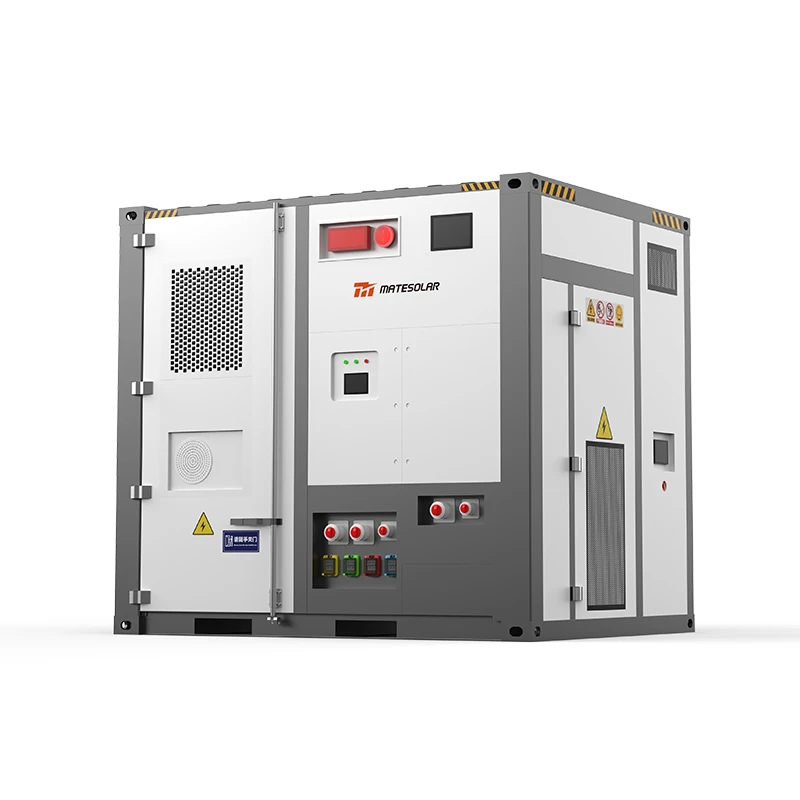
Für die anspruchsvollsten Anwendungen im Versorgungsmaßstab, die eine vollständige Einspeiseoptimierung über alle fünf deutschen Marktebenen erfordern, Klicken Sie hier, um die Produktseite für den 20 Fuß 3 MWh 5 MWh Flüssigkühl-Container ESS anzuzeigen
Schmerzpunkt Fünf: Klimaanpassung – Resilienz gegenüber Extremwetterereignissen
Das Kernproblem: Im Jahr 2024 führten Sommerhitzewellen in Südeuropa dazu, dass mehrere BESS-Anlagen aufgrund thermischer Überhitzung gedrosselt wurden oder ganz ausfielen [Branchenkenntnisse]. In Deutschland werden Hitzewellen von 35–40°C immer häufiger, und die Wintertemperaturen können im Süden und Osten unter -15°C fallen. Speichersysteme, die nicht in einem weiten Umgebungs temperaturbereich betrieben werden können, sind nicht klimaresilient und scheitern zunehmend an der finanziellen Sorgfaltsprüfung.
1A. Extremtemperaturenleistung
Unsere Thermomanagementsysteme sind getestet und bewertet für:
- Hochtemperatur-Betrieb Nennleistung (100% laut Typenschild) bis zu einer Umgebungstemperatur von 45 °C; darüber hinaus erfolgt eine lineare Leistungsreduzierung (verringerte Leistung, aber weiterhin betriebsfähig). Allein durch passive Kühlung (ohne zusätzlichen Kühler) ist ein sicherer Betrieb bis 50 °C gewährleistet, allerdings sinkt dabei der Wirkungsgrad.
- Tieftemperaturbetrieb: Batterieheizung integriert in den Thermomanagementkreislauf, mit externer Netzstromaufnahme nach Bedarf, um die Zelltemperaturen im Bereich von 15–25 °C zu halten. Sicheres Entladen bei Temperaturen bis zu –20 °C ist möglich, obwohl die Ladegeschwindigkeiten unter extrem kalten Bedingungen begrenzt sein können, um Lithium-Plattierung zu vermeiden.
2A. Aktive Thermomanagementstrategien
Das schädlichste thermische Szenario für Lithium-Ionen-Speicher ist nicht die konstante hohe Temperatur (die die Zyklenlebensdauer reduziert, aber beherrschbar ist), sondern thermische Zyklen – eine Zelltemperatur von 40 °C in einer Stunde, 25 °C in der nächsten –, die eine Verdickung der SEI-Schicht und Lithium-Plattierung beschleunigen.
Unsere flüssigkeitsgekühlten Systeme halten die Zell-zu-Zell-Temperaturabweichung unter 2 K (der Industriestandard liegt bei 5 K), was die thermische Wechselbeanspruchung drastisch reduziert. Die aktive Regelstrategie:
- Normalbetrieb (15–35°C Umgebung): Flüssigkeitskreislauf läuft mit minimaler Pumpendrehzahl (geringe Parasitenbelastung). Batterie bleibt innerhalb von 5 K zur Umgebungstemperatur.
- Hitzewellenbetrieb (>35 °C Umgebungstemperatur): Der Kühler schaltet sich bei Bedarf ein, um die Batterie unter 35°C zu halten. Der parasitäre Stromverbrauch steigt, aber die Kosten der vermiedenen Leistungsreduzierung bei einer Umgebungstemperatur von 45°C stellen einen Netto-Wirtschaftsgewinn für jeden Standort mit einer durchschnittlichen Umgebungstemperatur von über 28°C dar.
- Kalte Operation (<5°C Umgebungstemperatur): Batterieheizung aus dem Flüssigkeitskreislauf (betrieben durch das Stromnetz, nicht durch Batterieentladung) erwärmt die Zellen vor jedem Ladevorgang auf 15–20 °C. Kaltladen ohne ordnungsgemäße Erwärmung verursacht irreversible Lithiumabscheidung und sofortigen Kapazitätsverlust.
- Notkühlung bei geringem Stromverbrauch Wenn der Kälteerzeuger während einer Hitzewelle ausfällt, schaltet das System automatisch in den passiven Kühlmodus und reduziert die Lade-/Entladeraten, um die Sicherheit zu gewährleisten und gleichzeitig die Betriebszeit zu verlängern. Dies ist kein Ersatz für eine ordnungsgemäße Auslegung des Kälteerzeugers, sondern eine zusätzliche Schutzschicht.
Für Standorte in extremen Klimazonen (anhaltende Umgebungstemperaturen von >40 °C oder < -10 °C) empfehlen wir, die Kühl- bzw. Heizleistung großzügig zu bemessen. Die zusätzlichen Hardwarekosten sind gering (in der Regel 5–81 TP3T des Systempreises) und verhindern erhebliche Umsatzverluste, die andernfalls an Tagen mit hohen Preisen während extremer Wetterbedingungen entstehen würden.
Umfassende FAQ: Fragen zum deutschen BESS-Markt - beantwortet
Q1: Wie ist der aktuelle Stand der Netzanbindungszuteilung in Deutschland zum Mai 2026?
Ab dem 1. April 2026 haben die vier deutschen Übertragungsnetzbetreiber (50Hertz, Amprion, TenneT, TransnetBW) das Windhundprinzip durch ein Reifezeitverfahren für Projekte mit einer Anschlusskapazität von ≥100 MW ersetzt. Anträge werden in Zyklen mit festen Einreichungsfenstern bearbeitet. Die erste Informations- und Antragsphase ist derzeit bis zum 30. Juni 2026 geöffnet. Das neue Verfahren erfordert eine nicht erstattungsfähige Antragsgebühr von 50.000 € und eine Erfolgskaution von 1.500 € pro MW. Die Übertragungsnetzbetreiber erhielten 2025 Anschlussanfragen in Höhe von 226 GW, was die Kapazität bei weitem übersteigt, wobei ein Übertragungsnetzbetreiber für einige Knotenpunkte keine neuen Kapazitäten bis 2029 angibt.
Q2: Wie viel Förderung kann ich 2026 für ein gewerbliches Speicherprojekt in Deutschland erhalten?
A: Es gelten mehrere Förderstufen. KfW 275 bietet Investitionszuschüsse von bis zu 30%, maximal 600.000 € pro Unternehmen, für PV- und Batteriesysteme bis zu 30 kW. KfW 270 gewährt zinsgünstige Darlehen, die bis zu 100% der förderfähigen Kosten abdecken. Die von der EU Ende 2025 genehmigte ISP-Strompreisbeihilfe (Industrial Electricity Price Subsidy) bietet energieintensiven Industrien subventionierten Strom (ca. 0,05 €/kWh) für bis zu 50% des Verbrauchs. Zuschüsse und ISP-Leistungen sind kumulierbar und decken in der Regel 40–45% der Projektkosten ab.
F3: Wie viel Umsatz kann ich vom neuen Markt für Trägheitsdienste erwarten?
A: Für BESS, die als netzbildend zertifiziert sind, bietet der im Januar 2026 eingeführte Trägheitsmarkt eine jährliche Festpreisvergütung von etwa 8.000–17.000 €/MW/Jahr, je nach Standort (Knotenpunkte mit dem größten Trägheitsmangel erzielen höhere Preise). Für Speichersysteme ist das Premium-Produkt (Verfügbarkeit 90%) am attraktivsten. Das tatsächliche Ertragspotenzial hängt sowohl von der Kapazität als auch vom Standort ab; eine repräsentative Anlage mit 100 MW / 200 MWh an einem Knotenpunkt mit hoher Trägheitsknappheit könnte allein aus der Trägheitsleistung jährlich etwa 1,6 Millionen Euro erwirtschaften, noch bevor andere Märkte berücksichtigt werden.
Sind Heimspeicherprojekte in Deutschland noch rentabel?
A: Die Rentabilität ist erheblich zurückgegangen. Im März 2026 gingen die Installationen von Speichersystemen für Privathaushalte im Vergleich zum Vorjahresmonat um 41% zurück, wobei die monatlichen Zuwächse gegenüber Februar um 30% sanken. Wenn Sie bereits eine PV-Anlage für Privathaushalte besitzen, ist die Ergänzung um einen Speicher für den Eigenverbrauch nach wie vor vorteilhaft (insbesondere angesichts der möglichen Abschaffung der EEG-Einspeisevergütung bis 2027). Bei einer reinen Investition in einen Privathaushaltsspeicher ohne begleitende PV-Anlage liegt die IRR im Jahr 2026 jedoch unter der von gewerblichen oder großtechnischen Alternativen, da die Kosten pro kWh höher sind und kein Zugang zu Frequenzregelungsmärkten besteht (Privathaushaltsanlagen sind nicht für FCR oder aFRR vorqualifiziert).
F5: Wie ist der aktuelle Stand der AgNes-Netzentgeltsanpassung?
A: AgNes ist weiterhin in der Beratung. Das Kernrisiko für Speicher sind Eigenverbrauchsgebühren: Wenn gespeicherter Strom, der am selben Anschlusspunkt zirkuliert, als “Netznutzung” eingestuft wird, die gebührenpflichtig ist, könnten die IRR um ca. 4 Prozentpunkte sinken. Die aktuelle Befreiung für Speicher von Netznutzungsgebühren läuft im August 2029 aus, aber ob sie verlängert, eingeschränkt oder aufgehoben wird, ist noch unentschieden. Wir erwarten eine endgültige Entscheidung der BNetzA Ende 2026 oder Anfang 2027.
F6: Wie lange sollte die Dauer meines BESS für die Marktbedingungen in Deutschland sein?
A: Bei Projekten, die 2026–2027 den kommerziellen Betrieb aufnehmen, erzielen 4-Stunden-Systeme eine unlevered IRR von 13,71 TP3T, verglichen mit 12,21 TP3T bei 2-Stunden-Systemen. Dieser Vorteil nimmt mit der Zeit zu, da die Einnahmen aus Zusatzdiensten zurückgehen; bis 2030 werden 4-Stunden-Systeme die 2-Stunden-Systeme voraussichtlich um etwa 3–4 Prozentpunkte übertreffen. Für Standorte mit hoher Solar-PV-Kapazität kann bereits eine Speicherdauer von 2–2,5 Stunden ausreichend sein, wenn der Hauptnutzen in der Verlagerung der Solarstromerzeugung liegt. Für eigenständige, kommerziell genutzte Speicheranlagen werden mindestens 4 Stunden empfohlen.
Q7: Spielt die Leistung bei niedrigen Temperaturen für deutsche Winter eine Rolle?
Ja. In Bayern, Thüringen und Sachsen fallen die winterlichen Nachttemperaturen regelmäßig unter -10 °C. Wenn Ihr BESS nicht unter 0 °C laden/entladen kann (was bei billigeren Batterien ohne interne Heizung üblich ist), verlieren Sie Betriebstage oder Ihre Leistung wird stark reduziert. Dies ist für Solar-Speichersysteme akzeptabel (da die Sonneneinstrahlung im Winter ohnehin minimal ist), aber für kommerzielle Speicher, die an Großhandelsmärkte angeschlossen sind, ist der Winterbetrieb unerlässlich, da die Spitzenpreise am Abend unabhängig von der Temperatur hoch bleiben. Unsere Systeme verfügen über eine Batterievorheizung, um einen vollen Betrieb bis -20 °C zu gewährleisten, mit einer eingeschränkten Leistung bis -25 °C.
Wie wirkt sich der Kapazitätsmarkt auf die Einnahmen von Batteriespeichersystemen aus?
Deutschland hat Anfang 2026 einen Kapazitätsmarkt bestätigt, der ab 2031 voraussichtlich 10.000–15.000 € pro MW pro Jahr einbringen wird. Der genaue Nutzen hängt von der noch nicht definierten Herabsetzungsmethodik ab. Für die praktische Projektmodellierung im Jahr 2026 empfehlen wir, ab 2028 Einnahmen aus dem Kapazitätsmarkt am unteren Ende der prognostizierten Spanne (8.000 €/MW/Jahr) zu berücksichtigen und in positiven Szenarien höhere Werte anzusetzen. Der Kapazitätsmarkt ist noch nicht stabil genug, um den Kern eines bankfähigen Geschäftsplans zu bilden, stellt aber einen zunehmend wesentlichen positiven Faktor dar.
Ist es immer noch lohnenswert, einen Speicher ans Netz anzuschließen, wenn ich nur eine restriktive FCA erhalten kann?
A: Die Antwort hängt ganz davon ab, zu welchen Märkten Sie Zugang haben. Strenge FCA-Bedingungen, die eine Teilnahme am aFRR verhindern, senken den effektiven Umsatz um 15–20% und verringern den IRR um 5 Prozentpunkte. Wenn jedoch allein die Großhandelsarbitrage an Ihrem Standort noch ein positives EBITDA erzielen kann, kann es sich dennoch lohnen. Unsere Empfehlung: Nutzen Sie den FCA-Umsatzauswirkungsrechner (erhältlich bei unserem technischen Vertriebsteam), um die FCA-Bedingungen für Ihren spezifischen Standort zu modellieren. Liegt der prognostizierte IRR unter Berücksichtigung der FCA-Bedingungen ohne Fremdkapital unter 6%, sollten Sie den Anschluss verschieben, bis Kapazitäten verfügbar werden, oder einen Wechsel zu einem Knotenpunkt mit geringeren Einschränkungen in Betracht ziehen.
Frage 10: Welche sind die wichtigsten Zertifizierungen für die deutsche Bankfähigkeit?
A: Kreditgeber legen Wert auf die Normen IEC 62619, IEC 62477, VDE-AR-N 4110 (deutscher Netzcode) und UL 9540A für thermische Durchgehtests. Zusätzlich ist die TSO-Vorqualifizierung für FCR/aFRR (jetzt einschließlich Sofortreserve) für das Revenue Stacking obligatorisch. Für Projekte, die mit KfW-Krediten finanziert werden, ist die Einhaltung der technischen Kriterien der KfW (die weitgehend IEC- und VDE-Standards widerspiegeln) erforderlich. Wir stellen die vollständige Zertifizierungsdokumentation in unserem Standard-Bankability-Paket zur Verfügung.
Technische Datentabellen für die Dimensionierung und Leistung von deutschen Batteriespeichersystemen
Tabelle 1: Empfohlene Speichergröße nach Kundensegment (Deutschland, 2026)
| Kunden-Segment | Typischer Kapazitätsbereich | Empfohlene Dauer | Primäres Wertversprechen | KfW-förderfähig |
| EPC / IPP (unabhängiger Stromerzeuger) | 10–200 MWh | 4 Stunden | Großhandelsarbitrage + FCR/aFRR | Nein (Gewerbe zu groß für KfW-Deckel) |
| Industrie (ISP-berechtigt) | 500 kWh – 5 MWh | 2–3 Stunden | Lastverlagerung + Senkung der Leistungsgebühr | Ja (KfW-270-Darlehen) |
| C&I; (kleine/mittlere Unternehmen) | 50–500 kWh | 2 Stunden | Eigenverbrauch aus der Photovoltaikanlage + Reduzierung der Spitzenlast | Ja (KfW-275-Zuschuss bis zu 600.000 €) |
| Einzelhandel/Hotel/Landwirtschaft | 30–200 kWh | 1–2 Stunden | Spitzenlastabdeckung + Notstromversorgung + PV-Optimierung | Ja (KfW-275-Zuschuss) |
| Wohnen | 5–20 kWh | ~1 Stunde | Eigenverbrauch + Netzunabhängigkeit | Ja (KfW-275-Zuschuss) |
Tabelle 2: Überblick über den deutschen Markt für Netzdienstleistungen (Mai 2026)
| Dienstleistung | Produkt | Netzbetreiber beschaffen (GW) | Aktueller Preis (€/MW/h im Schnitt) | BESS-Aktie (%) | Sättigungsrisiko |
| FCR (primär) | Nur Strom | ~0.6 | ~7.000–9.000 | ~30% | Mäßig – stabile Nachfrage |
| aFRR (automatisch) | Kraft + Energie | ~2.0 | ~10.000 (pos) / ~2.800 (neg) | ~35% | Hoch – Die Beteiligung an 35% ist bereits gesättigt |
| mFRR (manuell) | Kraft + Energie | ~1.5 | ~4.500 (pos) / ~1.700 (neg) | <5% | Niedrig – langsamere Abfertigung; günstig |
| Trägheit | Verfügbarkeit + Leistung | Wird noch festgelegt | 8.000–17.000 €/MW/Jahr | Neuer Markt | Niedrig – lange Verträge |
| Sofortreserve | Verfügbarkeit + Leistung | Wird noch festgelegt | ~20.000 €/MW/Jahr (Premium) | Neuer Markt | Niedrig – nur netzbildende Anlagen |
| Balkon-/Fensteraufbewahrung (Mikro) | K.A. | Nicht anwendbar | Nur privater Eigenverbrauch | K.A. | K.A. |
Datenquellen: Ausschreibungsankündigungen des Netzbetreibers / FfE / FlexPowerHub / EC Power.
Tabelle 3: Projekt-IRR-Sensitivität gegenüber wichtigen deutschen Marktrisiken (4-Stunden-BESS, Inbetriebnahme 2026)
| Szenario | Basisfall IRR (Unlevered) | Nachteilige Veränderung oder ungünstige Veränderung | IRR nach Änderung |
| Keine Einschränkungen – feste Verbindung, Zubehör auf dem Stand von 2026 | 13.7% | / | 13.7% |
| + Moderate FCA (Exportobergrenze 80% + Rampenbegrenzung) | / | -4 Prozentpunkte | 9.7% |
| + Schwere FCA (alle Einschränkungen) | / | -5 Prozentpunkte | 8.7% |
| + AgNes Eigenverbrauchsabgabe (€66,50/MWh) | / | -4 Prozentpunkte | 9.7% |
| + Preisverfall bei Zusatzleistungen 2028 (Umsatzanteil 55% → 20%) | / | -3 Prozentpunkte | 10.7% |
| Erstklassige EMS-Optimierung | / | +2 Prozentpunkte | 15.7% |
| + Alle nachteiligen Änderungen kombiniert (Worst Case) | / | -12 Prozentpunkte | 1.7% |
Quellen: Modo Energy / WFW BESS Deep Dive 2026 / interne Modellierung
Tabelle 4: Thermische Leistungsbewertung – Extreme Bedingungen
| Temperaturbereich | Voller Betrieb | Reduzierter Betrieb | Sicher, aber nicht betriebsbereit | Unsicher |
| -20°C bis 0°C | Ja (mit Vorerwärmung; Ladebegrenzung) | Reduzierte Laderate nur | K.A. | Unter -25°C |
| 0°C bis 15°C | Ja | Nein | K.A. | K.A. |
| 15°C bis 35°C | Ja (optimal) | Nein | K.A. | K.A. |
| 35°C bis 45°C | Ja (mit aktivem Kühler) | Ja (wenn der Kühler bis 50 °C ausfällt) | K.A. | K.A. |
| 45°C bis 55°C | Nein | Lineare Leistungsreduzierung auf 50% | Keine Beschädigung, aber reduzierte Leistung | Über 55°C |
| Über 55°C | Nein | Nein | Notabschaltung | Automatische Trennung |
Tabelle 5: Zusammenfassender Vergleich – Unsere vier Deutschland‑spezifischen Produktlinien
| Produktlinie | Am besten geeignet für | Kapazitätsbereich | Bereitstellungszeit | Wesentliche Merkmale | Produktlink |
| Kommerzielles 500kW Hybrid-Solarsystem | EPCs / große gewerbliche / industrielle | 500 kW Hybrid (PV + Batterie) | 4–6 Wochen Lieferzeit | Wechselstromgekoppelt, unterstützt dynamische Tarife, ISP/KfW-förderfähig | Produkt ansehen → |
| 100 kW/232 kWh & 125 kW/261 kWh – flüssigkeitsgekühltes Außenschrankgerät | Kleine/mittlere Gewerbe-, Handels- und Industriekunden, Einzelhandel, Hotels, Landwirtschaftsbetriebe | 232 / 261 kWh | 7–10 Tage von Bestellung bis Lieferung | IP54, <2,5 m², 30% – KfW-förderfähig, flüssigkeitsgekühlt | Produkt ansehen → |
| 40ft 1MWh / 2MWh luftgekühlter Container | Versorgungsunternehmenhändler, Frequenzgang, industrielle Co-Location | 1.000–2.000 kWh | 2–3 Wochen | Voreingestellt, FCR/aFRR-fähig, VDE-zertifiziert | Produkt ansehen → |
| 20 Fuß 3 MWh / 5 MWh Flüssigkühlcontainer | Große Versorgungsunternehmen IPPs, netzverbunden, Langzeit-Merchant | 3.000–5.000 kWh | 3–5 Wochen | Netzstabilisierungsfähig, für den Trägheitsmarkt geeignet, für eine Laufzeit von mehr als 4 Stunden optimiert | Produkt ansehen → |
Fazit: Die deutsche Speicherchance im Mai 2026
Die deutsche Energiespeicherbranche ist endlich zu einem Großhandels-, Versorgungs- und C&I-gesteuerten Markt herangereift. Der strukturelle Wandel von der Dominanz des privaten Sektors – ersichtlich in den Daten vom März 2026 und bestätigt durch die Pipeline des ersten Quartals – ist keine vorübergehende Schwankung. Es ist eine dauerhafte Neuausrichtung des Marktes als Reaktion auf grundlegende Treiber: Netzengpässe, Fristen für den Kohleausstieg, Solarüberproduktion und die wachsende Unrentabilität nicht subventionierter privater Systeme.
Für Entwickler, unabhängige Stromerzeuger (IPP) und EPC-Unternehmen besteht die Herausforderung nicht mehr darin, einen Netzanschluss zu finden – vielmehr geht es darum, sich in einem gesättigten System mit einem neuen, auf der Reifegrad basierenden Zuteilungsverfahren zurechtzufinden, Projekte zu konzipieren, die restriktive FCAs überstehen, und sich für eine Welt im Jahr 2030 zu wappnen, in der die Einnahmen aus Zusatzdiensten zusammengebrochen sind. Für Industrieunternehmen bietet die ISP-Förderung ein enges, aber wertvolles Zeitfenster für Investitionen in die Dekarbonisierung; allerdings läuft die Förderung im Jahr 2030 aus – es ist also jetzt an der Zeit zu handeln. Für C&I-Installateure und kleine gewerbliche Betreiber steht der KfW-Zuschuss 30% zwar weiterhin zur Verfügung, doch aufgrund verschärfter Förderkriterien und möglicher Änderungen des EEG hat der First-Mover-Vorteil bereits an Bedeutung verloren.
In allen Segmenten wiederholen sich dieselben drei Themen: regulatorische Unsicherheit (AgNes, FCA-Bedingungen, EEG 2027), Übergang des Umsatzmodells (Nebenerträge hin zu Großhandel) und operative Widerstandsfähigkeit (extreme Temperaturen, 15-Minuten-Marktgranularität und langfristiger O&M).
Die Lösungen sind nicht theoretischer Natur. Sie stehen bereits heute in Form von klimaresistenter Hardware, an regulatorische Anforderungen anpassbarer Software und Finanzierungsstrukturen zur Verfügung, die sich bei deutschen und europäischen Kreditgebern bereits bewährt haben. Das 4-Stunden-System, das im Basisszenario eine IRR von 13,71 TP3T liefert, ist keine Prognose – es ist die Realität des Jahres 2026 an den besten Standorten. Die Herausforderung besteht nicht darin, ob der deutsche Speichermarkt wachsen wird (das wird er, auf kumulativ 28 GWh und darüber hinaus), sondern darin, welche Projekte dieses Wachstum für sich nutzen werden – und welche aufgrund ineffizienten FCA-Managements, nicht optimierter Einspeisung oder thermischer Ausfälle während der nächsten europäischen Hitzewelle scheitern werden.
MateSolar – Ihr Alles-aus-einer-Hand-Anbieter für Solar- und Energiespeicherlösungen
Von Plug-and-Play-Systemen für Privathaushalte bis hin zu kommerziellen Hybridlösungen mit 500 kW, von flüssigkeitsgekühlten 100-kW-Außenschränken für Einzelhandelsflächen bis hin zu containerisierten Netzspeichern mit 5 MWh für IPPs, die mit Übertragungsnetzen verbunden sind, liefern wir die Hardware, Software, Finanzierungsunterstützung und regulatorische Expertise, die deutsche Projektentwickler, Industrieunternehmen und gewerbliche Betreiber benötigen, um im Markt von 2026 erfolgreich zu sein.
Entdecken Sie unser vollständiges Deutschland-Portfolio →
*Veröffentlicht: 4. Mai 2026, Berlin / Shanghai. Alle Marktdaten Stand Mai 2026. Regulatorische Referenzen basieren auf öffentlich zugänglichen Veröffentlichungen der BNetzA, der Netzbetreiber, der KfW und der Europäischen Kommission vom April–Mai 2026. Für den aktuellen Stand der Netzentgelte, Aktualisierungen zum Kapazitätsmarkt und Richtlinien zur ISP-Zulassung wenden Sie sich bitte an zugelassene deutsche Energieberater.*