










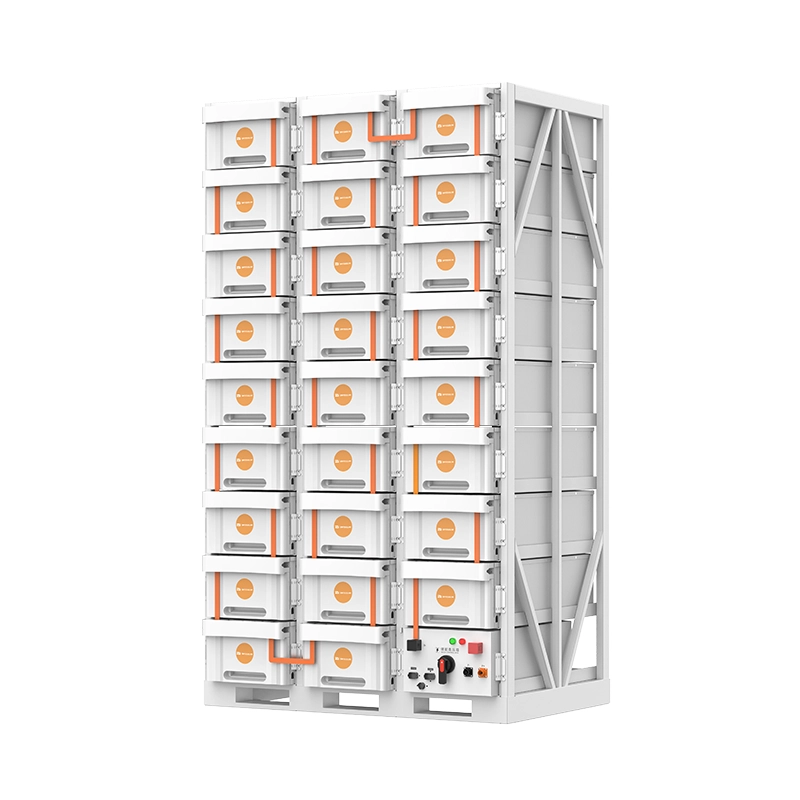
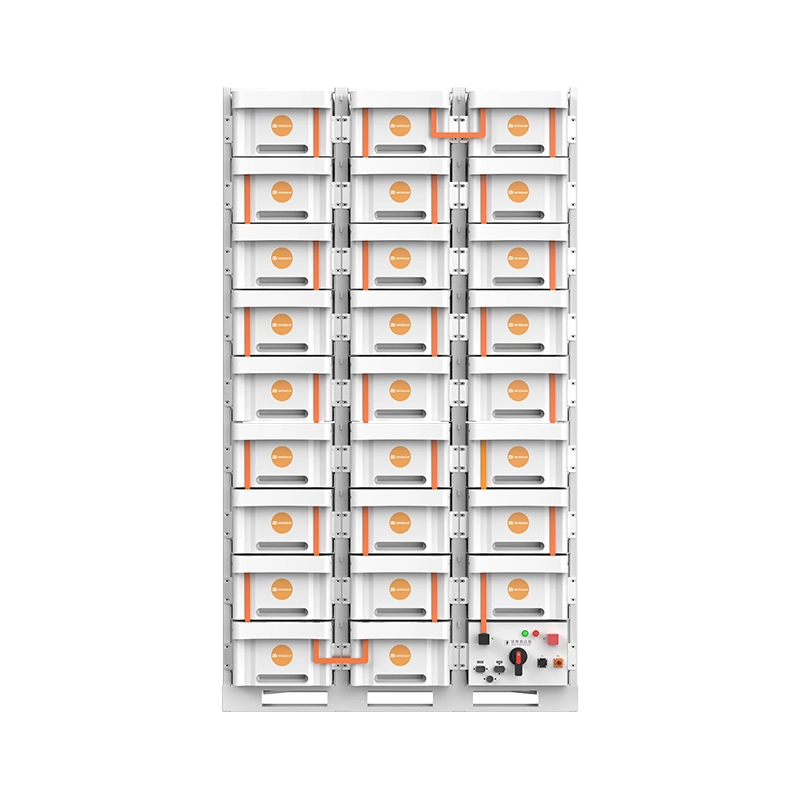
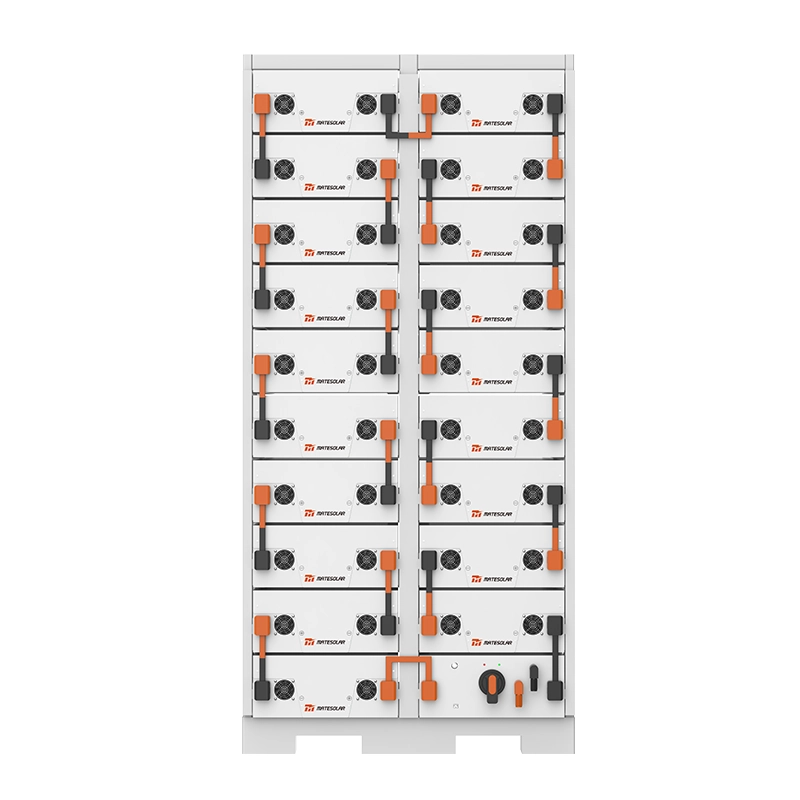
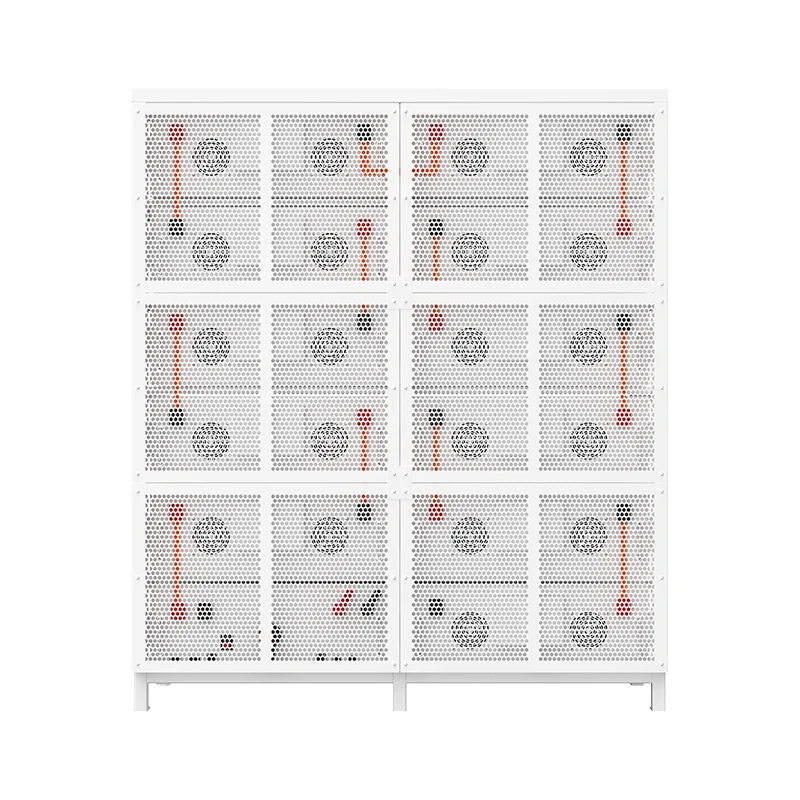



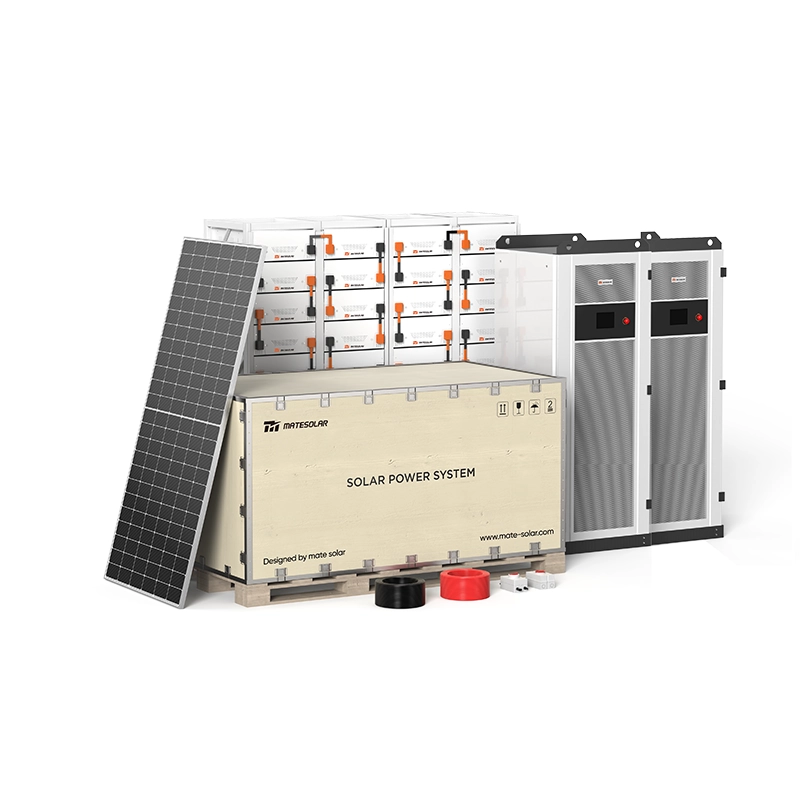
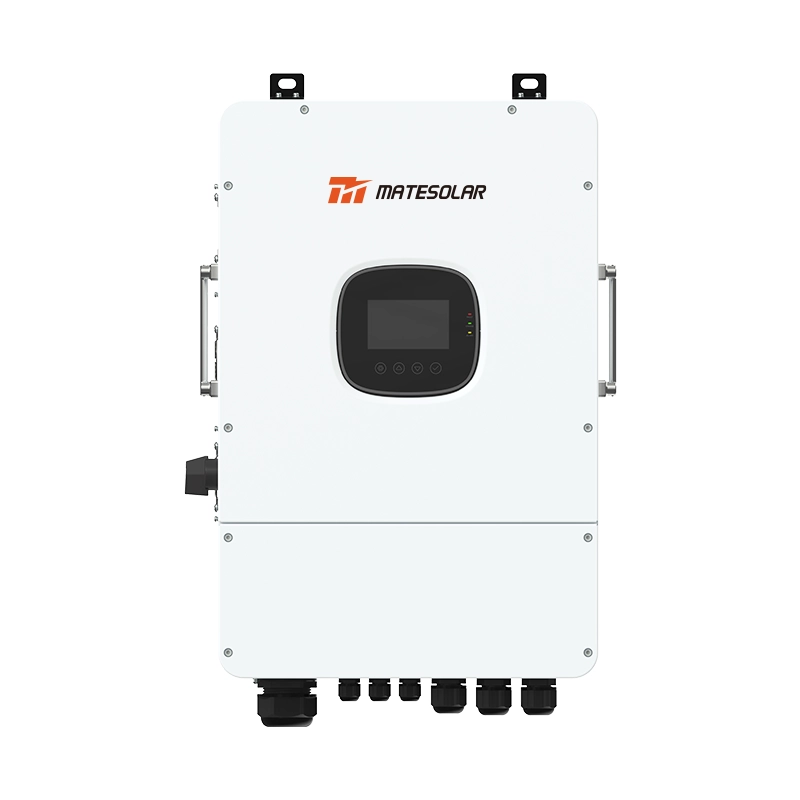

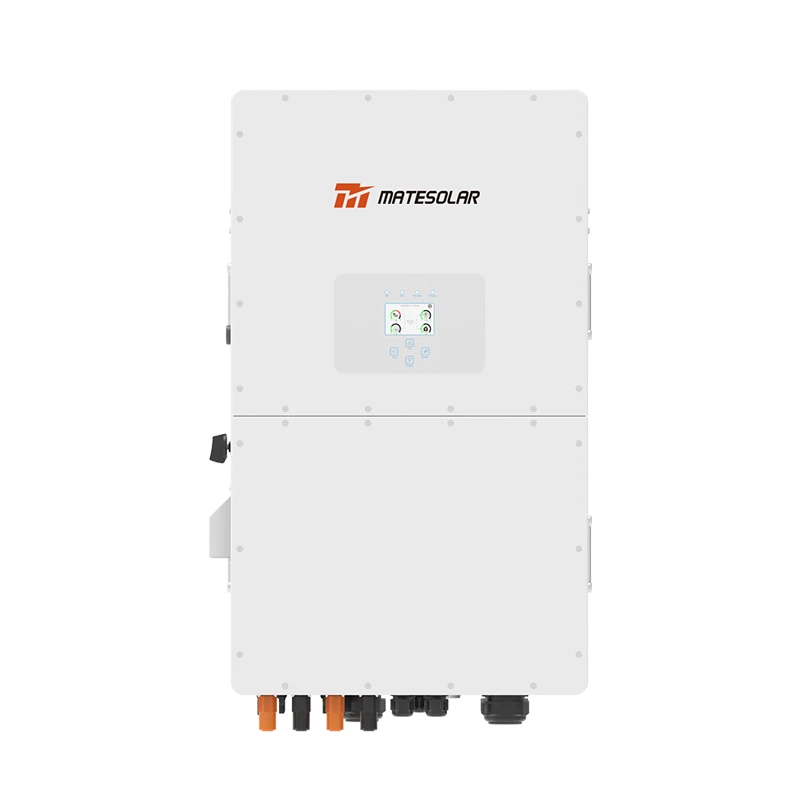
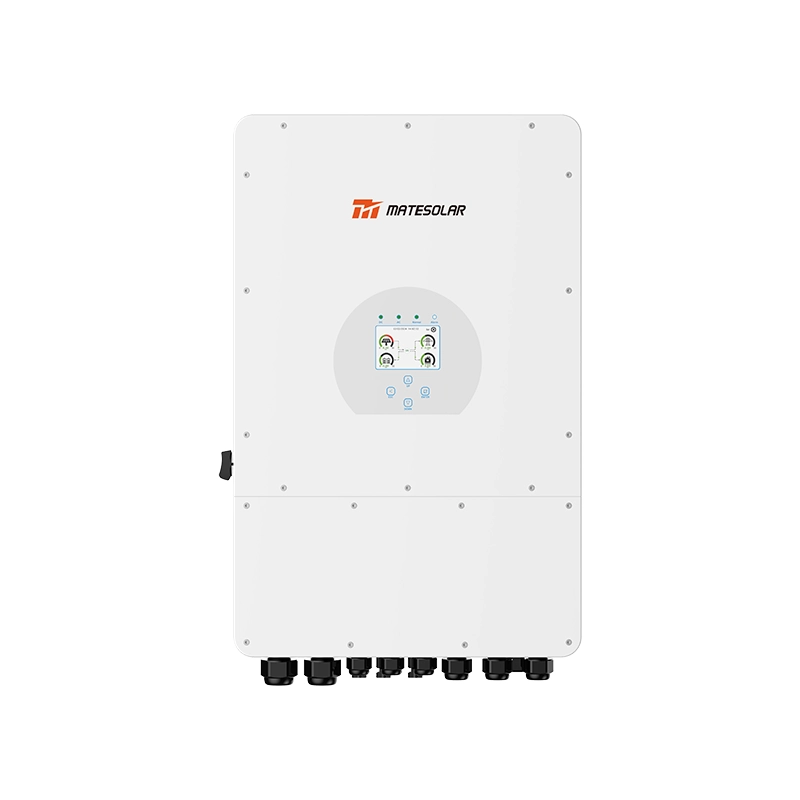
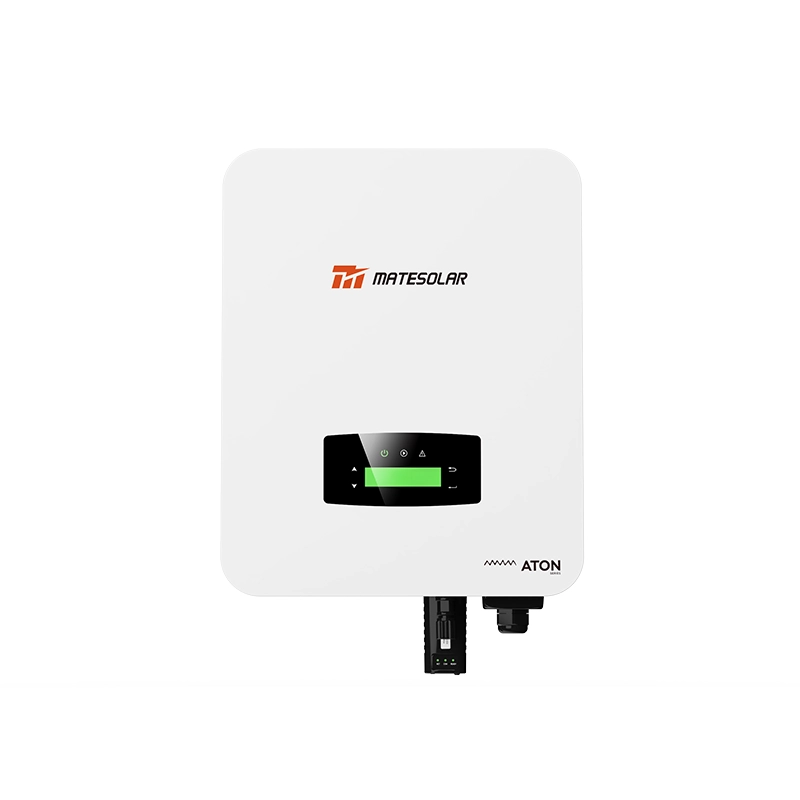
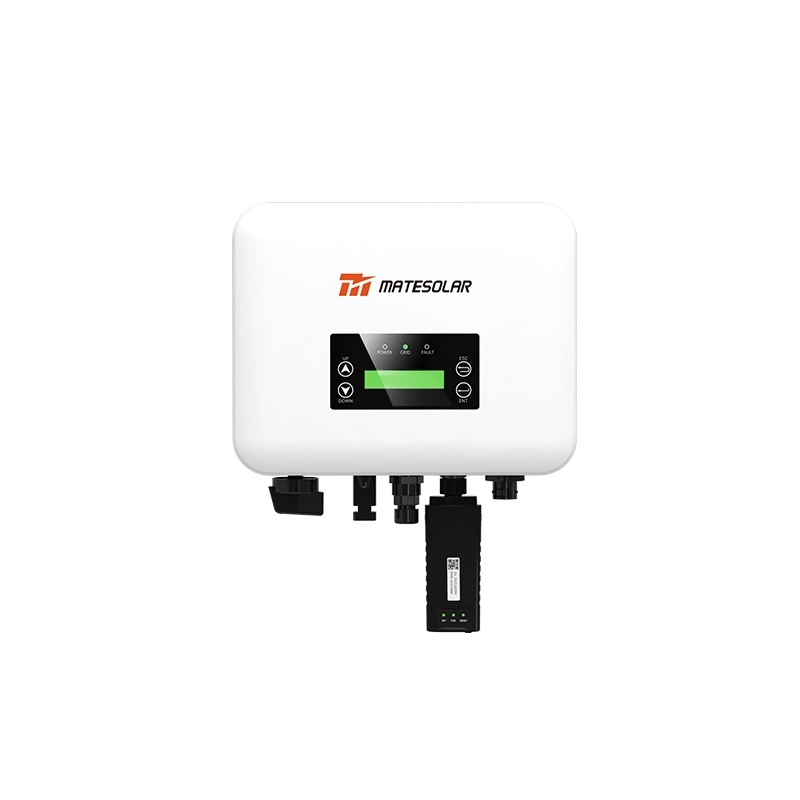


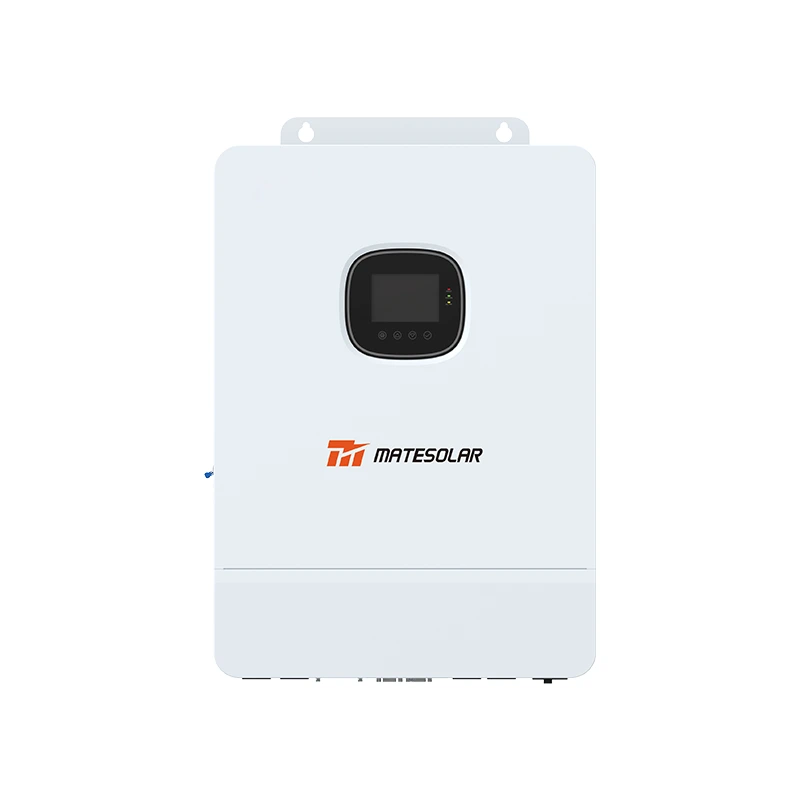
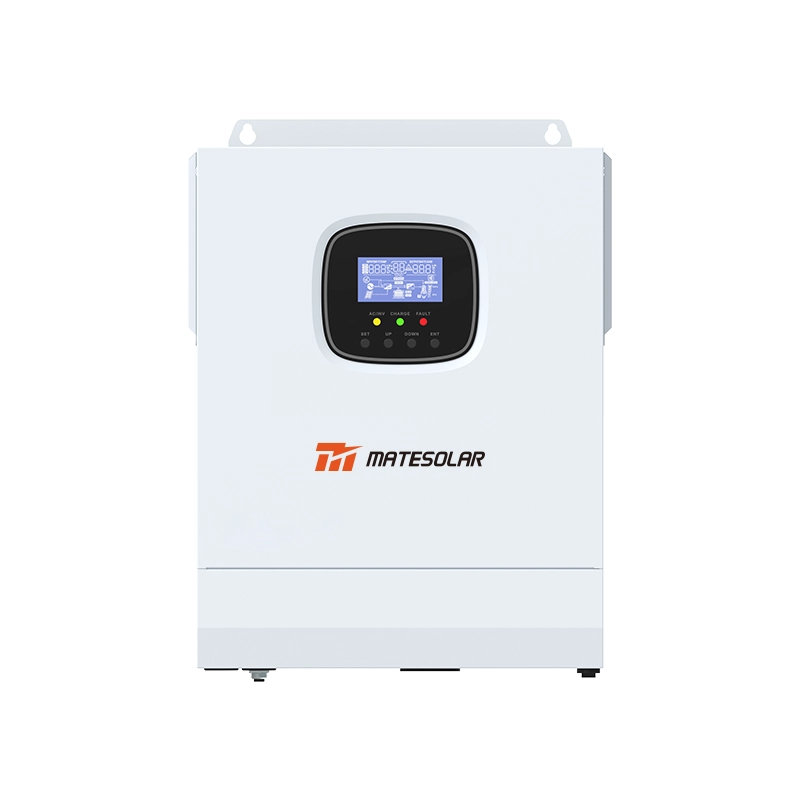

Angesichts der Stilllegung von 1.343 MW thermischer Kapazität in Honduras bis 2030 und einer Ausschreibung über 1,5 GW, die 65%-Lösungen aus erneuerbaren Energien plus Speicherung vorschreibt, analysiert dieser umfassende technische Leitfaden netzbildende BESS-Lösungen für den Ersatz industrieller Grundlast, 20-jährige BOO-Leistungsgarantien, UL9540-konforme Außenschränke für gewerbliche und industrielle Anwender sowie inselbetriebene Mikronetzarchitekturen für netzunabhängige Gemeinden. Enthält Produktspezifikationen, Finanzierungsstrukturen zur Absicherung gegen das Kontrahentenrisiko der ENEE sowie Zeitpläne für die Inbetriebnahme, die auf den „Cliff Edge“ von 886 MW im Jahr 2029 abgestimmt sind.
VORWORT: Warum der April 2026 sofortiges Handeln erfordert
Am 22. April 2026 hat sich die kaufmännische und industrielle Energieberechnung für Honduras grundlegend von der theoretischen Übergangsplanung zu einer operativen Krise verlagert, die eine sofortige technische und finanzielle Mobilisierung erfordert. Drei strukturelle Drücke laufen gleichzeitig zusammen.
Zuerst bestätigt der Indicative Expansion Plan for Generation (PIEG) 2026–2035 des National Dispatch Center (CND) die zwangsweise Stilllegung von 1.343 MW thermischer Kapazität, wobei allein 886,06 MW für die Außerbetriebnahme im Jahr 2029 vorgesehen sind und weitere 276,52 MW im Jahr 2030 folgen.. Für Industrieanlagen im Industriepark von San Pedro Sula, der Kaltverarbeitungszone von La Ceiba und den Bergbauaktivitäten im westlichen Hochland stellt dies eine unvermeidliche Versorgungslücke dar, die dezentrale Batteriespeicher (BESS) schließen müssen.
Zweitens treiben die Nationale Elektrizitätsgesellschaft (ENEE) und die Regulierungsbehörde für Elektrizität (CREE) eine wegweisende Ausschreibung für 1,5 GW Stromleistung voran, die die Erzeugung erneuerbarer Energien in Verbindung mit Energiespeichern vorschreibt – was einer Kapazität von 975 MW aus erneuerbaren Energien plus Speichern entspricht.. Der gestaffelte Inbetriebnehmungsplan sieht vor, dass 800 MW Anfang 2028 und weitere 300 MW im Jahr 2029 ans Netz gehen, gefolgt von den letzten 400 MW bis 2030, was ein überlappendes Investitionsfenster schafft, das unmittelbar vor dem Wegfall der thermischen Kraftwerke liegt..
Drittens hat CREE für das erste Quartal 2026 eine Erhöhung um 4,111 TP3T genehmigt, gefolgt von einer Anhebung um 10,491 TP3T mit Wirkung zum 1. April, wodurch die maximalen durchschnittlichen Gewerbetarife von 4,81 HNL/kWh auf 5,32 HNL/kWh steigen (etwa 0,197 bis 0,22 USD/kWh). Branchenanalysten prognostizieren bis zum Jahresende einen weiteren Anstieg um 20%. Gleichzeitig haben die kumulierten Zahlungsrückstände der ENEE gegenüber privaten Stromerzeugern die Marke von 17,385 Milliarden Lempiras – etwa $655 Millionen US-Dollar – überschritten, wobei sich die Zahlungsverspätungen um vier bis sieben Monate über die vertraglich vereinbarte Zahlungsfrist von 45 Kalendertagen hinaus erstrecken.
Dieses Dokument dient als maßgebliche technische und finanzielle Referenz für industrielle Hersteller, unabhängige Stromerzeuger (IPPs), Ingenieur-, Beschaffungs- und Bauunternehmen (EPCs), gewerbliche und industrielle Unternehmen (C&I) sowie Entwickler von Off-Grid-Projekten, die im honduranischen Markt tätig sind oder in diesen eintreten. Es befasst sich mit den vier kritischen Schwachstellen, die die aktuelle Marktlandschaft definieren, untermauert jede Empfehlung mit überprüfbaren regulatorischen und technischen Daten und bietet strukturierte Wege zur Ausführung von Projekten mit Investitionsqualität.
ABSCHNITT 1: Makroökonomischer und regulatorischer Kontext (April 2026)
1.1 Die Ausschreibung für 1,5 GW Speicherkapazitäten: Struktur und Zeitplan
Die von ENEE eingeleitete und von CREE genehmigte internationale öffentliche Ausschreibung stellt das bedeutendste Beschaffungsereignis in der zentralamerikanischen Energiegeschichte dar, sowohl wegen seines Umfangs als auch wegen seiner zwingenden Integration von Energiespeichern mit erneuerbarer Stromerzeugung..
Im Rahmen der Ausschreibung werden insgesamt 1.500 MW an verbindlicher Kapazität vergeben, die sich in zwei verschiedene Kategorien unterteilen: 975 MW aus erneuerbaren Energien mit integriertem Speicher (insgesamt 65%) und 525 MW aus nicht erneuerbaren Energien (insgesamt 35%).. Diese Aufschlüsselung ist nicht verhandelbar. Für Entwickler erneuerbarer Energien bedeutet dies, dass jedes im Rahmen dieser Ausschreibung vergebene Solar-, Wind-, Wasser- oder Biomasseprojekt eine Batteriespeicherung beinhalten muss, die ausreicht, um eine feste, steuerbare Leistung zu erbringen, und nicht nur eine intermittierende Stromerzeugung.
Der Inbetriebnahmezeitplan ist in Phasen mit spezifischen jährlichen Meilensteinen unterteilt: Entwickler müssen bis Anfang 2028 800 MW in Betrieb nehmen, gefolgt von 300 MW bis Ende 2029 und den restlichen 400 MW bis Ende 2030.. Die umgekehrte Auktion mit aufeinanderfolgenden Runden der wirtschaftlichen Bewertung stellt eine Abkehr von früheren Beschaffungsprozessen dar und zielt auf transparente, wettbewerbsfähige Preise ab..
Ein wichtiges Update per April 2026: Argentinische Analyseberichte deuten darauf hin, dass die Ausschreibung aufgrund von politischen Pattstellungen bei der Besetzung von Führungspositionen sowohl bei ENEE als auch bei CREE vor einer politischen Blockade steht. Dies führt zu einer dreimonatigen Verlängerung der ursprünglich für Februar 2026 angesetzten Frist für die Einreichung von Angeboten. Entwickler müssen diese prozedurale Verzögerung in ihre Projektentwicklungszeitpläne einbeziehen und gleichzeitig bereit sein für eine schnelle Umsetzung, sobald sich der Prozess stabilisiert hat.
Implikationen für Projektentwickler: Die Anforderung der Inbetriebnahme von 800 MW Anfang 2028, wenn sie mit dem Ende der 886 MW thermischer Kapazitäten im Jahr 2029 kombiniert wird, offenbart eine gefährliche zeitliche Lücke. Erfolgreiche Bieter müssen die Bauarbeiten innerhalb weniger Monate nach der Vergabe beginnen, um eine Verschärfung des Versorgungsdefizits im Jahr 2029 zu vermeiden.
1.2 Der Cliff des Ausstiegs aus der 1.343 MW-Thermik: Ein verifizierter Countdown
Der PIEG 2026–2035 der CND, veröffentlicht im Januar 2026, beschreibt einen erzwungenen Rentenplan, den jeder industrielle Energieverbraucher in Honduras internalisieren muss.
Tabelle 1: Zeitplan für die Stilllegung der registrierten Wärmeleistung (MW)
| Ruhestandszeitraum | Leistung (MW) | Vertretene Einrichtungen | Primärenergie |
| Bis Ende 2029 | 886,06 MW | ELCOSA-Cluster, mehrere Händleranlagen | Bunker C / Schweröl |
| Bis Ende 2030 | 276,52 MW | Zusätzliche thermische Anlagen | Bunker C / Diesel |
| Insgesamt | 1.162,58 MW | Die gesamte Bunker-C-Ölflotte soll schrittweise ausgemustert werden | Schweröl |
Quelle: CND, PIEG 2026–2035
Dieser Zeitplan bedroht direkt die Grundlastversorgung des Industriegebiets San Pedro Sula – Heimat von Textilfabriken, Lebensmittelverarbeitungsbetrieben und Montagebetrieben, die zusammen Zehntausende von Arbeitern beschäftigen. Die Kühlketteninfrastruktur von La Ceiba und die Bergbaubetriebe in den westlichen Bergen sind gleichermaßen gefährdet.
Die treibenden Faktoren sind sowohl regulatorischer als auch ökologischer Natur: Honduras hat sich im Rahmen mehrerer internationaler Vereinbarungen dazu verpflichtet, die Nutzung von Bunkeröl zu reduzieren, die Luftqualität in städtischen Industriekorridoren zu verbessern und sich an den von der Interamerikanischen Entwicklungsbank (IDB) und dem National Renewable Energy Laboratory (NREL) modellierten Dekarbonisierungspfaden zu orientieren. Die wirtschaftlichen Argumente für den Ausstieg aus der thermischen Energieerzeugung werden durch die Schwankungen der internationalen Brennstoffpreise untermauert, die bereits zu von der CREE genehmigten Tariferhöhungen geführt haben.
1.3 Modernisierung des Stromnetzes: Das BESS-Vorzeigeprojekt „Amarateca“ mit 75 MW / 300 MWh
Das erste BESS-Projekt im Netzmaßstab – eine Anlage mit einer Leistung von 75 MW und einer Speicherkapazität von 300 MWh am Umspannwerk Amarateca – soll bis Ende 2026 den vollwertigen kommerziellen Betrieb aufnehmen.. Dieses Projekt mit einer Laufzeit von vier Stunden, das im Rahmen des Förderprogramms LPI-001-ENEE-UEPER-2024 bewilligt wurde, stellt nicht nur die größte netzseitige Speicheranlage in Mittelamerika dar, sondern dient auch als regulatorischer und technischer Maßstab für alle nachfolgenden Speicherprojekte im Land.
Der von Amarateca geschaffene operative Präzedenzfall umfasst drei Aspekte. Erstens legt er die technischen Anforderungen für den Netzanschluss fest, einschließlich PSSE-Modellsimulationen und Studien zur Schutzkoordination. Zweitens bestätigt er die wirtschaftliche Tragfähigkeit von Speichern mit einer Laufzeit von vier Stunden unter den honduranischen Netzbedingungen. Drittens zeigt er internationalen Kreditgebern, dass BESS im Versorgungsmaßstab innerhalb des ENEE-Rahmens erfolgreich umgesetzt werden können, wenn sie richtig strukturiert sind.
Parallel durchgeführte Modernisierungsmaßnahmen im Übertragungsnetz – darunter 20 neue 50-MW-Transformatoren und eigens dafür vorgesehene Zuleitungen – haben die Häufigkeit von Stromausfällen in San Pedro Sula und anderen Industriezentren spürbar verringert..
1.4 Die ENEE-Zahlungsblockade: Quantifizierung von Kontrahentenrisiken
Die Verbindlichkeiten der ENEE gegenüber privaten Stromerzeugern beliefen sich im März 2026 auf über 17,385 Milliarden Lempiras (etwa $655 Millionen USD), wobei die Zahlungsverzögerungen für bereits gelieferte, verbrauchte und von den Endverbrauchern bezahlte Energie zwischen vier und sieben Monaten lagen.. ENEE hat eine vertraglich festgelegte Abrechnungsfrist von 45 Kalendertagen, die das Unternehmen regelmäßig nicht eingehalten hat.
Eduardo Bennaton, Präsident der Honduran Renewable Energy Association (AHER), hat sich deutlich zu den Folgen geäußert: “Es ist nicht nur ein finanzielles Problem, es ist eine Vertrauensfrage des Landes”, und fügte hinzu, dass, wenn die Ertragssicherheit nachlässt, “die Kapitalkosten steigen oder Investitionen einfach in andere Märkte abwandern”.”.
Derzeit werden mehrere Strukturreformen durchgeführt. Die CABEI hat eine Kreditlinie in Höhe von $300 Millionen für die ENEE bewilligt, die speziell zur Deckung des Betriebskapitalbedarfs im Zusammenhang mit der Begleichung von Energierechnungen bestimmt ist.. Die Europäische Investitionsbank (EIB) hat 200 Millionen Euro für den Bau und die Renovierung von Stromleitungen zugesagt, was Teil eines umfassenderen regionalen Investitionsprogramms in Höhe von 1 Milliarde Euro ist. GET.transform unterstützt einen strukturierten technischen Dialog zwischen CREE, EU-Partnern und der EIB zur Stärkung des regulatorischen Rahmens.
Zum April 2026 befinden sich diese Maßnahmen jedoch weiterhin in der Umsetzung. Projektentwickler müssen daher spezifische vertragliche und finanzielle Mechanismen einbauen – darunter Kreditverbesserungsinstrumente, staatliche Garantien und Factoring-Vereinbarungen –, wie in Abschnitt 3 näher ausgeführt.
ABSCHNITT 2: Problemfeld #1 – Industrieunternehmen und große Bergbaubetriebe
Die Kernherausforderung: Thermische Grundlast ersetzen bis 2029
Für Industrieanlagen, die an eine kontinuierliche, zuverlässige Stromversorgung aus Schwerölkraftwerken gewöhnt sind, ist der Übergang zu erneuerbaren Energien plus Speicherung keine ökologische Verpflichtung – er ist eine Notwendigkeit für die Betriebskontinuität. Das hartnäckigste Missverständnis ist, dass Batteriespeichersysteme lediglich als Notstromquellen dienen, die für kurze Ausfälle ausreichen, aber keine kontinuierliche 24/7-Produktion aufrechterhalten können..
Diese Wahrnehmung, die in der Blei-Säure-USV-Technologie verwurzelt ist, ist sowohl veraltet als auch betrieblich gefährlich.
2.1 Von Standby zu Grundlast: Das netzbildende Erfordernis
Moderne industrielle BESS—insbesondere solche mit Lithium-Eisenphosphat (LFP)-Chemie und fortschrittlichen Energiemanagementsystemen (EMS)—können die thermische Grundlaststromerzeugung vollständig ersetzen. Die entscheidende technische Fähigkeit ist die netzbildende (GFM) im Gegensatz zur netzfolgenden Wechselrichterarchitektur.
Herkömmliche Solaranlagen (PV) sind netzfolgend: Sie benötigen eine stabile Spannungs- und Frequenzreferenz vom Stromnetz. Wenn das Netz ausfällt, trennen sie sich. Dagegen fungieren BESS im industriellen Maßstab im netzbildenden Modus als Spannungsquelle für die gesamte Anlage.. Durch fortschrittliche Siliziumkarbid (SiC)-Wechselrichter und schnell reagierende Regelkreise können netzbildende BESS:
- Synchronisation mit lokalen Dieselgeneratoren für den Hybridbetrieb;
- Die Anlage vollständig von einem ausgefallenen Netz trennen;
- Wirk- und Blindleistung aufnehmen und abgeben, um die Spannungsstabilität aufrechtzuerhalten;
- Stellen Sie die Schwarzstartfähigkeit nach einem vollständigen Ausfall wieder her.
Eine Studie der Nationalen Autonomen Universität von Honduras (UNAH) aus dem Jahr 2025 modellierte das nationale Verbundsystem (NIS) im Inselbetrieb unter schweren Ausfällen und bestätigte, dass netzbildende BESS mathematisch die bisher von rotierenden thermischen Reserven bereitgestellten Frequenz- und Spannungsregulierungsfunktionen ersetzen können..
Technische Spezifikationsprüfung: Industrielle Käufer, die BESS für den Ersatz der Grundlast prüfen, müssen die netzbildenden Fähigkeiten in den Herstellerspezifikationen überprüfen. GFM-Wechselrichter sollten Folgendes nachweisen:
- Inselnetzerkennung und nahtloser Übergang zum Inselbetrieb innerhalb von Teilzykluszeiten;
- Unabhängige Spannungs- und Frequenzreferenzerzeugung;
- Schwarzstartfähigkeit aus einem vollständig spannungslosen Zustand.
24/7 grüne Energie mit hybrider PV+BESS-Architektur
Textilfabriken, die eine 24-Stunden-Produktion benötigen, und Kühllager, die eine kontinuierliche Kühlung erfordern, können sich nicht allein auf die Solarenergie verlassen. Die Lösung ist eine hybride Architektur, die die lokale PV-Erzeugung mit einer entsprechend dimensionierten BESS-Kapazität und einer optionalen Diesel-Notstromversorgung kombiniert.
Für eine Anlage mit einem Grundlastbedarf von 5 MW umfasst das optimale Design typischerweise:
- 6–8 MWp Photovoltaik zur Deckung des tagsüber erforderlichen Grundlastbedarfs und gleichzeitigen Aufladung von Speichern;
- 15–20 MWh LFP-Batteriekapazität, die 4–6 Stunden speicherbare Leistung liefert;
- Ein EMS, das Lade-/Entladeentscheidungen basierend auf Echtzeit-Lastprognosen, Solarstrahlungsvorhersagen und dem Netzverfügbarkeitsstatus steuert.
Während der Tageslichtstunden deckt die PV den Grundlastbedarf der Anlage, während überschüssige Erzeugung den BESS lädt. Nach Sonnenuntergang oder bei Bewölkung entlädt der BESS, um den kontinuierlichen Betrieb aufrechtzuerhalten. Dieselgeneratoren stehen als tertiäre Ausfallreserve zur Verfügung, werden aber selten eingesetzt, wenn das Hybridsystem richtig dimensioniert ist.
Fallbeispiel: Eine rund um die Uhr betriebene Anlage, die unter den aktuellen honduranischen Tarifbedingungen 100% ihres Netzbedarfs durch ein ordnungsgemäß konfiguriertes PV+BESS-System ersetzt (0,22/kWh) erreicht diese Anlage Levelized Cost of Energy (LCOE) zwischen 0,12 und 0,16/kWh, was eine sofortige Senkung der Energiekosten um 25–45% bedeutet, noch bevor die Kosten für vermiedene Netzausfälle oder eine verschlechterte Stromqualität berücksichtigt werden.
2.3 Modulare Phasenweise Einführung, abgestimmt auf den Stilllegungsplan
Anlagen, die ihre Produktionskapazität erweitern, können es sich nicht leisten, Jahre im Voraus übermäßig in BESS-Kapazitäten zu investieren, bevor diese benötigt werden. Ebenso können sie es sich nicht leisten, bis 2029 mit dem Einsatz zu warten. Die Lösung ist eine modulare, parallelfähige BESS-Architektur.
Ein Industriepark mit 20 MW, der bis 2029 eine vollständige Umstellung der Wärmeversorgung benötigt, kann einen dreistufigen Einsatzplan umsetzen:
Phase 1 (2026–2027): 5 MW / 20 MWh Installation zur Abdeckung kritischer Lasten, die sofortige Kostensenkung ermöglicht und als Erprobungsfeld für den Einsatz dient. 20 neue 50 MW Transformatoren und dedizierte Zuleitungen stellen eine ausreichende Verbindungskapazität sicher.
Phase 2 (2028): Erweiterung um 7 MW / 28 MWh, um die Abdeckung auf 60% der Gesamtlast auszuweiten, zeitgleich mit der Stilllegung der ersten thermischen Kraftwerke in der umliegenden Region.
Phase 3 (Q1–Q2 2029): Finale 8 MW / 32 MWh-Erweiterung, die die vollständige Abdeckung vor dem 886 MW-Wärmeerzeugungsfonds-Stilllegungsdatum erreicht.
Modulare Systeme, die eine nahtlose parallele Erweiterung unterstützen – ohne vorhandene Hardware austauschen oder nachrüsten zu müssen – sind für diesen Ansatz unerlässlich.
FAQ 1: Kann ein BESS eine dedizierte thermische Anlage für eine kontinuierliche Produktionsfertigung vollständig ersetzen?
Ja, vorausgesetzt, zwei Bedingungen sind erfüllt: Erstens muss das BESS netzbildend sein und als Spannungs- und Frequenzreferenz dienen können, wenn es vom öffentlichen Stromnetz getrennt ist. Zweitens muss bei der Dimensionierung von PV+BESS der ungünstigste Fall bei den Solarbedingungen (mehrere aufeinanderfolgende Tage mit geringer Sonneneinstrahlung) berücksichtigt werden, entweder durch eine erhöhte Speicherkapazität oder durch die Bereitstellung einer Diesel-Notstromversorgung. Für die meisten honduranischen Industriestandorte lässt sich mit einer BESS-Laufzeit von 4 Stunden, abgestimmt auf 5–6 Sonnenstunden, und einer kleinen Diesel-Reserve eine Zuverlässigkeit von 99,9%+ erreichen, ohne auf ein instabiles Stromnetz angewiesen zu sein.
FAQ 2: Was passiert, wenn der Strom über mehrere Tage hinweg ausfällt?
Industrielle BESS-Systeme mit Grid-Forming-Wechselrichtern können unbegrenzt autark betrieben werden, solange das PV-Array ausreichend Energie für die Aufladung des Speichers liefert. Bei längeren Phasen mit wenig Sonneneinstrahlung schaltet das EMS automatisch auf Dieselbetrieb um, um die Batterien mit Dieselstrom aufzuladen, bis sich die Sonneneinstrahlung verbessert. Der Dieselgenerator in einem Hybrid-Mikronetz läuft typischerweise 50–150 Stunden pro Jahr, im Vergleich zum Dauerbetrieb in einer reinen Dieselkonfiguration.
Tabelle 2: Leitfaden zur Dimensionierung von industriellen BESS nach Lastprofil der Anlage
| Grundlast (MW) | Öffnungszeiten | Erforderliche PV (MWp) | BESS-Kapazität (MWh) | Diesel-Notstromaggregat (kVA) | Geschätzte LCOE (USD/kWh) |
| 1 MW | 24/7 | 1.5 | 4 – 6 | 500 | $0,13 – 0,16 |
| 3 MW | 24/7 | 4.5 | 12 – 18 | 1 | $0,12 – 0,15 |
| 5 MW | 24/7 | 7.5 | 20 – 30 | 2 | $0,11 – 0,14 |
| 10 MW | 24/7 | 15 | 40 – 60 | 3.5 | $0,10 – 0,13 |
*(Annahmen: Sonneneinstrahlung 5,0 kWh/m²/Tag, Dieseltreibstoffkosten 1.325/L,KohlenstoffJaercichesariff0,22/kWh, LFP-Zykluslebensdauer 6.000 Zyklen bei 80% Entladetiefe (DoD)*
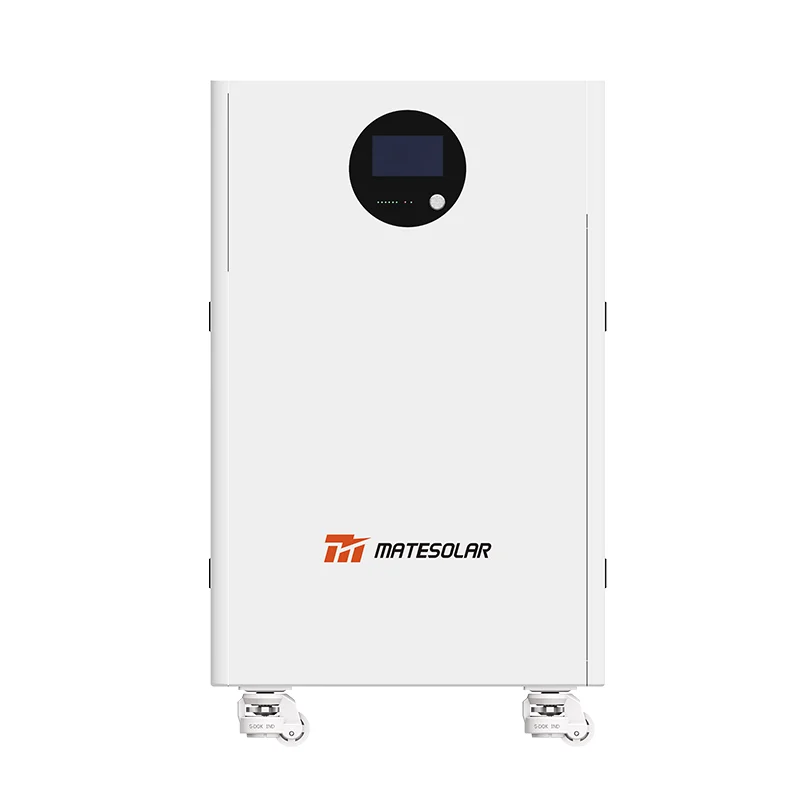
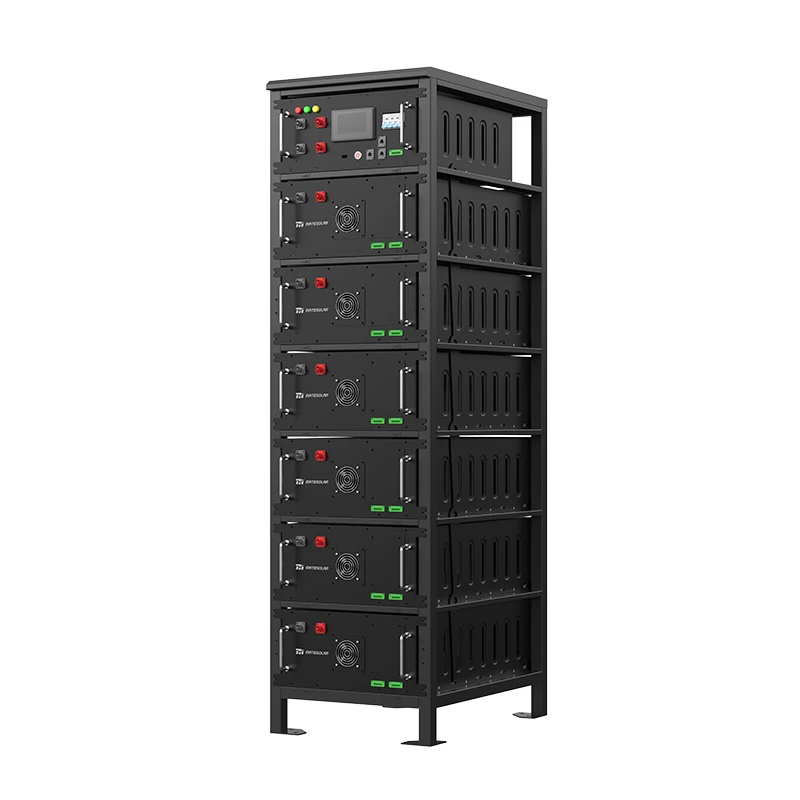
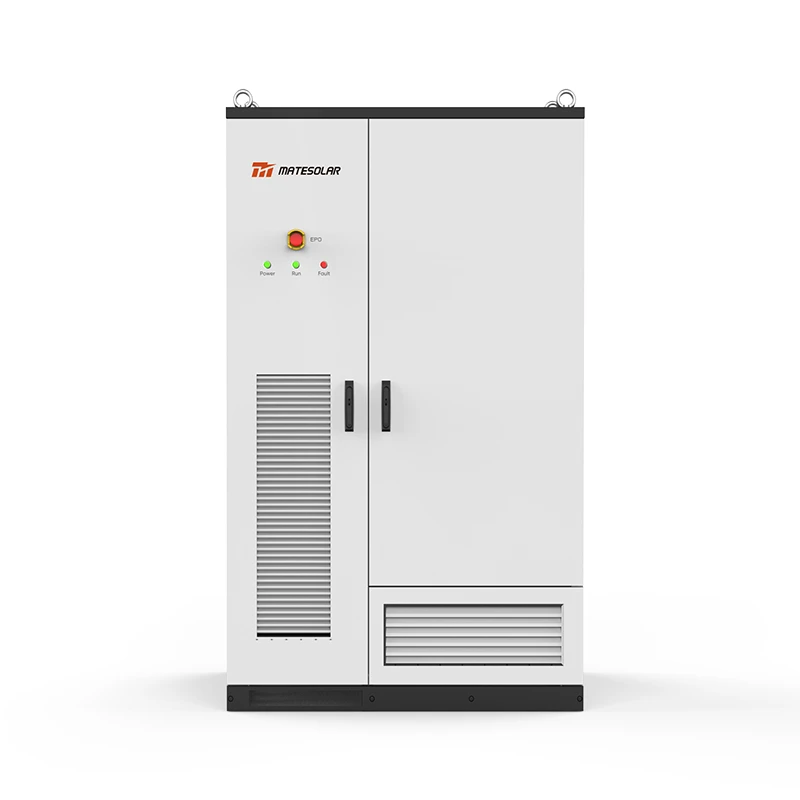
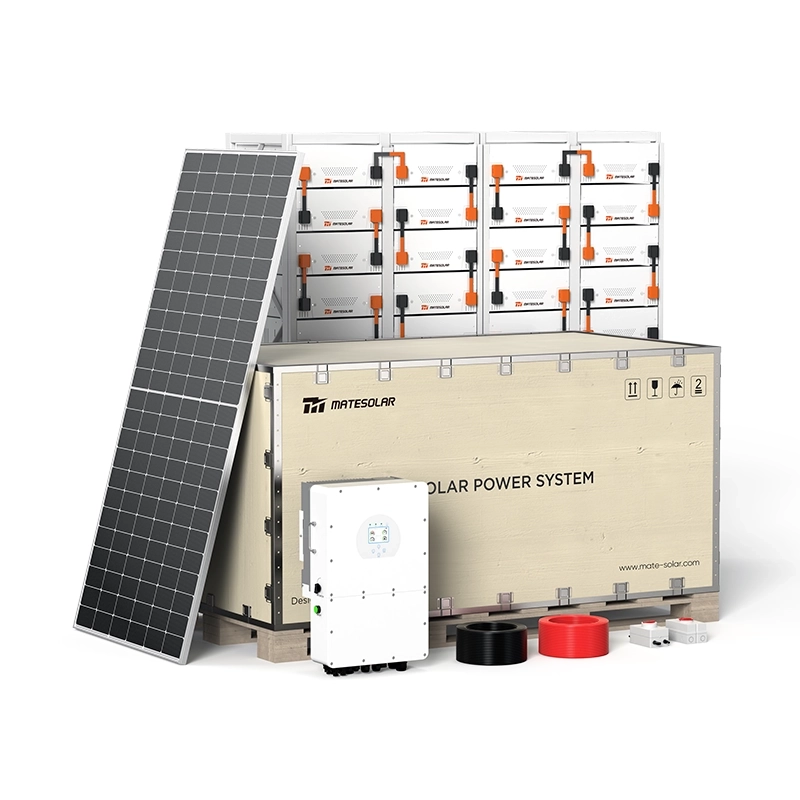
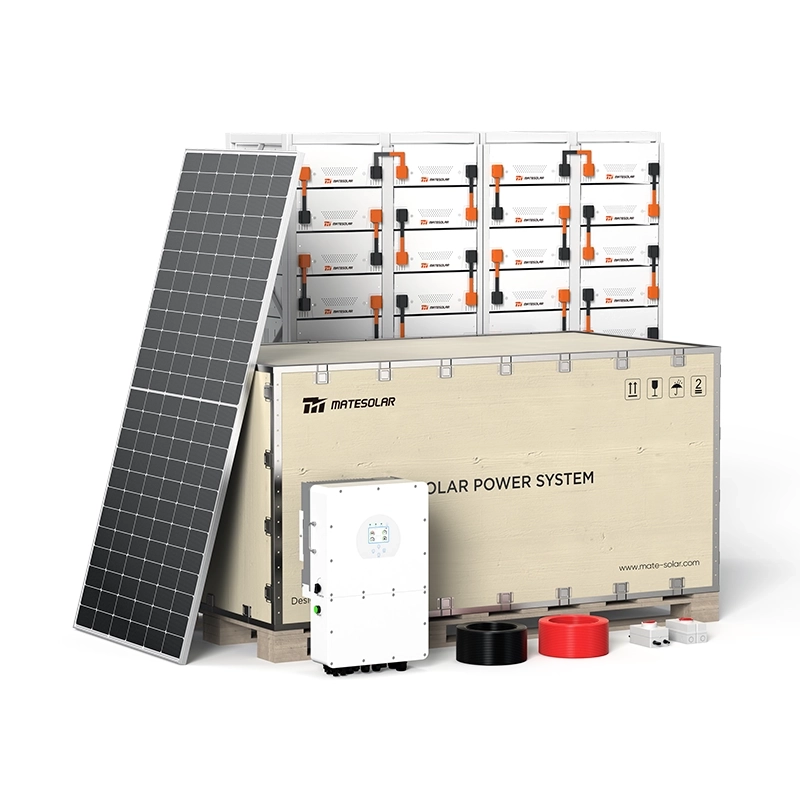
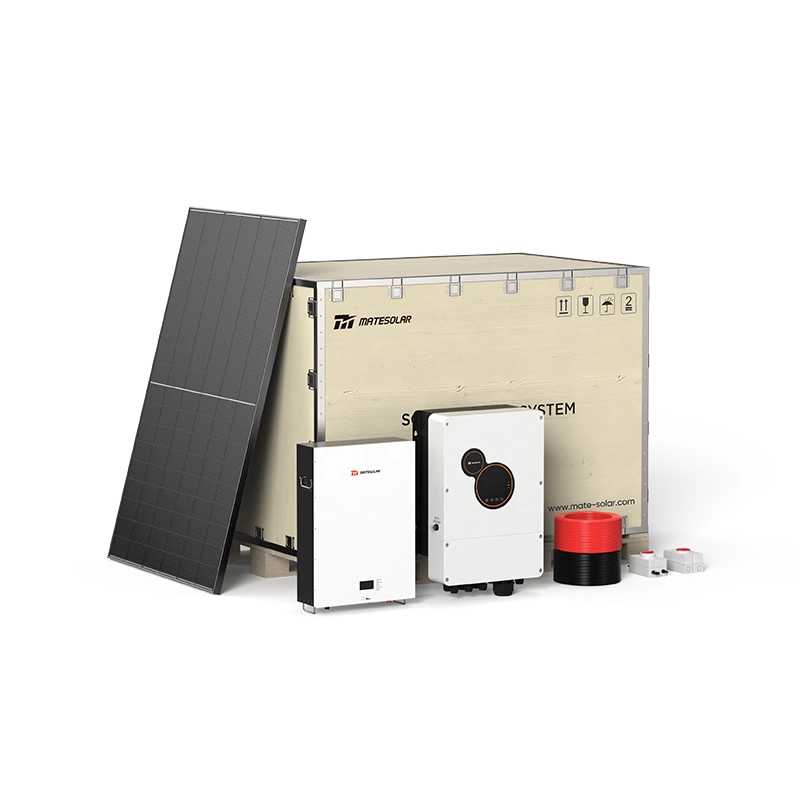
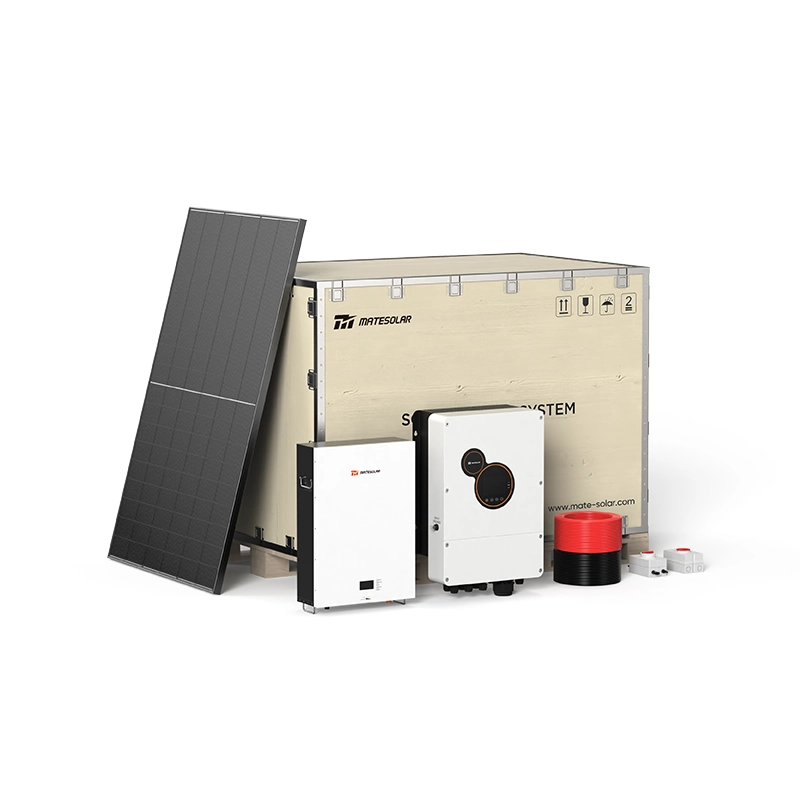
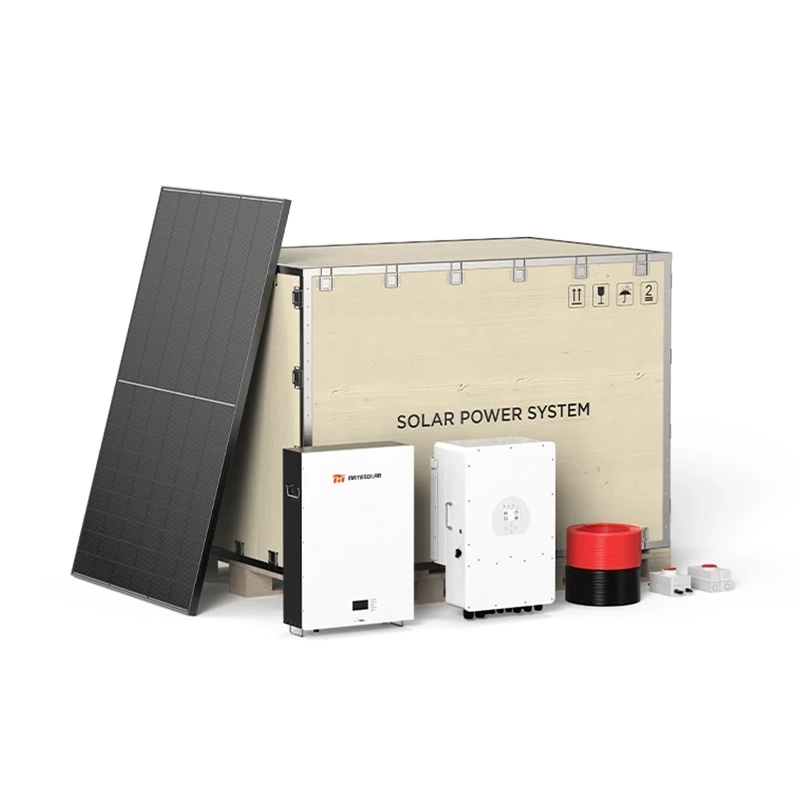
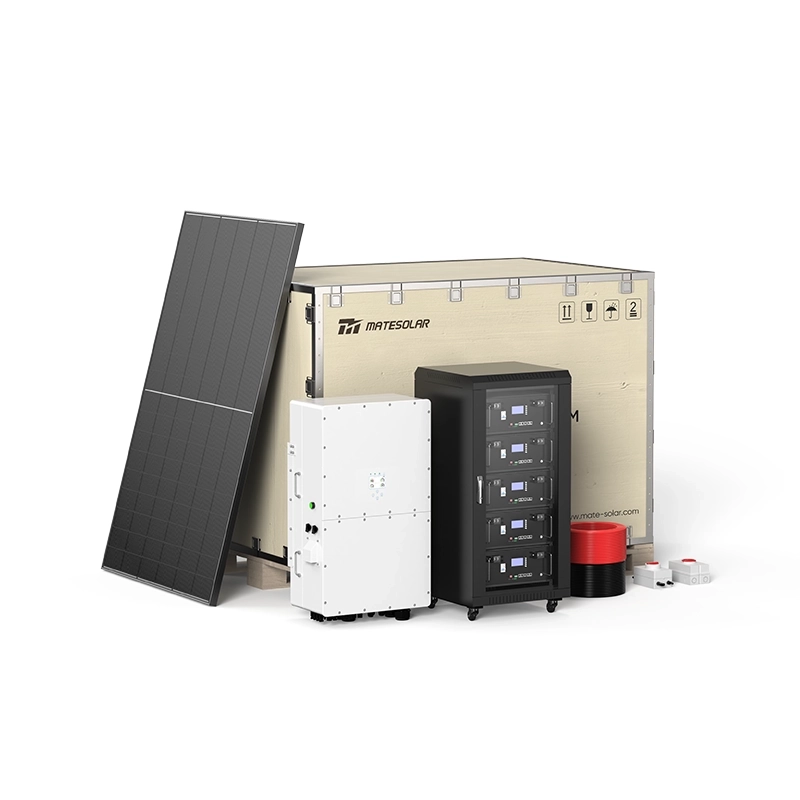
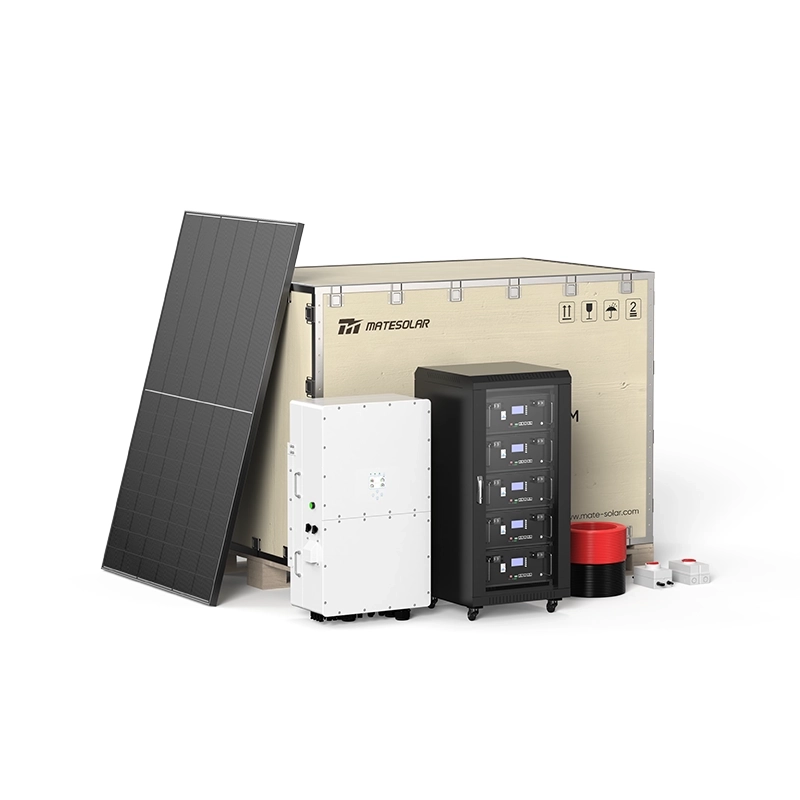
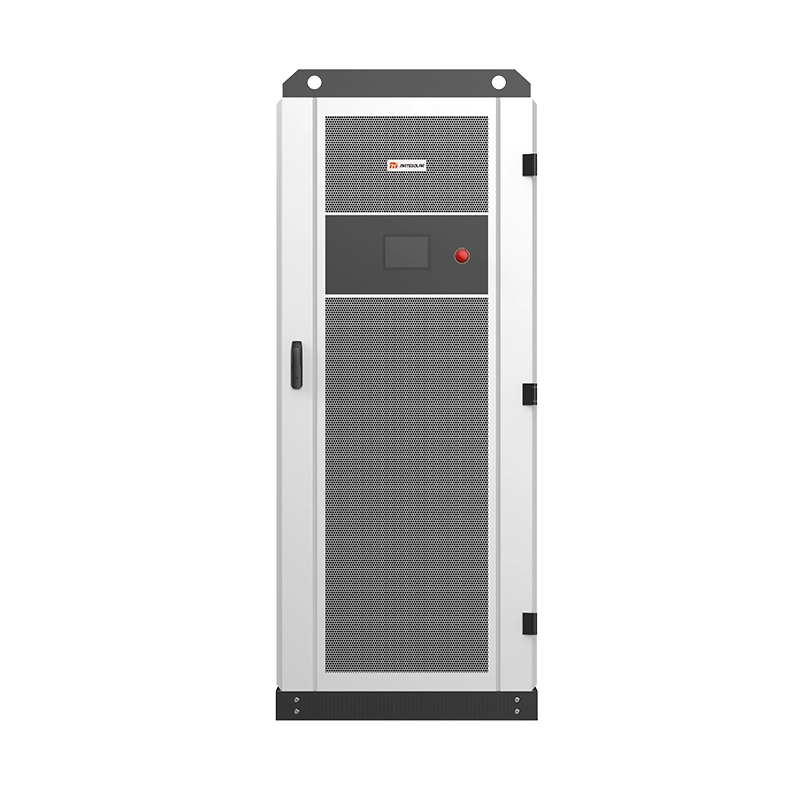
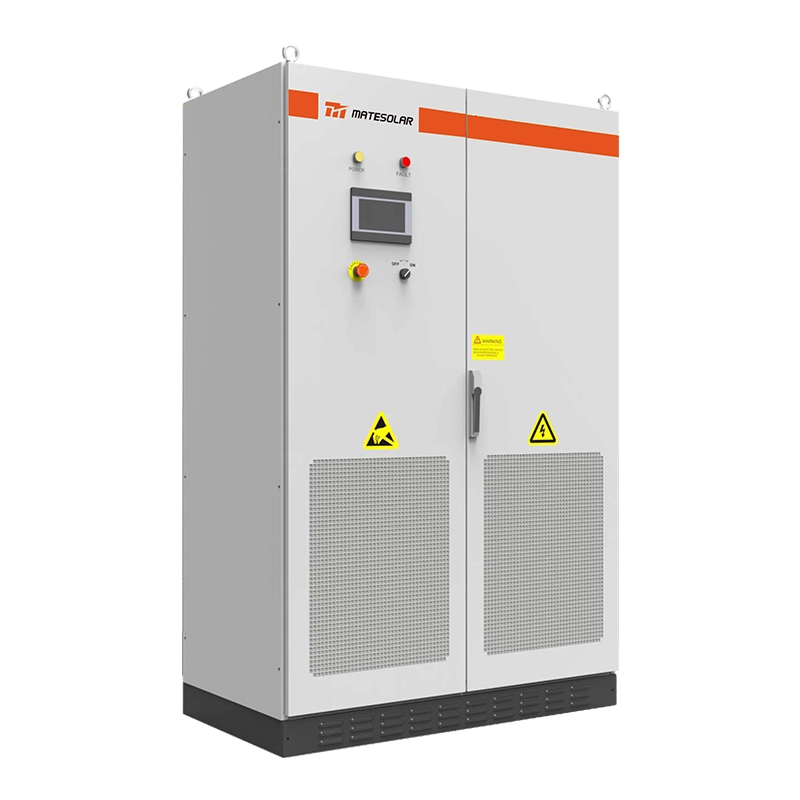
Lösungs-Spotlight: Für Unternehmen, die industrielle Hybridarchitekturen evaluieren, Kommerzielles 500KW Hybrid-Solarsystem bietet praxiserprobte netzbildende Fähigkeit mit modularer Skalierbarkeit von 500 kW bis zu Multi-Megawatt-Konfigurationen.
ABSCHNITT 3: Problemfeld #2 – EPCs, Projektentwickler und unabhängige Stromerzeuger (IPP)
Die Kernherausforderung: Bewältigung des 975-MW-Pflichtspeichers mit ENEE-Gegenparteirisikominderung
Für EPC-Unternehmen, Projektentwickler und unabhängige Stromerzeuger, die sich auf die 1,5-GW-Ausschreibung vorbereiten, sind die doppelten Herausforderungen klar: technisch konforme, speicherintegrierte Erneuerbare-Projekte liefern und gleichzeitig Finanzierungsvereinbarungen strukturieren, die die Zahlungsschwankungen von ENEE überstehen.
3.1 Technische Einhaltung der Vorschrift 65% zur Speicherung erneuerbarer Energien
Die Anforderung der Ausschreibung, dass 975 MW an vergebener Kapazität aus erneuerbaren Energien mit Speicher bestehen müssen, ist unmissverständlich. Die Entwickler müssen die Integration von Speichern in der Angebotsphase nachweisen, nicht als nachträglichen Einfall.
CREE hat detaillierte technische Anforderungen für die Speicherkonnektivität veröffentlicht, die sich aus den Spezifikationen des Amarateca BESS und den anschließenden PSSE-Modellsimulationsstudien ergeben. Wichtige Anforderungen umfassen:
- Dauer Mindestens 4 Stunden Speicherkapazität bei Nennleistung;
- Antwortzeit 50–100 Millisekunden für die Frequenzregelung;
- Netzcodexkonformität Spannungseinbruch-/Fehlerdurchfahrfähigkeit gemäß CND-Spezifikationen;
- Telemetrie: Echtzeitkommunikation mit den SCADA-Systemen von CND;
- Schutzkoordination Relais-Einstellungen validiert durch Netzstudien.
Standardisierte Solar-Plus-Speicher-Angebote, die über mehrere Projektstandorte hinweg repliziert werden können, werden stark gegenüber kundenspezifisch entwickelten Lösungen für jedes Angebot bevorzugt.
3.2 Bankfähigkeit und internationale Zertifizierung
Internationale Kreditgeber – darunter die IADB, CABEI, EIB und Entwicklungsfinanzierungsinstitute aus Europa und Asien – sind in Honduras zunehmend aktiv, doch alle verlangen ein nachweislich technisches Risikomanagement. Für BESS-Hardware bedeutet dies spezifische Zertifizierungen.
Tabelle 3: Obligatorische BESS-Zertifizierungen für internationale Finanzierung
| Zertifizierung | Umfang | Anwendbarer Standard |
| UL 9540 | Vollständige ESS-Sicherheit für den nordamerikanischen Markt | Systemebene, einschließlich UL 1973 + UL 1741 |
| UL 9540A | Tests zur Ausbreitung von thermischem Durchgehen | Zelle → Modul → Einheit → Installationsebenen |
| UL 1973 | Batteriesystem-Sicherheit | LFP-Akkupacks und -Module |
| IEC 62619 | Industrielle Lithiumbatteriesicherheit | Internationale Norm für stationäre Speicher |
| IEC 62933 | Netzgekoppelte ESS-Sicherheit | Systeminstallation und -betrieb |
Internationale Standardisierungsgremien
UL 9540 umfasst das gesamte Energiespeichersystem – Batteriemodule, Leistungsumwandlungssysteme und Steuerungssysteme – und ist der anerkannte Standard von Finanzinstituten in Nord- und Lateinamerika. UL 9540A-Tests bieten eine Validierung auf Installationsebene der Eindämmung von thermischem Durchgehen und Brandschutz, was besonders für BESS in der Nähe von bewohnten Bereichen oder kritischer Infrastruktur relevant ist.
Für EPCs und Entwickler ist die Spezifizierung von zertifizierter Hardware von Herstellern mit nachgewiesener Erfolgsbilanz in Lateinamerika die wirksamste Methode, um die Finanzierungsgenehmigung zu beschleunigen und die Kapitalkosten zu senken.
3.3 20-jährige Leistungsgarantien bei BOO/BOT-Modellen
Die Auftragsvergabe wird voraussichtlich nach BOO (Build-Own-Operate) oder BOT (Build-Operate-Transfer) Strukturen mit 20-jährigen Stromabnahmeverträgen (PPAs) erfolgen. Dies erfordert, dass BESS-Anbieter langfristige Leistungsgarantien anbieten, die Folgendes abdecken:
- Energie-Durchsatz-Garantie Mindestens MWh über die Vertragslaufzeit geliefert;
- Rundlauf-Effizienzgarantie: Degradationsplan für die RTE über die Lebensdauer des Systems;
- Kapazitäts-Degradationsgarantie Erhalt der Kapazität am Ende der Lebensdauer (in der Regel 70–80% im 20. Jahr);
- Systemverfügbarkeit: Verfügbarkeit in Prozent ohne geplante Wartung;
- Reaktionszeit-Konformität: Degradation der Antwortcharakteristiken über die Zeit.
Leistungsgarantien messen, im Gegensatz zu Verfügbarkeitsgarantien, wie gut das System im Betrieb tatsächlich leistet – wobei der Schwerpunkt auf Kapazitätserhalt, Effizienz und Energieertrag liegt. Anbieter sollten zusätzlich langfristige Serviceverträge (LTSAs) anbieten, die Fernüberwachung und geplante vorbeugende Wartung als Standardleistungen umfassen.
Für EPCs, die ohne lokale Installationsteams in Honduras arbeiten, ist das praktische Unterstützungsmodell gut etabliert: Bei großen Versorgungsprojekten reisen Inbetriebnahmeingenieure zur Erstinstallation und zur Validierung der Netzintegration an den Standort. Bei Hardwareproblemen während des Betriebs ist der Austausch von Komponenten per Luftfracht plus ferngesteuerte Installation Standard, wobei bei nachgewiesenen Herstellungsfehlern ein vollständiger Produktaustausch angeboten wird.
3.4 Risikominderung bei ENEE-Zahlungen: Finanztechnische Lösungen
Das Problem der ausstehenden Zahlungen in Höhe von $655 Millionen ENEE ist real, wurde auf höchster Ebene bei AHER dokumentiert und wird derzeit über verschiedene Kanäle aktiv angegangen. Die Entwickler können jedoch nicht einfach auf eine Lösung warten, bevor sie ein Angebot abgeben.
Praktische Risikominderungsmechanismen für aktuelle Bieter:
1. Treuhand- und Akkreditivstrukturen: PPAs, die mit Zahlungsabsicherungsvorkehrungen strukturiert sind, einschließlich bestätigter unwiderruflicher Akkreditive (LCs) internationaler Banken und zwischengespeicherte Treuhandkonten mit mehreren Tranchen, die direkt aus Kundeneinnahmen (Endverbrauchersammlungen) und nicht aus der Unternehmenskasse gespeist werden.
2. Spendergestützte Kreditverbesserung Die EIB, die CABEI und die IDB entwickeln derzeit strukturierte Finanzierungsinstrumente, bei denen multilaterale Garantien einen Teil (in der Regel 30–50%) der Zahlungsverpflichtungen von ENEE im Rahmen neuer Stromabnahmeverträge abdecken.
3. Factoring und Forderungsausfallversicherung Drittparteien, die ENEE-Rechnungen mit einem Abschlag (in der Regel 85–95% des Nennwerts) und mit Rückgriffsrechten erwerben, oder Kreditversicherungen, die politische und wirtschaftliche Risiken abdecken.
4. Harte Währung PPA-Nennwert: PPA in USD denominiert mit Wechselkursanpassungsmechanismen zur Eliminierung des Risikos einer Abwertung des Lempira.
5. Aggregationsmodelle Virtueller Kraftwerke Bei Portfolios mit kleineren Projekten werden Erträge über mehrere Standorte aggregiert und direkt mit kreditwürdigen gewerblichen Abnehmern vertraglich vereinbart, wobei ENEE umgangen wird, sofern der Zugang zum Verteilnetz dies zulässt.
Die AHER-Führung hat sich klar zur Wiederherstellung des Investorenvertrauens geäußert: “Wenn dieses Problem behoben wird, werden die Investitionen zurückkehren; wenn nicht, werden wir weiterhin regionale Wettbewerbsfähigkeit verlieren.”. Die Korrektur läuft, aber die Entwickler dürfen nicht davon ausgehen, dass sie abgeschlossen ist. Aktuelle Bieter sollten Gegenparteirisiken in ihre Finanzmodelle einpreisen und Projekte so strukturieren, dass sie auch bei Zahlungsverzögerungen rentabel bleiben.
FAQ 3: Wie bewerten Kreditgeber das Kontrahentenrisiko bei ENEE für neue BESS-Projekte?
Multilaterale Kreditgeber (IDB, CABEI, EIB) sind bereit, Projekte zu finanzieren, vorausgesetzt, es sind vertragliche Schutzmaßnahmen vorhanden. Dazu gehören Staatsgarantien, Treuhandkonten und Instrumente zur Kreditverbesserung. Kommerzielle Kreditgeber verlangen eine substanziellere Risikominderung; Projekte müssen möglicherweise Garantien von Entwicklungsfinanzierungsinstitutionen (DFI) sichern, um Bankfähigkeit zu erreichen. Der Markt befindet sich derzeit im Wandel – bankfähige Strukturen existieren, erfordern jedoch spezialisierte rechtliche und finanzielle Strukturierung.
FAQ 4: Sind 20-Jahres-Leistungsgarantien für BESS angesichts der Batteriedegradation realistisch?
Ja, sofern sie richtig ausgelegt sind. Die LFP-Chemie mit aktivem Zellausgleich und flüssigem Wärmemanagement erreicht eine prognostizierte Kalendernutzungsdauer von über 20 Jahren und eine Zyklenlebensdauer von über 6.000 Zyklen bei einer Entladetiefe von 80%. Die Garantie sollte die Kapazitätserhaltung (z. B. ≥70% der Nennkapazität im 20. Jahr) sowie Zeitpläne für den Effizienzverlust im Round-Trip-Betrieb abdecken. Garantien schließen in der Regel grobe Fahrlässigkeit des Betreibers und Fälle höherer Gewalt aus, sind aber ansonsten durch Vertragsstrafenbestimmungen in vollem Umfang durchsetzbar.
ABSCHNITT 4: Problemfeld #3 – Anwender aus den Bereichen Industrie und Handel, Gastgewerbe, Kühlkette und Landwirtschaft
Die Kernherausforderung: Steigende Zölle und Platzmangel bei hoher Hitze und Feuchtigkeit
Für kleine und mittlere Unternehmen – Hotels, Restaurants, Kühlhäuser, Supermärkte, Lebensmittelverarbeitungsbetriebe und landwirtschaftliche Betriebe – stellt die für Ende 2026 prognostizierte mögliche Erhöhung des Stromtarifs 20% eine direkte Bedrohung für die Betriebsmargen dar.. Im Gegensatz zu großen Industriekunden mit eigenen Ingenieurteams benötigen diese Unternehmen fertige Lösungen, die sicher, kompakt und auf nachweisbarem ROI basieren.
4.1 Zuverlässigkeit unter tropischem Klimastress
In Honduras herrschen das ganze Jahr über Durchschnittstemperaturen von 25–32 °C (77–90 °F), wobei die relative Luftfeuchtigkeit häufig 80% übersteigt. Küsten- und Tieflandgebiete sind mit zusätzlichen Herausforderungen konfrontiert: Korrosion durch Salznebel, hohes Kondensationspotenzial und regelmäßige Gewitter.
BESS unter diesen Bedingungen erfordert:
- Schutzart (IP) IP65 oder höher: Vollständiger Schutz gegen Staub und Schutz gegen Wasserstrahlen aus beliebiger Richtung. Diese Schutzart ist unerlässlich, um tropischen Regengüssen und Reinigungen mit Wasserschläuchen standzuhalten.
- Präzises Wärmemanagement: Flüssigkeitskühlsysteme halten die Temperaturunterschiede auf Zellebene innerhalb von 3 °C und verlängern so die Lebensdauer um 15–20% im Vergleich zu luftgekühlten Konstruktionen, die bei hohen Umgebungstemperaturen betrieben werden. Bei Schranksystemen für den Außenbereich ist eine integrierte HLK-Anlage mit Kondensatmanagement unverzichtbar.
- Korrosionsschutz Seewasserbeständige Beschichtungen (C5-M oder gleichwertig) für Küsteninstallationen, besonders wichtig für Anlagen in La Ceiba, Puerto Cortés und den Bay Islands.
- Überspannungsschutz Typ 1+2 Überspannungsableiter auf der AC- und DC-Seite, um den Auswirkungen von Blitzeinschlägen während der Regenzeit von Mai bis November standzuhalten.
Auslegungslebensdauer: Ordnungsgemäß spezifizierte Außenschränke unter honduranischen Bedingungen sollten 10+ Jahre zuverlässigen Betrieb mit Wartung auf Komponentenebene und 15+ Jahre für Premium-Flüssigkeitskühlsysteme erreichen.
4.2 Kompakte Stellfläche und UL9540A Brandschutz
Hotelbesitzer und Supermarktbetreiber sind verständlicherweise besorgt über die Platzierung von Lithium-Ionen-Batteriesystemen in der Nähe von bewohnten Bereichen. Die Lösung ist dreiteilig.
Zuerst Chemie. LFP (Lithium-Eisenphosphat)-Batterien bieten eine intrinsische thermische Stabilität, die besser ist als die von NMC (Nickel-Mangan-Kobalt)-Alternativen. LFP-Zellen erleiden keinen thermischen Durchgehen unterhalb von etwa 270 °C im Vergleich zu 150–180 °C bei NMC und setzen bei thermischen Ereignissen deutlich weniger Sauerstoff frei.
Zweitens, die UL9540A-Validierung. UL9540A-Tests auf Zell-, Modul-, Einheits- und Installationsebene zeigen, dass eine thermische Durchgehensreaktion in einer Zelle nicht auf benachbarte Zellen, Module oder das Gehäuse übergreift. Systeme, die den UL9540A-Standard erfüllen, können sicher in bewohnten Gebäuden installiert werden, unter Beachtung der Abstands- und Fluchtweganforderungen gemäß NFPA 855.
Drittens, kompaktes integriertes Design. Moderne Outdoor-Schränke erreichen Leistungsdichten, die nur 1,4–2,5 Quadratmeter Grundfläche pro 100 kW Leistung benötigen. Dies ermöglicht die Aufstellung an Außenwänden von Gebäuden, auf flachen Dächern oder in ausgewiesenen Ausrüstungsbereichen, anstatt wertvollen Einzelhandels- oder Betriebsflächen zu beanspruchen.
Checkliste für Brandschutzeinrichtungen für C&I BESS:
- Brandunterdrückung auf Packungsebene (einzelnes Batteriemodul) (Perfluorhexanon oder Äquivalent)
- Gasdetektion mit automatischer Lüftungsaktivierung
- Deflagrationsverkleidung zur Druckentlastung
- Dreistufiger Schutz (Zelle → Modul → System)
- Fernüberwachung mit Vorwarnmeldung
- Einhaltung der Abstands- und maximalen Energiegrenzwerte gemäß NFPA 855
4.3 Diesel-Hubraumwirtschaftlichkeit unter aktuellen Marktbedingungen
Die Dieselpreise in Honduras haben im April 2026 die Marke von $1,325 USD pro Liter überschritten, was auf die weltweiten Schwankungen der Rohölpreise und die inländischen Logistikkosten zurückzuführen ist. Für ein Hotel, das bei Netzinstabilität täglich 8 Stunden lang einen 200-kVA-Dieselgenerator betreibt, sind allein die jährlichen Kraftstoffkosten bereits erheblich, ganz zu schweigen von den Kosten für die Wartung des Generators, Ölwechsel und Generalüberholungen.
Vergleich: Nur Netz vs. Diesel vs. Solar+BESS für eine Anlage mit 200 kW Durchschnittslast
| Kostenkomponente | Nur Gitter | Nur Diesel | Solar+BESS Hybrid |
| Jährliche Energiekosten (200 kW × 24 × 365) | 385.440@0.22/kWh | 1,070,000+(Kraftstoff@1,325/l, Wirkungsgrad 35%) | $ 80.000 – 120.000 (Netzausgleich) |
| Generator Betriebs- und Wartungskosten | K.A. | 1TP4 25.000 – 40.000/Jahr | $5.000 – 10.000/Jahr |
| Solar+BESS Kapitalamortisation (10 Jahre) | K.A. | K.A. | $60.000 – 90.000/Jahr |
| Gesamtkosten pro Jahr | $385, 440 | $1,095,000+ | 1TP4 145.000 – 220.000 |
*Hinweis: Dieselangaben basieren auf einer Generatorleistung von 3,5 kWh pro Liter Diesel, einer branchenüblichen Näherung für mittelgroße Stromerzeuger. Kraftstoffpreisdaten spiegeln die Marktbedingungen im April 2026 wider.*
Das Hybrid-Szenario „Solar plus BESS“ geht von einer PV-Anlage mit 400 kWp, einem BESS mit 500 kWh und einer 10-jährigen Kapitalamortisation bei einem Zinssatz von 6% aus. Die Amortisationszeit für solche Anlagen liegt unter den aktuellen Tarifbedingungen zwischen 5 und 8 Jahren; danach betreibt die Anlage mit netzabhängigen Energiekosten von etwa 60–70%.
FAQ 5: Was passiert, wenn der BESS einen Hardwarefehler aufweist? Gibt es Installationsunterstützung in Honduras?
Bei Hardwareproblemen auf Komponentenebene (Wechselrichterausfall, BMS-Fehlfunktion, Zellalterung) ist das Supportmodell die Zustellung von Ersatzteilen per Luftfracht mit ferngesteuerter Installation. Bei nachgewiesenen Herstellungsfehlern erfolgt ein vollständiger Produktaustausch. Bei Softwareproblemen sind Fernwartungsdiagnosen und Firmware-Updates Standard. Bei großen Projekten im Versorgungsmaßstab können Techniker zur Erstinbetriebnahme und Validierung der Netzintegration anreisen.
FAQ 6: Kann BESS auf einem Hotel-Dach mit begrenztem Platz installiert werden?
Ja. Moderne Außenschränke benötigen 1,5–2,5 m² pro 100 kW – ungefähr die Fläche von zwei Standardpaletten. Ein 100 kW / 232 kWh Schrank passt bequem auf eine Hotel-Dachaufzugsschachtverkleidung oder in einen Technikbereich. Die Brandschutzabstände (typischerweise 0,9–1,5 m auf allen Seiten) vergrößern die Gesamtfläche, bleiben aber auf typischen gewerblichen Dächern beherrschbar.
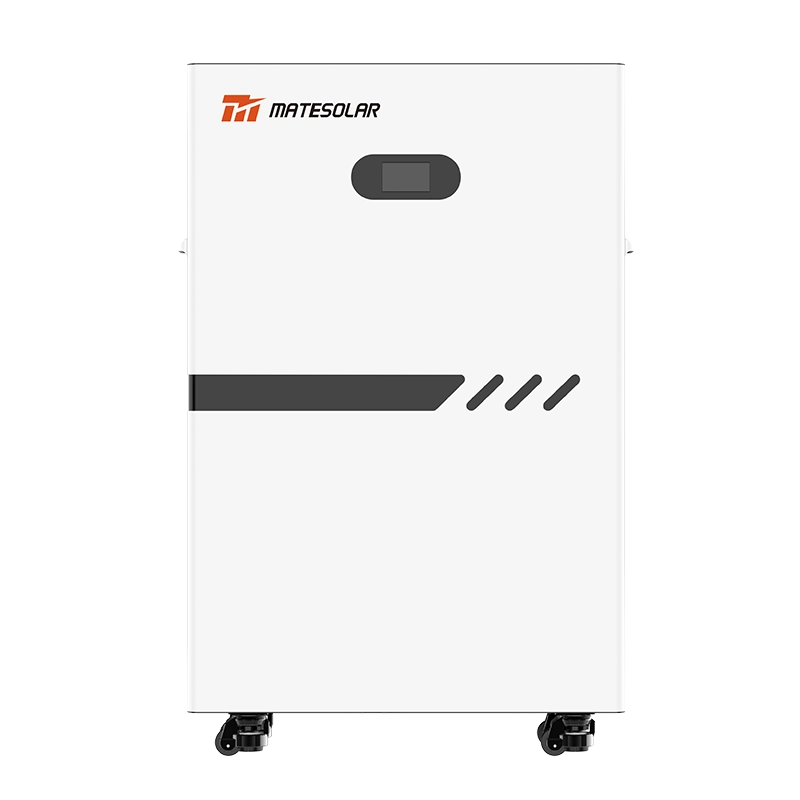
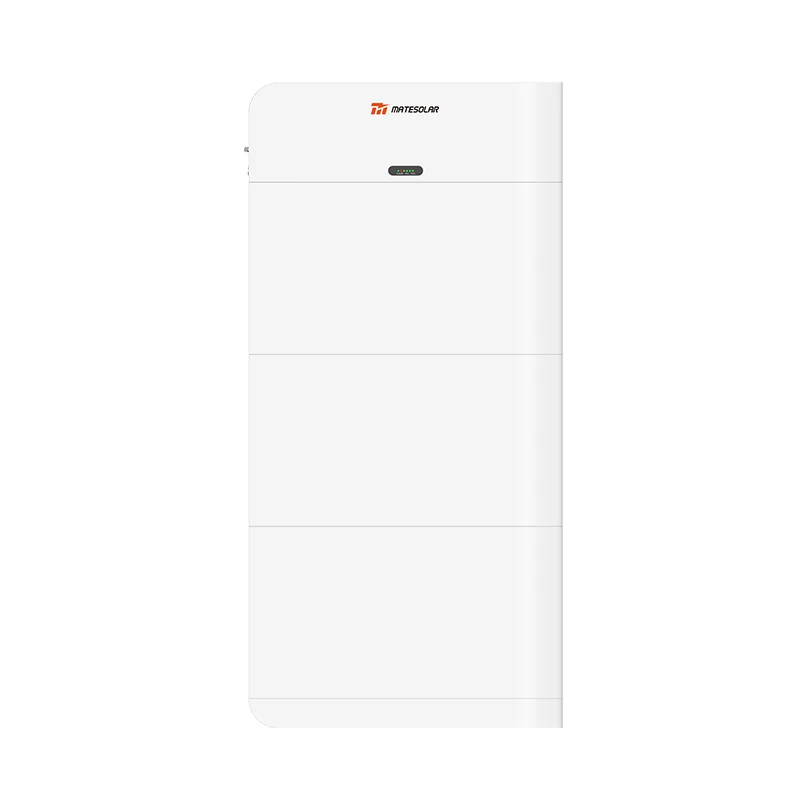
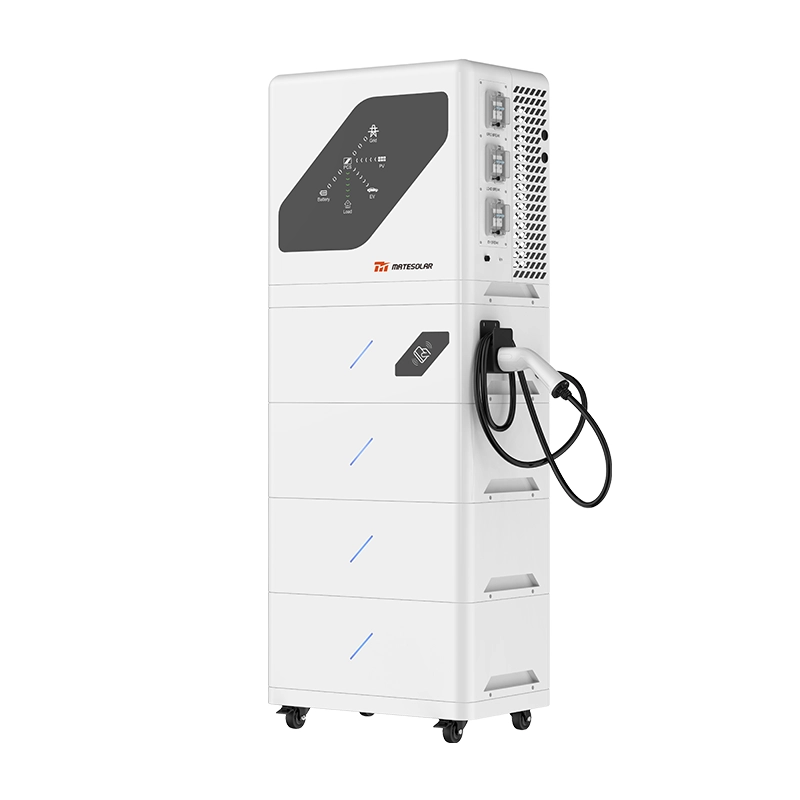
Produkte im Fokus: Der 100kW/232kWh 125kW/261kWh Flüssigkeitsgekühltes Outdoor-Schrank Energiespeichersystem bietet C&I-Nutzern IP65-Schutz, zellenweites thermisches Management und UL9540A-validierte Sicherheit für den Einsatz in platzbeschränkten gewerblichen Umgebungen.
ABSCHNITT 5: Problemfeld #4 – Abgelegene, netzunabhängige Gemeinden und Gewerbegebiete
Die Kernherausforderung: Unabhängige Mikronetze in Stromnetzen mit schwacher oder nicht vorhandener Infrastruktur aufbauen
Honduras steht vor erheblichen Herausforderungen beim ländlichen Energiezugang, wo schwache Verteilungsinfrastrukturen und hohe technische Verluste die Netzerweiterung wirtschaftlich unrentabel machen. Kommerzielle Projekte – Ecolodges, Strandresorts, Bergbaucamps, landwirtschaftliche Verarbeitungsanlagen – in abgelegenen Regionen benötigen ein widerstandsfähiges Energiesystem, unabhängig von der Leistung des Verteilungsnetzes der ENEE.
5.1 Nahtlose Inselbildung und Schwarzstartfähigkeit
Für Tourismusimmobilien auf den Bay Islands, Rumproduzenten an der Nordküste oder Bergbaubetriebe im westlichen Hochland sind Stromausfälle keine seltenen Ereignisse – sie sind normale Betriebsbedingungen. Anlagen können sich keine 2–12 Stunden Wiederherstellungszeiten leisten, wie sie für die Behebung von Ausfällen in ländlichen Gebieten typisch sind.
Moderne Microgrid BESS bieten nahtlose Inselbetriebsumschaltungen in <200 Millisekunden – schnell genug, um Computerneustarts, das Aussetzen von Kältekompressoren oder das Zurücksetzen von industriellen Steuerungslogiken zu verhindern. Blackstart-Fähigkeit bedeutet, dass ein vollständig stromloser Microgrid alleine aus Batterien neu gestartet werden kann, ohne externe Starthilfe.
Steuersequenz für Inselbetrieb:
1. Netzfrequenz weicht vom Toleranzband ab (typischerweise ±2,5 Hz)
2. Statischer Netzumschalter öffnet Netzverbindung innerhalb von 20 Millisekunden
3. Netzbildende BESS erkennt Übergang und stellt Spannungsreferenz her
4. Die gesamte Anlagenlast wird innerhalb von 80–120 Millisekunden auf das BESS übertragen
5. PV-Anlage erzeugt weiter (netzbildender Wechselrichter hält Referenz)
6. Dieselaggregate synchronisieren sich mit der BESS-Referenz und starten bei Bedarf
7. EMS verbindet sich mit dem Netz, wenn Stabilität zurückkehrt, und synchronisiert vor der Übertragung
Die gesamte Sequenz ist automatisch und erfordert keine Bedienereingriffe.
5.2 Multi-Source EMS für PV+BESS+Diesel-Optimierung
Für netzunabhängige Systeme muss das Energiemanagementsystem drei Energiequellen koordinieren: Solar-PV (niedrigste Grenzkosten, variabel), BESS (mittlere Kosten, regelbar) und Dieselaggregate (höchste Kosten, fest). Die optimale Steuerung, die sich in tatsächlichen honduranischen Installationen bewährt hat, folgt:
Dieselgeneratoren arbeiten in drei Betriebsmodi. Der **erste Modus ist der „Dieselfreie Betrieb“, bei dem PV + BESS den gesamten Strombedarf decken. Der zweite Betriebsmodus ist die minimale Laufzeit, bei der der Diesel täglich 2–4 Stunden bei optimaler Last (typischerweise 60–80% der Nennleistung) läuft, um die Batterien aufzuladen, falls die Solarstromproduktion nicht ausreicht. Der dritte Betriebsmodus ist der Dauerbetrieb mit Diesel**, bei dem der Diesel rund um die Uhr läuft, wenn BESS oder PV nicht verfügbar sind.
Fallstudie zu einem honduranischen Mikronetz auf der Insel Guanaja: Eine 600-kWp-Photovoltaikanlage in Verbindung mit einem 576-kWh-LFP-Speicher und einer 3.184-kVA-Diesel-Notstromversorgung ermöglichte eine Reduzierung der Diesel-Laufzeit um mehr als 85% bei einer Verfügbarkeit von 99,9%.
Optimale Dispatch-Logiksequenz für EMS in Inselnetz-Mikronetzen:
1. Solarenergie liefert während der Tageslichtstunden die gesamte erreichbare Last
2. Überschüssige PV-Erzeugungsgebühren BESS bis zur Vollladung
3. Wenn die Sonne nicht ausreicht, entlädt der BESS den Defizit
4. Wenn das BESS den Mindestladestand (20–30%) erreicht, starten die Dieselgeneratoren und laufen mit optimalem Wirkungsgrad, während sie das BESS wieder aufladen.
5. Wenn der Ladezustand von BESS 80–90% erreicht, werden die Dieselgeneratoren abgeschaltet (oder auf einen Generator reduziert, falls die Lasten weiterhin die PV-Leistung übersteigen)
6. Wiederholen Sie den Zyklus täglich
Die Steuerlogik erfordert eine Vorschau von ein bis zwei Sekunden, basierend auf historischen Lastkurven, aktueller Sonneneinstrahlung und dem Batterieladezustand.
5.3 Strukturelle Integrität für Hurrikan- und Erdbebengebiete
Honduras liegt innerhalb des atlantischen Hurrikanbeckens (Juni–November) und entlang aktiver seismischer Verwerfungen, die mit der Plattengrenze der Karibik verbunden sind. Im Freien installierte BESS-Systeme müssen standhalten:
- Windlasten Mindest-Dauerwindgeschwindigkeiten von 28 Metern pro Sekunde (100 km/h) mit einer Auslegungsschockfähigkeit, die 45 m/s (160 km/h) übersteigt, für Küsteninstallationen in sturmgefährdeten Gebieten. Montagesysteme müssen nach den ASCE 7-Windlaststandards konstruiert sein.
- Seismische Beschleunigung 0,3–0,4 g Spitzenbodenerdbeschleunigung für die meisten besiedelten Gebiete, mit höheren Werten in der Nähe aktiver Verwerfungslinien. Schränke erfordern eine seismische Verankerung gemäß IBC oder gleichwertigen Code-Anforderungen.
- Hochwasserexposition Für Installationen innerhalb von 50-jährigen Überschwemmungsgebieten, BESS oberhalb des Bemessungs-Hochwasserstands auf erhöhten Plattformen oder Ausrüstungsfundamenten mit NEMA 4X/IP66-Gehäusen zur Vermeidung von Unterwasserbetrieb (nicht Eintauchen).
Checkliste für Bau- und Installationsstandards von abgelegenen BESS unter honduranischen Bedingungen:
- Strukturelle IBC- oder ASCE 7-Zertifizierung für Wind- und Erdbebenlasten
- Korrosionsschutz C5-M für Küstenumgebungen
- Hochwasserhöhenzertifizierung für Standorte in ausgewiesenen Überschwemmungsgebieten
- Blitzschutzsysteme (äußere Fangeinrichtungen und Überspannungsableiter)
- Erdung gemäß IEEE 80 bei hoher Bodenresistivität (häufig in Bergregionen)
FAQ 7: Kann ein abgelegenes Öko-Resort vollständig mit Solar+BESS ohne Diesel-Notstromversorgung betrieben werden?
Ja, aber mit spezifischen Bedingungen. Das System muss übergroße PV- und Speicheranlagen umfassen, um Worst-Case-Wetterszenarien (mehrere aufeinanderfolgende Tage mit geringer Sonneneinstrahlung) abzudecken. Für die meisten kommerziellen Anwendungen bleibt Diesel als tiefe Notfallreserve (Betrieb 5-50 Stunden jährlich) statt als primäre Stromquelle bestehen. Reine Solar-Plus-BESS-Systeme ohne Verbrennungsunterstützung sind für Lasten mit Toleranz gegenüber Einschränkungen machbar, werden aber für kritische Kühlsysteme oder wesentliche Facility-Systeme ohne erhebliche Überdimensionierung (3- bis 5-fache normale Speicherkapazität) nicht empfohlen.
FAQ 8: Wie lange hält ein in Leichtbeton montierter BESS-Schrank in der salzigen Meeresgischt?
Schaltschränke mit IP65-Schutzart und Korrosionsschutz C5-M: 15–20 Jahre bis zum Austausch des Gehäuses. Elektronische Komponenten (Wechselrichter, BMS-Platine) haben typischerweise eine geringere Lebenserwartung – 10–15 Jahre in Küstenumgebungen – und sollten mit Schutzlack auf den Leiterplatten spezifiziert werden. Jährliche vorbeugende Wartung, einschließlich Reinigung der Kontakte und Korrosionsinspektion, ist Standard für alle Küsteninstallationen.
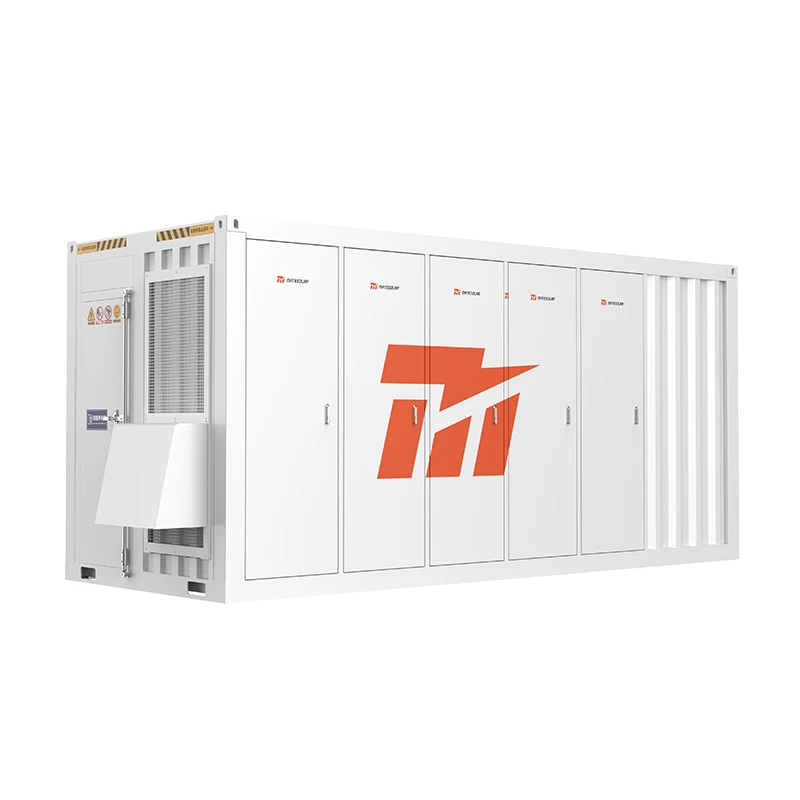
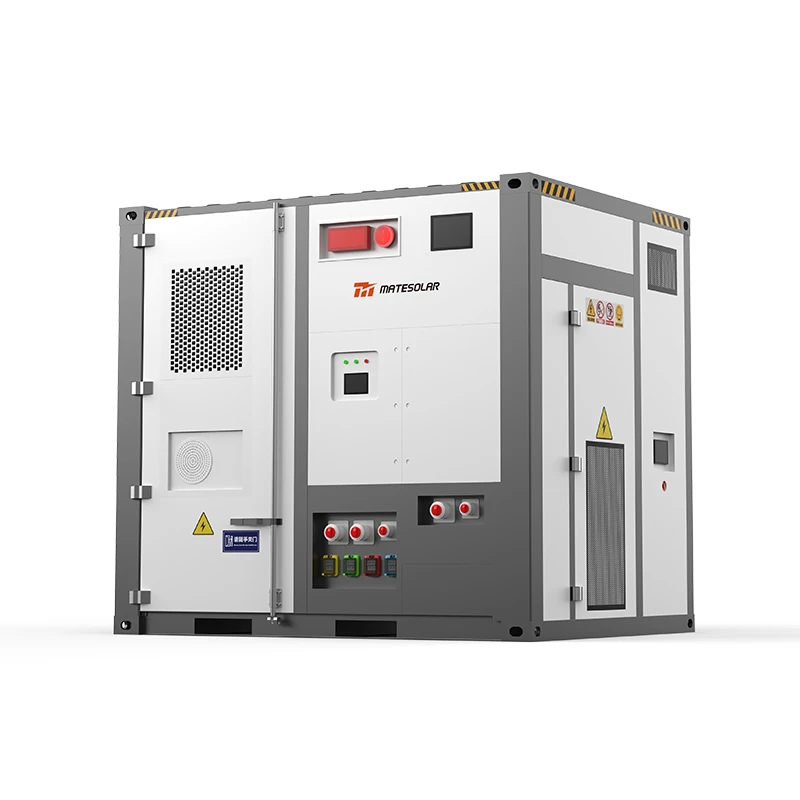
Produkte im Fokus: Der 40Fuß 1MWh 2MWh luftgekühlter Container-Energiespeichersystem bietet vorkonfektionierte, containerisierte Speicherlösungen für Anwendungen im Versorgungsmaßstab und für netzunabhängige Systeme, während die 20ft 3MWh 5MWh Flüssigkeitskühlcontainer Energiespeichersystem bietet Speicher mit hoher Dichte für netzgebundene und abgelegene Installationen, die Kapazität für verlängerte Betriebszeiten benötigen.
ABSCHNITT 6: Technische Referenztabellen und Datenblätter
Tabelle 4: Lateinamerika BESS-Zertifizierungsmatrix (Relevanz für Honduras)
| Standard | Aufsichtsbehörde | Zertifizierungsbereich | Relevanz für 1,5-GW-Ausschreibung |
| UL 9540 | UL (USA) | ESS-System-Sicherheit | Hoch — Wird von den meisten internationalen Kreditgebern verlangt |
| UL 9540A | UL (USA) | Thermische Durchgehen-Ausbreitung | Hoch — Gebäudeinstallationen mit Personen |
| UL 1973 | UL (USA) | Akkupack/Module Sicherheit | Hoch — Sicherheitsvalidierung von Batteriezellen |
| IEC 62619 | IEC | Industrielle Lithiumbatteriesicherheit | Hoch — Internationaler Standard für stationäre Speicher |
| IEC 62933 | IEC | Netzgekoppelte ESS-Sicherheit | Medium — Installations- und Betriebs-/Wartungsanforderungen |
| NFPA 855 | NFPA (USA) | ESS installationsbrandmeldeordnung | Medium — Installationsabstand/Fluchtweganforderungen |
| UN 38.3 | Vereinte Nationen | Lithiumbatterietransport | Hoch – Obligatorisch für alle Luft-/Seefrachtsendungen |
| IEEE 1547 | IEEE | Netzintegration | Hoch — Netzcode-Konformität für CND |
Tabelle 5: Kostenmodell für die Installation von BESS in Honduras (USD/kWh, 2026)
| Komponente/Metrik | Kleine C&I (<500 kWh) | Mittlere C&I (500–2.000 kWh) | Großanlagen (> 10 MWh) |
| Batteriezellen (LFP, geliefert) | $115 – 135/kWh | $100 – 120/kWh | $85 – 105/kWh |
| BMS + EMS (installiert) | $50 – 70/kWh | $30 – 50/kWh | $20 – 35/kWh |
| Wechselrichter/PCS (installiert) | $80 – 120/kW | $60 – 90/kW | $45 – 70/kW |
| Gehäuse + Installation | $40 – 60/kWh | $30 – 45/kWh | $20 – 35/kWh |
| Ingenieurwesen, Genehmigungen, Fracht | $30 – 50/kWh | $20 – 35/kWh | $15 – 25/kWh |
| Gesamte Investitionsausgaben (USD/kWh) | $315 – 435/kWh | $200 – 300/kWh | $185 – 270/kWh |
*Anmerkungen: Die Kosten beziehen sich ausschließlich auf BESS, nicht auf Solar-PV (für PV sind in der Regel $400–600/kWp hinzuzurechnen). Die Preise für LFP-Zellen spiegeln die weltweiten Marktbedingungen im April 2026 wider, einschließlich Versand nach Puerto Cortés. NMC-Zellen erfordern etwa 15–20% geringere Investitionskosten (CAPEX), haben jedoch eine kürzere Lebensdauer. Die BOS-Kosten sind an abgelegenen Standorten ohne Kranzugang oder befestigte Straßen höher. Installationen an Türmen oder Telekommunikationsstandorten verursachen aufgrund logistischer Einschränkungen zusätzliche Kosten in Höhe von 25–35%.*
Tabelle 6: Vergleichsmatrix kommerzieller BESS-Produkte
| Produktlinie | Leistung | Kapazitätsbereich | Kühlung | Schutzart | Hauptanwendung |
| Gewerblich 500KW Hybrid | 500 kW | 1.000–2.000 kWh (konfigurierbar) | Flüssigkeitskühlung | IP54-Standard, optional IP65 | Industrieparks, Fertigung, hybride Microgrids |
| 100kW/232kWh Außenschrank | 100 kW / 125 kW | 232 kWh / 261 kWh | Flüssigkeitskühlung | IP65 + C5-M Korrosion | Hotels, Supermärkte, Kühlhäuser, C&I |
| 40-Fuß-Luftgekühlter Container | Bis zu 1 MW pro Einheit | 1–2 MWh pro Container | Umluft mit HLK | IP54 | Dezentrale Mikronetze, Baustellen, temporäre Stromversorgung |
| 20Ft Flüssigkeitsgekühlter Container | Bis zu 1,5 MW pro Einheit | 3–5 MWh pro Container | Flüssigkeitskühlung | IP55 | Anlagen im Versorgungsmaßstab, große Industrieanlagen, Netzunterstützung |
Herstellerspezifikationen und Testdaten von Drittanbietern
ABSCHNITT 7: Häufig gestellte Fragen (Umfassend)
FAQ 9: Können bestehende Dieselgeneratoren in neue BESS integriert werden?
Ja. Standardmäßige hybride Microgrid-Controller beinhalten Schnittstellen zum Starten/Stoppen von Dieselgeneratoren, deren Betrieb unter optimaler Last und zum parallelen Betrieb von BESS mit der Dieselproduktion. Die Diesel+BESS-Integration kann auch über generische Kontaktsteuerungen mittels 4–20 mA-Signalen realisiert werden, ohne in vielen Fällen eine Modifikation des Generatorreglers zu erfordern.
FAQ 10: Wie berechne ich die Amortisationszeit für eine C&I BESS-Installation in Honduras?
Verwenden Sie dieses vereinfachte Modell: Jährliche Einsparungen = (Netzstromtarif – BESS-LCOE) × (täglich aus dem Speicher gelieferte kWh × 365). Beispiel: 0,22 USD/kWh Netztarif – 0,13 USD/kWh BESS-LCOE = 0,09 USD/kWh Marge. Multipliziert mit 400 kWh/Tag × 365 ergibt dies jährliche Einsparungen von 13.140. Bei einer installierten Anlage vom Typ $100.000 beträgt die einfache Amortisationszeit 7,6 Jahre. Durch den Einsatz von Solar-PV lassen sich die Kosten pro kWh senken und der ROI weiter beschleunigen.
FAQ 11: Was ist der typische Inbetriebnahmezeitplan für ein großes industrielles BESS-System?
Standard-Zeitplan: Vertragsunterzeichnung und Zahlung (Monat 1), Engineering und Fertigung plus Werksabnahme (Monate 2–4), Seetransport von Asien über Puerto Cortés (Monate 5–6), Zoll und Binnenlogistik (Monat 7), Montageüberwachung + lokale elektrische Anbindung einschließlich Überprüfung der Netzkonformität (Monat 8), vollständige Inbetriebnahme und Übergabe der technischen Dokumentation (Monat 9). Schnellprojekte können durch Expressfracht und Vorabgenehmigungen auf 6–7 Monate verkürzt werden.
FAQ 12: Sind chinesische LFP-Batteriehersteller für Projekte in Lateinamerika zuverlässig?
Ja, vorbehaltlich einer ordnungsgemäßen Qualitätssicherung. Zu den Verifizierungsschritten gehören unabhängige Audits durch Dritte, Leistungstests an Musterzellen vor der Containerbeladung sowie die Validierung von UL9540/UL9540A/IEC62619-Zertifizierungen. Das Hauptunterscheidungsmerkmal ist nicht das Ursprungsland, sondern die Qualitätssysteme des Anbieters, die Garantiebedingungen und die Serviceinfrastruktur in Lateinamerika. Fragen Sie nach bestehenden Referenzprojekten im Versorgungsmaßstab in Lateinamerika und nach kontaktierbaren Endnutzern.
FAQ 13: Welche Telekommunikationsschnittstelle wird für die Fernüberwachung von BESS benötigt?
Minimum: Internetverbindung (4G-Mobilfunkmodem akzeptabel) für EMS-Cloud-Verbindung. Einige Versorgungsunternehmen erfordern eine kabelgebundene Modbus TCP/IP-Verbindung zu einem lokalen SCADA-System. Für die Fernfehlerdiagnose ist der Fernzugriff auf den EMS-Controller während der Inbetriebnahme und für die laufende Unterstützung Standard. Alle eingehenden Verbindungen sollten über ein isoliertes VLAN mit zertifikatsbasierter Authentifizierung erfolgen, nicht über Standardpasswörter.
FAQ 14: Wie wirkt sich die mögliche Tariferhöhung gemäß 20% auf die Wirtschaftlichkeit von BESS-Projekten aus?
Direkt und positiv. Eine Tariferhöhung um 20% bedeutet, dass der Gewerbetarif von 0,22/kWh auf etwa 0,264/kWh steigt. Unter der Annahme, dass die LCOE von BESS unverändert bleibt, erhöht sich die Arbitragemarge entsprechend, wodurch sich die Amortisationszeiten um 1–3 Jahre verkürzen. Das High-Case-Szenario für die Tarife 2026–2027 führt dazu, dass viele C&I-Projekte schneller einen positiven Cashflow erzielen, als frühere technische Schätzungen vorausgesagt hatten.
ABSCHNITT 8: Umsetzungs-Roadmap und strategische Empfehlungen
8.1 Sofortmaßnahmen (April–Juni 2026)
Industrielle Energiemanager müssen Lastprofilierung und Netzqualitätsmonitoring durchführen, die mindestens einen repräsentativen Produktionszyklus abdecken. Erste Machbarkeitsstudien sollten von technischen Beratern mit Erfahrung in BESS-Systemen in Lateinamerika in Auftrag gegeben werden. IPPs sollten die EPC-Bereitschaft für die 1,5 GW Ausschreibung bestätigen, sobald die Bietfristen festgelegt sind.
8.2 Mittelfristig (Juli–Dezember 2026)
Die Vertragsverhandlung und der finanzielle Abschluss sollten für "Early-Mover"-Projekte abgeschlossen werden, die auf die Inbetriebnahme in den Jahren 2027–2028 abzielen. C&I-Nutzer sollten Stromabnahmeverträge (PPAs) für Solar-plus-BESS-Projekte sichern und dabei den überarbeiteten Net-Metering-Rahmen im Rahmen der honduranischen Eigenregulierungsverordnungen nutzen.
8.3 Langfristig (2027–2029)
Alle Stakeholder sollten Projekte ausführen, um die Inbetriebnahme mit der Stilllegung des 886-MW-Wärmekraftwerks im Jahr 2029 abzustimmen. Kapazitätsbasierte Tarife sollten überwacht werden, während die vierteljährlichen Anpassungen von CREE fortgesetzt werden. Die Portfolioerweiterung an mehreren Standorten sollte geplant werden, da modulare Systeme standardisierte Bereitstellungsspezifikationen erreichen.
FAZIT: Das Urteil über Hondurass BESS Ende April 2026
Honduras präsentiert sich im Jahr 2026 als ein gespaltener Markt. Für unvorbereitete Industriekunden und Entwickler mit geringer technischer Tiefe bergen die Konvergenz von Fristen für die Stilllegung von thermischen Anlagen, Unsicherheiten bei ENEE-Zahlungen und beschleunigte Tarifinflation erhebliche Risiken. Für diejenigen mit entsprechenden technischen Spezifikationen, Finanzierungsstrukturen und Lieferantenbeziehungen schaffen dieselben Bedingungen außergewöhnliche Chancen.
Die Ausschreibung über 1,5 GW mit ihrer vorgeschriebenen Speicherkomponente von 65% ist nicht optional. Der Zeitplan für die Stilllegung von 1.343 MW thermischer Kapazitäten ist nicht flexibel. Der Tarif von 0,22/kWh, der in zwei aufeinanderfolgenden Quartalen nach oben angepasst wurde (wobei weitere Erhöhungen wahrscheinlich sind), ist eine Tatsache. Die Zahlungsrückstände der ENEE in Höhe von 655 Millionen sind real, werden jedoch durch multilaterale Interventionen angegangen.
Die Projekte, die in diesem Markt erfolgreich sein werden, weisen spezifische Merkmale auf: netzbildende (grid-forming) BESS-Systeme für Anwendungen zur Grundlastdeckung; UL9540-zertifizierte Hardware, die von internationalen Kreditgebern akzeptiert wird; 20-jährige Leistungsgarantien für BOO-Vertragsstrukturen; IP65-zertifizierte Außenschränke für tropische Klimazonen; ein Multi-Source-EMS-System, das die Optimierung von PV+BESS+Diesel ermöglicht; sowie vertragliche Strukturen, die das Kontrahentenrisiko von ENEE durch Treuhandkonten, Kreditverbesserungen oder direkte kommerzielle Abnahme mindern.
Die in diesem Dokument dargelegten Informationen und Analysen stützen sich direkt auf den PIEG von CND für 2026–2035, die Tarifanträge von CREE für das 1. und 2. Quartal 2026, die veröffentlichten Ausschreibungsbedingungen von ENEE, Finanzierungsankündigungen von CABEI und EIB, Marktkommentare von AHER sowie auf Betriebsdaten des Amarateca-Speicherprojekts mit 75 MW/300 MWh – der definitiven Referenzanlage für Batteriespeichersysteme in Mittelamerika.
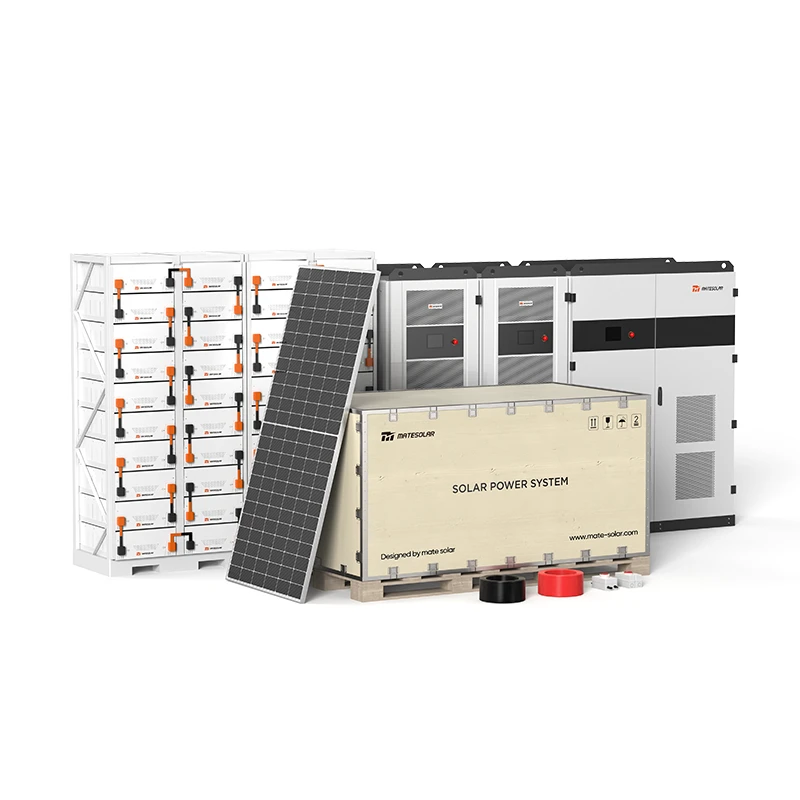
MateSolar bietet umfassende One-Stop-Solar-Plus-Speicher-Lösungen für das gesamte Spektrum honduranischer Anwendungen – von industriellen netzbildenden Systemen, die thermische Grundlast ersetzen, über UL9540A-zertifizierte Außenschränke für C&I-Tarifarbitrage, von 40-Fuß-luftgekühlten Containern für Bergbaucamps bis hin zu 20-Fuß-flüssigkeitsgekühlten Containern für die Kapazitätsstützung im Versorgungsmaßstab. Besuchen Sie die offiziellen Produktseiten von MateSolar, um vollständige technische Spezifikationen, Finanzmodellierungswerkzeuge für Projekte und unser lateinamerikanisches Implementierungsteam zu erhalten. Hondurass Energiewende hat 1.000 Tage bis zum thermischen Cliff – die heute getroffenen Ingenieur- und Beschaffungsentscheidungen bestimmen, welche Anlagen im Jahr 2030 noch in Betrieb sein werden.