


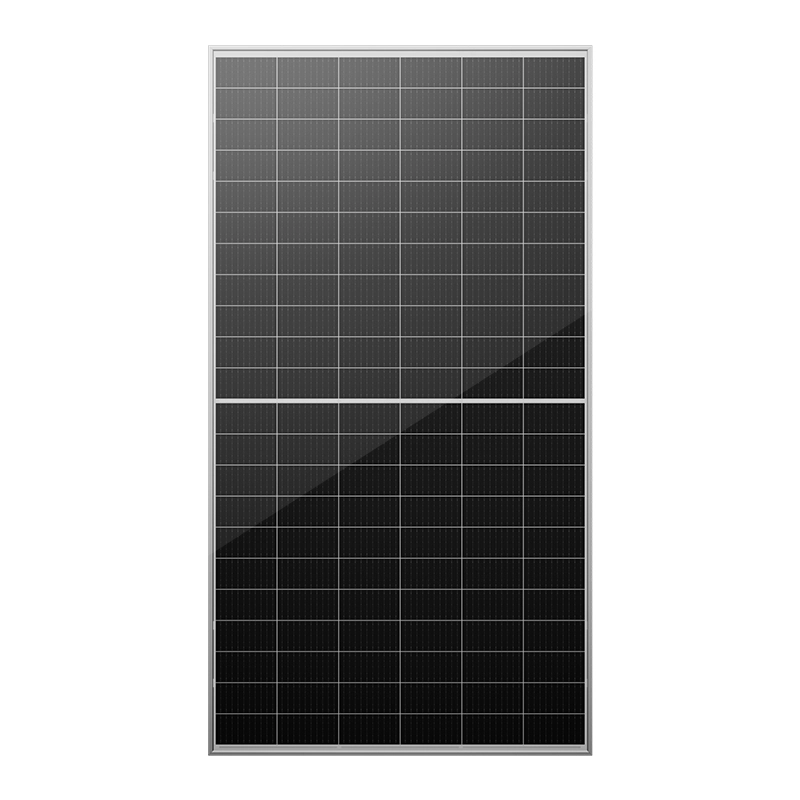


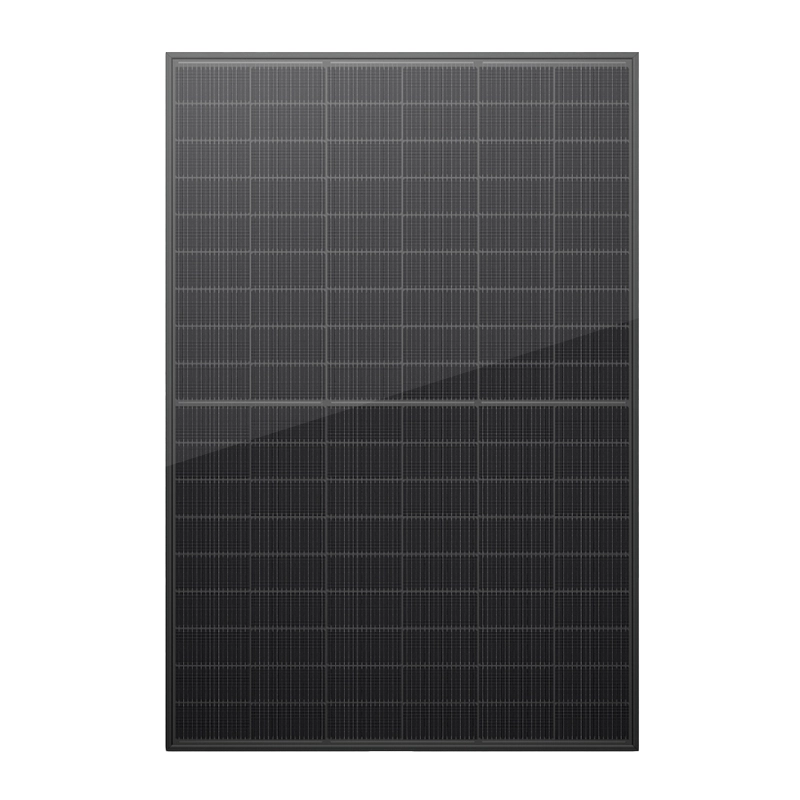
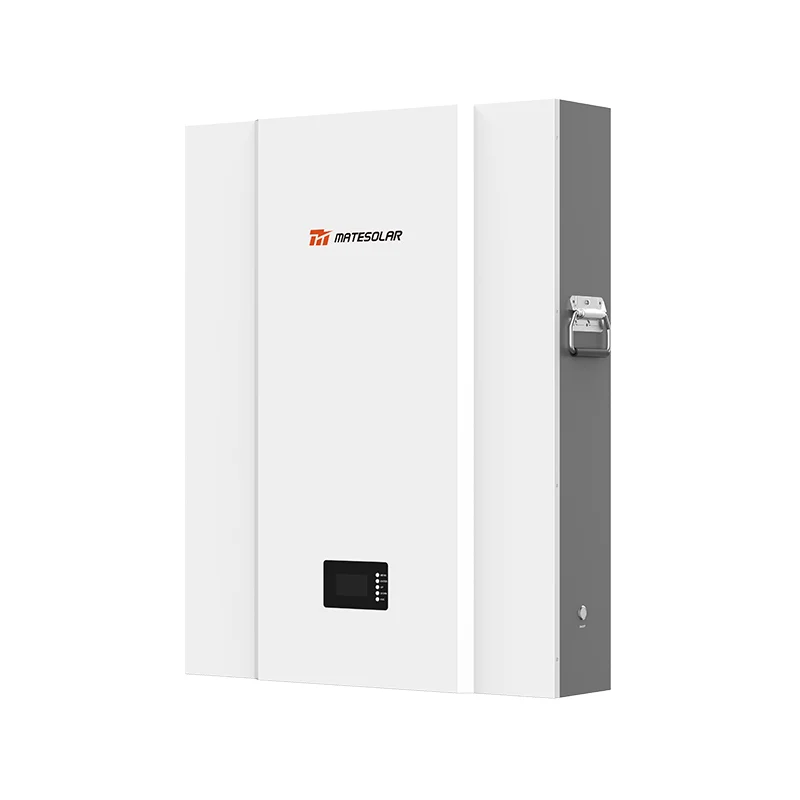
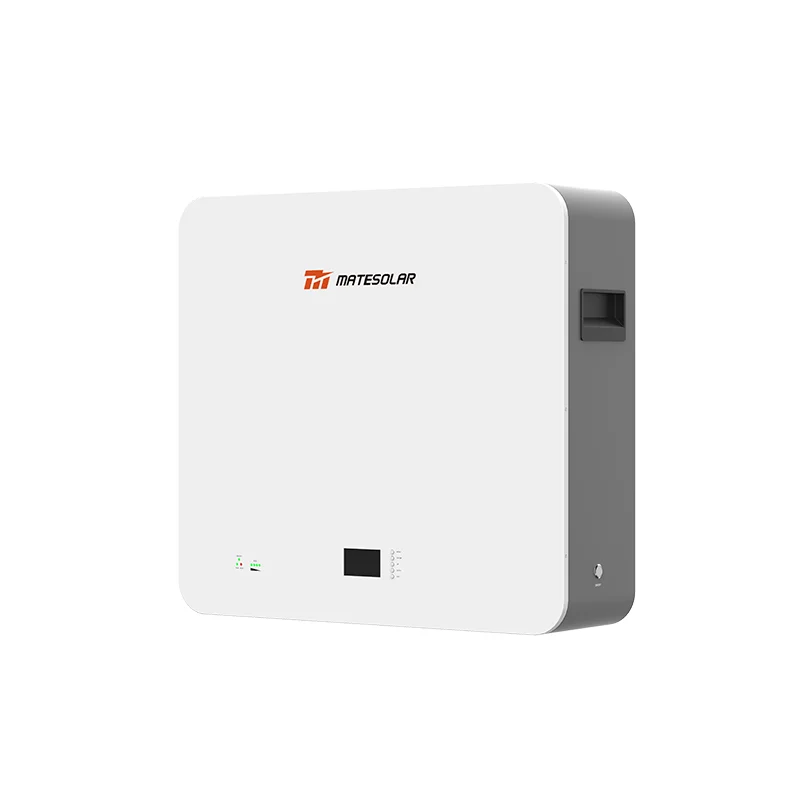
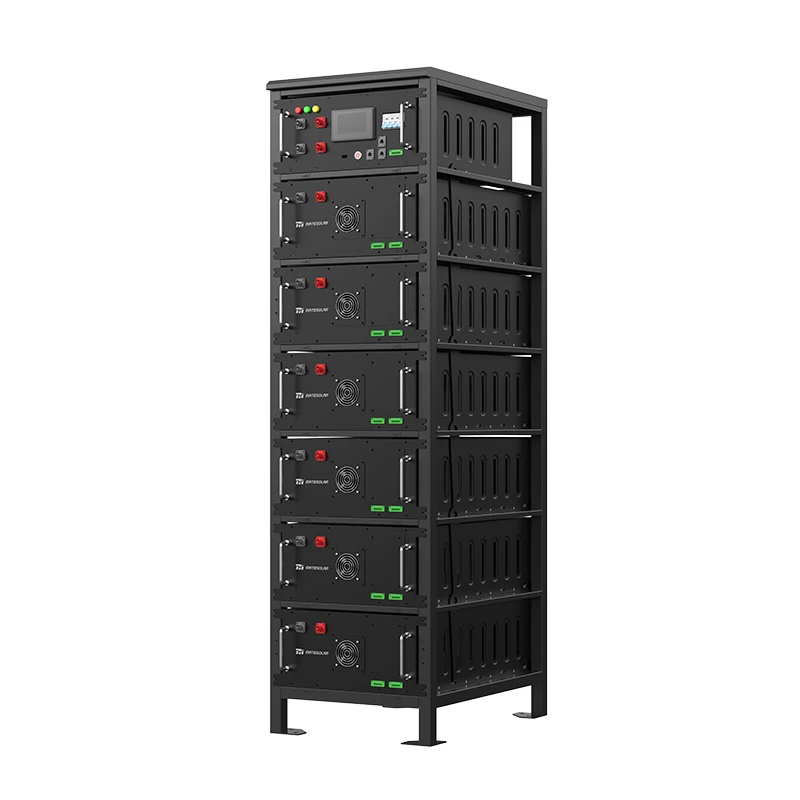
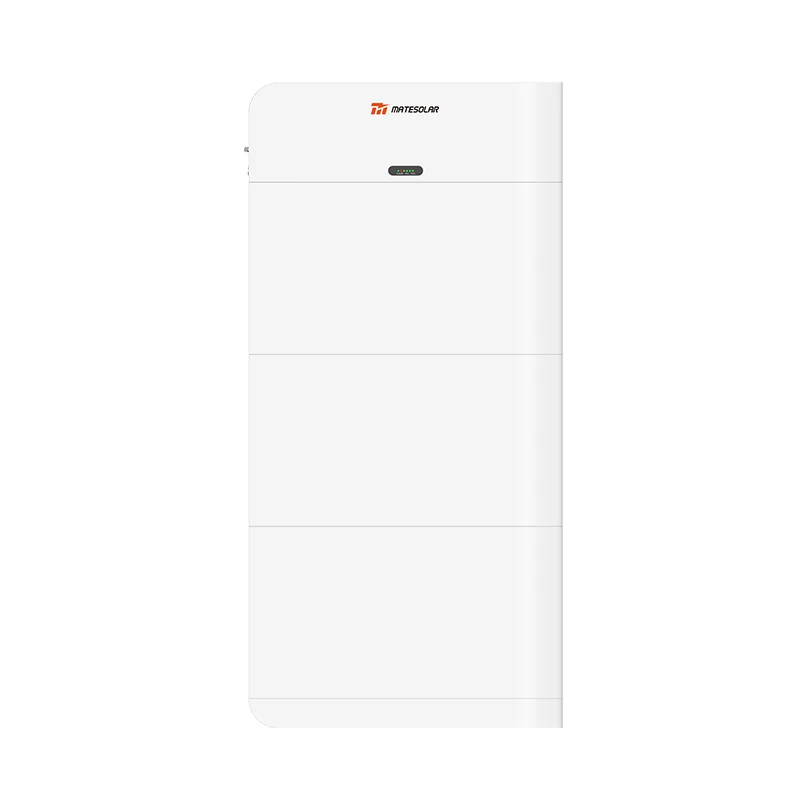
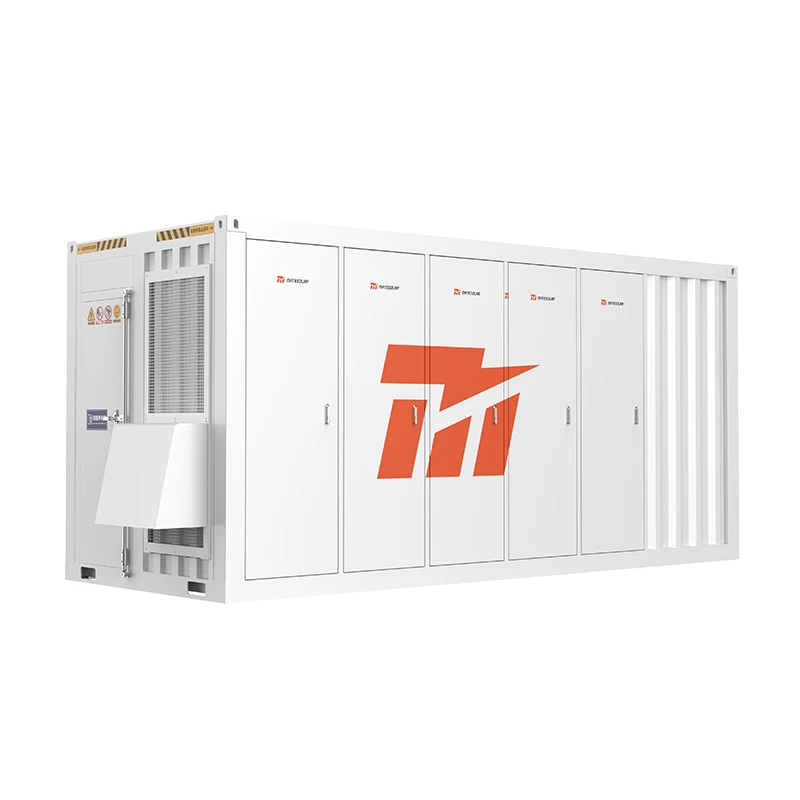
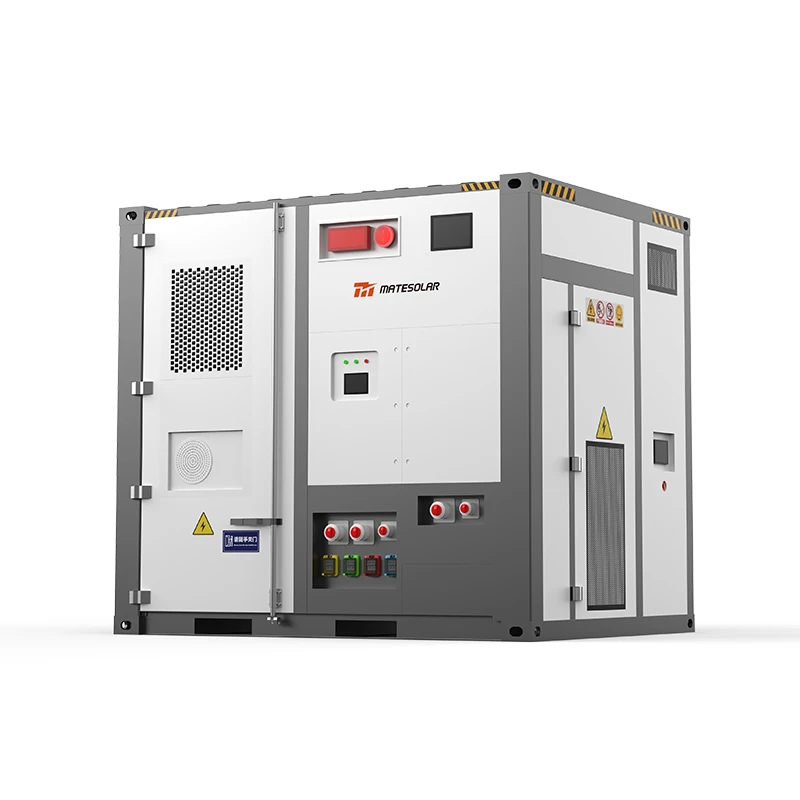



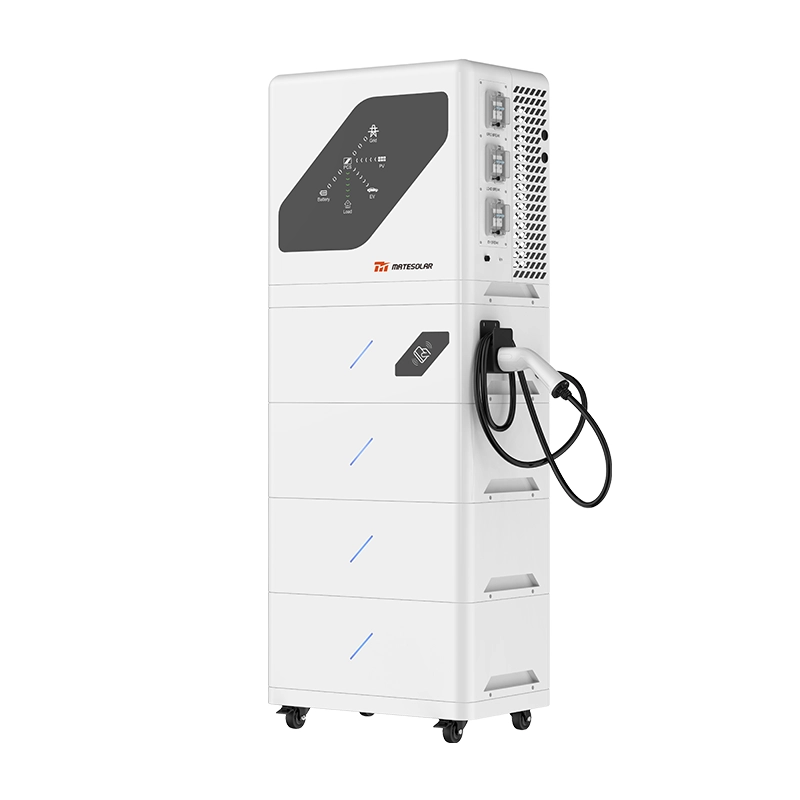
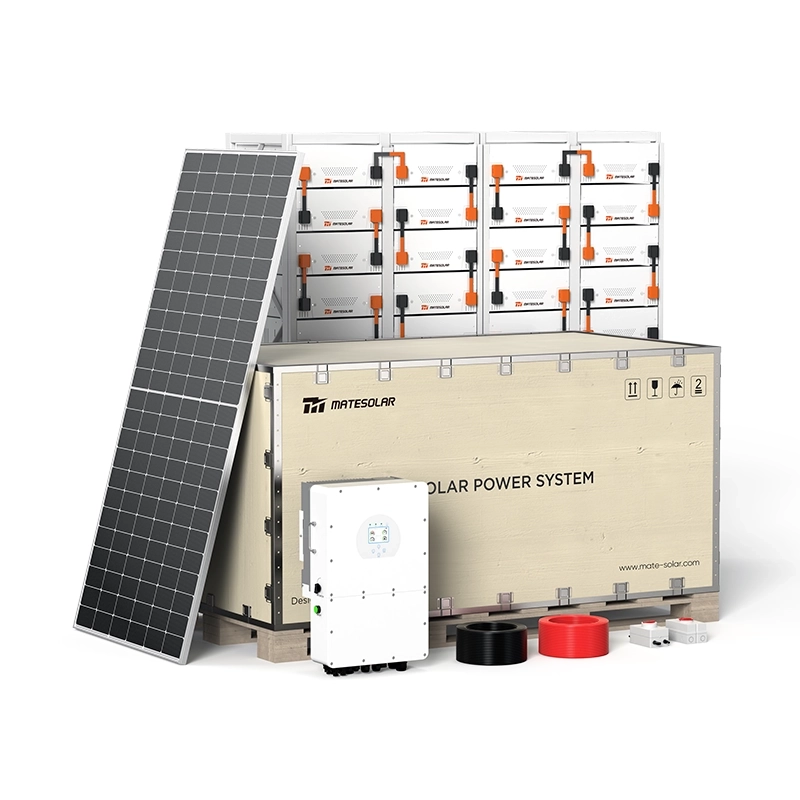
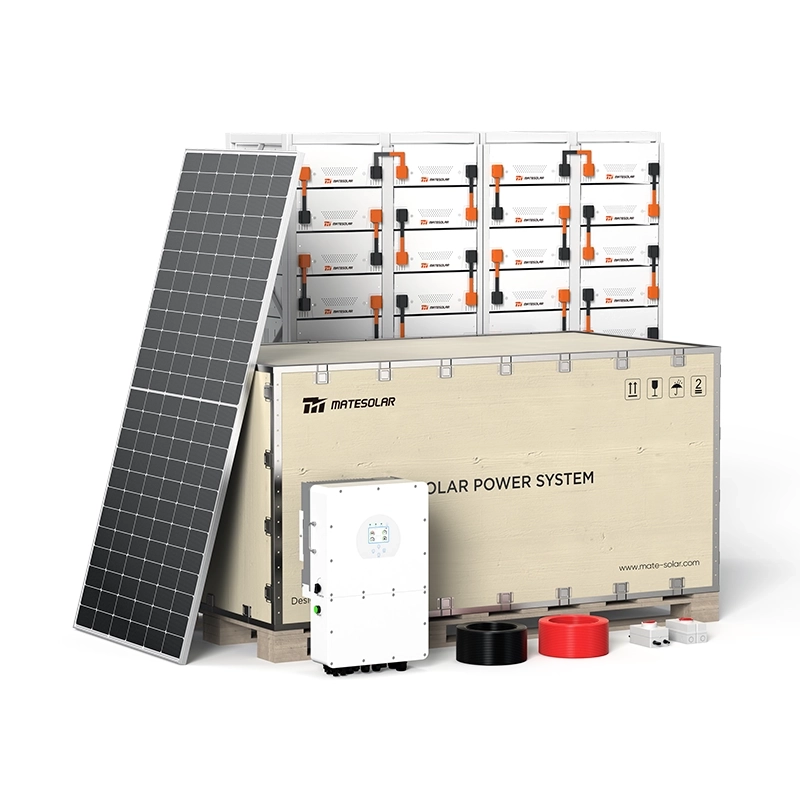
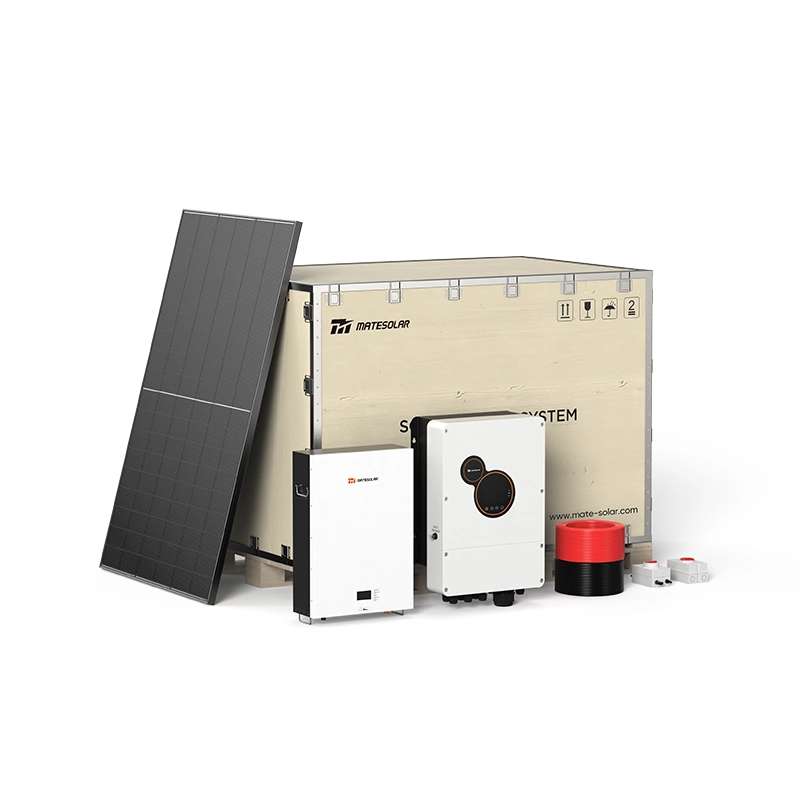

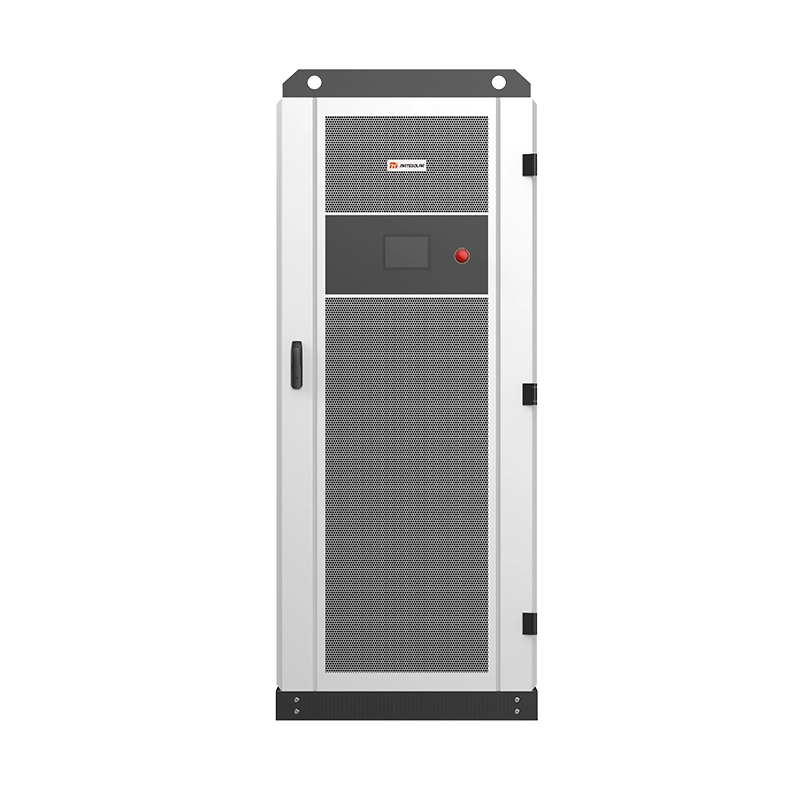
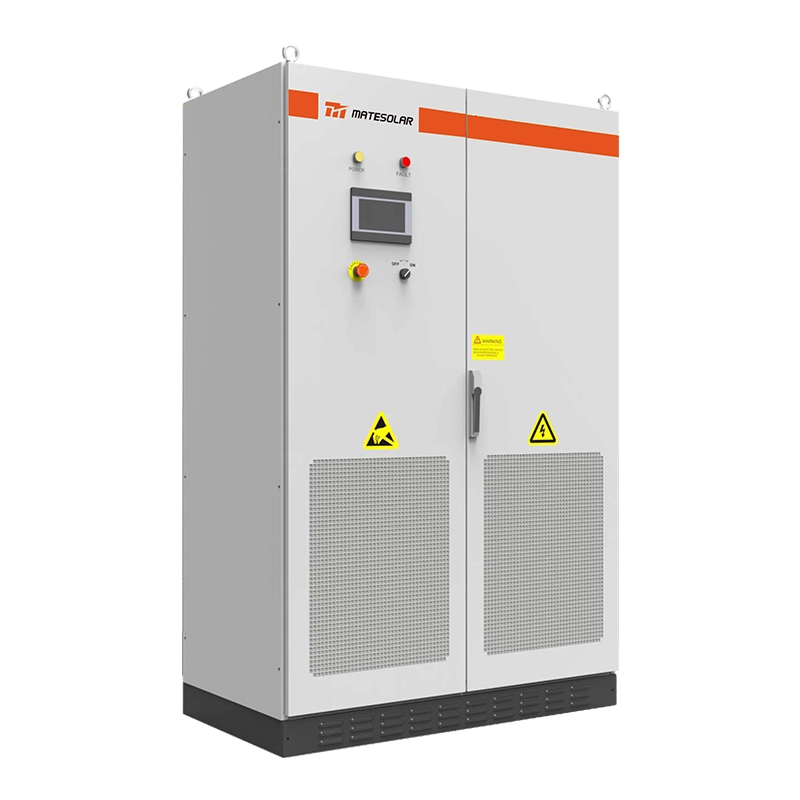
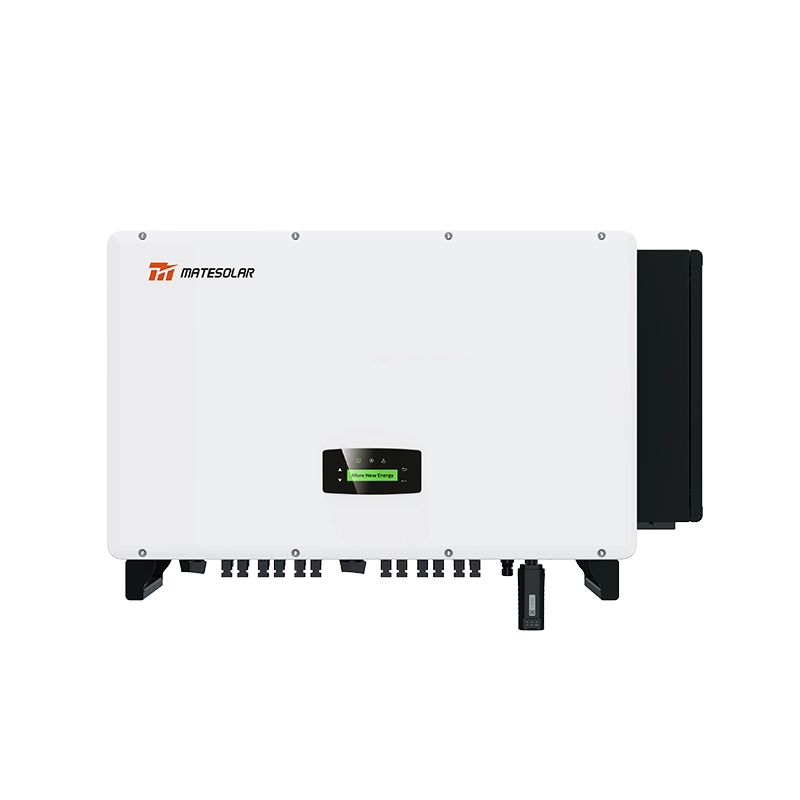
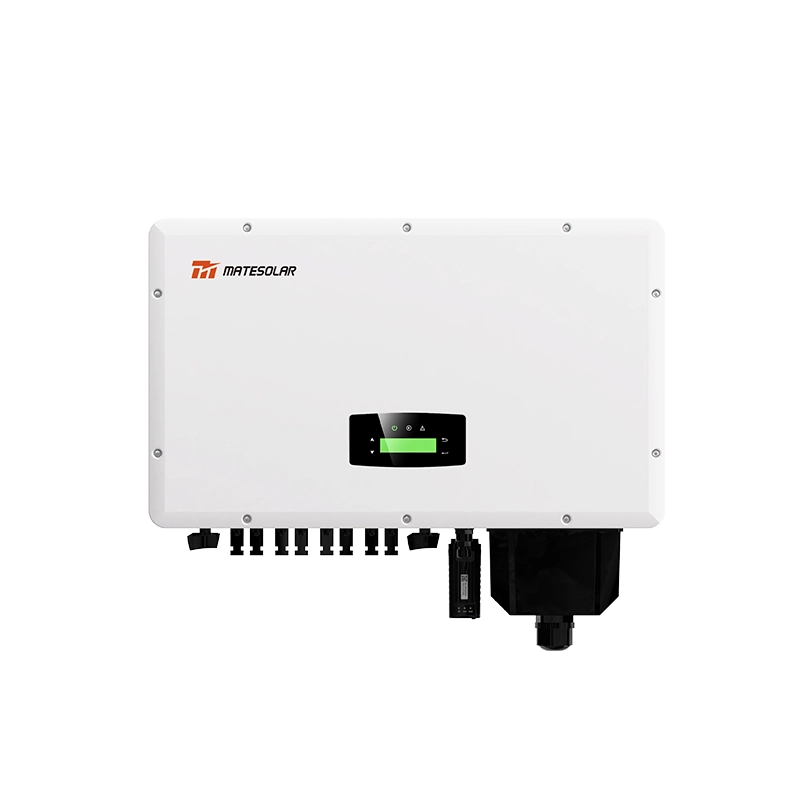


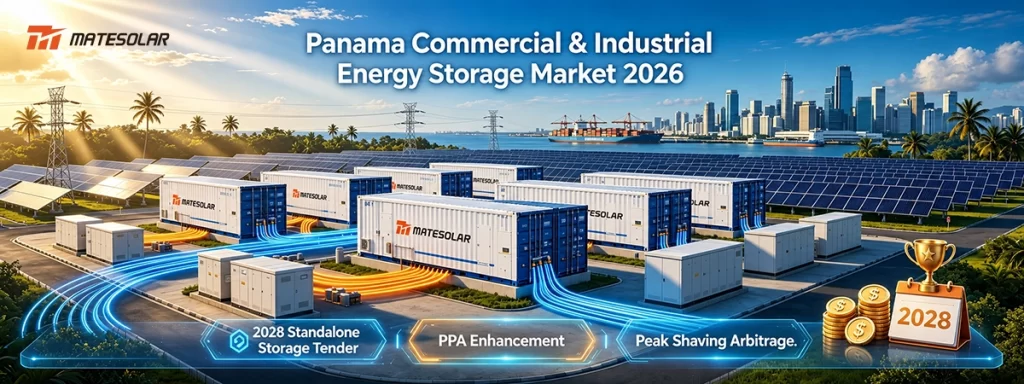
Panama is at an inflection point. The nation‘s energy transition is accelerating at an unprecedented pace, driven by aggressive renewable deployment targets and a fundamental shift in grid dynamics. As of May 2026, the country has deployed over 170 MW of distributed photovoltaic self-consumption capacity across more than 6,000 customer installations, and this figure is projected to grow by an additional 80–100 MW through the end of the year. The duck curve—once a theoretical concern for developed markets—is now a daily operational reality in Panama‘s wholesale electricity market, where midday prices approach zero while evening peaks send spot prices soaring.
For commercial and industrial (C&I) stakeholders—IPP developers, existing PV plant owners, manufacturing enterprises in the Colón Free Zone and Panama Pacifico Economic Area, hotel operators, and healthcare facilities—this structural volatility represents both a threat and an unprecedented opportunity. The government has laid out a clear roadmap: a 200–250 MW dedicated solar auction, a 500 MW renewable energy tender that explicitly includes storage—the first of its kind in Central America—and a planned 50 MW standalone energy storage tender scheduled for 2028. These mechanisms, combined with Panama’s established distributed generation legal framework, have created a multi-year runway for storage deployment that cannot be ignored.
However, opportunity does not come without complexity. The regulatory framework—rooted in 1990s-era design—was not conceived for bidirectional power flows, time-of-use optimization, or virtual power plant aggregation. The 2028 tender’s technical specifications remain under development. Legacy power purchase agreements (PPAs) signed 10–15 years ago do not price the flexibility, fast frequency response, or reserve capacity that battery energy storage systems (BESS) can deliver. And for end users, the day-to-day challenge of managing electricity costs under ASEP‘s tariff schedule—where commercial rates average $0.222/kWh but fluctuate dramatically across peak and off-peak periods—demands sophisticated, bankable solutions.
This guide is designed to be the definitive reference for navigating Panama’s C&I energy storage market in 2026 and beyond. Drawing on current policy frameworks, real-world project data, and the technical capabilities of modern lithium iron phosphate (LFP) storage systems, we address the five most critical pain points facing market participants today. For each, we provide actionable strategies, technical specifications, and quantified economic models.
Section 1: Market Overview — The Case for Storage in Panama‘s Transforming Grid
1.1 The Duck Curve Has Arrived
The rapid build-out of solar PV—both utility-scale and distributed—has fundamentally altered Panama‘s net load profile. During midday hours, when solar generation peaks, wholesale electricity prices frequently collapse to marginal cost. In the evening, as solar production falls off and commercial and residential demand rises simultaneously, prices surge. This pattern, widely known as the “duck curve,” directly impacts any 24/7 industrial or commercial operation. For large customers on ASEP’s tariff schedule, the difference between midday and evening power costs can exceed $0.08–0.12/kWh, creating substantial arbitrage opportunities for behind-the-meter storage. For utilities and system operators, the rapid ramping requirements impose stress on thermal generators and increase operating costs, creating an addressable market for front-of-meter storage capable of providing ramping support and frequency regulation.
Panama plans to raise wind and solar penetration to over 20 percent of total generation by 2030. As penetration increases, so does the need for grid-forming inverters, synthetic inertia, and fast-response storage. Battery storage is no longer a “nice-to-have” addition to renewable projects—it is a technical necessity for maintaining grid stability at high renewable penetration levels.
1.2 The 2026–2029 Tender Schedule: A Strategic Window
The Panamanian government, through the National Secretariat of Energy and the state transmission company ETESA, has established a multi-year schedule of competitive tenders that create clear entry points for storage:
Table 1: Panama Scheduled Energy and Storage Tenders 2026–2029
| Tender Vehicle | السعة | Storage Inclusion | Key Dates | مدة العقد |
| Dedicated Solar Auction | 200–250 MW | Not mandatory, technically and economically feasible optional | Award in 2026–2027, operations through 2028 | 20-year PPA |
| 500 MW Renewable + Storage Auction | 500 MW total | Explicitly included — first in Central America | New projects: Commission by Jan 2029; Existing retrofit: Commission by Sep 2026 | 20-year PPA for new; up to 10 years for retrofit |
| Standalone Storage Tender | 50 ميجاوات | Mandatory — pure BESS | Planned for 2028 | To be determined |
| LPI ETESA 01-25 (Rescheduled) | TBD | Storage eligible | March 3, 2026 launch | 20-year firm renewable capacity |
Sources: Energía Estratégica, pv magazine, BidDetail
Energy Secretary Juan Manuel Urriola has stated clearly that storage will not be a mandatory requirement in auctions, but it may be included if technically and economically viable. This “non-mandatory but strongly encouraged” posture creates a nuanced bidding environment. Developers who can demonstrate storage-enhanced project economics—improved dispatchability, lower balancing costs, and the ability to capture ancillary service revenues—will have a distinct competitive advantage over solar-only bids.
1.3 Regional Interconnection: The Colombia-HVDC Catalyst
The planned 400 MW high-voltage direct current (HVDC) interconnection between Panama and Colombia represents a transformative infrastructure project for the region. Upon completion, this approximately US$800 million, 500-kilometer link will connect the Central American and Andean electricity markets, enabling cross-border energy trade and significantly enhancing supply security. HVDC technology provides complete control over power flow while decoupling the two networks, but it also introduces more complex grid dynamics and interchange scheduling.
For storage asset owners, the HVDC interconnection creates new value streams. BESS systems located near the interconnection point can provide congestion management, voltage support, and cross-border arbitrage—buying power when cheap on one side of the link and discharging when prices diverge. Early movers who position storage assets strategically relative to the interconnection will capture first-mover advantages that will be difficult to replicate later.
Section 2: Pain Point 1 — Capturing the 2028 Standalone Storage Tender
2.1 The Developer‘s Dilemma
For independent power producers (IPPs) and EPC developers, the 50 MW standalone storage tender scheduled for 2028 represents a strategic opportunity that will define Panama’s energy storage market for the next decade. However, the tender details and interconnection standards have not yet been finalized by ASEP and ETESA. In a procurement environment where storage is encouraged but not yet mandatory, developers must craft proposals that are both technically compelling and commercially bankable—without full visibility into the final rules of competition.
The central challenge is one of optionality. Bidding without technical and economic flexibility is a high-risk strategy. Developers need solutions that can adapt to a range of possible requirements—different duration needs (2-hour, 4-hour, or longer discharge), different performance specifications (ramp rates, round-trip efficiency, response time), and different commercial structures (energy-only, capacity payments, ancillary service participation).
2.2 The Solution: Modular, Grid-Forming, Fully Certified Systems
To address this uncertainty, developers should adopt a modular, containerized BESS architecture built around grid-forming inverters and advanced energy management systems (EMS). A 20-foot or 40-foot containerized platform—with capacities ranging from 1 MWh to 5 MWh per unit—enables flexible configuration and rapid deployment scaling.
For developers targeting the 2028 tender, we recommend the نظام تخزين الطاقة في حاوية تبريد سائلة بقدرة 20 قدمًا بقدرة 3 ميجاوات ساعة بقدرة 5 ميجاوات ساعة as the baseline building block. With high-voltage LFP battery technology, capacities from 3 MWh to 5 MWh per container, and liquid thermal management that maintains cell temperature variance within ±2°C, this platform delivers the high energy density, cycle life exceeding 6,000 cycles, and thermal stability required for utility-scale front-of-meter applications.
The key technical differentiator for tender participation is grid-forming capability. Unlike grid-following inverters that require a stable grid reference, grid-forming inverters can establish and maintain voltage and frequency autonomously. This capability is essential for providing the synthetic inertia and black-start functionality that grid operators increasingly require as inverter-based resources replace synchronous generators. For a 50 MW standalone storage facility, grid-forming inverters enable participation in the full range of ancillary services—primary frequency regulation (PFR), automatic generation control (AGC), voltage support, and ramping management—significantly expanding potential revenue streams.
2.3 Bankability and Certification: The Non-Negotiable Foundation
No project financing institution will support a utility-scale storage bid without rigorous technical certification. Developers must pre-qualify their proposed technology against international standards before submitting a proposal. The essential certifications for Panama’s market include:
- IEC 62933 (Electrical Energy Storage Systems): The comprehensive framework covering safety, performance, and environmental aspects across the entire system lifecycle.
- IEC 62619 (Safety Requirements for Secondary Lithium Cells and Batteries for Industrial Applications): Mandatory for demonstrating cell-level safety, including thermal runaway prevention, overcharge protection, and mechanical integrity.
- UL 9540A (Thermal Runaway Fire Propagation Testing): The gold standard for evaluating thermal runaway propagation within a battery enclosure. Systems meeting UL 9540A have demonstrated that a cell-level failure will not propagate to adjacent cells—a critical safety consideration for any project, particularly those located near population centers or critical infrastructure.
- UL 9540 (Energy Storage Systems and Equipment): The complete system safety standard covering electrical, mechanical, and thermal aspects of integrated BESS installations.
Beyond certification, developers must offer 20-year system performance guarantees, including capacity retention (typically 70–80 percent of nameplate capacity at year 20), round-trip efficiency, and availability guarantees for ancillary service delivery. These performance assurances, combined with comprehensive O&M agreements covering remote monitoring, preventive maintenance, and on-the-ground technical support for commissioning and troubleshooting, are the prerequisites for achieving investment-grade status with international financiers.
2.4 Quantifying the Storage Value Proposition
For a 50 MW / 200 MWh (4-hour duration) standalone storage facility participating in Panama’s wholesale market, the revenue stack includes several potential components:
Table 2: Illustrative Revenue Stack for 50 MW Standalone BESS (Panama Market, 2026 Parameters)
| تدفق الإيرادات | Estimated Annual Value (USD/kW-year) | Key Assumptions |
| Energy Arbitrage (TOU spread capture) | $18–35 | Midday to evening spread of $0.08–0.12/kWh, 80% efficiency |
| Primary Frequency Regulation (PFR) | $12–20 | Response within 1 second, 4,000–6,000 cycles/year |
| التحكم التلقائي في التوليد (AGC) | $8–15 | 4-second response, participation in reserve market |
| Capacity Payments (if structured) | $15–25 | Availability guarantee, 95%+ uptime |
| Ramping Support / Flexibility | $5–12 | Grid services contract with ETESA |
| Total Potential Annual Revenue | $58–107 | Conservative mid-case: ~$75/kW-year |
Note: Actual revenues depend on final market rules, interconnection location, and dispatch optimization strategy. Source data derived from industry benchmarks and emerging Latin American storage market data.
At $75/kW-year, a 50 MW facility generates approximately $3.75 million in annual gross revenue. With installed capital costs for 4-hour utility-scale BESS currently ranging from $210–320/kWh (approximately $840–1,280/kW for the 4-hour configuration), the projected unlevered project IRR ranges from 8–14 percent depending on exact financing terms and revenue realization. These economics make standalone storage a viable investment under current market conditions, and they will only improve as battery costs continue their secular decline and as Panama finalizes ancillary service market mechanisms.
Section 3: Pain Point 2 — Legacy PPA Constraints and Incremental Storage Value
3.1 The PPA Rigidity Problem
Many of Panama‘s existing solar PV plants are operating under 15- to 20-year PPAs signed with distribution companies at a time when storage was not a commercial consideration. These contracts are typically structured around a fixed energy price measured in $/MWh and do not have provisions for storage participation in grid services markets. For a plant owner evaluating the addition of a BESS, the immediate question is whether the incremental investment can generate returns without violating existing PPA terms.
The traditional response—“we are locked into our PPA, storage doesn’t make sense”—is incomplete. While the PPA governs the sale of energy generated by the solar array, it does not necessarily prevent the plant owner from operating a separately metered storage system on the same site, or from upgrading the point of interconnection to enable bidirectional flow subject to distribution company agreement. The key is to understand the boundary between energy generation (governed by the PPA) and energy storage and grid services (which may be outside the PPA’s scope).
3.2 The Solution: Optimized Dispatch Within the PPA Framework
For plant owners operating under existing PPAs, the optimal strategy is to implement a co-optimized dispatch solution that respects contractual delivery obligations while capturing additional value from storage. This requires an EMS capable of real-time optimization across multiple objectives:
- PPA fulfillment: The solar array must deliver its contracted energy quantity and profile to the off-taker. Storage cannot be used to divert contracted energy away from the PPA.
- Capture of spilled energy: During midday periods when solar generation exceeds the plant‘s contracted delivery obligation or the distribution network’s hosting capacity, storage can capture energy that would otherwise be curtailed.
- Ancillary service participation: The storage system can provide frequency regulation, voltage support, and ramping services to the grid operator, generating incremental revenue that accrues entirely to the plant owner.
- Economic dispatch: For PPA structures with energy price floors or collars, storage can arbitrage within the allowed price range.
This approach effectively allows the plant to offer a more valuable product to the system operator—dispatchable, firm capacity—without altering the underlying PPA. The solar resource provides the energy; the storage provides the firmness.
3.3 Low-CapEx Retrofit: Modular Outdoor Cabinets
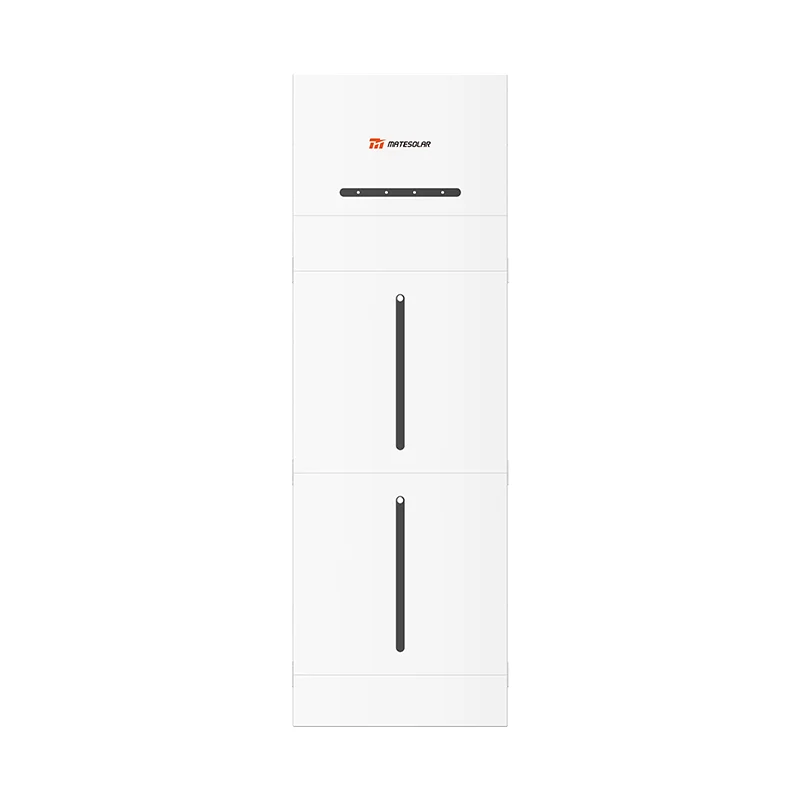
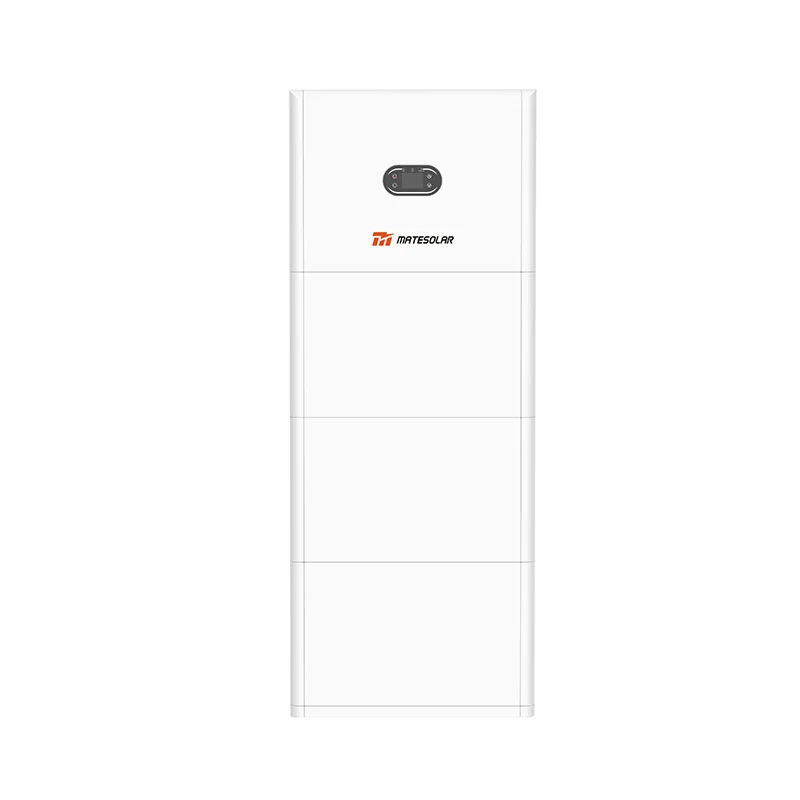
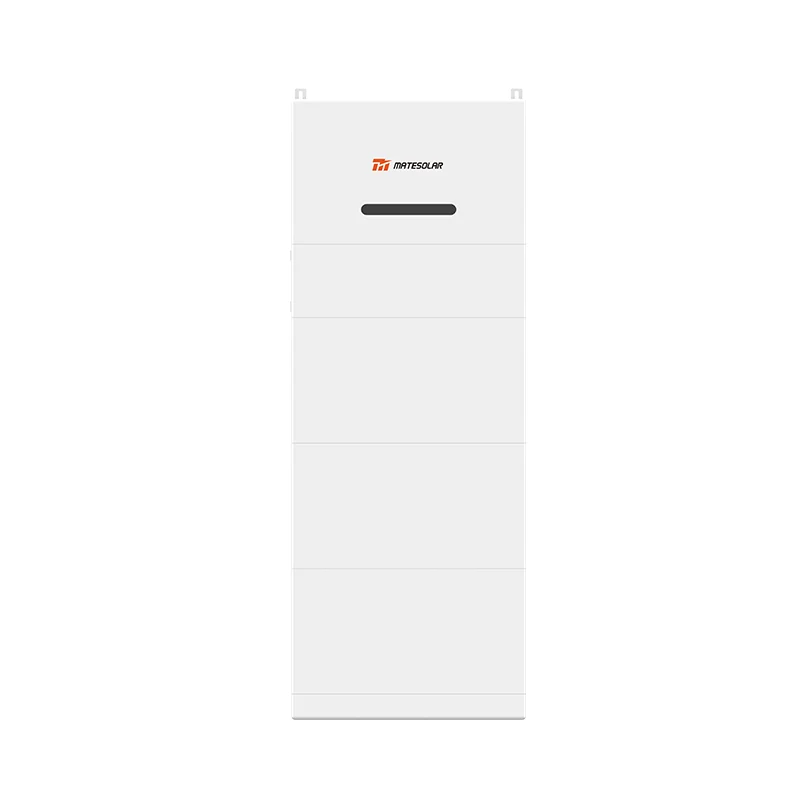
The technical barrier to PPA-compliant storage addition is low. Modern modular outdoor cabinet storage systems are designed for rapid, minimally disruptive deployment alongside existing PV plants. Systems such as the 100kW/232kWh 125kW/261kWh Liquid-Cooled Outdoor Cabinet Energy Storage System offer a drop-in storage solution with integrated inverter, EMS, and thermal management in a compact footprint.
Key features supporting low-CapEx retrofit:
- Plug-and-play EMS interface: Pre-configured communication protocols (Modbus, IEC 61850, DNP3) enable seamless integration with existing SCADA and plant controllers.
- No major civil works: Outdoor-rated cabinets (IP54/IP65) can be placed on prepared concrete pads adjacent to existing switchgear.
- Scalable deployment: Multiple cabinets can be paralleled to achieve desired power and energy capacity without redesigning the entire system.
- Remote configurability: OTA firmware updates allow the EMS dispatch logic to be tuned after installation as market conditions or PPA terms evolve.
For a 10 MW solar PV plant operating under a $65/MWh PPA, adding a 2 MW / 4 MWh outdoor cabinet BESS at an installed cost of approximately $1.2–1.4 million (based on 2026 C&I pricing benchmarks of $280–480/kWh) could generate incremental annual revenue of $200,000–350,000 from a combination of energy arbitrage and frequency regulation services. At these levels, the simple payback period ranges from 3.5 to 6 years, after which the system generates pure incremental returns for the remaining life of the PPA.
3.4 Retrofit Case Study: Illustrative Economics
Consider a 15-year-old 5 MW solar PV plant with a remaining PPA term of 5 years at a fixed price of $70/MWh. Historically, the plant has experienced midday curtailment of approximately 8 percent of its annual generation due to grid constraints. The plant owner evaluates a 1 MW / 2 MWh outdoor cabinet BESS retrofit at an installed cost of $520,000 ($260/kWh).
Table 3: Incremental Revenue from BESS Retrofit (5 MW PV Plant, 5-Year Remaining PPA)
| Revenue Component | Annual Value (USD) | Calculation Basis |
| Curtailment capture | $28,000 | 150 MWh/year previously curtailed at $70/MWh + auxiliary capture |
| تنظيم التردد | $65,000 | 1 MW capacity at $12–15/kW-year + performance payments |
| Arbitrage (within PPA constraints) | $42,000 | 2,000 cycles/year capturing $0.07/kWh spread after efficiency |
| Reduced inverter/O&M stress | $8,000 | Lower cycling on legacy inverters, extended lifetime |
| Total Incremental Annual Revenue | $143,000 | |
| Operating Cost (maintenance, degradation) | $28,000 | 5.4% of revenue |
| Net Annual Cash Flow | $115,000 | |
| الاسترداد البسيط | 4.5 years |
Over the 5-year remaining PPA term, the project generates approximately $575,000 in net cash flow—exceeding the original capital investment. At the end of the PPA term, the BESS remains an asset with residual value that can be redeployed under new market rules or repurposed for a different site.
Section 4: Pain Point 3 — Electricity Price Volatility and C&I Cost Management
4.1 The Peak Demand Challenge in Panama‘s Industrial Zones
For manufacturing enterprises operating in the Colón Free Zone, the Panama Pacifico Economic Area, or other industrial clusters, electricity costs are a significant operational expense that directly affects product margins. Under ASEP’s current tariff framework, large customers pay a demand charge based on peak usage (currently approximately $16.00/kW-month for qualifying large customers) in addition to volumetric energy charges of approximately $0.222/kWh. However, the effective marginal cost of electricity during evening peak periods can be substantially higher when demand charges, reactive power penalties, and time-of-use differentials are fully accounted.
The volatility problem is real. In wholesale market conditions shaped by the duck curve, a factory that operates evening shifts or runs continuous processes through the peak period faces an unpredictable and escalating power bill. Without storage, the only mitigation strategies are load shifting (curtailing production during peak hours) or accepting the cost.
4.2 The Solution: Predictive EMS and Dynamic Optimization
Modern energy storage systems for C&I applications are not passive batteries—they are intelligent energy assets driven by advanced EMS algorithms. A best-in-class EMS should incorporate three core capabilities:
Forecast integration: The EMS ingests day-ahead electricity price forecasts, localized weather predictions (affecting behind-the-meter solar generation), and the customer‘s own production schedule to optimize charge/discharge decisions.
Real-time arbitrage execution: When the EMS detects a price spread between an upcoming off-peak period and a subsequent peak period, it automatically charges the battery during low-price hours and discharges during high-price hours, subject to customer-defined constraints on depth of discharge and minimum reserve for backup.
Demand charge management: For customers on demand charge tariffs, the EMS continuously monitors the site’s instantaneous power draw and discharges the battery to “clip” any demand spikes that would otherwise set a new monthly peak demand billing level.
For facilities with existing PV generation, the EMS adds a fourth capability: self-consumption maximization. Rather than exporting solar surplus to the grid at potentially low feed-in tariffs, the EMS stores excess solar energy and discharges it during evening peak periods. With well-tuned EMS optimization, solar self-consumption can increase from typical levels of 50–60 percent to 90 percent or higher.
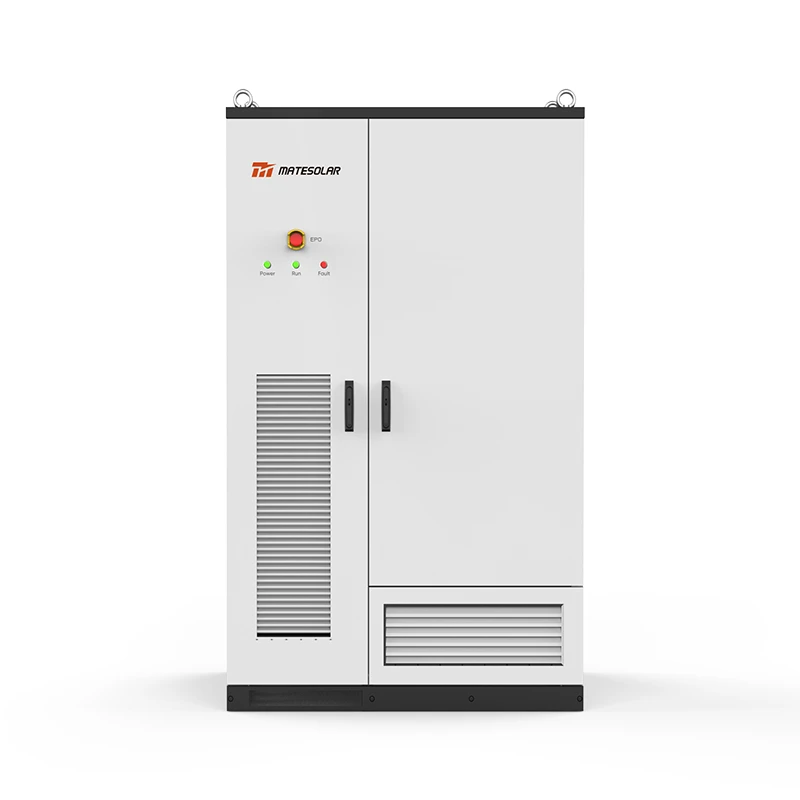
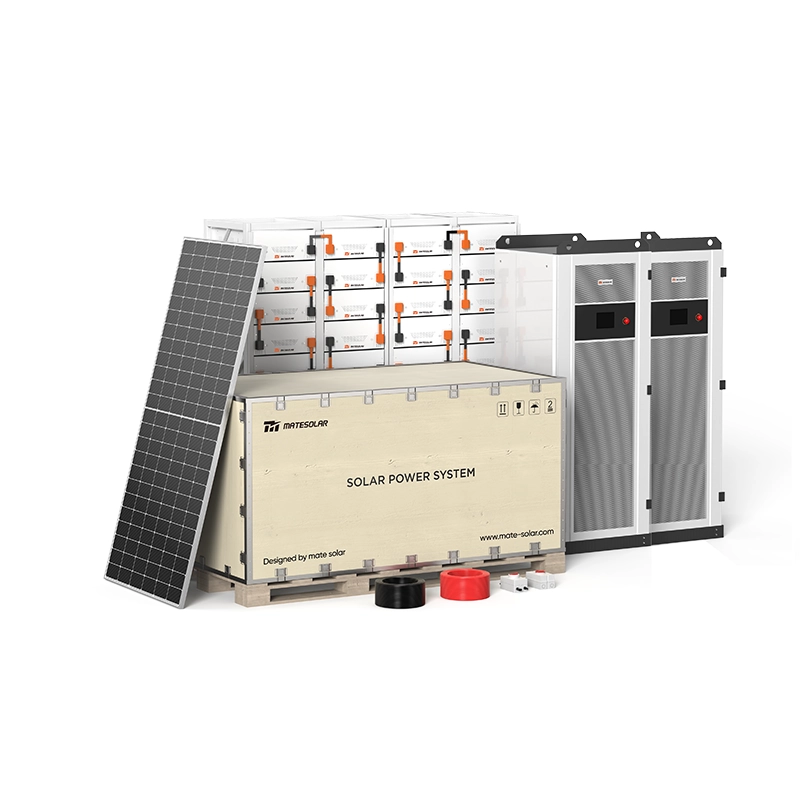
For enterprises seeking an integrated solar-plus-storage solution, the نظام الطاقة الشمسية الهجين التجاري بقدرة 500 كيلوواط provides a pre-engineered, fully integrated platform combining high-efficiency PV modules, a 500 kW bi-directional hybrid inverter, and modular LFP storage. The system is designed for industrial-scale commercial deployment, with remote monitoring, predictive diagnostics, and OTA update capability built in as standard.
4.3 Economics: The Cement Plant Benchmark
The economic case for C&I storage in Panama is compelling. Consider a cement manufacturing facility with a daily production capacity of 300 tons, operating on a continuous 24/5 schedule. The facility’s load profile shows a morning ramp starting at 5:00 AM, a sustained plateau through the daytime, and an evening peak from 6:00 PM to 10:00 PM that coincides with the grid‘s highest-priced hours.
Table 4: Annual Economic Benefits — 1.2 MW / 2.4 MWh C&I BESS (Cement Plant Example)
| فئة المزايا | Annual Value (USD) | الافتراضات |
| Peak shaving / demand charge reduction | $42,500 | Peak demand reduction of 250 kW at $16/kW-month |
| Time-of-use arbitrage | $73,000 | Capture $0.09/kWh spread over 2,000 cycles/year, 2.4 MWh usable capacity, 85% round-trip |
| Backup power / outage avoidance | $12,500 | 4–6 grid interruption events per year, cost of downtime $2,500/hour |
| Solar self-consumption increase (if PV installed) | $31,000 | 40% increase in behind-the-meter solar utilization |
| Frequency regulation (if market access granted) | $25,000 | Ancillary service participation for 1.2 MW capacity |
| Total Gross Annual Benefit | $184,000 | |
| O&M, degradation, insurance | $36,800 | 20% of gross benefit |
| Net Annual Benefit | $147,200 | |
| Installed Capital Cost (2026 benchmark) | $780,000 | 2.4 MWh × $325/kWh (midpoint of C&I range) |
| فترة الاسترداد البسيط | 5.3 years |
Source: Industrial customer load data and ASEAN C&I storage economics framework
Achieving these economics depends on two factors: accurate load data and a well-tuned EMS. MateSolar’s pre-engineering process includes a comprehensive site audit, 15-minute interval load data analysis over a full seasonal cycle, and customized financial modeling that accounts for the customer‘s specific tariff schedule, load shape, and risk tolerance. The result is a system sized and optimized precisely for the customer’s operations, not a generic “one-size-fits-all” solution.
4.4 The “Solar + Storage” Synergy
For facilities with existing PV, the addition of storage transforms the value proposition of the solar asset. Without storage, a typical C&I PV system meets approximately 30–50 percent of the site‘s total load, with surplus generation exported to the grid at low feed-in tariffs (often at or near wholesale marginal cost, which can be near zero during midday hours). Adding storage boosts effective self-consumption to 85–95 percent, converting low-value exports into high-value peak-period consumption.
For a 500 kW PV system paired with a 1 MW / 2 MWh BESS, the incremental benefit from storage-mediated self-consumption alone can reach $30,000–50,000 annually, depending on the facility‘s load shape and local tariff structure. Combined with demand charge reduction and arbitrage, the storage system often delivers a higher ROI than the PV system itself, while also providing resiliency benefits that are difficult to quantify but materially affect risk-adjusted returns.
Section 5: Pain Point 4 — Space-Constrained, Safety-Critical Installations
5.1 The Urban Deployment Challenge
For hotels, hospitals, and small-to-medium commercial enterprises in Panama City‘s dense urban core, the primary barrier to energy storage deployment is not cost or technology—it is physical space and safety assurance. A downtown hotel with a rooftop too small for a full container deployment or a hospital with no available ground space near its electrical room needs a storage solution that fits into existing infrastructure, not a greenfield project requiring substantial civil works.
The secondary—and equally important—barrier is safety. Facilities that serve the public, particularly hospitals, cannot accept even a remote risk of fire, thermal runaway, or hazardous gas release. Any storage system deployed in these environments must meet the highest achievable standards for safety, with certifications validated by independent third-party testing.
5.2 The Solution: High-Density Outdoor Cabinets with UL9540A Certification
The 100kW/232kWh Liquid-Cooled Outdoor Cabinet Energy Storage System is specifically designed for space-constrained, safety-critical installations. The cabinet’s features include:
- High energy density: LFP cells packaged in a vertical stack format that can be positioned against existing exterior walls, occupying less than 2.5 square meters of footprint for the 232 kWh configuration. Double stacking of cabinets doubles capacity within the same floor area.
- Complete safety certification: UL 9540A thermal runaway propagation testing confirms that a single cell failure will not spread to adjacent cells. IEC 62933-5-2 validation covers system-level fire detection, suppression, and containment.
- Harsh environment readiness: IP65 ingress protection ensures resistance to Panama’s tropical climate—high humidity, salt-laden air near the coast, and temperature extremes.
- Audible and visible alarms: Integrated gas detection and smoke alarms, emergency power-off (EPO) buttons, and remote notification capabilities.
For customers requiring higher capacity but still facing space constraints, the 40ft 1MWh 2MWh Air-Cooled Container ESS offers a step up in capacity while maintaining the same LFP safety profile. The 40-foot container format provides 1–2 MWh of storage in a single standardized enclosure that can be placed on a concrete slab or existing parking area, requiring no new building construction.
5.3 Uninterruptible Power for Critical Loads: Sub-20 Millisecond Switching
For hospitals, data centers, and other mission-critical facilities, the primary value of storage may not be energy cost savings at all—it may be resiliency. The relevant metric for these customers is not $/kWh or payback period; it is the time between grid failure and standby power engagement. Diesel generators require 10–30 seconds to start and synchronize, during which sensitive medical equipment or IT systems may experience disruptive outages.
Modern LFP-based storage systems with integrated static transfer switches offer sub-20 millisecond switching from grid to battery power. To the end user, the transition is imperceptible. For a hospital operating room or a hotel’s elevator and security systems, this is the difference between business continuity and a critical failure.
إن نظام تخزين الطاقة في حاوية تبريد سائلة بقدرة 20 قدمًا بقدرة 3 ميجاوات ساعة بقدرة 5 ميجاوات ساعة used in backup power mode can support a 500 kW hospital load for 6–10 hours, depending on consumption patterns. When configured for hybrid operation, the system can island from the grid during a utility outage and recharge from on-site solar or generator as conditions allow, extending runtime indefinitely for critical loads.
5.4 Safety Certifications: A Comparison Table
Table 5: Safety Certification Requirements for C&I Energy Storage in Panama
| التصديق | Scope | Relevance to Panama Market |
| UL 9540A | Thermal runaway fire propagation testing | Essential for insurance underwriting and building code approval; demonstrates non-propagation |
| UL 9540 | Complete stationary ESS safety | Required for UL listing; covers electrical, thermal, mechanical integrity |
| IEC 62933-5-2 | System safety requirements — electrochemical storage | International benchmark; referenced in many project financing covenants |
| IEC 62619 | Industrial lithium battery safety | Cell-level certification; covers overcharge, external short circuit, thermal stability |
| IP54/IP65 | الحماية من الدخول | Crucial for outdoor deployment in Panama‘s rainy season and coastal humidity |
| NFPA 855 | Installation standard for stationary ESS | Provides siting, spacing, fire suppression, ventilation requirements |
Systems carrying UL 9540A certification have undergone rigorous testing that simulates worst-case cell failure scenarios, measuring heat release, gas emission, and temperature propagation to adjacent cells. For hospitals and hotels, specifying UL 9540A-certified equipment is not optional—it is the minimum acceptable standard for professional risk management.
Section 6: Pain Point 5 — Regulatory Uncertainty, Carbon Monetization, and Long-Term Service
6.1 Adapting to Panama’s Evolving Regulatory Framework
Panama‘s electricity regulatory framework, codified in legislation from the 1990s, was designed around centralized generation, unidirectional power flow, and a clear separation between generators, transmitters, distributors, and end users. The framework does not readily accommodate behind-the-meter storage, bidirectional flows, virtual power plant (VPP) aggregation, or a sophisticated ancillary services market.
However, change is coming. The National Secretariat of Energy has signaled its intention to revise regulations to explicitly accommodate energy storage, with work already underway to update distributed generation rules, develop ancillary service market mechanisms, and enable VPP participation for aggregated behind-the-meter assets. For storage asset owners, the question is not whether the rules will change—it is how to ensure that today’s investment remains compliant and valuable under tomorrow’s rules.
The solution lies in software-defined storage. A system with OTA update capability, a modular EMS architecture, and open communication protocols can adapt to new market mechanisms without hardware replacement. When Panama finalizes rules for VPP aggregation, for example, a software update can enable a fleet of distributed C&I storage systems to bid into frequency regulation markets as a single aggregated resource, capturing revenue streams that do not exist today.
6.2 Carbon Credit Monetization: Turning Green Into Gold
Every kilowatt-hour of renewable energy delivered from storage (when charged from renewables) and every kilowatt-hour of grid energy saved through peak shaving or arbitrage reduces greenhouse gas emissions relative to a baseline scenario that includes marginal thermal generation. These emission reductions can be certified, verified, and sold as carbon credits in international voluntary carbon markets, generating an additional revenue stream that improves storage project economics without requiring changes to physical plant operation.
Panama has established a legal foundation for carbon credit participation through Executive Decree No. 100 (2020) and Decree No. 142 (2021), which together create the National Greenhouse Gas Offset System (SNCP) and provide a framework for project registration and credit issuance. Internationally, Verra‘s Verified Carbon Standard (VCS) and the Gold Standard provide recognized methodologies for quantifying emission reductions from renewable energy deployment and energy efficiency improvements.
For a 10 MWh C&I storage system that reduces grid electricity consumption by approximately 2.5–3.0 million kWh annually, the CO2 displacement—assuming a grid emission factor of 0.4–0.5 tonnes CO2/MWh—is approximately 1,000–1,500 tonnes per year. At current voluntary carbon market prices ($5–15 per tonne), this translates to carbon credit revenue of $5,000–22,500 annually. While not the primary economic driver for most projects, carbon credits improve project IRR by 1–3 percentage points at essentially zero marginal cost, turning the “green” attribute of storage into a direct cash benefit.
6.3 Long-Term Service, Remote Support, and Logistics
Energy storage systems are long-duration infrastructure assets with expected useful lives of 15–20 years. For project developers and end users, the long-term service commitment of their equipment supplier is as important as the hardware itself. The following service capabilities are prerequisites for any credible storage provider:
- Local spare parts inventory: Critical components—BMS boards, power modules, communication gateways—must be stocked in-region to minimize downtime. Replacement parts should arrive on-site within 48–72 hours of failure identification, not weeks from overseas.
- Remote diagnostics and OTA updates: The majority of EMS and BMS issues can be diagnosed and resolved remotely by qualified engineering staff. OTA update capability ensures that software improvements, bug fixes, and new market participation algorithms can be deployed without a site visit.
- Hardware quality guarantee: Tier-1 LFP cells from recognized manufacturers (CATL, BYD, EVE, Higee) carry manufacturer warranties of 5–10 years. MateSolar provides an additional system-level performance guarantee covering capacity retention, round-trip efficiency, and availability, with terms extending to 20 years for utility-scale projects.
- On-the-ground technical support: For large utility-scale and commercial projects, MateSolar can dispatch technical personnel on-site for commissioning, troubleshooting, and major maintenance activities. The deployment includes local language support (Spanish) and coordination with local electrical contractors for any required licensed electrical work.
Note: MateSolar does not maintain permanent on-the-ground installation crews or field service teams in Panama. Hardware quality issues are resolved through guided remote troubleshooting; if a component fails, spare parts are shipped to site for local replacement with remote technical guidance. For critical hardware failures that cannot be resolved through part replacement, defective units are returned for exchange or credit. Software and EMS issues are resolved remotely through secure OTA updates. For large utility-scale projects, on-site commissioning and technical supervision can be arranged with advance notice.
Section 7: Technical Specifications and Selection Guide
7.1 Product Overview and Deployment Scenarios
Table 6: MateSolar Energy Storage Systems — Specifications and Recommended Applications
| System Model | Capacity Range | التبريد | الأبعاد | Best-Fit Application |
| نظام الطاقة الشمسية الهجين التجاري بقدرة 500 كيلوواط | 500 kW PCS + 500–1,500 kWh | Passive + active thermal management | Factory-integrated skid | Industrial facilities, manufacturing plants, large retail |
| 100kW/232kWh Outdoor Cabinet Liquid-Cooled ESS | 100 kW / 232 kWh | تبريد سائل التبريد | 1,200 × 800 × 2,100 mm (single cabinet) | Urban hotels, hospitals, small commercial buildings, space-constrained sites |
| 125kW/261kWh Outdoor Cabinet Liquid-Cooled ESS | 125 kW / 261 kWh | تبريد سائل التبريد | 1,300 × 850 × 2,200 mm | Same applications as 232 kWh, higher power requirement |
| 40ft 1MWh 2MWh Air-Cooled Container ESS | 1–2 MWh (expandable via parallel) | Active air cooling (multiple HVAC units) | 12,192 × 2,438 × 2,896 mm (40ft ISO container) | Mid-sized C&I projects, mini-grids, islanded operation |
| 20ft 3MWh 5MWh Liquid Cooling Container ESS | 3–5 MWh per 20ft | Liquid cooling (cell-to-plate, ±2°C variance) | 6,058 × 2,438 × 2,896 mm | Utility-scale front-of-meter, large C&I, 2028 tender targeting |
7.2 Common Specifications Across All Models
| المعلمة | المواصفات |
| Battery chemistry | LiFePO₄ (LFP) — no cobalt, no thermal runaway risk, 6,000+ cycles at 0.5C |
| Inverter type | Bi-directional, grid-forming capable (select models) |
| Round-trip efficiency (AC-to-AC) | 85–88% (air-cooled); 87–90% (liquid-cooled) |
| Depth of discharge | 90–95% (depending on warranty terms) |
| Standard certifications | CE, UL 9540A, UL 9540 (selected models), IEC 62933, IEC 62619 |
| بروتوكولات الاتصال | Modbus TCP, IEC 61850, DNP3, CAN bus, OCPP (optional) |
| EMS | Predictive algorithm with OTA updates, real-time monitoring dashboard |
| درجة حرارة التشغيل | -20°C to +50°C (ambient) |
| Protection rating | IP54 (air-cooled container); IP65 (outdoor cabinets) |
| الضمان | 5–10 years on cells (manufacturer); 10–20 years system performance (MateSolar) |
Section 8: Frequently Asked Questions (FAQ)
Q1: Is energy storage currently mandatory for renewable energy auctions in Panama?
No. Energy Secretary Juan Manuel Urriola has confirmed that storage will not be a mandatory requirement in Panama’s energy auctions. However, storage may be included if technically and economically viable. Bidders who include well-designed storage proposals demonstrate improved dispatchability, firm capacity, and grid service capabilities, which will likely result in more competitive bids relative to solar-only proposals.
Q2: What is the timeline for the 2028 standalone storage tender?
The 50 MW standalone storage tender is scheduled for 2028 as part of Panama‘s multi-year auction schedule. The exact launch date and technical specifications have not yet been finalized by ASEP and ETESA, but developers should prepare modular, flexible proposals that can adapt to a range of possible duration and performance requirements. This tender is designed to be complementary to the 500 MW renewables-plus-storage auction (new projects required by January 2029) and the dedicated 200–250 MW solar auction.
Q3: Does Panama have a functioning ancillary services market that compensates storage?
Panama is in the process of developing its ancillary services market framework. Frequency regulation, voltage support, and ramping services are currently managed by ETESA, the transmission system operator, with some limited compensation structures available. A full market-based ancillary services mechanism is expected following the completion of regulatory updates currently under review. Early storage projects should be designed to participate in these markets once finalized, with EMS that can be updated remotely to accommodate new market rules.
Q4: What are the typical payback periods for C&I storage in Panama?
Based on 2026 equipment pricing ($280–480/kWh installed for C&I) and current tariff conditions ($0.222/kWh average commercial rate, $16.00/kW-month demand charge for large customers), simple payback periods range from 4 to 7 years for well-optimized systems. The actual payback depends on load profile, tariff schedule, solar self-consumption potential, and access to ancillary service markets. Facilities with high load factor and significant peak-to-off-peak price differentials achieve payback at the lower end of this range.
Q5: How does Panama‘s distributed generation framework apply to storage?
Panama‘s distributed generation (GD) legal framework, established by Resolution AN No. 10299, explicitly allows self-consumption installations that may include battery storage systems. The net metering mechanism uses bidirectional meters to measure electricity delivered to and from the grid. The framework is reviewed every three years by ASEP to adjust installed capacity limits per distribution company. Storage systems installed behind the meter are generally treated as part of the customer‘s self-consumption facility for tariff purposes.
Q6: Which safety certifications do I need for a storage system in Panama?
For insurance underwriting and building code compliance, UL 9540A (thermal runaway propagation testing) and UL 9540 (complete system safety) are the most widely recognized standards in the Americas. For international project financing, IEC 62933 and IEC 62619 provide the necessary documentation. For outdoor deployment, IP54 or IP65 ingress protection is required to withstand Panama’s rainy season and high humidity. All MateSolar systems carry these certifications.
Q7: Can I add storage to my existing solar PV plant without voiding my PPA?
Yes, in most cases. The storage system can be installed behind the same interconnection point with separate metering arrangements or as an augmentation of the existing facility, provided that the PPA’s delivery obligations are not compromised. The optimal configuration is often a co-optimized EMS that schedules the solar array to fulfill the PPA while using storage for arbitrage, curtailment capture, and ancillary services. Each PPA should be reviewed individually, but MateSolar has successful reference cases for PPA-compliant storage retrofits.
Q8: How do carbon credits work for energy storage in Panama?
Storage systems that displace grid electricity (which is partly generated by thermal power plants) can claim emission reductions. These reductions can be certified under voluntary carbon standards like Verra‘s VCS or the Gold Standard. Panama‘s SNCP provides a national framework for project registration and verification. Carbon credit revenues typically add $5,000–22,500 annually for a 10 MWh system at current market prices, improving project IRR without additional capital investment.
Q9: What happens to my storage system when the regulations change?
Modern storage systems with OTA update capability can adapt to new regulations without hardware modifications. When Panama finalizes VPP aggregation rules, time-of-use tariff structures, or ancillary services compensation mechanisms, your EMS can be updated remotely to enable participation in these new markets. MateSolar’s EMS is designed with a modular software architecture that separates application logic from hardware controls, allowing rapid adaptation to evolving regulatory requirements.
Q10: How is MateSolar different from other storage providers in the Panama market?
MateSolar provides an integrated, single-point-of-responsibility approach covering system design, equipment supply, logistics coordination, remote commissioning assistance, and long-term performance guarantees. Unlike suppliers that offer only components without system-level engineering, MateSolar delivers fully integrated solutions with advanced EMS, grid-forming inverters, and LFP batteries from tier-1 manufacturers. Our OTA-enabled remote support and local spare parts inventory minimize operational downtime, while 10- to 20-year system-level performance warranties ensure investment-grade bankability.
Section 9: Industry Events and Market Intelligence
RE+ Centroamérica 2026 — The Must-Attend Event for Panama’s Storage Market
The RE+ Centroamérica trade event will take place on September 9–10, 2026, at the RIU Hotel Panama in Panama City. This two-day event is dedicated to the growing Panamanian and Central American solar, energy storage, and electric mobility markets. For storage developers, EPCs, and end users, RE+ Centroamérica provides an essential opportunity to:
- Meet face-to-face with ASEP, ETESA, and National Secretariat of Energy officials to understand upcoming rulemakings and tender specifications.
- Connect with local distribution companies (ENSA, Naturgy) to negotiate interconnection and net metering arrangements.
- Evaluate technology from leading international storage suppliers, including MateSolar.
- Conduct site visits to reference installations in the Panama City area.
- Develop relationships with local EPCs, electrical contractors, and engineering firms that will execute on-the-ground installation work.
Attendance at RE+ Centroamérica 2026 is strongly recommended for any stakeholder serious about participating in Panama’s storage market over the 2026–2029 tender window.
Section 10: Conclusion and Call to Action
Panama’s energy storage market is at a true inflection point. The duck curve is here, the 2028 standalone storage tender is on the horizon, and the economic case for C&I storage—through peak shaving, arbitrage, and ancillary services—is compelling and well-supported by real-world data. For IPPs and developers, the question is no longer whether to include storage in bids, but how to structure bankable proposals before competitors do. For existing PV plant owners, storage offers a path to generate incremental revenue from legacy PPAs without violating contract terms. For industrial and commercial enterprises, storage provides a hedge against electricity price volatility, a reduction in demand charges, and a resiliency asset all in one.
The five pain points outlined in this guide—tender preparation, PPA enhancement, price volatility, space and safety constraints, and regulatory adaptation—are all solvable with the right technology partner. Modular, certified, software-defined systems with grid-forming inverters and OTA-capable EMS provide the flexibility to adapt to Panama’s evolving market. Carbon credit monetization adds an incremental revenue stream. And long-term remote support, backed by local spare parts inventory and performance guarantees, protects the asset over its 15- to 20-year lifecycle.
About MateSolar — As a premier one-stop photovoltaic energy storage solution provider, MateSolar designs, engineers, and delivers complete, optimized systems for commercial, industrial, and utility-scale applications worldwide. Our product portfolio includes high-efficiency solar modules, integrated hybrid inverters, LFP battery storage systems ranging from outdoor cabinets (100kW/232kWh to 125kW/261kWh) to containerized solutions (40ft 1–2 MWh air-cooled, 20ft 3–5 MWh liquid-cooled), and advanced predictive EMS platforms with OTA update capability. All systems are fully certified to IEC, UL, and CE standards, with 10- to 20-year performance guarantees. Contact MateSolar today to schedule a pre-engineering assessment, develop a customized financial model for your facility or tender proposal, or arrange a technical consultation on Panama’s 2026–2029 storage market.
MATESOLAR — YOUR TRUSTED ONE-STOP PHOTOVOLTAIC ENERGY STORAGE SOLUTION PROVIDER