



















هل تواجه أول مناقصات كبرى لتخزين الطاقة الشمسية في الأرجنتين؟ يتعمق هذا الدليل الموثوق في تسليم المشاريع والتمويل والشبكات الصغيرة الهجينة، ويقدم رؤى قابلة للتنفيذ لشركة ألماجيبا وغيرها من الرواد للتخفيف من المخاطر وضمان النجاح. استكشف الاستراتيجيات التي أثبتت جدواها ونماذج الشراكة الموثوقة.
مقدمة: الأرجنتين على مفترق طرق الطاقة
اعتباراً من فبراير 2026، يشهد مشهد الطاقة في الأرجنتين تحولاً محورياً. ويشير النجاح في ترسية المناقصات البارزة، بما في ذلك المشروع الرائد لتخزين البطاريات على نطاق واسع بقدرة 205 ميجاوات/ 1025 ميجاوات في الساعة، إلى تحول حاسم نحو شبكة حديثة ومرنة ومستدامة. وبالنسبة للكيانات الفائزة مثل شركة ألما جي بي أيه وغيرها من أصحاب المصلحة الرئيسيين، فإن هذه اللحظة تمثل فرصة هائلة وتحدياً كبيراً في آن واحد. إن إطلاق أول مشاريع تخزين الطاقة المتجددة بالإضافة إلى التخزين على نطاق المرافق في البلاد ينطوي على الإبحار في منطقة مجهولة تتسم بالتعقيد التقني وعقبات التمويل والشكوك التشغيلية.
هذا الدليل بمثابة مورد هام لمطوري المشاريع وشركات الهندسة والمشتريات والإنشاءات والمستثمرين الملتزمين بتحويل هذه المخططات الطموحة إلى أصول تشغيلية. نحن نتجاوز النصائح العامة لنقدم تحليلاً مركزاً وموجهاً نحو الحلول لأكثر ثلاثة مخاوف ملحة حددها صانعو القرار الأرجنتينيون اليوم: ضمان التسليم الناجح للمشروع، وتأمين التمويل، وتسخير التخزين لتوليد الطاقة الموزعة. هدفنا هو تزويدك بالمعرفة والأطر الاستراتيجية اللازمة لإزالة المخاطر من مشاريعك الافتتاحية وبناء أساس قوي لمستقبل الطاقة في الأرجنتين.
الجزء 1: أساس النجاح - ضمان تسليم مشروعك الرائد
إن نجاح الموجة الأولى من مشاريع التخزين واسعة النطاق في الأرجنتين أمر غير قابل للنقاش. فهو يشكل سابقة للسوق بأكمله. والسؤال الأبرز بالنسبة للفائزين بالمناقصات هو: كيف نضمن نجاح أول مشروع كبير للمناقصات في الوصول إلى الشبكة في الوقت المحدد؟
يكمن الخطر الأساسي في اختيار المورّد. فقد يؤدي المورد غير المختبَر إلى تأخيرات كارثية وتجاوزات في التكاليف وإخفاقات تقنية، مما يعرض للخطر ليس فقط مشروعاً واحداً بل أيضاً ثقة المستثمرين في القطاع.
عامل التمايز الحاسم: تجربة مثبتة ومثبتة على نطاق جيجاوات ساعة
إن اختيار مورد نظام تخزين الطاقة (ESS) هو القرار الأكثر أهمية الذي ستتخذه. يجب تقييم المورد ليس على أساس مواصفات الكتيب وحده، ولكن على أساس سجل حافل من حيث تقديم التشغيلية مشاريع مماثلة أو أكبر حجماً وتعقيداً.
منظورنا الاستراتيجي: “بالنسبة للمشاريع التأسيسية في الأرجنتين، يجب أن تكون خبرة المورد مماثلة مباشرة. نحن نوفر نفس المستوى من أنظمة تخزين الطاقة لمدة 5 ساعات التي ثبتت فعاليتها في مشاريع مثل منشأة سنترال بويرتو مدعومة بشهادات دولية كاملة (على سبيل المثال، UL 9540 وIEC 62619)، والأهم من ذلك، سجلات تسليم على نطاق 15 ميجاوات في الأسواق المجاورة مثل تشيلي. هذه القدرة المثبتة هي ما يسمح لنا بالالتزام الكامل وضمان هدف الربط بالشبكة المقرر في عام 2026.”
معايير تقييم الموردين الرئيسية: ما وراء ورقة البيانات
| بُعد التقييم | الأسئلة الحاسمة التي يجب طرحها | ما أهمية ذلك بالنسبة للأرجنتين |
| محفظة المشروع | هل يمكنك عرض مشاريع تشغيلية تزيد قدرتها على 100 ميجاوات ساعة مع مدة 4-5 ساعات؟ هل قمت بالتسليم في أسواق ذات رموز أو تحديات شبكية مماثلة؟ | التحقق من صحة تصميم النظام وتكامل البرمجيات ومطالبات الأداء طويل الأمد. يقلل من منحنى التعلم التقني. |
| سلسلة التوريد والتصنيع | هل تم تأمين إمدادات خلايا البطاريات الخاصة بك مع الشركات المصنعة من المستوى الأول؟ ما هي طاقتك الإنتاجية للأنظمة المعبأة في حاويات في 2026-2027؟ | ضمان توافر المعدات، وتجنب الاختناقات، وتوفير استقرار التكلفة في ظل تقلبات المواد الخام العالمية. |
| التوطين والدعم | ما هي خطتكم للتدريب الفني المحلي، ومخزون قطع الغيار، ودعم التشغيل والصيانة؟ هل يمكنكم التكامل مع أنظمة SCADA وأنظمة التحكم المحلية؟ | يبني مرونة تشغيلية طويلة الأمد، ويقلل من وقت التعطل، ويضمن الامتثال للمعايير الفنية الوطنية. |
| ضمانات الأداء | ما هي الكفاءة المضمونة لرحلات الذهاب والإياب والاحتفاظ بالسعة خلال مدة اتفاقية شراء الطاقة؟ ما هي التعويضات المقطوعة في حالة حدوث قصور في الأداء؟ | تؤثر بشكل مباشر على إيرادات المشروع وقابليته للتمويل. الضمانات القوية تنقل مخاطر الأداء من المالك إلى المورد. |
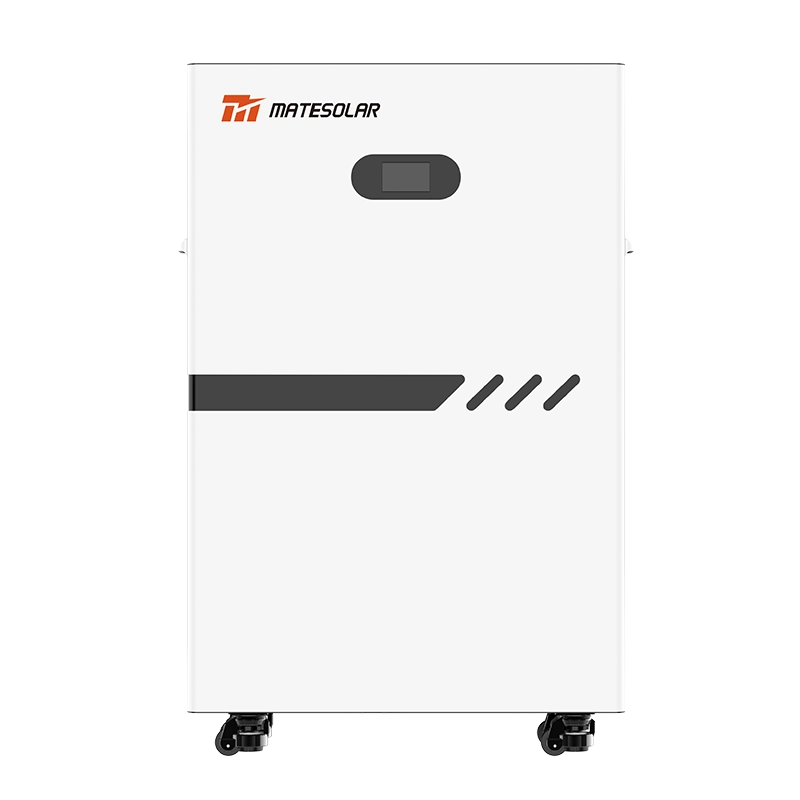
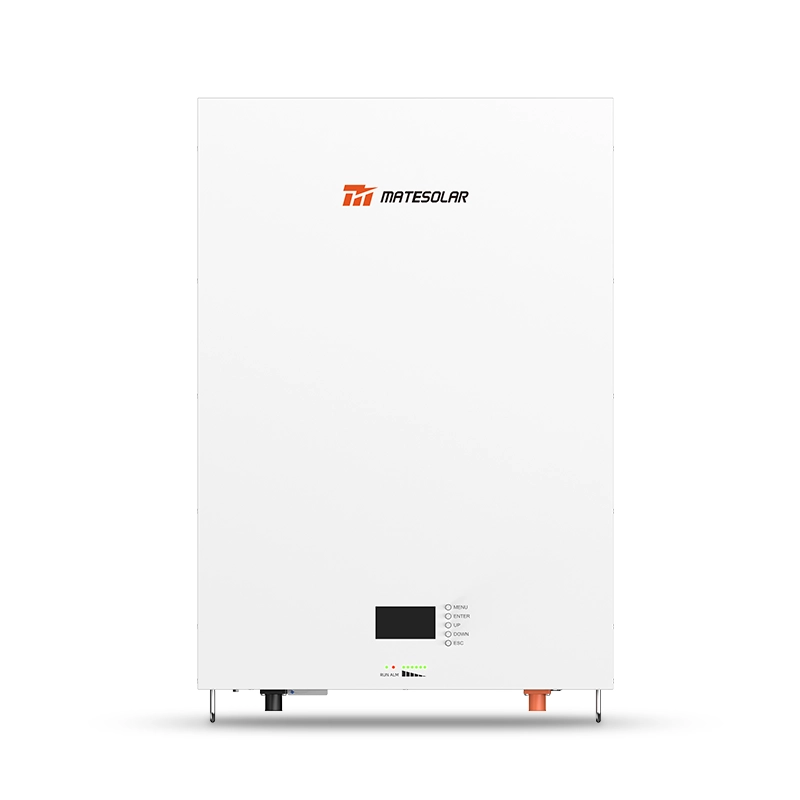
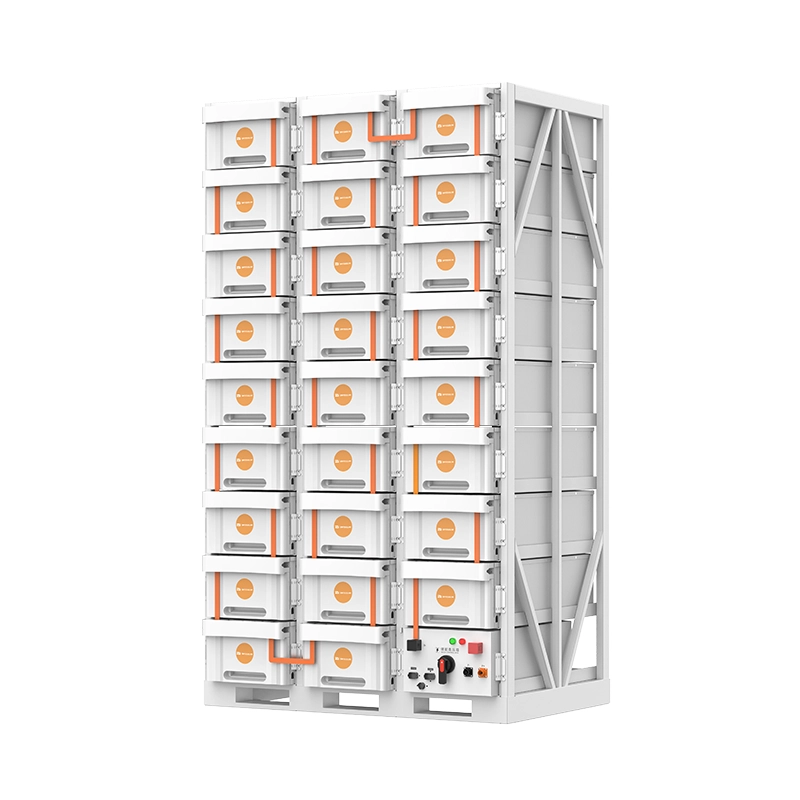
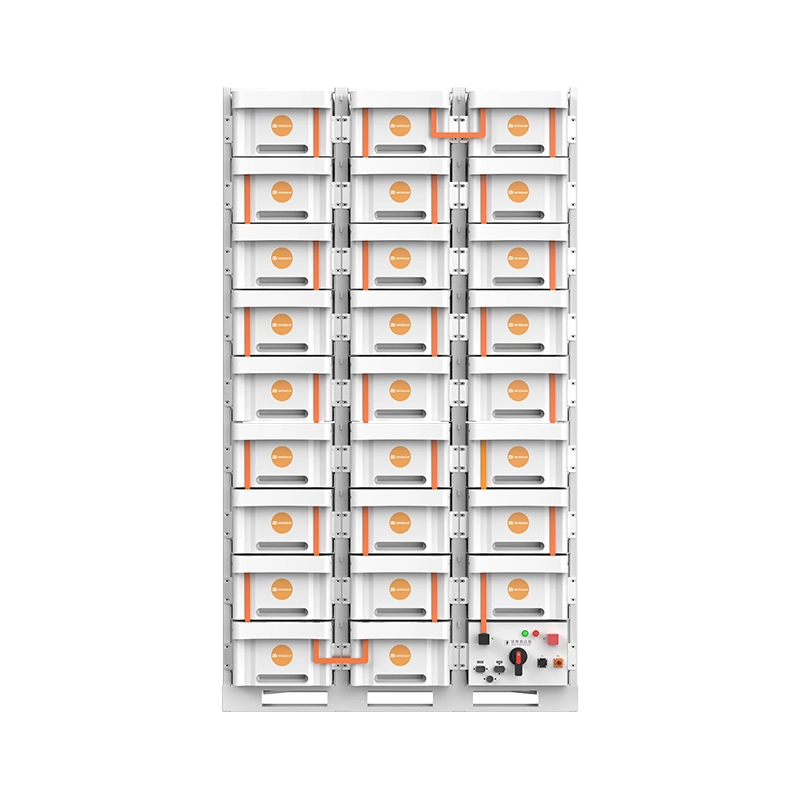
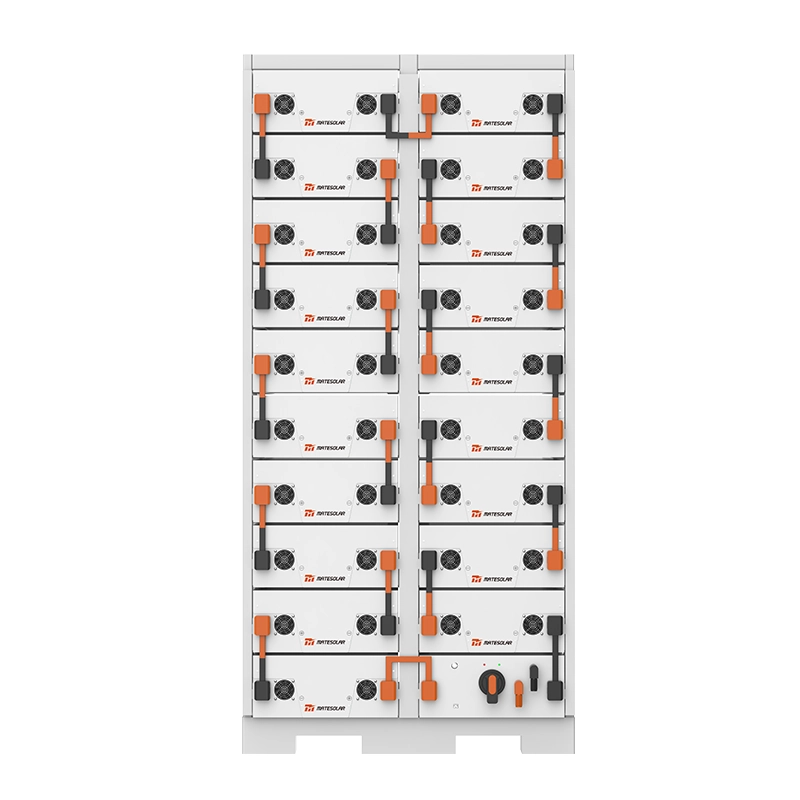
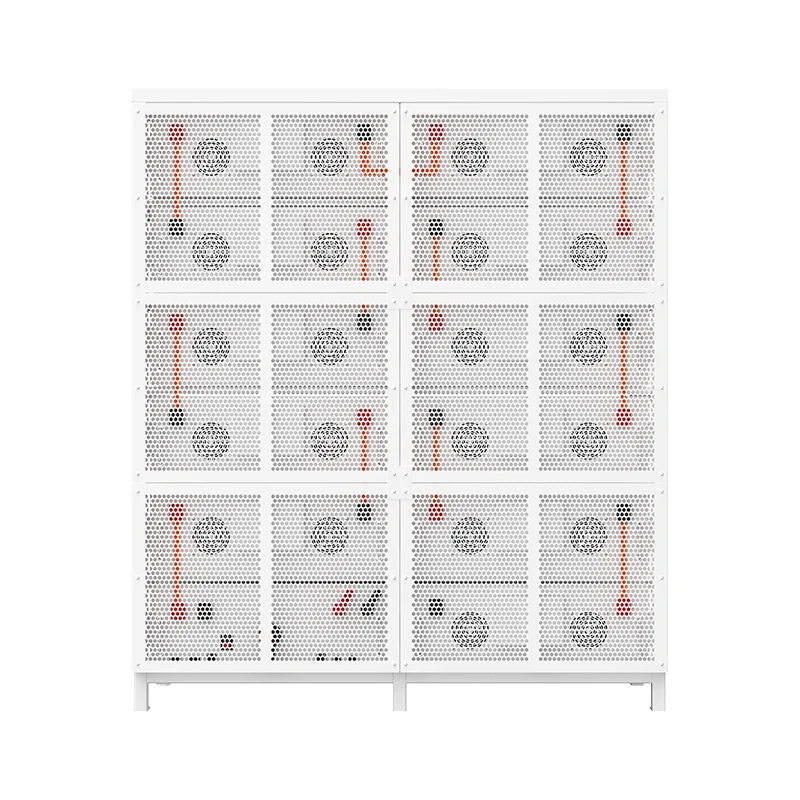
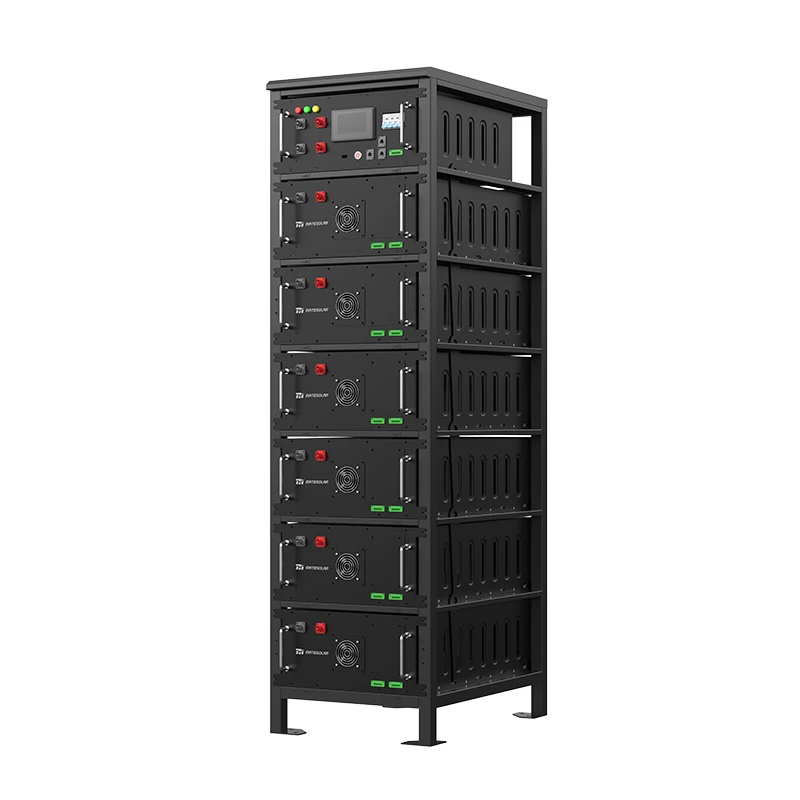
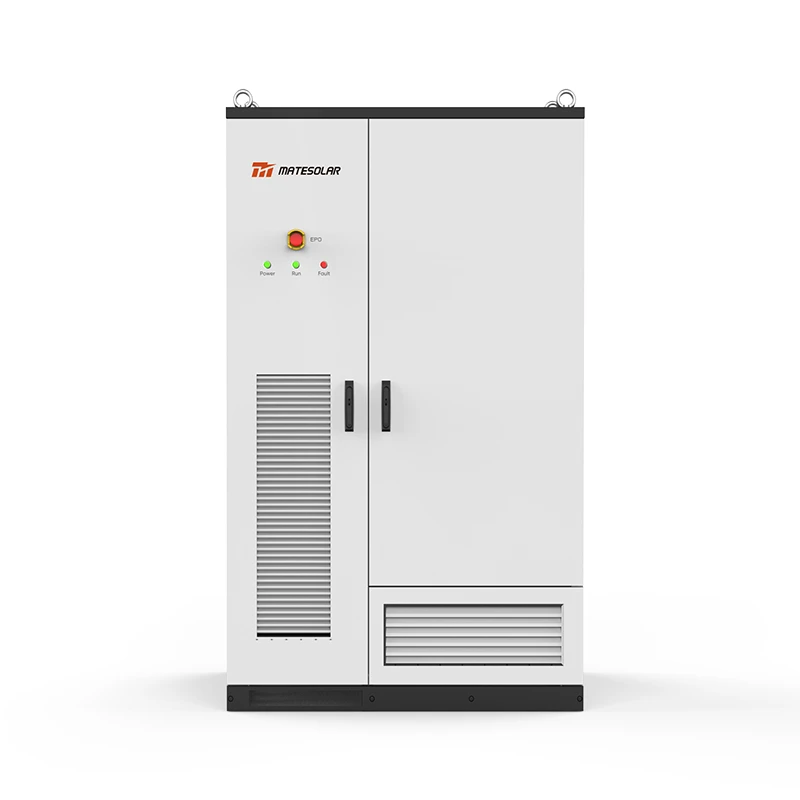
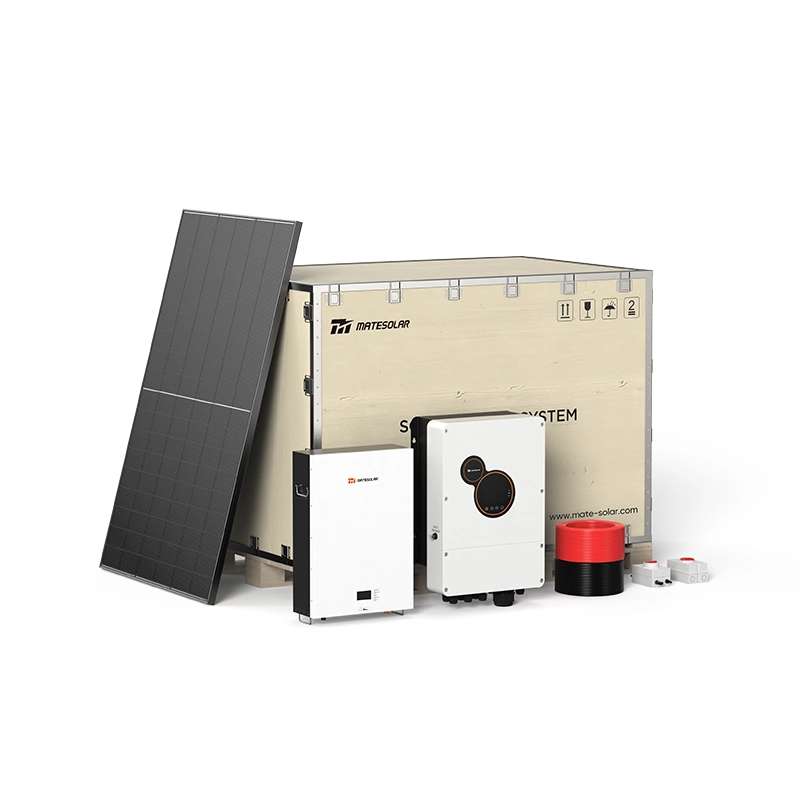
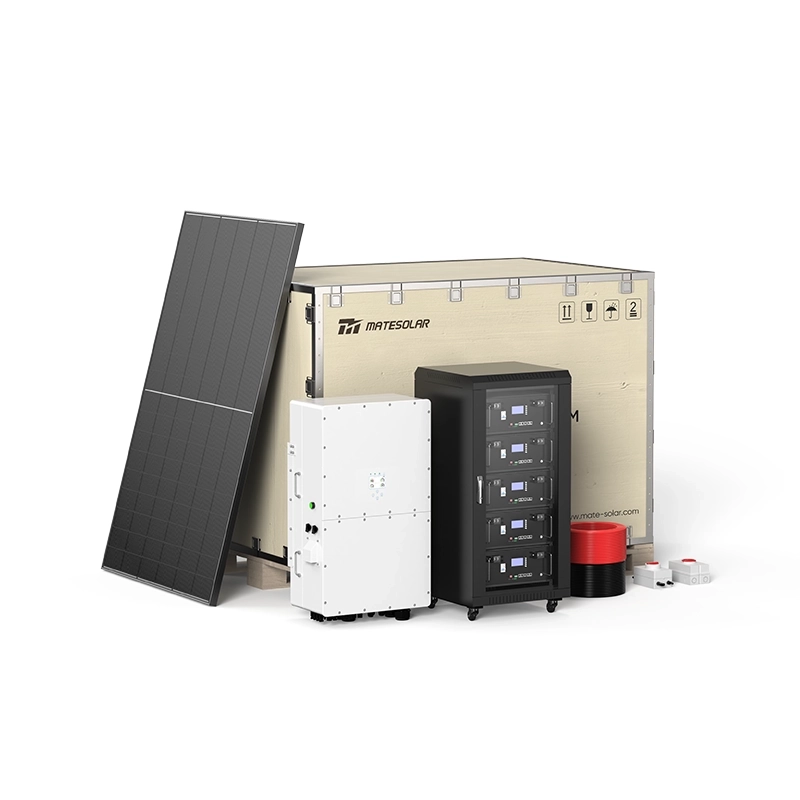
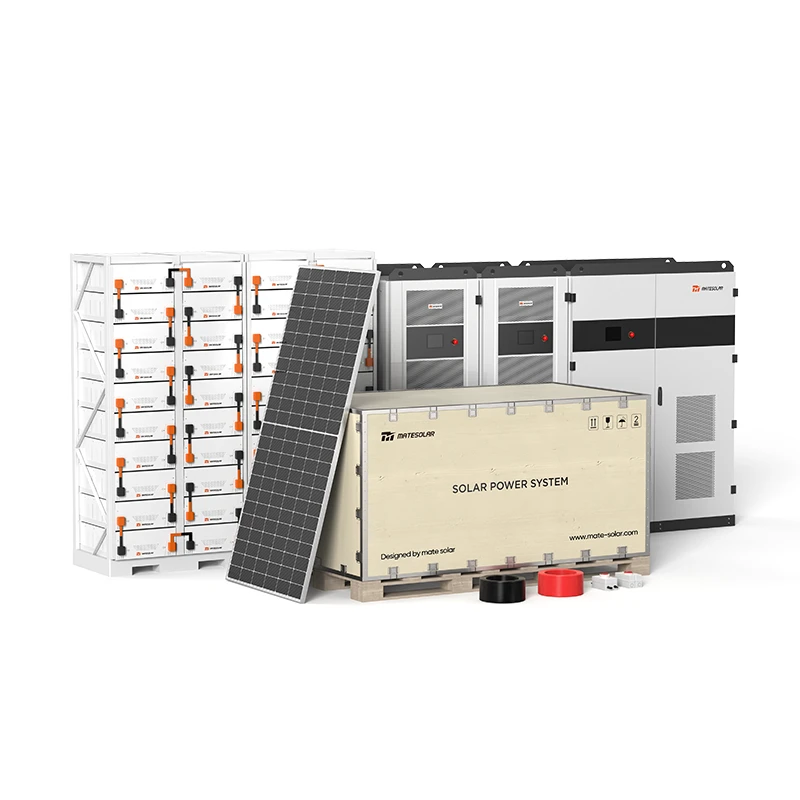
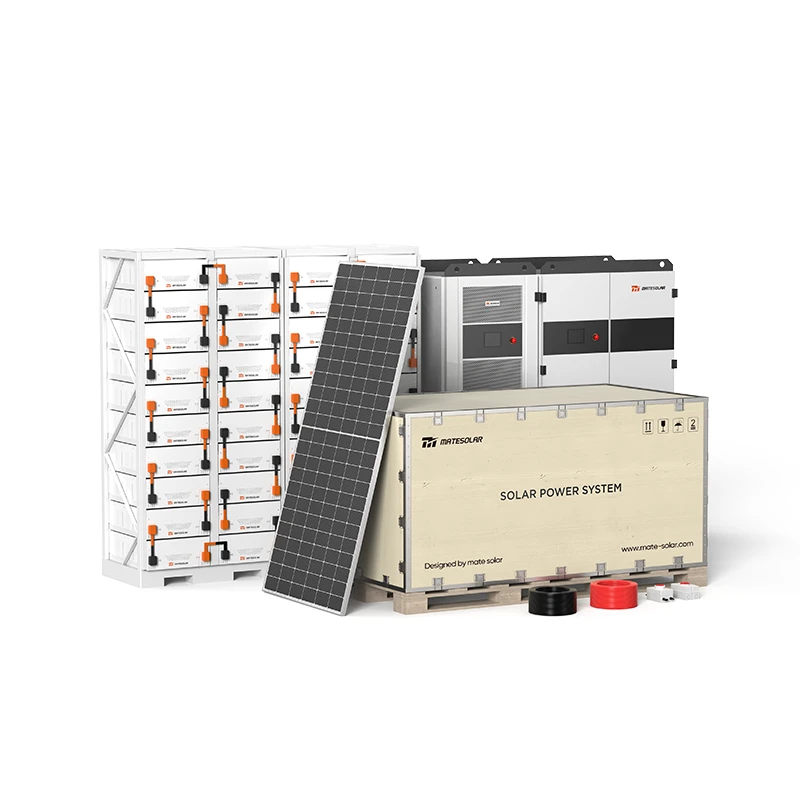
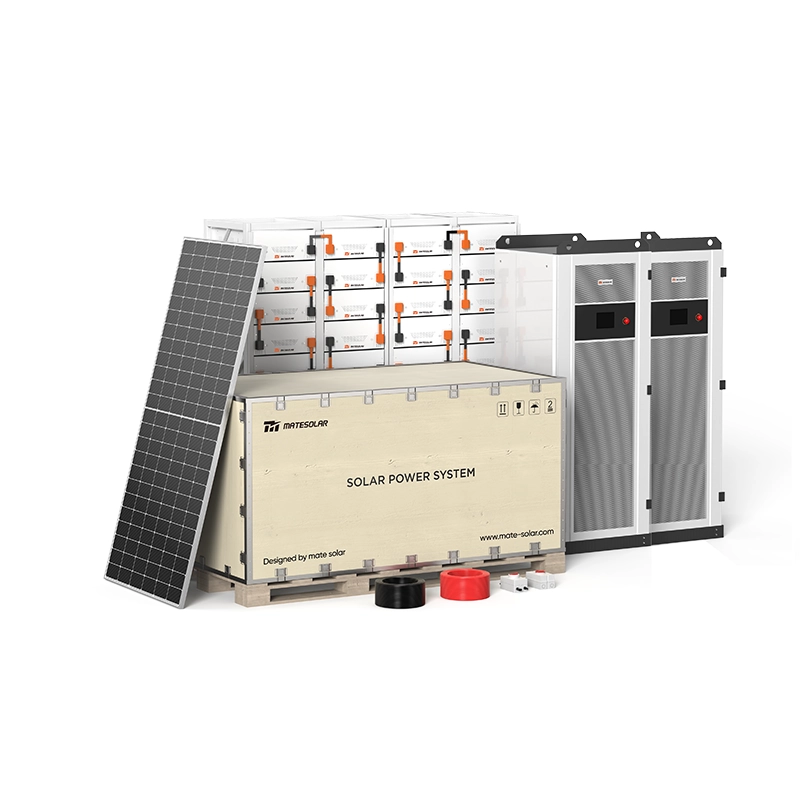
يعمل الشريك الموثوق به كامتداد لفريقك، مما يحول عامل المخاطرة الحاسم إلى ركيزة من ركائز اليقين في المشروع. للتعمق في بنية أنظمة تخزين الطاقة الشمسية الكهروضوئية التي تشكل العمود الفقري لمثل هذه المشاريع، استكشف نظرتنا الشاملة لأنظمة الطاقة الشمسية الكهروضوئية لتخزين الطاقة.
الجزء 2: تحرير رأس المال - التغلب على مخاطر التمويل والعملة
حتى مع وجود الحل التقني المثالي، يظل المشروع غير محقق بدون رأس المال. العقبة الرئيسية الثانية أمام المشاريع الأرجنتينية هي تحديات التمويل ومخاطر العملة. فالمستثمرون يبحثون بحق عن فرص خالية من المخاطر.
التركيز على العميل: ما هي قنوات تمويل المشاريع القابلة للتطبيق؟ هل يمكن لمورد المعدات المساعدة في ربطنا بمؤسسات "التمويل الأخضر" الصينية أو الدولية؟
منظورنا الاستراتيجي: “نحن نتفهم مخاوف التمويل الحادة في السوق الأرجنتينية. ويمتد دورنا إلى ما هو أبعد من توفير الأجهزة. فبإمكاننا تيسير تقديم تأمين ائتمان الصادرات الصيني (Sinosure) والاستفادة من علاقاتنا الراسخة مع مؤسسات التمويل الإنمائي الدولية مثل مؤسسة التمويل الدولية (IFC) أو بنك التنمية لأمريكا اللاتينية (CAF). ويمكننا التعاون في هيكلة حزم تمويل المشروعات القابلة للتمويل المصرفي، وتقاسم عبء التخفيف من مخاطر الاستثمار والعملة.”
مسارات التمويل لمشاريع الطاقة المتجددة بالإضافة إلى التخزين في الأرجنتين
هياكل التمويل آخذة في التطور. وغالباً ما يكون النهج متعدد الجوانب أكثر فعالية:
1. تمويل مؤسسات التمويل الإنمائي والتمويل المصرفي المتعدد الأطراف: تقدم مؤسسات مثل مؤسسة التمويل الدولية وصندوق النقد العربي قروضاً طويلة الأجل بالعملات الصعبة، وغالباً ما تكون بأسعار فائدة تنافسية. وتشير مشاركتها إلى معايير بيئية ومعايير حوكمة قوية، مما يجذب الممولين المشاركين.
2. دعم وكالة ائتمانات التصدير: يمكن للديون المغطاة من وكالة ائتمان الصادرات، مثل سينوسير، أن تغطي المخاطر السياسية والتجارية، مما يوفر الراحة للمقرضين الدوليين ويقلل من تكلفة رأس المال للمعدات الموردة من الصين.
3. حلول بالعملة المحلية: يعد تطوير أدوات سوق رأس المال المحلية، مثل السندات الخضراء، هدفاً طويل الأجل. وقد تعتمد المشاريع الأولية على ديون بالعملة الصعبة يتم التحوط لها من خلال المقايضة، حيثما كان ذلك ممكناً.
4. تمويل الموردين والشراكات مع الموردين: يقدم بعض الموردين الراسخين تمويلاً للموردين أو يمكنهم الدخول في شراكات استراتيجية في مجال حقوق الملكية، مما يجعل نجاحهم متوافقاً مع الأداء التشغيلي للمشروع.
الجدول: إطار عمل توضيحي للتخفيف من مخاطر التمويل
| نوع المخاطرة | أداة التخفيف من الآثار | دور شريك المعدات |
| الأداء التكنولوجي | ضمانات الأداء طويلة الأجل والأضرار المصفاة. | يوفر ضمانات قوية وقابلة للتمويل مدعومة بقوة الشركة. |
| الإنشاءات والتأخير | عقود تسليم المفتاح الثابتة السعر الثابت والمشتريات والبناء والإنشاءات والمشتريات والإنشاءات؛ ضمانات الإنجاز. | يوفر تصميم نظام مجرب وقابل للتكرار وجداول تسليم موثوقة. |
| العملة والتضخم | اتفاقات شراء الطاقة بالعملة الصعبة؛ بنود المقايسة؛ أدوات التحوط. | يمكن توفير تسعير ثابت وطويل الأجل للمعدات بالدولار الأمريكي لتحسين اليقين في النمذجة. |
| السياسية والتنظيمية | مشاركة مؤسسة التمويل الإنمائي (على سبيل المثال، ضمانات وكالة ضمانات الاستثمار المتعددة الأطراف)؛ تعهدات قانونية قوية. | المساعدة في إعداد الوثائق الفنية المقبولة دوليًا للعناية الواجبة لمبادرة تمويل التنمية. |
الجزء 3: ثورة الطاقة الموزعة - تشغيل المناجم والمزارع والصناعة
بينما تعمل المشاريع على نطاق المرافق على استقرار الشبكة، فإن المشكلة الاقتصادية المباشرة للعديد من الشركات الأرجنتينية هي ارتفاع تكاليف الكهرباء وعدم موثوقية الإمداد. أما بالنسبة للتعدين والمزارع والمنشآت الصناعية في المناطق النائية أو الضعيفة الشبكة، فإن السؤال المطروح عملياً هو: ما هي الاقتصاديات الحقيقية لنظام هجين بين الطاقة الشمسية والديزل والتخزين مقابل توليد الديزل الخالص؟
التركيز على العميل: بالنسبة للمستخدمين التجاريين والصناعيين من خارج الشبكة أو المستخدمين التجاريين والصناعيين من خارج الشبكة أو ضعاف الشبكة، ما هي فترة الاسترداد الواقعية؟ ما هو المبلغ الذي يمكننا توفيره حقاً؟
منظورنا الاستراتيجي: “في سيناريوهات الشبكات غير المتصلة بالشبكة أو الشبكة الضعيفة، يمكن لحلول الشبكات الصغيرة الهجينة المتكاملة التي نقدمها والتي تعمل بالطاقة الشمسية والديزل والتخزين أن تقلل من استهلاك وقود الديزل ووقت تشغيل المولدات بأكثر من 701 تيرابايت 3 تيرابايت. عادةً ما يتم استرداد قسط النفقات الرأسمالية الأولية في غضون 3 إلى 6 سنوات، اعتمادًا على أسعار الديزل المحلية وموارد الطاقة الشمسية. نحن لا نقدم المنتجات فقط؛ بل نوفر عائدًا مخصصًا للطاقة وعمليات محاكاة اقتصادية لحساب عائد الاستثمار بدقة بناءً على موقعك المحدد وملف التحميل وتكاليف الوقود الحالية.”
التحليل الاقتصادي: نظام الديزل فقط مقابل نظام الطاقة الشمسية الهجينة
افتراضات لموقع منجم ناءٍ بحمل أساسي 500 كيلوواط.
| مكون التكلفة | سيناريو الديزل فقط (سنوي) | سيناريو الطاقة الشمسية-الهجين (سنوي) | الملاحظات |
| وقود الديزل والنقل | $450,000 | $120,000 | يفترض $1.2/L ديزل $1.2L، 70% تخفيض. |
| صيانة المولدات | $40,000 | $15,000 | تقليل وقت التشغيل يطيل العمر الافتراضي ويقلل من الصيانة. |
| إجمالي التكلفة التشغيلية | $490,000 | $135,000 | وفورات سنوية $355,000 |
| التكلفة الرأسمالية الإضافية (هجين) | $0 | ~$1.2 مليون (الطاقة الكهروضوئية + التخزين + عناصر التحكم) | |
| فترة الاسترداد البسيط | غير متاح | ~حوالي 3.4 سنوات | ($1.2M / $0.355M) |
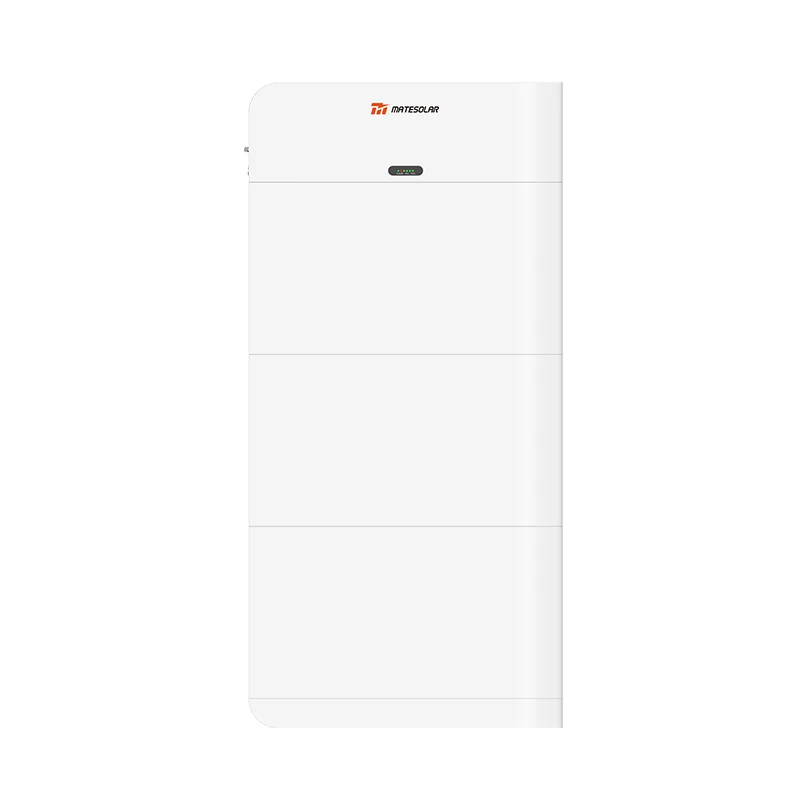
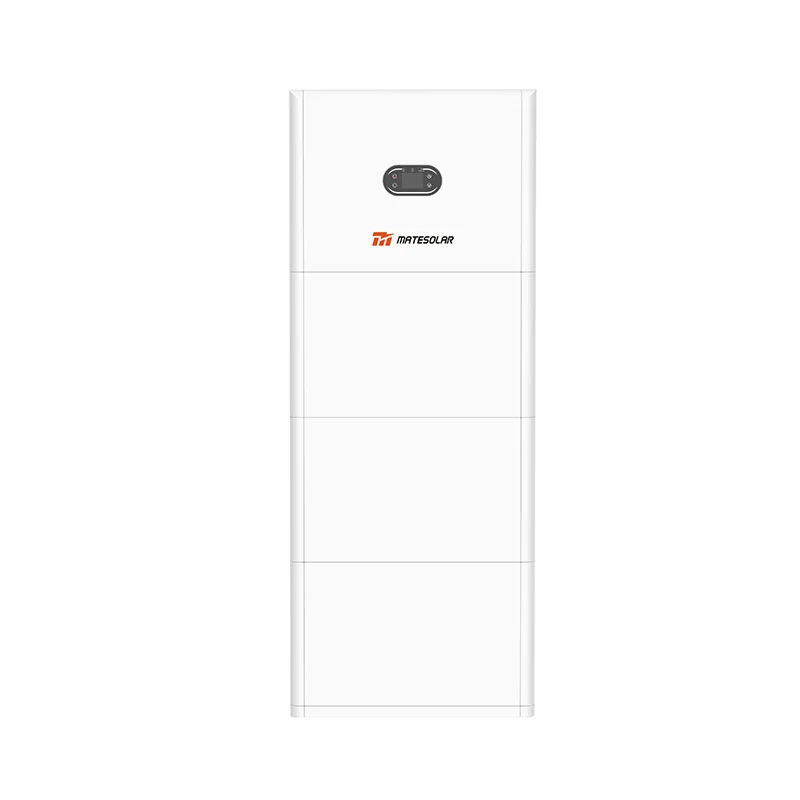
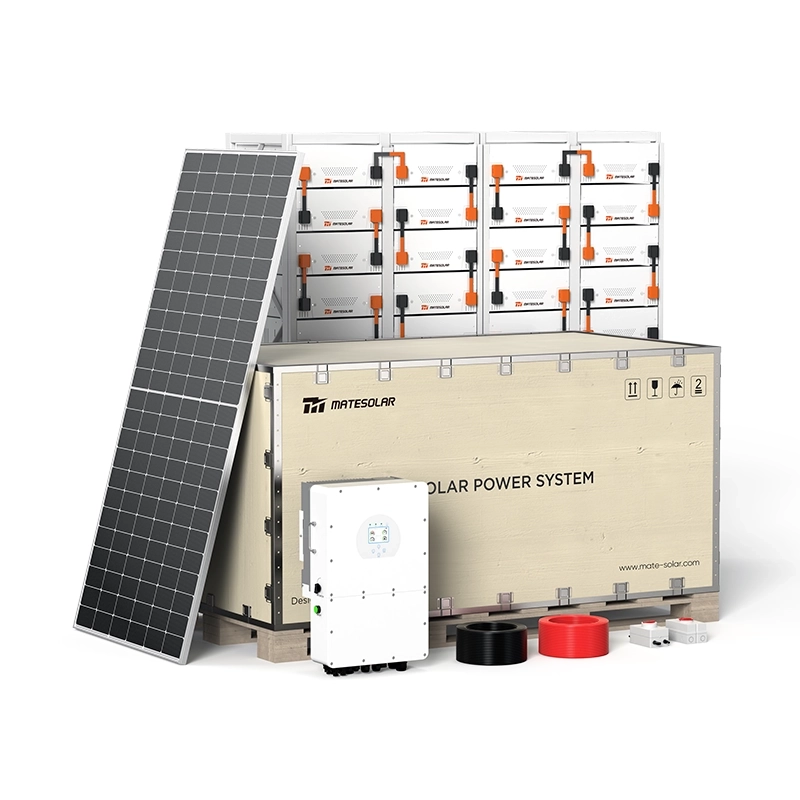
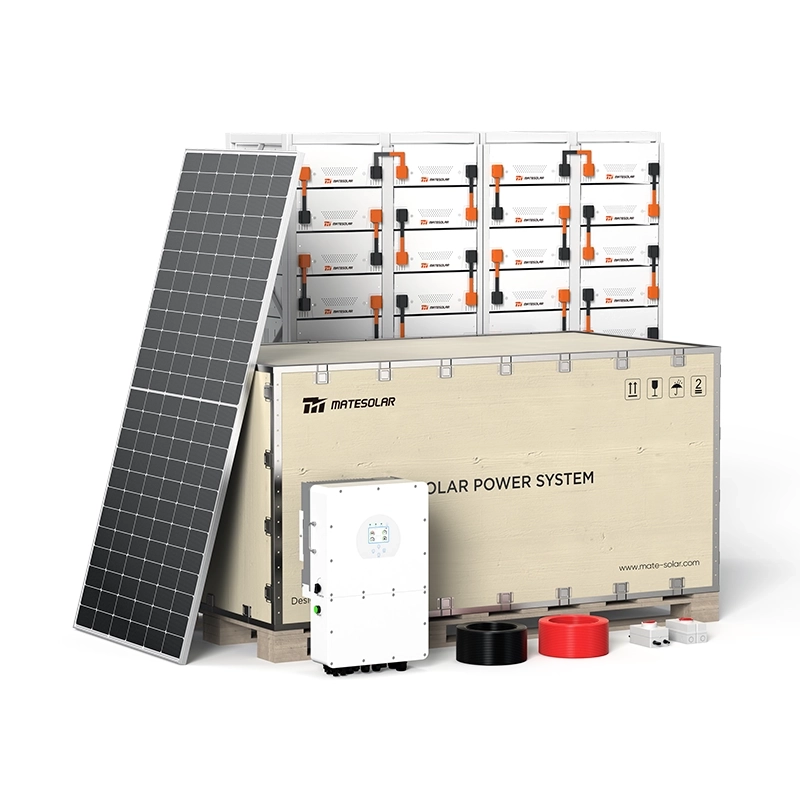
دراسة الجدوى مقنعة وتزداد قوة مع كل زيادة في أسعار الديزل. بالنسبة للشركات التي تتطلع إلى بدء رحلة استقلالها في مجال الطاقة، فإن النظام القابل للتطوير والفعال هو المفتاح. اكتشف كيف يمكن نظام الطاقة الشمسية الهجين التجاري بقدرة 150 كيلوواط يمكن أن توفر أساسًا قويًا ومعياريًا للعمليات الصناعية أو الزراعية متوسطة الحجم.
الأسئلة الشائعة: معالجة الاستفسارات التقنية والتجارية الشائعة
س1: بالنسبة لمشروع تخزين مدته 5 ساعات، ما هي المزايا الرئيسية للتبريد السائل مقابل التبريد بالهواء؟
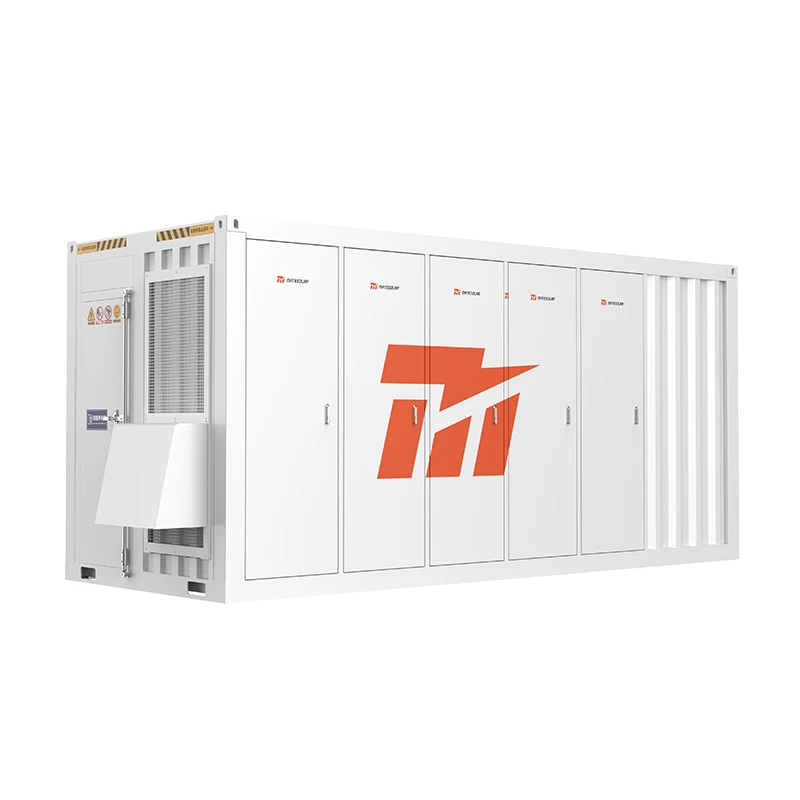
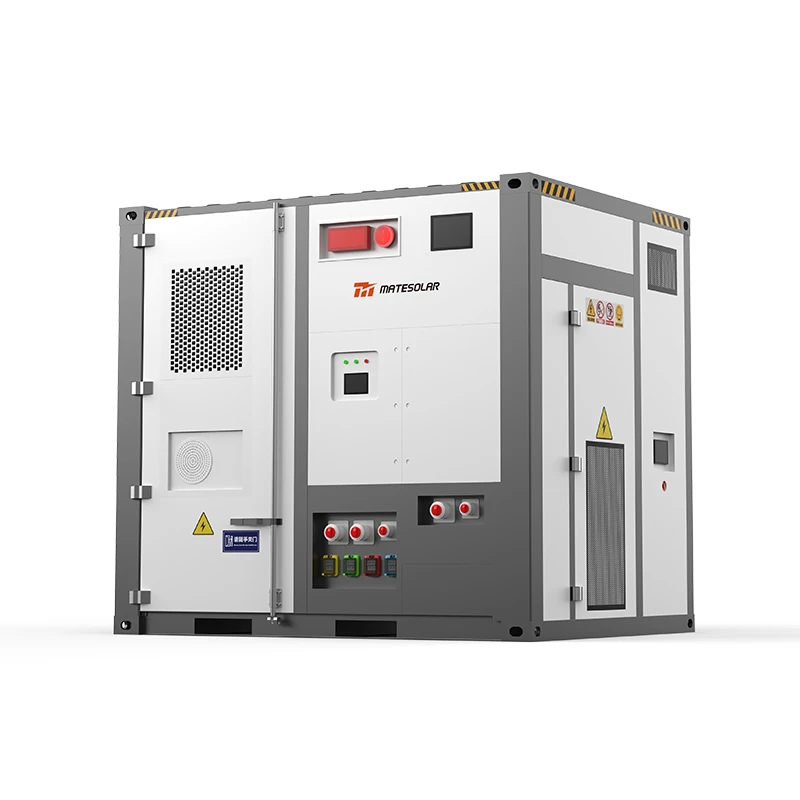
ج: بالنسبة للتطبيقات واسعة النطاق وعالية الدورة مثل مشاريع المناقصات في الأرجنتين، فإن التبريد السائل متفوق بشكل عام. فهو يوفر إدارة أكثر اتساقاً لدرجات الحرارة عبر حزمة البطارية، مما يؤدي إلى إطالة عمر الخلية، وزيادة كفاءة الرحلات ذهاباً وإياباً في المناخات الحارة، وأداء أفضل للسلامة. كما أنه يسمح أيضاً بكثافة طاقة أعلى، مما يقلل من البصمة المادية - وهو أمر بالغ الأهمية للنقل وتخطيط الموقع. استكشف التصميم المتقدم لبطاريتنا المدمجة مسبقًا نظام تخزين الطاقة في حاوية تبريد سائلة بقدرة 20 قدمًا بقدرة 3 ميجاوات ساعة / 5 ميجاوات ساعة لحل متكامل مبني على هذه التقنية.
س2: كيف يمكننا إدارة التقطع في الطاقة الشمسية في نظام هجين لضمان توفير الطاقة على مدار الساعة طوال أيام الأسبوع لمنجمنا؟
ج: هذه هي الوظيفة الأساسية لنظام إدارة الطاقة المتقدم (EMS). يوزع نظام إدارة الطاقة بذكاء الطاقة من الطاقة الشمسية الكهروضوئية وبطارية التخزين ومولدات الديزل في الوقت الفعلي. إنه يعطي الأولوية لاستهلاك الطاقة الشمسية، ويستخدم البطاريات لتقليل أحمال الذروة وتوفير الطاقة دون انقطاع أثناء التحولات الشمسية، ولا يشغل المولدات إلا عند نقاط التحميل الأكثر كفاءة أو عند الضرورة. هذا التحكم المتطور هو ما يزيد من توفير الوقود وطول عمر المعدات.
س3: ماذا يحدث بعد انتهاء ضمان البطارية (بعد 10 سنوات مثلاً)؟ هل يتم تدمير اقتصاديات المشروع؟
ج: لا على الإطلاق. تضمن الضمانات ذات السمعة الطيبة حدًا أدنى من السعة المتبقية (على سبيل المثال، 60% أو 70% بعد 10 سنوات). يستمر النظام في العمل بفعالية بهذه السعة لسنوات عديدة أخرى. علاوة على ذلك، فإن التكلفة المتناقصة لتكنولوجيا التخزين تعني أن بنك البطاريات التكميلي أو إعادة التشغيل الجزئي في المستقبل يمكن أن يكون خياراً اقتصادياً للغاية لإطالة عمر الأصل، مما يزيد من تحسين عائد الاستثمار على المدى الطويل.
س4: هل يمكن أن توفر أنظمة التخزين واسعة النطاق هذه خدمات للشبكة تتجاوز مجرد تخزين الطاقة الشمسية؟
ج: بالتأكيد. تُعد المحولات الكهربائية الحديثة على نطاق الشبكة أصولاً متعددة الوظائف. وعلى الرغم من أن دورها الأساسي قد يكون تحويل الطاقة الشمسية عبر الزمن، إلا أن محولاتها يمكن أن توفر في الوقت نفسه خدمات الشبكة الحيوية مثل تنظيم التردد ودعم الجهد والقصور الذاتي الاصطناعي. وهذا يمكن أن يخلق تدفقات إيرادات إضافية ويعزز استقرار الشبكة، وهي ميزة قيّمة لمشغل النظام الأرجنتيني.
الخاتمة: الشراكة من أجل مستقبل طاقة مرن
إن رحلة الأرجنتين نحو مصفوفة طاقة مستدامة وآمنة جارية على قدم وساق. إن تحديات تنفيذ المشاريع الافتتاحية، وتأمين التمويل، وتمكين مستخدمي الطاقة الموزعة كبيرة، لكنها ليست مستعصية على الحل. فهي تتطلب اتباع نهج الشراكة - أي اختيار المتعاونين الذين لا يجلبون المعدات فحسب، بل يجلبون معهم خبرات مثبتة وقدرات تيسير مالية وخبرة فنية عميقة.
سيتم بناء النجاح من قبل أولئك الذين يعطون الأولوية للشراكات الموثوقة في التسليم والتمويل. ويتطلب ذلك التركيز على الموردين الذين يتمتعون بسجلات مسار يمكن التحقق منها على نطاق جيجاوات/ساعة وسلاسل توريد مستقرة والقدرة على العمل كجسر لرأس المال الأخضر الدولي. بالنسبة للقطاعين التجاري والصناعي، فإن الطريق إلى خفض التكاليف وزيادة الموثوقية واضح بالفعل من خلال حلول الشبكات الصغيرة الهجينة المحسنة.
في MateSolar، نحن ملتزمون بأن نكون أكثر من مجرد مورد. وبصفتنا مزوداً متكاملاً لحلول تخزين الطاقة الكهروضوئية، فإننا نتشارك مع الرواد الأرجنتينيين في هذا التحول. نحن نقدم التكنولوجيا التي أثبتت جدواها، والخبرة الدولية في المشاريع، والنهج التعاوني اللازم لتحويل الوعد بتحويل الطاقة في الأرجنتين إلى واقع تشغيلي ملموس - مشروع ناجح في كل مرة.
حول ماتيسولار: ماتيسولار هي شركة عالمية رائدة في مجال حلول الطاقة الشمسية وتخزين الطاقة المتكاملة، وهي مكرسة لتقديم أنظمة موثوقة ومبتكرة وقابلة للتمويل للتطبيقات على نطاق المرافق والتطبيقات التجارية والصناعية في جميع أنحاء العالم. نحن نتشارك مع عملائنا للتغلب على تعقيدات التحول في مجال الطاقة، مما يضمن النجاح بدءاً من تصور المشروع وحتى عقود من التشغيل.