












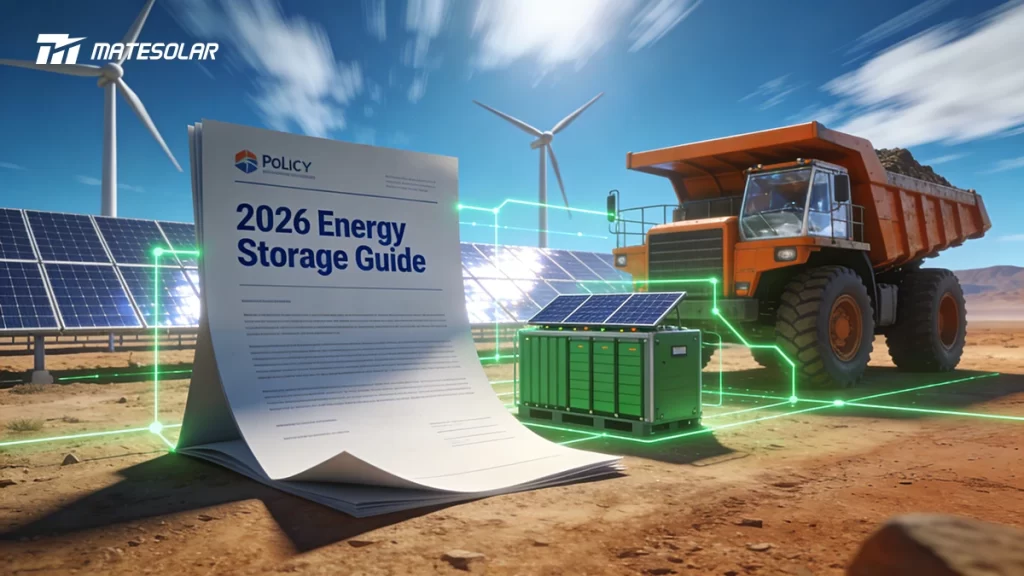
Комплексна Біла книга для інвесторів, девелоперів та гірничодобувних компаній, які орієнтуються в енергетичному ландшафті Чилі, що трансформується
Резюме: Ринок у точці перелому
Наближаючись до 2026 року, Чилі перебуває на вирішальному етапі свого енергетичного переходу, що відкриває безпрецедентні можливості для зацікавлених сторін у секторах зберігання енергії та видобутку корисних копалин. Країна не просто адаптується до світових тенденцій, а й активно будує одну з найсучасніших і найрегульованіших у світі систем зберігання енергії на основі акумуляторних батарей (BESS). Під впливом подвійного стимулу - амбітних планів з декарбонізації та нагальних потреб провідної гірничодобувної промисловості Чилі - потужність систем зберігання енергії в Чилі готова до експоненціального зростання. З огляду на те, що на даний момент у стадії будівництва перебуває понад 3,5 ГВт проектів, а до початку 2026 року планується досягти 2 ГВт операційних потужностей, розуміння мінливого регуляторного ландшафту є не просто варіантом, а критичним імперативом для досягнення успіху.. Цей документ є основним джерелом інформації, в якому розглядаються майбутні оновлення політики до 2026 року, їхні прямі наслідки для гірничодобувних галузей, а також практичні шляхи інвестування та розгортання.
Частина 1: Регуляторна дорожня карта на 2025-2026 роки - ясність та модернізація
Міністерство енергетики Чилі розробило чіткий та амбітний регуляторний порядок денний на 2026 рік, спрямований на модернізацію енергосистеми, інтеграцію розподілених ресурсів та зміцнення економічної моделі для зберігання енергії. Це не спекулятивні зміни, а заплановані законодавчі дії, які визначатимуть траєкторію розвитку ринку.
1.1 Модернізація ключових постанов: DS 125 та DS 88
Найважливіші зміни, що відбулися найближчим часом, стосуються внесення змін до двох верховних указів:
- Поправка до DS 125/2017 (Економічна диспетчеризація): Після завершення публічних консультацій доопрацьовану зміну планується подати до Офісу Генерального контролера до вересня 2025 року. Це оновлення є фундаментальним і зосереджується на диспетчерському управлінні та узгодженій роботі систем зберігання з генерацією та споживанням. Уряд заявив, що цей перегляд призведе до "модернізації економічної диспетчеризації, модернізації ціноутворення та вдосконалення процедур", що створить більш динамічний і орієнтований на вартість ринок для гнучких активів, таких як BESS..
- Поправка до DS 88/2019 (Інтеграція PMGD та сховищ): Ця довгоочікувана поправка, публічні консультації щодо якої розпочалися в липні 2025 року, також планується до подання у вересні 2025 року. У ньому розглядається режим малих засобів розподіленої генерації (PMGD), який охоплює системи потужністю до 9 МВт, і має на меті дозволити BESS використовувати "запас пропускної здатності мережі" для зарядки.. Крім того, він пропонує запровадження нової "Базової ціни на енергію" (Precio Básico de Energía), починаючи з 2034 року, що забезпечить довгострокові цінові сигнали для інвесторів.
1.2 Етапне законодавство: Дозріваюча основа
Ці майбутні поправки ґрунтуються на низці знакових законів, які систематично визначають зберігання як центральну опору чилійської мережі:
Таблиця 1: Ключове чилійське законодавство, що формує ринок накопичувачів енергії
Ця еволюція відображає чіткий перехід від простого визнання сховищ до створення нюансованих механізмів їхньої монетизації, що значно зменшує інвестиційну невизначеність.
Частина 2: Гірничодобувний імператив: Каталізатор відновлюваної енергетики 24/7
Гірничодобувний сектор Чилі, на який припадає приблизно 91 ТВт загального споживання електроенергії в країні, є основним каталізатором передових великомасштабних рішень для зберігання енергії.. Гірничодобувні гіганти на чолі з державною компанією Codelco перебувають під сильним тиском щодо декарбонізації виробництва, забезпечення довгострокової конкурентоспроможної за вартістю електроенергії та надійності у віддалених точках електромережі.
2.1 Тематичне дослідження: Зелений енергетичний стрижень компанії Codelco
Стратегія Codelco забезпечує план для галузі. Компанія взяла на себе зобов'язання забезпечити 100% чистої енергії для своїх електромереж до 2030 року. Щоб досягти цього, вона перейшла від традиційних угод про закупівлю електроенергії з відновлюваних джерел до контрактів, які явно включають зберігання літій-іонних акумуляторів, щоб гарантувати стабільне, цілодобове екологічно чисте електропостачання..
Яскравим прикладом є проект Monte Águila, розроблений компанією Grenergy. Ця сонячна електростанція потужністю 340 МВт у поєднанні з масивною системою акумуляторних батарей ємністю 960 МВт-год за контрактом постачатиме компанії Codelco приблизно 0,5 ТВт-год стабільної цілорічної "зеленої" електроенергії щорічно, починаючи з 2026 року.. Цей проєкт є частиною більш широкої платформи "Oasis Central", що передбачає понад 1,1 ГВт сонячної енергії та 3,8 ГВт-год зберігання, демонструючи масштаб, необхідний для задоволення попиту на видобуток корисних копалин..
2.2 Економічні та операційні чинники інтеграції гірничодобувної галузі та BESS
Для гірничодобувного підприємства рішення про інтеграцію сховища - це складний розрахунок, який залежить від кількох факторів:
Таблиця 2: Рушійні фактори для впровадження BESS у гірничодобувному секторі
Синергія очевидна: гірничодобувний сектор забезпечує попит на стійку, екологічно чисту енергію, а нормативно-правова база, що розвивається, створює ринковий поштовх і економічні моделі, які роблять життєздатними великомасштабні інвестиції у зберігання енергії.
Частина 3: Технологічні рішення та інвестиційні міркування для чилійського ринку
Розгортання систем зберігання даних у Чилі, особливо для гірничодобувної промисловості або великих комерційних застосувань, вимагає рішень, адаптованих до унікального географічного та регуляторного середовища країни.
3.1 Узгодження технологій: Задоволення екстремальних і вимогливих потреб
Проекти в пустелі Атакама стикаються з екстремальними температурами, великою висотою і абразивним пилом, а гірничодобувна промисловість вимагає виняткової надійності і безпеки. Сучасні контейнерні рішення BESS відповідають цим вимогам:
- Передова хімія літій-залізо-фосфату (LFP): Стає галузевим стандартом для великомасштабних проектів завдяки довшому терміну експлуатації, кращому профілю безпеки та зниженню витрат.
- Управління тепловим режимом рідинного охолодження: Необхідно для підтримки оптимальної продуктивності та довговічності батареї в різноманітних кліматичних умовах Чилі - від спеки в пустелі до південної прохолоди..
- Сіткоутворюючий інвертор: Стає все більш важливим для забезпечення стабільності в слабких або віддалених мережах, які часто зустрічаються поблизу гірничодобувних майданчиків, дозволяючи BESS "створювати" стабільну форму хвилі напруги і частоти.
3.2 Навігація інвестиційним ландшафтом
Шлях до успішного проектного фінансування та розвитку в Чилі включає в себе
1. Завчасна взаємодія з регуляторними органами: Активна участь у публічних консультаціях (наприклад, у консультаціях щодо DS 88) має вирішальне значення для розуміння та формування правил імплементації..
2. Структурування накопичення доходів: Життєздатна економіка проекту має поєднувати декілька потоків надходжень: Енергетичний арбітраж (купівля за низькими цінами, продаж за високими), платежі за потужність (відповідно до DS 70), допоміжні послуги та основний дохід від відбору від корпоративного ДРП з видобувною компанією..
3. Використання урядових ініціатив: Уряд оголосив про плани виділення державних земель для проектів зі зберігання енергії та працює над законодавством для спрощення процесу отримання дозволів для стратегічних проектів з декарбонізації, які можуть включати інфраструктуру, пов'язану з видобутком корисних копалин..
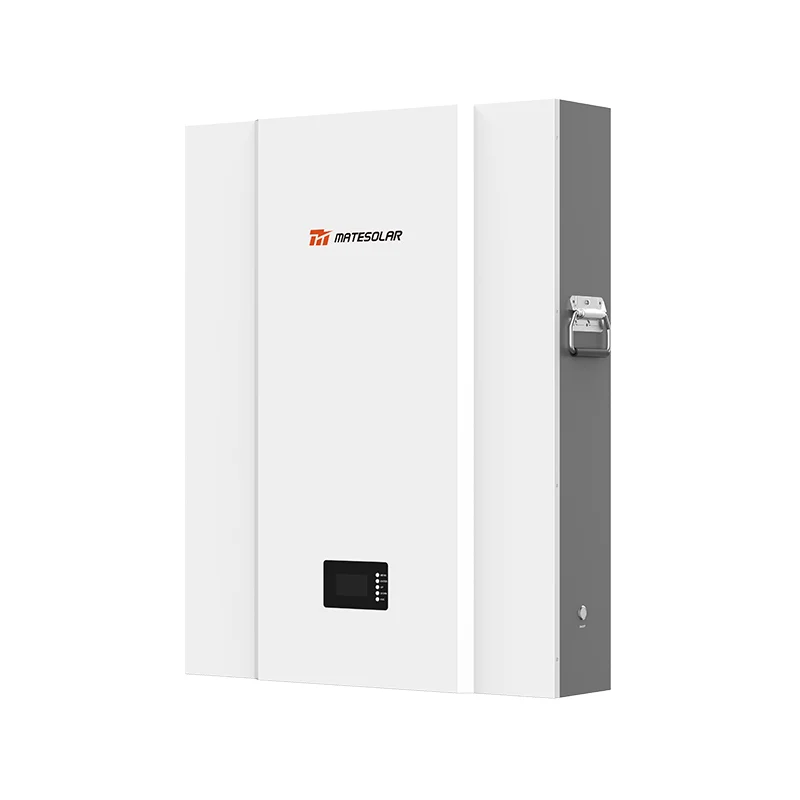
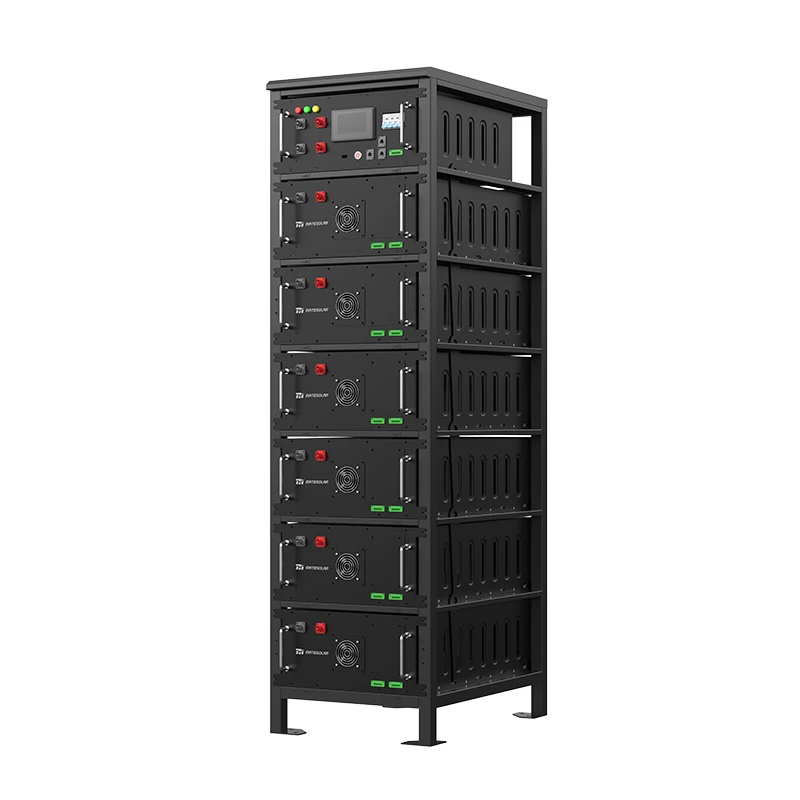
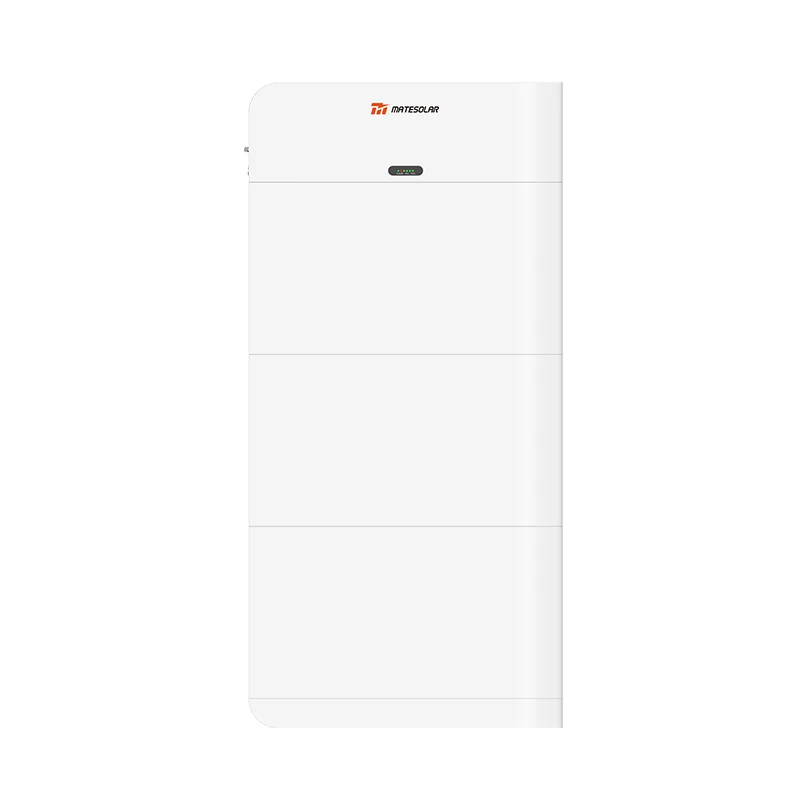
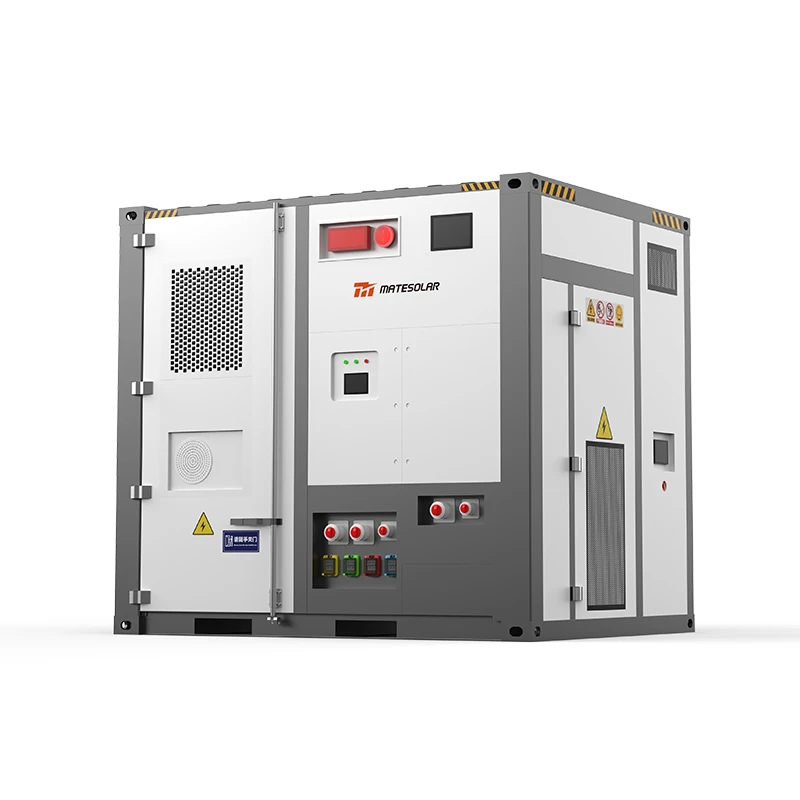
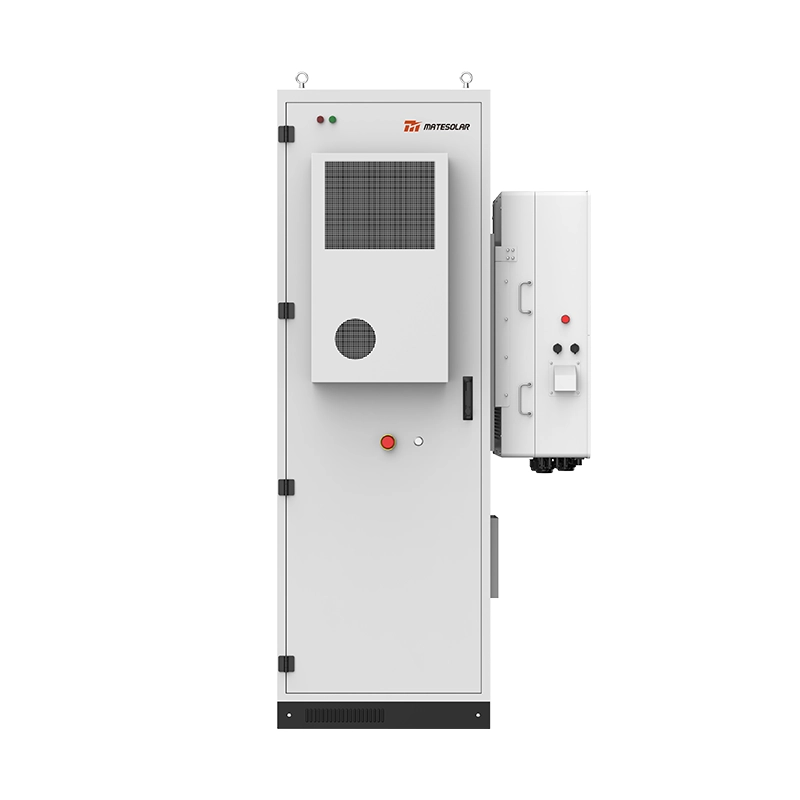
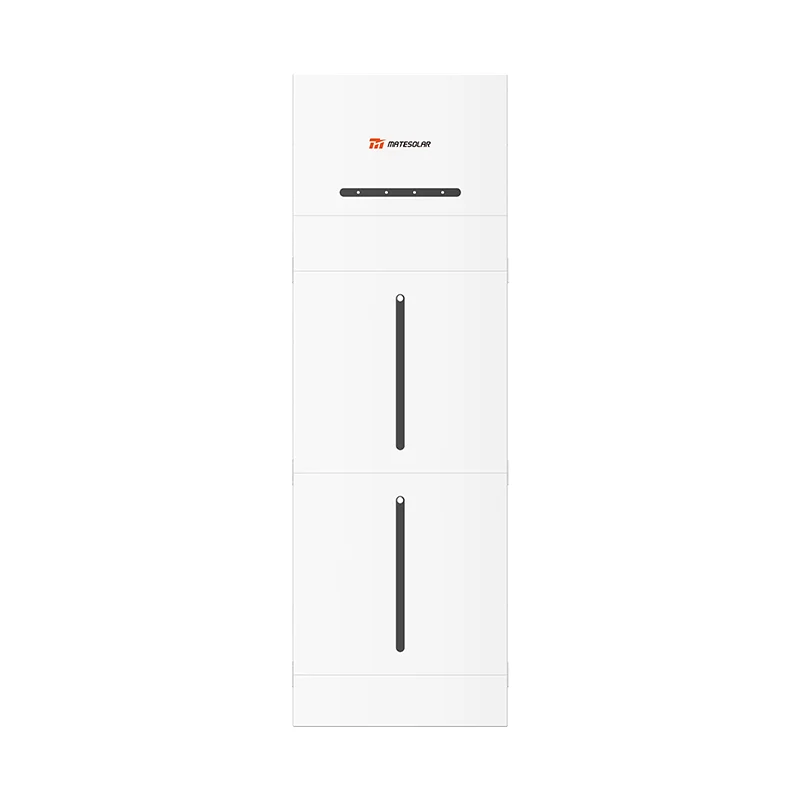
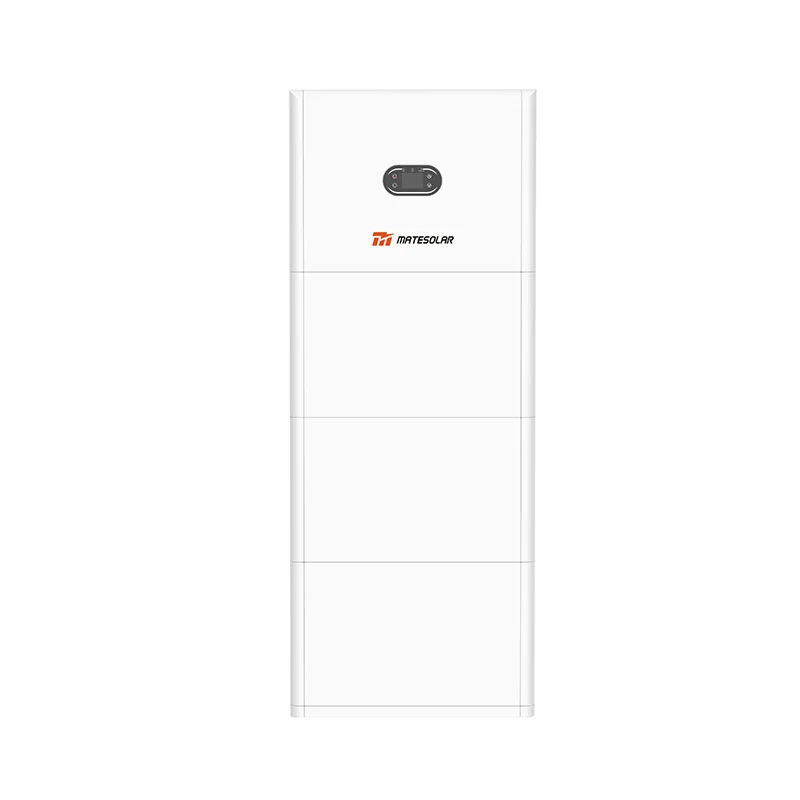
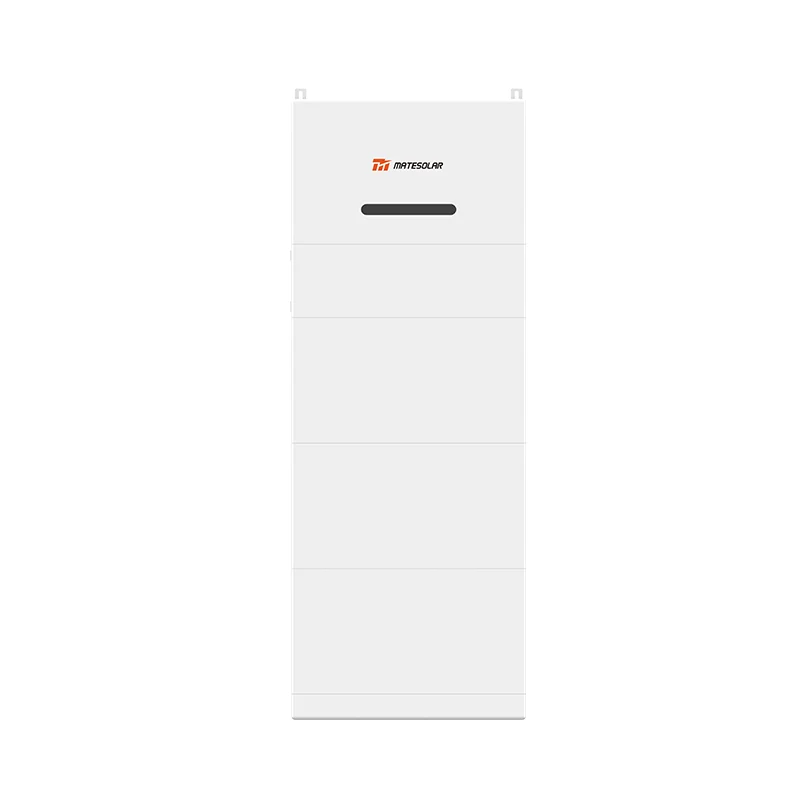
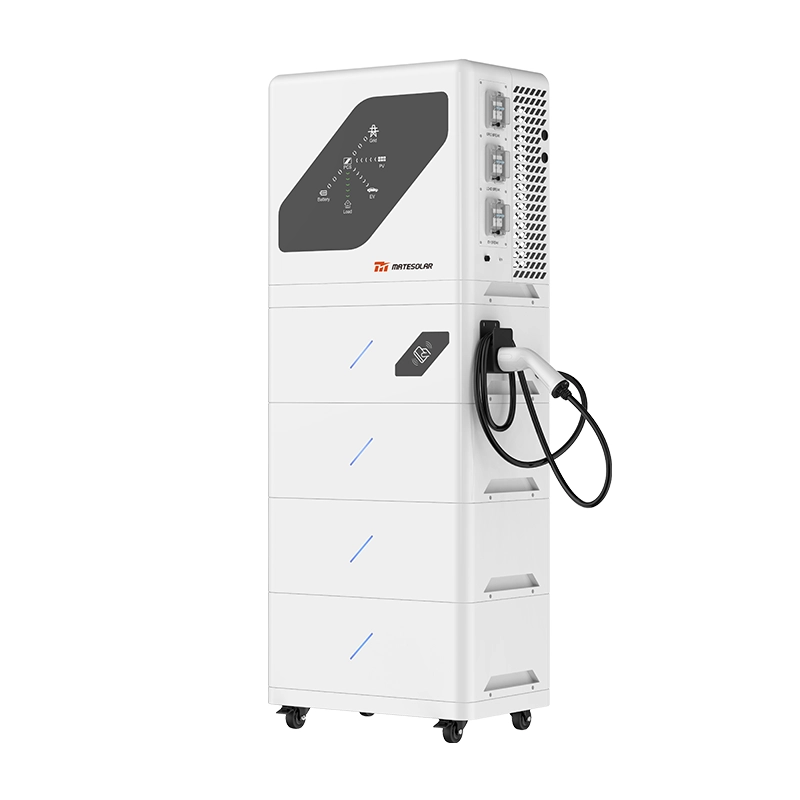
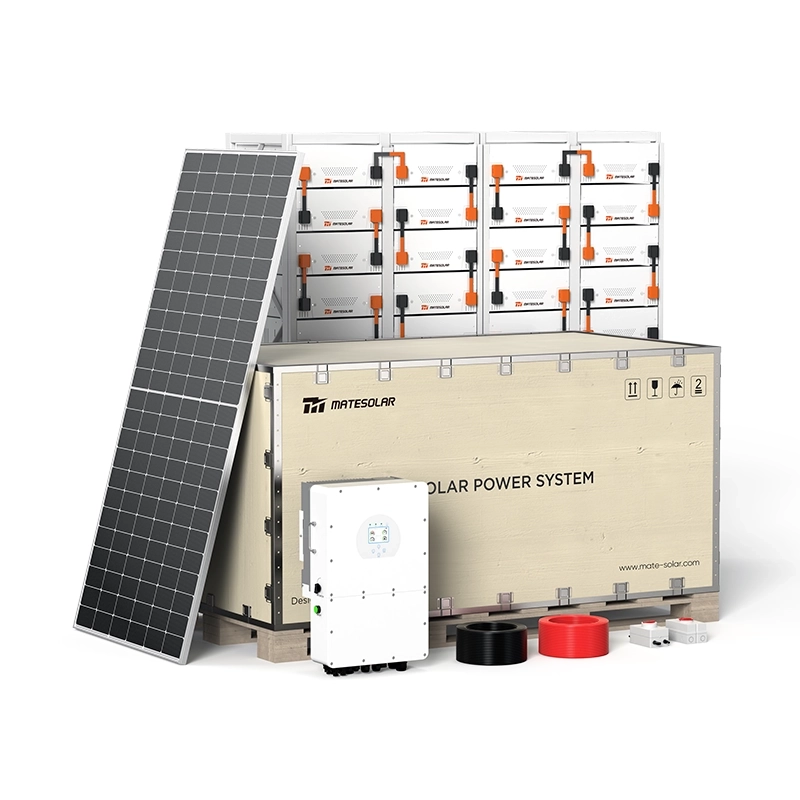
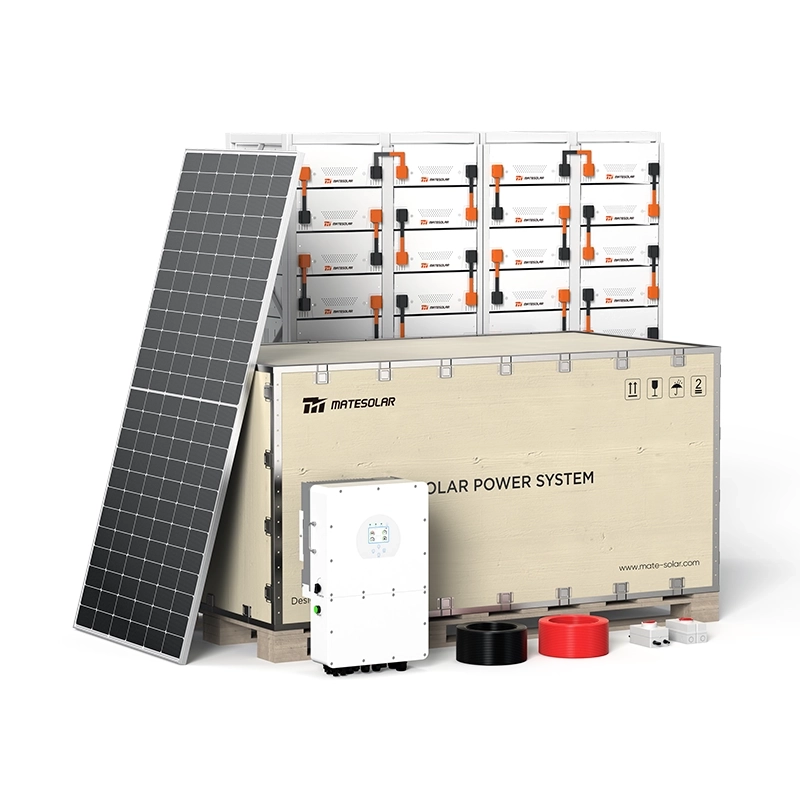
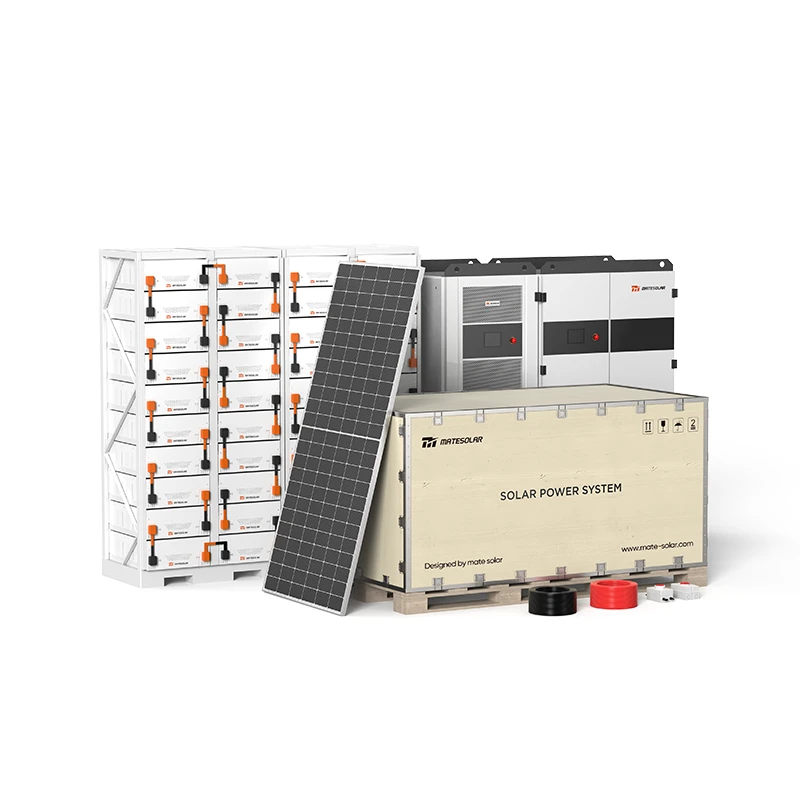
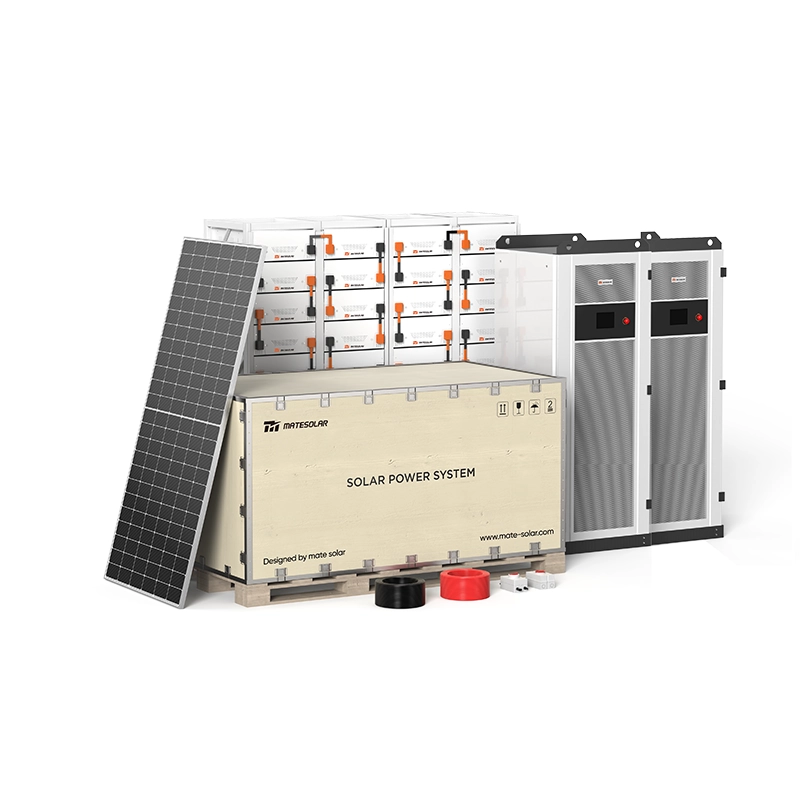
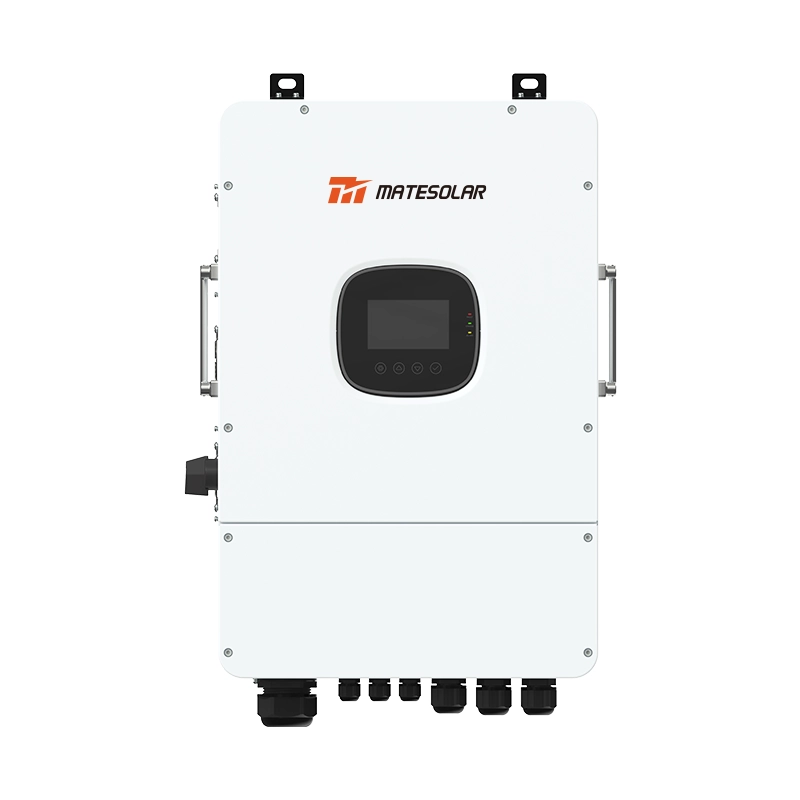
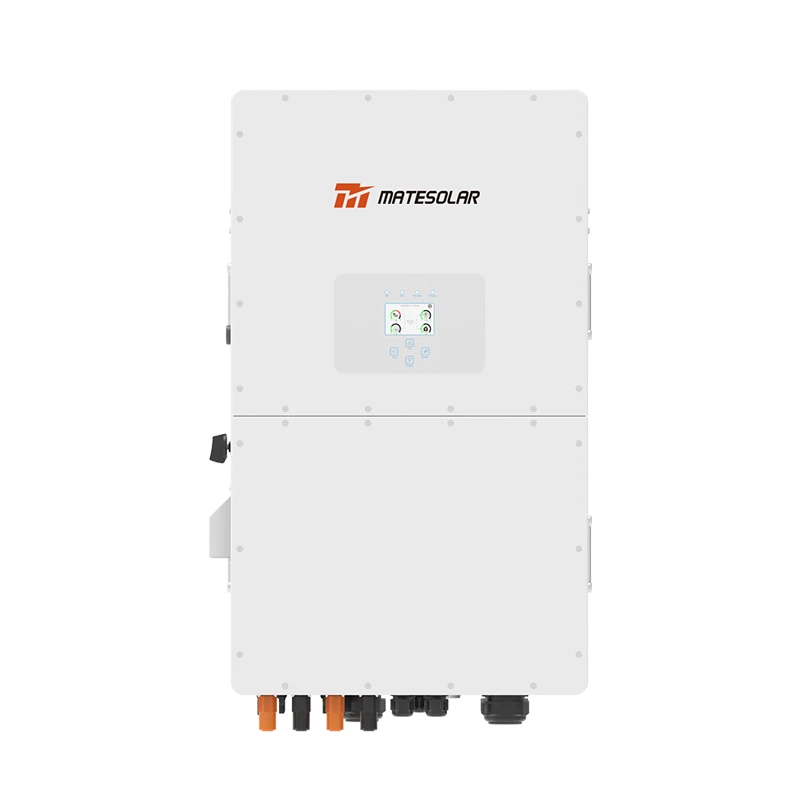
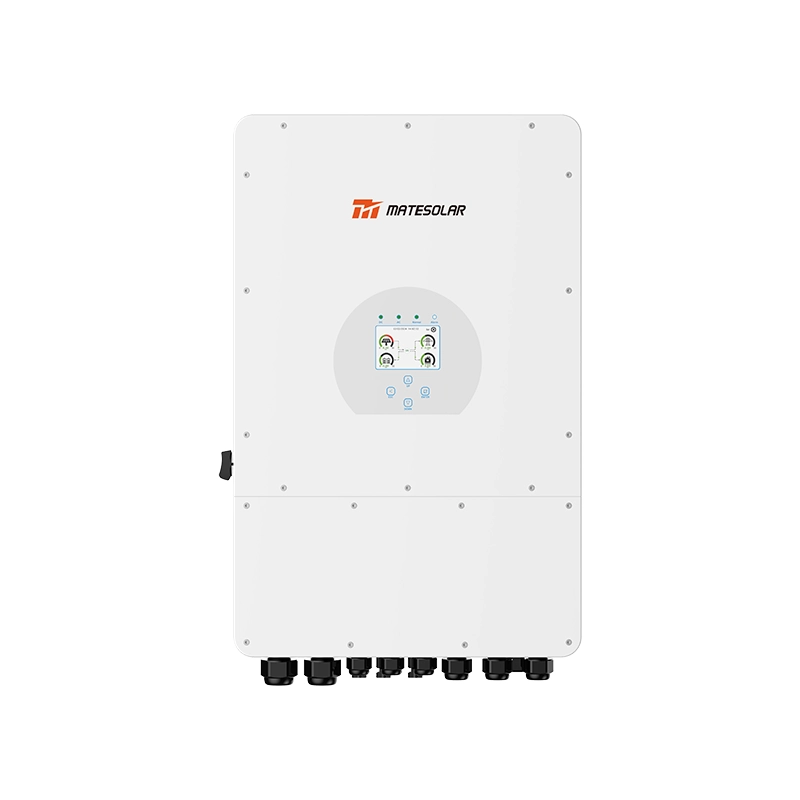
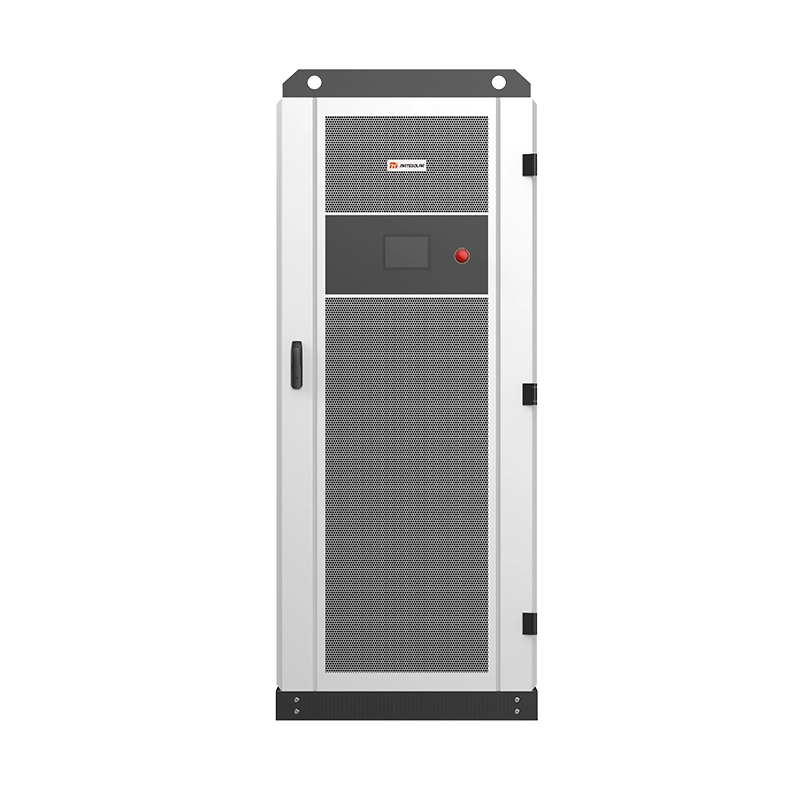
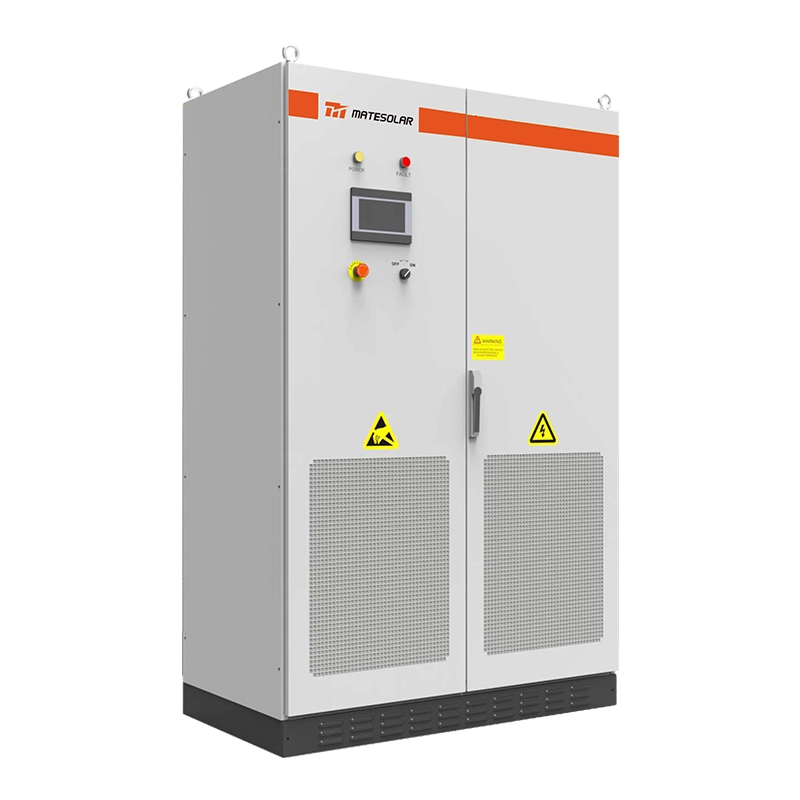
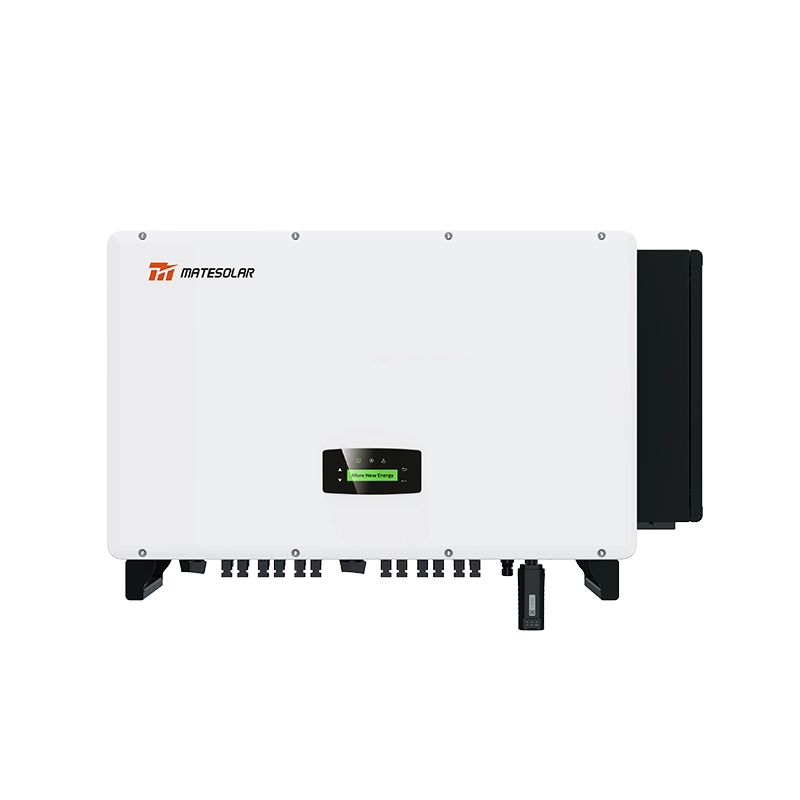
Для компаній, які прагнуть вийти на цей ринок, вибір правильного технологічного партнера має першорядне значення. Партнер повинен пропонувати не просто обладнання, а глибоке розуміння складної взаємодії між політикою, фінансами та інженерією. Щоб знайти комплексні рішення від комерційних гібридних систем до контейнерних сховищ для комунальних підприємств, відвідайте наші сторінки, присвячені окремим системам: [Рішення для сонячних та акумуляторних систем] і, зокрема, наш [Комерційна гібридна сонячна система потужністю 150 кВт]
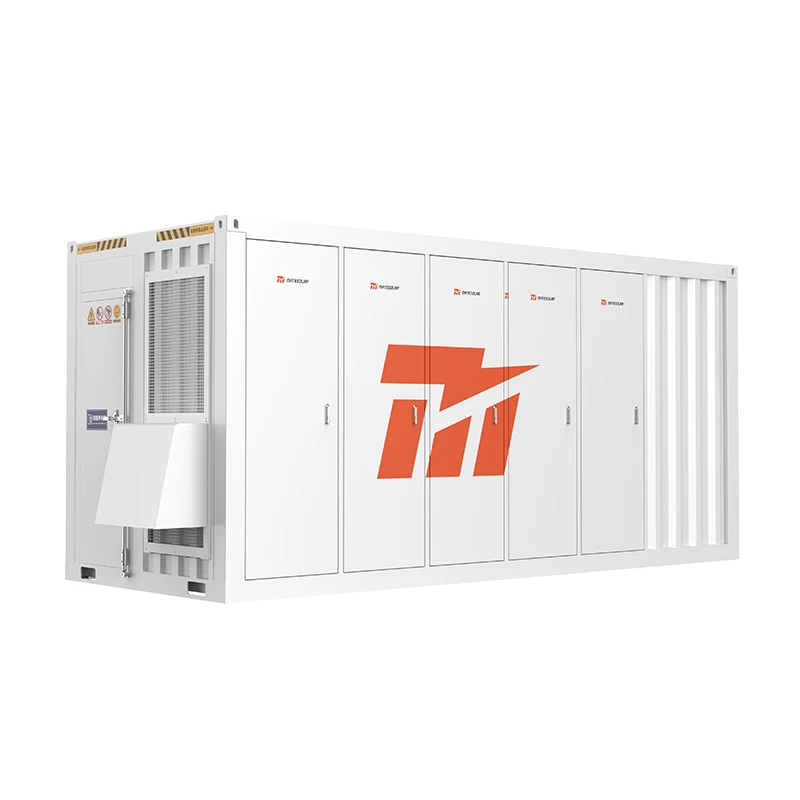
для промислових застосувань на місці, або наші масштабовані [...40-футовий контейнер ESS з повітряним охолодженням (1 МВт-год-2 МВт-год)]
для великомасштабного видобутку корисних копалин та підтримки електромереж.
Частина 4: Поширені запитання (FAQ)
З1: На яку найважливішу зміну в політиці слід очікувати у 2026 році?
В: Доопрацьовані поправки до Декрет верховної ради DS 125, які очікуються до вересня 2025 року, є найбільш важливими. Вони будуть диктувати в реальному часі диспетчерські протоколи та економічні сигнали для систем зберігання, безпосередньо впливаючи на їх операційну прибутковість і роль в енергосистемі.
Q2: Чи може автономна BESS (не в парі з сонячною електростанцією) бути прибутковою в Чилі?
В: Так, абсолютно. Закон 21,505 (2022) та постанова DS 70 (2023) були розроблені спеціально для того, щоб зробити це можливим. Автономні BESS можуть отримувати дохід, надаючи потужність (плата за гарантовану доступність) та енергію на оптовий ринок, а також надаючи допоміжні послуги. Проект "Оазис Атакама" компанії Grenergy, масштабна ініціатива з автономного зберігання, є яскравим прикладом того, як ця модель рухається вперед.
З3: Як гірничодобувні компанії, такі як Codelco, структурують свої контракти на електроенергію зі сховищами?
В: Вони підписують довгострокові (наприклад, 15-річні) угоди про купівлю-продаж електроенергії (PPA) з девелоперами, які будують гібридні сонячні або вітрові електростанції з накопичувачами.. Контракт передбачає постачання стабільного, майже цілодобового блоку чистої електроенергії, причому компонент зберігання забезпечує постачання протягом ночі та в періоди низької генерації з відновлюваних джерел. Проект Monte Águila зі сховищем на 960 МВт-год є прямим результатом такого контракту з Codelco.
З4: Які ключові виклики стоять перед іноземними інвесторами та постачальниками на ринку зберігання в Чилі?
В: Незважаючи на те, що рамки просунуті, проблеми залишаються: орієнтуватися в остаточному впровадженні нових правил, забезпечувати довгострокові угоди про відбір, управляти логістикою ланцюга поставок для віддалених місць і конкурувати на ринку, що приваблює великих світових гравців. Успіх вимагає партнерства на місцевому рівні, регуляторної експертизи та гнучких, надійних технологій, пристосованих до суворих умов.
Q5: Чи існує державна підтримка або спрощений дозвільний процес для проєктів, які сприяють декарбонізації гірничодобувної галузі?
В: Так. Уряд сигналізував про зосередженість на прискоренні стратегічних інвестицій у декарбонізацію. Міністр фінансів згадав про новий законопроект про оцінку для прискорення реалізації проектів вартістю понад 1 трлн 4 трлн 75 млн грн у таких ключових секторах, як видобуток корисних копалин та відновлювані джерела енергії.. Крім того, нещодавні реформи системи оцінки впливу на навколишнє середовище звільняють лінії електропередач довжиною до 2 км від повної перевірки, що пришвидшує підключення до мережі для розподілених проєктів.
Висновок: Скористатися можливістю 2026 року
Перспективи розвитку систем зберігання енергії в Чилі ще ніколи не були такими чіткими та багатообіцяючими. Заплановані на 2026 рік регуляторні зміни зміцнять економічне обґрунтування, а ненаситний попит гірничодобувної галузі на екологічно чисту та надійну енергію забезпечить гарантований ринок збуту. Для інвесторів, розробників і постачальників технологій настав час стратегічного позиціонування. Успіху досягнуть ті компанії, які поєднають технічну експертизу з регуляторною проникливістю, пропонуючи не просто мегават-години, а комплексні рішення, що вирішують основні енергетичні виклики промислового та економічного майбутнього Чилі.
Про MateSolar
Як провідний універсальний постачальник рішень для фотоелектричних систем та систем зберігання енергії, MateSolar знаходиться в авангарді цього переходу. Ми надаємо компаніям і розробникам проектів надійні, інтелектуальні рішення для зберігання - від комерційних гібридних систем до багатомегаватних контейнерних ESS, розроблених для максимізації рентабельності інвестицій на динамічному ринку Чилі. Співпрацюйте з нами, щоб перетворити знання регуляторних норм та технологічні інновації на вашу конкурентну перевагу.