












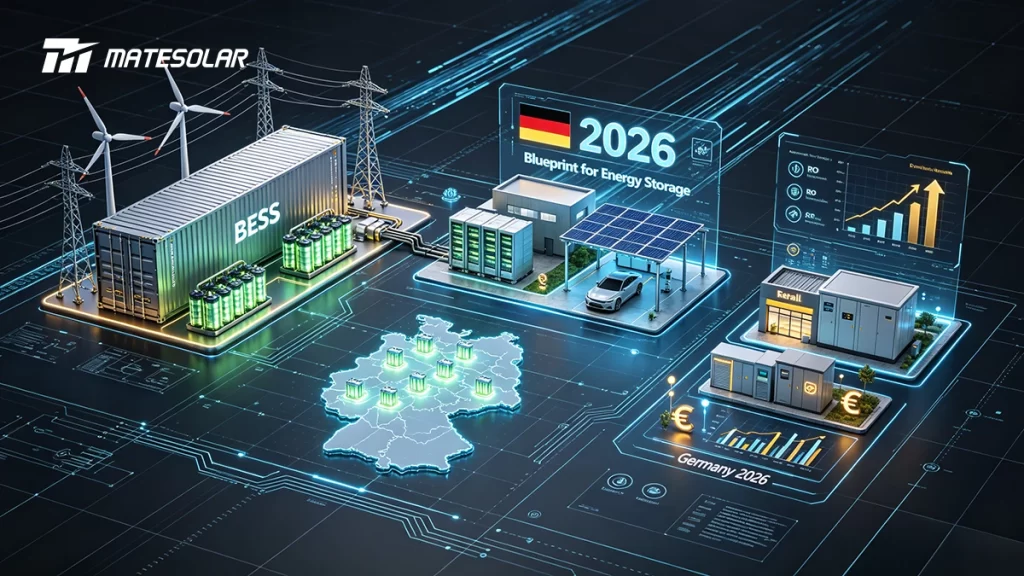
Станом на квітень 2026 року, ландшафт німецької енергетичної галузі зберігання накопичив історичний показник. Вперше за сім років системи зберігання енергії на акумуляторах (BESS) промислового масштабу перевищили показники зберігання на підприємствах у квартальних доданих потужностях. Це структурна зміна, яка переглядає, де накопичуються капітал, політика та технології. Загальна встановлена потужність акумуляторів у Німеччині тепер становить 17,9 ГВт / 27,2 ГВт*год, і ринок більше не про те, чи впроваджувати зберігання, а про те, як його вигідно впроваджувати в умовах швидкозмінного регуляторного та дохідного середовища..
Ця стаття слугує незалежним, підкріпленим даними планом для розробників проєктів, незалежних виробників електроенергії (IPPs), промислових підприємств, комерційних компаній та фінансистів, що орієнтуються на німецькому ринку зберігання енергії 2026 року. Вона розглядає чотири найважливіші рішення — доступ до мережі, диверсифікація доходів, використання переваг політики та можливість фінансування — з використанням пропрієтарного аналізу, порівняльних таблиць та практичних висновків. Незалежно від того, чи будуєте ви мережевий об'єкт потужністю 100 МВт, чи розгортаєте зовнішній шафу для готелю в Баварії, цей посібник надає необхідну стратегічну основу.
Зміст
1. Панорама ринку 2026: Велика структурна зміна
2. Тема 1: Для EPC, розробників проектів та IPP — Вирішення проблем перевантаження мережі та перехід до доходів за умовами FCA
3. Тема 2: Для промислових та великих комерційних підприємств — Арбітраж, відповідність субсидіям та безпека постачання
4. Тема 3: Для малого комерційного та промислового сектору, роздрібної торгівлі, сфери гостинності та фермерських господарств — Швидке розгортання з вуличними шафами
5. Тема 4: Для всіх інвесторів у зберігання енергії – Банківська привабливість, довгострокова експлуатація та технічне обслуговування та регуляторна гнучкість
6. Технічний додаток та Часті запитання
7. Кінцевий прогноз
1. Панорама ринку 2026: Велика структурна зміна
1.1 Числа, що визначають нову еру
Ринок акумуляторних систем зберігання енергії в Німеччині вступив у нову вирішальну фазу. Згідно з даними MaStR, сумарна встановлена потужність на кінець березня 2026 року сягнула 17,9 ГВт / 27,2 ГВт·год. Лише у першому кварталі 2026 року було встановлено 1,1 ГВт / 1,97 ГВт·год нових потужностей — це на 6,31 TP3T більше за потужністю та на 231 TP3T більше за енергетичною ємністю порівняно з аналогічним періодом минулого року. Але справжня історія полягає не в загальних цифрах, а в їхньому складі.
У першому кварталі 2026 року потужність промислових систем акумулювання енергії (BESS) (великі системи накопичення) збільшилася на 472 МВт / 1 016 МВт·год, що становить вражаючий річний приріст потужності на 72,51 TP3T та енергоємності на 116,21 TP3T. Уперше з 2019 року у першому кварталі 2026 року приріст потужностей великих систем накопичення перевищив приріст потужностей побутових систем — це знакова подія, яка свідчить про перехід німецького ринку від розподіленої моделі, орієнтованої на власне споживання, до централізованої парадигми, орієнтованої на обслуговування енергосистеми..
Ринок зберігання енергії для житлових об’єктів, який домінував на ринку майже десятиліття, зазнав значного спаду. У першому кварталі 2026 року обсяги нових проектів у житловому секторі скоротилися на 19,91 TP3T за потужністю та на 17,81 TP3T за енергетичною ємністю порівняно з аналогічним періодом минулого року, що свідчить про насичення ринку в сегментах перших користувачів та нормалізацію ситуації після років експоненціального зростання.
У першому кварталі 2026 року обсяг комерційних та промислових (C&I) систем накопичення енергії зріс на 57 МВт / 108 МВт·год — це все ще скромні показники в абсолютних величинах, але вони свідчать про стійке зростання у сегменті систем більшої потужності. Обсяги систем у діапазоні 30–100 кВт·год зросли на 28% у порівнянні з аналогічним періодом минулого року, тоді як системи потужністю 100–1 000 кВт·год зросли на 64%, що свідчить про те, що комерційні споживачі середнього розміру дедалі більше усвідомлюють переваги систем накопичення енергії, підключених безпосередньо до лічильника.
1.2 Реалії трубопроводу: 720 ГВт запитів проти 2,5 ГВт підключено
Найкритичнішим обмеженням з боку пропозиції на німецькому ринку зберігання енергії є не наявність акумуляторів чи капіталу, а доступ до мережі. Німецькі оператори мереж отримали запити на підключення загальною потужністю приблизно 720 ГВт акумуляторних накопичувачів, що вдев'ятеро перевищує пікове навантаження країни за рік.. Порівняно з цією вражаючою цифрою, до кінця 2025 року було фактично підключено лише близько 2,5 ГВт систем зберігання енергії масштабу комунальних підприємств.. Розрив між амбіціями трубопроводів та реальностями фізичної мережі став найбільшим ризиком для економіки проекту.
1.3 Політичні сприятливі вітри: від реформи будівельних норм до ринку потужності
Три основні політичні зміни наприкінці 2025 та на початку 2026 року докорінно змінили інвестиційний ландшафт:
Будівельні привілеї (Зміни до BauGB): З 23 грудня 2025 року Федеральний будiвельний кодекс класифікує системи накопичення енергії потужністю 1 МВт·год і вище як “привілейовані проєкти” на відкритих територіях згідно з §35 BauGB, за умови, що вони підтримують просторово-функціональний зв'язок з існуючими об'єктами відновлюваної енергетики або розташовані в межах 200 метрів від підстанції.. Ця реформа скорочує терміни затвердження на 12–18 місяців та усуває значну частину правової невизначеності, яка раніше перешкоджала розробці проєктів зберігання енергії у сільських районах “Außenbereich”.
Підтвердження ринку потужності: На початку 2026 року Німеччина офіційно підтвердила запровадження механізму ринку потужності. Очікується, що з 2031 року системи зберігання отримуватимуть додаткову винагороду за потужність у розмірі 10 000–15 000 євро за МВт на рік, хоча точна комерційна вигода залежатиме від методології зниження потужності (de-rating), яка ще перебуває на стадії розробки.
Закупівля інерції "Інерція": Німецькі оператори системи передачі (OSП) розпочали ринкову закупівлю послуг з інерції з 22 січня 2026 року. Вперше накопичувачі енергії на базі акумуляторів (BESS), оснащені інверторами з функцією формування сітки, можуть монетизувати інерцію як додаткове джерело доходу, із фіксованими довгостроковими цінами від 805 до 888,5 євро за МВт·с на рік для преміум-продуктів..
1.4 Еволюція стеків доходів: від допоміжних послуг до арбітражу
Структура доходів німецьких систем BESS зазнає кардинальних змін. У 2025 році в літні місяці на допоміжні послуги припадало 57% від загальних доходів від накопичення енергії, що стало “опорою” грошових потоків проектів. Однак, з ринком допоміжних послуг (FCR та aFRR), який наразі становить приблизно 4 ГВт, та значними новими потужностями акумуляторів, що перебувають на стадії активної розробки, очікується, що цей ринок буде насичений протягом наступних 2–3 років, що призведе до зниження цін та прибутків.
За прогнозами, до 2030 року на оптовий арбітраж припадатиме приблизно 95% доходів від систем акумулювання енергії (BESS), які стабілізуються на рівні близько 125 000 євро за МВт на рік. Для 2-годинної системи очікується, що доходи знизяться з 240 000 євро/МВт/рік у найближчій перспективі до 115 000 євро/МВт/рік до 2030 року, оскільки допоміжні ринки наситяться, а оптова торгівля стане домінуючим чинником..
Таблиця 1: Ринок BESS Німеччини в огляді (1 квартал 2026 року)
| Сегмент | 1 квартал 2026 Нова потужність (МВт) | 1 квартал 2026 Нова енергія (МВт·год) | Зміна рік до року (Потужність) | Річна зміна (енергія) | Частка ринку (Енергетика) |
| Масштабного (Великого) | 472 | 1,016 | +72.5% | +116.2% | 51.6% |
| Житловий | 569 | 850 | –19.9% | –17.8% | 43.1% |
| C&I (Комерційні) | 57 | 108 | +6.3% | +12.5% | 5.5% |
| Всього | 1,098 | 1,974 | +6.3% | +23.0% | 100% |
*Джерело даних: MaStR / ESCN, квітень 2026*
2. Тема 1: Для EPC, розробників проектів та IPP — Вирішення проблем перевантаження мережі та перехід до доходів за умовами FCA
2.1 Дилема FCA: швидше з'єднання за яку ціну?
Гнучкі угоди про підключення (FCA) стали домінуючим механізмом для забезпечення доступу до мережі в завантажених районах. Приймаючи контрольований — або “нефіксований” — доступ до мережі передачі чи розподілу, проєкти BESS можуть підключатися швидше і з меншими початковими витратами, оминаючи багаторічні затримки, які інакше зробили б багато проєктів економічно невигідними..
Однак режими FCA мають свої компроміси. Найбільш жорсткі режими FCA одночасно встановлюють обмеження на потужність, швидкість нарощування потужності та участь у наземних послугах. Згідно з аналізом компанії Modo Energy, найсуворіші режими FCA можуть знизити внутрішню норму прибутковості (IRR) проекту на 5 процентних пунктів та зменшити дохід за весь життєвий цикл на 20%.
Конкретні обмеження значно різняться залежно від оператора енергосистеми. Обмеження швидкості зміни потужності зазвичай знаходяться в діапазоні 20–60% встановленої потужності на хвилину, хоча деякі оператори розподільчих мереж, такі як Mitnetz, встановлюють обмеження швидкості зміни потужності на рівні всього 6%, що суттєво обмежує здатність акумуляторної батареї реагувати на короткочасні внутрішньоденні стрибки цін. Ємнісні межі можуть бути асиметричними (різні ліміти імпорту та експорту), що спонукає роботу активів до специфічних шаблонів зарядки або розрядки та зменшує арбітражну цінність.
2.2 Зменшення впливу FCA за допомогою інтелектуальних торгових стратегій
Фінансовий вплив FCA не є заздалегідь визначеним. Розширені системи управління енергією (EMS) з можливостями крос-ринкової оптимізації можуть суттєво зменшити втрати доходу. Ключ полягає в тому, щоб розпізнати, що різні обмеження мають різні комерційні наслідки:
- Обмеження (статичне або динамічне) є найбільш керованим обмеженням у поєднанні з точним прогнозуванням обсягів виробництва енергії з відновлюваних джерел. Акумулятори заряджаються переважно під час пікових значень виробництва енергії з відновлюваних джерел, а обмеження виробництва обмежує експорт лише в ці періоди. Завдяки оптимізованому плануванню вплив на річні доходи можна обмежити до 5–8%.
- Обмеження допоміжних послуг несуть найсерйозніші доходи, оскільки вони безпосередньо усувають доступ до стабільних доходів від FCR та aFRR. Проєкти, які стикаються з такими обмеженнями, повинні агресивно переорієнтуватися на оптову арбітражну торгівлю та, де це можливо, на послуги інерції.
- Обмеження швидкості наростання непропорційно впливають на короткострокові арбітражні стратегії. Для акумулятора зі швидкістю наростання напруги 6% фіксація 15-хвилинного стрибка ціни стає фактично неможливою. Однак цикли заряджання/розряджання тривалістю понад 4 години набагато менш чутливі до обмежень швидкості наростання напруги, що робить їх кращим варіантом для підключень із суворими обмеженнями.
Найбільш досвідчені розробники проектів зараз ведуть переговори щодо FCA як індивідуальних інструментів, а не приймають стандартні умови. Двостороння природа FCA означає, що конструктивний діалог, підтриманий надійними оптимізаторами з реальним досвідом роботи з обмеженими активами, може призвести до суттєво кращих умов.. Раннє залучення досвідченого партнера з торгівлі енергоресурсами до процесу переговорів щодо FCA наразі вважається найкращою практикою для збереження життєздатності проекту.
2.3 Підготовка до переходу до доходів 2030 року
Неминуче насичення ринків допоміжних послуг є найбільшим довгостроковим ризиком для доходів німецьких систем зберігання енергії (BESS). Система потужністю 2 години, яка буде запущена в експлуатацію у 2026 році, може очікувати найближчих доходів приблизно €240 000/МВт/рік, але до 2030 року ця цифра, як очікується, зменшиться вдвічі, оскільки оптова арбітражна торгівля стане домінуючим джерелом доходу, стабілізувавшись на рівні близько €115 000–125 000/МВт/рік..
Перевага 4 годин
Найбільш переконливим рішенням у зв’язку з цією зміною структури доходів є подовження терміну експлуатації акумуляторних батарей. 4-годинна система BESS, яка розпочне комерційну експлуатацію у 2026 році, забезпечує внутрішню норму прибутковості (IRR) без урахування фінансового важеля на рівні 13,71 TP3T згідно з основними припущеннями Modo Energy, перевершуючи показник 12,21 TP3T для 2-годинної системи, незважаючи на на 341 TP3T вищі капітальні витрати (935 000 євро/МВт проти 700 000 євро/МВт).
Довший термін служби надає дві чіткі переваги:
1. Захоплення повного щоденного розвороту З поглибленням проникнення відновлюваних джерел енергії, розрив між денними мінімумами, спричиненими сонячною енергією, та вечірніми піками збільшується. 4-годинна система може заряджатися під час періодів найнижчих негативних цін і розряджатися протягом усього вечірнього піку, отримуючи вигоду, яку 2-годинні системи упускають.
2. Знижена чутливість до стиснення допоміжного ринку Системи з довшим терміном експлуатації спочатку отримують меншу частку доходу від допоміжних послуг, що робить їх менш уразливими до зниження цін на ринках FCR (резерву частотної регуляції) та aFRR (автоматичного резерву частотної регуляції).
Таблиця 2: Фінансове порівняння систем зберігання енергії (BESS) на 2 години проти 4 годин (Введення в експлуатацію 2026 року)
| Метрика | 2-годинна система | 4‑годинна система | Диференціал |
| Кап. витрати (€/МВт) | €700,000 | €935,000 | +34% |
| Необтяжений IRR (2026 введення в експлуатацію) | 12.2% | 13.7% | +150 б.п. |
| Доходи в найближчій перспективі (млн євро/МВт) | €240,000 | Вище 2 годин | / |
| 2030 Стабілізований дохід (€/МВт) | €115 000–125 000 | Вище 2 годин | / |
| Чутливість FCA | Високий | Помірний | Переваги 4-годинні |
Джерело даних: Modo Energy German BESS Investment Outlook Q2 2026
2.4 Нагальна потреба у 15-хвилинному врегулюванні
Німеччина повністю перейшла на 15-хвилинні ринкові часові одиниці (MTU) для внутрішньоденної торгівлі, замінивши попередню структуру погодинного розрахунку. Ця зміна, яка набере чинності з вересня 2025 року, має глибокі наслідки для оптимізації систем акумулювання енергії (BESS). 15-хвилинний розрахунок створює більш детальні цінові сигнали, що дозволяє акумуляторним системам використовувати можливості арбітражу, яких просто не існувало за годинного режиму. Аналіз показує, що 15-хвилинний арбітраж може принести на 16% вищу прибутковість, ніж годинний арбітраж на німецькому ринку.
Для розробників проєктів висновок очевидний: можливості EMS більше не є диференціатором — вони є базовою вимогою. EMS, яка не може працювати протягом 96 п'ятнадцятихвилинних розрахункових інтервалів на день, інтегрувати прогнозування цін у реальному часі та автоматично розміщувати заявки на ринках добових, внутрішньоденних та допоміжних послуг, залишить значні доходи на столі. Найсучасніші платформи тепер використовують машинне навчання для прогнозування цін, автоматизованого управління обмеженнями FCA та оптимізації в реальному часі за багатьма потоками створення вартості.
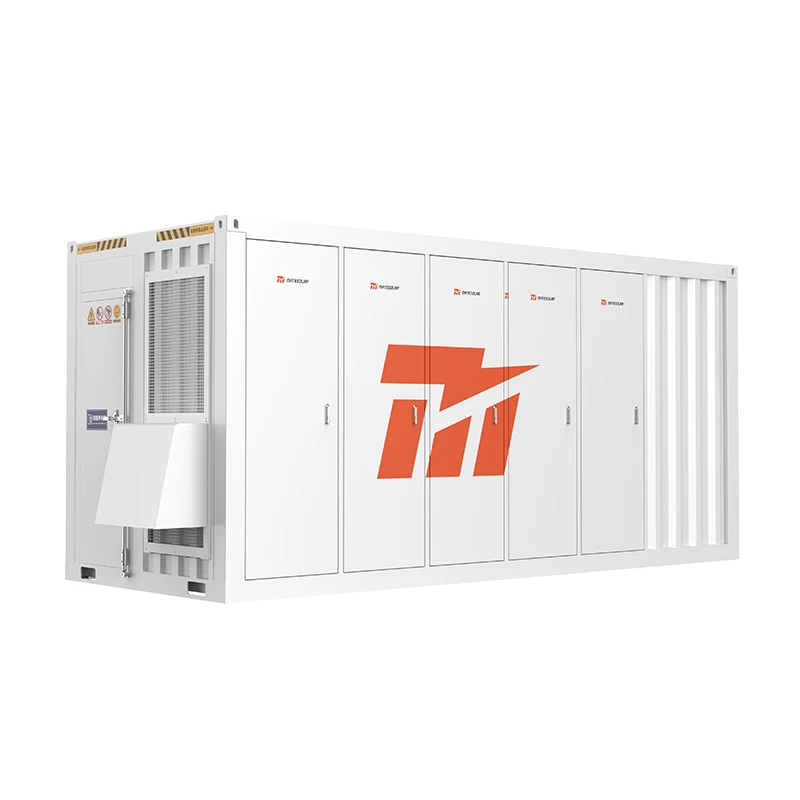
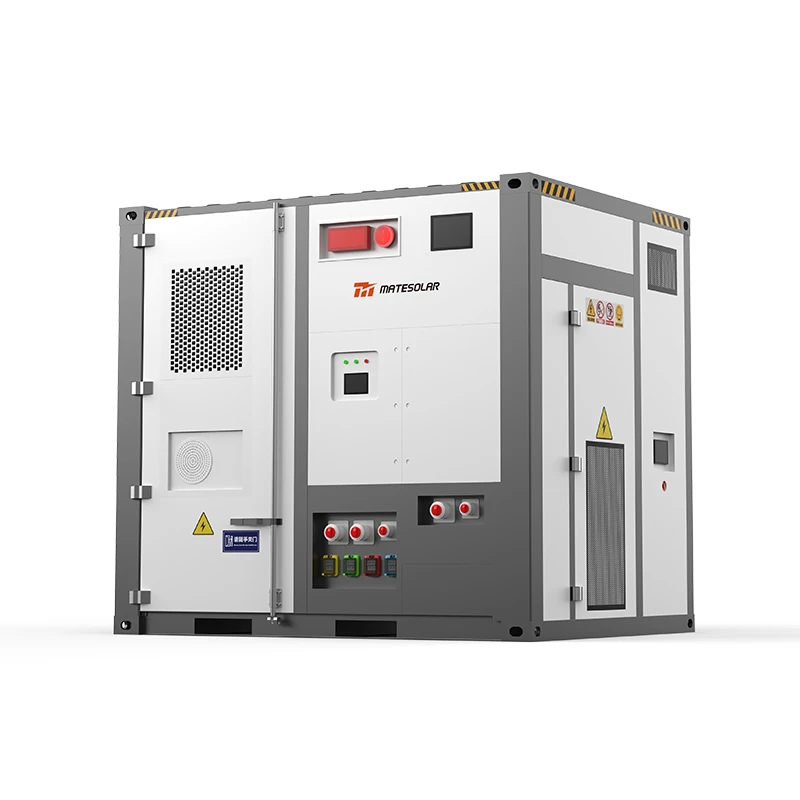
Для розробників, які шукають рішення BESS, розроблене для максимізації прибутків з урахуванням змінної структури ринку Німеччини, MateSolar пропонує широкий портфель. Для великомасштабних комунальних проектів, що потребують високої щільності енергії та швидкого розгортання, наша 40-футовий 1 МВт·год / 2 МВт·год контейнер з повітряним охолодженням для системи зберігання енергії забезпечує перевірену, надійну платформу. Для проєктів, що вимагають чудового термокерування та тривалого терміну служби в компактному форм-факторі, 20-футовий контейнерний накопичувач енергії з рідким охолодженням 3 МВт-год / 5 МВт-год представляє собою найсучасніший дизайн контейнерних систем накопичення енергії (BESS).
3. Тема 2: Для промислових та великих комерційних підприємств — Арбітраж, відповідність субсидіям та безпека постачання
3.1 Виклик щодо цін на промислову електроенергію
Ціни на електроенергію для промислових споживачів у Німеччині залишаються одними з найвищих у Європі, незважаючи на нещодавнє зниження. Станом на січень 2026 року середня ціна на електроенергію для промислових споживачів, без урахування спеціальних знижок, становила 14,49 євроцентів за кВт·год — це на 12,9% менше, ніж у грудні 2025 року, що зумовлено насамперед зниженням мережевих зборів. З урахуванням галузевих знижок ціна впала до 8,96 євроцентів за кВт·год.
Однак ці загальні цифри приховують значні коливання. Для промислових споживачів, які не мають права на знижки, фактичні ціни можуть перевищувати 20 євроцентів за кВт·год з урахуванням усіх зборів, надбавок та мережевих платежів. Що ще важливіше, волатильність оптових цін різко зросла. У 2025 році в Німеччині було зафіксовано 573 години з від’ємними цінами на електроенергію, що на 25% більше, ніж у попередньому році. Найекстремальніша подія сталася в червні 2025 року, коли негативне ціноутворення тривало 141 годину поспіль — рекорд для цього місяця..
3.2 Динамічний арбітраж: використання волатильності для отримання прибутку
Для промислових та великих комерційних підприємств зі значним споживанням електроенергії, поєднання високих середніх цін та екстремальної внутрішньоденної волатильності створює переконливий аргумент на користь накопичувачів поза лічильником. Основна ціннісна пропозиція проста: заряджатися в періоди негативних або низьких цін (часто опівдні, коли сонячна генерація досягає піку), розряджатися в періоди високих цін (зазвичай вечірні піки) і отримувати різницю.
Однак для прибуткової реалізації цієї стратегії потрібна не тільки батарея. Вона потребує системи керування енергією (EMS), яка може:
- Автоматично реагувати на сигнали цін у реальному часі, включаючи результати добових аукціонів та безперервні ціни протягом дня
- Оптимізувати рішення про заряд/розряд за 96 п'ятнадцятихвилинних інтервалів на день
- Інтегрувати з наземною сонячною фотоелектричною системою для максимального самоспоживання та мінімізації імпорту з мережі
- Керування деградацією акумулятора для балансування короткострокового отримання доходу з довгостроковим терміном служби активів
Режим 15-хвилинного розрахунку був особливо корисним для операторів промислових сховищ. Деталізація цінових сигналів дозволяє акумуляторам використовувати малі, але часті арбітражні можливості, які раніше були непомітними при погодинному розрахунку. Для промислових підприємств зі щорічним споживанням понад 100 МВт·год 15-хвилинний інтервальний запис вже є стандартом, а додавання акумуляторних сховищ створює безперешкодний шлях до оптимізованого управління енергією.
3.3 Використання державних субсидій: програми ISP та KfW
Німецькі промислові підприємства мають доступ до двох основних програм субсидування, які можуть суттєво покращити економіку проєктів зі зберігання:
Субсидія на ціну промислової електроенергії (СПЦПЕ) : Федеральний уряд планує запровадити субсидовану державою ціну на промислову електроенергію на рівні приблизно 5 євроцентів за кВт·год для енергоємних підприємств, що відповідають вимогам щодо енергоефективності та сталого розвитку, яка покриватиме до 50% річного споживання електроенергії. Важливо, що принаймні половина субсидії має бути спрямована на інвестиції в декарбонізацію, зокрема на акумуляторні системи накопичення енергії. Це створює потужний стимул: підприємства, які впроваджують системи накопичення енергії, можуть одночасно знизити свої фактичні витрати на електроенергію та виконати інвестиційні вимоги для отримання субсидії.
Субсидії KfW : В рамках таких програм, як KfW 270 (Відновлювані джерела енергії — Стандарт) та майбутніх ініціатив 2026 року, орієнтованих на системи накопичення енергії, Німецький банк розвитку пропонує низькопроцентні кредити та інвестиційні гранти, що покривають до 30% відповідних витрат на системи накопичення, з максимальним розміром гранту 6 600 євро на проект. Для великих комерційних установок кілька програм KfW можна поєднувати з заохочувальними заходами на рівні федеральних земель (такими як ‘Сонячний бонус на накопичення енергії“ у Баварії), щоб ще більше покращити економічну ефективність проєкту.
Практична підтримка реалізації
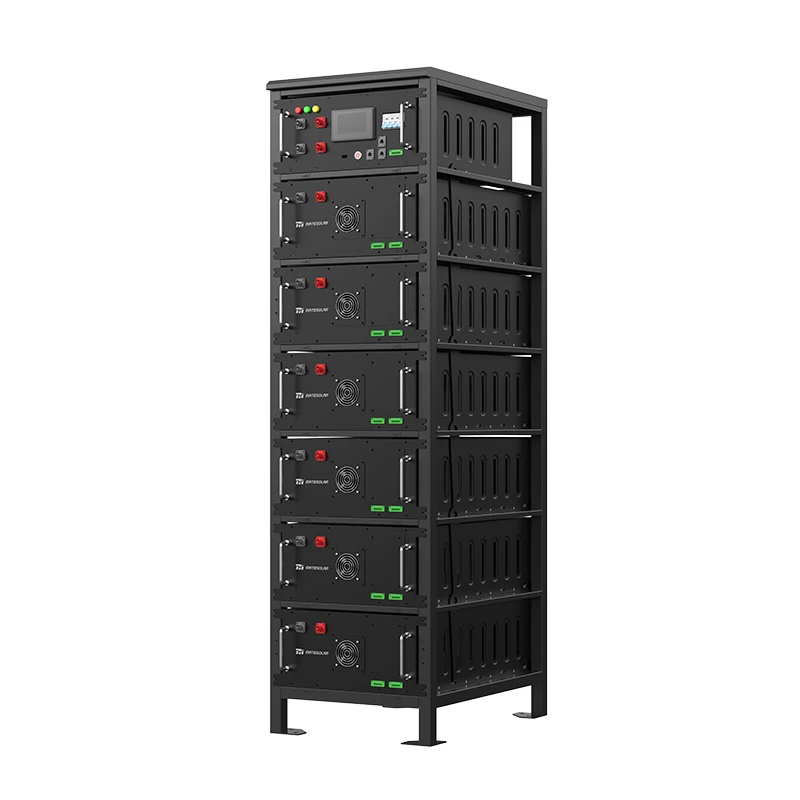
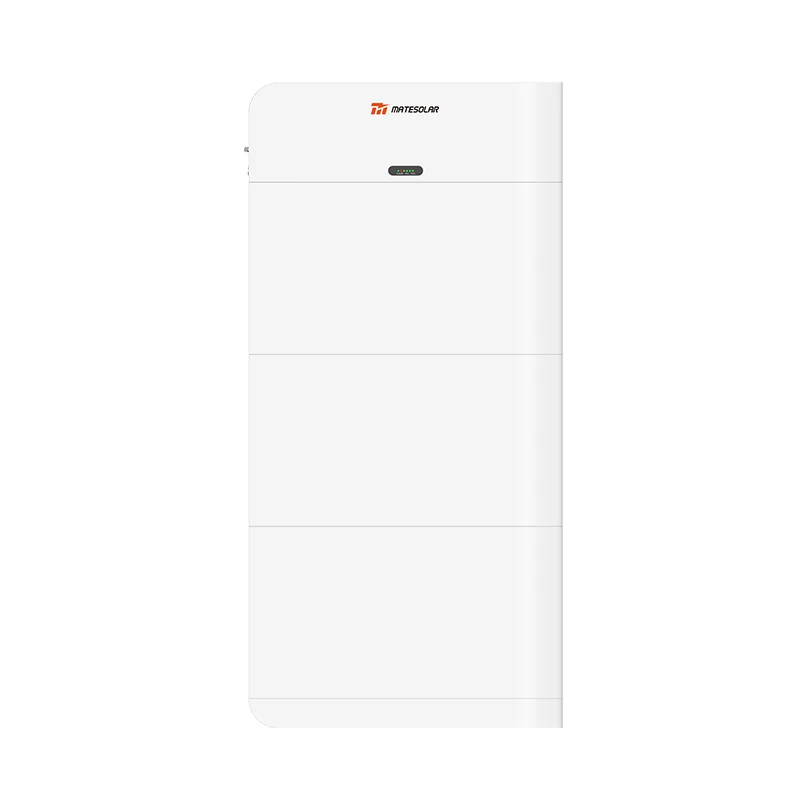
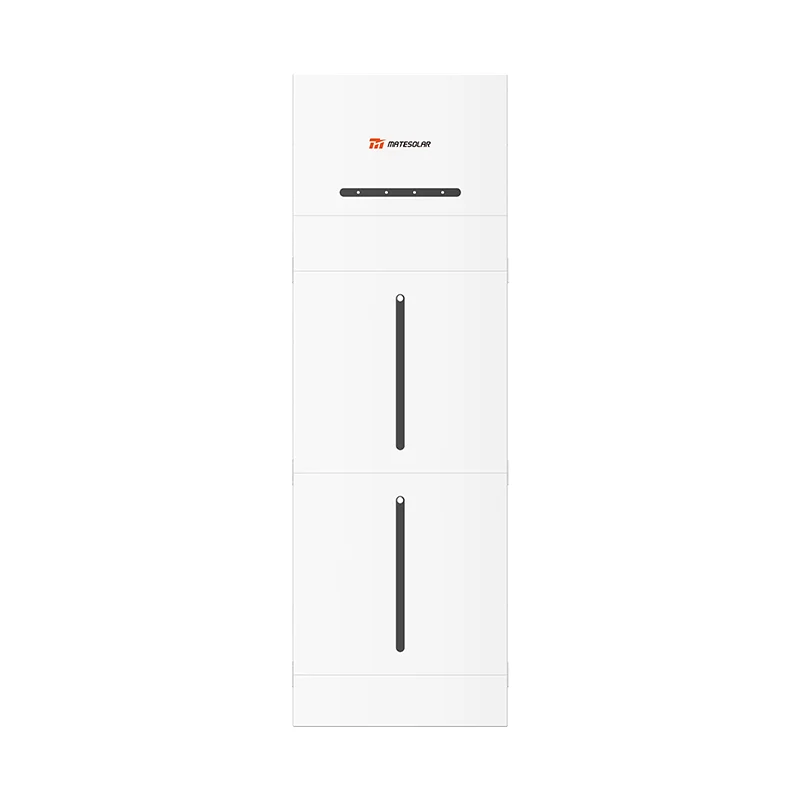
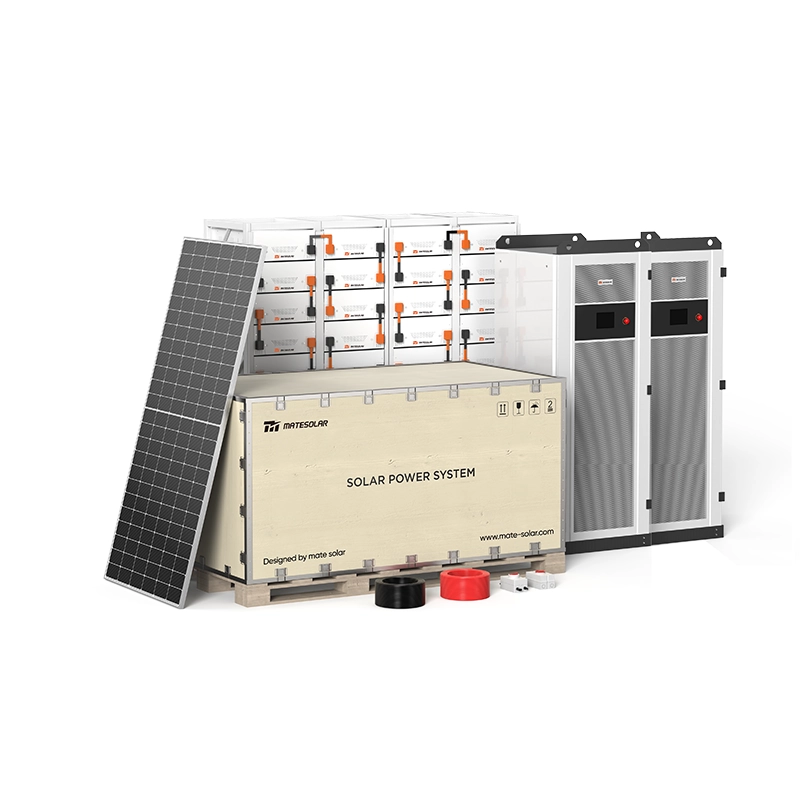
MateSolar надає комплексну підтримку для промислових клієнтів, які орієнтуються в цих субсидійних програмах. Від початкової оцінки права на участь та підготовки заявки до реалізації проєкту та звітності про відповідність після введення в експлуатацію, наша команда гарантує, що клієнти отримають повний пакет доступних стимулів. Для промислових підприємств, які шукають перевірене, масштабоване рішення, Комерційна гібридна сонячна система потужністю 500 кВт спеціально розроблена для великих комерційних та промислових застосувань, поєднуючи високоефективну PV генерацію з інтелектуальним акумуляторним зберіганням в інтегрованому пакеті.
3.4 Якість електроенергії та надійність постачання
Окрім арбітражу та отримання субсидій, промислові сховища забезпечують критично важливі переваги в плані якості електроенергії та надійності постачання, які стають все більш цінними в мережі Німеччини, де домінують відновлювані джерела енергії. З виходом з експлуатації традиційних теплових електростанцій та зниженням системної інерції зросла волатильність частоти мережі. Для промислових процесів, чутливих до перебоїв у якості електроенергії — таких як виробництво напівпровідників, точна обробка металу та робота центрів обробки даних — навіть короткочасні просідання напруги чи відхилення частоти можуть спричинити дорогі перебої у виробництві.
Акумуляторна система накопичення енергії (BESS) з функціями формування сітки може забезпечувати:
- Функціональність джерела безперебійного живлення (ДБЖ) Безшовний перехід до острівного режиму під час збоїв у мережі, що захищає критичні навантаження
- Компенсація реактивної потужності Підтримка напруги в точці спільного приєднання, покращення коефіцієнта потужності та зменшення штрафів від постачальника послуг
- Частотна характеристика Автоматичне введення або поглинання активної потужності для стабілізації частоти, з часом реакції в мілісекундах
Для промислових об'єктів, де вартість простою перевищує 10 000 євро на годину, лише переваги в якості електроенергії можуть виправдати інвестиції в зберігання енергії, тоді як арбітражні та субсидійні доходи забезпечують додатковий прибуток.
4. Тема 3: Для малого комерційного та промислового сектору, роздрібної торгівлі, сфери гостинності та фермерських господарств — Швидке розгортання з вуличними шафами
4.1 Вікно політики: статус “привілейованого проєкту” у BauGB
Липнева 2025 року поправка до Федерального будівельного кодексу є перетворюючою можливістю для малих та середніх комерційних підприємств. Класифікуючи системи зберігання енергії від акумуляторів як “привілейовані проєкти” на відкритих територіях, реформа усуває значну частину бюрократичної тяганини, яка раніше затримувала розгортання систем зберігання на місяці чи навіть роки..
Для автономних систем зберігання енергії від акумуляторів, які не підключені безпосередньо до існуючої установки з відновлюваних джерел енергії, привілейований статус застосовується до проєктів, розташованих на відстані до 200 метрів від межі власності підстанції або електростанції з номінальною потужністю не менше 50 МВт.. Це охоплює значну частину комерційних та промислових зон, зокрема тих, що знаходяться поблизу промислових підстанцій або об'єктів відновлюваної енергетики.
Практичний вплив: Терміни реалізації проєктів, які раніше вимагали 18–24 місяців для отримання дозволів та погоджень, тепер можуть бути скорочені до 6–9 місяців. Для малого бізнесу, готелів, ферм та роздрібних підприємств це вікно можливостей є обмеженим у часі для впровадження систем зберігання енергії, перш ніж конкурентний ландшафт стане насиченим.
4.2 Рішення для вуличних шаф: компактні, безпечні, сертифіковані
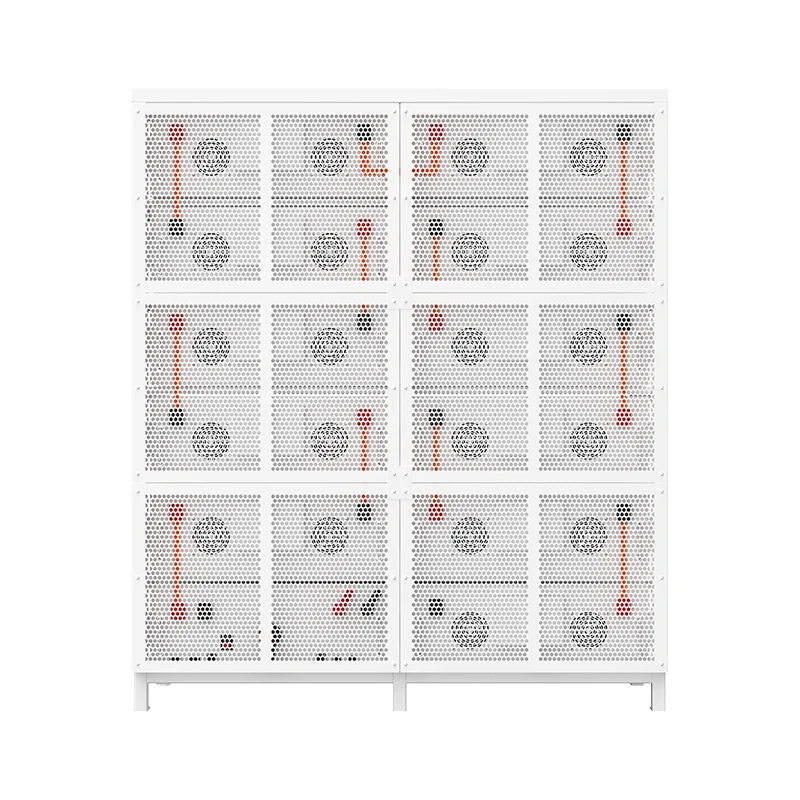
Для невеликих застосувань C&I системи зовнішніх шаф пропонують оптимальний баланс потужності, розміру та легкості встановлення. На відміну від контейнерних систем, призначених для проектів комунального масштабу, зовнішні шафи є:
- Компактний Типовий слід коливається від 2–5 кв. м на 100 кВт-год потужності, що дозволяє встановлення в комерційних приміщеннях з обмеженим простором
- Автономний Інтегроване терморегулювання (рідинне охолодження або примусове повітря), система пожежогасіння та системи керування зменшують вимоги до інтеграції на місці
- Масштабований Кілька шаф можна підключити паралельно, щоб задовольнити зростаючі енергетичні потреби
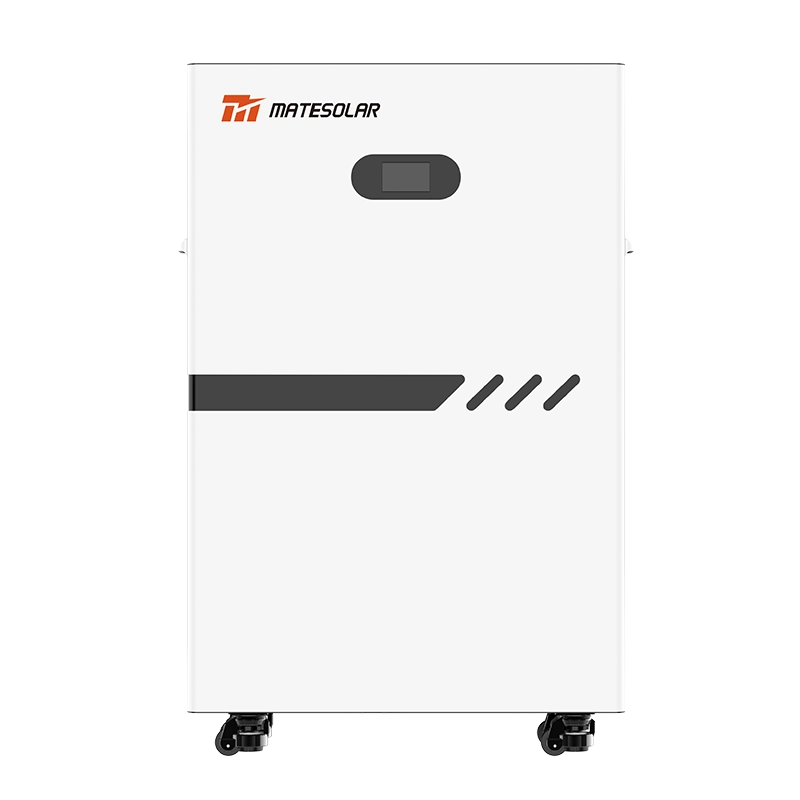
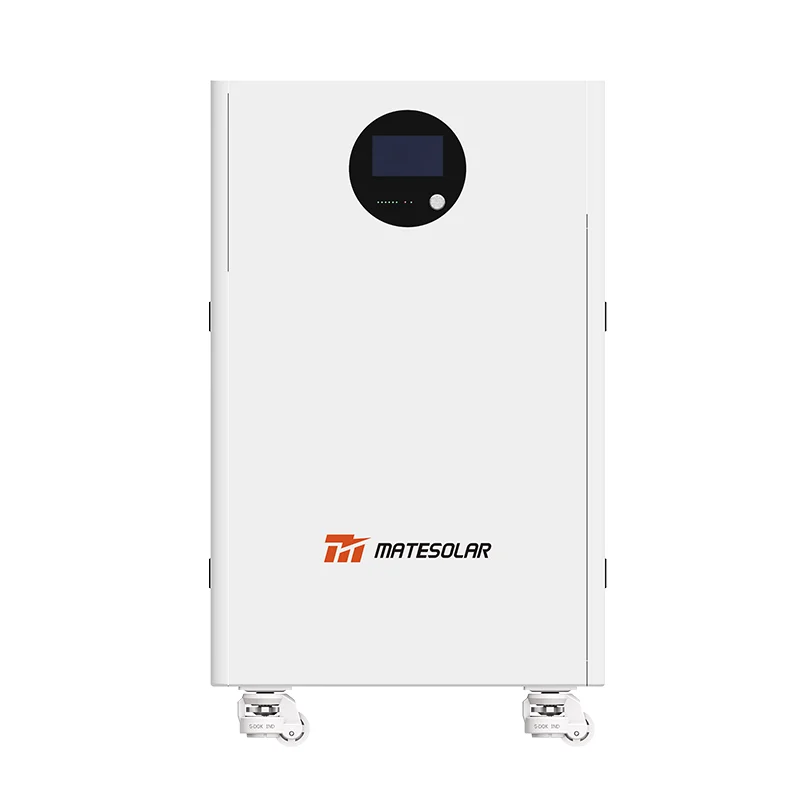
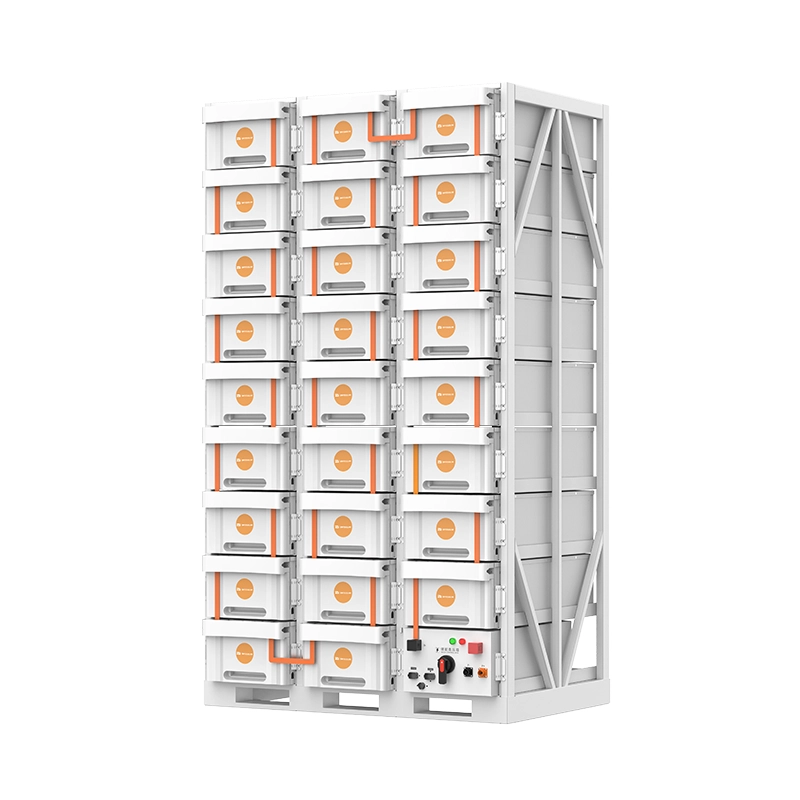
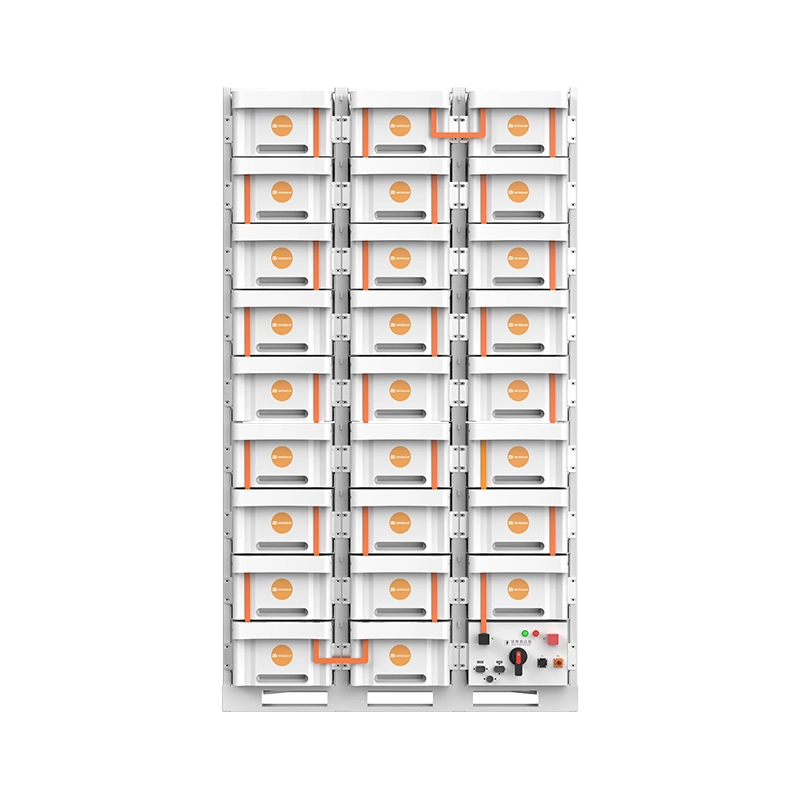
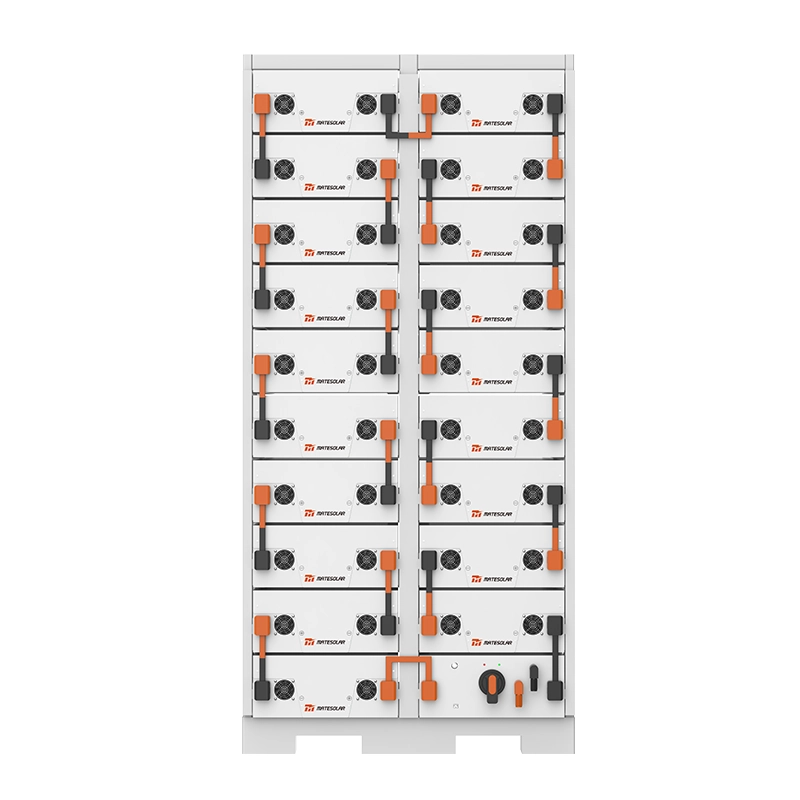
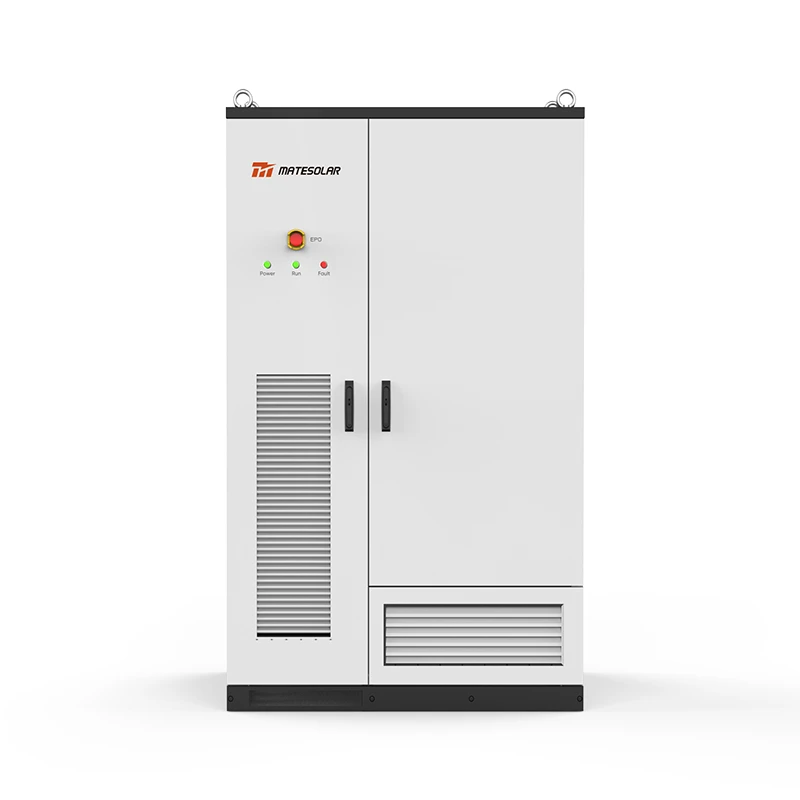
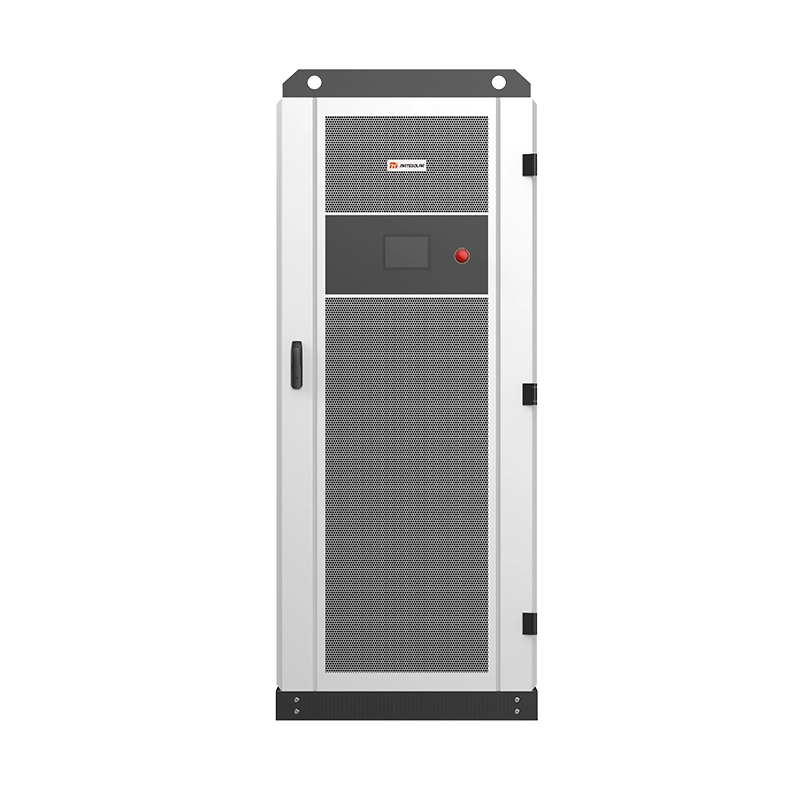
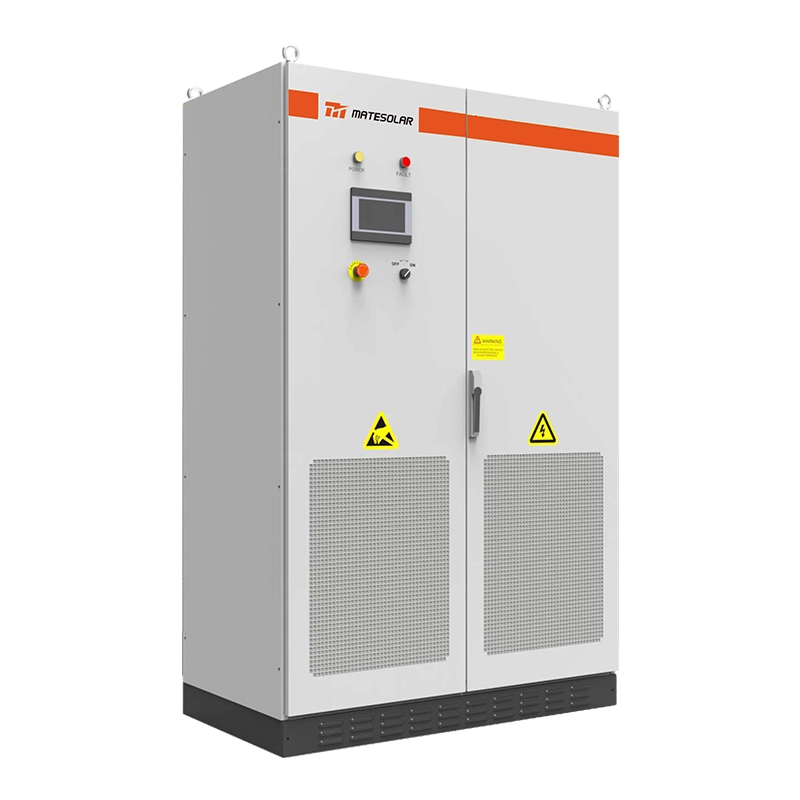
MateSolar 100 кВт / 232 кВт·год та 125 кВт / 261 кВт·год система зберігання енергії в зовнішній шафі з рідинним охолодженням спеціально розроблений для німецького ринку малих підприємств та комунальних підприємств. Основні характеристики включають:
- Рейтинг захисту IP54 як стандартно, з IP55, доступним для суворих умов експлуатації
- Відповідність стандартам CE, IEC 62933 та VDE, включаючи останні вимоги безпеки EN IEC 62933‑5‑2 для літій-іонних акумуляторних систем
- Інтегроване пожежогасіння (аерозольний або газоподібний) відповідний вимогам німецького будівельного кодексу для житлових приміщень
- Рідинне охолодження для виняткового тепловідведення, продовжуючи термін служби циклу до 8000+ циклів при температурі навколишнього середовища 25°C
- Конструкція зі змінним струмом для прямолінійного дооснащення існуючих сонячних установок
4.3 Оптимізація PV + зберігання для максимального самозабезпечення
Для малих комерційних підприємств з наявними або запланованими установками сонячних фотоелектричних систем на даху, економічна ощадність для зберігання залежить від максимізації власного споживання. Тарифи на подачу електроенергії згідно з німецьким законом про відновлювані джерела енергії (EEG) суттєво знизилися, і для багатьох малих підприємств експорт сонячної електроенергії в мережу приносить мінімальний дохід. Справжня цінність полягає у споживанні власногенерованої сонячної електроенергії за власним лічильником, уникаючи покупок з мережі за роздрібними тарифами, які зазвичай складають від 25 до 35 євро центів за кВт·год.
Інтелектуальна система управління енергією (EMS) може оптимізувати цю динаміку шляхом:
- Прогнозування генерації сонячних електростанцій на основі погодних даних та історичних закономірностей
- Прогнозування завантаження об'єкта за допомогою алгоритмів машинного навчання
- Планування зарядки акумулятора під час полуденних сонячних піків, навіть при низькому навантаженні
- Розряд накопиченої енергії у вечірні та ранкові години, коли сонячна генерація дорівнює нулю, а ціни в мережі високі
Для типового невеликого роздрібного підприємства або готелю з фотоелектричною установкою на даху потужністю 50 кВт та акумуляторною батареєю ємністю 100 кВт·год оптимізоване власне споживання може підвищити рівень використання сонячної енергії на об’єкті з 40–50% до 80–90%, що дозволить зменшити щорічні витрати на купівлю електроенергії з мережі на 8,000–12 000 євро за поточними роздрібними тарифами.
4.4 Використання привілейованого статусу: Практичний контрольний список
Щоб отримати повні переваги від привілейованого статусу BauGB, малі оператори C&I повинні:
1. Підтвердити придатність локації Перевірити, чи запропоноване місце встановлення знаходиться в межах 200 метрів від відповідної підстанції або об'єкта відновлюваної генерації
2. Залучайте місцеві будівельні органи на ранніх етапах Хоча привілейований статус спрощує затвердження, місцеві будівельні норми (включаючи правила пожежної безпеки та шуму) все ще застосовуються.
3. Документувати просторово-функціональні взаємозв'язки Для проєктів, що знаходяться в одному місці, підтримуйте чітку документацію, що пов'язує систему зберігання з існуючим відновлюваним об'єктом.
4. Безпечне підключення до мережі паралельно : Привілейований статус будівлі не звільняє проєкти від вимог щодо підключення до мережі; розпочинайте процес подання заявки на підключення до мережі одночасно з отриманням дозволів на будівництво
5. Тема 4: Для всіх інвесторів у зберігання енергії – Банківська привабливість, довгострокова експлуатація та технічне обслуговування та регуляторна гнучкість
5.1 Доведення банківської спроможності: Сертифікація та історія роботи
Щоб проєкти зі зберігання енергії могли отримати фінансування від німецьких банків та інституційних інвесторів, вони повинні продемонструвати “банківську спроможність” — упевненість у тому, що актив працюватиме відповідно до специфікацій протягом свого 15–20 річного терміну експлуатації. Це вимагає:
Сертифікати Як мінімум, системи повинні вміти:
- UL 9540 (Системи зберігання енергії та обладнання) для сумісності з північноамериканським фінансуванням
- IEC 62619 (Вторинні елементи та батареї, що містять лужні або інші некислотні електроліти — Вимоги безпеки для промислових батарей)
- IEC 62933‑5‑2 (Системи зберігання електричної енергії. Вимоги до безпеки систем зберігання енергії, інтегрованих в мережу. Системи на основі електрохімічних джерел)
- Маркування CE для виходу на ринок Європи
- Відповідність VDE для вимог до підключення до німецької електромережі
Глобальні фінансові посилання: Кредитори вимагають доказ того, що запропонована технологія успішно забезпечила фінансування на інших зрілих ринках. MateSolar реалізувала проекти зі зберігання енергії в Європі, Північній Америці та Азії, маючи задокументоване фінансування проектів від міжнародних фінансових інституцій. Для інвесторів, які шукають готове рішення з доведеною банківською спроможністю, 20-футовий контейнерний накопичувач енергії з рідким охолодженням 3 МВт-год / 5 МВт-год поєднує високу щільність енергії з термічною стабільністю, необхідною для 15-річних гарантій експлуатації.
Таблиця 3: Основні сертифікації для комерційної придатності німецьких систем зберігання енергії (BESS)
| Сертифікація | Сфера | Застосовність | Обов'язково для німецьких проєктів |
| Маркування CE | Безпека, здоров'я, довкілля ЄС | Все електрообладнання | Так. |
| IEC 62619 | Промислова безпека акумуляторів | Акумуляторні елементи та модулі | Так (рекомендовано) |
| IEC 62933‑5‑2 | Безпека систем зберігання енергії, інтегрованих в мережу | Повна система BESS | Так (з 2024 року) |
| ВДЕ‑АР‑Н 4105 | Підключення до мережі для генерації | Інвертор та мережевий інтерфейс | Так. |
| UL 9540 | Безпека ESS (Північна Америка) | Повна система | Ні, але бажано для міжнародного фінансування |
| IP54 (або вище) | Охорона довкілля | Відкриті вольєри | Так для встановлення на відкритому повітрі |
Стандартна документація IEC, VDE, UL
5.2 Довгострокове ТО та обслуговування: Гарантії продуктивності та місцева підтримка
Німецькі проекти систем зберігання розраховані на 15–20 років експлуатації, причому зниження ємності зазвичай не перевищує 70–80% від номінальної величини після 6 000–8 000 циклів. Довгострокова ефективність значною мірою залежить від якості поточної експлуатації та технічного обслуговування (O&M).
Підхід MateSolar до довгострокового О&М базується на трьох стовпах:
Гарантії ефективності Всі системи MateSolar мають гарантію:
- 10-річна гарантія на продукт (з можливістю продовження до 15 років)
- Гарантія збереження ємності протягом 8 000 циклів (≥701 TP3T від номінального значення)
- Гарантія ефективності циклу заряджання-розряджання (≥851 TP3T при 25 °C, швидкість 0,5 C)
Локалізована інфраструктура підтримки : Хоча MateSolar зберігає свою штаб-квартиру в Азії, ми створили спеціалізовану мережу підтримки в Європі, яка включає:
- Технічна підтримка німецькою мовою доступна телефоном та через віддалений доступ
- Регіональний склад запасних частин у Центральній Європі для мінімізації термінів заміни
- Можливості віддаленої діагностики та оновлення програмного забезпечення для всіх підключених систем
Модель підтримки обладнання : Щодо проблем з якістю обладнання, MateSolar пропонує:
- Запасні компоненти, відправлені на об'єкт з інструкціями з встановлення
- Віддалена відеодопомога для усунення несправностей на рівні компонентів
- Повна заміна системи через підтверджені виробничі дефекти протягом гарантійного терміну
- Для великих проєктів загальнодержавного масштабу, за потреби, може бути організована технічна підтримка на місці, включно з допомогою під час введення в експлуатацію та періодичними візитами для профілактичного обслуговування
Для промислових клієнтів та клієнтів масштабу комунальних підприємств зі складними вимогами інтеграції MateSolar пропонує комплексну підтримку в процесі введення в експлуатацію. Наша технічна команда може залучити персонал на місцях для системної інтеграції, тестування підключення до мережі та перевірки продуктивності, забезпечуючи безперебійну передачу об'єкта місцевим операторам.
5.3 Регуляторна гнучкість: Відповідність, що визначається програмним забезпеченням
Німецький регуляторний ландшафт енергетики швидко розвивається. Лише за останні 18 місяців Німеччина запровадила:
- 15‑хвилинний режим розрахунків для внутрішньоденної торгівлі
- Інерційні закупівлі як послуга, що базується на ринку
- Система пріоритезації підключення до мережі “перший прийшов — перший обслуговується” (діє з 1 квітня 2026 року)
- Привілейований статус BauGB для BESS (з набуттям чинності у грудні 2025 року)
- Поточні перегляди звільнень від плати за мережу (розглядаються BNetzA)
Для інвесторів у сфери зберігання енергії, здатність адаптуватися до регуляторних змін не є опціональною – вона є ключовою для збереження довгострокової вартості активів. Платформи BESS, керовані програмним забезпеченням, з можливістю оновлення «по повітрю» (OTA) забезпечують цю адаптивність. Ключові особливості включають:
- Дистанційне оновлення прошивки для інверторів, системи управління батареями (BMS) та системи управління енергією (EMS)
- Конфігурована логіка участі на ринку які можна перепрограмувати, коли з'являються нові джерела доходу
- Автоматизована звітність щодо відповідності для операторів мереж та регуляторів
- Інтеграція на основі API з сторонніми енергетичними торговими платформами
Проєкти, що закріплюються за жорсткими, апаратно визначеними архітектурами керування, ризикують стати невідповідними або субоптимальними зі зміною нормативних вимог. Платформи, керовані програмним забезпеченням, гарантують, що сьогоднішні інвестиції залишаться цінними в умовах регуляторного середовища завтрашнього дня.
5.4 Структури фінансування: Переважає фізична оплата доріг
Для промислових проектів BESS у Німеччині домінуючою структурою угод про закупівлю енергії стали угоди про фізичне використання потужностей. У 2025 році сім із дев’яти оприлюднених угод про відбір енергії з систем BESS передбачали фіксовану потужність у розмірі 70–100% на строк від 5 до 10 років, що дозволило досягти рівня фінансового левериджу до 85%. За угодою про фізичну оплату за користування, зустрічна сторона (зазвичай комунальна компанія або енергетична торгова фірма) сплачує розробнику проекту фіксовану плату за потужність, беручи на себе відповідальність за торгівлю енергією та ризики на ринку. Розробник проекту отримує стабільні, передбачувані грошові потоки, придатні для фінансування боргу вищого порядку, тоді як платник отримує вигоду від оптимізованої торгівлі.
Для проектів, спрямованих на максимальне розширення комерційної присутності, фізична модель «толлінгу» може виявитися занадто обмежувальною. Однак для більшості інституційних інвесторів поєднання угоди про постачання електроенергії терміном на 5–10 років, 4-годинної батареї, що забезпечує внутрішню норму прибутковості (IRR) без урахування фінансового важеля на рівні 13,71 TP3T, та майбутнього ринку потужностей, що запрацює з 2031 року, представляє привабливий профіль прибутковості з урахуванням ризику.
6. Технічний додаток та Часті запитання
Таблиця 4: Прогноз доходів німецького ринку зберігання енергії (2026–2035)
| Рік | Дохід від 2-годинної системи зберігання енергії (за €/МВт-рік) | 4‑год дохід від СБЕ (Є/МВт/рік) | Додаткова акція (%) | Частка оптових продажів (%) |
| 2026 | ~240,000 | ~280,000 | 55% | 45% |
| 2027 | ~210,000 | ~255,000 | 40% | 60% |
| 2028 | ~180,000 | ~230,000 | 25% | 75% |
| 2029 | ~150,000 | ~200,000 | 15% | 85% |
| 2030 | ~115 000–125 000 | ~160 000–180 000 | 5% | 95% |
| 2031+ | Базовий + ринок потужності | Базовий + ринок потужності | <5% | >95% |
Джерело даних: Modo Energy German BESS Investment Outlook Q2 2026; Pexapark; Enervis BESS Index
Таблиця 5: Ключові німецькі субсидії на зберігання (2026)
| Програма | Провайдер | Кваліфіковані одержувачі | Тип субсидії | Максимальна сума |
| KfW 270 | KfW Банк | Комерційна та житлова | Пільговий кредит + грант | Витрати в розмірі до 30% (максимум 6 600 євро) |
| Промисловий тариф на електроенергію | Федеральний уряд | Енергоємна промисловість | Пряма субсидія | 50% споживання за ціною ~0,05 євро/кВт·год |
| Спеціальна компенсація (BesAR EnFG) | Федеральний уряд | Комерційна та промислова | Зменшення плати за користування мережею | ~11 790 євро/ГВт·год |
| Державні програми (Баварія тощо) | Державні уряди | Варіюється | Грант або пільговий кредит | Залежно від штату |
Джерела даних: KfW, BMWK, CHKD Energy Guide 2026
Часті запитання (FAQ)
Q1: Яка поточна ситуація з чергою підключення до мережі в Німеччині та як працює новий процес “хто перший готовий, той перший і обслуговується”?
Станом на початок 2026 року німецькі оператори енергосистем отримали запити на підключення акумуляторних систем загальною потужністю приблизно 720 ГВт — це вдев’ятеро перевищує річне пікове навантаження країни. З 1 квітня 2026 року чотири оператори систем передачі Німеччини (50Hertz, Amprion, TenneT, TransnetBW) замінили стару систему ‘хто перший прийшов, той і обслуговується“ на систему ”Reifegradverfahren“, що базується на ступені зрілості проектів. Проєкти оцінюються за такими критеріями: контроль над об’єктом (30%), технічна зрілість (30%), фінансові можливості (30%) та переваги спільного розміщення (10%). Проєкти з вищим балом отримують пріоритет при підключенні. Плата за подання заявки становить 50 000 євро, а заявники, чиї заявки будуть схвалені, повинні внести гарантійний депозит у розмірі 1 500 євро за кожен МВт..
Q2: Скільки доходу може згенерувати BESS від нового ринку інерції?
Для системи BESS, оснащеної інверторами, що формують мережу, ринок інерції (Momentanreserve), запущений у січні 2026 року, пропонує фіксовані ціни в розмірі 805–888,5 євро за МВт на рік для преміум-продукту (необхідна доступність 90%). Система BESS потужністю 1 МВт зі стандартними параметрами може приносити приблизно 6 000–8 000 євро за МВт на рік від надання послуг інерції, що є стабільною базою доходів, яка істотно не перешкоджає іншим джерелам доходу.
Q3: Який термін окупності для системи комерційних вуличних шаф для зберігання в Німеччині?
Для типової невеликої системи C&I (100–250 кВт·год), поєднаної з існуючою даховою фотоелектричною установкою, з урахуванням субсидій KfW (30% від вартості) та оптимізації власного споживання, термін окупності становить від 4 до 7 років залежно від місцевих цін на електроенергію та профілів навантаження. Якщо врахувати доходи від арбітражу в рамках внутрішньоденної торгівлі (що стає можливим завдяки вдосконаленій системі управління енергоспоживанням — EMS), термін окупності може скоротитися до 3–5 років.
Q4: Які сертифікати безпеки є обов'язковими для зберігання на відкритому повітрі в Німеччині?
Для зовнішніх установок мінімальним стандартом є захист IP54. Для самої акумуляторної системи настійно рекомендується дотримання стандарту IEC 62933‑5‑2 (вимоги безпеки для електрохімічних накопичувачів, інтегрованих у мережу), і це все частіше вимагають страховики та фінансові установи. Маркування CE є обов'язковим для всього електричного обладнання, що продається в ЄС.
Q5: Як 15-хвилинний режим розрахунків впливає на доходи від зберігання порівняно з погодинним розрахунком?
Аналіз показує, що 15-хвилинний арбітраж може забезпечити на 16% вищу прибутковість, ніж годинний арбітраж на німецькому ринку. Коротші інтервали дозволяють фіксувати більш детальні цінові сигнали, завдяки чому батареї можуть отримувати прибуток від внутрішньогодинних коливань цін, які раніше залишалися непомітними. Однак для реалізації цієї можливості необхідна система управління енергозбереженням (EMS), здатна працювати в режимі реального часу з оптимізацією протягом 96 інтервалів на день.
Що станеться з моїми інвестиціями в зберігання, якщо будуть знову запроваджені плати за мережу для BESS?
Німецький регулятор BNetzA наразі переглядає питання щодо звільнення систем зберігання енергії від сплати мережевих зборів, яке, згідно з чинними правилами, має залишатися чинним до 2029 року. Якщо плату буде відновлено раніше, аналіз компанії Modo Energy показує, що плата за підключення до мережі у розмірі 42 000 євро/МВт/рік знизить внутрішню норму прибутковості (IRR) акумуляторних систем без обмежень до приблизно 9%, що зробить багато проєктів непривабливими для інвестування. Найбільш обережною стратегією є реалізація проектів із достатньою маржею, щоб покрити потенційні мережеві збори, а також, де це можливо, включення гнучких структур оплати в угоди про закупівлю електроенергії.
7. Чи надає MateSolar послуги з монтажу та введення в експлуатацію установок на місці в Німеччині?
Модель підтримки MateSolar адаптована до масштабу проєкту. Для малих і середніх комерційних проєктів (зовнішні шафи до 500 кВт·год) ми надаємо детальну документацію щодо встановлення, дистанційне супроводження введення в експлуатацію та усунення несправностей за допомогою відео. Для великих проєктів масштабу комунальних послуг (контейнерні системи від 1 МВт·год) MateSolar може направити технічний персонал на об'єкт для введення в експлуатацію, інтеграції системи та навчання операторів за потреби. Усі проблеми з якістю обладнання покриваються нашою гарантією, із заміною компонентів, що відправляються з нашого європейського складу запчастин, та повною заміною системи у разі підтверджених виробничих дефектів.
Q8: Який очікуваний рівень деградації для систем акумуляторів LFP від MateSolar?
Літій-залізо-фосфатні (LFP) акумулятори MateSolar розраховані на 8 000 циклів заряду-розряду до досягнення номінальної ємності 70% у стандартних умовах експлуатації (температура навколишнього середовища 25 °C, швидкість заряду/розряду 0,5C). Для типового комерційного застосування з одним повним циклом на день це означає приблизно 22 роки терміну експлуатації до досягнення ємності 70%. Деградація прискорюється при вищих температурах та вищих коефіцієнтах заряду/розряду (C), але наші системи з рідинним охолодженням підтримують оптимальну температуру елементів навіть у літніх умовах.
Q9: Як подати заявку на субсидії KfW для зберігання, і які документи потрібні?
Субсидії KfW зазвичай отримують через ваш банк, що надає фінансування (домашній банк), який подає заявку від вашого імені. Необхідна документація включає: опис проєкту та технічні специфікації, розбивку витрат, підтвердження права на отримання (свідоцтво про реєстрацію підприємства або статус проживання) та, для KfW 270, підтвердження того, що система зберігання встановлюється разом із системою відновлюваної енергії. MateSolar надає всю необхідну технічну документацію та може допомогти з оцінкою права на отримання через нашу мережу місцевих партнерів.
Q10: Чи матиме ринок потужності з 2031 року суттєву різницю для прибутковості проєктів?
Так. Очікується, що підтверджений ринок потужності додасть до доходів BESS 10 000–15 000 євро за МВт на рік з 2031 року. Для проєкту потужністю 50 МВт це становить 500 000–750 000 євро додаткового щорічного доходу. Точна методологія зниження потужності (яка визначає, яку потужність може запропонувати система зберігання) ще перебуває в розробці, але напрямок руху очевидний: зберігання буде компенсуватися за доступність потужності на додаток до доходів від енергії та допоміжних послуг.
7. Кінцевий прогноз: Німеччина 2026–2030
Німецький ринок енергозберігання вступив у свою найдинамічнішу фазу. Структурний зсув від житлового до великомасштабного розгортання прискорюється, зумовлений збігом реформи політики (привілейований статус BauGB, підтвердження ринку потужності), дозрівання ринку (доступ до мережі FCA, 15-хвилинне врегулювання, закупівля інерції) та фундаментального тиску енергетичного переходу (канібалізація відновлюваних джерел енергії, виведення з експлуатації теплових електростанцій).
Для розробників проєктів та незалежних виробників електроенергії (IPP) переможна стратегія очевидна: системи тривалістю 4 години з програмно-визначеними платформами EMS, узгоджені FCA, що зберігають потенціал доходу, та раннє позиціонування на оптовому арбітражному ринку, який домінуватиме до 2030 року.
Для промислових та великих комерційних підприємств поєднання високих середніх цін на електроенергію, екстремальної внутрішньоденної волатильності та щедрих програм субсидування (ISP та KfW) створює безпрецедентну можливість для зниження витрат на енергію, одночасно покращуючи якість електроенергії та надійність постачання.
Для малих комерційних та промислових підприємств, роздрібної торгівлі, закладів гостинності та сільськогосподарських підприємств привілейований статус BauGB є обмеженим вікном можливостей. Зовнішні шафові системи зберігання — компактні, сертифіковані та масштабовані — пропонують найшвидший шлях до розгортання, з періодом окупності 3–7 років залежно від конфігурації та отримання субсидій.
У всіх сегментах фундаментальні показники німецького ринку систем накопичення енергії залишаються надзвичайно привабливими. До 2040 року частка відновлюваних джерел енергії зросте на 150%, попит збільшиться на 70% завдяки електрифікації, а щоденний ціновий спред, який забезпечують акумуляторні батареї, продовжуватиме розширюватися. 720 ГВт запитів на приєднання до мережі — у дев'ять разів більше пікового навантаження — є не ознакою ірраціонального оптимізму, а, скоріше, раціональною ринковою відповіддю на структурну потребу в гнучкості.
Питання вже не в тому, чи інвестувати в німецькі сховища. Питання в тому, яка технологія, який партнер та яка стратегія забезпечать найвищу скориговану на ризик дохідність протягом наступного десятиліття.
Про автора: Цей аналіз підготовлено командою технічної розвідки та ринкової аналітики MateSolar, глобального лідера у сфері інтегрованих фотоелектричних рішень та рішень для зберігання енергії. Маючи повне портфоліо, що охоплює гібридні системи для житлових будинків, комерційні зовнішні шафи та контейнерні системи зберігання енергії (BESS) промислового масштабу, MateSolar забезпечує комплексну підтримку від проектування та сертифікації системи до дистанційного введення в експлуатацію та довгострокових гарантій продуктивності. Оскільки ринок зберігання енергії в Німеччині вступає у свою найважливішу фазу, MateSolar залишається відданою наданню надійних, готових до майбутнього рішень, які надають розробникам проектів, промисловим підприємствам та комерційним компаніям можливість отримати повну вигоду від Energiewende.
Щоб ознайомитись із технічними характеристиками, референціями проєктів або обговорити конкретні можливості зберігання енергії в Німеччині, перегляньте повний портфель продуктів MateSolar:
- Комерційна гібридна сонячна система потужністю 500 кВт — Для великих промислових та комерційних застосувань, що потребують інтегрованої фотоелектричної системи + накопичувач
- 100 кВт/232 кВт·год і 125 кВт/261 кВт·год система зберігання енергії в зовнішній шафі з рідинним охолодженням — Компактний, сертифікований та готовий до розгортання для малих промислових і комерційних застосувань
- 40-футовий контейнер з повітряним охолодженням 1 МВт·год / 2 МВт·год для систем накопичення енергії — Доведена можливість фінансування проєктів середнього масштабу комунальних послуг
- 20-футовий контейнерний накопичувач енергії з рідким охолодженням 3 МВт-год / 5 МВт-год — Передове теплове управління для великомасштабних розгортань у комунальному господарстві
MateSolar — Ваш комплексний постачальник рішень у галузі фотовольтаїки та зберігання енергії
Останнє оновлення: квітень 2026 року | Щоб отримати найновіші ринкові дані та специфікації продуктів, відвідайте mate-solar.com