




















Розкриття цінності енергетичної революції в Аргентині
Аргентина зробила рішучий крок до вирішення застарілої кризи надійності електромережі, реалізувавши новаторську ініціативу зі зберігання енергії AlmaGBA. Перевиконавши свій перший тендер, програма отримала 667 МВт потужностей акумуляторних накопичувачів, що перевищило початкову мету в 500 МВт, а загальний обсяг інвестицій перевищив $540 мільйонів доларів США.. Ця ініціатива, розроблена спеціально для агломерації Буенос-Айреса (AMBA), запроваджує інноваційну контрактну модель, яка гарантує довгостроковий дохід для накопичувальних активів. Для комерційних і промислових споживачів енергії та міжнародних інвесторів AlmaGBA - це не просто проект зі стабілізації енергосистеми, а вигідна можливість стати першими на одному з найперспективніших енергетичних ринків Південної Америки.
Цей аналіз надає зацікавленим сторонам вичерпне керівництво щодо механізму програми, її переконливої економічної моделі та дієвих стратегій участі, з особливим акцентом на центральній ролі контейнерних акумуляторних систем зберігання енергії (BESS).
1. Необхідність змін: Криза електромереж AMBA та щорічний виклик $1 мільярд доларів
Ініціатива AlmaGBA є прямою відповіддю на критичну та вартісну вразливість. Національна енергосистема Аргентини, особливо в густонаселеному регіоні АМБА, історично була схильна до нестабільності. Суворе нагадування про це сталося в червні 2019 року, коли масове відключення електроенергії залишило близько 48 мільйонів людей в Аргентині та Уругваї без світла, зупинило транспорт, порушило роботу підприємств і виявило вразливість системи.. Для фінансових установ АМБА така нестабільність призводить до прямого порушення операційної діяльності та значних фінансових втрат, які, за оцінками, перевищують 1 трлн. 4 трлн. 1 млрд. грн. щорічно.
Водночас, прагнення Аргентини досягти своїх цілей у сфері відновлюваної енергетики - відповідно до Закону 27,191 до 2025 року виробляти 201 ТВт електроенергії з відновлюваних джерел - збільшило приплив змінної сонячної та вітрової енергії.. Цей перехід, хоча і є важливим, ще більше навантажує традиційну енергосистему без гнучкої, швидко реагуючої потужності, яку забезпечують накопичувачі. Тому програма AlmaGBA є стратегічним рішенням подвійного призначення: вона негайно підвищує стійкість енергосистеми до відключень і створює базову інфраструктуру, необхідну для сталого, багатого на відновлювані джерела енергії майбутнього.
2. Деконструкція моделі AlmaGBA: Банківська структура для інвестицій
Модель AlmaGBA, якою керує адміністратор оптового ринку CAMMESA, вирізняється ретельно розробленим контрактом, що знижує ризики інвестицій та забезпечує передбачувану прибутковість.
2.1 Подвійний потік доходів: Пропускна спроможність + платежі за енергію
Фінансовою основою є гарантія доходу, що складається з двох частин, яка надається переможцям торгів:
- Плата за потужність: Фіксований щомісячний платіж у розмірі до $15 000 за МВт доступної потужності, залежно від показників ефективності.
- Оплата за електроенергію: Фіксована сума $10 за кожну МВт-год електроенергії, поставленої в мережу.
Така структура забезпечує стабільний мінімальний дохід від плати за потужність, який доповнюється операційним доходом від плати за енергію, створюючи привабливу прогнозовану внутрішню норму рентабельності (IRR) приблизно 15% з терміном окупності менше п'яти років для добре реалізованих проектів.
2.2 Договірні гарантії та етапи
Опублікований шаблон контракту на виробництво електроенергії зі сховищ енергії встановлює чіткі правила:
- Термін: Контракти укладаються на термін до 15 років з моменту початку комерційної експлуатації.
- Критичні дати: Проєкти повинні досягти комерційної експлуатації до "Цільового показника ХСК" 1 січня 2027 року, з остаточним жорстким дедлайном 31 грудня 2028 року.
- Гарантія виконання: Неспроможність ввести в експлуатацію щонайменше 50% контрактних потужностей до кінцевого терміну призводить до розірвання контракту та втрати гарантій.
- Максимальна кредитна підтримка: Важливо, що CAMMESA виступає гарантом платежів, покриваючи будь-які дефолти дистриб'юторських компаній (Edenor або Edesur) на термін до 12 місяців, що значно підвищує кредитоспроможність для міжнародних фінансистів..
Таблиця 1: Аналіз основної економічної моделі проекту AlmaGBA
| Метрика | Детальна інформація | Наслідки для інвесторів/операторів |
| Надана потужність (Фаза 1) | 667 МВТ | Ринок є значним і переповненим, що свідчить про значний інтерес до нього. |
| Загальна сума інвестицій | > $540 мільйонів | Значні можливості для розгортання капіталу. |
| Структура доходів | Потужність (~$15к/МВт/місяць) + енергія ($10/МВт-год) | Забезпечує стабільні, передбачувані грошові потоки; знижує ризики продавця. |
| Тривалість контракту | До 15 років | Забезпечує довгострокову видимість прибутковості. |
| Ключовий комерційний дедлайн | Дата комерційної експлуатації (COD) до 31 грудня 2028 року | Чіткий графік розробки та реалізації проекту. |
| Кредитна гарантія | CAMMESA як кінцевий платник | Знижує кредитний ризик неплатника, що є основною проблемою на ринках, які розвиваються. |
3. Центральна роль контейнерних систем зберігання енергії
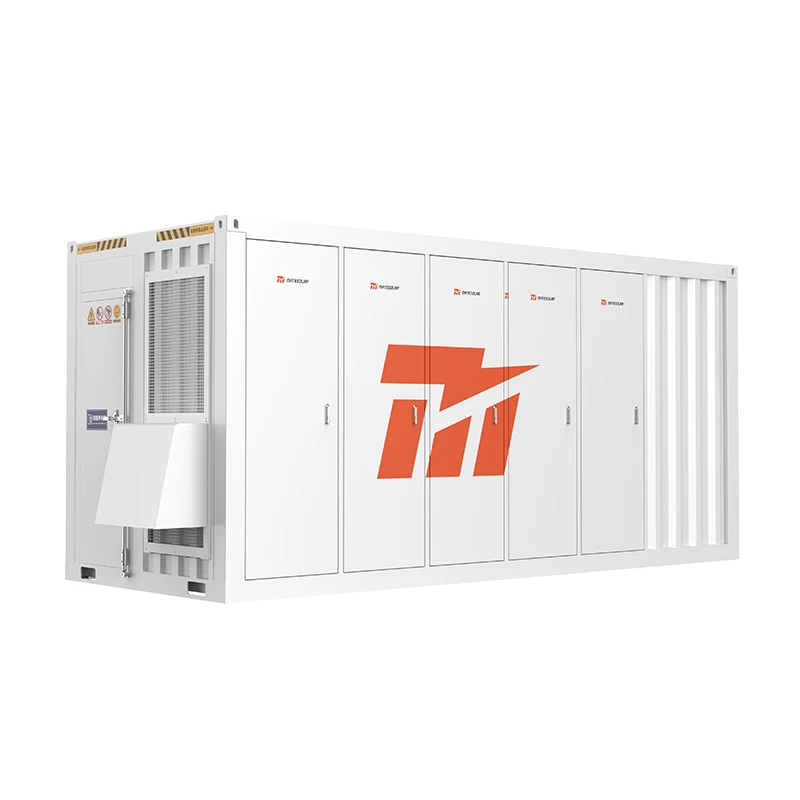
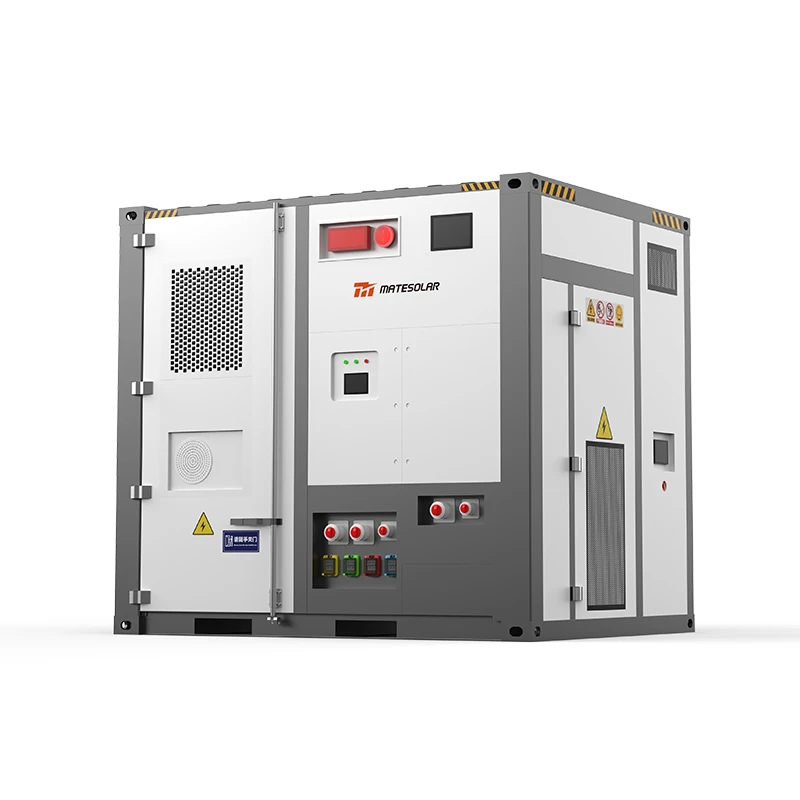
Ініціатива AlmaGBA розроблена для швидкого, стандартизованого розгортання, що робить готові, контейнерні BESS стандартним і оптимальним технологічним вибором. Ці рішення "підключи і працюй" пропонують неперевершені переваги для цього застосування.
3.1 Чому контейнери є ідеальним рішенням
- Швидкість і масштаб: Заводська збірка контейнерів значно скорочує час і складність будівництва на місці, що є критично важливим для дотримання строгих термінів введення в експлуатацію програми у 2027-2028 роках.
- Стандартизація та контроль якості: Створені в контрольованому середовищі, вони забезпечують стабільну продуктивність і надійність, відповідаючи суворим технічним вимогам CAMMESA..
- Масштабованість: Проєкти можна легко масштабувати від мінімального розміру 10 МВт до максимального 150 МВт шляхом об'єднання декількох контейнерних блоків.
3.2 Критичні технічні характеристики для аргентинського контексту
Щоб забезпечити продуктивність, довговічність і відповідність мережі в AMBA, контейнерні рішення BESS повинні відповідати декільком специфікаціям, які не підлягають обговоренню:
Таблиця 2: Ключові технічні вимоги до контейнерних BESS для AlmaGBA
Для детального ознайомлення з високопродуктивним контейнерним сховищем промислового масштабу, відвідайте наш 20-футовий контейнерний накопичувач енергії з рідким охолодженням 3 МВт-год / 5 МВт-год,
розроблені відповідно до цих суворих стандартів.
4. Шляхи до участі для користувачів та розробників енергії спільнот та інвесторів
Програма AlmaGBA створює непрямі, але дуже цінні можливості для великих споживачів енергії та агрегаторів проектів.
4.1 Для великих споживачів C&I (попит > 1 МВт)
- Партнерство з агрегації навантаження: Великі користувачі можуть співпрацювати з розробником-переможцем Edenor або Edesur, з яким укладено контракт. Агрегуючи своє гнучке навантаження або генерацію на місці (наприклад, сонячні батареї на даху), вони можуть допомогти проекту зберігання оптимізувати мережеві послуги. В обмін на це вони можуть домовитися про частку доходу від потужностей проекту.
- Стратегічний вибір часу: Взаємодія з девелоперами до 1 кварталу 2026 року має вирішальне значення. Це створить сприятливі умови для участі у другому етапі тендеру AlmaGBA (очікується, що він додасть ще 500 МВт) та забезпечить пріоритетне право на приєднання до мережі.
4.2 Для середніх користувачів та агрегаторів платіжних систем
- Інтеграція віртуальних електростанцій (VPP): Підприємства можуть реєструвати розподілені активи (автономні накопичувачі, генератори) на платформі VPP. Дозволяючи використовувати ці об'єднані ресурси для реагування на попит в енергосистемі, учасники можуть заробляти додаткові премії в розмірі $0,15-$0,25/кВт-год.
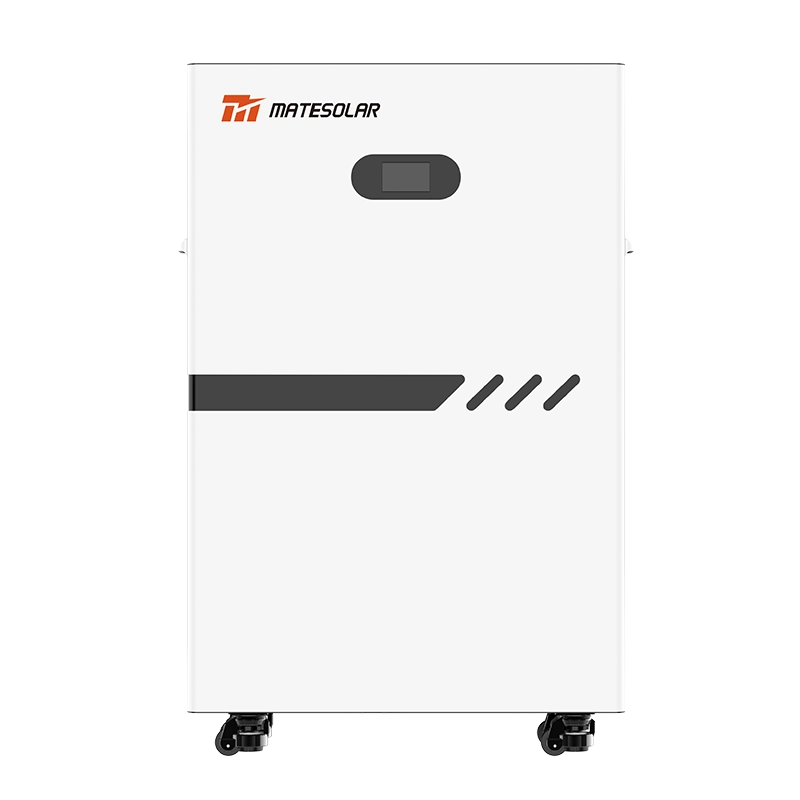
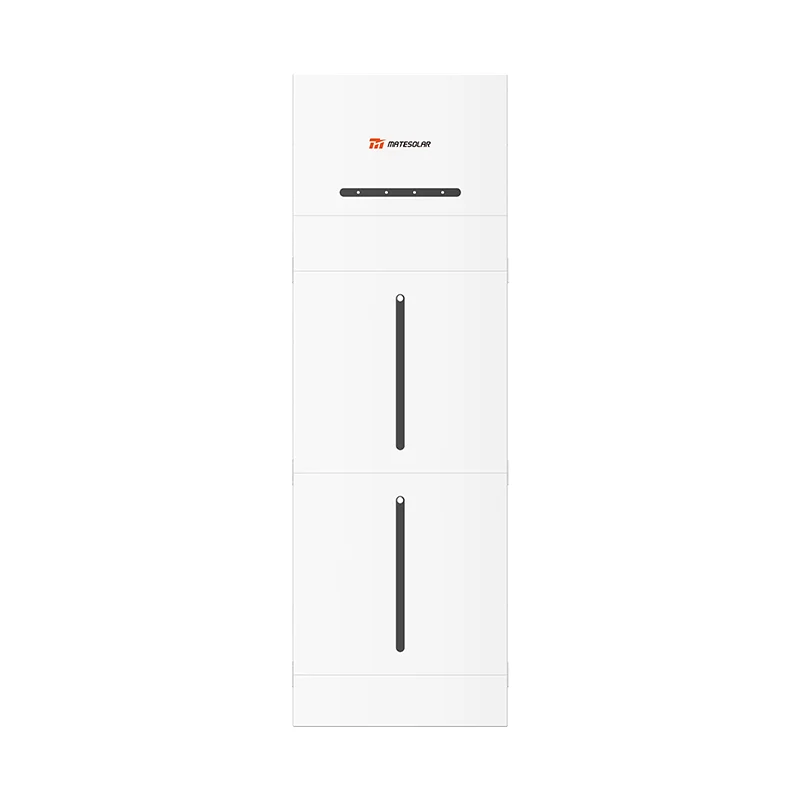
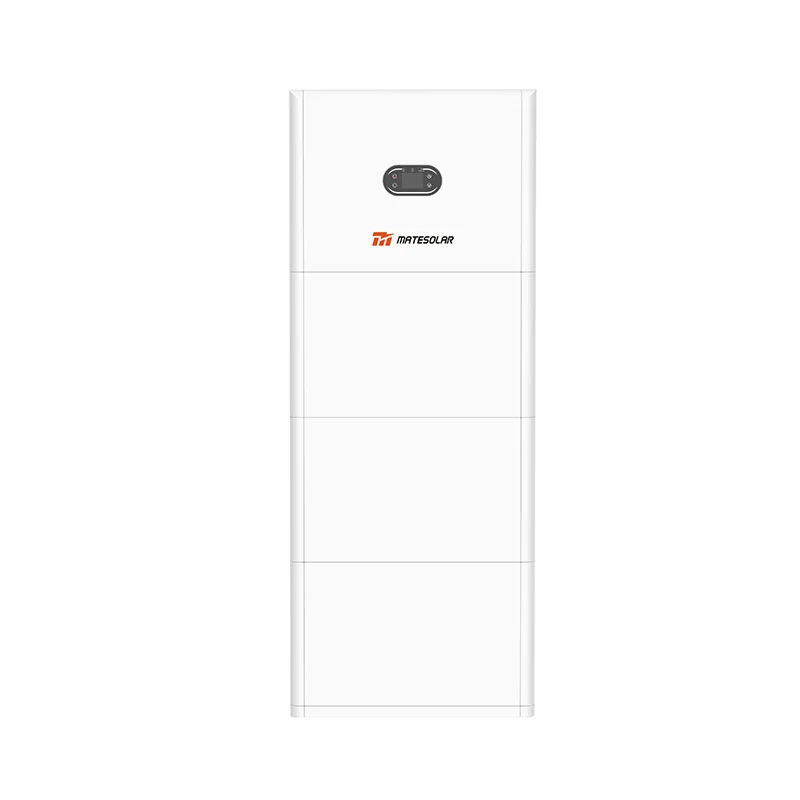
- Зберігання як послуга (SaaS): Для користувачів, які прагнуть отримати вигоду з нульовим початковим капіталом, провайдери SaaS встановлюють і експлуатують BESS на майданчику клієнта. Користувач отримує вигоду від знижених тарифів на споживання та резервного живлення, ділячись з провайдером частиною (наприклад, 20%) економії від енергетичного арбітражу.
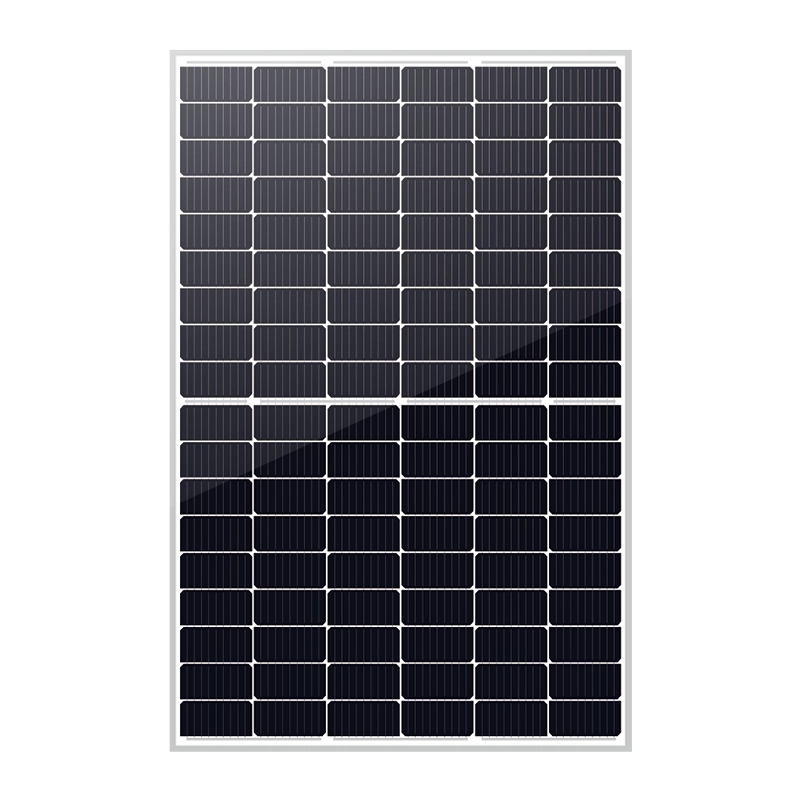
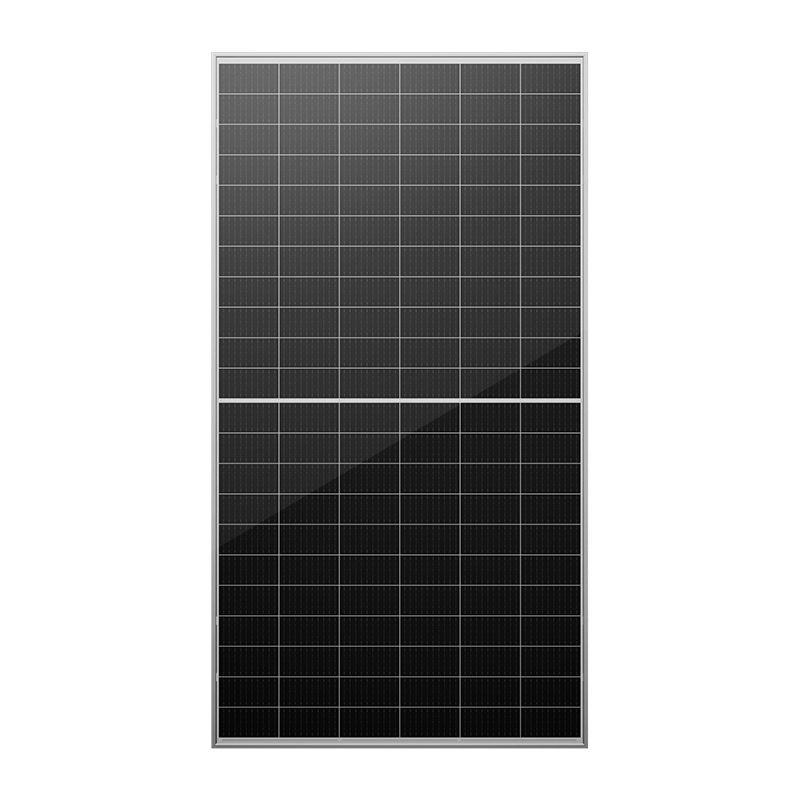
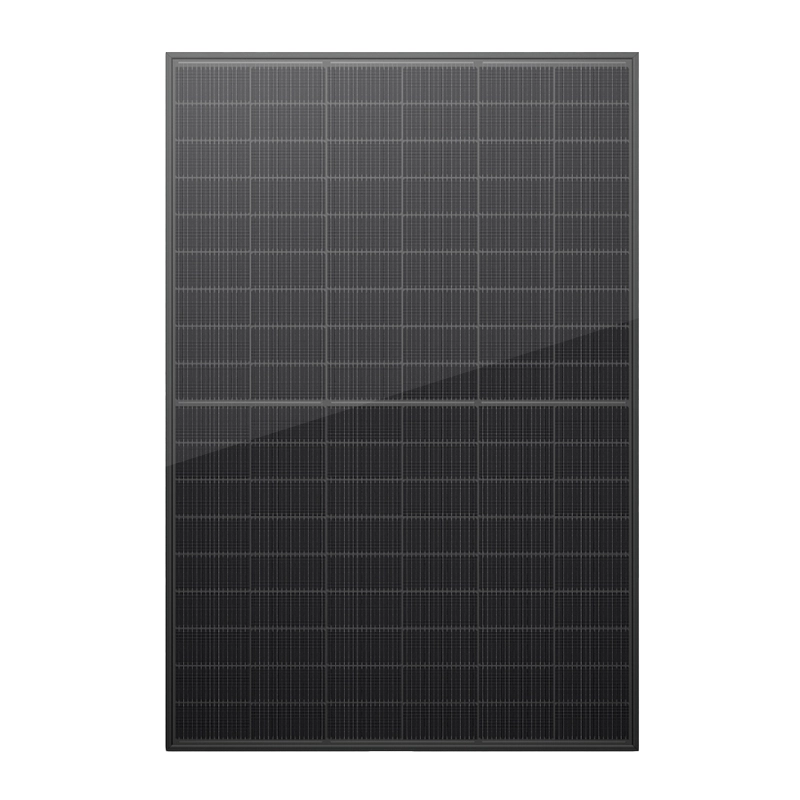
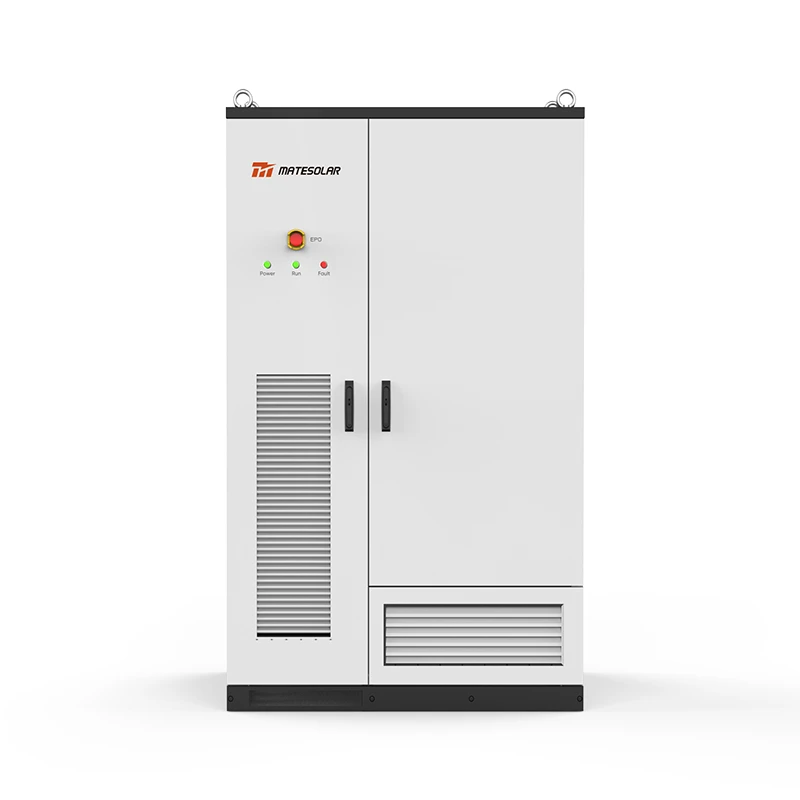
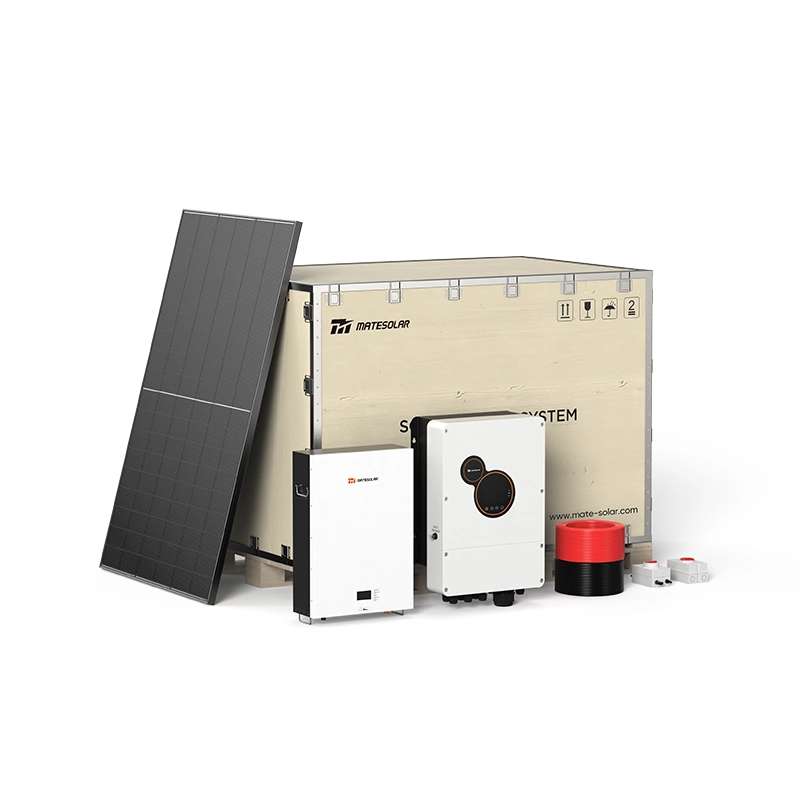
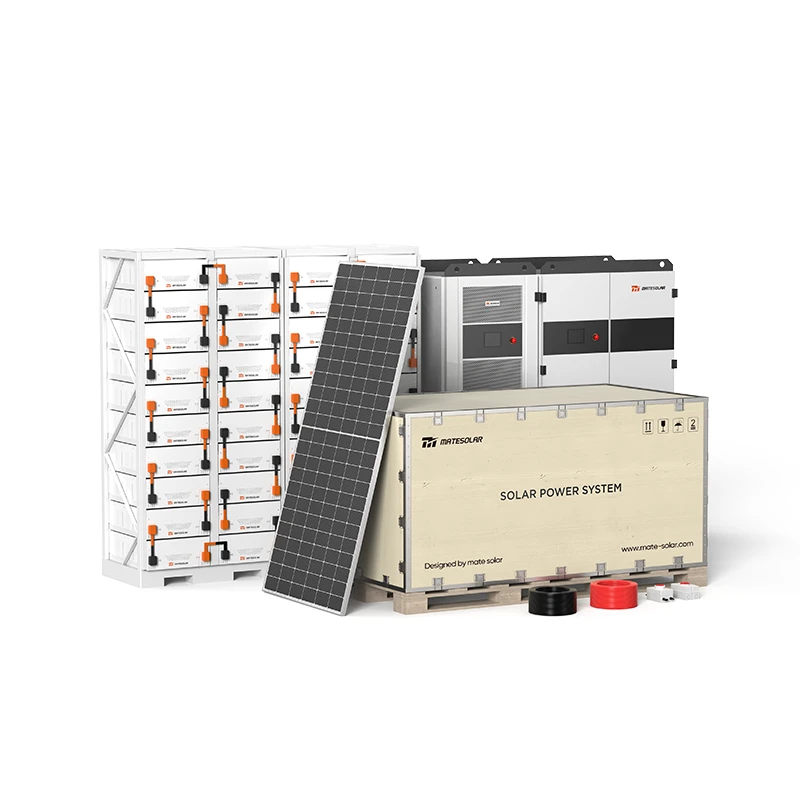
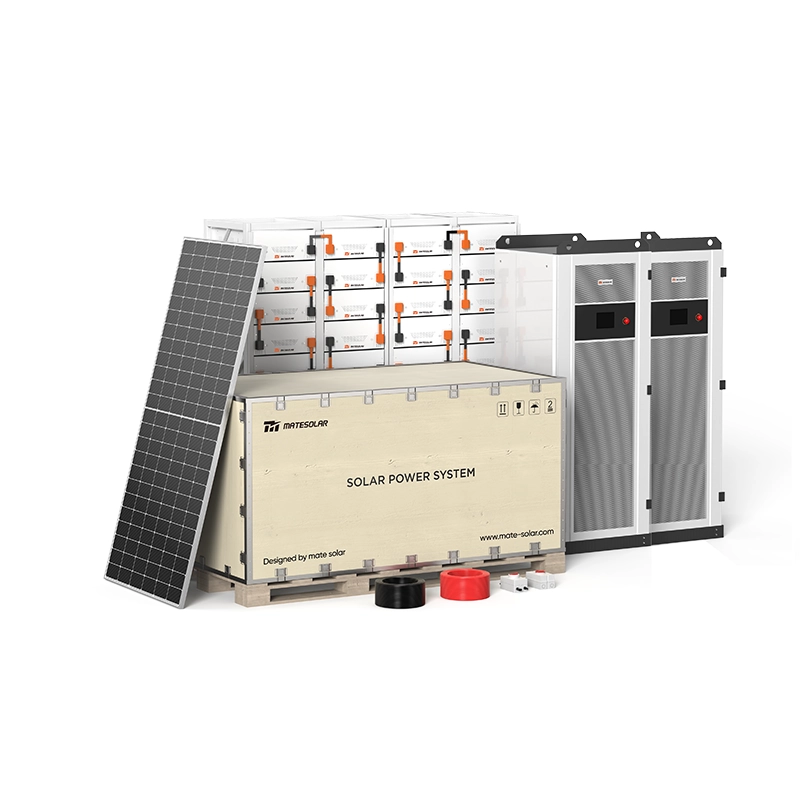
Інтеграція сонячних фотоелектричних модулів зі сховищем - це потужний спосіб максимізувати вигоду. Дізнайтеся більше про проектування таких гібридних систем на нашому Комерційні та промислові сонячні фотоелектричні системи та системи зберігання енергії або вивчіть індивідуальне рішення середнього масштабу, як-от Комерційна гібридна сонячна система потужністю 500 кВт.
5. Перспективи ринку та стратегічні наслідки
Успішний перший тендер, на який було зібрано велику кількість підписок, свідчить про міцну довіру ринку та прокладає шлях до сталого енергетичного майбутнього Аргентини. Модель AlmaGBA може стати орієнтиром для інших регіонів Аргентини та всієї Латинської Америки, які стикаються з подібними проблемами модернізації електромереж та інтеграції відновлюваних джерел енергії..
Для міжнародних постачальників технологій, EPC-підрядників та інвесторів послання зрозуміле: Аргентина створила серйозний, гідний довіри механізм для подолання енергетичної кризи. Тепер фокус зміщується на реалізацію - розгортання стійких, високотехнологічних рішень для зберігання, які можуть надійно працювати протягом 15 років у місцевих умовах. Компанії, які швидко рухаються, стратегічно співпрацюють і виконують суворі технічні обіцянки, забезпечать собі вигідну позицію в авангарді трансформації системи зберігання енергії в Південній Америці.
Часті запитання (FAQ)
Q1: Як оцінюється загальний річний дохід на МВт за контрактом AlmaGBA?
В: Спрощений прогноз поєднує обидва потоки доходів. Плата за потужність може забезпечити до $180 000 на рік ($15 000/МВт/місяць * 12). Дохід від електроенергії залежить від використання; при необхідному мінімумі 180 повних циклів на рік для 4-годинної системи (720 МВт-год), він додає $7 200 ($10/МВт-год * 720 МВт-год). Таким чином, базовий гарантований дохід є значним, з потенціалом зростання при більш частих циклах.
З2: Які основні технічні ризики для BESS в АМБА і як їх можна зменшити?
В: Два основні ризики - сильна спека, яку можна зменшити за допомогою обов'язкових систем рідинного охолодження, і нестабільність мережі, яку можна зменшити, обираючи інвертори з широким діапазоном частот і вдосконаленими функціями підтримки мережі. Вибір постачальників з перевіреною технологією в подібних кліматичних умовах має вирішальне значення.
Q3: Чи можуть існуючі комерційні сонячні електростанції, що працюють за лічильником, брати участь у програмі?
В: Так, опосередковано, але суттєво. Існуючі сонячні батареї можна об'єднати з новими сховищами на місці, щоб сформувати більш диспетчеризований ресурс. Цей об'єднаний актив може потім брати участь у програмах віртуальних електростанцій (VPP), щоб отримувати дохід від реагування на попит або надавати розширені послуги місцевому дистриб'ютору.
Q4: Чи існують можливості для малих комерційних користувачів потужністю менше 1 МВт?
В: Безумовно. Хоча вони не можуть бути прямими партнерами в проекті AlmaGBA, вони є ідеальними кандидатами для моделі зберігання як послуги (SaaS) або участі в VPP. Ці варіанти забезпечують фінансові вигоди та відмовостійкість без необхідності великих капітальних витрат або спеціалізованої операційної експертизи.
З5: Яке значення має роль CAMMESA як гаранта платежів?
В: Це фундаментальна функція зниження ризиків. Це означає, що аргентинська держава через CAMMESA забезпечує оплату, навіть якщо розподільча компанія стикається з фінансовими труднощами. Це суттєво покращує кредитоспроможність проектів і є ключовою причиною, чому міжнародні інвестори прихильно ставляться до цього тендеру.
Партнерство з MateSolar для вашої енергетичної стратегії в Аргентині
Ініціатива AlmaGBA відкриває нову главу в енергетичному секторі Аргентини, поєднуючи нагальні потреби енергосистеми зі сталим, інвестиційно привабливим баченням. Щоб скористатися цією можливістю, потрібен партнер з глибокими технічними знаннями в галузі мережевих систем зберігання, розумінням динаміки місцевого ринку та готовністю надавати надійні, високоефективні рішення.
MateSolar виступає вашим спеціалізованим універсальним постачальником рішень для цього переходу. Від аналізу техніко-економічного обґрунтування та вибору технології - включаючи наші контейнерні BESS з рідинним охолодженням високої готовності - до підтримки партнерських відносин з місцевими інтеграторами та розробниками, ми надаємо комплексний досвід, щоб перетворити план AlmaGBA на ваш відчутний успіх.
Зверніться до MateSolar вже сьогодні, щоб оцінити вашу позицію на ринку зберігання енергії в Аргентині.