













Executive Summary: Economic Certainty in an Uncertain Landscape
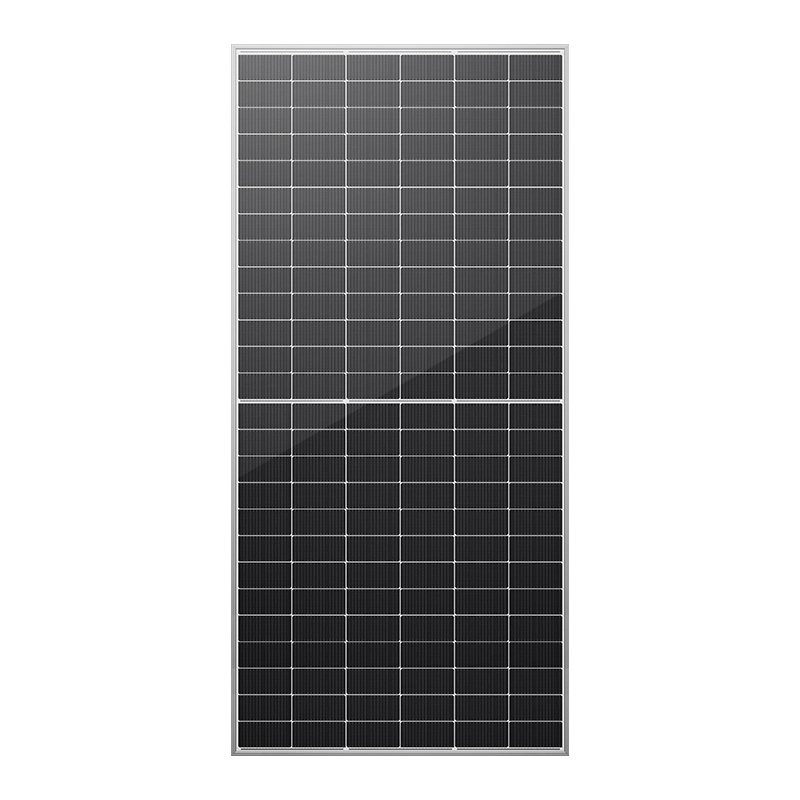
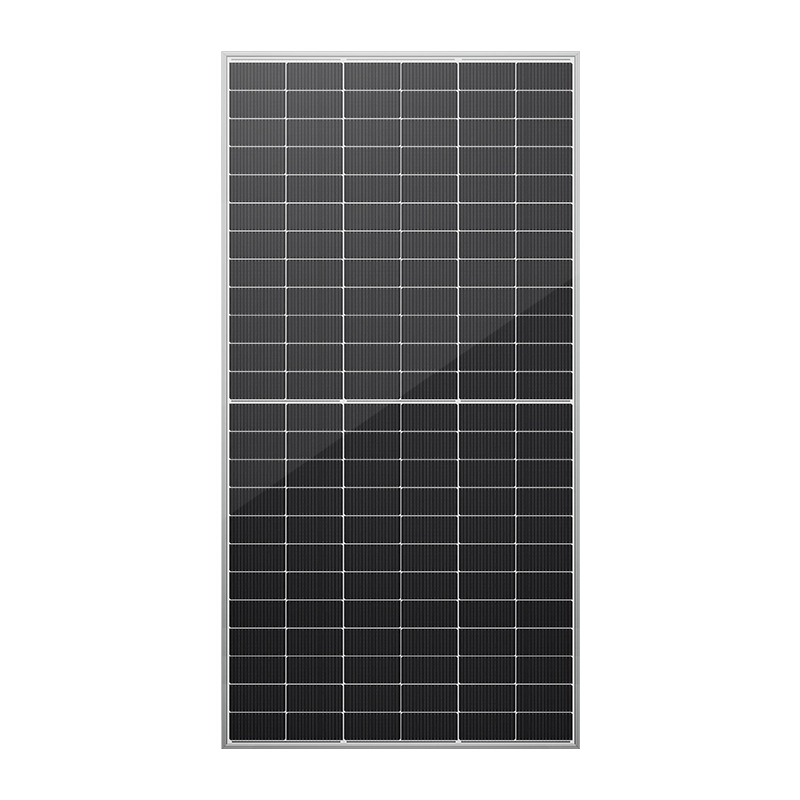
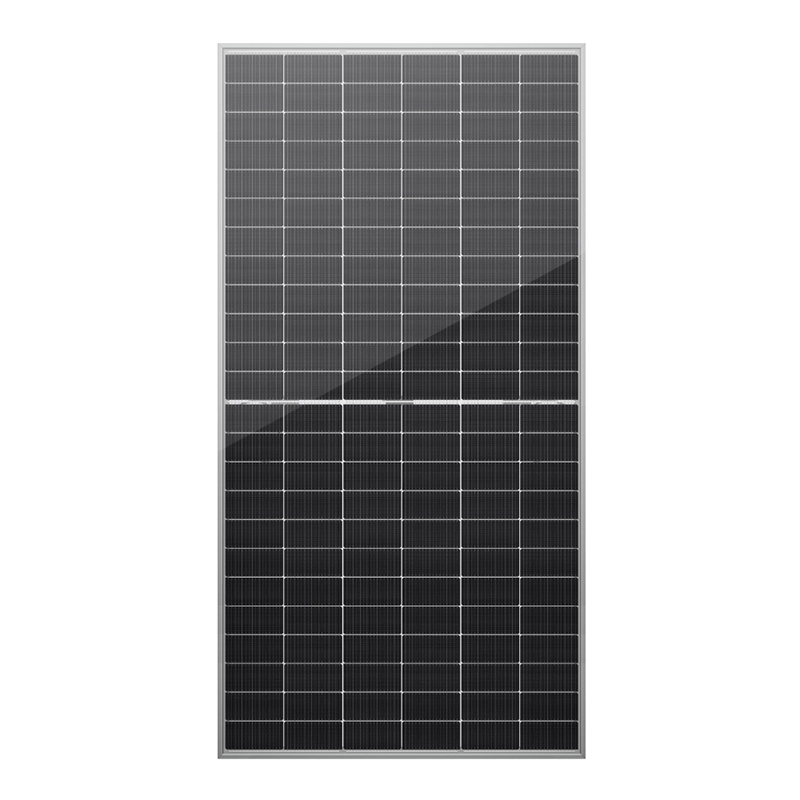
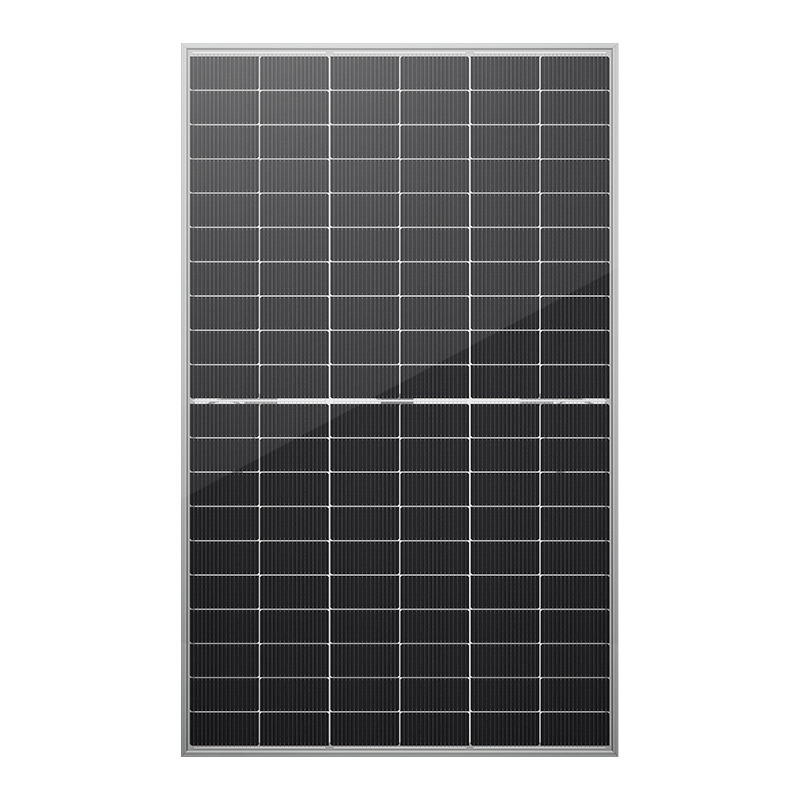
For business owners and project developers across Latin America and the Caribbean, the core demand is unequivocal: to secure production and ensure stable profitability. In a region characterized by significant electricity price volatility, fragile grid infrastructure, and a pressing need for energy independence, solar photovoltaic (PV) systems coupled with energy storage (ESS) have evolved from a sustainable choice to a critical business continuity and financial optimization tool. This guide provides a professional, in-depth analysis of how containerized and commercial & industrial (C&I) solar-plus-storage solutions deliver tangible economic returns and operational resilience across eight key markets: Chile, Argentina, Colombia, Peru, the Dominican Republic, Costa Rica, Jamaica, and Haiti.
We move beyond theoretical benefits to deliver actionable insights, featuring detailed return-on-investment (ROI) calculations, country-specific regulatory analyses, and technical evaluations of robust, containerized solutions designed for the region's diverse and often demanding environments.
Part 1: The Latin American & Caribbean Energy Imperative for C&I
The region's energy sector presents a dual challenge: high cost and low reliability. The World Bank notes that electricity prices in the Caribbean average around $0.25 per kWh, more than double the U.S. average, with figures in some countries exceeding $0.40 per kWh. This "fuel trap," dependence on imported fossil fuels, directly hampers industrial competitiveness. Concurrently, grid instability leads to frequent outages, causing direct production losses and equipment damage.
Solar and storage offer a direct path to break this cycle. The convergence of declining technology costs and innovative business models has reached a pivotal point often termed "solar-storage parity"—where the combined cost of solar PV and storage is competitive with or cheaper than grid power, while providing dispatchable, reliable energy. For C&I entities, this translates into three core value propositions:
1. Energy Arbitrage: Buying/store energy when it's cheap (from the grid or solar) and using/selling it when it's expensive.
2. Demand Charge Management: Reducing peak power draw from the grid to slash a significant portion of electricity bills.
3. Backup Power & Resilience: Providing instantaneous, uninterrupted power during grid outages to keep operations running.
Table 1: Target Markets Overview: Core Drivers & Policy Landscape
| Country | Primary C&I Driver | Key Policy/Regulatory Support | Grid Reliability Challenge |
| Chile | High price arbitrage (Northern mining hubs), grid congestion | Large-scale storage tenders (20+ GW by 2026), PMGD for distributed gen. | Severe congestion in Atacama, negative pricing events |
| Argentina | High price arbitrage, MATER term market for corporate PPAs | MATER mechanism for private PPAs, tax benefits for renewables | Macroeconomic volatility, currency risks |
| Colombia | Grid reliability, growing renewable mandates | Energy Transition Law (Tax incentives), CREG Res. 101072 for energy communities | Infrastructure vulnerabilities in remote areas |
| Peru | Grid reliability (mining sector), cost reduction | Promotion of private generation, hybrid systems for off-grid mines | Isolated grids, geographic challenges |
| Dominican Republic | High electricity costs, policy-driven targets | Goal of 25% RE by 2025, new BESS framework under consultation | High dependence on fossil fuels, price volatility |
| Costa Rica | Green branding, 100% RE grid backup | Strong decarbonization plan, net metering | Weather-dependent hydro dominance |
| Jamaica | Extreme electricity costs, fuel import reduction | Integrated Resource Plan favoring RE, licensing for private projects | High tariff rates, vulnerability to storms |
| Haiti | Basic energy access, operational continuity | World Bank Off-Grid Electrification Fund | Extremely weak grid, low electrification rates |
Part 2: Deep Dive: Market-by-Market Analysis & ROI Perspectives
Chile & Argentina: The Price Arbitrage Powerhouses
In Chile's liberalized electricity market, especially in the mining-rich north, daytime congestion causes spot prices to plummet, even to negative values, while evening peaks see sharp spikes. A C&I storage system can charge from cheap midday grid power or onsite solar, and discharge during high-price evening hours.
ROI Simulation (Chilean Mining Facility):
- Scenario: 2 MW load, with a peak/off-peak price differential of $150/MWh.
- Solution: A 1 MW / 4 MWh Containerized ESS for daily cycling.
- Annual Revenue from Arbitrage: ~1,000 cycles * 4 MWh * $150/MWh = ~$600,000.
- Additional Savings: Demand charge reduction can save 15-25% on the monthly bill.
- Payback Period: With a typical system capex, the simple payback period can be 3-5 years, becoming highly attractive.
Argentina, with its MATER forward market, allows corporations to sign long-term PPAs with renewable generators. Onsite storage adds value by shaping intermittent solar into a firm, dispatchable block of power that better matches the load profile, enhancing the PPA's value and stability.
Colombia & Peru: The Reliability-First Markets
Here, the economic case is built on avoided loss. An unexpected 4-hour outage for a medium-sized manufacturing plant can mean tens of thousands of dollars in lost production, spoilage, and restart costs.
Cost of Downtime Calculation (Colombian Food Processing Plant):
- Assumptions: Plant revenue: $10,000/hour; Average outage frequency: 8 times/year lasting 2 hours each.
- Annual Loss from Outages: 8 * 2 hrs * $10,000/hr = $160,000.
- Solution Value: A 500kW/1MWh C&I hybrid system with seamless transfer switch can eliminate these outages. Its annual value is not just in energy savings, but primarily in $160,000 of secured production. This makes the ROI calculation compelling, often yielding payback in under 4 years from avoided losses alone.
The Caribbean Nations: Cost Reduction & Resilience
The Dominican Republic aims for 25% renewables by 2025, with new rules requiring large solar/wind projects to include storage. For businesses, this translates to opportunity. A 500kW commercial hybrid system can drastically cut demand charges from the grid, which are a major cost component. In Jamaica and Haiti, where fuel costs make generation extremely expensive and unreliable, solar-plus-storage microgrids provide the only path to predictable operational costs and continuous power.
Table 2: Comparative Economic Analysis for Key Applications
| Application | Primary Revenue Stream | Key Metric | Typical System Sizing | Estimated Simple Payback |
| Mining (Chile/Peru) | Energy Arbitrage, Demand Management | Peak/Off-Peak Price Spread | 1-10 MW / 4-40 MWh Container ESS | 3-5 Years |
| Manufacturing (Colombia) | Outage Avoidance, Demand Charge Reduction | Cost of Downtime ($/hr) | 500 kW - 2 MW Hybrid System | 4-7 Years |
| Agriculture Processing | Time-of-Use Shifting, Grid Independence | Stable Power for Refrigeration | 200 kW - 1 MW System | 5-8 Years |
| Commercial Hub (DR/Jamaica) | Demand Charge Reduction, Backup Power | Monthly Peak Demand (kW) | 100-500 kW Rooftop + Storage | 6-9 Years |
Part 3: The Solution Spectrum: From Compact Hybrids to Mega Containerized ESS
Choosing the right technology is paramount for durability and low lifetime cost in Latin America's diverse climates—from coastal humidity to Andean highlands and desert dust.
1. The C&I Hybrid Workhorse: The 150kW All-in-One System
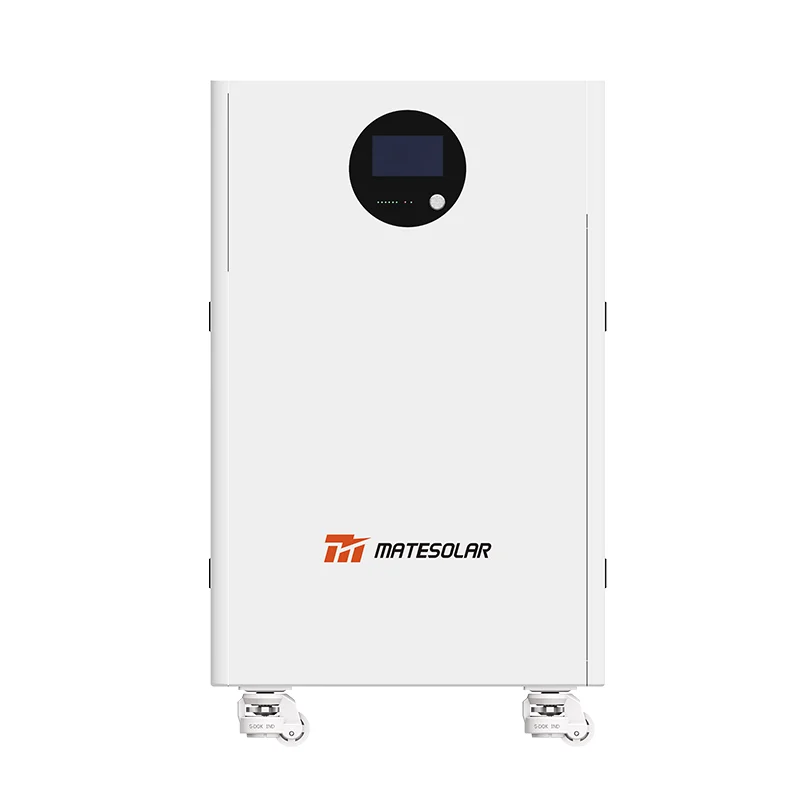
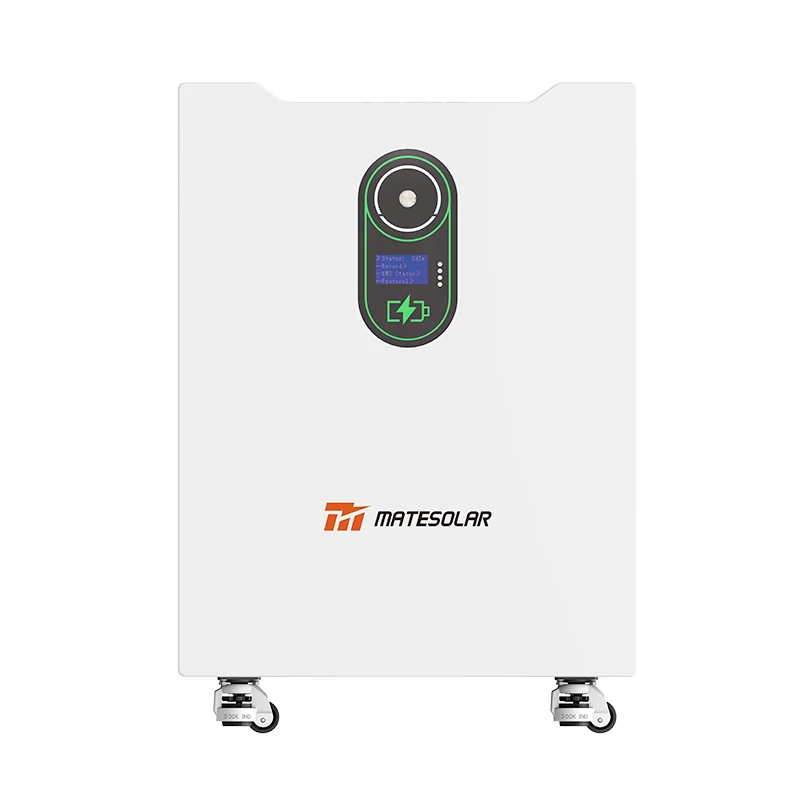
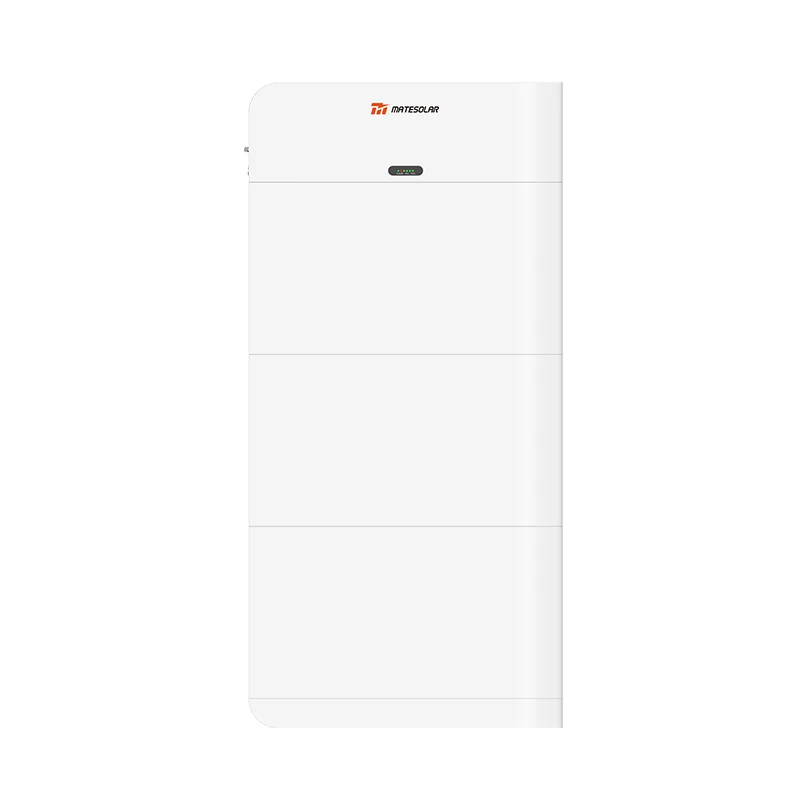
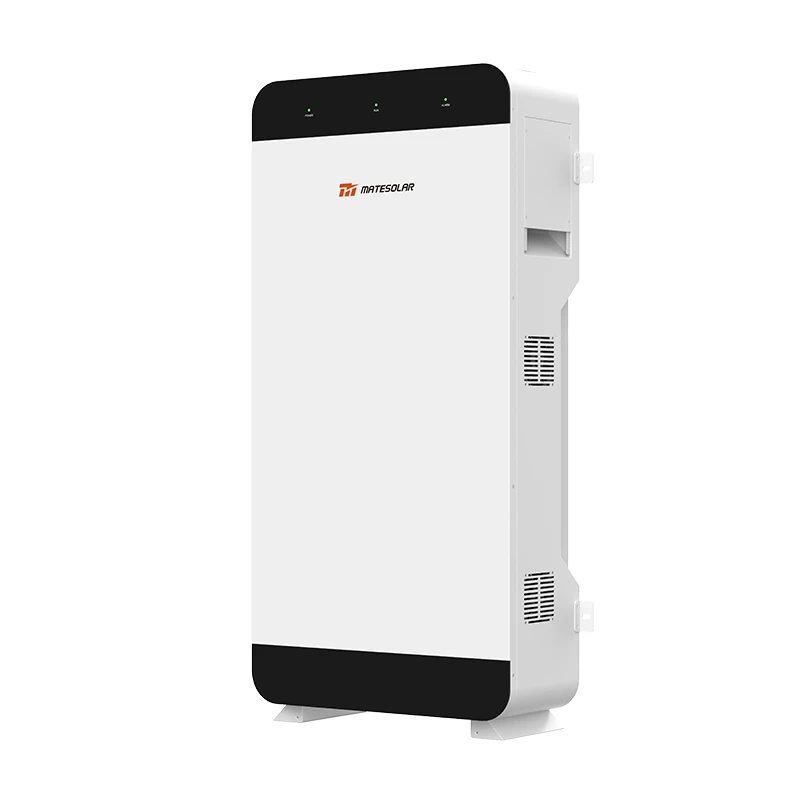
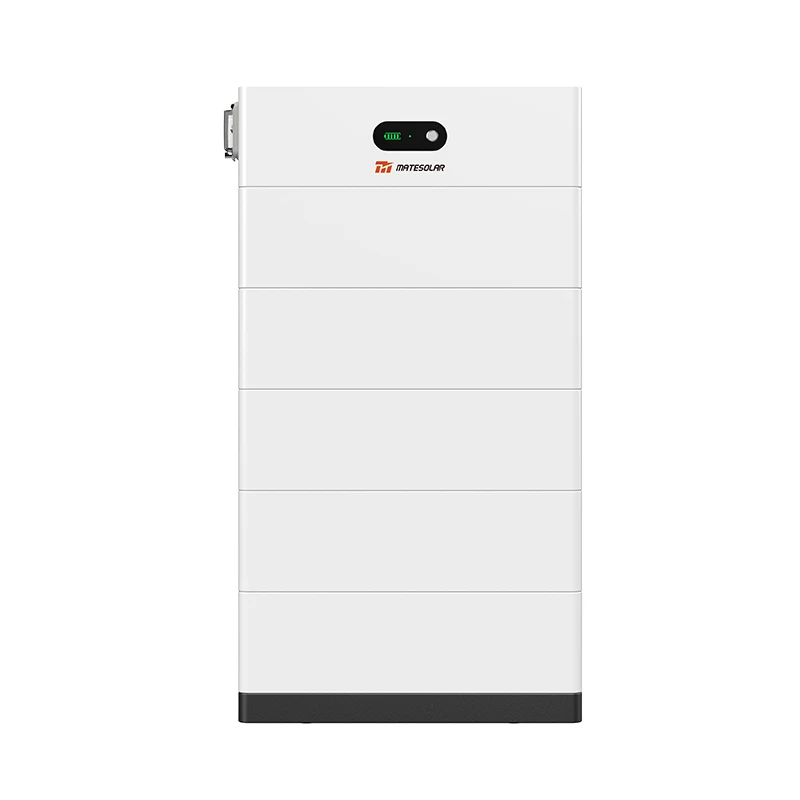
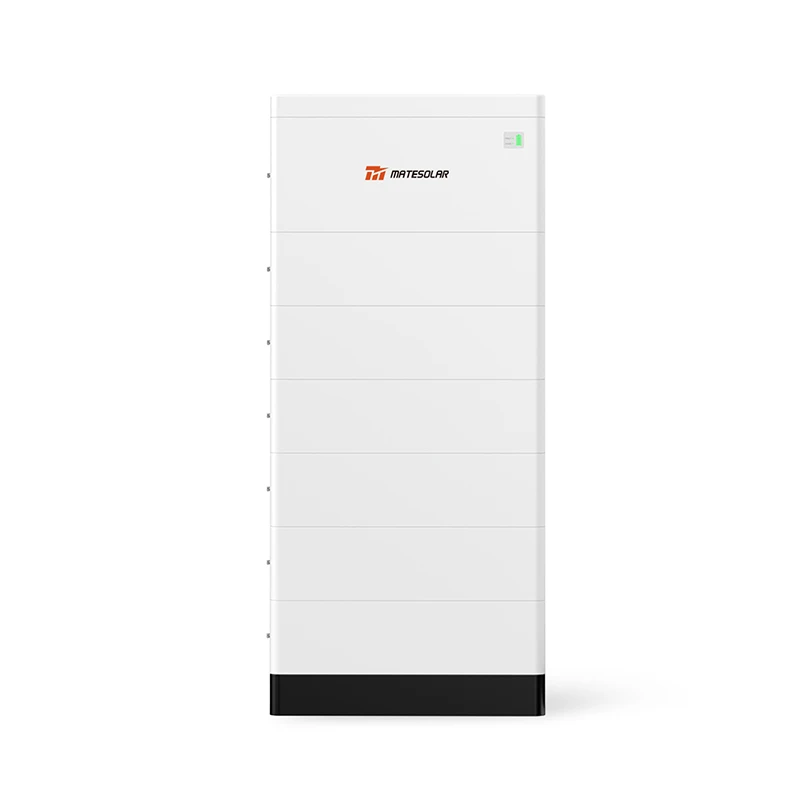
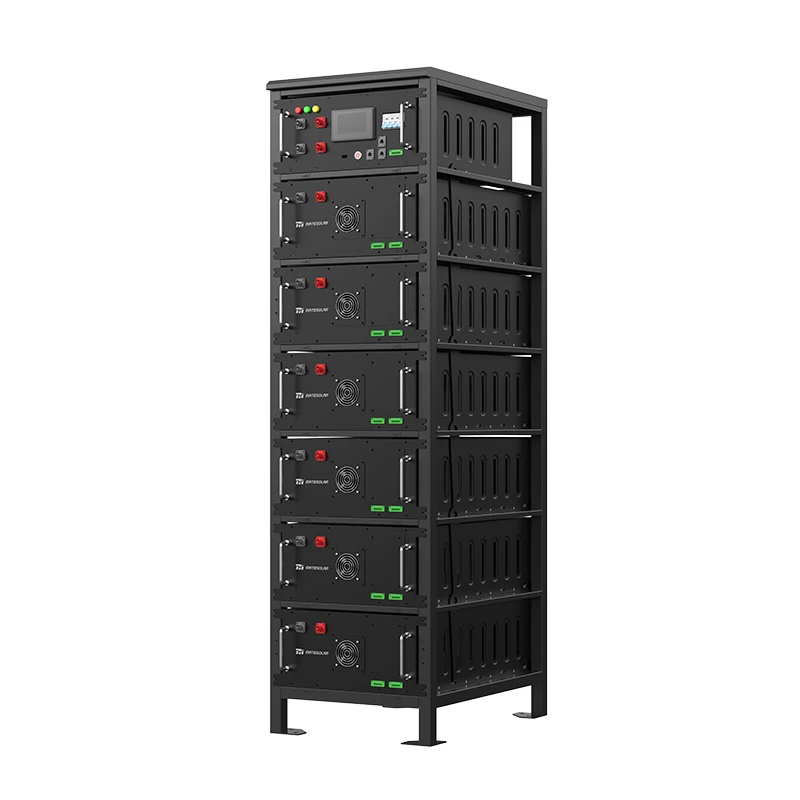
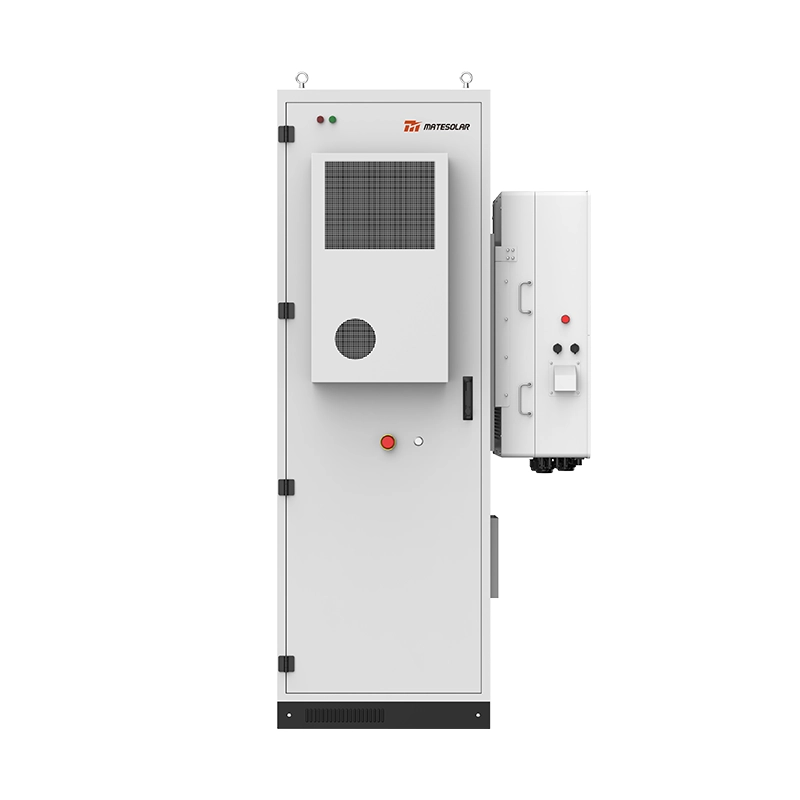
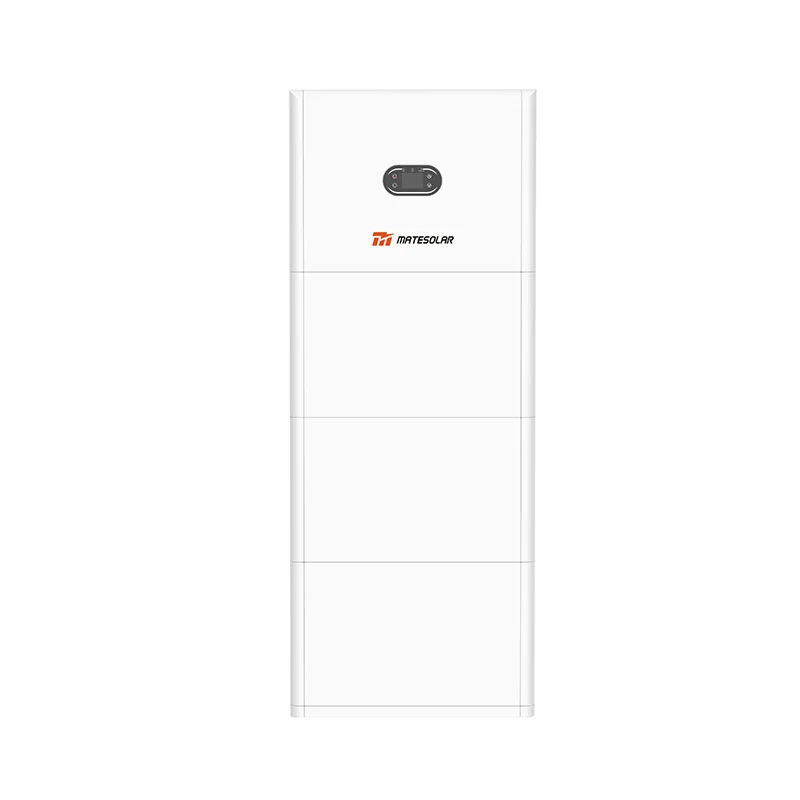
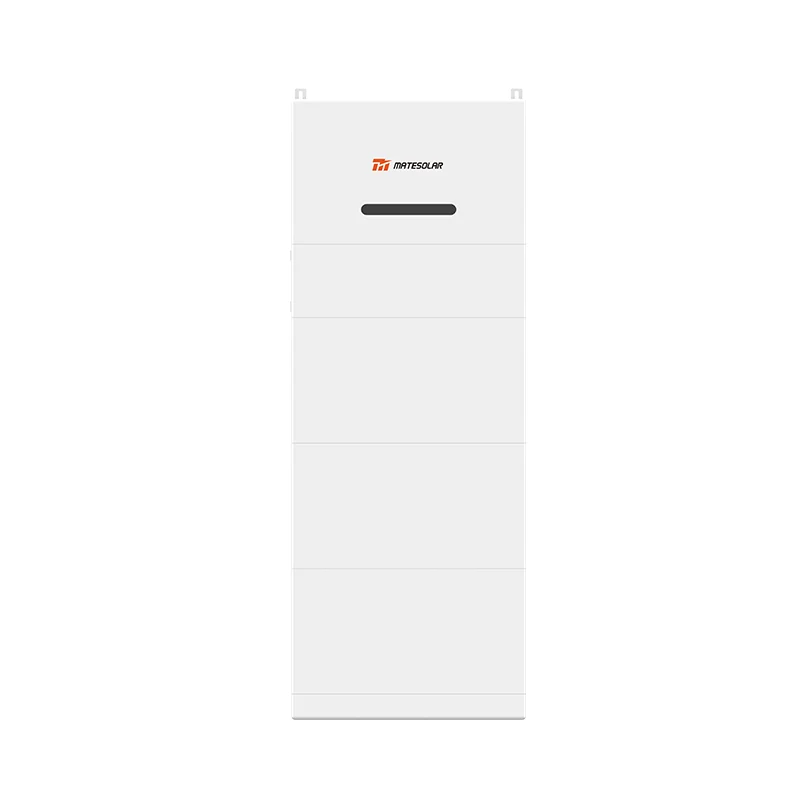
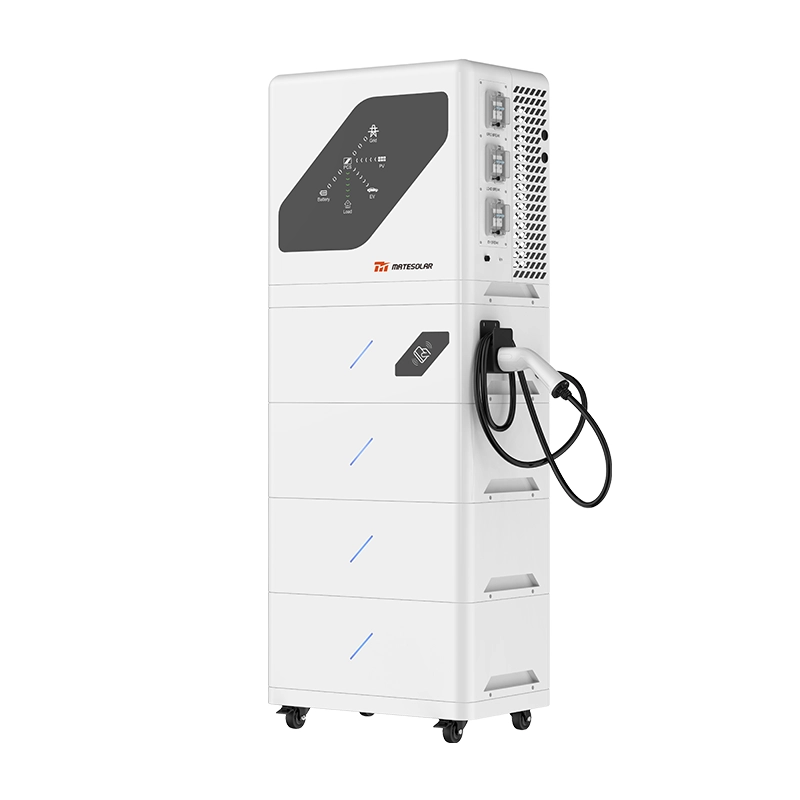
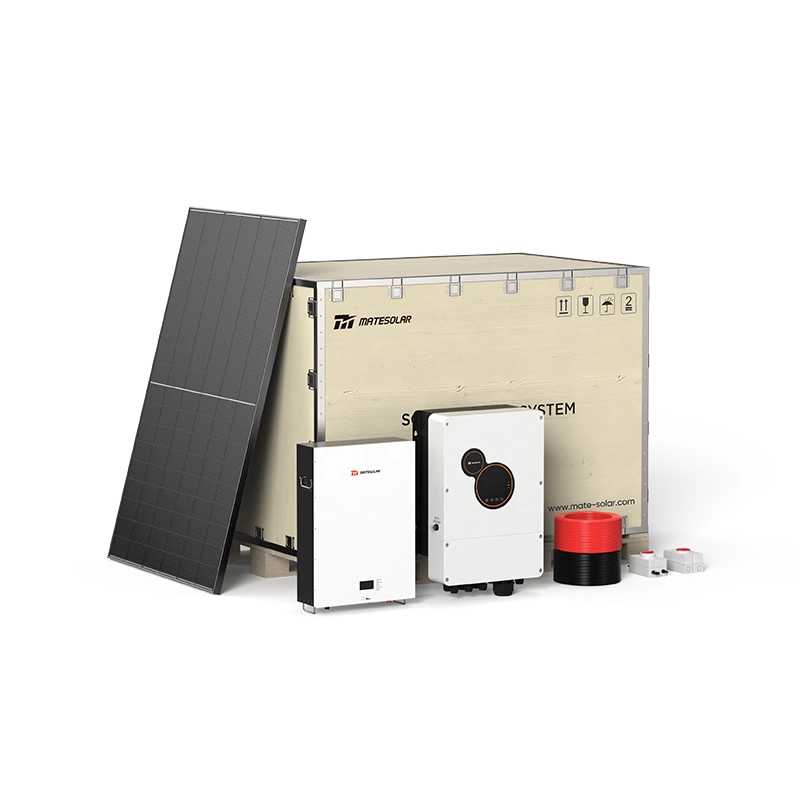
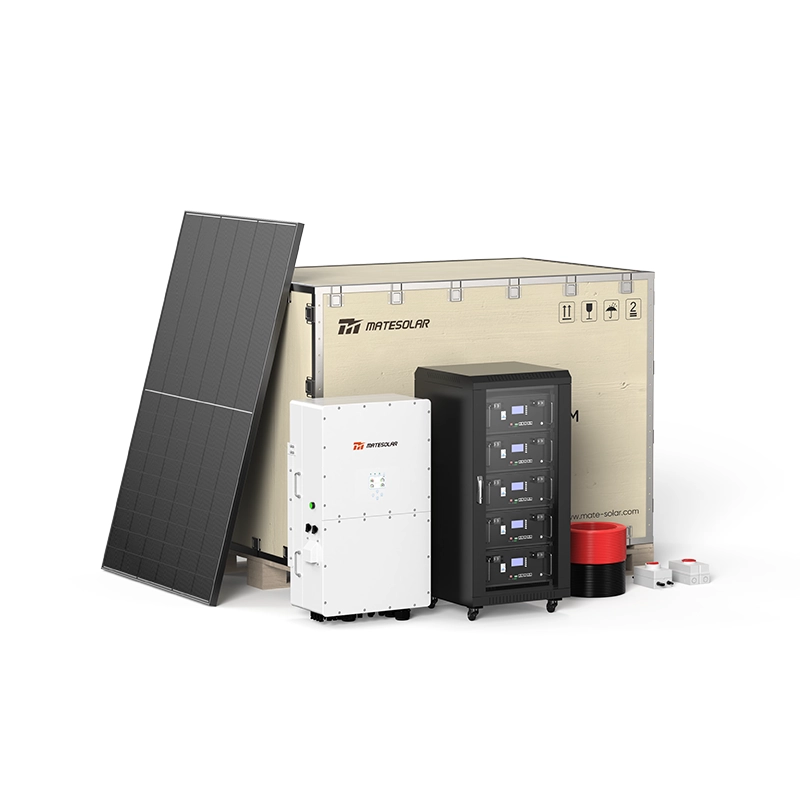
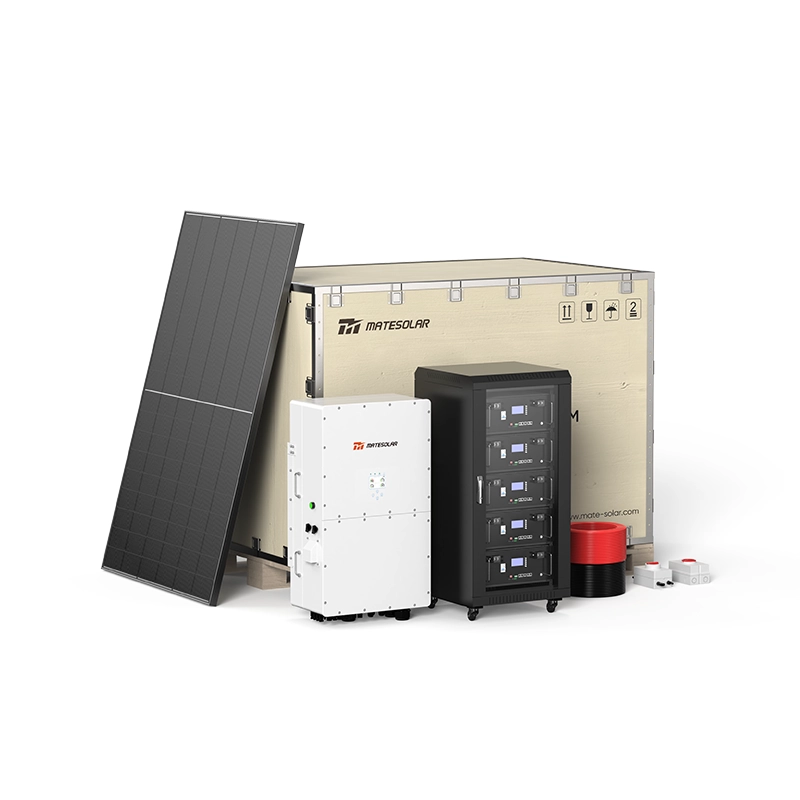
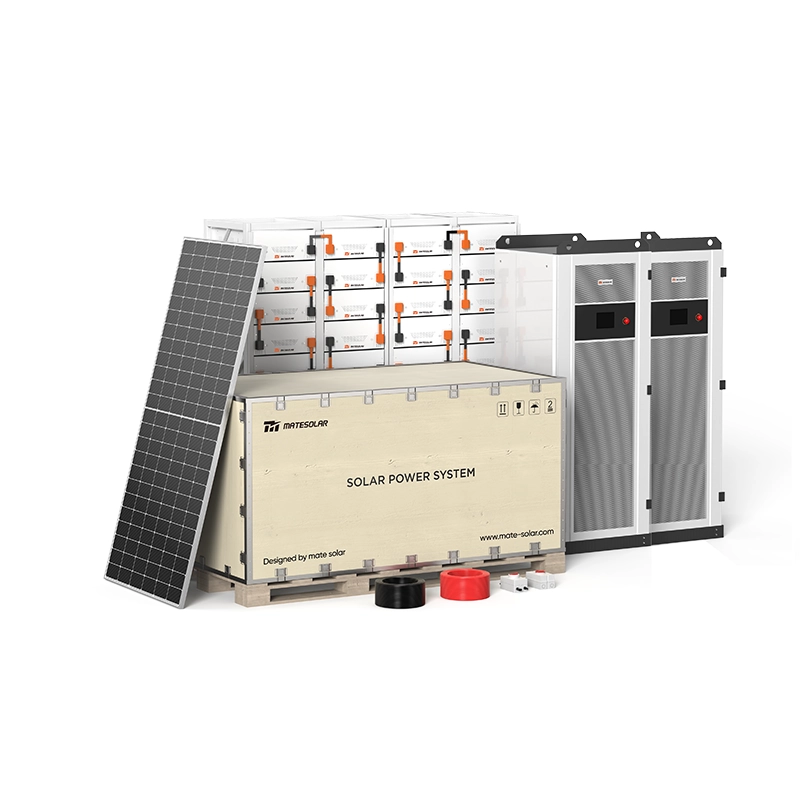
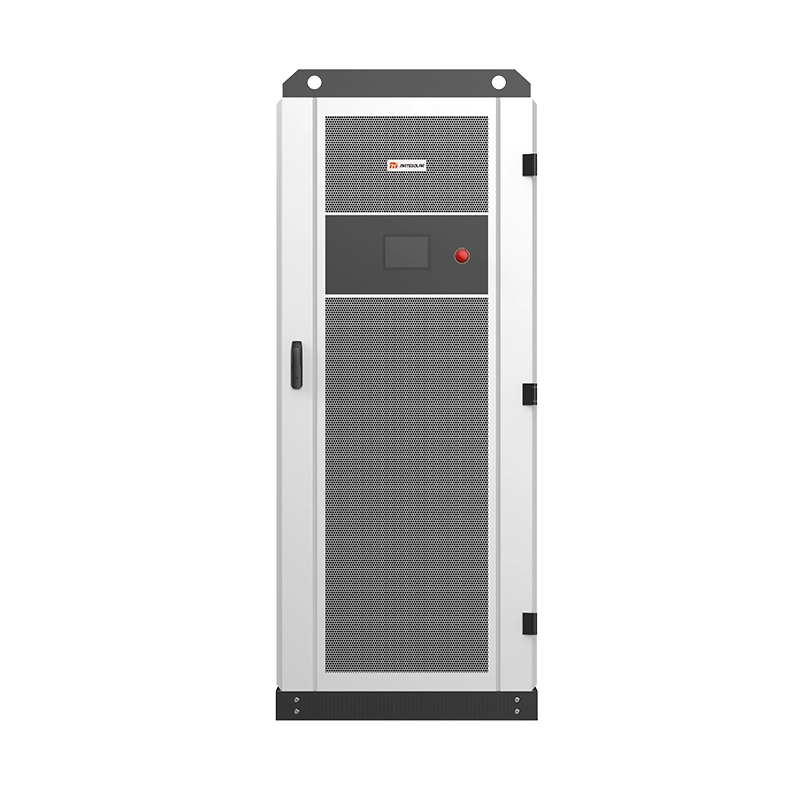
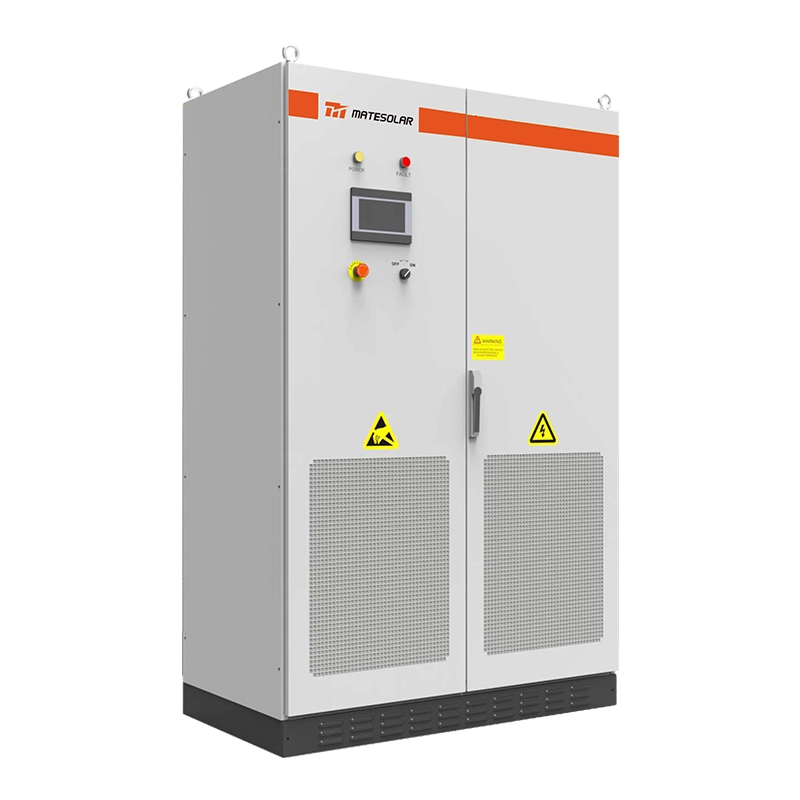
For small to medium factories, hotels, and commercial complexes, a standardized 150kW hybrid system offers a perfect balance of power and practicality. These integrated systems combine PV inverters, battery converters, and advanced controllers in a single cabinet. They are designed for easy installation on rooftops or adjacent yards, providing both substantial bill savings and critical backup power for essential loads. Their smart energy management system (EMS) autonomously optimizes for the lowest cost, prioritizing solar consumption, then battery charging/discharging, and using the grid as a last resort or backup.
> > Explore our integrated, plug-and-play solution for small to medium-scale operations: Commercial 150KW Hybrid Solar System.
2. The Industrial & Utility Backbone: Containerized Energy Storage
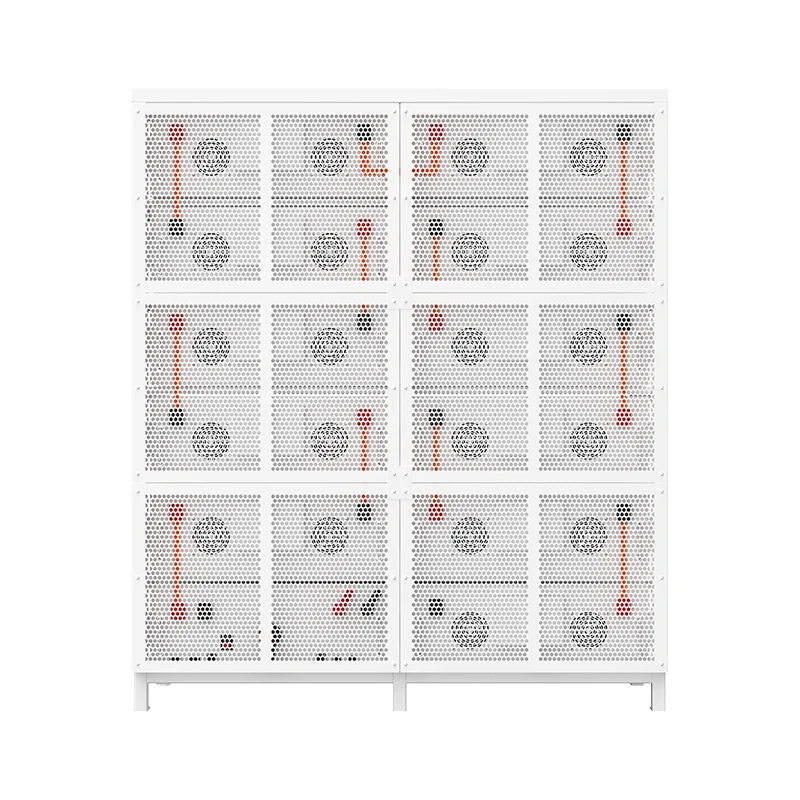
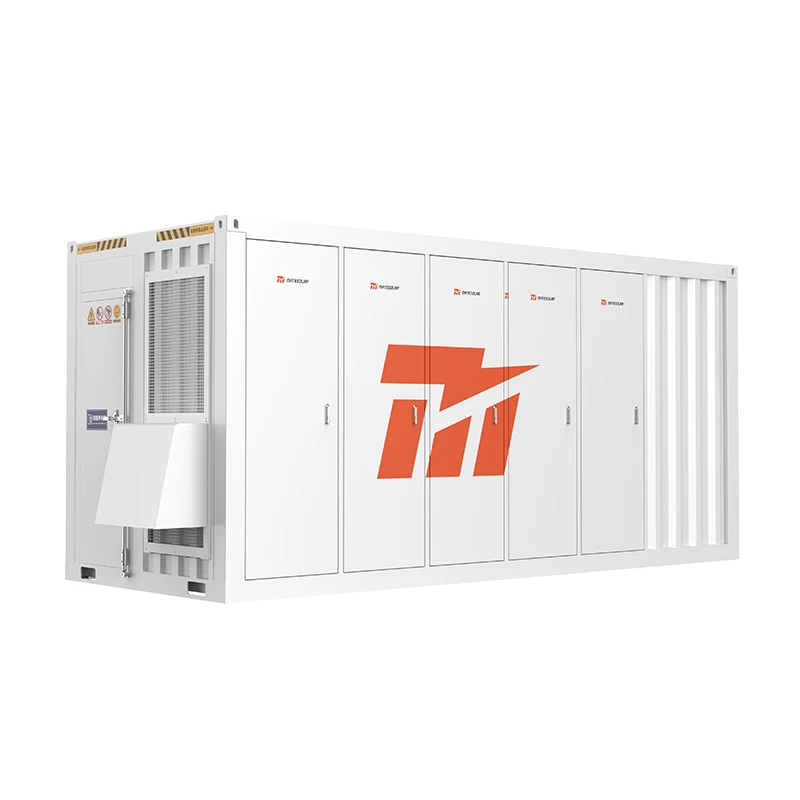
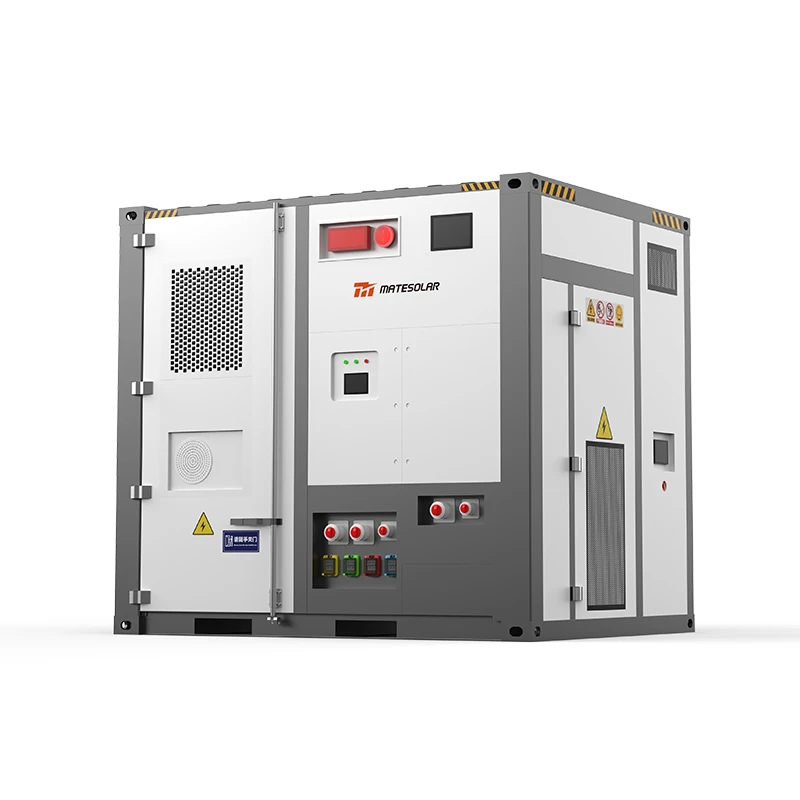
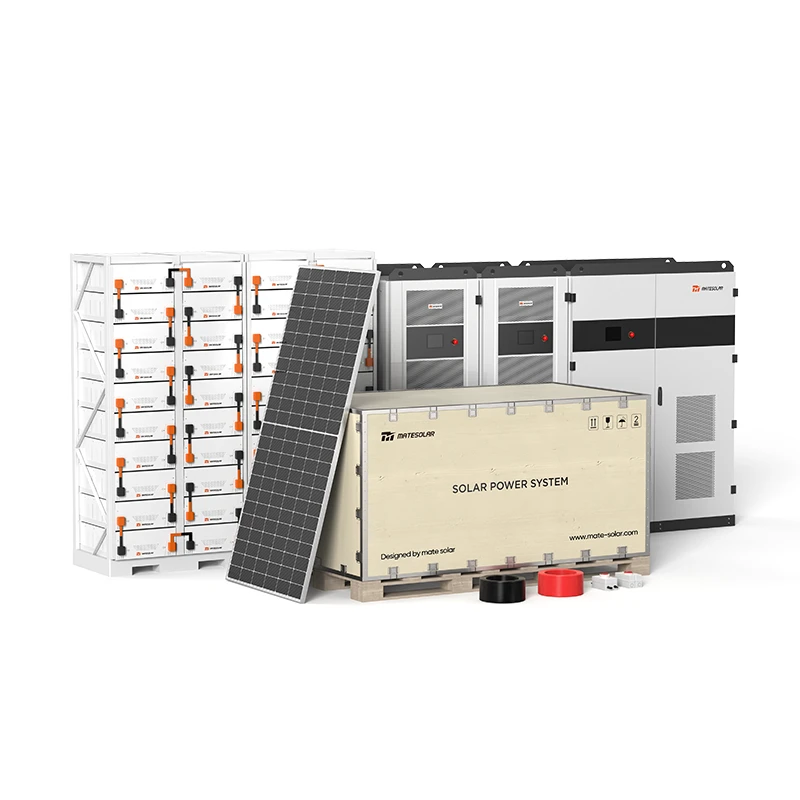
For large-scale industrial plants, mining operations, or mini-grid applications, containerized ESS is the definitive solution. A standard 40-foot air-cooled container can house from 1 MWh to over 2 MWh of storage capacity, pre-assembled and tested in the factory for reliability.
- Robustness: Built to ISO container standards, with IP54 or higher protection against dust and moisture, and corrosion-resistant materials for coastal areas.
- Thermal Management: Advanced air-cooling or liquid-cooling systems (like those used in Mexico's variable climates) maintain optimal battery temperature, extending lifespan.
- Ease of Deployment & Maintenance: Truly "plug-and-play" for energy. They require only a foundation pad, grid connection, and commissioning. Their modular design allows for easy capacity expansion and safe, accessible maintenance.
These containers provide the core for energy arbitrage, frequency regulation, and black-start capabilities, forming a resilient energy asset.
> > For large-scale power and energy needs, discover our robust and scalable: 40Ft Air-Cooled Container ESS 1MWh 2MWh Energy Storage System.
Table 3: Technical Comparison: C&I Hybrid vs. Containerized ESS
| Feature | Commercial 150KW Hybrid System | 40ft Containerized ESS (2 MWh) |
| Typical Capacity | 150 kW AC, 150-500 kWh Storage | 1 - 2.5 MWh Storage, 500-1500 kW PCS |
| Primary Use Case | On-site bill management & backup for single facility | Large-scale arbitrage, industrial power, mini-grid core |
| Footprint | Compact, multiple cabinet setup | Standard 40ft shipping container |
| Key Advantage | Cost-optimized for C&I, simplified installation | Ultimate scalability, robustness, highest energy density |
| Ideal For | Factories, shopping malls, hospitals, schools | Mines, large plantations, utility projects, island grids |
Part 4: Navigating Risks, Regulations, and Maximizing ROI
Policy and Compliance
Understanding the local regulatory framework is non-negotiable. While countries like Colombia offer tax incentives and import duty exemptions for renewable projects, others have specific grid-connection codes and licensing requirements for storage. In the Dominican Republic, new frameworks are actively being developed to integrate BESS into the market. Partnering with a knowledgeable local developer or a solution provider with regional expertise is crucial to navigate permits, interconnection agreements, and secure any available fiscal benefits.
Financing and Risk Mitigation
Financing models are evolving. Options include:
- Capital Expenditure (CapEx): Direct purchase, offering full ownership and long-term returns.
- Energy Service Agreement (ESA): A third-party owns and operates the system, selling power to the offtaker at a negotiated rate, eliminating upfront cost.
- Operational Expenditure (OpEx): Similar to leasing.
Key risks like currency fluctuation (especially in Argentina), future electricity tariff changes, and technology performance must be addressed through robust contractual terms, performance guarantees, and comprehensive O&M packages.
Part 5: The Future is Resilient and Decentralized
The trend is clear: Latin America's energy future is decentralized, digitalized, and resilient. Virtual Power Plants (VPPs) aggregating distributed C&I storage will play a role in grid stability. The integration of artificial intelligence for predictive energy management will further optimize returns. For the forward-thinking business owner, investing in solar-plus-storage is no longer just about sustainability—it is a strategic move to lock in energy costs, shield operations from external volatility, and build a foundation for competitive advantage.
FAQ: Answering Your Critical Questions
Q1: In a country like Chile with large price spreads, how quickly can a storage system pay for itself through arbitrage alone?
A1: With significant daily price differentials (often $100-$200/MWh), a well-utilized containerized ESS dedicated to energy arbitrage can achieve a simple payback period of 3 to 5 years. This accelerates if the system also reduces demand charges and provides backup power value.
Q2: How do I accurately calculate the value of avoided outages for my factory in Colombia?
A2: Use this formula: Annual Outage Cost = (Number of Outages/Year) x (Average Duration in Hours) x (Hourly Cost of Downtime). Hourly cost should include lost production margin, idle labor, product spoilage, and any equipment restart costs. A feasibility study can help model this precisely against system cost.
Q3: Why are containerized solutions particularly recommended for Latin America?
A3: They offer superior protection (dust, rain, corrosion), security, and ease of maintenance in diverse environments. They are manufactured and tested in controlled factories, ensuring higher quality and reliability than field-assembled alternatives. Their standardized design simplifies shipping, permitting, and installation.
Q4: What are the critical certifications or standards I should look for in equipment?
A4: Look for international standards like UL 9540 (ESS safety), IEC 62619 (battery safety), and grid codes specific to each country (e.g., Chile's Norma Técnica de Conexión). Equipment should be certified by accredited bodies to ensure safety, performance, and eligibility for interconnection.
Q5: How does solar-plus-storage compare to just a diesel generator for backup?
A5: Diesel gensets provide backup but at a high and variable operational cost (fuel, maintenance) and with emissions. A solar-plus-storage system provides daily economic benefits (reducing your bill 365 days a year) and clean, silent, instant backup during outages. It often has a lower total cost of ownership over its lifespan.
Partner for Your Energy Resilience
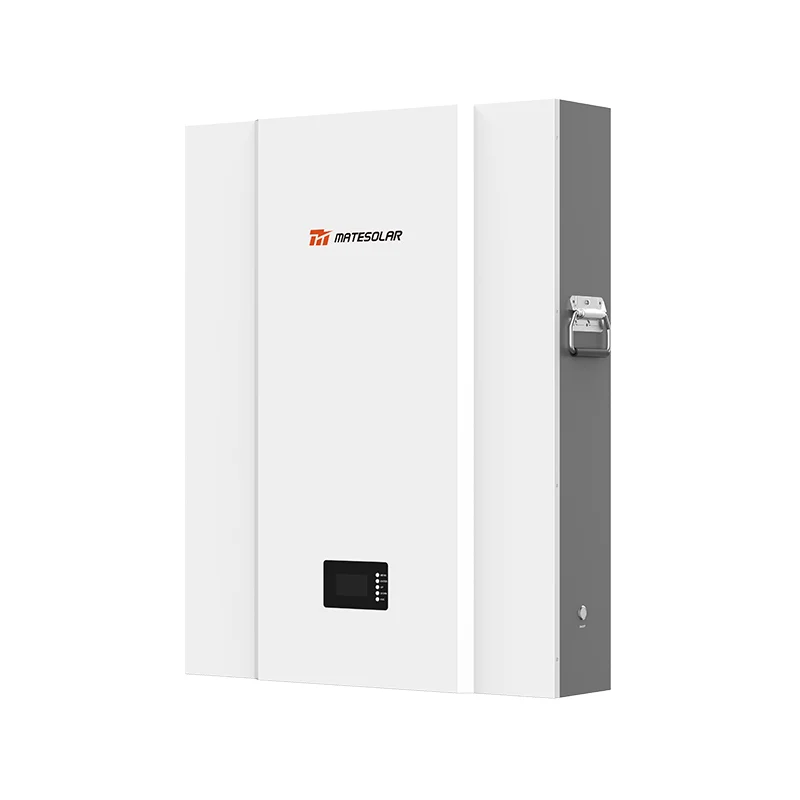
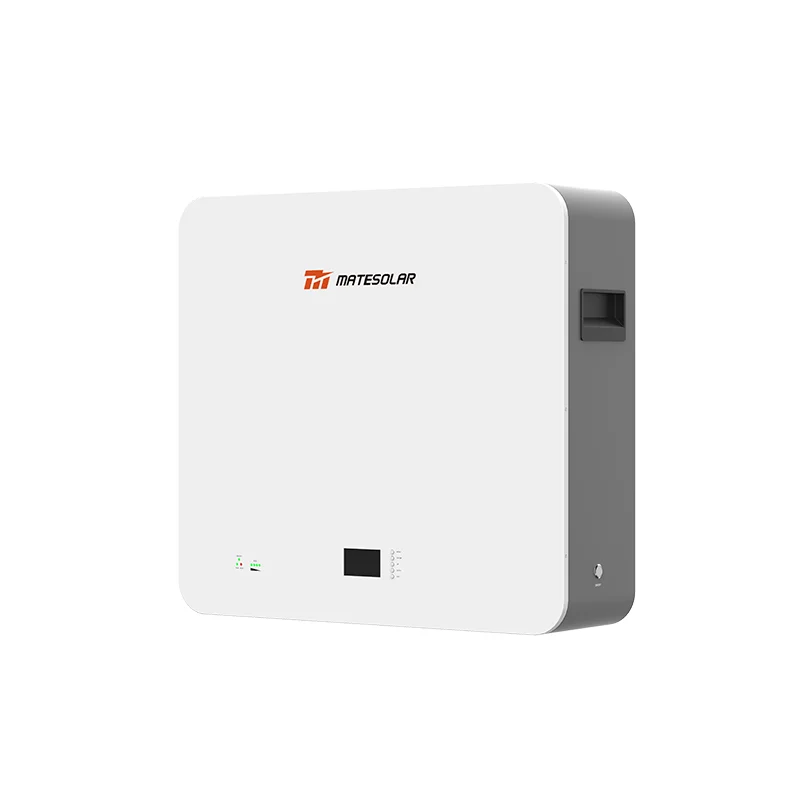
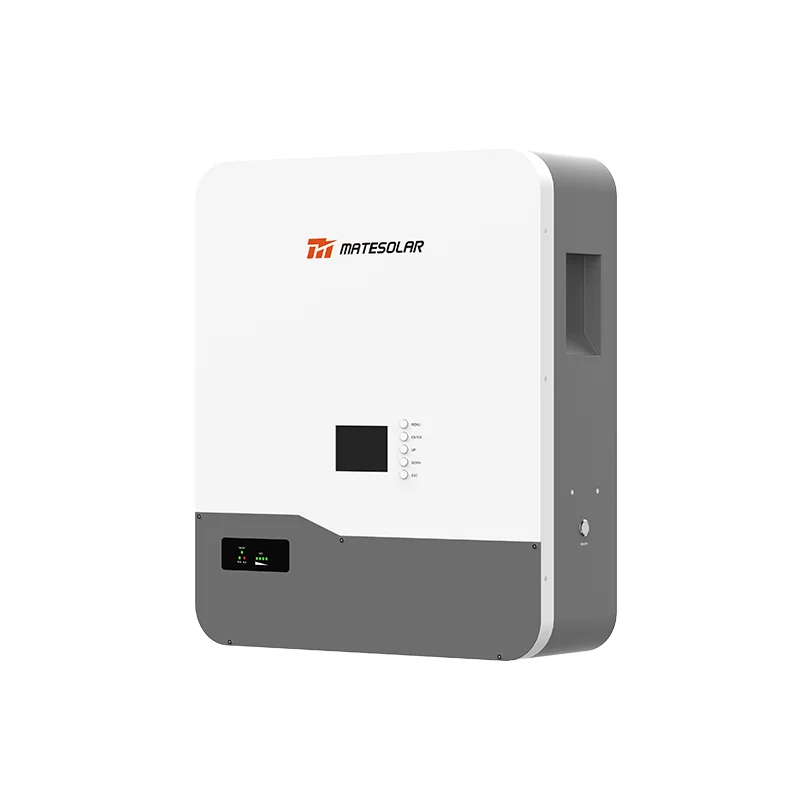
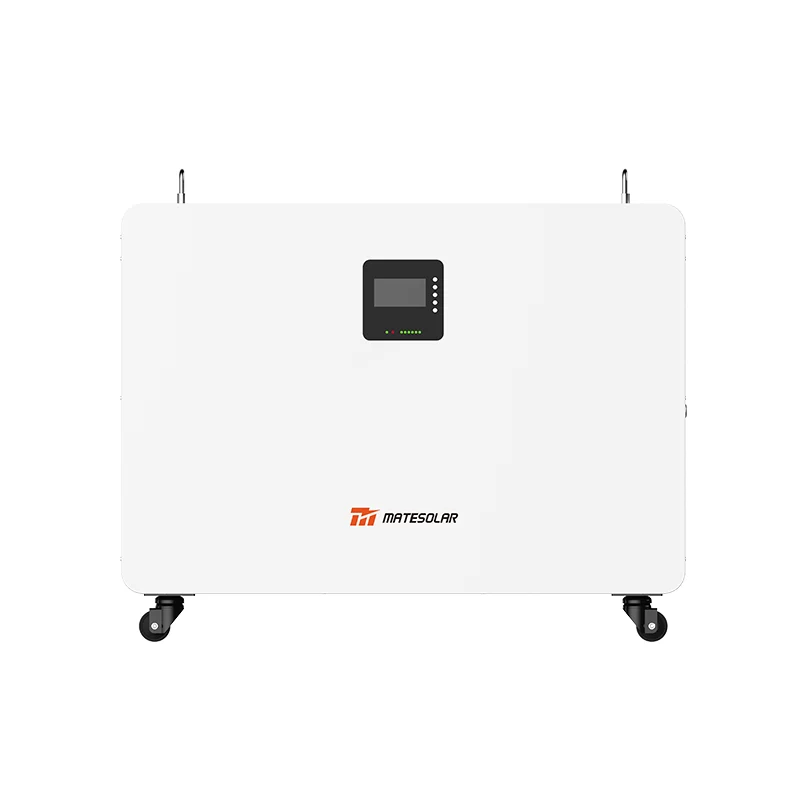
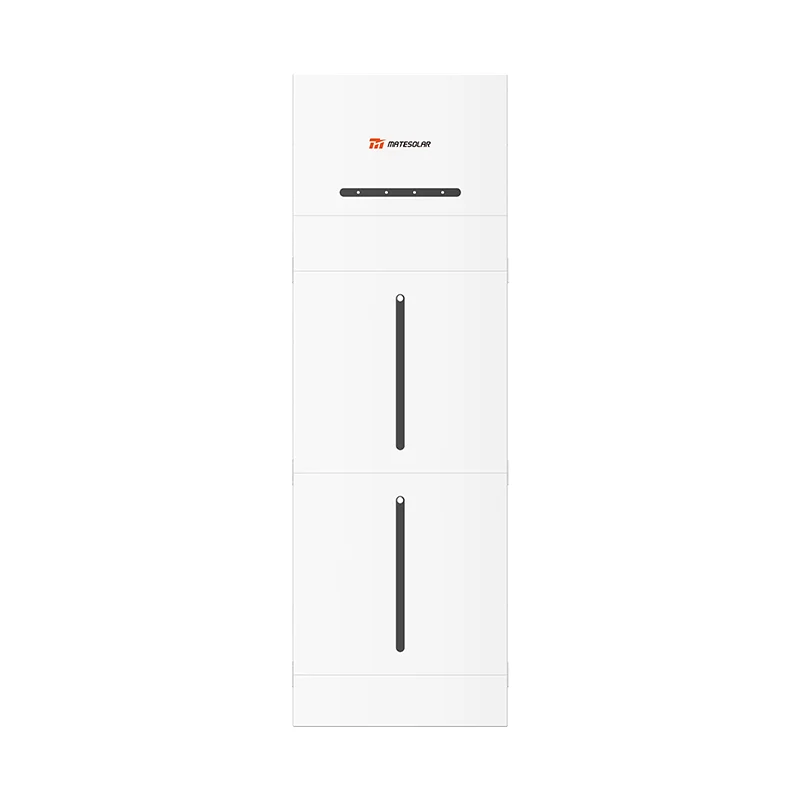
Navigating the transition to a resilient, cost-effective energy future requires a partner with deep technological expertise and regional understanding. At MateSolar, we specialize in delivering end-to-end solar-plus-storage solutions tailored to the unique economic and operational challenges faced by businesses in Latin America and the Caribbean. From initial feasibility and ROI modeling to engineering, procurement, construction (EPC), and long-term operation and maintenance, we are committed to ensuring your project delivers guaranteed performance and financial returns.
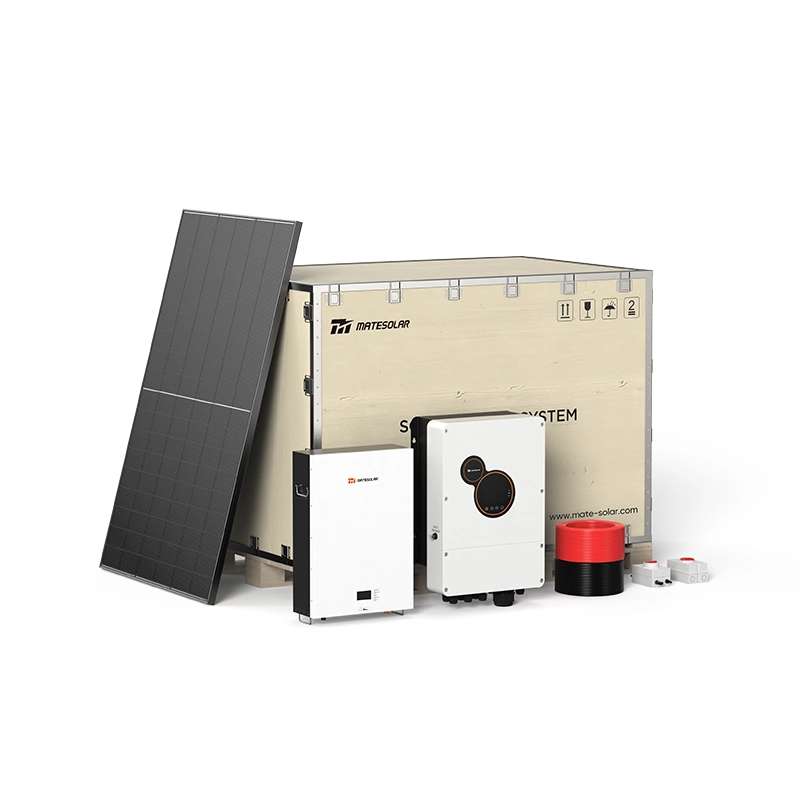
> > Begin your resilience planning today. Explore our comprehensive suite of solutions designed for every scale, from our Solar PV & Energy Storage Systems to the specific products highlighted in this guide.