











Executive Summary: Energy Independence as a National Imperative
Ukraine's energy landscape has undergone a seismic shift since February 2022. With nearly two-thirds of the country's dispatchable power capacity damaged, destroyed, or occupied, the nation faces an unprecedented energy deficit, projected to reach 6 GW during the critical winter months. In major cities like Kyiv, buildings routinely endure daily blackouts exceeding 10 hours. This reality has transformed distributed energy resources—particularly solar photovoltaic (PV) systems coupled with battery energy storage (BESS)—from a green alternative into a critical infrastructure for national survival, economic continuity, and societal resilience.
The market response has been explosive. In a single month (June 2024), China's exports of inverters and solar components to Ukraine surged by 139% and 69%, respectively. This boom is driven by a powerful combination of extreme necessity, strategic government policy, and international support, creating a unique and urgent opportunity for energy solution providers and end-users alike.
This comprehensive analysis delves into the core drivers, technical solutions, and strategic pathways for deploying resilient solar-plus-storage systems across Ukraine, providing a definitive guide for businesses and communities seeking energy autonomy.
1. The Ukrainian Energy Reality: A System Under Siege
The foundation of Ukraine's current energy crisis is the systematic targeting of its centralized energy infrastructure. The scale of destruction is staggering.
Table 1: The Impact of War on Ukraine's Energy Generation Capacity
| Metric | Pre-War Capacity (Approx.) | Current Capacity (Est. Mid-2024) | Notes & Source |
| Total Generation | ~40 GW | ~10 GW | Includes all sources. |
| Thermal Power | N/A | >80% damaged/destroyed | Primary target of attacks. |
| Dispatchable Capacity | N/A | ~64% lost | Capacity that can be controlled to meet demand. |
| Rooftop Solar Potential | Underutilized | ~8.5 GW Technical Potential | IEA high-resolution assessment shows vast unused capacity. |
This devastation has triggered a cascade of consequences:
- Prolonged Blackouts: Essential services, homes, and industries face unpredictable, long-duration power cuts.
- Economic Pressure: To manage extreme shortage, electricity prices have soared—industrial tariffs rose over 30% and household tariffs by 63% in 2024. The household tariff was officially raised to 4.32 UAH/kWh (approx. $0.107) in June 2024.
- Strategic Pivot: The vulnerability of large, centralized plants has forced a fundamental rethink. The national strategy, supported by the International Energy Agency (IEA), now explicitly prioritizes decentralized electricity systems as the most resilient and cost-effective path forward.
2. Core Market Drivers: Policy, Finance, and Survival
The explosive growth of Ukraine's solar-storage market is not accidental. It is the result of a concerted, multi-layered effort to incentivize decentralized energy independence.
2.1 Legislative and Fiscal Incentives
The Ukrainian government has implemented some of the most aggressive incentive structures in the world to accelerate energy equipment deployment.
1. Tax and Duty Exemption: Since July 27, 2024, the import of power generating equipment, solar panels, and batteries (excluding small consumer batteries) has been exempt from customs duties and value-added tax (VAT). This law, passed by the Verkhovna Rada and signed by the President, significantly reduces the capital cost of importing critical technology.
2. The "Active Consumer" Model: A landmark legislative change introduced the self-generation mechanism. This allows businesses and households that install generation capacity to not only cover their own needs but also to sell surplus electricity back to the grid. This transforms a solar-storage system from a cost center into a potential revenue stream.
3. Accessible Financing: State-owned banks like Ukrgasbank and Oschadbank offer specialized loan programs for green energy plants. Most pivotally, the government launched a 0% interest loan program for citizens to purchase solar panels and storage, with loans up to 480,000 UAH (approx. $11,700) and a 10-year term. It is estimated that 80% of residential storage purchases are now financed through these bank loans.
2.2 International Support and Large-Scale Projects
The global community is aligning behind Ukraine's decentralized energy vision. The United Nations Development Programme (UNDP) and Norway have launched a $200 million energy recovery and green transition plan. Furthermore, the G7+ coalition has mobilized over $7 billion in energy aid since 2022.
This support is materializing in concrete, large-scale projects that validate the technology's role:
- DTEK & Fluence (200 MW / 400 MWh): Ukraine's largest private energy company is deploying six battery storage sites across the country. This €140 million project is designed to provide rapid grid stabilization services and backup power, equivalent to supplying half of Kyiv's households for a short period.
- The RISE Plan: DTEK, in partnership with UK's Octopus Energy, is rolling out a €100 million program to deploy 100 commercial solar-plus-storage "microgrid" projects over three years. These installations are directly aimed at keeping businesses operational during blackouts.
3. Technical Deep Dive: Architecting Resilience for Industry
For an industrial facility in Kyiv or Kharkiv, the core question is not if the grid will fail, but for how long. The solution moves beyond simple backup to designing an intelligent, resilient energy ecosystem.
3.1 From Passive Backup to Active Microgrid
The goal is to transition from being a "passive power failure victim" to an "active energy manager." This is achieved by integrating:
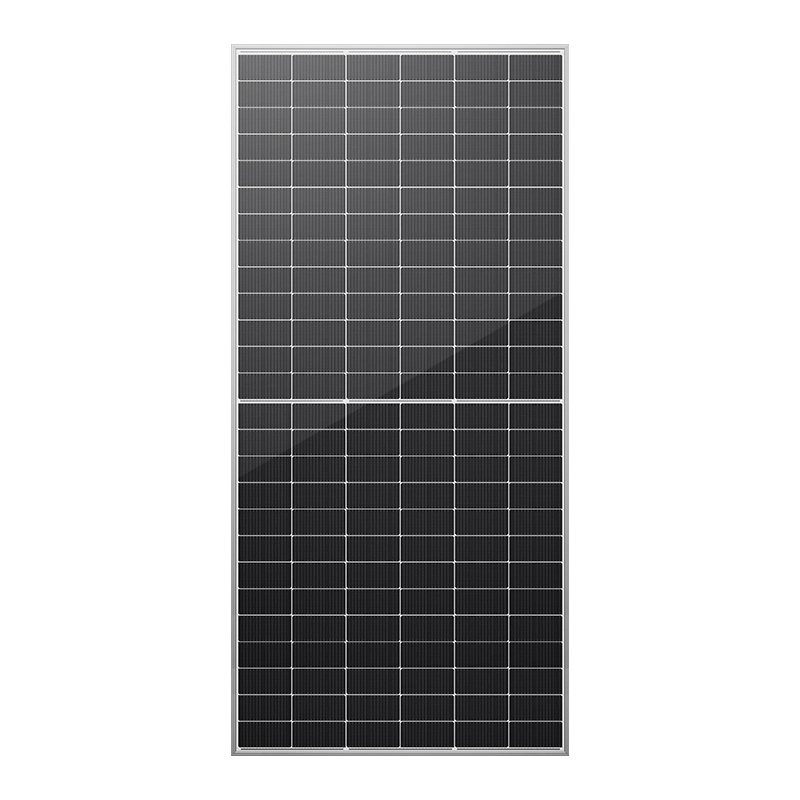
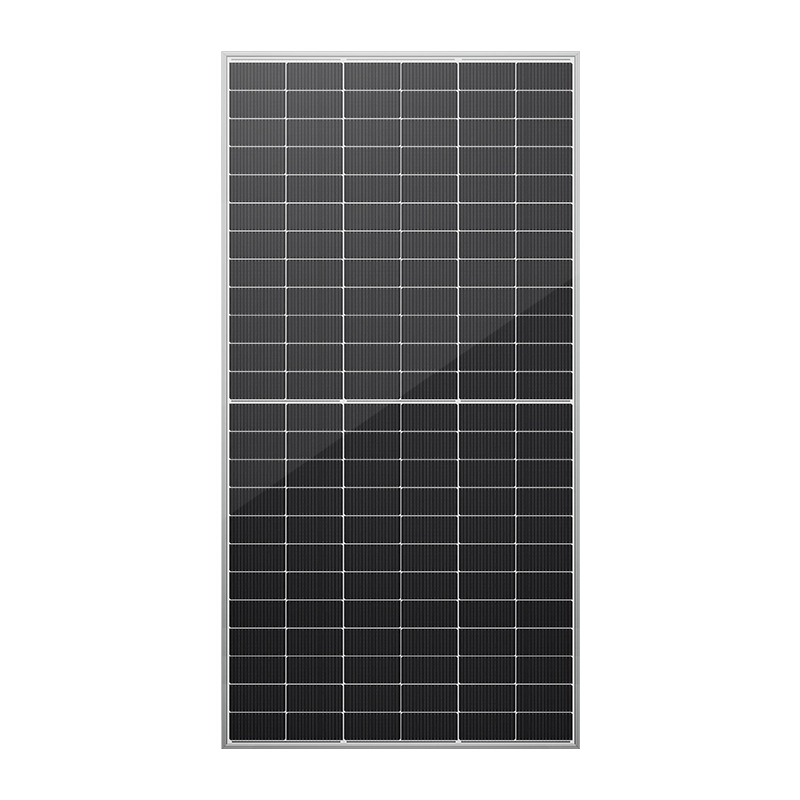
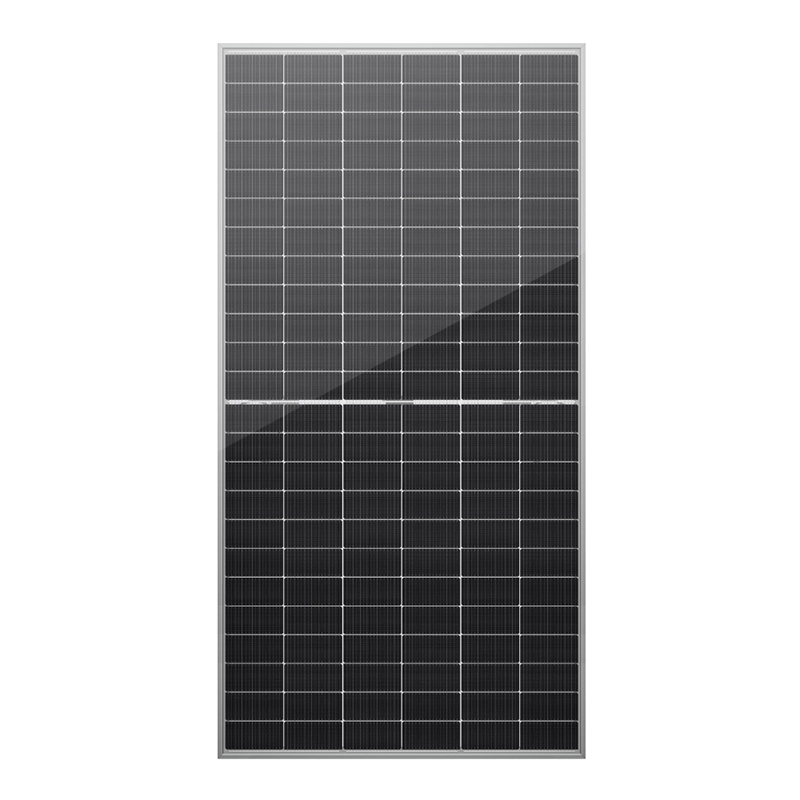
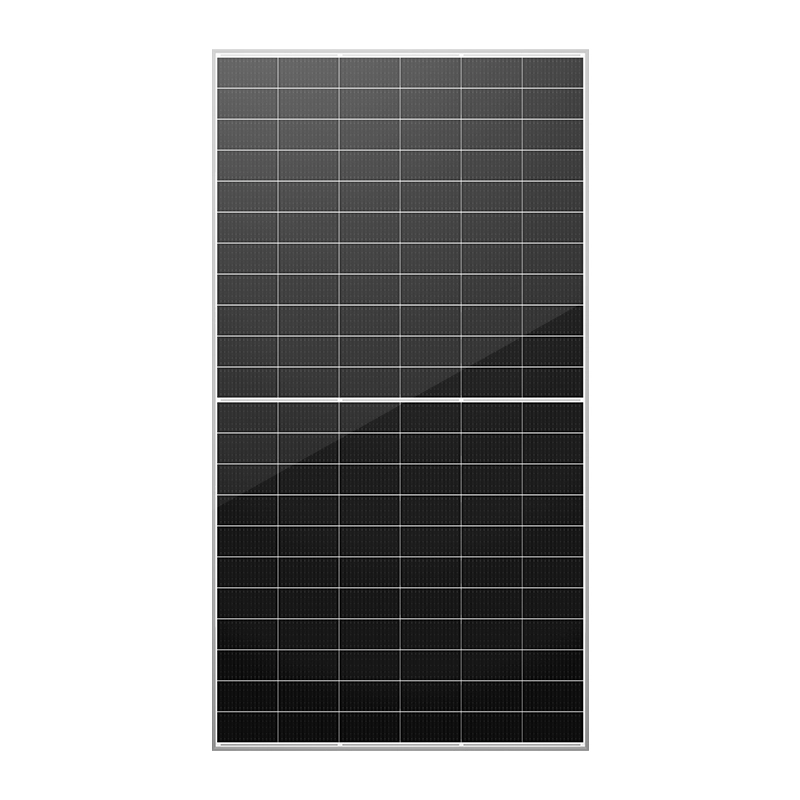
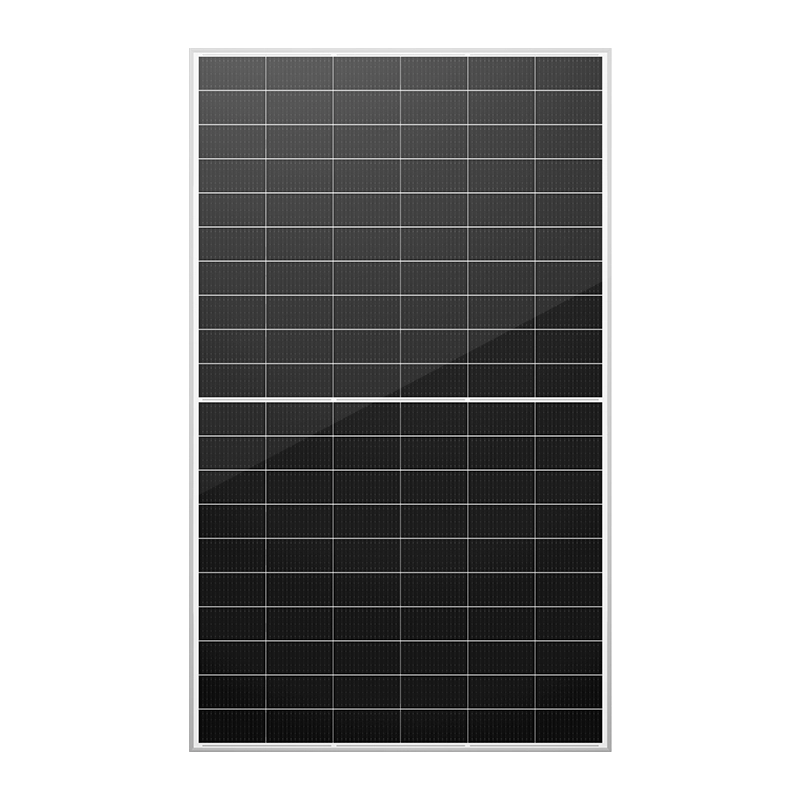
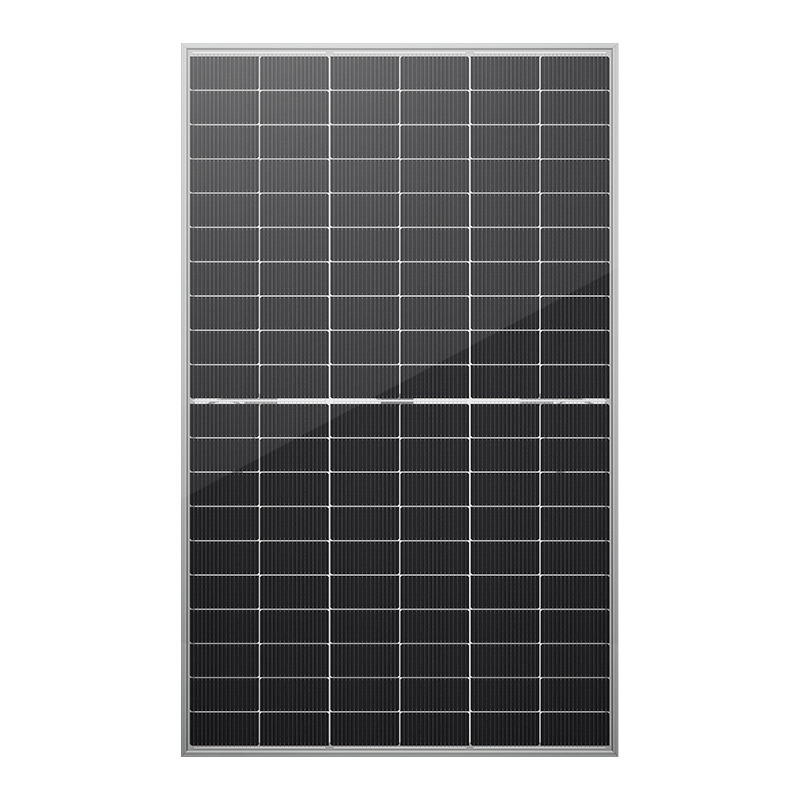
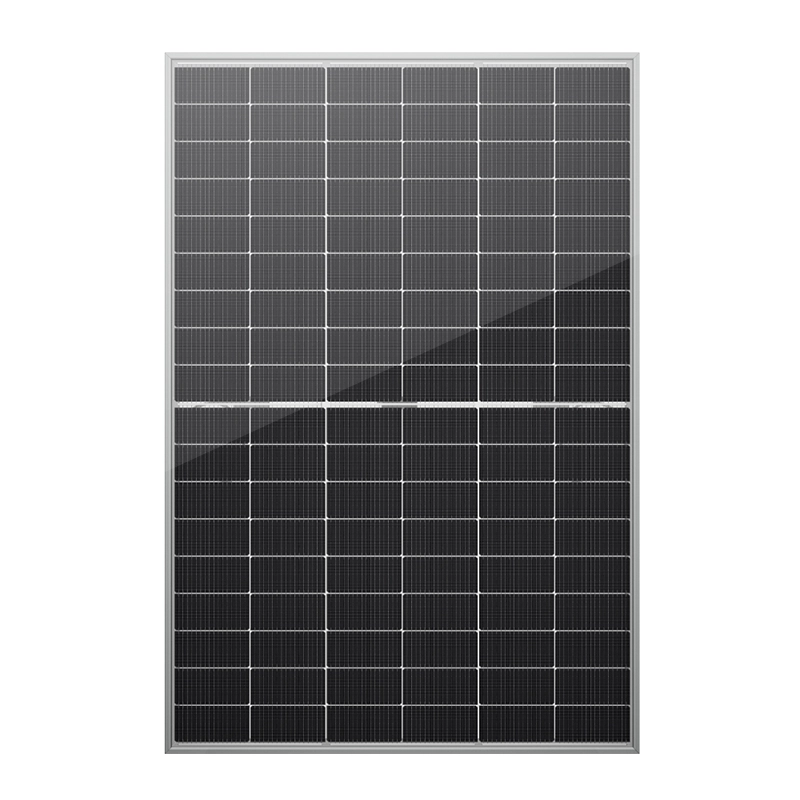
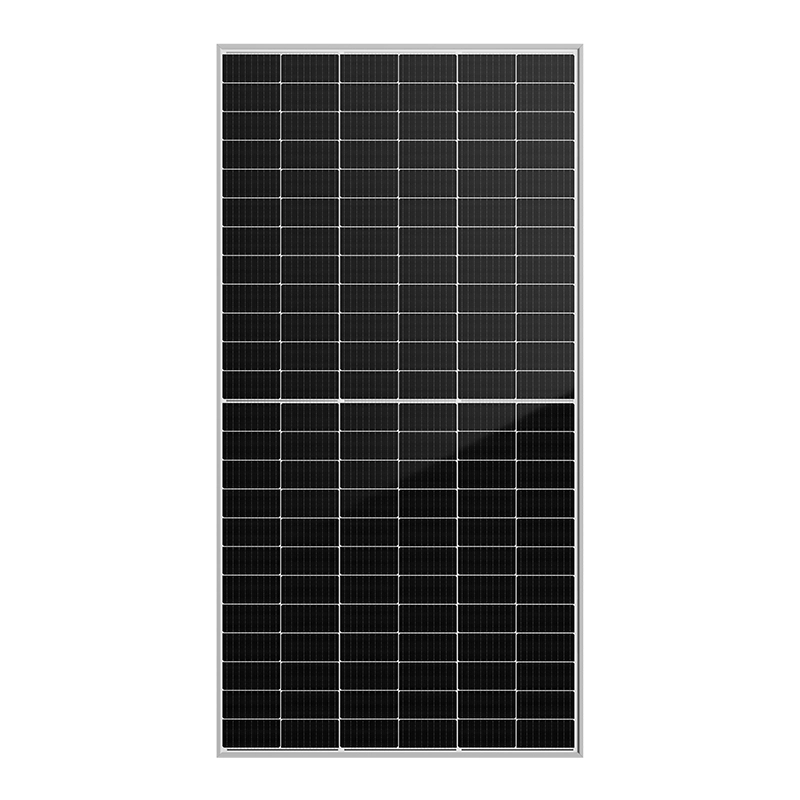
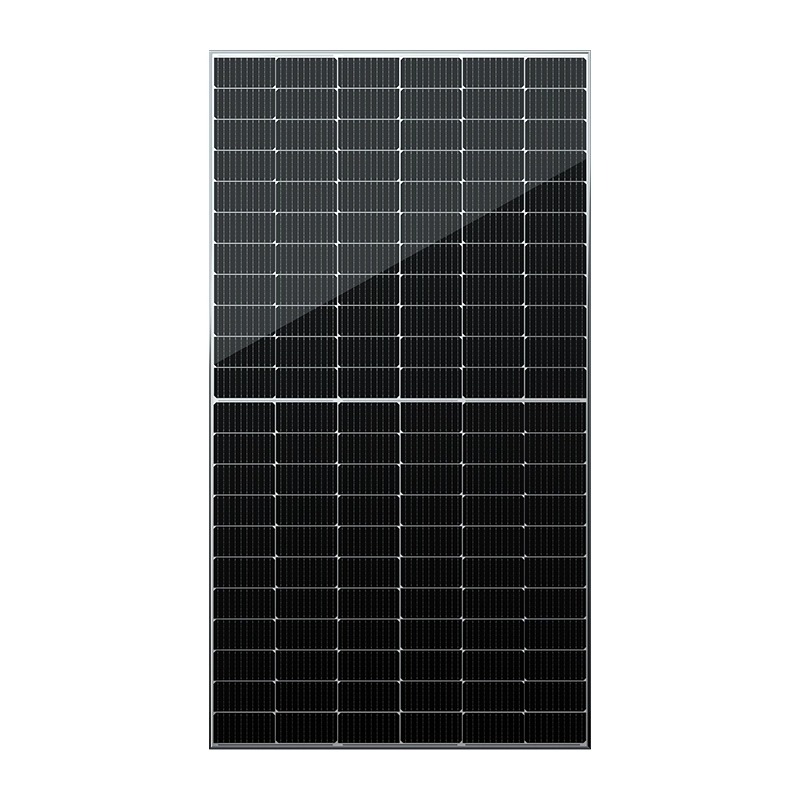
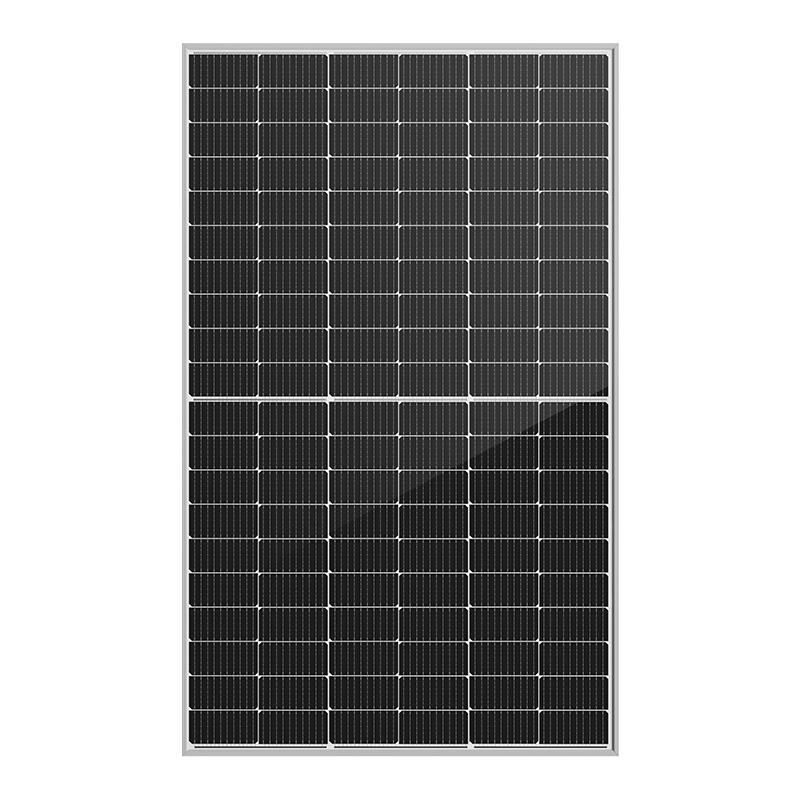
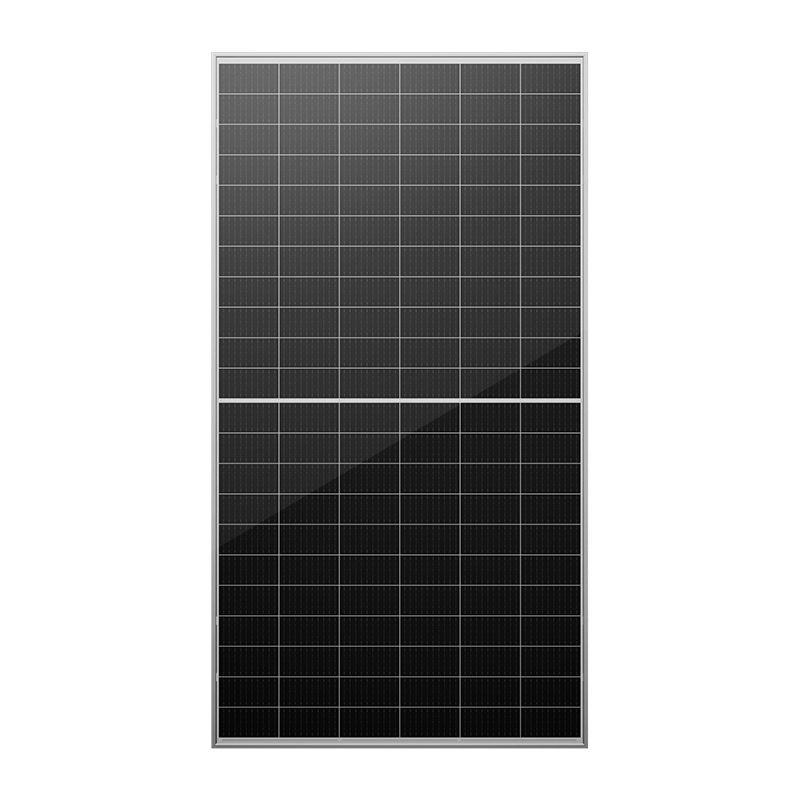
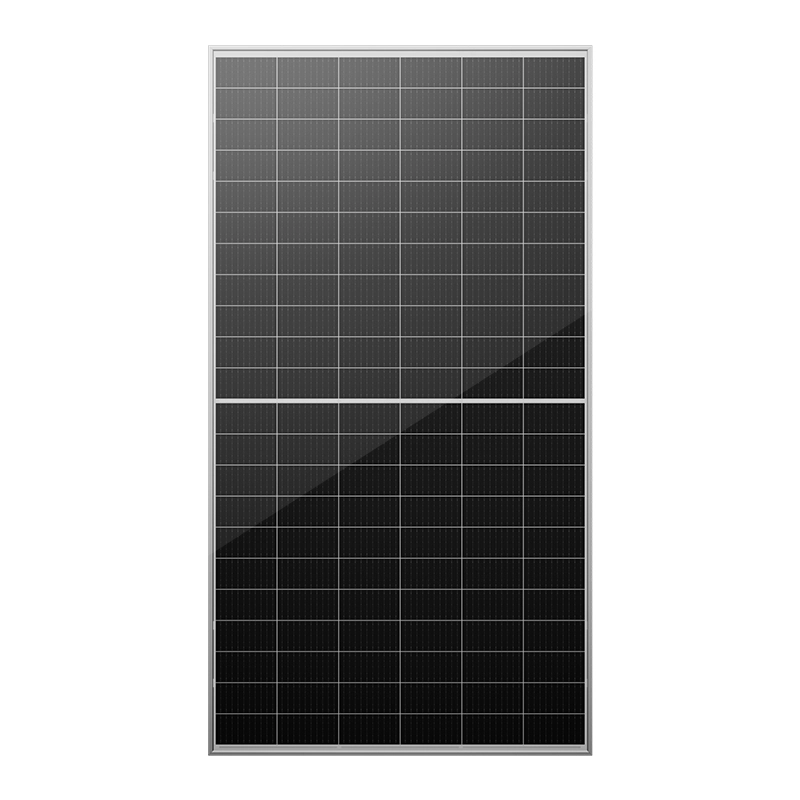
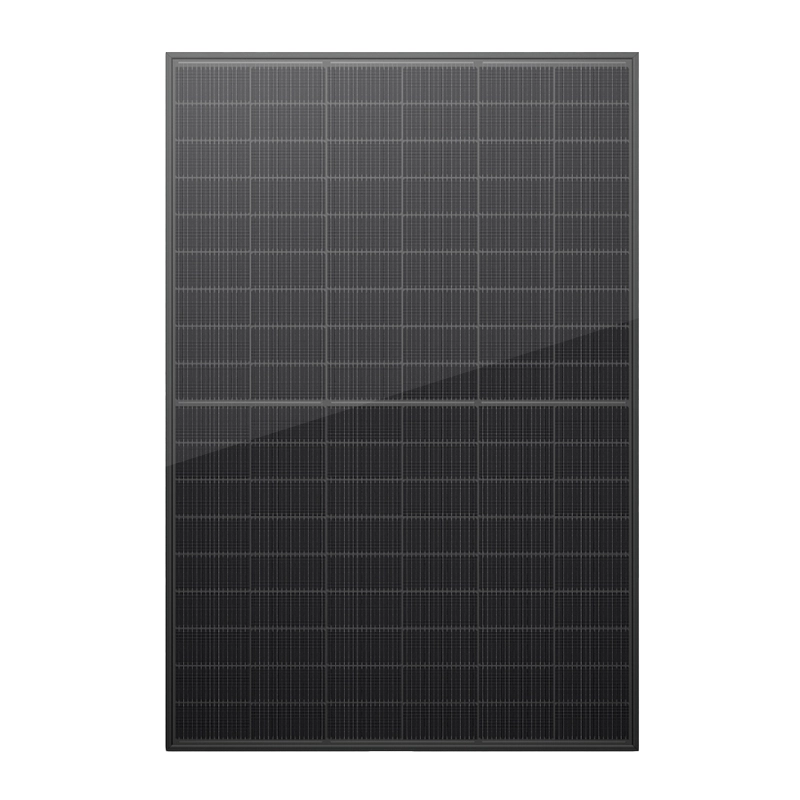
- Solar PV Array: The primary generation asset, offsetting consumption and providing fuel-free power during daylight outages.
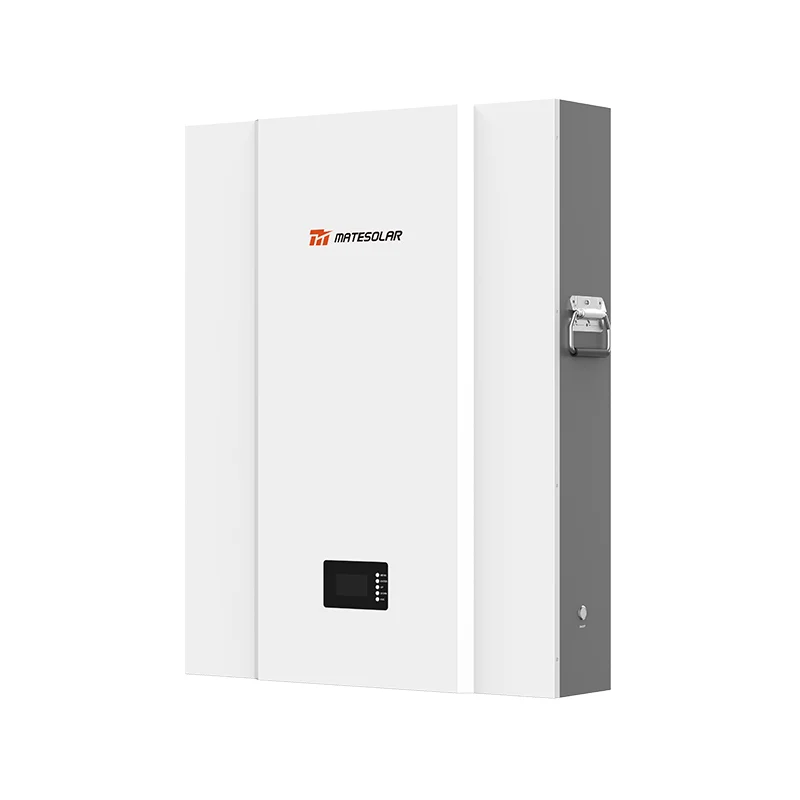
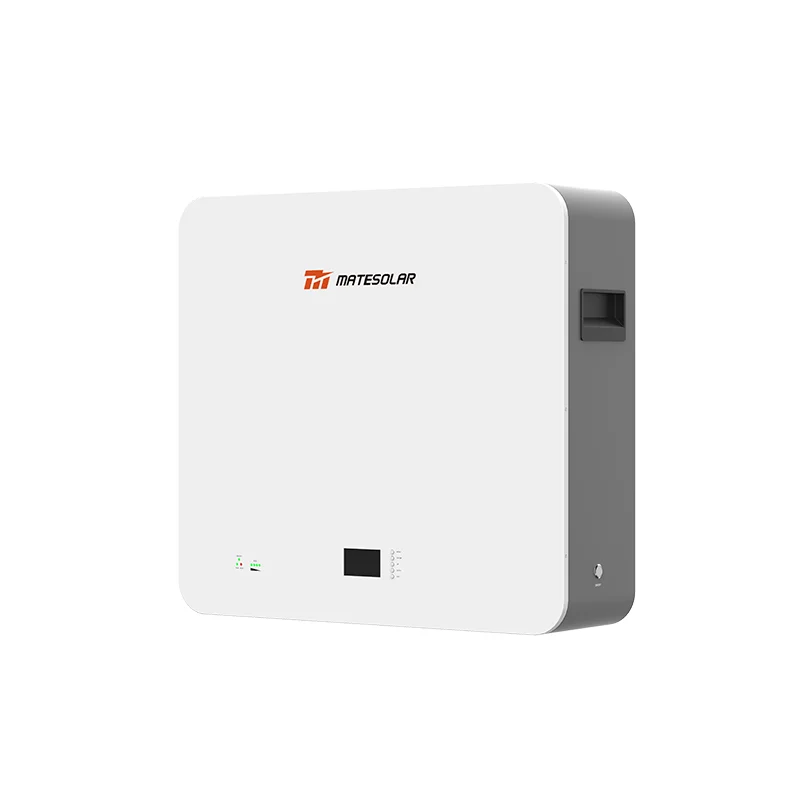
- Battery Energy Storage System (BESS): The heart of resilience. It stores solar or grid energy for use during night-time or extended blackouts.
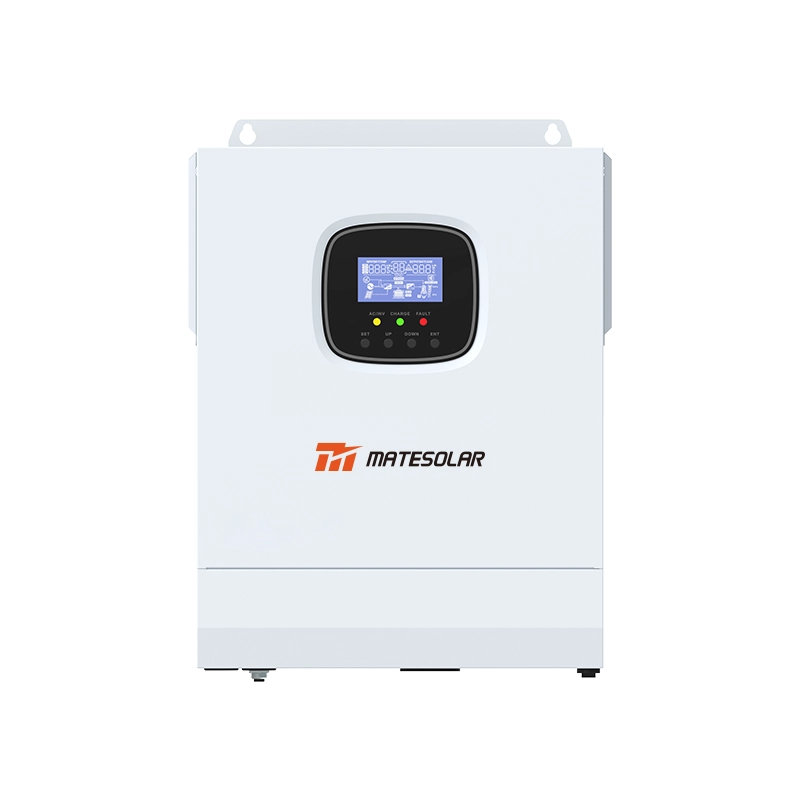
- Advanced Inverter/Controller: The "brain" that seamlessly manages energy flow between solar, battery, grid, and critical loads, ensuring uninterrupted power (UPS-level transition) during grid failure.
- Energy Management Software (EMS): Platforms like Octopus Energy's Kraken are being deployed in Ukraine to use AI for forecasting, optimizing self-consumption, and automating the sale of excess power to the grid when profitable.
3.2 Solution Sizing for Critical Industrial Loads
Designing a system to ensure 24/7 operation of a core production line requires meticulous planning. The system must be sized for both daily energy cycling and backup duration during prolonged outages.
*Table 2: Example Solar+Storage Configurations for Industrial Resilience*
| Facility Profile | Critical Load | Recommended Solar PV | Recommended Storage | Key Functionality |
| Mid-Size Factory | 200-300 kW production line | 400-500 kW | 500 kWh - 1 MWh BESS | Seamless UPS for line; reduces peak grid demand. |
| Large Manufacturing Plant | 1 MW+ essential processes | 1 MW+ | 2-4 MWh Containerized BESS | Forms plant-level microgrid; enables substantial energy arbitrage. |
| Hospital or Water Utility | 100-500 kW life-support systems | 300-800 kW | 1-2 MWh BESS | Guarantees >72 hours of autonomy for critical infrastructure. |
Case Study - Chervonohrad Water Utility: An NREL analysis for pumping stations found solar PV to be a highly cost-effective supplemental source, with payback periods of 4.9 to 6 years. While batteries weren't justified purely on economics for this grid-tied use case, the analysis highlights the tailored approach needed for critical infrastructure.
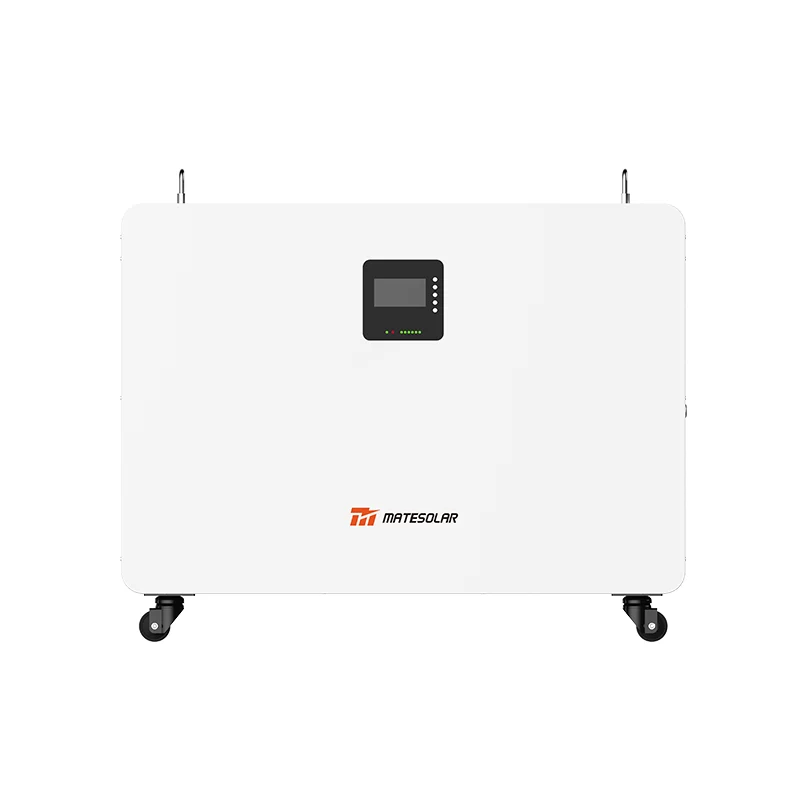
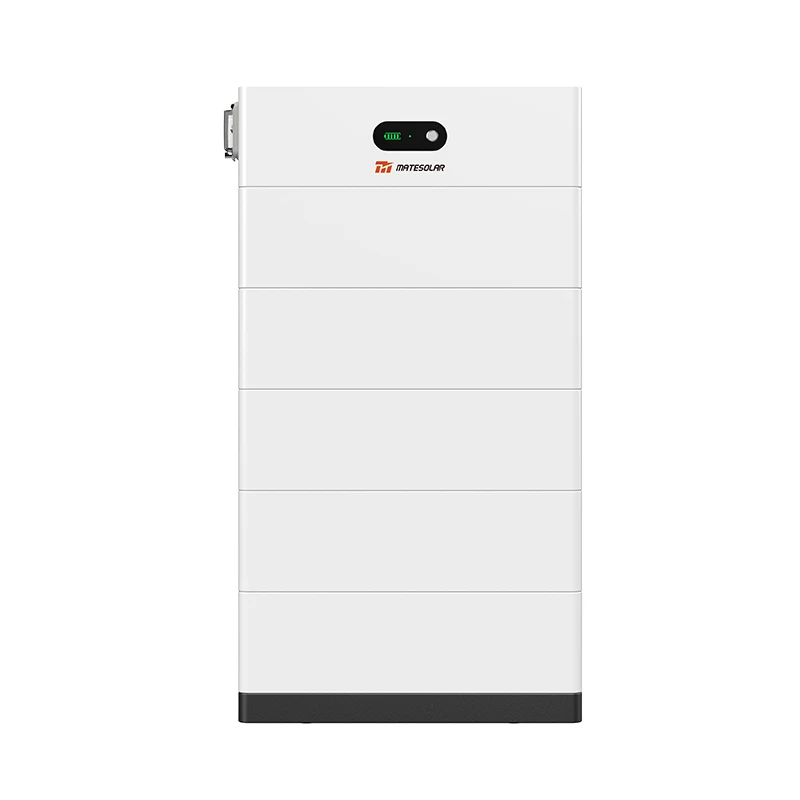
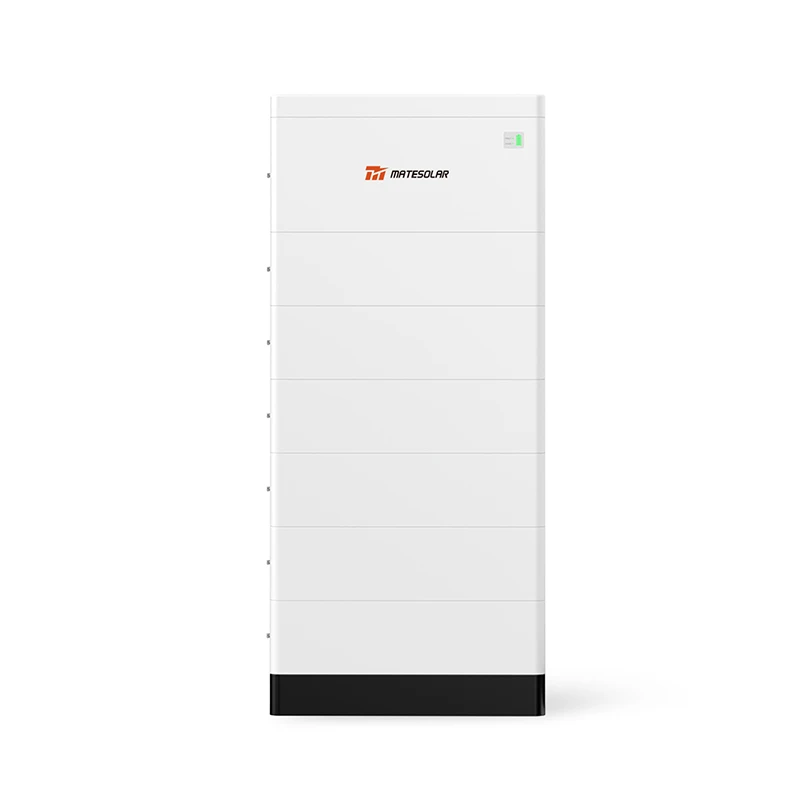
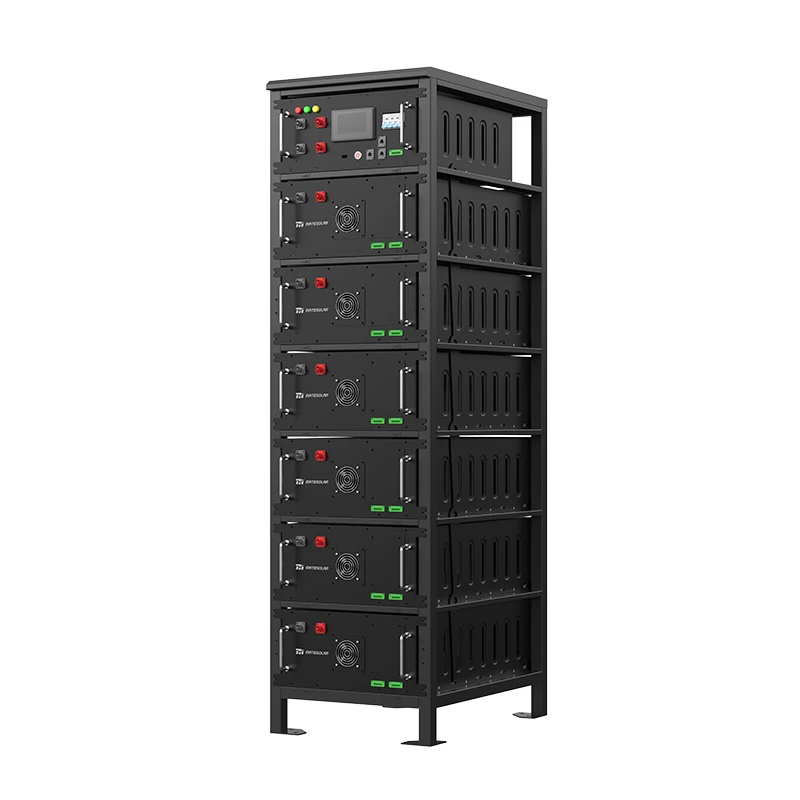
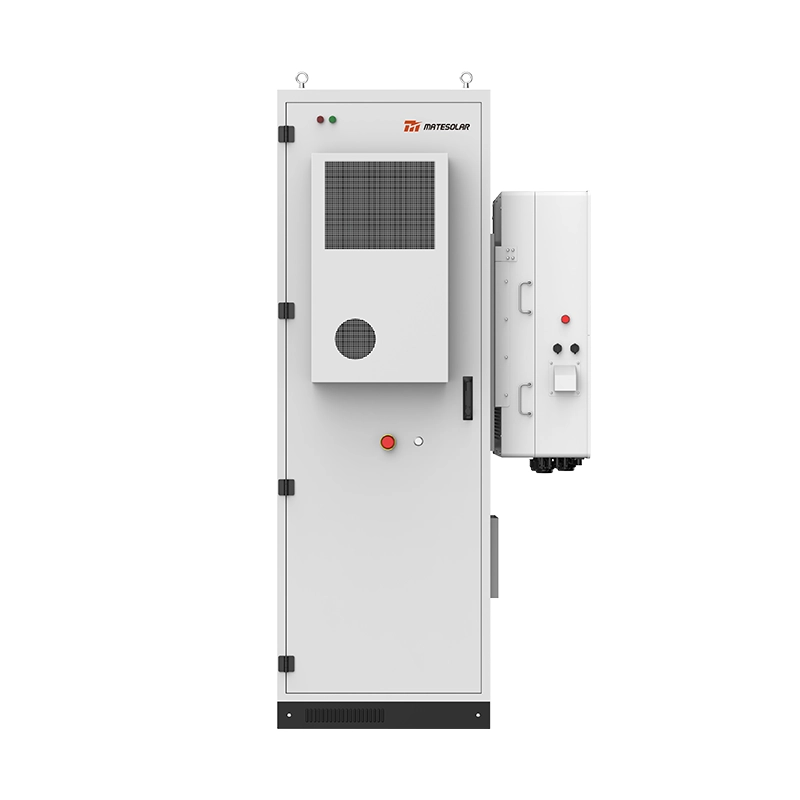
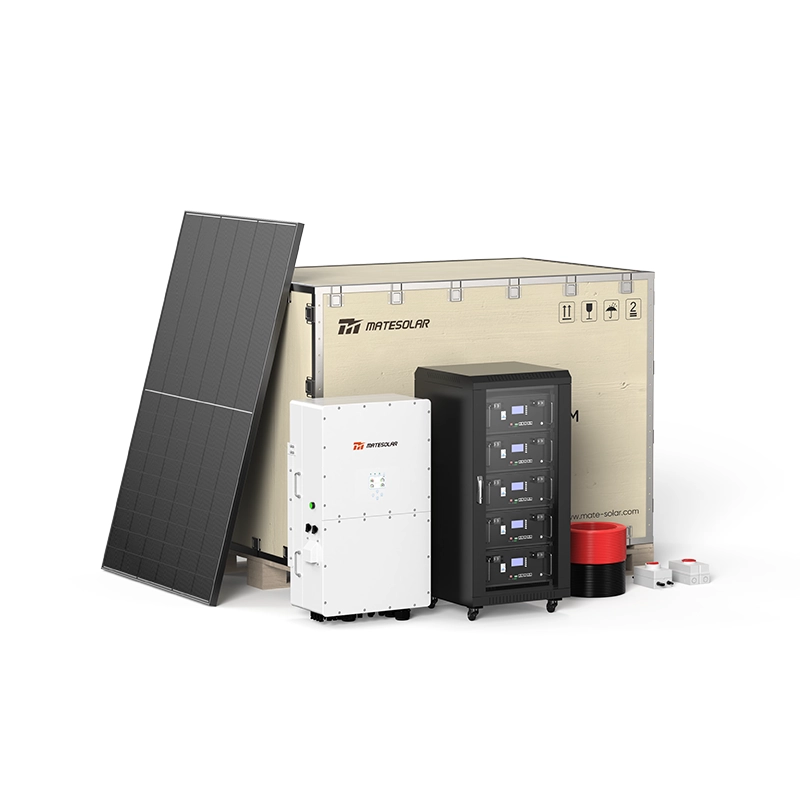
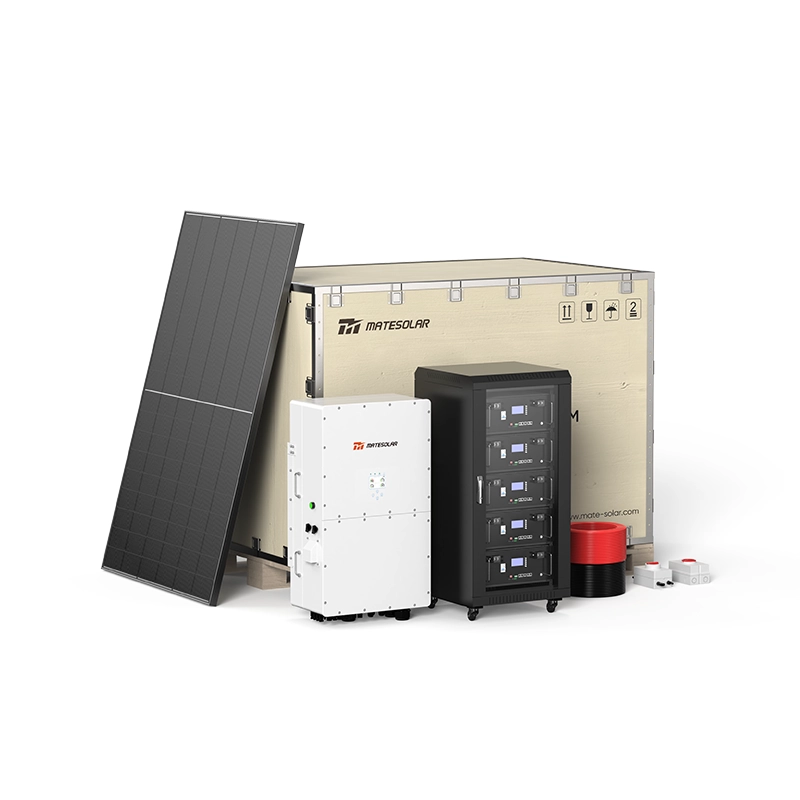
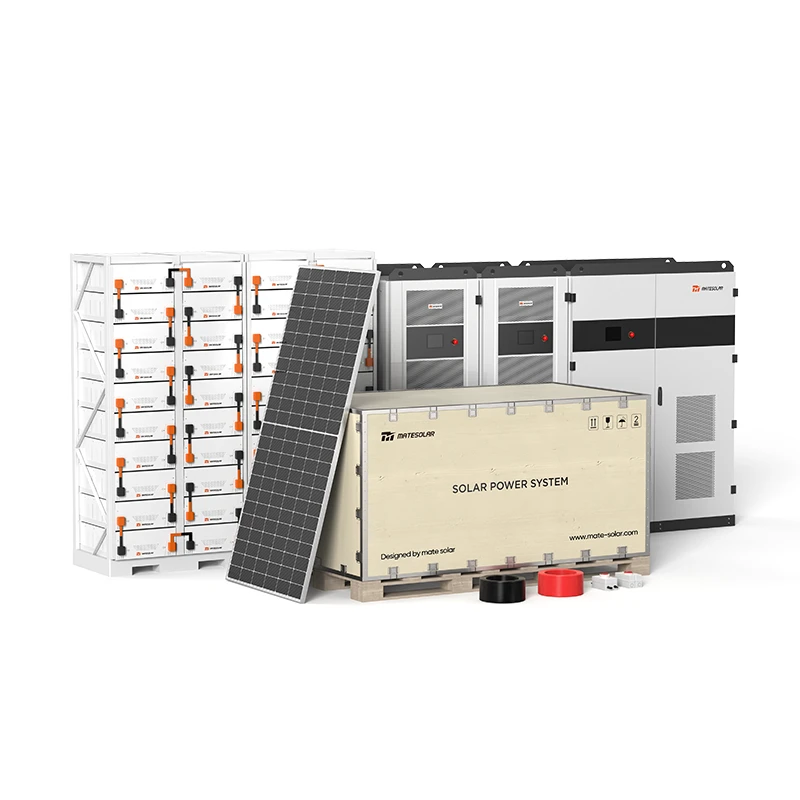
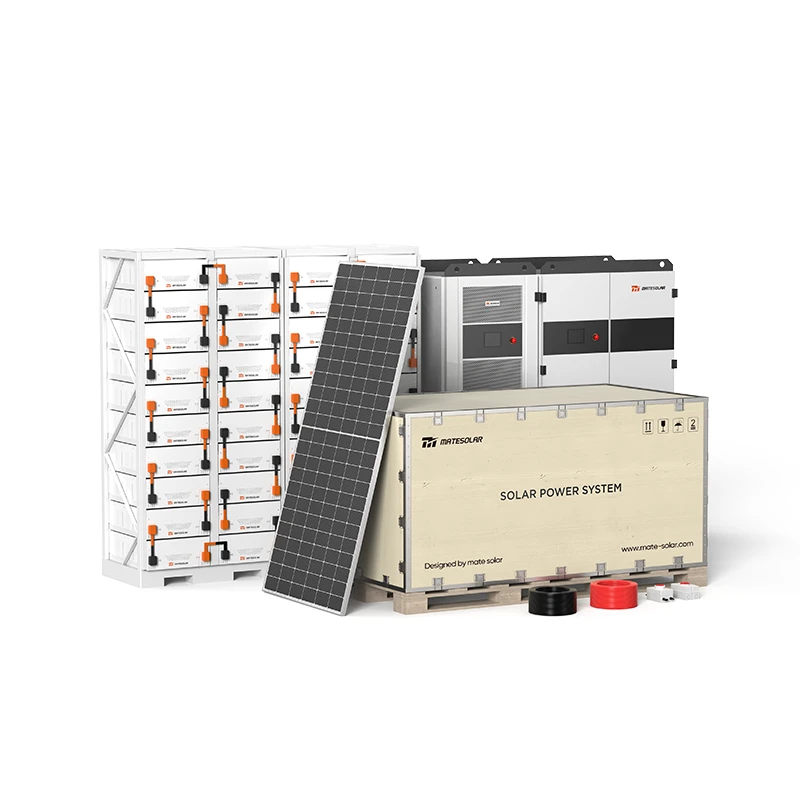
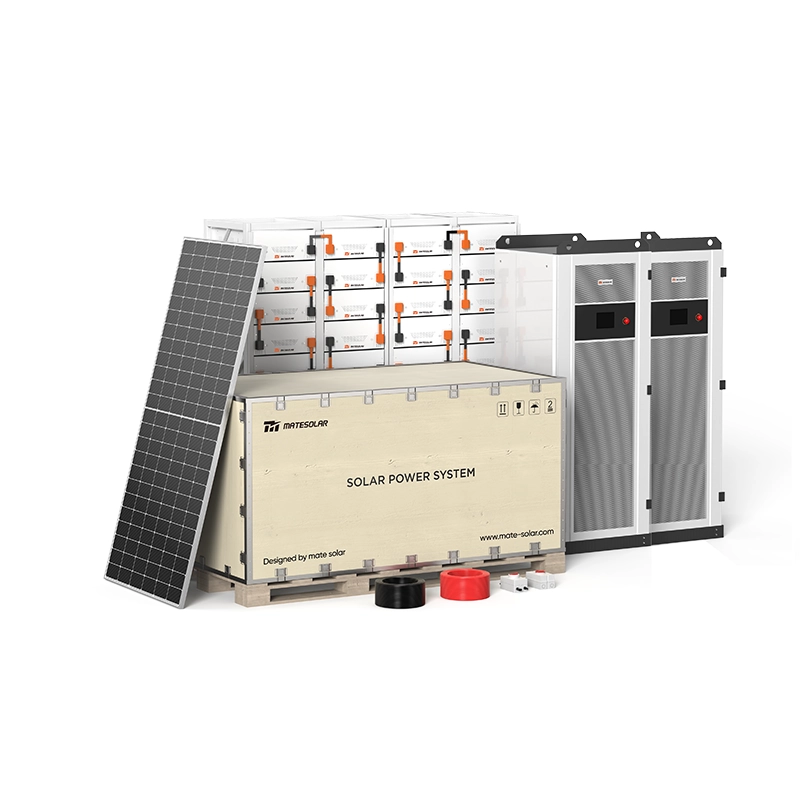
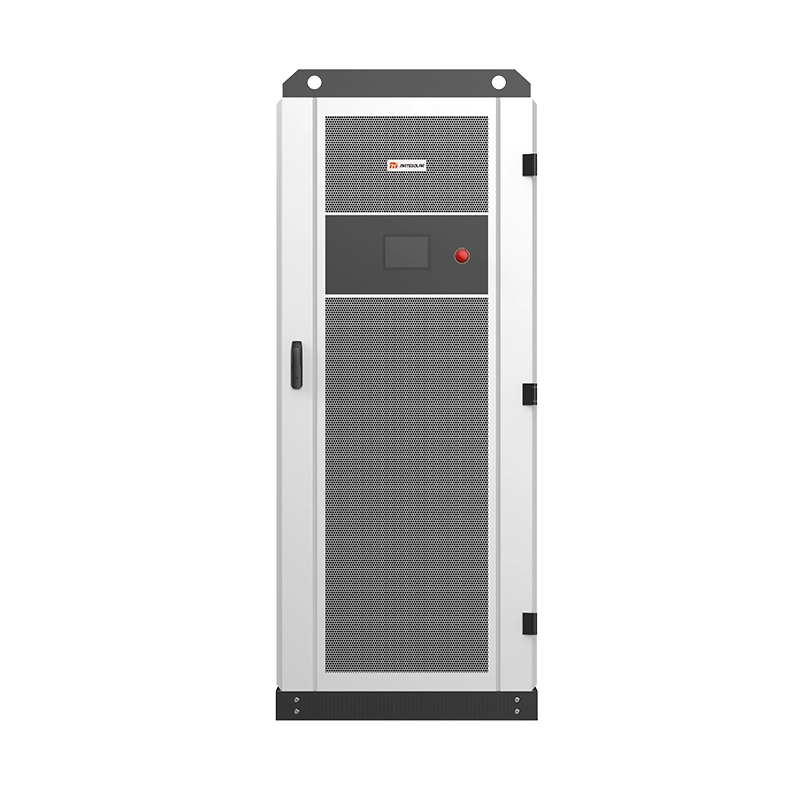
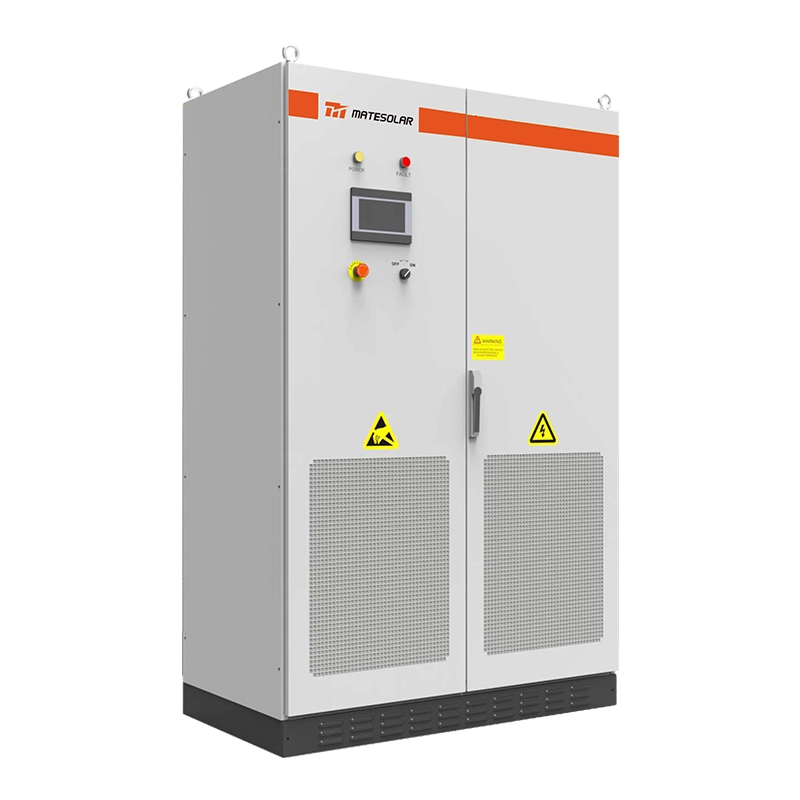
For robust, scalable solutions that can be rapidly deployed, explore our standardized yet flexible high-power commercial offerings, such as the Commercial 500KW Hybrid Solar System. This integrated solution is engineered for the precise needs of medium-to-large industrial facilities demanding reliability.
3.3 The Role of Large-Scale Storage: Grid Stability and Beyond
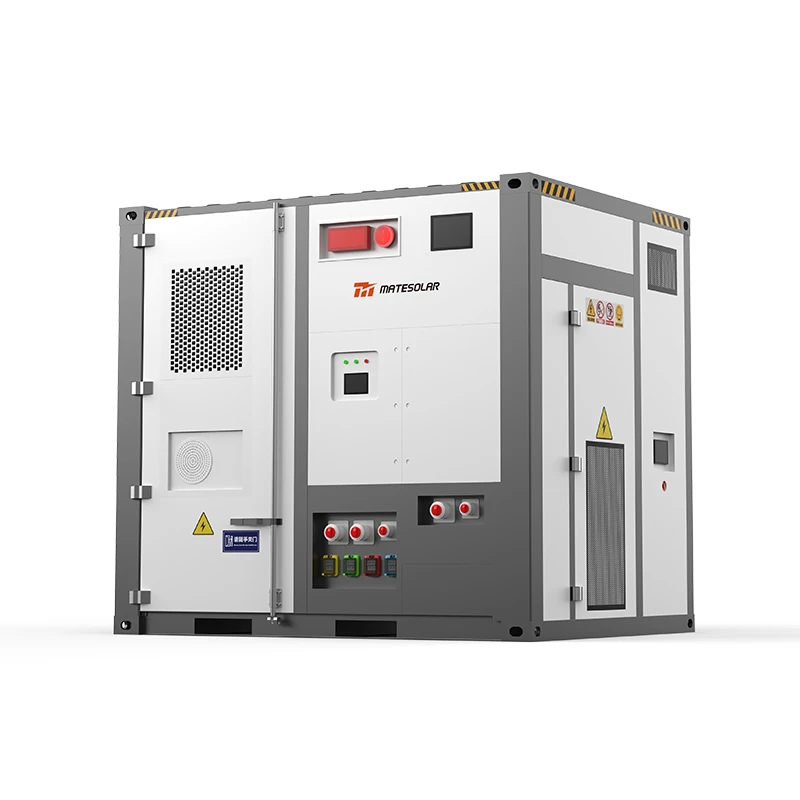
Beyond the consumer level, utility-scale battery storage plays a different but complementary role. Projects like DTEK's 200 MW fleet are designed for grid-forming services—they can help restart and stabilize the regional grid after a blackout. For large industrial parks or communities considering a shared resilience approach, containerized megawatt-scale storage becomes relevant.
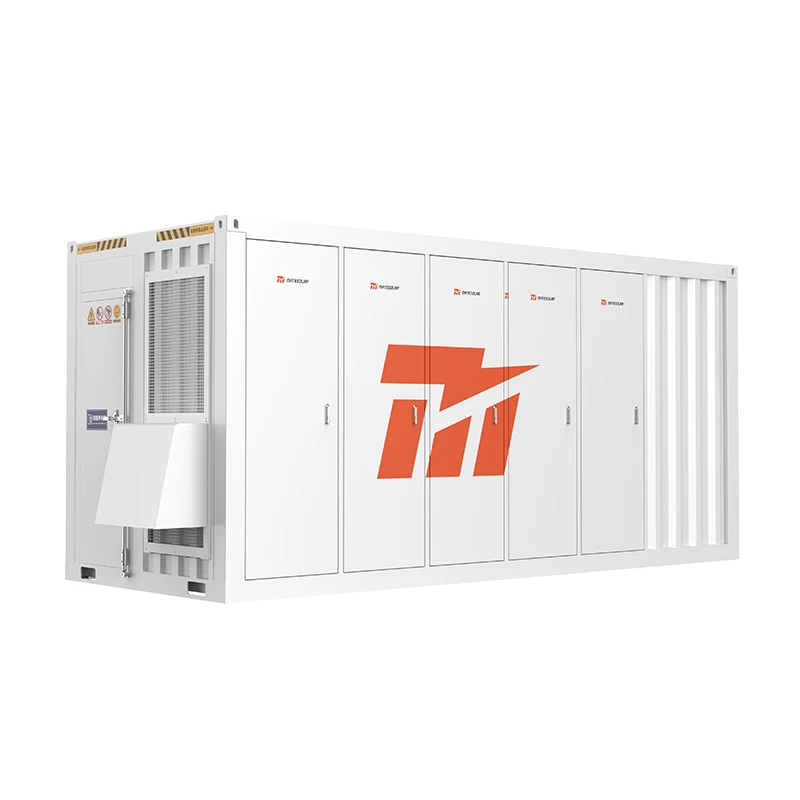
For securing district-level energy independence or stabilizing large industrial campuses, a modular, high-capacity solution is key. Technologies like the 40Ft Air-Cooled Container ESS 1MWh 2MWh Energy Storage System offer a plug-and-play fortress of storage, capable of forming the backbone of a local microgrid.
4. Navigating Implementation: Challenges and Strategic Partnerships
The opportunity is immense, but the path to deployment in a war zone is fraught with unique complexities.
1. Supply Chain and Logistics: While import taxes are waived, physical logistics routes remain volatile. Working with partners who have established, flexible supply chains is critical.
2. Technical Standardization and Grid Connection: Policy frameworks are evolving rapidly. The "active consumer" model is in place, but local grid connection protocols can vary. Engaging with experienced local installers who understand the regulatory paperwork is non-negotiable.
3. The Imperative of Local Partnerships: Success is almost entirely dependent on a strong local partner. This includes:
- Certified Installation Partners: For safe, code-compliant, and warrantied installations.
- Service and Maintenance Network: For rapid response to any technical issues, ensuring system uptime.
- Financial and Legal Advisors: To navigate loans, customs clearance, and energy sales contracts.
5. The Residential Imperative: Energy Security for Every Home
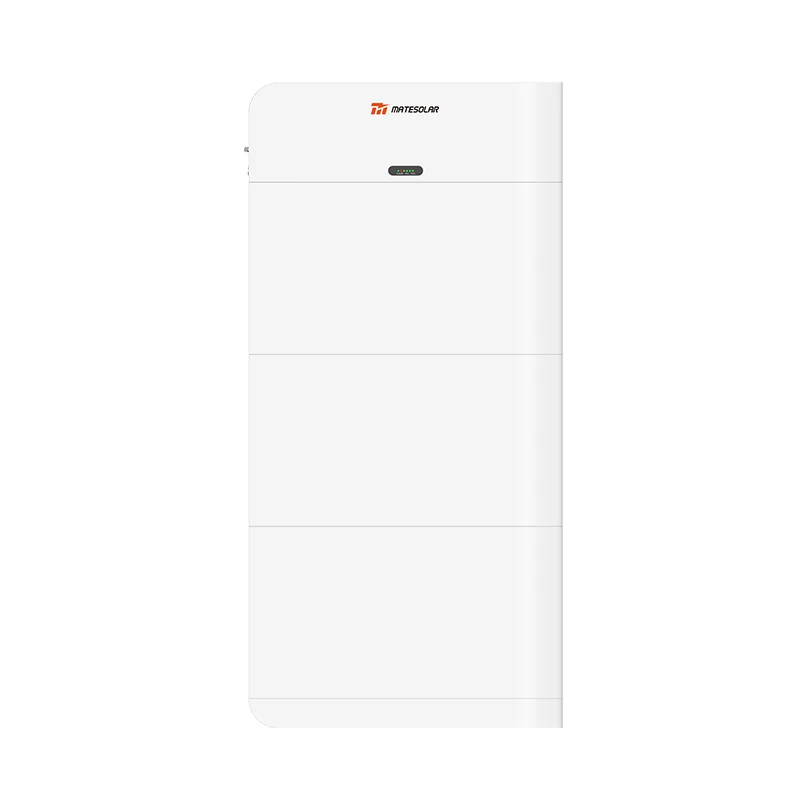
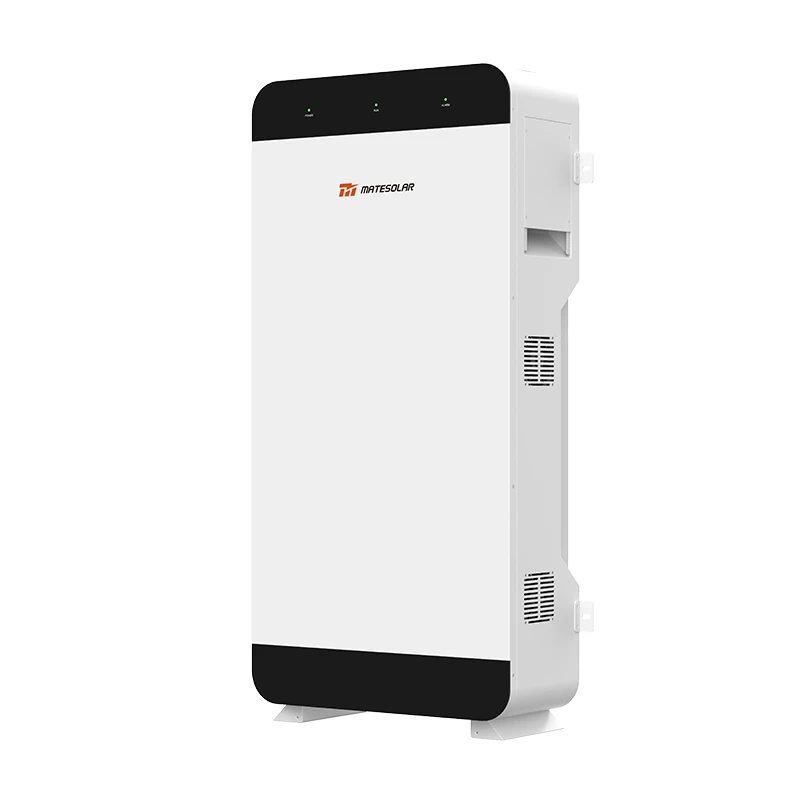
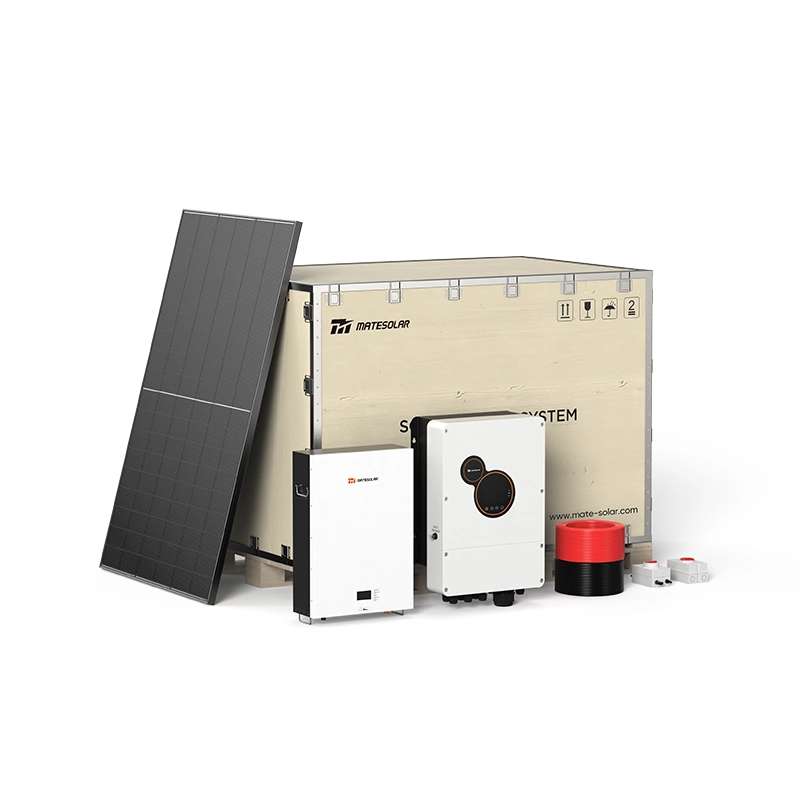
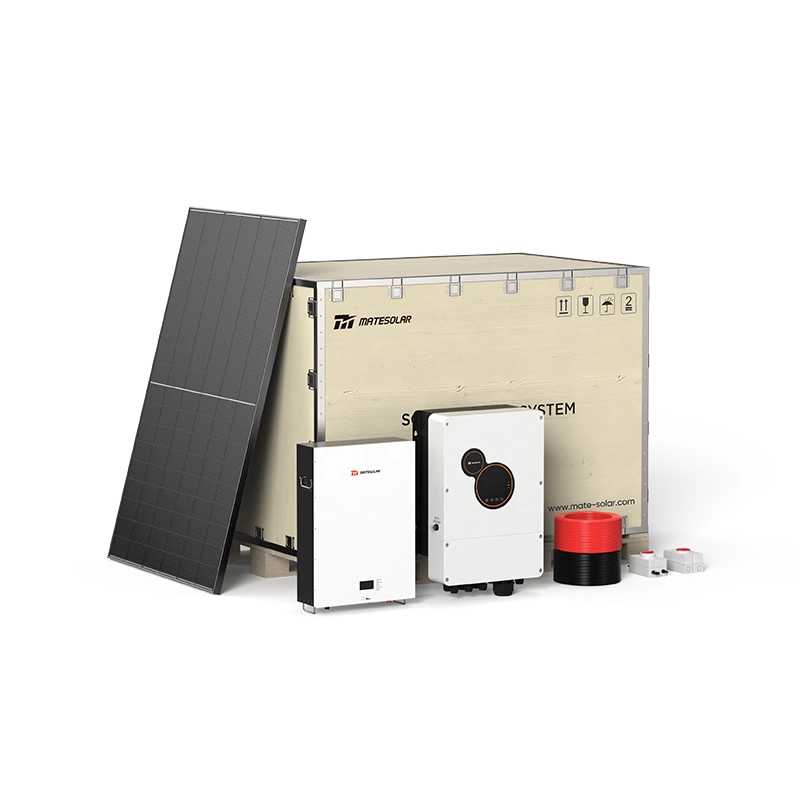
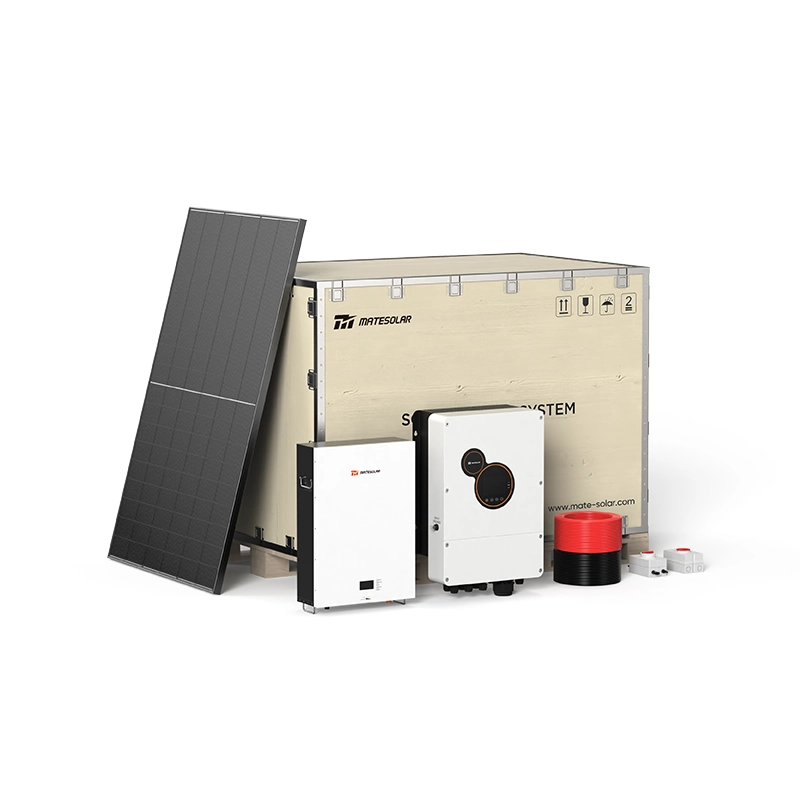
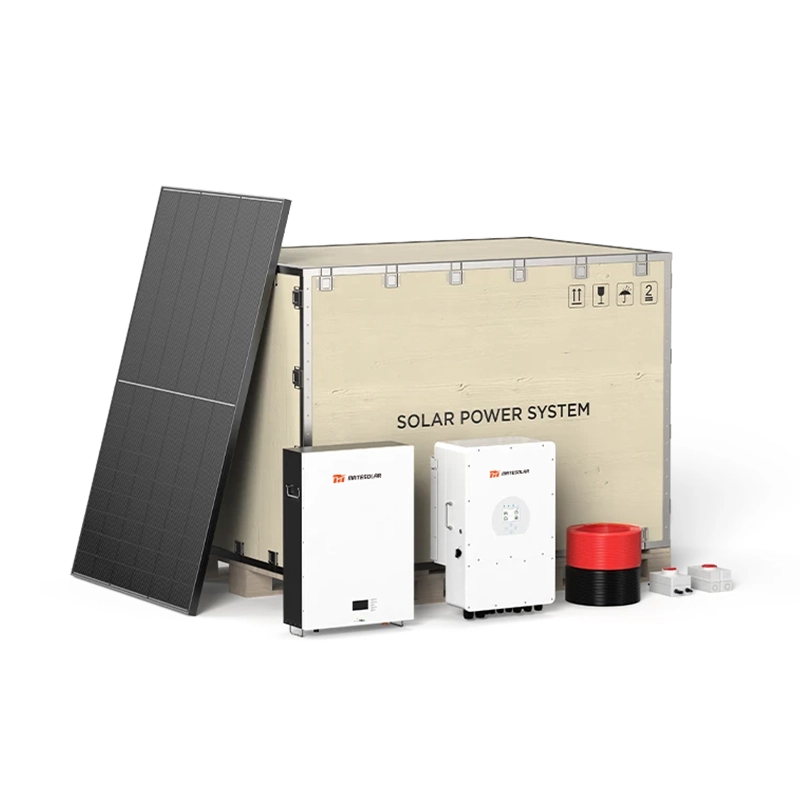
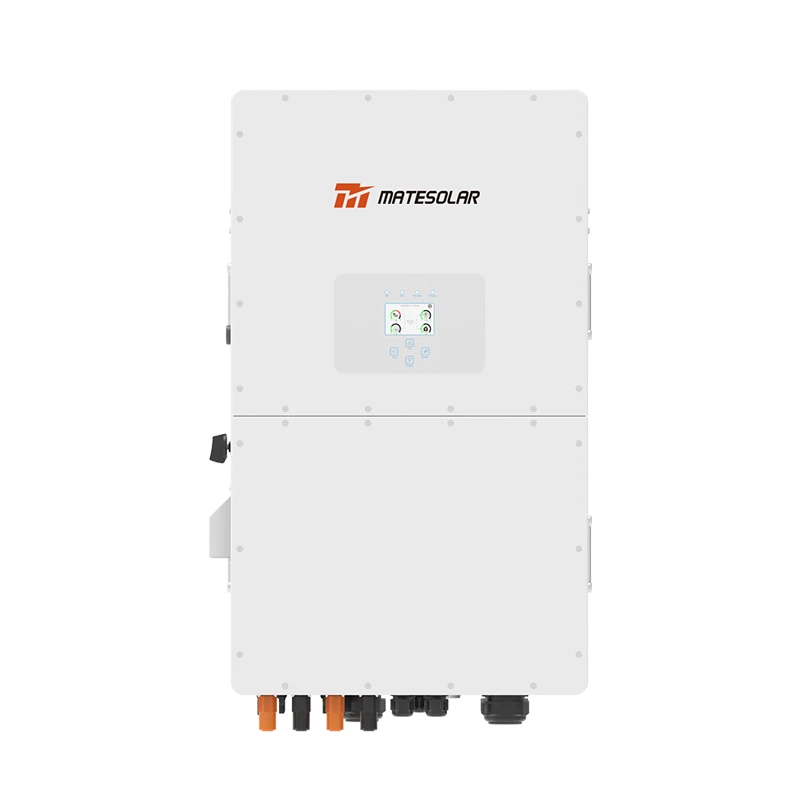
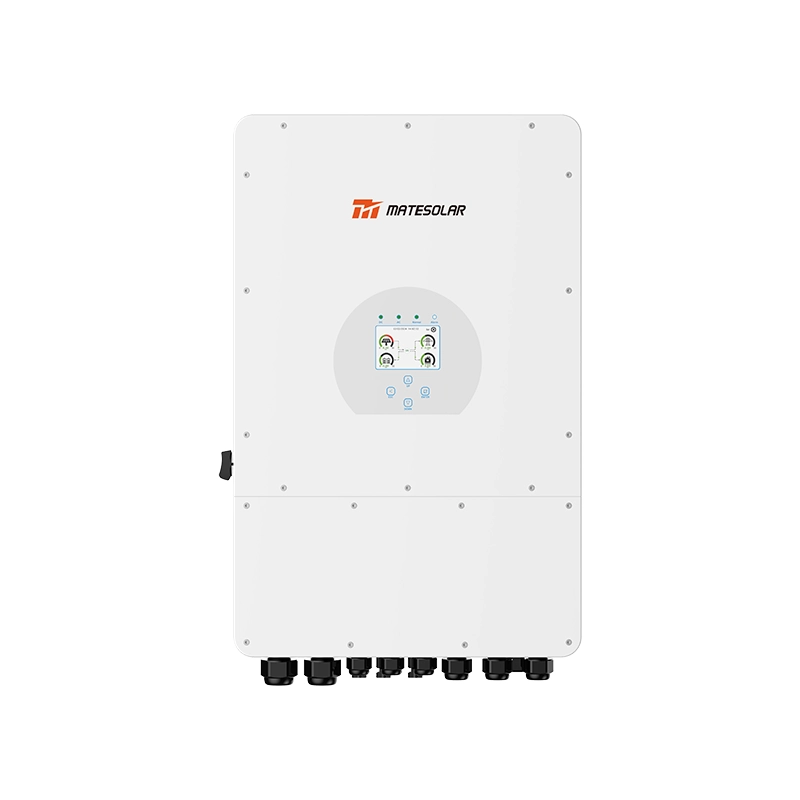
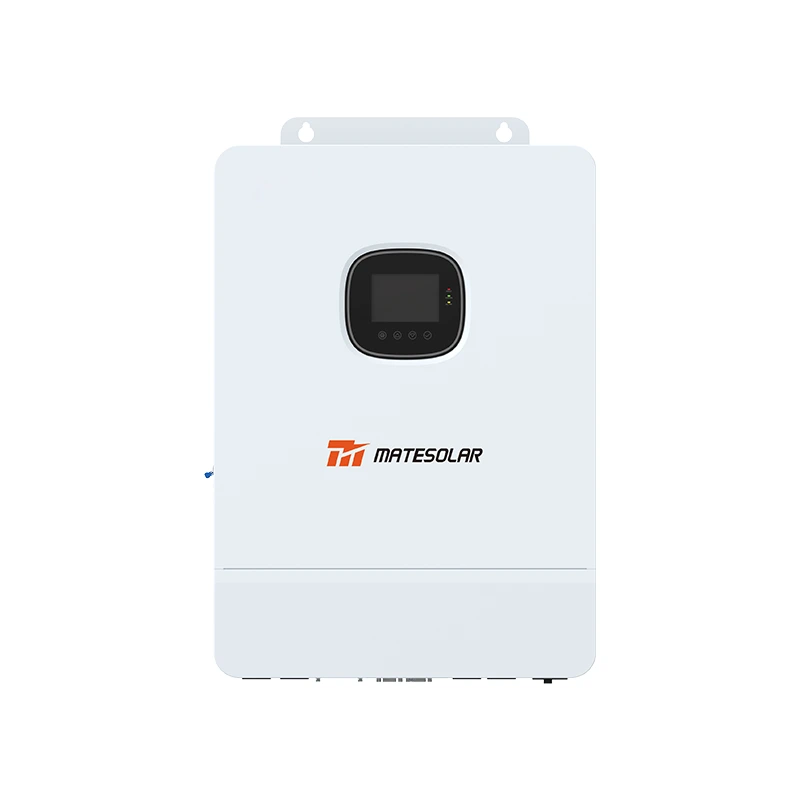
The crisis touches every citizen. The residential market is experiencing parallel growth, driven by the same threats of blackouts and rising tariffs. A typical 12KW hybrid solar system for a large home can drastically reduce grid dependence, power essential appliances during outages, and capitalize on the net-metering scheme.
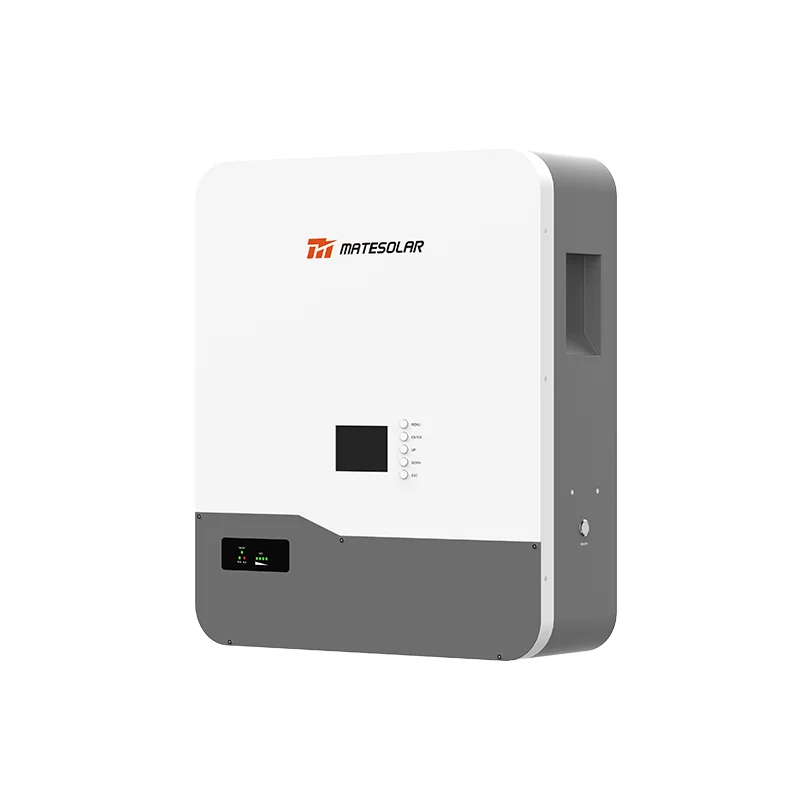
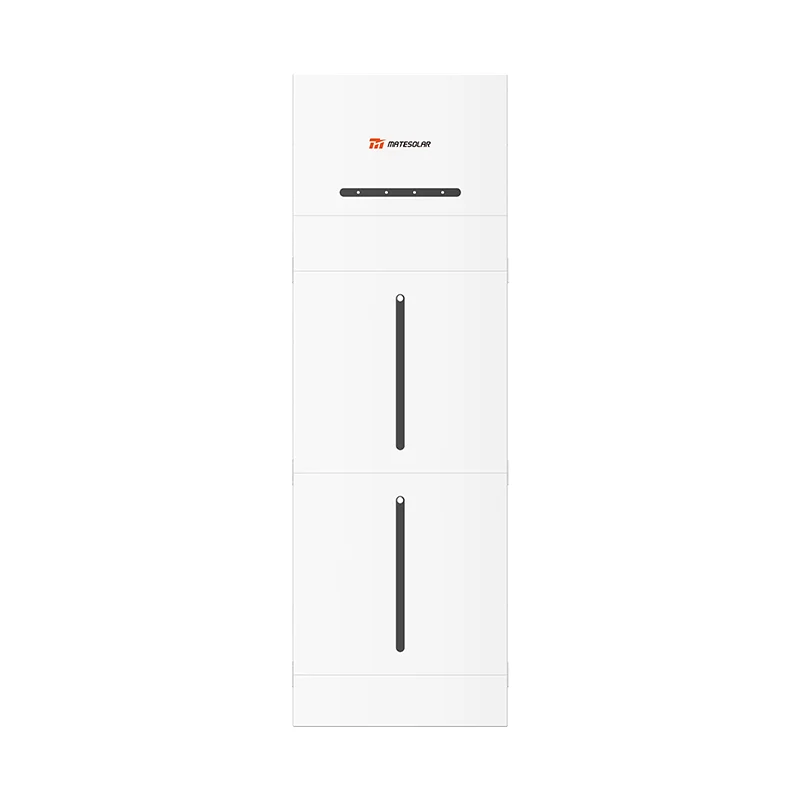
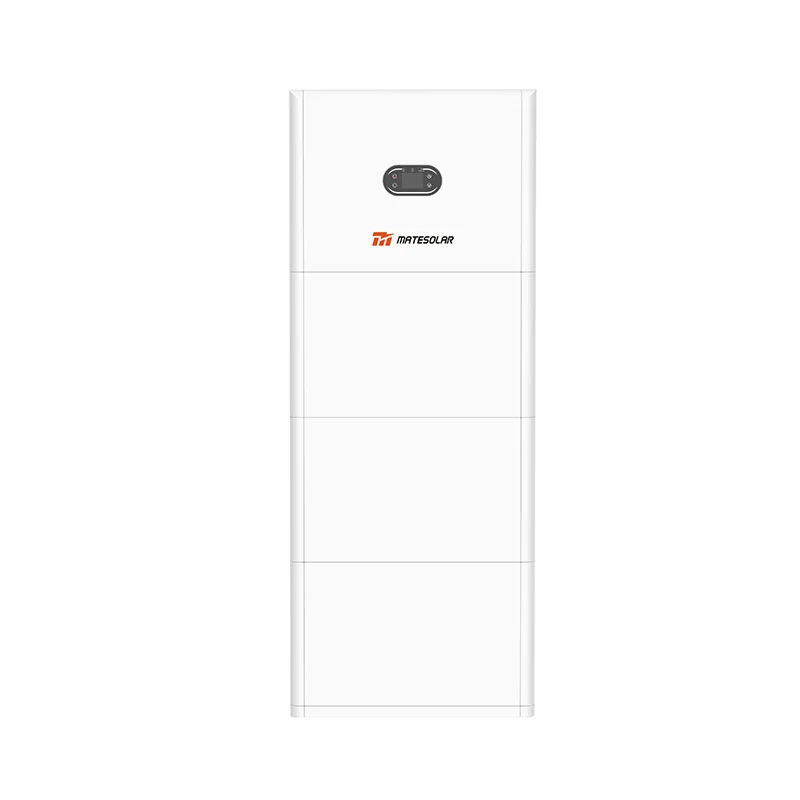
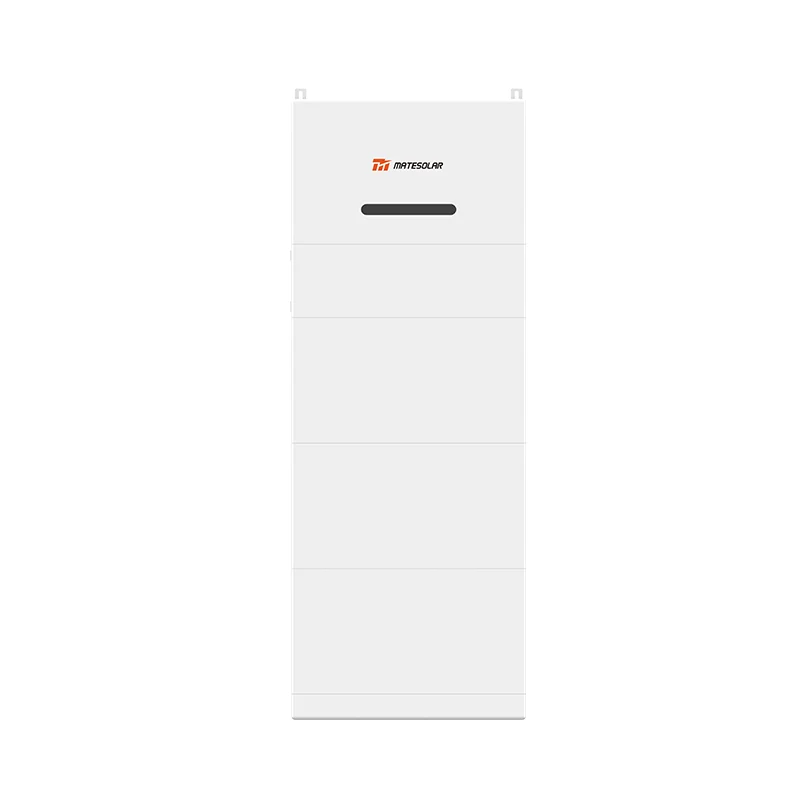
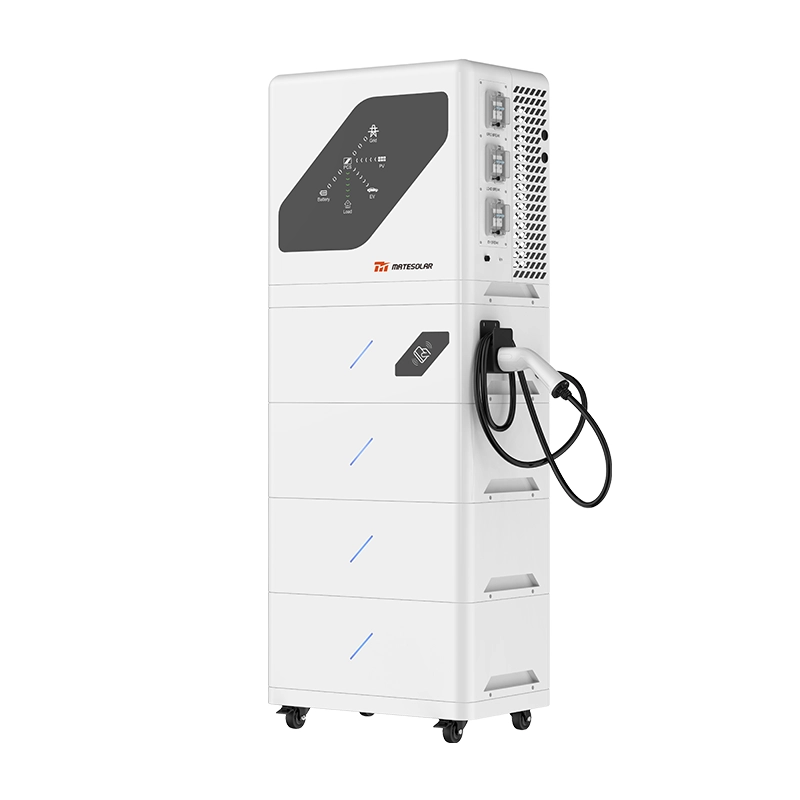
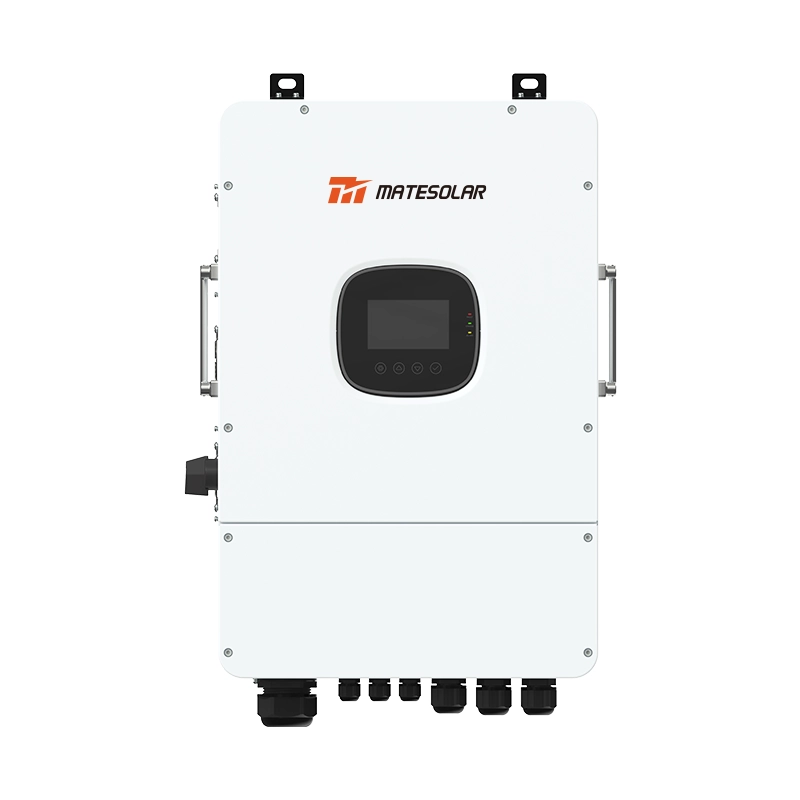
For homeowners seeking to reclaim control over their energy security, a tailored residential system is the answer. Discover reliable and intelligent home energy solutions, such as the Residential 12KW Hybrid Solar System, designed for maximum self-sufficiency and comfort.
FAQ: Solar & Storage in Ukraine - Key Questions Answered
Q1: What are the exact financial incentives for importing a solar-storage system?
A: As of July 27, 2024, laws are in effect that abolish all customs duties and VAT on the import of solar panels, power generating equipment, and batteries (excluding small consumer cells). This directly reduces the landed cost of equipment.
Q2: As a business, can I really make money from the electricity I generate?
A: Yes. The "self-generation" or "active consumer" law allows you to sell excess electricity you don't consume back to your energy supplier. With dynamic electricity prices, you can use your battery to store energy when prices are low and sell it or use it when prices are high, creating a potential revenue stream.
Q3: How long does it take for a system to pay for itself?
A: Payback periods vary based on system size, energy consumption, and tariff rates. Analyses for commercial and infrastructure projects in Ukraine show estimates between 5 to 7 years, a figure that becomes even more attractive when the value of avoided production losses from blackouts is factored in.
Q4: What happens to my system if the grid voltage or frequency is unstable?
A: Modern hybrid inverters and BESS are equipped with advanced grid-management functions. They can disconnect from an unstable grid in milliseconds and continue to power your critical loads from solar and batteries, protecting your equipment. They can also provide functions to help stabilize weak grids when connected.
Q5: Is there technical support available within Ukraine?
A: This is a critical consideration. The market is maturing quickly. Leading international projects involve training local technicians. When selecting equipment, prioritize suppliers who have invested in certifying local installation and service partners to ensure long-term support.
Q6: Can a solar-storage system power my entire factory 24/7?
A: It is technically possible but requires careful design. The system must be sized to generate and store enough energy to cover your full 24-hour load, accounting for winter solar production. For most factories, a more economical approach is to design a system that powers 100% of critical processes 24/7, while allowing non-essential loads to shed during a prolonged grid outage.
Conclusion: Building a Resilient Future, One System at a Time
Ukraine's energy crisis is a profound tragedy, but it has also catalyzed a rapid and determined shift towards a more modern, decentralized, and resilient energy model. Solar energy coupled with battery storage is no longer just an option; it is a fundamental pillar for business continuity, community survival, and national energy security.
The confluence of acute need, favorable policy, and proven technology has created a defining moment. For Ukrainian businesses and households, investing in energy independence is an investment in security, stability, and the future. For the international community and energy sector, supporting this transition is both a humanitarian imperative and a chance to participate in rebuilding a greener, more robust energy system from the ground up.
The journey toward energy resilience is complex, but it begins with a single, decisive step: the commitment to take control of your own power.
At MateSolar, we are more than an equipment supplier; we are a dedicated one-stop photovoltaic energy storage system solution provider for a world that demands resilience. We understand that the challenge in Ukraine is not just about technology, but about delivering certainty in uncertain times. We partner with trusted local experts to provide robust, high-quality solar and storage solutions—from residential units to industrial megawatt-scale systems—backed by reliable support. We are committed to empowering businesses and communities in Ukraine and beyond to become active managers of their energy destiny, turning vulnerability into strength.