









The electricity sector in Panama is no longer standing at a crossroads; it has already taken the turn. As of March 2026, the Panamanian energy landscape is defined by a singular, undeniable reality: the era of intermittent renewables without storage is ending.
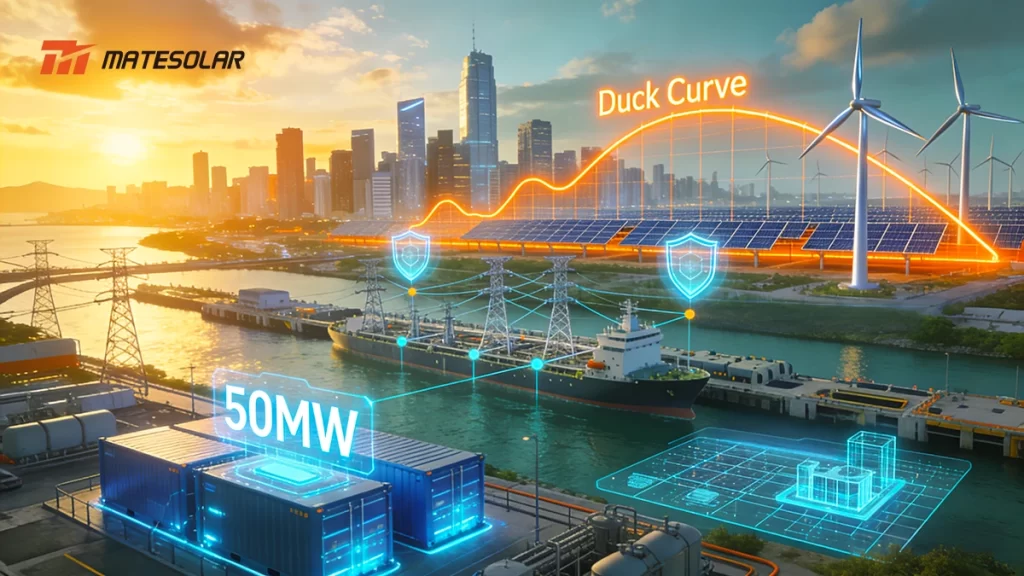
With distributed photovoltaic generation surpassing 170 MW across over 6,000 users, and utility-scale solar installations pushing total PV capacity toward the 700 MW mark, the technical and economic modeling that once predicted the "Duck Curve" has stopped being a theoretical exercise. It is happening now. For commercial and industrial (C&I) users, the volatility of the spot market is no longer an abstract risk but a quarterly budgeting nightmare. For developers, the 20-year contracts mandated by the 500 MW renewable energy auction (with storage) and the specialized 50 MW standalone storage tender scheduled for 2028 represent a closing window of opportunity.
However, this transition occurs against a backdrop of regulatory evolution. The current framework, largely designed in the 1990s, is struggling to keep pace with the bidirectional flows and stability requirements of a modern grid. The recent postponement of the LPI ETESA 01-25 tender for wind and hydro—and the subsequent introduction of "generation curve" contracts—illustrates a market grappling with technical realities that existing rules were not built to handle.
This report serves as the definitive technical and commercial guide for navigating this complex environment. We move beyond surface-level analysis to answer the four critical questions that define success in Panama’s energy market today. Whether you are an industrial manufacturer seeking to hedge against price spikes, an EPC developer bidding on the upcoming 50 MW tender, or a commercial building owner feeling the pressure of grid instability, this is your blueprint for resilience.
Topic 1: The Industrial & Large Commercial Imperative – Hedging Spot Market Volatility
The Pain Point: Price Volatility as a Balance Sheet Threat
For Panama’s industrial and large commercial sectors—from the logistics hubs of Colón to the manufacturing plants in the Panama Pacífico area—electricity is not merely an operational input; it is a primary source of risk. The wholesale electricity market (Mercado Eléctrico Mayorista) has experienced extreme price fluctuations driven by seasonal droughts affecting hydro reservoirs, fluctuating global fuel oil prices, and now, the operational challenges introduced by high solar penetration.
The "Duck Curve" effect is already manifesting as a financial liability. During midday, solar generation floods the grid, often driving spot prices to near zero. However, as the sun sets between 5:00 PM and 7:00 PM, the grid experiences a steep ramp-up in demand, requiring the dispatch of expensive thermal generation (diesel and bunker fuel). The result is a "price canyon" followed by a "price peak." For an industrial facility operating 24/7, exposure to these peaks without mitigation is akin to a financial hemorrhage.
The Solution: Industrial-Grade BESS as a Financial Hedge
The question for C&I users is no longer if they need a Battery Energy Storage System (BESS), but what technical specifications are required to transform that asset from a simple battery into a sophisticated financial hedge and a guarantee of operational continuity.
1. Active Price Arbitrage and Peak Shaving
A passive battery merely charges and discharges. An industrial BESS for the Panamanian market requires an Advanced Energy Management System (EMS) with predictive algorithms. It must not only perform basic peak shaving (reducing demand charges) but also execute sophisticated energy arbitrage.
- Technical Requirement: The EMS must integrate with local weather forecasting to predict solar output and with historical grid data to anticipate spot market spikes. It should be programmed to charge during the negative-price midday hours (utilizing excess solar or cheap grid power) and discharge precisely during the critical 5:00 PM–9:00 PM window when thermal plants set the marginal price. This capability turns a cost center into a revenue-generating asset by decoupling the facility’s consumption from grid volatility.
2. The 20-Year Contract Companion: Hybrid Solar + Storage PPAs
The Panamanian government is pushing for 20-year Power Purchase Agreements (PPAs) to stabilize the market. However, a standard solar PPA leaves a critical gap: night-time consumption. For a facility that signs a 20-year PPA for solar energy, the power is zero-cost during the day but disappears exactly when grid prices are highest.
- The Integration Strategy: Your BESS must function as the "night-shift" extension of your solar PPA. The system should be engineered for PV self-consumption optimization. During daylight, the facility runs on solar, and the BESS stores the surplus. When the sun sets, the BESS discharges, effectively allowing the facility to utilize its low-cost solar PPA rates 24 hours a day. This configuration eliminates exposure to the high evening spot prices, ensuring that the 20-year contract delivers true price certainty around the clock.
3. Unlocking Demand Response Revenues
Panama’s regulatory framework, currently under revision at the National Secretariat of Energy (SNE), is moving toward modernizing grid codes to include aggregators and distributed energy resources (DERs) as active participants in grid services . Early movers will secure premium revenue streams.
- EMS Capability: Your system must be "DR-ready." The EMS should have a dedicated export interface compliant with future utility communication protocols (likely IEC 61850 or Modbus TCP/IP). This allows the system to receive a signal from ETESA (Empresa de Transmisión Eléctrica, S.A.) during a grid contingency and instantly switch from "self-consumption" mode to "grid-support" mode, discharging stored energy to the grid at a premium rate dictated by the demand response event.
Topic 2: The Developer’s Window – Winning the 50MW and 500MW Tenders
The Pain Point: Navigating Unfinished Rules and Technical Ambiguity
For project developers and independent power producers (IPPs), Panama in 2026 represents a strategic entry point that is both highly attractive and technically ambiguous. The 500 MW renewable tender, the first exclusive renewables auction in a decade, explicitly includes storage. However, the postponement of the LPI ETESA 01-25 tender—originally scheduled for early 2026—and the subsequent shift from rigid demand-curve contracts to more flexible generation-curve contracts highlight a market in flux.
The core challenge is investment certainty. Developers are looking at 20-year contracts but are facing undefined technical standards for storage integration, grid-forming capabilities, and long-term performance guarantees.
The Solution: Modular, Grid-Forming, and Bankable Systems
To win in this environment, developers need a BESS partner that offers not just hardware, but a flexible architecture capable of adapting to the final tender rules while exceeding the implicit technical requirements that will determine project bankability.
1. Modularity for Tender Flexibility
The 50 MW dedicated storage tender (2028) and the 500 MW renewable+storage hybrid tender require a non-linear approach. A developer should not be forced to over-engineer a 10 MW solar site with a 50 MW storage solution just to meet a standard "one-size-fits-all" specification.
- الحل: Deploy a modular system architecture. This involves using standardized 20ft or 40ft containerized units (e.g., 2MWh, 3MWh, 5MWh blocks) that can be aggregated in parallel to meet any capacity requirement—from 5 MW for a commercial solar retrofit to 50 MW for a standalone storage farm. This approach allows developers to bid on multiple tranches of the same tender (e.g., 20 MW and 50 MW) without re-engineering the core technology stack. It reduces technical risk and accelerates deployment timelines.
2. Grid-Forming: The Silent Requirement for Grid Stability
The SNE and ETESA are acutely aware of the stability risks posed by high solar penetration. Traditional inverter-based resources (like solar PV) are "grid-following"—they rely on the grid’s inertia to operate. When solar penetration is high and thermal plants (which provide inertia) are offline, the grid becomes fragile. The upcoming 50 MW tender, designed to manage this exact issue, will implicitly require grid-forming (GFM) capabilities.
- Why GFM Matters: A BESS with grid-forming inverters acts like a synchronous generator. It can establish its own voltage and frequency reference, providing virtual inertia, short-circuit current, and black start capability. For the 50 MW storage tender, a GFM-capable BESS is not just a storage asset; it is a grid stabilization asset. It can provide primary frequency response (PFR) and voltage support, transforming the project from a simple energy reservoir into a critical piece of national grid infrastructure. Developers who propose GFM technology will have a significant competitive advantage, as they are directly solving the duck curve stability crisis.
3. 20-Year Performance Guarantees and Local Service Infrastructure
A 20-year contract is only as valuable as the system that supports it. The market is littered with global suppliers who vanish after commissioning.
- The Warranty Standard: Developers must demand 15 to 20-year performance warranties that guarantee a specific State of Health (SoH) for the battery (e.g., 70-80% remaining capacity after 20 years). This requires the use of high-cycle Lithium Iron Phosphate (LFP) cells with active balancing and advanced thermal management.
- Local Support: A bankable project requires a local service hub. Your BESS partner must have a dedicated local office or authorized service partner in Panama or the region, complete with a stock of critical spare parts (inverters, battery modules, cooling units). A 20-year contract is non-negotiable; a 2-week wait for a replacement module from a distant headquarters is a breach of contract risk.
Topic 3: The C&I & Commercial Building Reality – Managing the Duck Curve Anxiety
The Pain Point: When Distributed Generation Backfires
The success of Panama’s distributed generation policy—over 170 MW installed—is now creating a paradox for small to medium-sized enterprises (SMEs) and commercial building owners . The grid is experiencing stress during the evening ramp-up. This stress manifests as voltage sags, frequency fluctuations, and, in worst-case scenarios, localized grid instability that can damage sensitive equipment like data servers, air conditioning units, and refrigeration systems.
For a supermarket chain, hotel, or office building, the "duck curve" translates to operational risk. They installed solar to save money, but now they face evening price spikes and potential power quality issues.
The Solution: Compact Outdoor Cabinets and Smart Interoperability
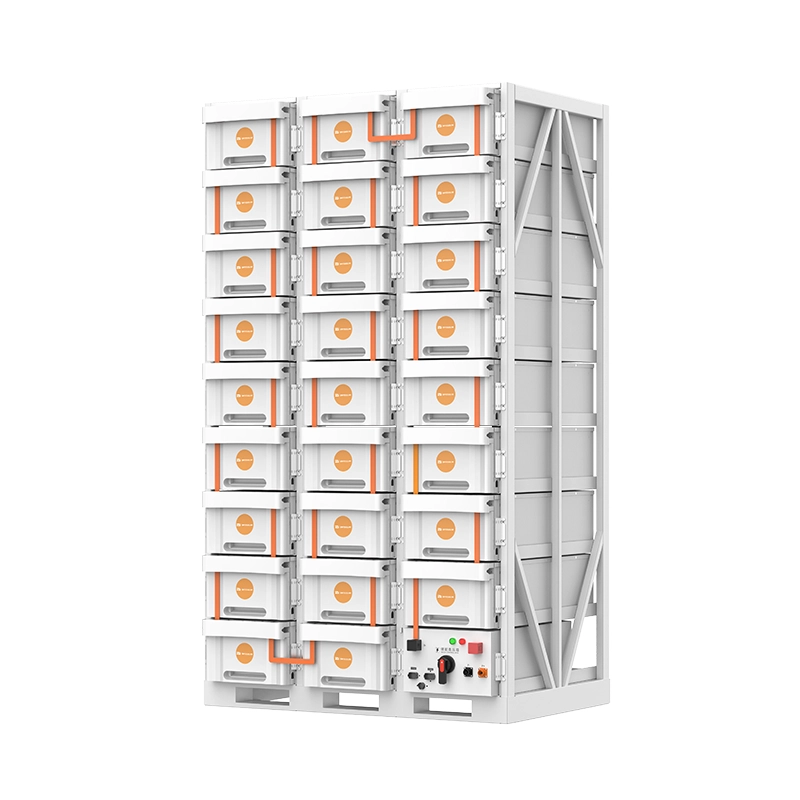
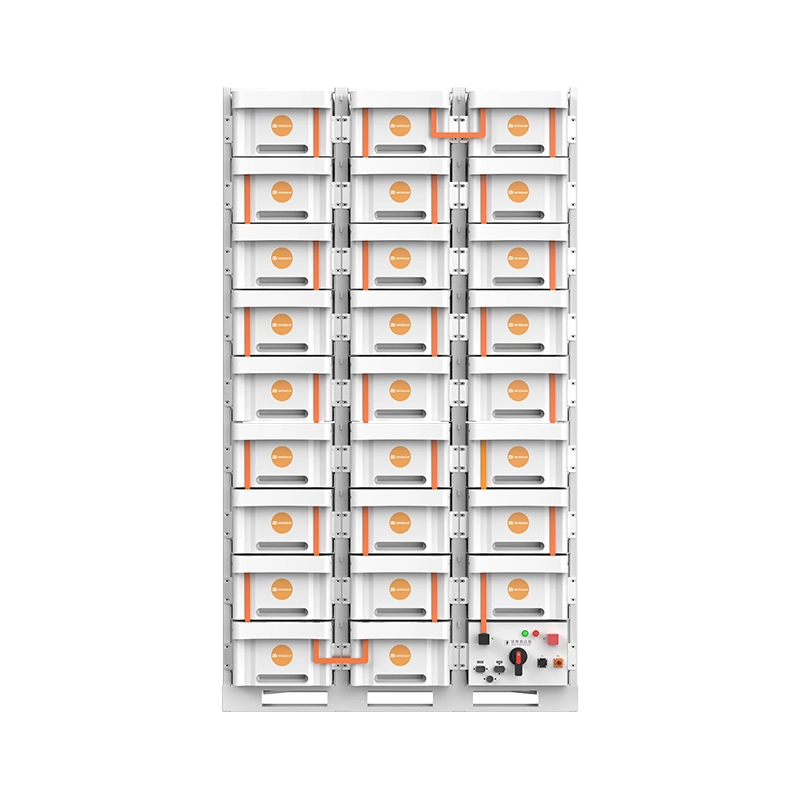
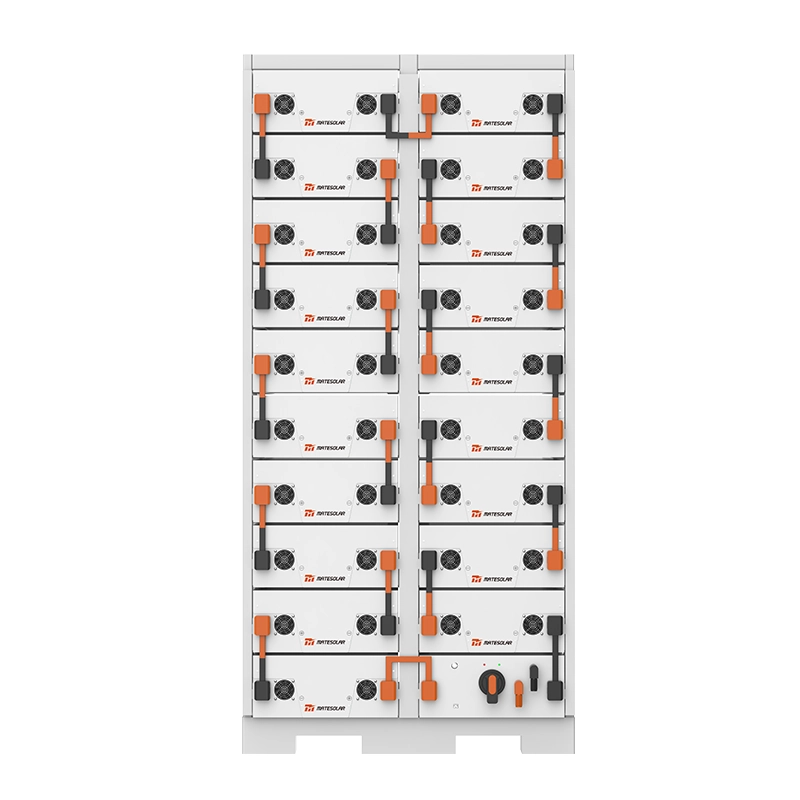
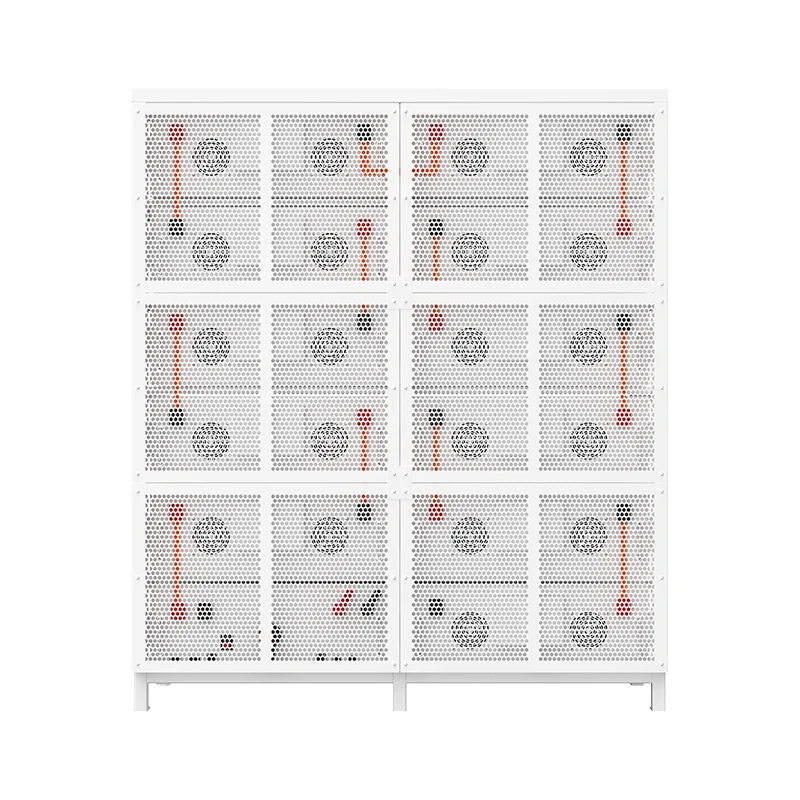
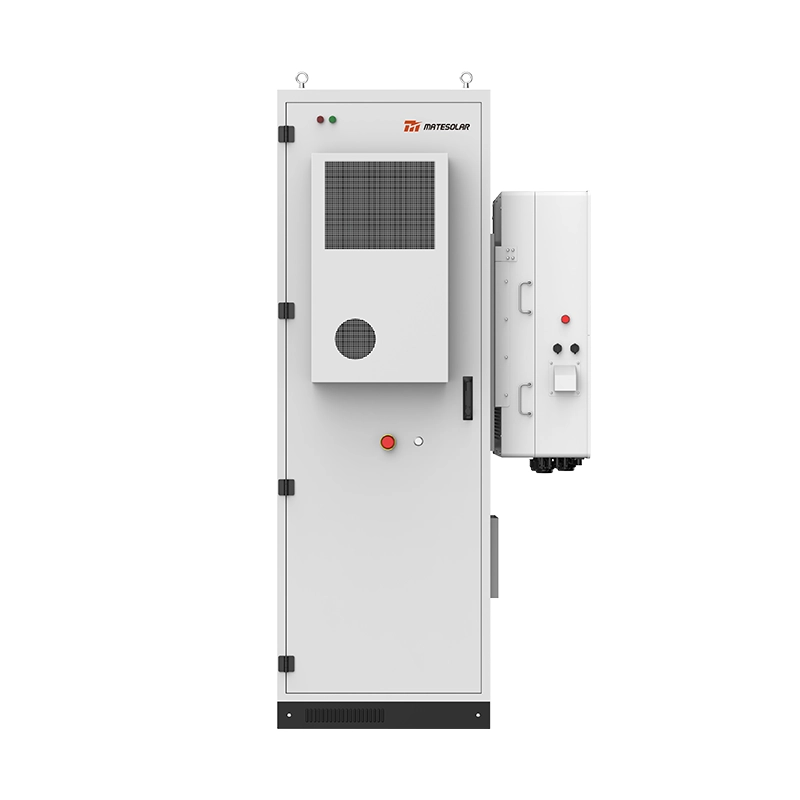
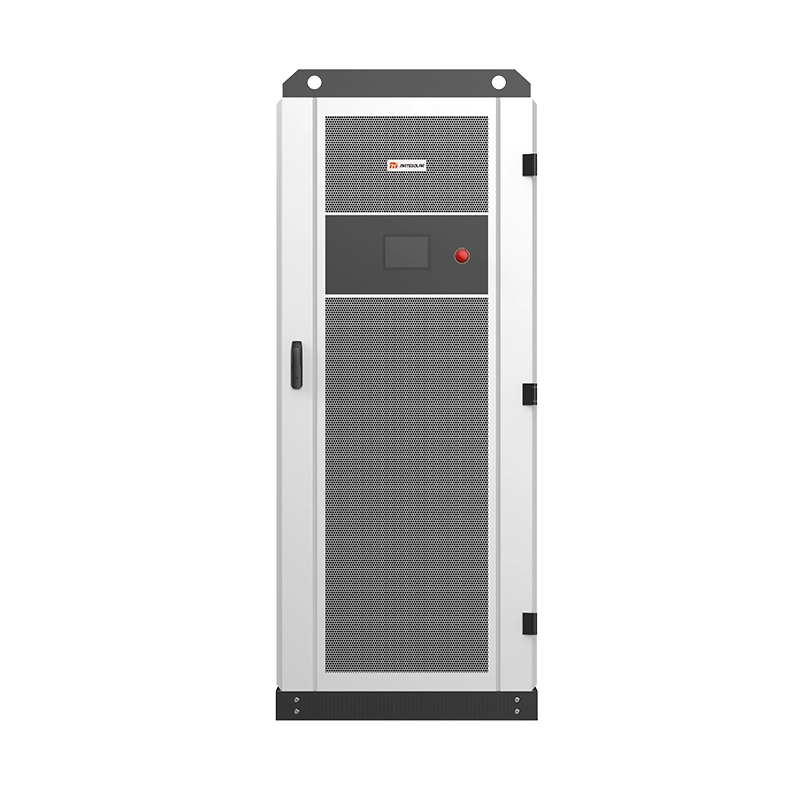
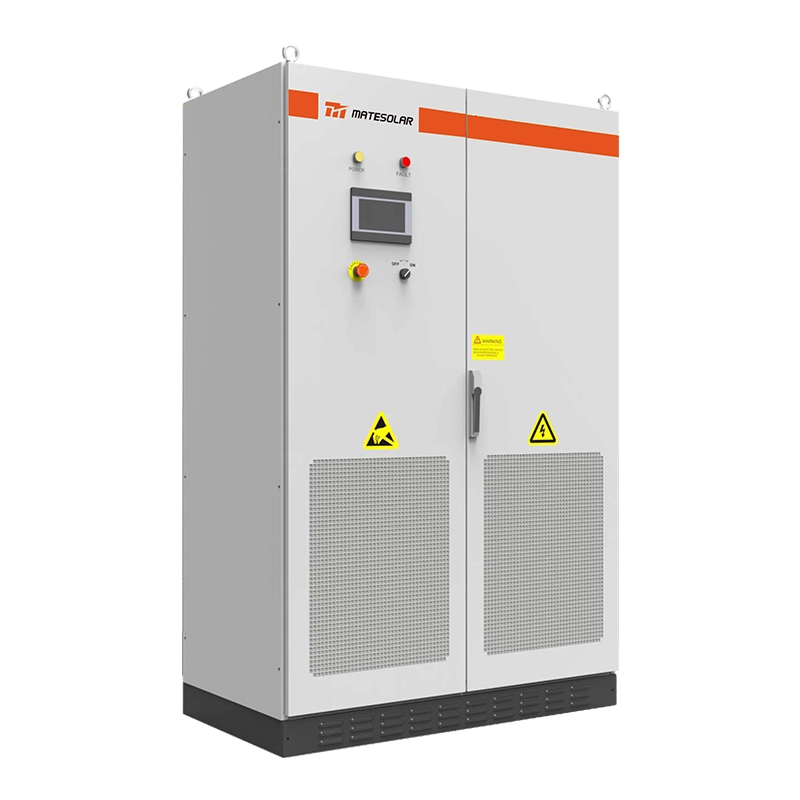
The solution for these users lies not in massive containerized farms, but in compact, outdoor-rated cabinets that integrate seamlessly with existing rooftop solar and building management systems.
1. Bridging the "Duck Curve" Gap
The core operational need is simple: shift solar generation to evening hours.
- Implementation: An outdoor cabinet BESS (typically 50kWh to 500kWh) is paired with the existing rooftop solar inverter. During the day, the system is set to "Self-Consumption Mode." The facility uses solar power directly. Once the battery reaches a user-defined State of Charge (SoC), it stops charging from the grid. At 4:00 PM, the system enters "Peak Shaving" mode. It discharges stored solar energy to handle the facility’s load, effectively bypassing the expensive evening grid power entirely. This directly mitigates the duck curve’s financial impact on the user.
2. Navigating Stricter Grid Interconnection
With over 6,000 distributed generation users, ETESA and local distribution companies (like ENSA and Naturgy) are tightening interconnection requirements to ensure grid safety.
- Technical Compliance: The BESS must be equipped with an advanced protection relay and an export limiter. It must have certified compliance with IEEE 1547 (standard for interconnection of distributed resources) and the capability for power factor correction. The EMS should allow the utility or installer to remotely set limits on reverse power flow (export to grid). A system that can guarantee "zero export" to the low-voltage distribution transformer is not just a convenience; it is often a requirement to pass interconnection review in high-density solar zones.
3. High-Density, Climate-Resilient Design
Space is a premium in Panamanian commercial real estate. A sprawling battery array is often not feasible. Furthermore, the tropical climate—high ambient temperatures, humidity, and saline air (especially in coastal zones like Panama City and Colón)—is a death sentence for improperly designed equipment.
- Engineering Demands:
- Footprint: The solution must be compact and scalable. Outdoor cabinets should support back-to-back or wall-mounted configurations to fit in loading docks or parking lots.
- Cooling: Given the heat, liquid cooling (Liquid Cooling Container ESS) is superior to forced air in these applications. It maintains tighter cell temperature uniformity, prolonging cycle life and preventing thermal derating (where the system throttles power output to avoid overheating).
- Corrosion Protection: Cabinets must have a minimum of C5-M corrosion protection (high maritime/industrial) to withstand Panama’s humidity and salt-laden air.
Topic 4: The Universal Concern – Future-Proofing Against Regulatory Evolution
The Pain Point: The 1990s Framework vs. The 2030s Grid
The overarching risk in Panama is regulatory lag. The electricity market operates on laws conceived before lithium-ion batteries and distributed generation were commercially viable. Today, the SNE is actively working to modernize this framework, with proposals including hourly tariffs, aggregator models, and dedicated storage grid codes.
An investor faces a "technology gap" risk: a system installed today that meets current, outdated regulations may be incompatible with the operational requirements of the grid in 2028.
The Solution: Software-Defined Architecture and Bankable Certification
Future-proofing is not a marketing slogan; it is a technical specification that requires hardware and software designed for iterative evolution.
1. Software-Upgradable EMS and Open Protocols
The hardware of a BESS is the "body"; the EMS is the "brain." To adapt to future regulations, the brain must be updatable over-the-air (OTA).
- Specifications: The EMS must be built on a modular, software-defined platform. It must use open communication protocols (like Modbus TCP, IEC 61850, and OCPP) rather than proprietary, locked-down software. When Panama introduces its future "aggregator" rules, a system with an open-architecture EMS can be remotely reconfigured to participate. Similarly, when the new hourly tariff structure is implemented (replacing the current time-of-use blocks), the EMS’s economic dispatch algorithm must be updatable via a simple software patch, not a hardware swap.
2. International Certifications for Bankability
International lenders (like IDB, World Bank, and commercial banks) are looking at Panama with cautious optimism. The primary filter for project financing is certification and compliance.
- The Standard: Your BESS must possess UL 9540 (system-level safety), UL 1973 (battery cell safety), and IEC 62619 (industrial battery safety). Inverters must have UL 1741-SA (grid support utility interconnection) or equivalent IEEE 1547.1 certification. These certifications de-risk the project for insurance companies and lenders, making it easier to secure the financing required to compete in the 500 MW tender. Additionally, success stories from similar markets (e.g., Chile, Mexico, or the Caribbean islands) serve as critical "reference cases" for Panamanian banks unfamiliar with storage assets.
3. Regional Interoperability: The Colombia HVDC Link
Panama is actively progressing on the 400 MW high-voltage direct current (HVDC) interconnection with Colombia. This will link the Panamanian grid (and ultimately the Central American system) to the South American grid. This adds a layer of complexity.
- Technical Readiness: Future grid codes will need to manage power flows and frequency synchronization across this interconnector. Your BESS must be equipped with phasor measurement unit (PMU) compatibility and advanced synchronization capabilities. A system that can provide frequency response not just to the local busbar but to the dynamics of a larger regional grid will become a high-value asset. Ensuring your EMS can handle frequency-watt and voltage-var curves that comply with future regional standards is essential.
To assist in procurement and specification, the following tables provide a technical benchmark for the systems required in the Panamanian market.
Table 1: Panama Power Generation Structure (as of 2024-2025)
This table illustrates the foundation upon which the new storage requirements are built. The high reliance on hydro and thermal underscores the need for storage to manage variability and replace peaking plants.
| التكنولوجيا | Installed Capacity (MW) | النسبة المئوية | Key Notes |
| Hydro (Large) | ~2,300 MW | ~45% | Dominant but vulnerable to seasonal droughts (El Niño). |
| Thermal (Gas, Diesel, Bunker) | ~1,700 MW | ~34% | Marginal price setter during evening peaks; subject to fuel volatility. |
| Solar PV (Utility) | ~550 MW (est.) | ~11% | Rapid growth; zero marginal cost but creates the duck curve. |
| Wind | ~400 MW (est.) | ~8% | Reliable nighttime resource, often complementary to solar. |
| Distributed PV | 170+ MW | ~2% | Over 6,000 users; directly impacting distribution grid dynamics. |
Data Source: National Secretariat of Energy
(SNE) / IRENA
Table 2: Panama Upcoming Renewable & Storage Tenders (2026-2028)
This schedule defines the revenue opportunity. Developers and C&I users must align their procurement with these timelines.
| Tender/Program | السعة | Contract Term | Key Technology Focus | Target Operational Date | Status (March 2026) |
| Renewable Energy Auction | 500 MW | 20 Years | Solar, Wind, Biomass with mandatory storage component | Jan 1, 2029 (new plants) | Specifications being finalized; follow-up to LPI rules. |
| LPI ETESA 01-25 | Variable (Wind/Hydro) | 20 Years | Wind and Hydro (Non-storage) | Flexible | Postponed, rules modified to "generation curve" contracts; bids due Q2 2026. |
| Standalone Storage Tender | 50 ميجاوات | 20 Years (Implied) | Dedicated BESS (likely grid-forming, black start) | 2028 | Scheduled; part of 2025-2028 roadmap; high strategic importance. |
| Distributed Generation Growth | 1.7 GW (Goal) | غير متاح | Rooftop & Commercial PV + Storage | 2030 | Active; interconnection standards tightening. |
Table 3: BESS Technical Specifications for Panama’s Market Segments
Selecting the wrong BESS topology can lock in technical risk. This table aligns solution architecture with application needs.
| الجزء | النظام الموصى به | Key Technical Requirement | Environmental Adaptation | Regulatory Future-Proofing |
| Large Industrial | نظام الطاقة الشمسية الهجين التجاري بقدرة 500 كيلوواط | Peak Shaving, Arbitrage, Grid-Forming Ready | C5 Corrosion protection, 45°C ambient operation | EMS with OTA updates for future demand response tariffs. |
| Developer (50MW Tender) | 20ft 3MWh 5MWh Liquid Cooling Container ESS | Modular stacking, Grid-Forming, Black Start, UL9540A | Liquid cooling for high C-rate cycles, IP55 protection | Certification for ancillary services (PFR, VSM); 20-year performance guarantee. |
| Commercial Building | حاوية تبريد الهواء المبردة بالهواء ESS (40 قدمًا (1 ميجاوات ساعة - 2 ميجاوات ساعة) | Zero Export, PV self-consumption, Backup power | Compact footprint, High ambient cooling, Anti-rust coating | Smart meter integration for future hourly tariffs; silent operation. |
Frequently Asked Questions (FAQ) – The Panama Market
Q1: Is it true that the LPI ETESA 01-25 auction was delayed, and does that mean the government is slowing down on renewables?
A: No, the delay signals technical maturity, not a slowdown. The original contract model (demand curve) was difficult for wind and hydro projects to finance. The government modified it to a "generation curve" model, which better matches how these technologies actually produce power. This change, formalized in Resolution MIPRE-2026-0000072, increases the bankability of projects and ensures stronger competition.
Q2: What is the biggest difference between a "grid-following" inverter and a "grid-forming" inverter for the 50 MW storage tender?
A: A grid-following inverter is a "passive" device; it shuts off if it doesn’t sense a stable grid. A grid-forming inverter is an "active" device that creates a stable grid. For the 50 MW storage tender—designed to support a grid stressed by the duck curve—grid-forming capability is likely to become a mandatory requirement because it provides the virtual inertia and frequency stability that the system will lack when hydro and thermal plants are offline.
Q3: I run a hotel in Panama City with rooftop solar. My electricity bill is still high because of night-time air conditioning costs. Can a small BESS help?
A: Absolutely. This is the primary use case for an outdoor cabinet BESS. During the day, your solar runs the hotel. The BESS charges any surplus. Starting around 4:00 PM, the BESS automatically powers the AC units for the evening, directly offsetting the high-cost thermal power you would otherwise be buying. This is the direct solution to the duck curve for commercial users.
Q4: I am a developer concerned about the 20-year contract. How can I be sure a BESS will last 20 years without a major costly replacement?
A: You need three things:
1. LFP Cells: Lithium Iron Phosphate chemistry offers the longest cycle life (6,000-10,000 cycles) and is standard for long-duration applications.
2. الإدارة الحرارية: Liquid cooling is critical. It maintains a more consistent temperature than air cooling, preventing accelerated degradation. A system with liquid cooling will retain a much higher State of Health (SoH) after 20 years.
3. Performance Warranty: Insist on a warranty that guarantees a specific throughput (MWh throughput) or SoH (e.g., 75% after 15 years). This shifts the degradation risk from the project owner to the supplier.
Q5: What certifications should I absolutely require to ensure my project is "bankable" in Panama?
A: For the battery system, demand UL 9540 (system safety) and UL 1973 (cell safety). For the inverter, demand UL 1741-SA or IEEE 1547.1. For the overall container, demand IP55 (dust and water ingress) and a C5-M corrosion rating. These are the minimum standards international lenders require to approve non-recourse project financing.
Q6: How will the new HVDC interconnection with Colombia affect my solar-plus-storage project?
A: The 400 MW link will make Panama’s grid more complex but also more stable. It will create opportunities for cross-border ancillary services. In practice, your BESS will need an EMS that can respond to frequency deviations that are influenced by a much larger regional grid. Systems with advanced Frequency-Watt and Voltage-Var control functions will become the most valuable assets for ETESA.
Conclusion: The Strategic Window is Now
The data is unequivocal. Panama’s distributed PV is already reshaping load curves. The 2026 tenders are rewriting the rules of revenue generation for the next two decades. For industrial users, the choice is between passively enduring the volatility of the spot market or actively controlling energy costs with a sophisticated, EMS-driven BESS. For developers, the choice is between entering the 50 MW and 500 MW tenders with a rigid, grid-following design or winning them with a modular, grid-forming architecture that guarantees 20-year performance and grid stability.
The regulatory framework is evolving. The companies that succeed will be those that treat storage not as a commodity, but as a dynamic asset—one built on software-defined hardware, international certifications, and a deep understanding of local grid dynamics.
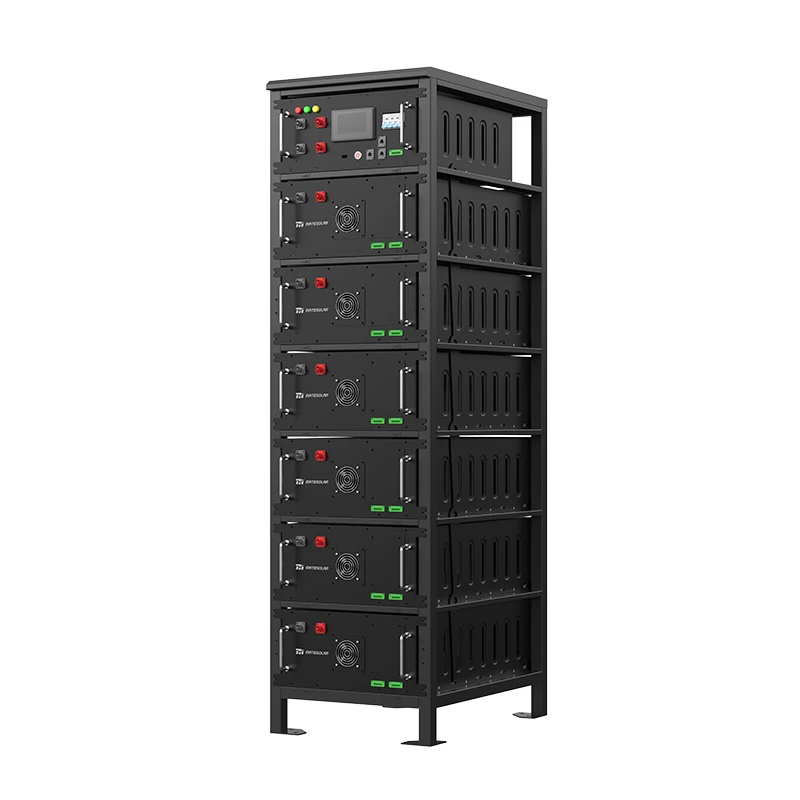
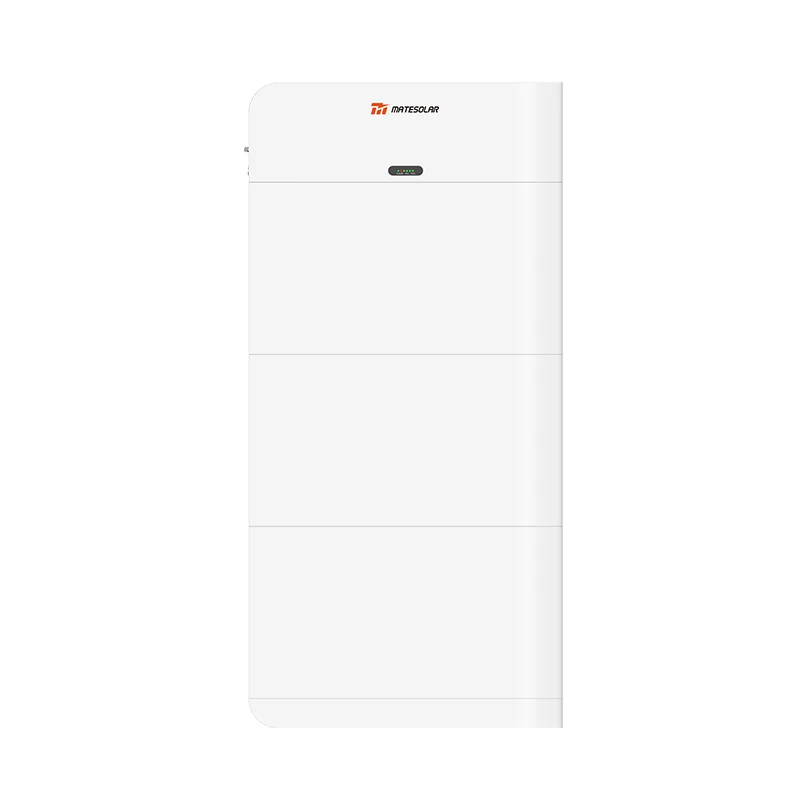
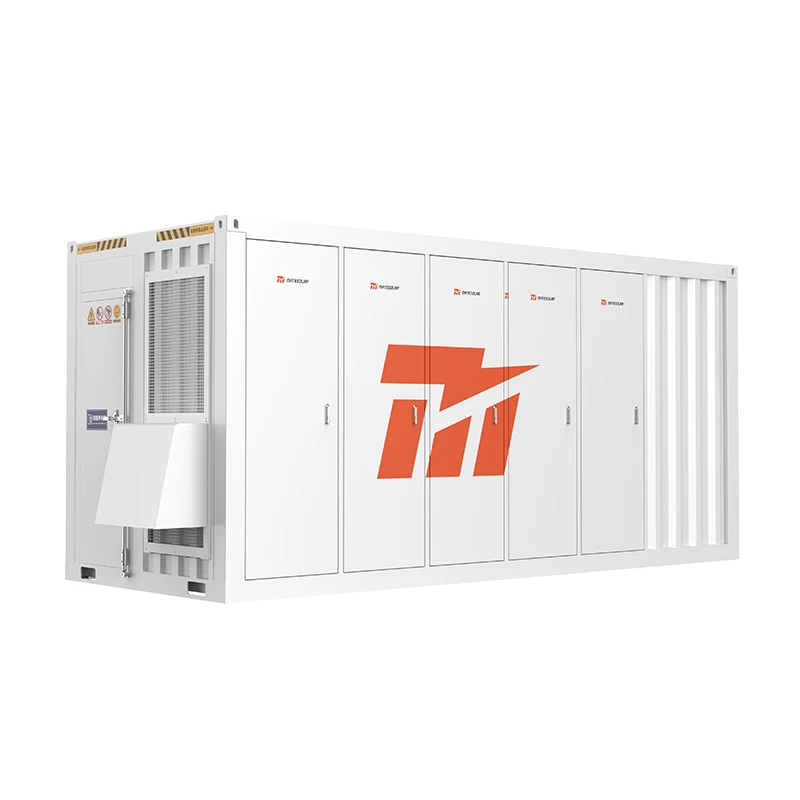
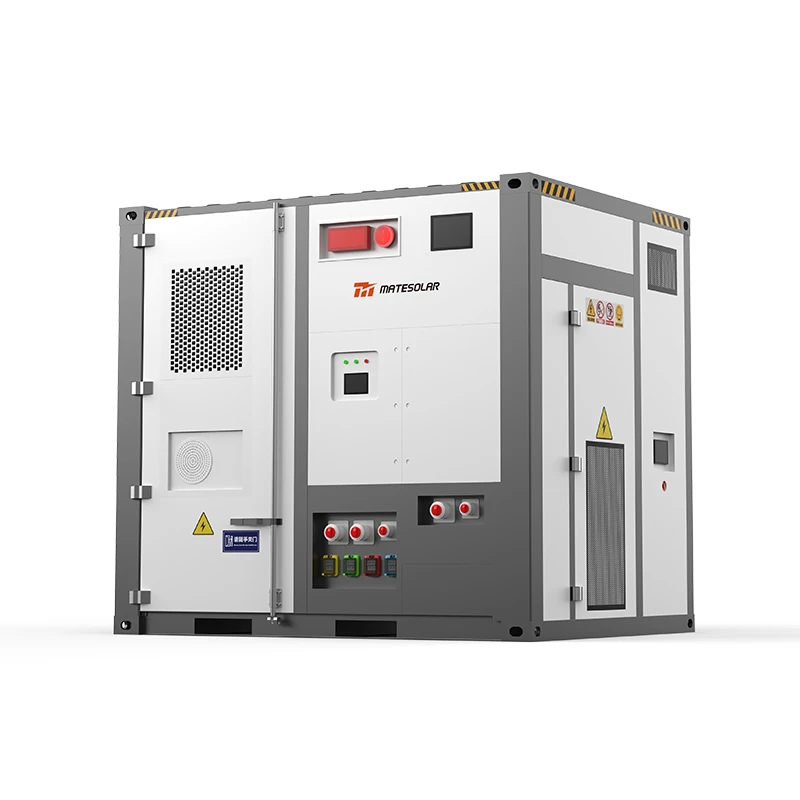
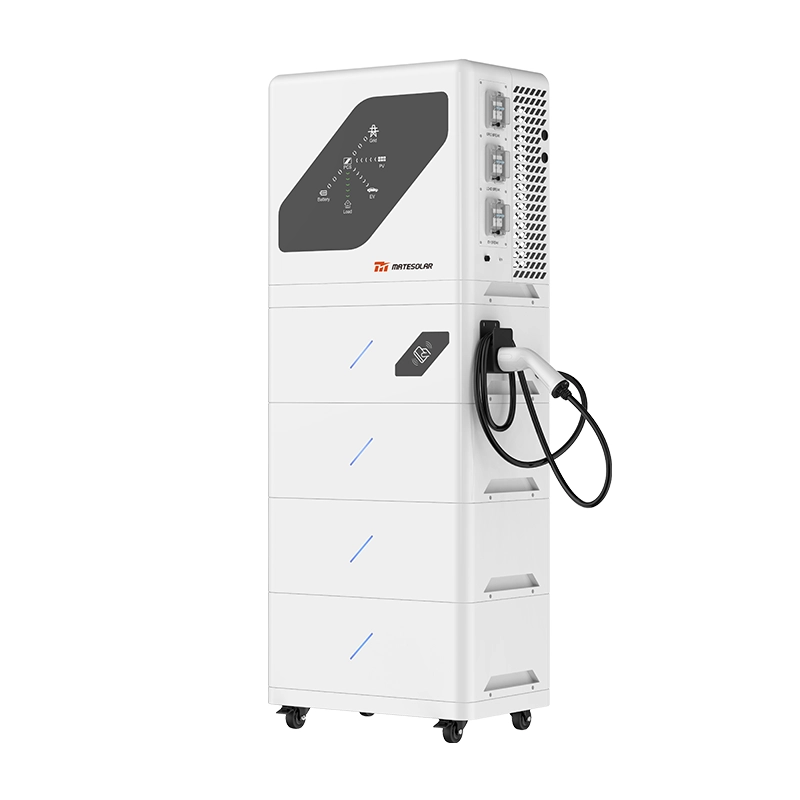
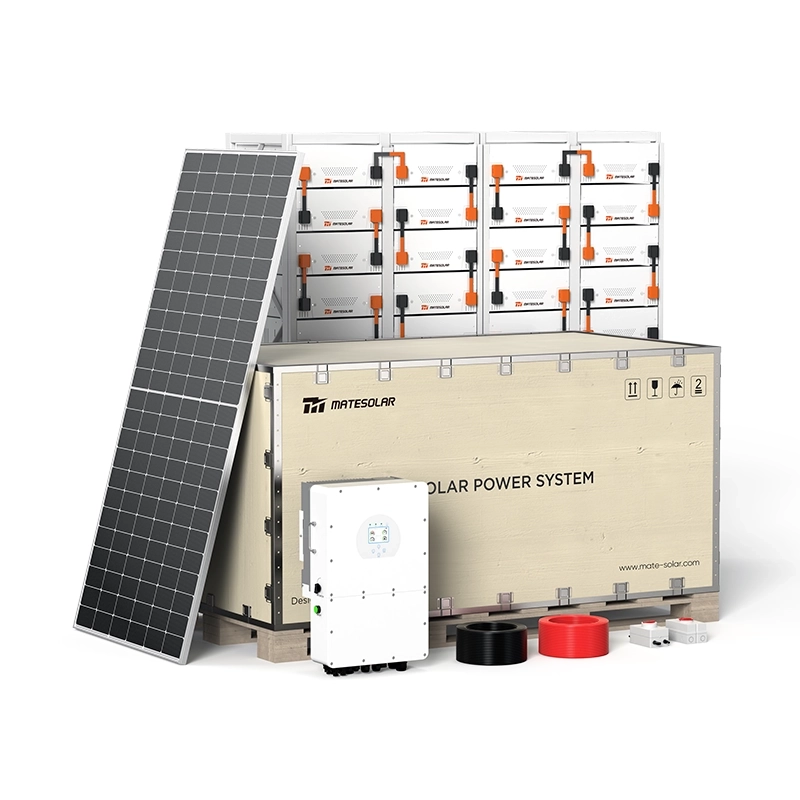
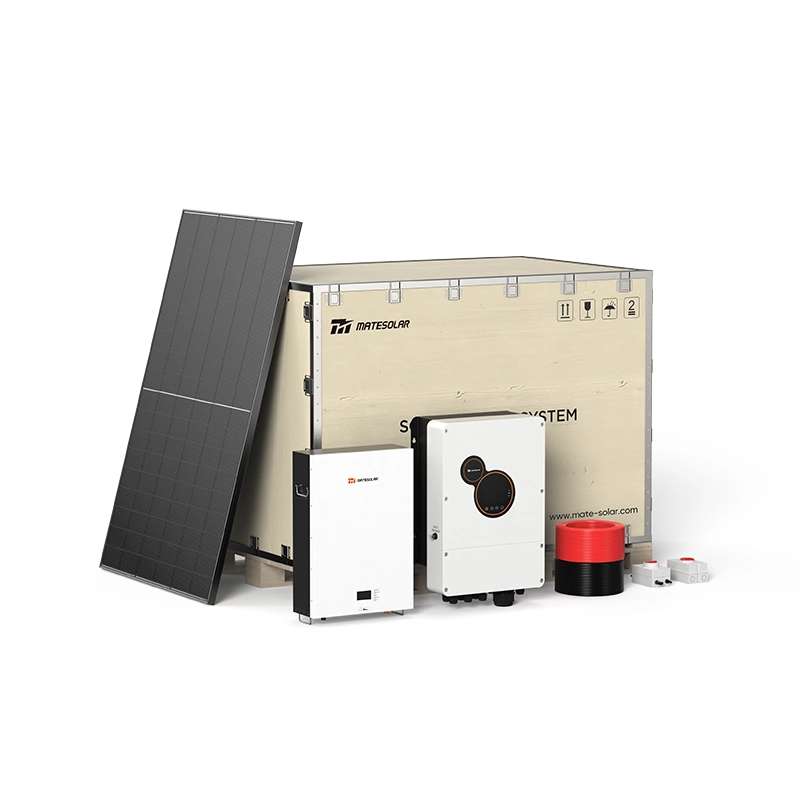
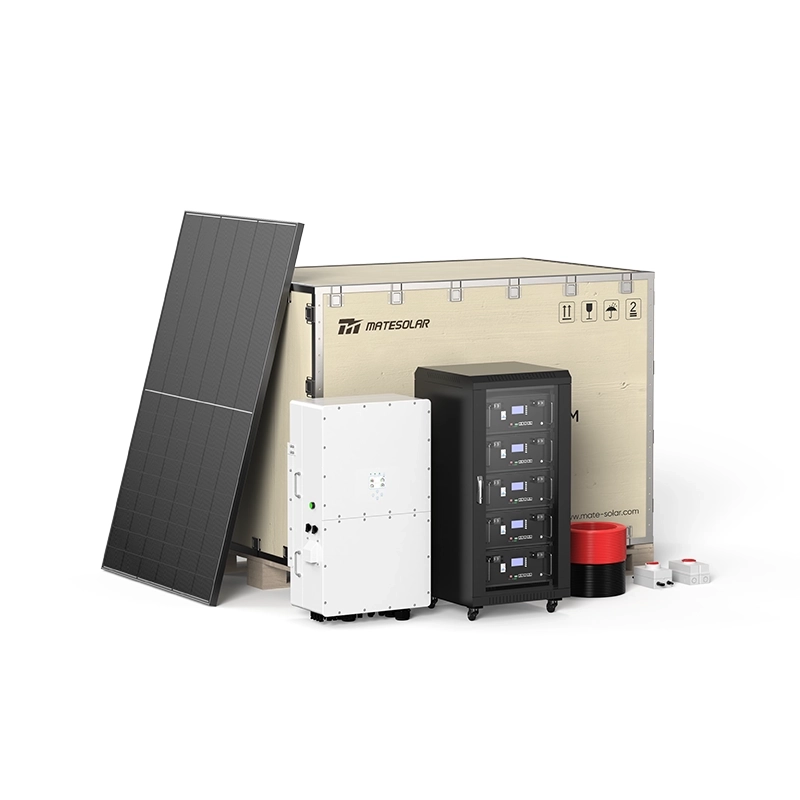
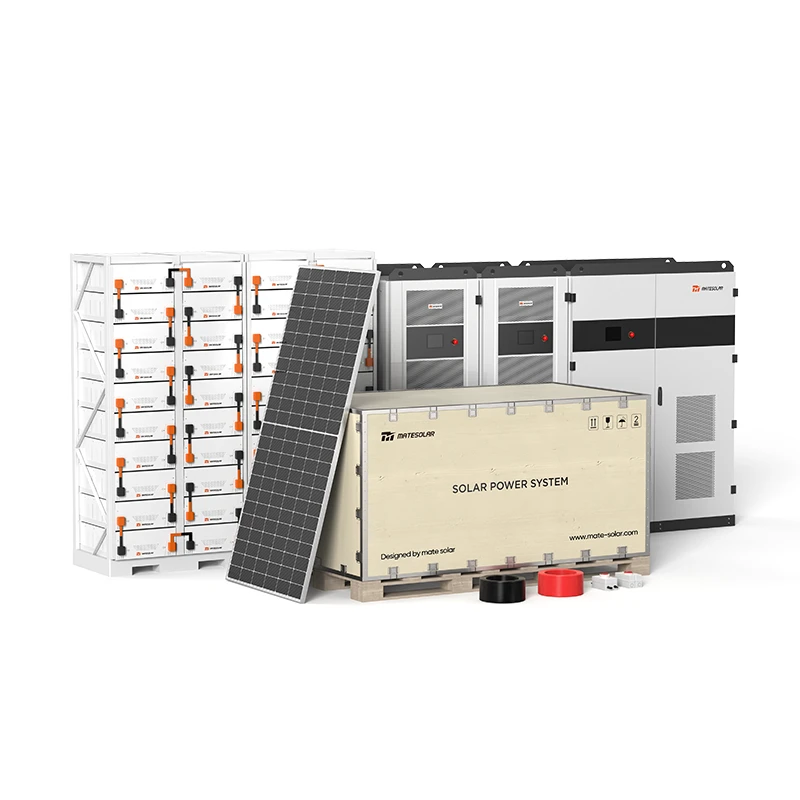
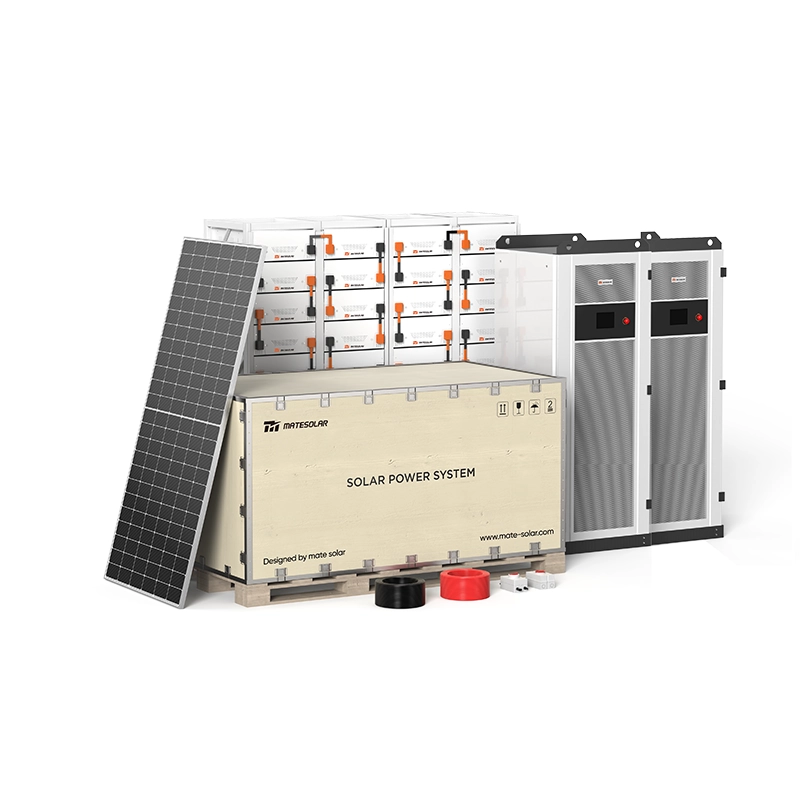
At MateSolar, we stand as your comprehensive partner in this transition. As a one-stop photovoltaic and energy storage solution provider, we offer not just the hardware—from the adaptable نظام الطاقة الشمسية الهجين التجاري بقدرة 500 كيلوواط for industrial users to the high-density 40 قدم حاوية تبريد الهواء المبردة بالهواء ESS for commercial applications and the grid-forming 20ft 3MWh 5MWh Liquid Cooling Container ESS for utility-scale developers—but the strategic partnership required to navigate Panama’s unique market.
The window for securing 20-year contracts and establishing energy independence is closing. The time to build a system that is capable of meeting today’s tender rules and adapting to tomorrow’s grid codes is now. Do not let the regulatory lag become your liability. Let the energy transition become your competitive advantage.