








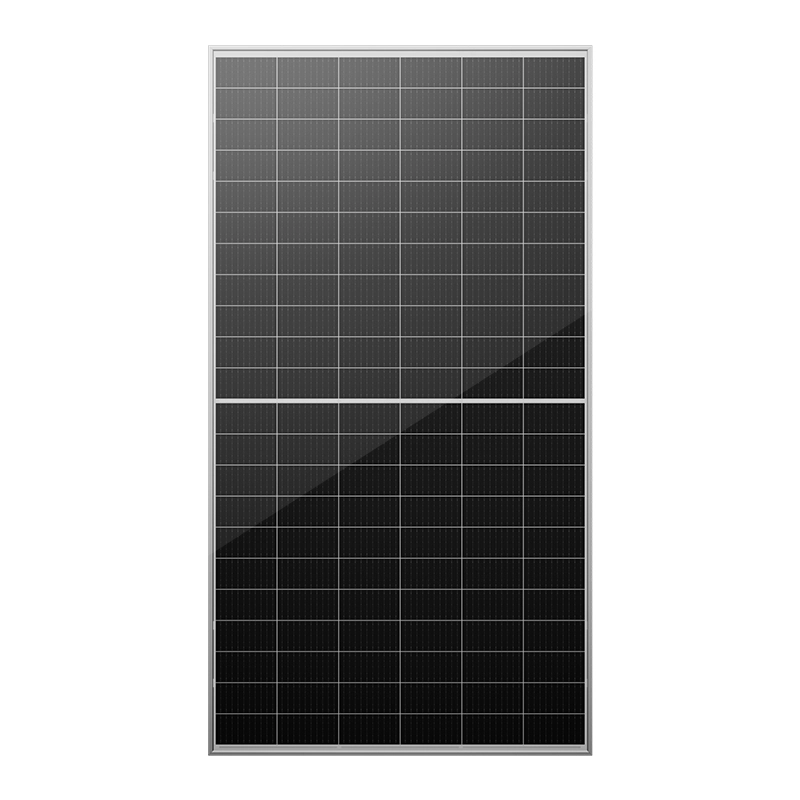


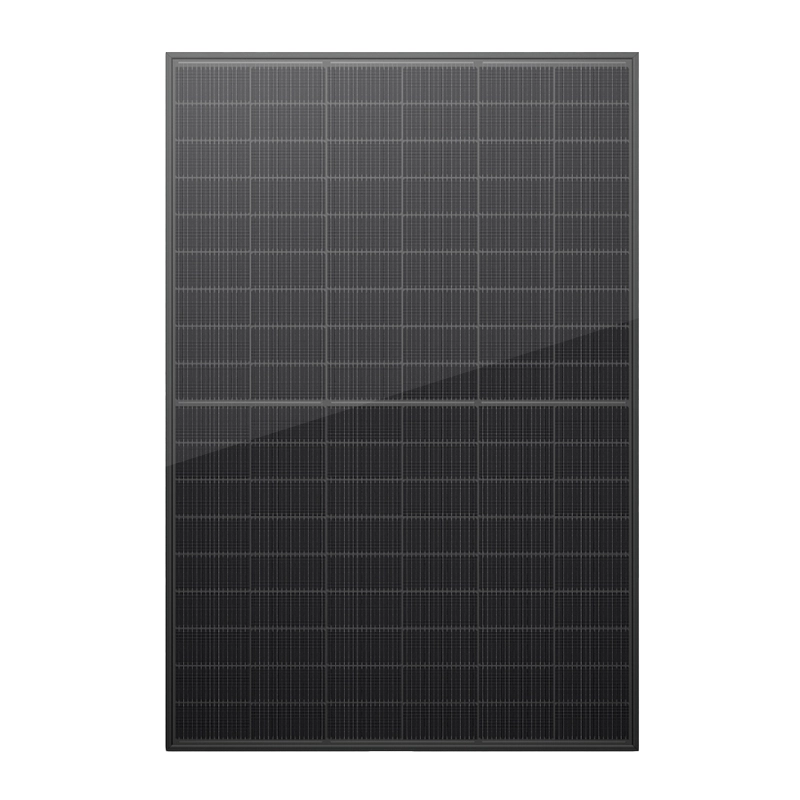
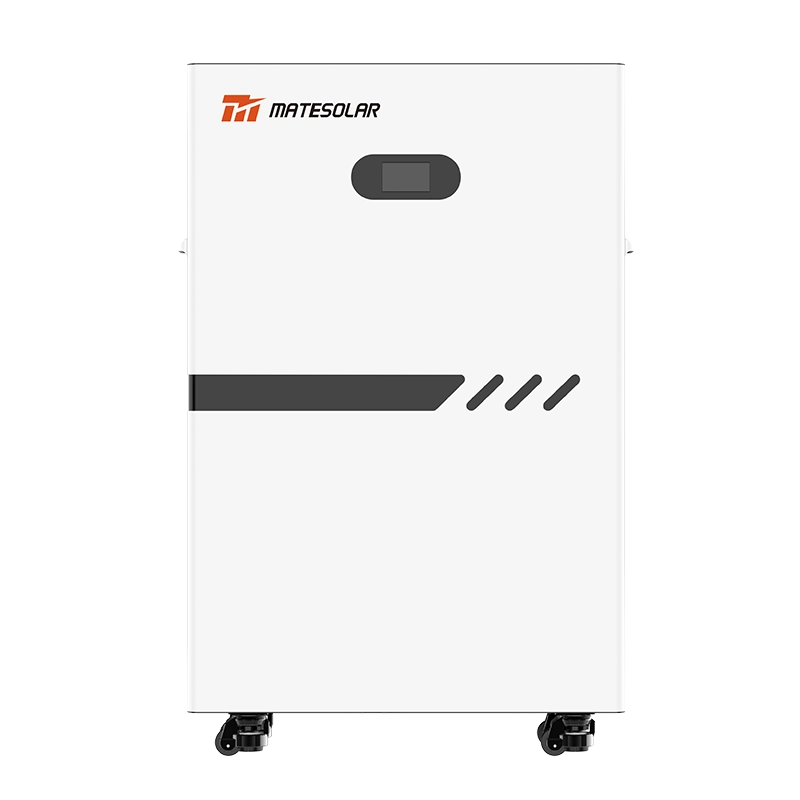
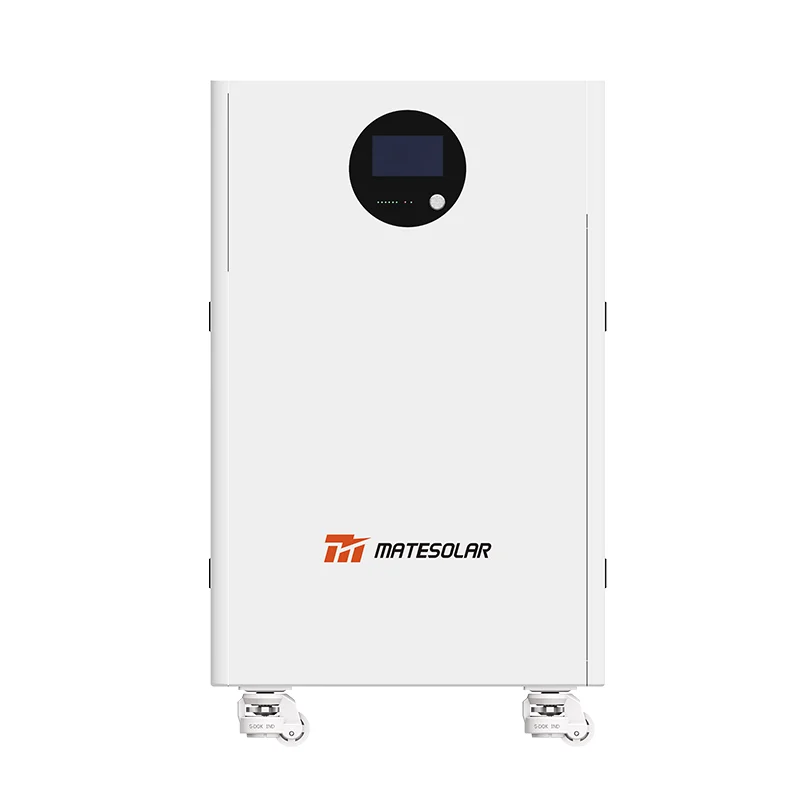
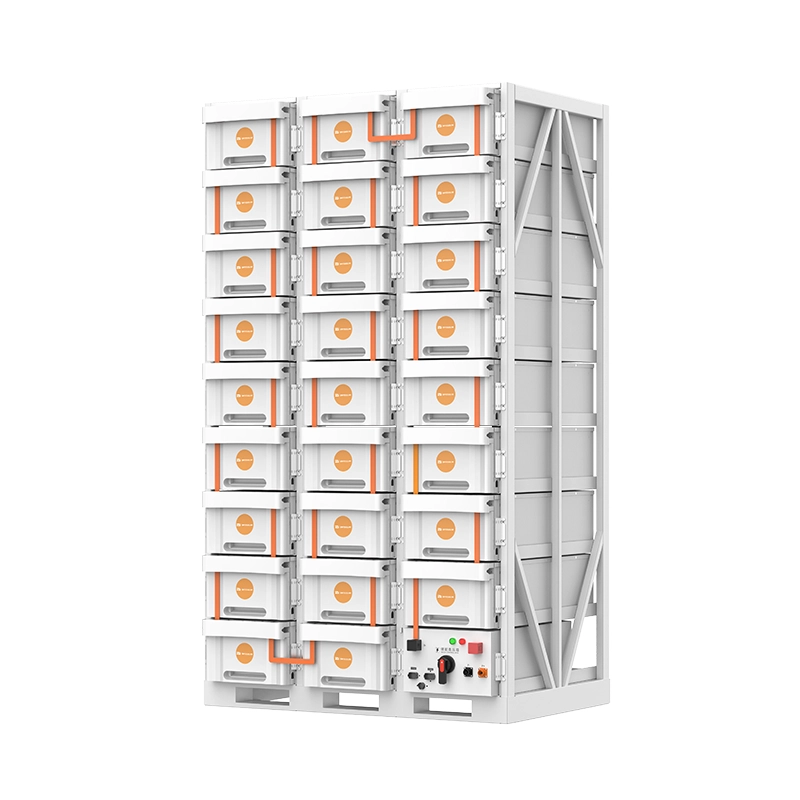
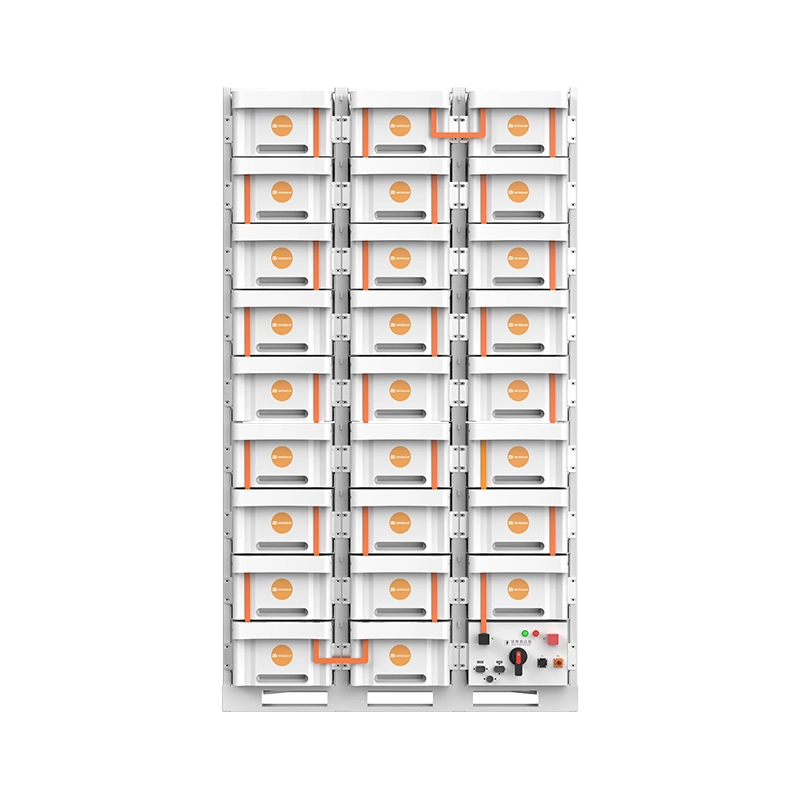
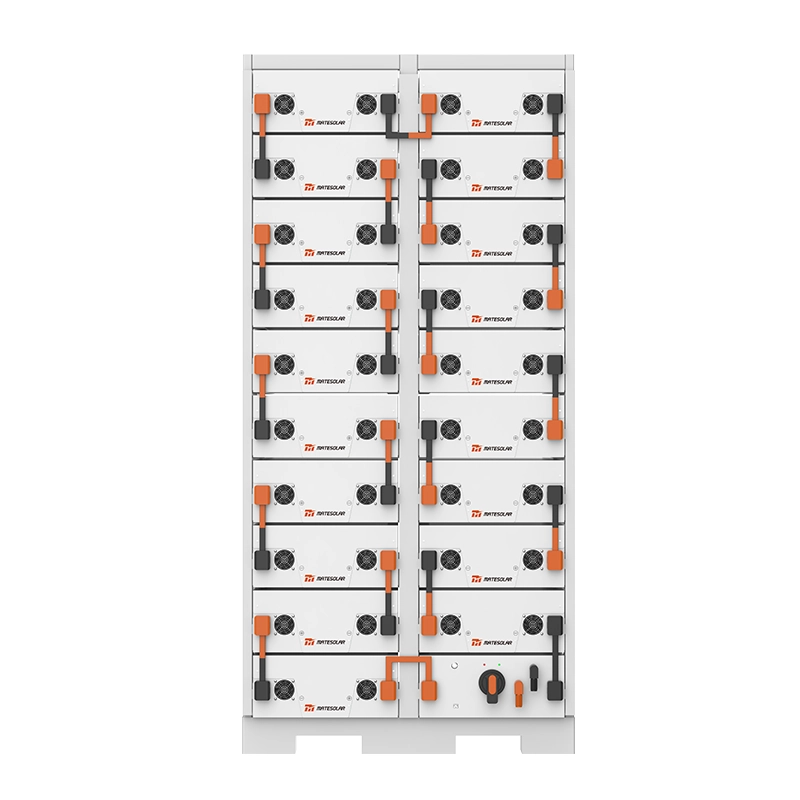
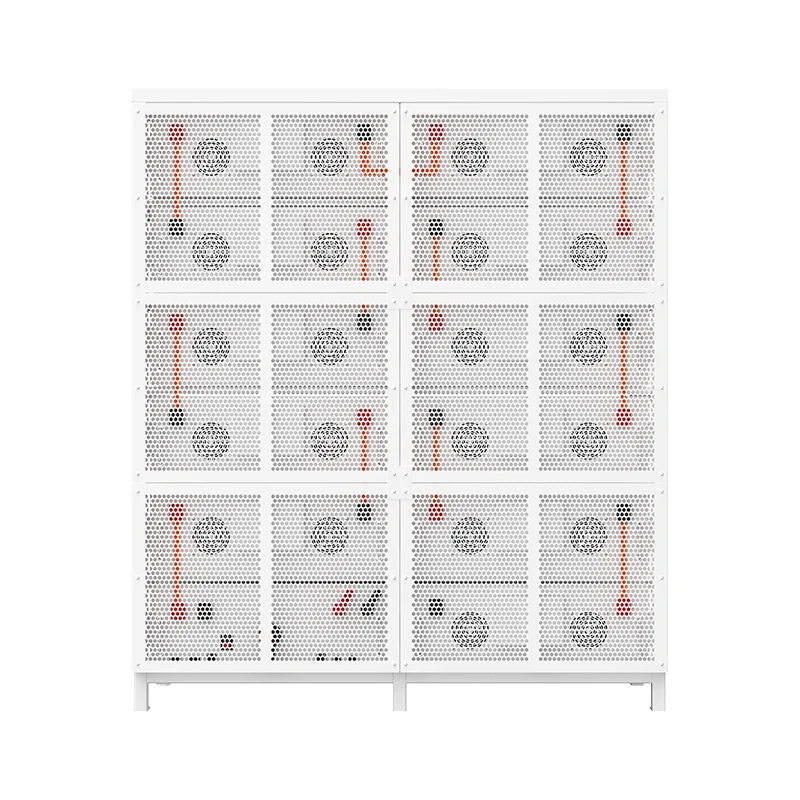



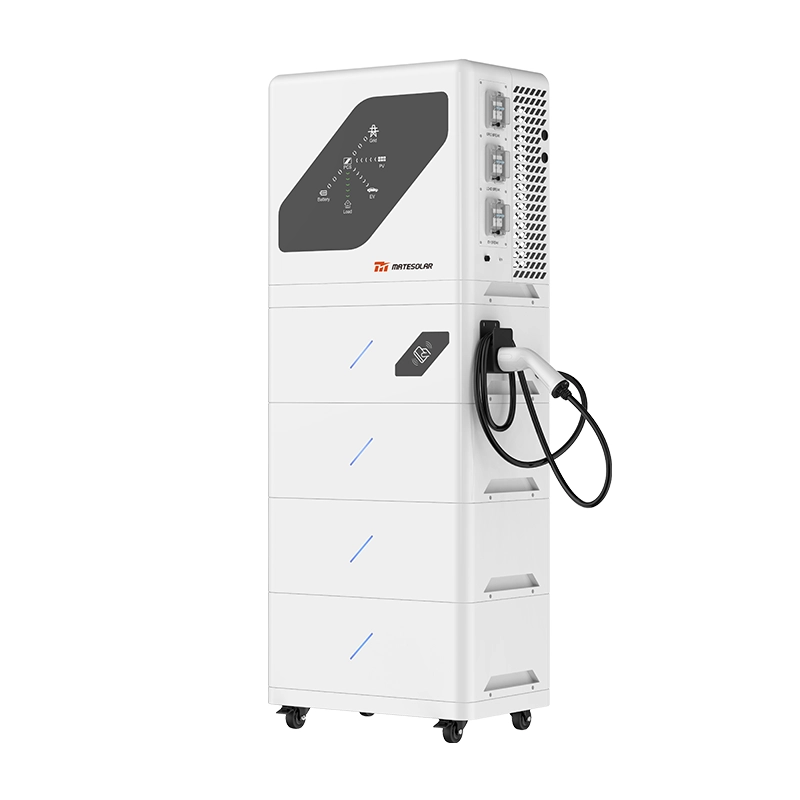
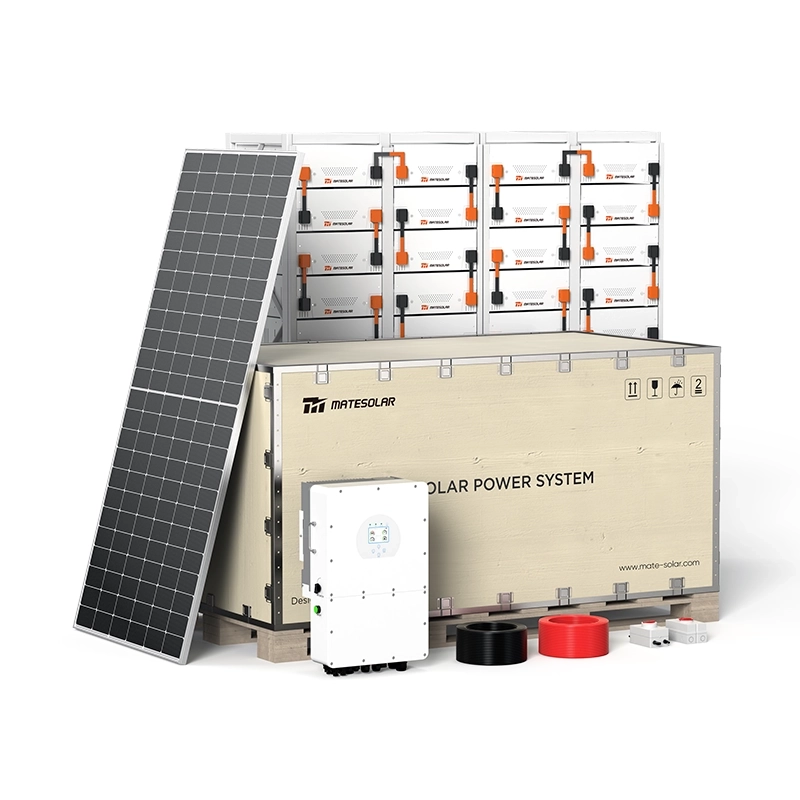
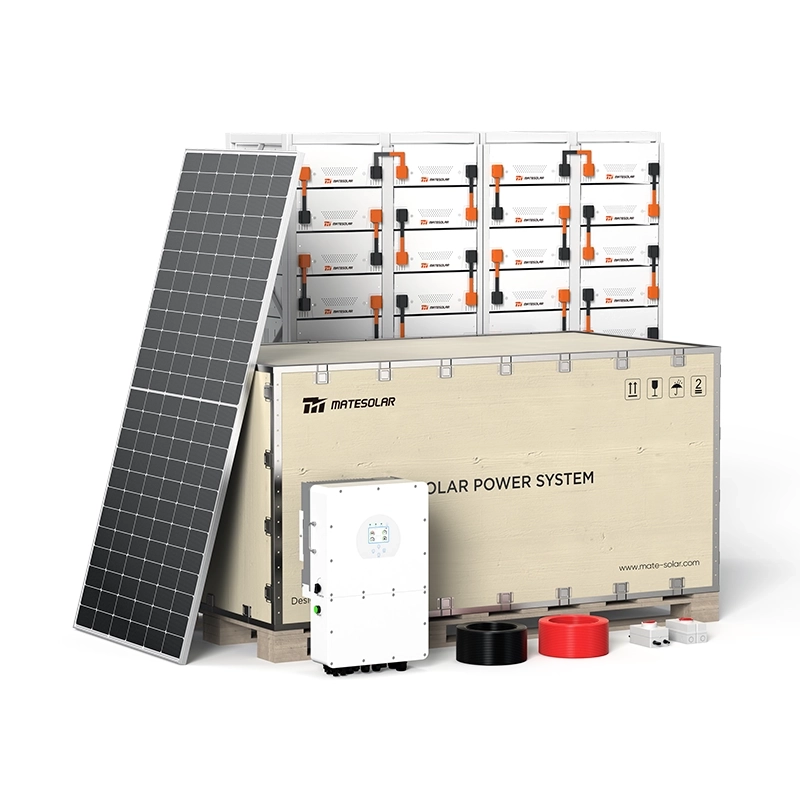
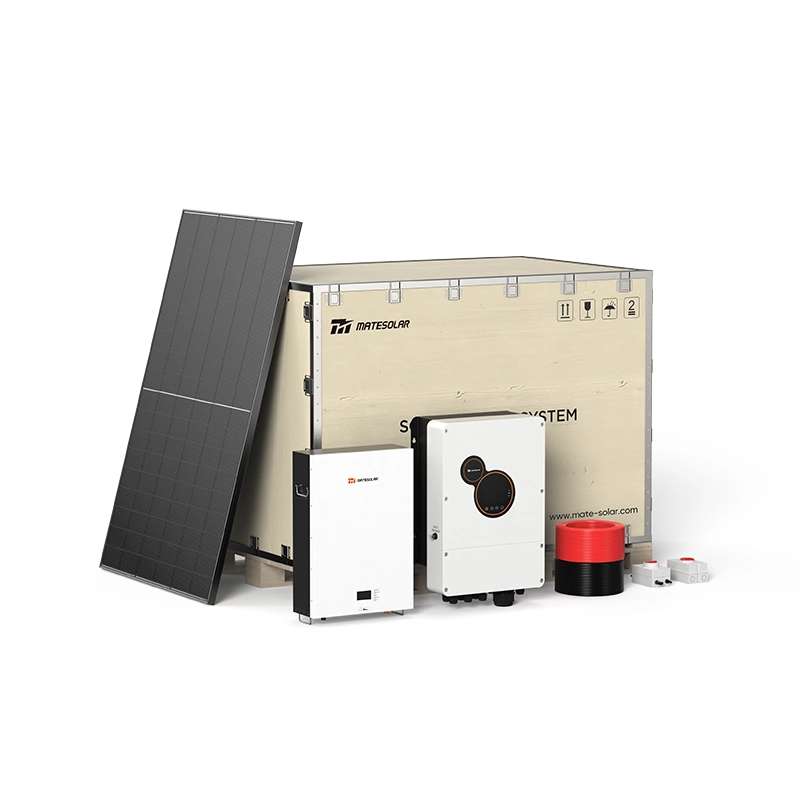

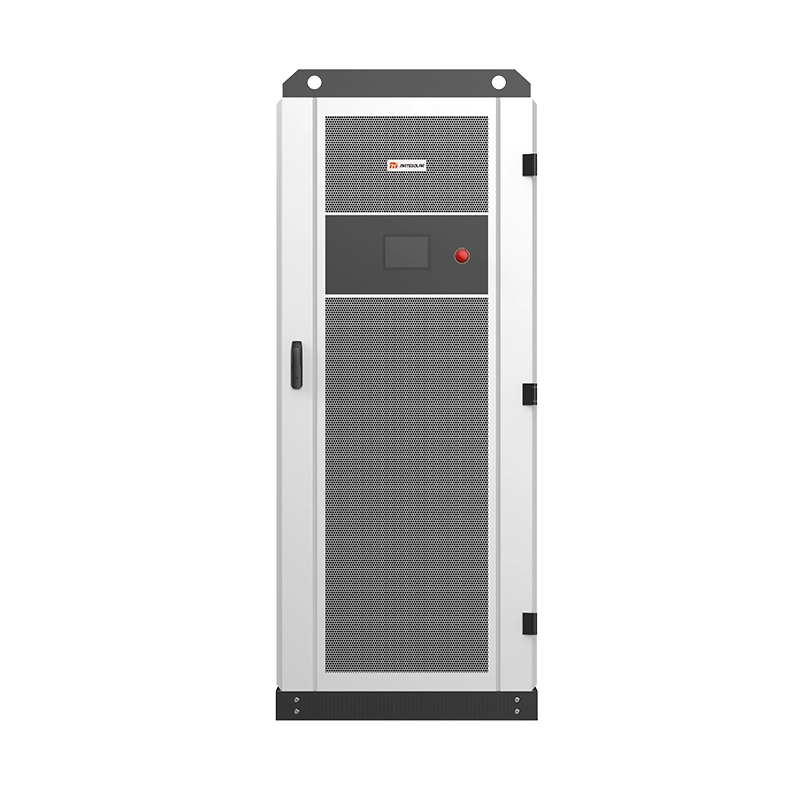
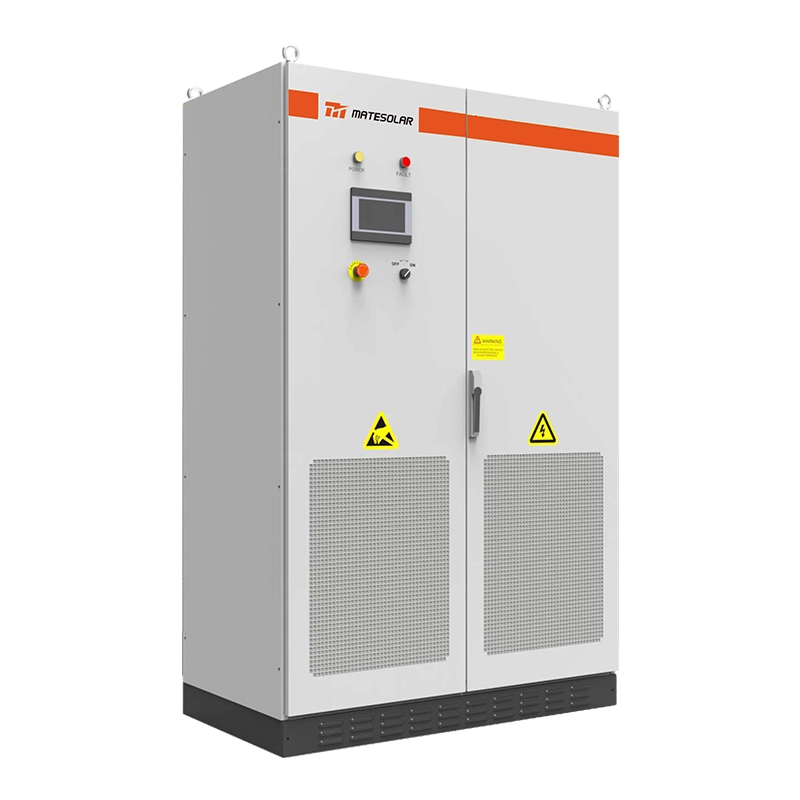
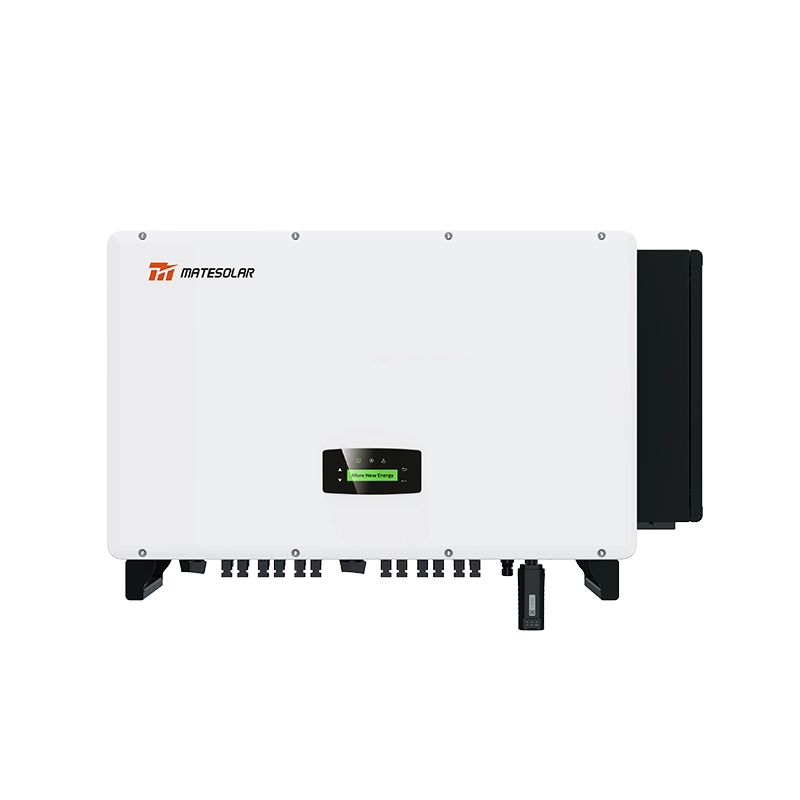
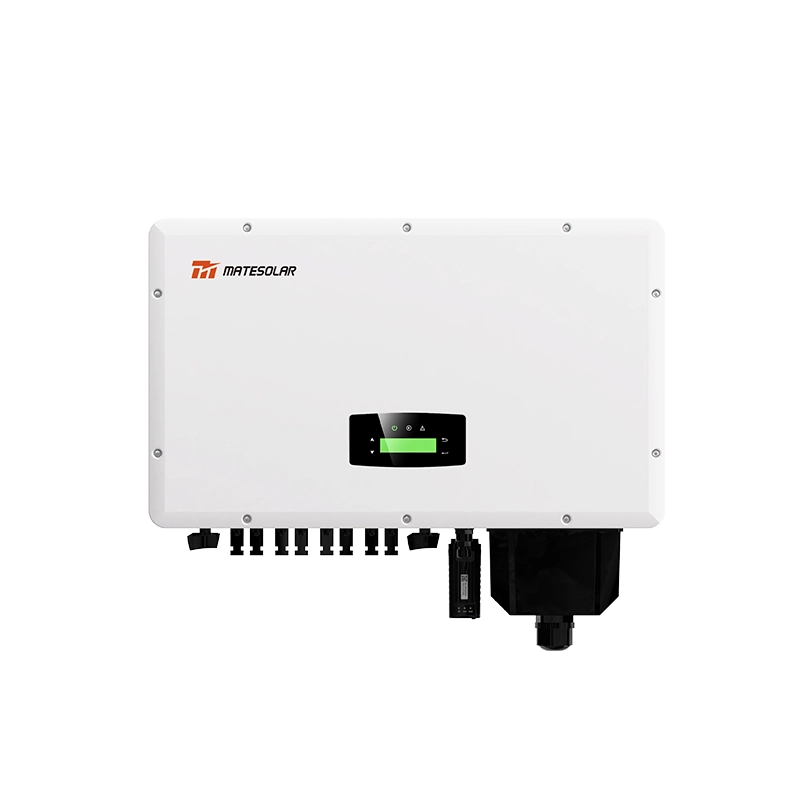
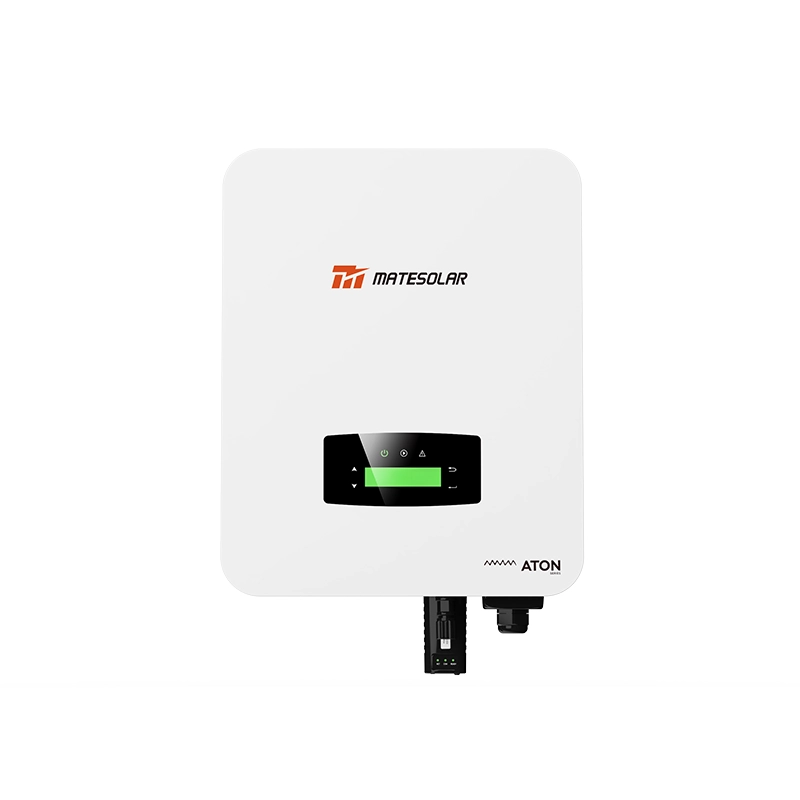
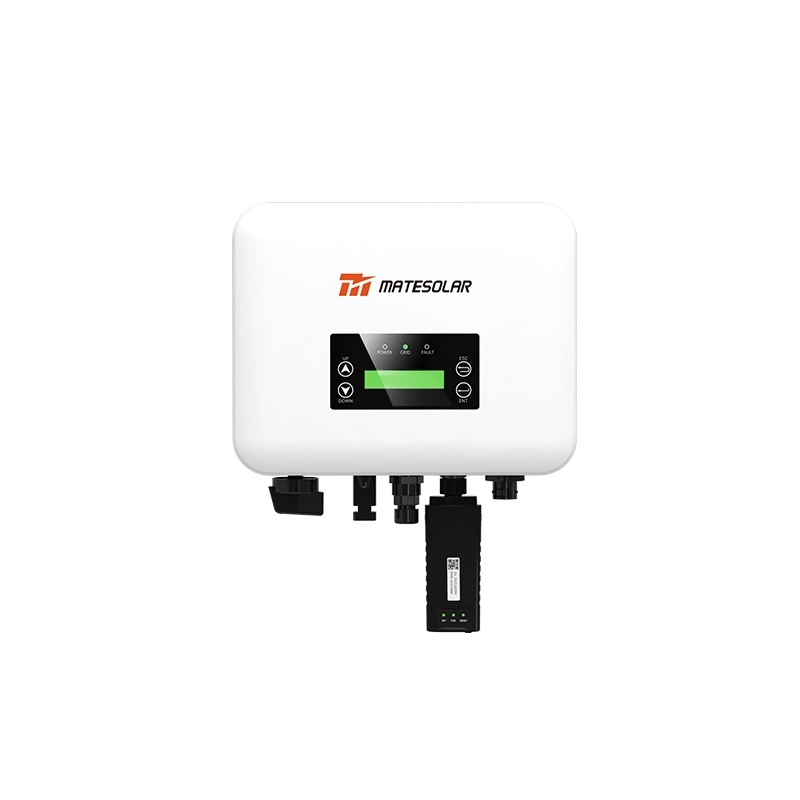


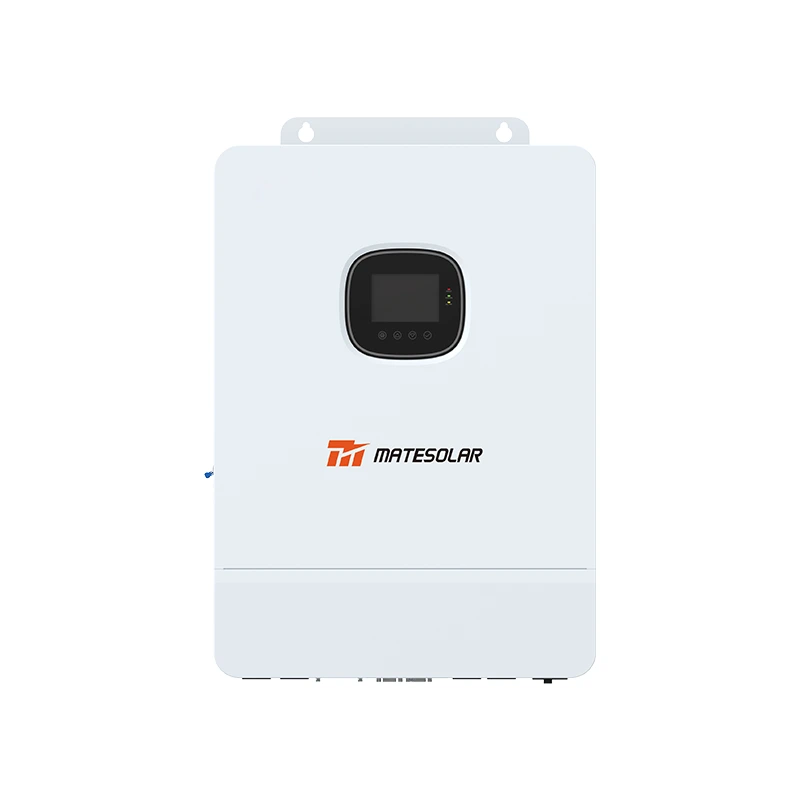
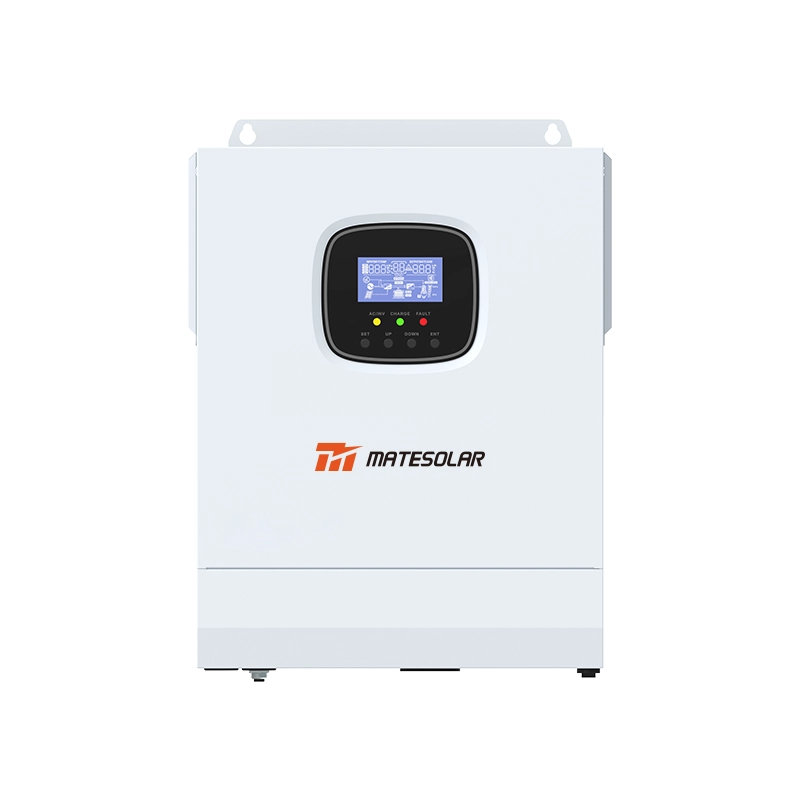
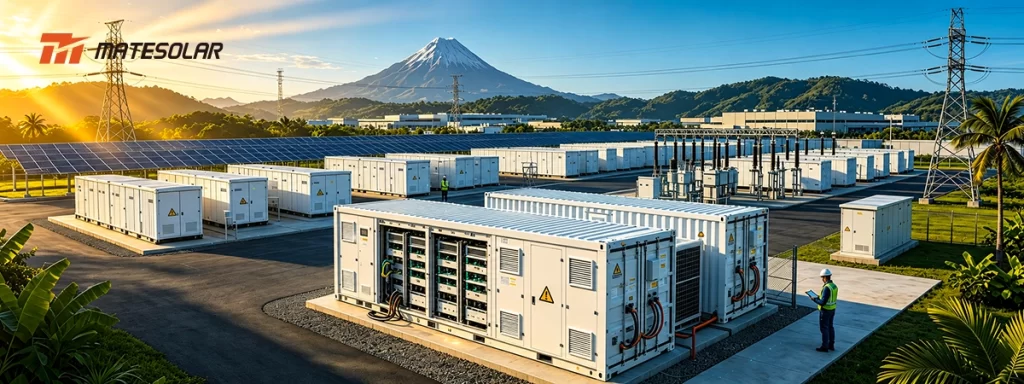
لقد تجاوز سوق الطاقة الشمسية مع التخزين في غواتيمالا عتبة حرجة. فما بدأ كمشاريع تجريبية صغيرة قبل أشهر قليلة، قد نضج ليصبح نظامًا بيئيًا للتخزين المتكامل للطاقة، منظم بالكامل، وبأسعار تنافسية، وسريع التوسع. بالنسبة لمطوري شركات الهندسة والمشتريات والإنشاءات (EPC)، ومديري الطاقة الصناعية، ومالكي العقارات التجارية، والمستثمرين المؤسسيين، لم يعد السؤال هو ما إذا كان يجب دمج التخزين، بل كيف يتم ذلك بيقين تقني، واقتصاديات قابلة للتمويل، وهندسة مقاومة للمناخ.
تقدم هذه الوثيقة تحليلاً فنياً وتجارياً شاملاً لسوق تخزين الطاقة للقطاع الصناعي والتجاري في غواتيمالا في يونيو 2026. تعالج نقاط الألم المحددة لأربع مجموعات مختلفة من أصحاب المصلحة، وتقدم إرشادات قابلة للتنفيذ بناءً على بيانات سوق تم التحقق منها وأفضل الممارسات الهندسية، وتؤسس مرجعًا نهائيًا للتنقل في هذه اللحظة التحويلية.
الملخص التنفيذي: التفويض واضح - التخزين غير قابل للتفاوض
أكملت غواتيمالا عملية شراء الطاقة الأكثر أهمية في تاريخ أمريكا الوسطى. وقد أسفر مزاد PEG-5-2025، الذي اختتم في مارس 2026 بعد جلسة مزاد عكسي استمرت 14 ساعة، عن منح 1,505 ميجاوات من طاقة التوليد موزعة على 57 مشروعًا، حيث استحوذت تقنيات الطاقة المتجددة على 1,102 ميجاوات (73% من الإجمالي). وفي قطاع الطاقة المتجددة، تهيمن الطاقة الشمسية الكهروضوئية المقترنة بأنظمة تخزين الطاقة بالبطاريات بشكل حاسم، حيث تم منح عقود بقيمة 713 ميغاواط — ما يمثل حوالي 47% من إجمالي السعة المتعاقد عليها وأكثر من 60% من قطاع الطاقة المتجددة.
وبالمثل، شهد البناء التنظيمي تحولًا. فقد أرست قرار اللجنة الوطنية للطاقة الكهربائية في غواتيمالا (CNEE) رقم 128-2024، الذي تم اعتماده في مايو 2024، الأساس القانوني لأنظمة التوليد الهجين المستقلة ذات التخزين للمشاركة في سوق الكهرباء بالجملة، مع الاعتراف صراحةً بأنظمة التخزين لدورها في استقرار الشبكة.
بالنسبة للمستخدمين النهائيين من القطاعين التجاري والصناعي (C&I)، فإن الجوانب الاقتصادية مقنعة بنفس القدر. يبلغ سعر الكهرباء التجاري 1.509 GTQ/كيلوواط ساعة (حوالي 0.197 دولار أمريكي/كيلوواط ساعة) وفقًا لبيانات يونيو 2026، بما في ذلك جميع تكاليف النقل والتوزيع والضرائب والرسوم. وقد خضعت التعريفات غير المدعومة المطبقة على معظم الحسابات التجارية والصناعية لتعديل تصاعدي بنسبة 15% في أوائل عام 2026، مما أدى إلى توسيع الفجوة الاقتصادية بين الاعتماد على الشبكة والتوليد خلف العداد بالإضافة إلى التخزين.
يتم تنظيم هذا التقرير حول خمس شرائح رئيسية من أصحاب المصلحة، لكل منها متطلبات تقنية مميزة، وقيود مالية، وأولويات تشغيلية.
الفصل الأول: الأساس التنظيمي والسوقي — ما يجب أن تعرفه
1.1 بيج-5-2025: المزاد الذي غيّر كل شيء
يمثل مزاد PEG-5-2025 أكبر عملية شراء للطاقة في تاريخ غواتيمالا. قدمت إحدى وخمسون شركة توليد عروضاً متجاوزة 4.7 جيجاواط - وهو ما يزيد عن ثلاثة أضعاف السعة المطلوبة. استمرت العملية لمدة 14 ساعة متتالية تحت آلية ساعة تنازلية، مع تقديم 57 عرضًا ماليًا ومتوسط سعر إجمالي قدره 101.09 دولار أمريكي / ميجاوات ساعة..
في حدود القدرة الممنوحة، استحوذت الطاقة الشمسية الكهروضوئية مع أنظمة تخزين طاقة البطاريات على 713 ميجاوات، وهو ما يقرب من نصف إجمالي القدرة المتعاقد عليها. وقد أصدرت وزارة الطاقة والمناجم، من خلال «الخطة الإرشادية لتوسيع توليد الطاقة للفترة 2026-2050» (PEIG)، أن تلتزم جميع مشاريع الطاقة الشمسية الجديدة التي تزيد قدرتها عن 50 ميجاوات بتركيب بطاريات تخزين تعادل 30% من قدرتها الكهروضوئية المركبة — وهو متطلب تقني ملزم سيحدد شكل كل مشروع متجدد على نطاق المرافق يتم تطويره في غواتيمالا حتى عام 2050.
الجدول 1: مقاييس رئيسية لمزاد PEG-5
| متري | القيمة | المصدر |
| إجمالي السعة الممنوحة | ١٥٠٥ ميجاوات | سي إن إي إي، مارس 2026 |
| الطاقة المتجددة المخصصة | 1,102 ميغاواط (73%) | سي إن إي إي، مارس 2026 |
| منحت الطاقة الشمسية والتخزين | 713 ميغاواط (47% من الإجمالي) | سي إن إي إي، مارس 2026 |
| متوسط السعر الإجمالي | 101.09 دولار أمريكي لكل ميجاوات ساعة | سي إن إي إي، مارس 2026 |
| متوسط سعر السعة (عروض الطاقة المتجددة فقط) | 16.15 دولار أمريكي لكل كيلوواط | سي إن إي إي، مارس 2026 |
| متوسط سعر الطاقة (عروض الطاقة المتجددة فقط) | 60.80 دولار أمريكي/ميجاواط/ساعة | سي إن إي إي، مارس 2026 |
| الشركات المشاركة | 51 | سي إن إي إي، مارس 2026 |
| إجمالي السعة المقدمة | ٤٧٠٠ ميجاوات | سي إن إي إي، مارس 2026 |
1.2 بيج-6: ما القادم
في 18 مايو 2026، أعلن وزير الطاقة فيكتور هوغو فينتورا في مؤتمر قمة الطاقة المستقبلية (FES) غواتيمالا الافتتاحي، أن السلطات تعمل بنشاط على تحليل طرح عطاء جديد لمشاريع التوليد والتخزين - والمسمى PEG-6 - لتغطية القدرة المتبقية.. من المتوقع أن يسفر المزاد الجديد عن شراء حوالي 300 ميجاوات وسيصاحبه مزاد نقل مرافق، PET-4، بعد فشل PET-3 في الحصول على عروض قابلة للتطبيق.
قدم خبراء الصناعة توصيات محددة للمرحلة السادسة من خطة التحفيز الاقتصادي (PEG-6). وقد حثت ليجيا لوبيز دي لونا، المديرة القانونية في LexRenova، على تنقيح تعريفات "القدرة الثابتة"، والانتقال من "القدرة الثابتة" إلى "القدرة الثابتة ذات السمات المحددة" - بما في ذلك الحد الأدنى لمدة الساعات المستمرة، والأداء في الأحداث المتطرفة، والقدرة المستدامة..
ما يعنيه هذا للمطورين: يتطلب PEG-6 قدرات تخزين متقدمة: مخرجات مستمرة لساعات متعددة، استجابة للأحداث القصوى، وآليات موثوقة للتحكم في التدهور. يجب على المتزايدين إعداد حزم بيانات أداء تثبت هذه القدرات بشفافية كاملة.
1.3 اختناقات الإرسال: القيد الحرج
لم تنجح مناقصة نقل PET-3، التي تم إطلاقها بالتزامن مع PEG-5، في جذب أي عروض قابلة للتطبيق، حيث تلقت عرضًا واحدًا فقط لم يستوف المتطلبات الفنية.. حذرت الصناعة من أنه بدون توسيع الشبكة، قد يواجه ما يصل إلى 800 ميجاوات من الطاقة الشمسية قيودًا تشغيلية وقطعًا، على الرغم من الإمكانات المتجددة القوية للبلاد..
هذا القيد له آثار عميقة على التخزين. فتح سوق الكهرباء في غواتيمالا عام 2026 بتقلبات شديدة، وتأرجحت الأسعار من 8 دولارات إلى 107 دولارات لكل ميجاوات في الساعة في غضون أربعة أيام فقط، حتى مع تقييد الطاقة المتجددة بسبب قيود الشبكة.. كانت خزانات الطاقة الكهرومائية تفيض بالمياه بتدفقات أعلى من 23 مترًا مكعبًا في الثانية، مما يشير إلى توفر طاقة نظيفة ولكن لم يكن من الممكن الاستفادة منها بالكامل بسبب البنية التحتية غير الكافية للنقل أو نقص سعة تخزين الطاقة..
حتمية التخزين: يعالج تخزين البطاريات هذا القصور الهيكلي بشكل مباشر. من خلال امتصاص توليد الطاقة المتجددة الزائدة خلال فترات ازدحام الشبكة وتفريغها خلال أوقات الذروة للطلب، تخفف أنظمة التخزين من التقييد وتقلل من التعرض لسوق العقود الآجلة. بالنسبة للمنشآت التجارية والصناعية، يوفر التخزين خلف العداد إمكانية العزل التي تحمي العمليات الحيوية من عدم استقرار الشبكة.
1.4 قرار CNEE رقم 128-2024: الأساس القانوني
تم اعتماد القرار 128-2024 في مايو 2024، والذي عدّل العديد من قواعد التنسيق التجاري (NCC) وقواعد التنسيق التشغيلي (NCO)، مما يسمح لأنظمة التخزين الملحقة بمحطات الطاقة الشمسية وطاقة الرياح بالمشاركة في سوق الكهرباء بالجملة. وضع القرار منهجية لحساب وتخصيص عروض الطاقة الثابتة (Ofertas de Potencia Firme—OF) لمحطات الطاقة الشمسية وطاقة الرياح مع وبدون أنظمة تخزين.
بالنسبة لأصحاب المصلحة في مجال الخدمات التجارية والصناعية، يفتح هذا القرار مسارين حيويين:
1. المشاركة في سوق السعة يمكن لأنظمة التخزين الآن الحصول على عائد مالي مقابل توفير خدمات استقرار الشبكة، بشكل مستقل عن أسعار البيع بالتجزئة للكهرباء.
2. التعرف على الجيل الهجين: يمكن لأنظمة التوليد الهجينة المستقلة مع التخزين المشاركة في سوق الجملة، مما يخلق تدفقات إيرادات جديدة كانت غير متاحة قانونيًا قبل عام 2024.
1.5 تعريفات الكهرباء التجارية: تحديث يونيو 2026
اعتبارًا من يونيو 2026، تظهر أسعار الكهرباء في غواتيمالا استقرارًا عبر الموزعين الثلاثة الرئيسيين، على الرغم من وجود تباين كبير بين التعريفات الاجتماعية وغير الاجتماعية.
الجدول 2: تعريفات الكهرباء التجارية في غواتيمالا (يونيو 2026)
| موزع | تعرفة اجتماعية (مدعومة) | تعريفات غير اجتماعية | قاعدة المستخدمين المعمول بها |
| الشركة الكهربائية في غواتيمالا | 1.42 غوانتـ. غواتيمالي/كيلوواط ساعة | 1.51 غواتيمالا كيتزال لكل كيلوواط/ساعة | منطقة غواتيمالا سيتي الحضرية |
| ديرسا (إنيرجوات) | 1.98 غوانتيكويلا / كيلوواط ساعة | 2.06/كيلوواط ساعة غواتيمالا | المنطقة الغربية الريفية |
| ديوكسا (إنيرجويت) | 2.04 غواتيمالا كيتزال لكل كيلوواط/ساعة | GTQ 2.13/كيلوواط ساعة | المنطقة الشرقية الريفية |
ملاحظة: تُطبق التعريفات غير الاجتماعية على الحسابات التجارية والصناعية (حوالي 300,000 مستخدم، أي ما يعادل ~6% من العملاء على الصعيد الوطني). ولا تشمل جميع الأسعار الرسوم الإضافية: رسوم خدمة الموزع، ورسوم الإضاءة العامة البلدية (تختلف حسب الموقع)، و12% ضريبة القيمة المضافة.
بالنسبة للمستخدمين النهائيين من قطاعي التجارة والصناعة (C&I) الذين يخضعون للتعريفات غير الاجتماعية بموجب قانون الطاقة الكهربائية (EEGSA)، يمثل السعر الفعلي البالغ 1.51 GTQ/كيلوواط ساعة (حوالي 0.197 دولار أمريكي/كيلوواط ساعة) زيادة بنسبة 15% مقارنة بمستويات ما قبل عام 2026. في مناطق خدمة DEORSA و DEOCSA، تتجاوز التعريفات غير الاجتماعية 2.00 GTQ/كيلوواط/ساعة، مما يجعل تخزين الطاقة خلف العداد أكثر جاذبية من الناحية الاقتصادية.
1.6 قيود سوق التجزئة: التحذير الحاسم
لم تفتح غواتيمالا سوق الكهرباء بالتجزئة الخاصة بها للمنتجين الذاتيين والمولدين الموزعين بعد. هذا يعني أن المرافق التجارية والصناعية التي لديها توليد في الموقع لا يمكنها بيع الكهرباء الزائدة مباشرة إلى عملاء التجزئة الآخرين أو تلقي تعويض عن الطاقة الفائضة التي يتم ضخها في الشبكة بأسعار التجزئة.
القيد العملي: بدون آلية سوق بيع بالتجزئة، لا يمكن تصدير الطاقة الشمسية الزائدة بشكل مربح. الاستخدام الوحيد الممكن للطاقة الفائضة هو تخزينها للاستهلاك الذاتي لاحقاً خلال فترات التعريفة المرتفعة. هذا القيد يشكل بشكل أساسي تصميم أنظمة التخزين خلف العداد في غواتيمالا، مع إعطاء الأولوية لتعظيم الاستهلاك الذاتي على تحسين التصدير.
ومع ذلك، تستكشف الحكومة بنشاط تحرير سوق التجزئة. وقد أقر رئيس CNEE لويس أورتيز بأن موردي الكهرباء الخاصين يحتاجون إلى اعتراف للدخول إلى سوق التجزئة، ويجري مناقشة التحديثات التنظيمية. وقد أشار الوزير فينتورا علنًا إلى عدم التماثل بين العقود طويلة الأجل المنظمة (15 عامًا) والمستخدمين الكبار غير المنظمين المقيدين بعقود لا تزيد عن 12 شهرًا، مما يشير إلى أن الإصلاحات وشيكة..
الفصل الثاني: حلول تقنية شاملة لتخزين الطاقة C&I
قبل معالجة نقاط الألم الخاصة بأصحاب المصلحة، يضع هذا الفصل الأساس التقني لحلول تخزين الطاقة التجارية والصناعية المنشورة عبر حالات الاستخدام المتنوعة في غواتيمالا. الأنظمة المفصلة أدناه - والتي تمتد من التطبيقات التجارية الموزعة إلى التركيبات الصناعية وحلول الحاويات على مستوى المرافق - تمثل التقنيات الأساسية المتاحة لتلبية التفويضات، والضغوط التكلفية، والمتطلبات التشغيلية الموصوفة في جميع أنحاء هذا الدليل.
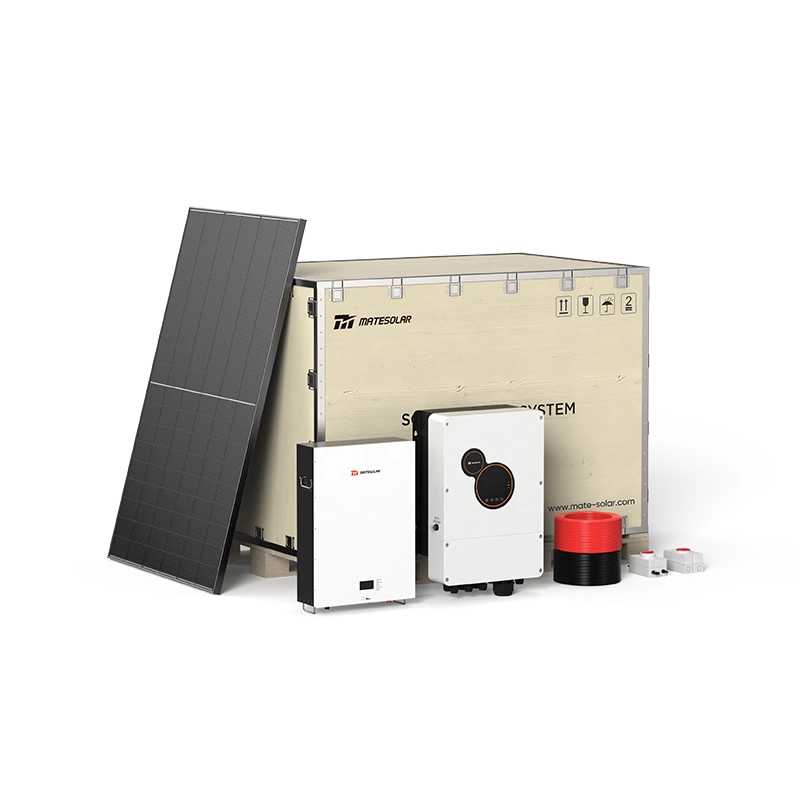
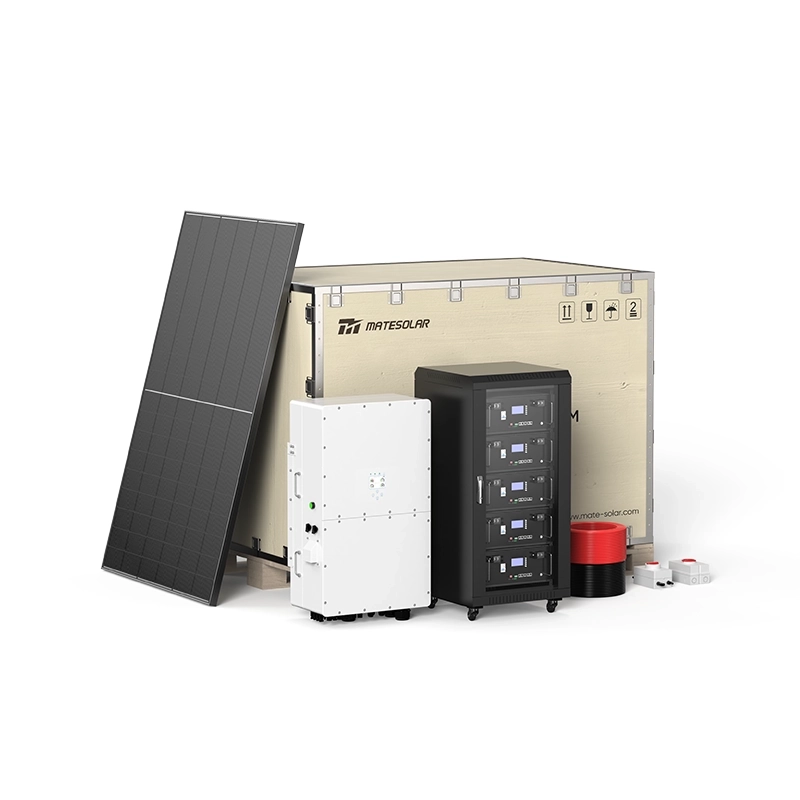
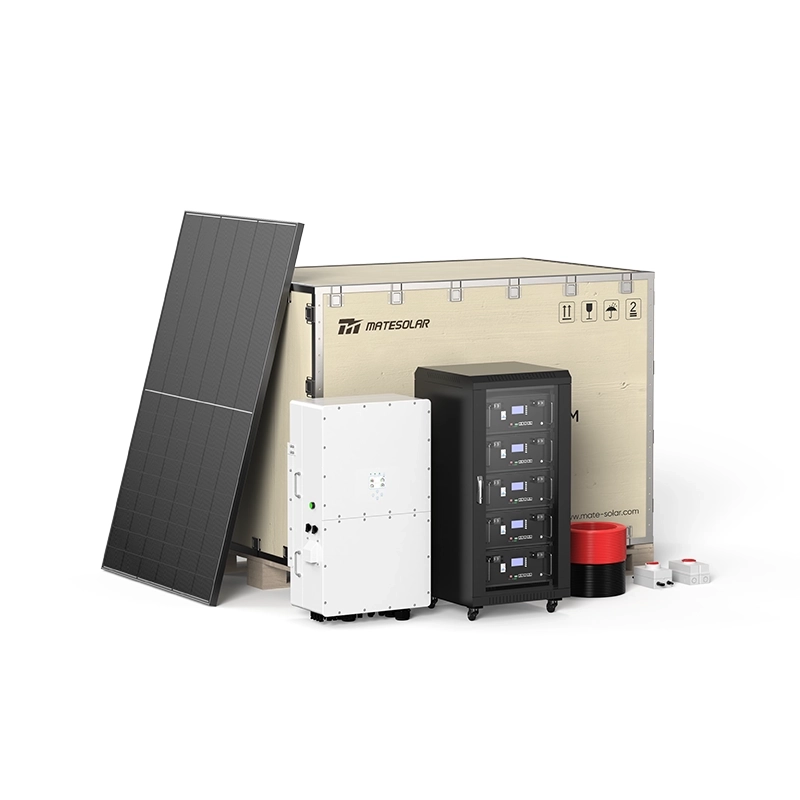
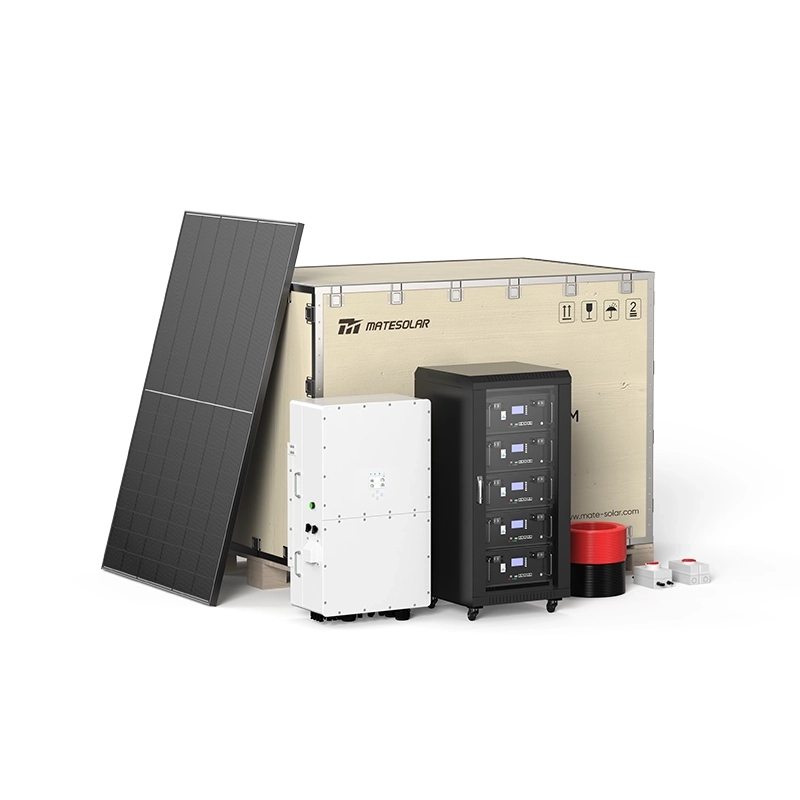
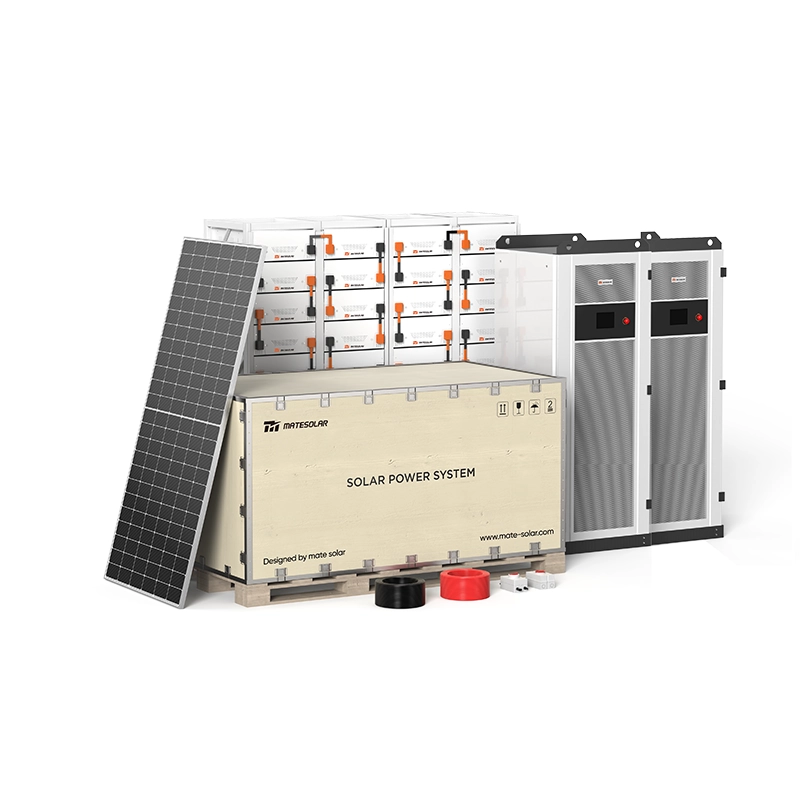
2.1 نظام شمسي هجين تجاري بقدرة 500 كيلوواط
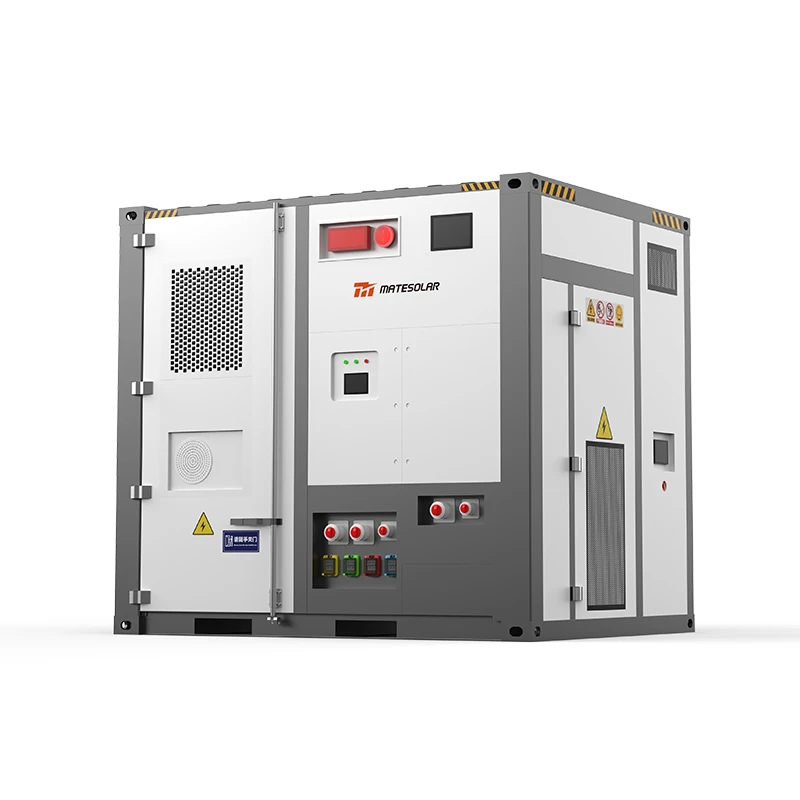
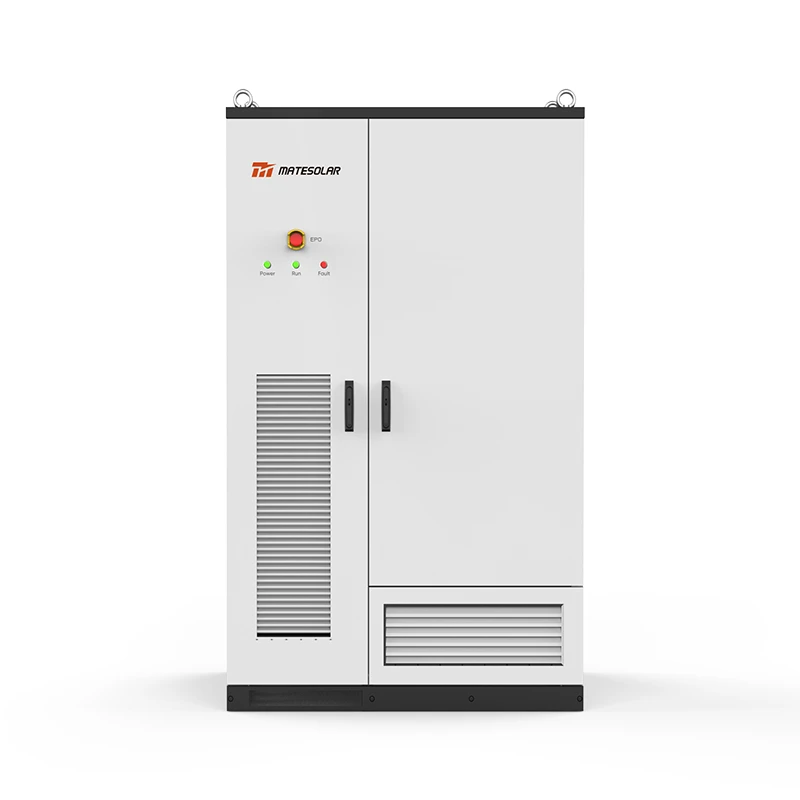
توفر منظومة الطاقة الشمسية الهجينة التجارية 500 كيلووات حلاً متكاملاً للمنشآت التجارية المتوسطة والكبيرة التي تتطلب تكامل الطاقة الشمسية مع التخزين، حيث تجمع بين توليد الطاقة الكهروضوئية وتخزين البطاريات في بنية موحدة. تم تصميم هذه المنظومة للمصانع ومراكز التسوق والمستشفيات ومناطق التصدير، وتوفر قدرة إنتاج هجينة تبلغ 500 كيلووات مع إدارة متقدمة للطاقة لتقليل الأحمال القصوى، وتغيير أوقات الاستهلاك، والتشغيل الاحتياطي.
يدمج النظام محولات طاقة شمسية عالية الكفاءة مع وحدات بطاريات مبردة بالسائل، مما يتيح التنسيق السلس بين التوليد في الموقع والتخزين والربط بشبكة الكهرباء. بالنسبة للمنشآت التي ستواجه زيادة التعرفة 15% في أوائل عام 2026، يوفر النظام الهجين بقدرة 500 كيلوواط عادةً فترات استرداد بسيطة تتراوح بين 4 و6 سنوات في ظل هياكل الأسعار الحالية.
اكتشف الحل المصمم للقطاعات التجارية والصناعية في غواتيمالا: نظام الطاقة الشمسية الهجين التجاري بقدرة 500 كيلوواط
2.2 خزانة خارجية مبردة بالسائل - 100 كيلوواط/232 كيلوواط ساعي و 125 كيلوواط/261 كيلوواط ساعي
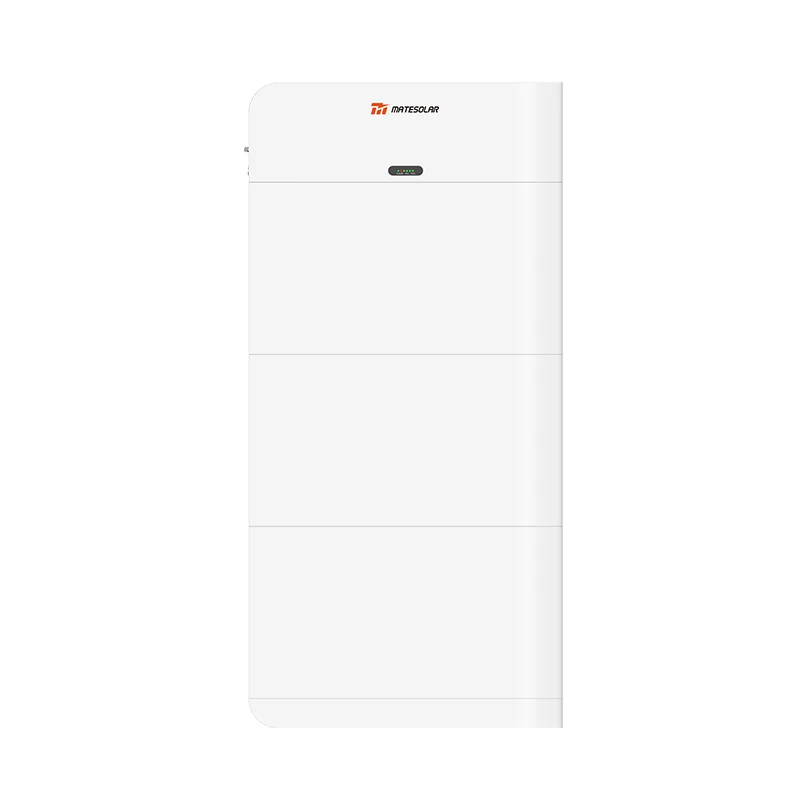
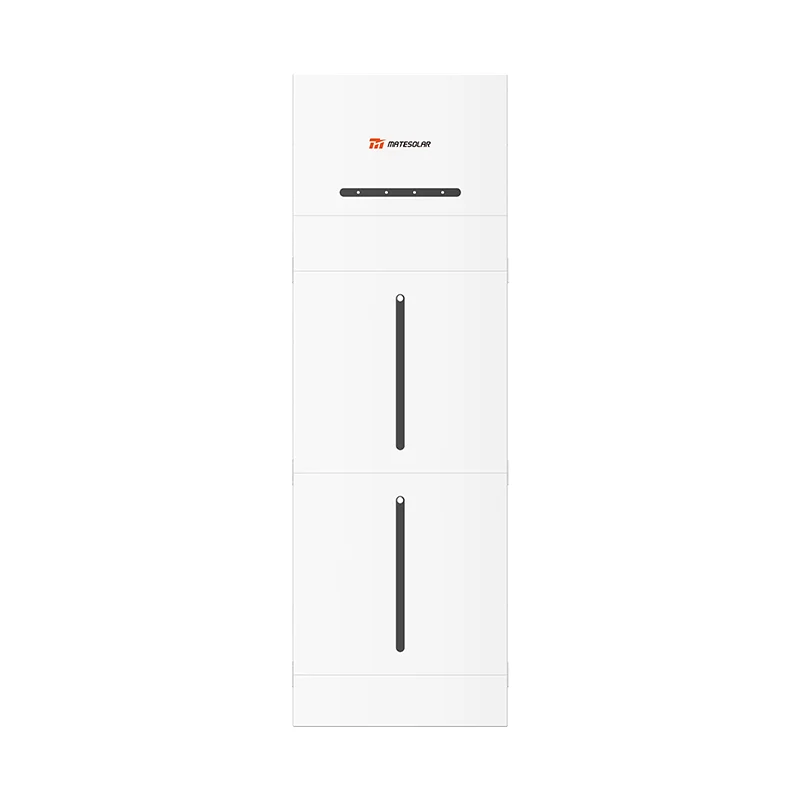
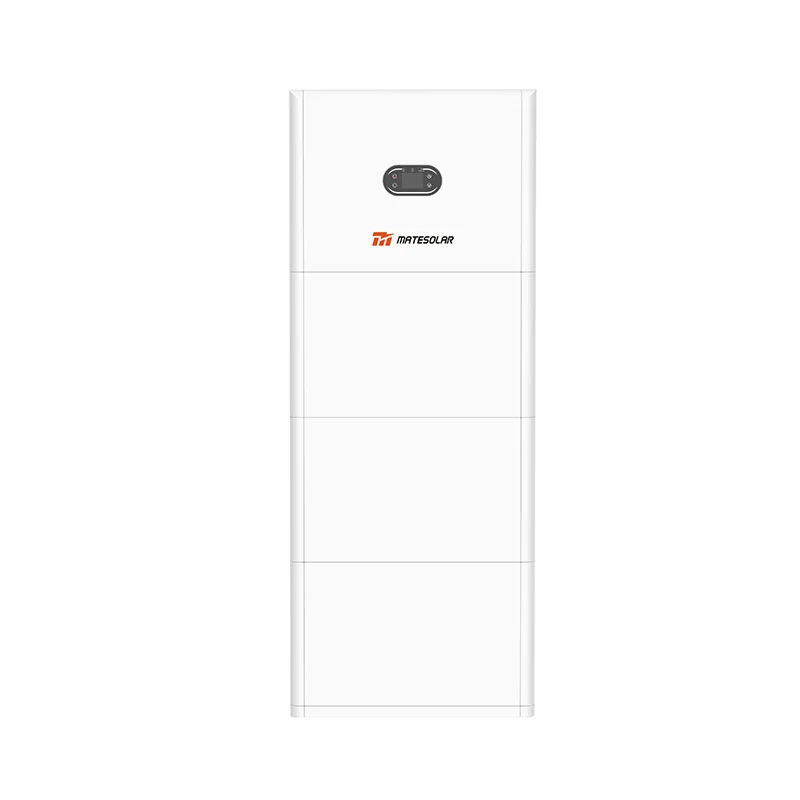
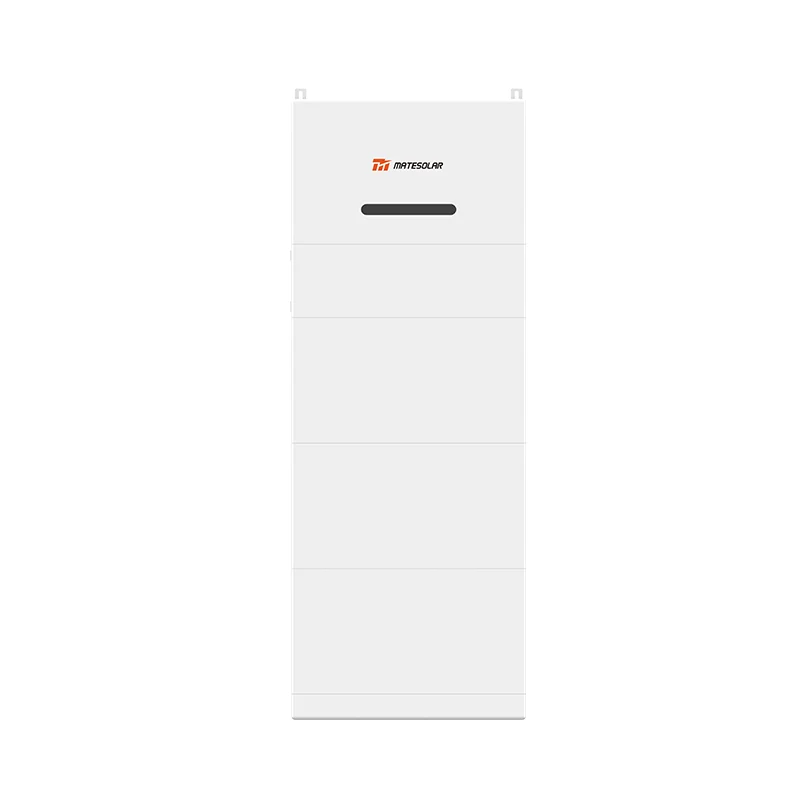
بالنسبة للتطبيقات التجارية الصغيرة والمتوسطة - الفنادق، محلات السوبر ماركت، المباني المكتبية، والمطاعم - تعد كفاءة المساحة وبساطة التركيب أمراً بالغ الأهمية. تقدم خزانة ESS الخارجية المبردة بالسائل تخزيناً مدمجاً وعالي الكثافة في تكوينين: 100 كيلوواط/232 كيلوواط ساعي و 125 كيلوواط/261 كيلوواط ساعي.
يحقق التصميم المبرد بالسائل إدارة حرارية فائقة للمناخ الاستوائي في غواتيمالا، مما يحافظ على درجات حرارة خلايا البطارية ضمن النطاقات المثلى أثناء درجات الحرارة المحيطة التي تتجاوز 35 درجة مئوية. تم تصميم كلا التكوينين للتركيب الخارجي، ويحققان حماية من دخول الغبار والماء بتصنيف IP55 ومقاومة للتآكل بتصنيف C5 - وهي مواصفات أساسية للبيئات الساحلية والصناعية.
المواصفات الرئيسية: خيارات مدة تصريف ساعتين وأربع ساعات، تركيب على الحائط أو الأرض، شهادات UL9540 و UL9540A، إطفاء حريق متكامل، ومراقبة عن بعد عبر نظام إدارة الطاقة (EMS) المستند إلى السحابة.
استكشف حلول التخزين المدمجة للتطبيقات التجارية ذات المساحات المحدودة: نظام تخزين طاقة خارجي مبرد بالسائل بقوة 100 كيلوواط/232 كيلوواط ساعي 125 كيلوواط/261 كيلوواط ساعي
2.3 حاوية مبردة بالهواء بطول 40 قدمًا لنظام تخزين الطاقة - 1 ميجاوات ساعة و 2 ميجاوات ساعة
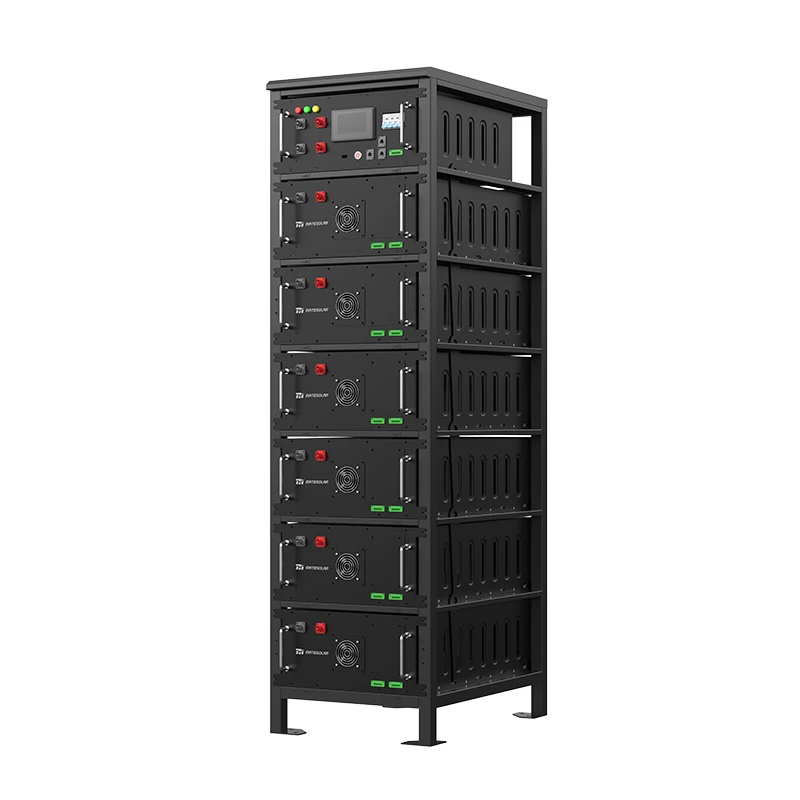
لمنشآت التصنيع، ومصانع الإنتاج، والمجمعات التجارية الكبيرة التي تتطلب نشرًا مرنًا، توفر وحدة تخزين الطاقة المبردة بالهواء مقاس 40 قدمًا حلول تخزين طاقة معيارية مسبقة الصنع بتكوينات 1 ميغاواط/ساعة و 2 ميغاواط/ساعة. يقلل التصميم المبرد بالهواء من تعقيد الصيانة مع الحفاظ على تشغيل موثوق به في ظل الظروف المحيطة النموذجية في غواتيمالا.
توفر الأنظمة المعبأة نشرًا سريعًا: تجميع مسبق في المصنع، تركيب توصيل وتشغيل، ونقاط توصيل قياسية. يسمح عامل الشكل 40 قدمًا بالنقل السهل عبر لوجستيات الشحن القياسية، يليه تركيب مثبت على الأرض بأقل قدر من الأعمال المدنية. بالنسبة للمرافق الصناعية التي لديها أرض متاحة أو مساحة سطح لتركيب الألواح الشمسية الكهروضوئية، توفر هذه الأنظمة سعة تخزين قابلة للتطوير لدعم العمليات على مدار اليوم.
اكتشف الحل المعبأ المثبت: حاوية تبريد هوائي لتخزين الطاقة بسعة 1 ميجاوات/ساعة بقدرة 40 قدمًا و 2 ميجاوات/ساعة
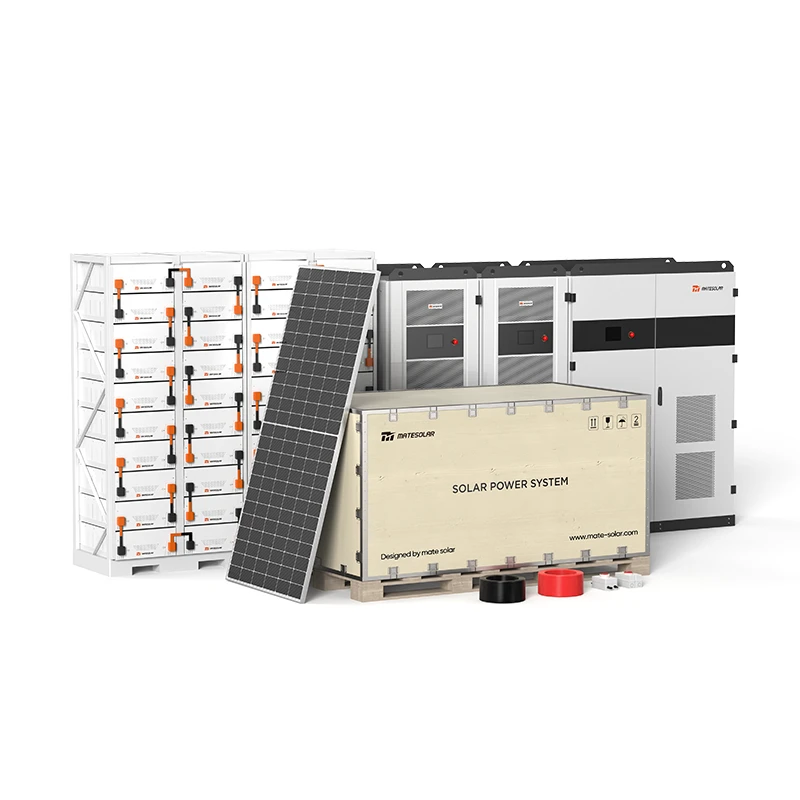
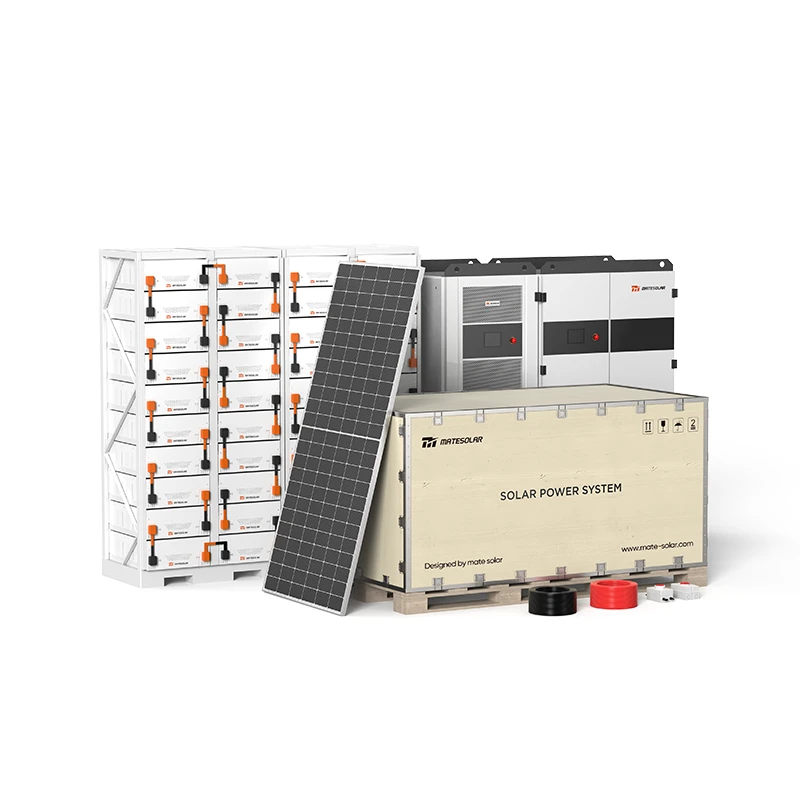
2.4 حاوية سائلة مبردة بطول 20 قدمًا ESS — 3 ميغاواط/ساعة و 5 ميغاواط/ساعة
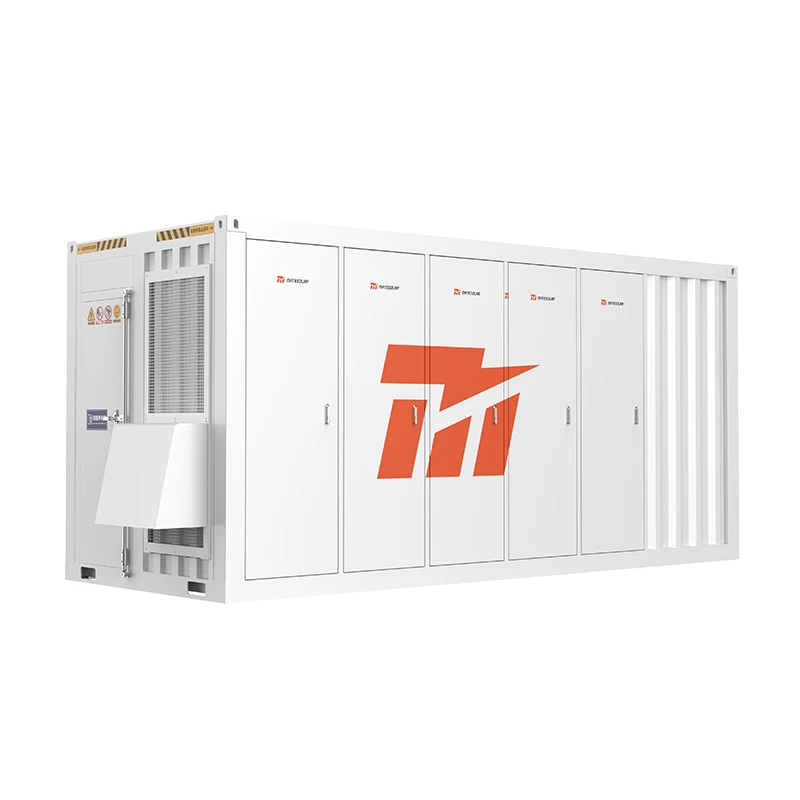
بالنسبة لمشاريع الطاقة الشمسية المزودة بنظام تخزين على نطاق المرافق العامة، والمجمعات الصناعية الكبيرة، والمجمعات متعددة المنشآت، يوفر نظام تخزين الطاقة (ESS) المكون من حاوية مبردة بالسائل مقاس 20 قدمًا أعلى كثافة طاقة متاحة في مساحة مدمجة. يتوفر هذا النظام بتكوينات سعة 3 ميجاواط ساعة و5 ميجاواط ساعة، وقد صُمم خصيصًا لتلبية متطلبات نظام تخزين الطاقة (BESS) 30% التي تنطبق على مشاريع الطاقة الشمسية التي تزيد قدرتها عن 50 ميجاواط، وفقًا لما هو محدد في خطة التوسع PEIG 2026-2050.
تتيح بنية التبريد بالسائل التشغيل المستمر بكامل الطاقة دون انخفاض في الأداء بسبب الحرارة — وهو مطلب أساسي للمشاريع التي تحتاج إلى توزيع الطاقة المخزنة لمدة تزيد عن 4 ساعات. وتقلل الحاوية التي يبلغ طولها 20 قدمًا من متطلبات استخدام الأراضي بما يصل إلى 40% مقارنةً بالبدائل المبردة بالهواء ذات السعة المماثلة، وهو ما يمثل ميزة كبيرة للمواقع التي تعاني من محدودية المساحة المتاحة.
التطبيقات الرئيسية: مشاريع الطاقة الكهروضوئية وتخزين الطاقة على نطاق المرافق العامة التي تستوفي متطلبات لائحة 30%، وتخفيف أحمال الذروة الصناعية لضمان التشغيل على مدار الساعة طوال أيام الأسبوع، ودعم الشبكة من خلال المشاركة في سوق السعة بموجب قرار CNEE رقم 128-2024، والطاقة الاحتياطية للعمليات الصناعية الحيوية.
استكشف الحل المعبأ عالي الكثافة للمشاريع بحجم المرافق والمشاريع الصناعية الكبيرة: حاوية تبريد سائل ESS بطول 20 قدمًا، 3 ميجاوات ساعة، 5 ميجاوات ساعة
الفصل 3: تحليل نقاط الضعف 1 — شركات توليد الكهرباء (EPC) ومطورو مشاريع الطاقة على نطاق المرافق (التوجيه 30% بشأن أنظمة تخزين الطاقة بالبطاريات + ضغوط التكلفة في إطار PEG-6)
الفصل يخدم: مطوري المشاريع واسعة النطاق، ومقاولي الهندسة والمشتريات والإنشاءات (EPC)، ومالكي أصول الطاقة المتجددة، والشركات المتنافسة في مزادات PEG‑5 و PEG‑6.
3.1 المشكلة: تفويض 30% في «Aggressive Economics»
بلغ متوسط السعر الإجمالي الذي تمت ترسية عقود PEG-5 بموجبه 101.09 دولار أمريكي للميغاوات/الساعة.. وبالنسبة للمطورين، يمثل هذا هدفًا طموحًا يتطلب هندسة تكاليف دقيقة. إن الالتزام بنظام تخزين الطاقة الكهربائية (BESS) من طراز 30% للمشاريع الشمسية التي تزيد قدرتها عن 50 ميجاوات — والذي يشمل جميع المشاريع على نطاق المرافق حتى عام 2050 — يزيد بشكل مباشر من النفقات الرأسمالية للمشروع دون أن يؤدي إلى زيادة فورية في عائدات الطاقة.
تزداد الضغوط الاقتصادية بسبب فشل مناقصة نقل PET-3، مما يخلق خطر خفض الإنتاج لمولدي الطاقة الشمسية. بدون بنية تحتية كافية للشبكة، يمكن أن يواجه ما يصل إلى 800 ميجاوات من القدرة الشمسية قيودًا تشغيلية، مما يقلل من التوافر الفعال للطاقة المتجددة ويضغط على إيرادات المشاريع..
السؤال الأساسي: كيف يمكن للمطورين دمج أنظمة تخزين الطاقة بالبطاريات (BESS) عند سعة 30% من الطاقة الكهروضوئية مع الحفاظ على الربحية في ظل متوسط أسعار اتفاقيات شراء الطاقة التي تبلغ 101 دولار أمريكي/ميغاواط ساعة؟
3.2 الحل التقني: بنية نظام تخزين الطاقة (BESS) المحسّنة للتكلفة
يكمن الحل في نهج متعدد الطبقات لخفض تكاليف أنظمة تخزين الطاقة بالبطاريات (BESS) يعالج النفقات الرأسمالية عبر ثلاثة أبعاد:
تحسين الخلية إلى الحزمة: تحقق خلايا الليثيوم وفوسفات الحديد (LFP) عالية الكثافة عمرًا دوريًّا يتجاوز 6,000 دورة عند عمق تفريغ يبلغ 80%، مما يتيح عمر تشغيليًّا يمتد إلى 15 عامًا دون الحاجة إلى استبدالها في منتصف عمرها التشغيلي. وقد تحسنت كثافة الطاقة الحجمية لخلايا LFP الحديثة بنسبة 23% منذ عام 2023، مما أدى إلى تقليل عدد الخلايا المطلوبة لكل ميغاواط/ساعة وخفض تكاليف مكونات النظام الأخرى.
كفاءة تكامل النظام تحقق أنظمة تحويل الطاقة المتطورة كفاءة ذهابًا وإيابًا تبلغ 98.5%، مما يعني فقدان كمية أقل من الطاقة المخزنة خلال دورة الشحن والتفريغ. وبالنسبة لنظام سعة 1 MWh يعمل يوميًا، تمثل كل نقطة مئوية من الكفاءة قيمة سنوية تبلغ حوالي 3,500 دولار أمريكي على مدار عمر المشروع.
نمذجة تكلفة دورة الحياة توفر التكلفة المُعدَّلة للتخزين (LCOS)، التي تأخذ في الاعتبار جداول التدهور وفترات الاستبدال، تحليلات اقتصادية أكثر دقة مقارنةً بالنفقات الرأسمالية الأولية وحدها. تحافظ أنظمة LFP الحديثة على السعة الاسمية البالغة 80% في السنة العاشرة و70% في السنة الخامسة عشرة، مع ضمانات للسعة مصممة لتتوافق مع مدة اتفاقيات شراء الطاقة (PPA).
الجدول 3: استراتيجيات تحسين تكلفة BESS — قائمة مراجعة المطور
| الاستراتيجية | النهج الفني | تأثير على اقتصاديات الولايات المتحدة 101/ميجاوات ساعة |
| خلايا LFP عالية الكثافة (6000+ دورة) | تقليل عدد الخلايا، إطالة عمر التقويم | يقلل من النفقات الرأسمالية لكل ميغاواط/ساعة بنسبة تتراوح بين 15 و18% |
| كفاءة الذهاب والإياب 98.5% | وحدات التحكم في المحركات المتقدمة بأشباه موصلات كربيد السيليكون | تضيف 3-4 دولار أمريكي/م م.و. ايرادات صافية |
| مدة 4 ساعات عند سعة PV تبلغ 30% | محسّن لالتقاط أسعار الذروة المسائية | تجنب إهدار التوصيف المفرط |
| ضمان أداء لمدة 15 عامًا | التحلل <20% في السنة العاشرة | تنقل مخاطر الاستبدال إلى المورد |
| بنية معيارية مقترنة بالتيار المستمر | يُزيل التحويلات الخارجية من تيار مستمر إلى تيار متردد ثم إلى تيار مستمر | يقلل من حجم مكونات النظام (balance-of-system) بمقدار 12-15% |
3.3 جاهزية PEG-6 التقنية: سمات محددة
دعت الصناعة إلى استخدام PEG-6 لتوضيح تعريفات القدرة الثابتة، بالانتقال من "القدرة الثابتة" العامة إلى "القدرة الثابتة ذات السمات المحددة" بما في ذلك الحد الأدنى لمدة الساعات المتواصلة، والأداء في الظروف القصوى، والقدرة المستدامة..
القدرات المطلوبة لبطاريات تخزين الطاقة (BESS) لـ PEG-6:
إخراج مستمر لعدة ساعات: يجب أن تثبت الأنظمة قدرتها على توفير الطاقة المقدرة الكاملة لمدة 4 أو 6 أو 8 ساعات متواصلة. ويُعتبر الشرط المحدد في 30% (مدة 4 ساعات بمعدل 0.25C) هو المعيار الأساسي؛ وقد يتطلب PEG-6 مدة تصل إلى 6 ساعات للمشاريع الواقعة في مناطق النقل المقيدة.
الاستجابة للطوارئ القصوى يجب أن تكون أزمنة استجابة العاكسات أقل من 100 مللي ثانية لتنظيم التردد وأقل من 20 مللي ثانية لتطبيقات تكوين الشبكة في وضع الجزيرة. يتطلب هذا عاكسات متقدمة لتكوين الشبكة ذات قدرات آلة متزامنة افتراضية (VSM).
مراقبة التدهور مع التزامات الاستبدال يجب إنشاء آليات لرصد التدهور، مع الالتزامات باستبدال القدرة أو تعديلها عند تجاوز العتبات.. يتطلب هذا تقديرًا للسعة في الوقت الفعلي وتوفيرًا للاستبدال النسبي في اتفاقيات الخدمة طويلة الأجل.
حزمة بيانات الأداء: يجب على المزايدين تقديم بيانات أداء مُثبتة تشمل: 1) عمر الدورة عند معدل تفريغ 80%، 2) منحنيات تدهور العمر التقويمي (في درجات حرارة محيطة تبلغ 25 درجة مئوية و35 درجة مئوية و45 درجة مئوية)، 3) كفاءة الشحن والتفريغ عبر نطاق حالة الشحن (SOC)، و4) الأداء الحراري عند الحمل الكامل المستمر.
3.4 تخفيف تأخير الشبكة: العزل والربط المرن
يعني فشل مناقصة PET‑3 أن توسيع النقل يتم من خلال آليات شراء بديلة، ولكن مع جداول زمنية غير مؤكدة. بالنسبة للمطورين الذين يواجهون تأخيرات في الربط البيني أو مخاطر التقنين، توفر أنظمة تخزين الطاقة بالبطاريات (BESS) استراتيجيات تخفيف:
اتفاقيات الترابط المرنة يمكن لأنظمة التخزين أن تعمل بموجب قواعد ربط معجل لأنها لا تنتج طاقة توليد جديدة بل تنقل الطاقة المولدة الموجودة في الوقت المناسب. يجب على المطورين التفاوض على متطلبات دراسات نقل مخفضة للمشاريع التي تعتمد على بطاريات تخزين الطاقة فقط أو المشاريع الهجينة.
قدرة العزل يمكن للأنظمة التي تحتوي على محولات شبكية أن تنشئ شبكات مصغرة محلية أثناء انقطاع خطوط النقل. بالنسبة للمجمعات الصناعية أو تجمعات التصنيع المقترنة بالطاقة الشمسية والتخزين، قد تسمح القدرة على العزل بالاستمرار في التشغيل أثناء اضطرابات الشبكة الأوسع.
امتصاص التقنين من خلال زيادة سعة نظام تخزين الطاقة بالبطاريات (BESS) بما يتجاوز المتطلبات المحددة في معيار 30%، يمكن للمطورين استغلال الطاقة التي كانت ستُحجب لولا ذلك أثناء حالات ازدحام الشبكة، وبذلك يحولون عملية الحجب من خسارة في الإيرادات إلى قيمة مضافة.
3.5 مرونة سلسلة التوريد وضمان التسليم
تلقى مزاد PEG-5 51 عرضًا بإجمالي قدرة يزيد عن 4.7 جيجاوات، مما يدل على منافسة شديدة على موارد سلسلة التوريد. يواجه المطورون خطري سلسلة توريد حرجين:
توفر خلية البطارية إنتاج خلايا بطاريات فوسفات الحديد والليثيوم (LFP) على مستوى العالم مقيد بالقدرة الإنتاجية، حيث تمتد فترات الانتظار للمشترين غير الملتزمين لعقود إلى 12-14 شهرًا. تعد تأمين أماكن الإنتاج من خلال اتفاقيات توريد راسخة هي الطريقة الموثوقة الوحيدة لضمان التسليم في الوقت المناسب.
مكونات نظام التوازن: تواجه أنظمة تحويل الطاقة ووحدات الإدارة الحرارية وتصنيع الهياكل أيضًا فترات توريد طويلة. يمكن لموردي الأنظمة المتكاملة الذين لديهم تصنيع داخلي لجميع مكونات أنظمة تخزين الطاقة بالبطاريات (BESS) تقديم التزامات تسليم ثابتة لا يمكن أن يضاهيها الشراء المكون بمكون.
إطار الحل يجب على المطورين المطالبة من موردي أنظمة تخزين الطاقة بالبطاريات (BESS) بتوفير اتفاقيات موثقة لتوريد الخلايا (الشركة المصنعة، خط الإنتاج، الحصة الشهرية، ضمان السعة)، وجدولة إنتاج مؤكدة ربع سنوية للشهر 12-18 القادمة، وبنود تعويضات محددة مسبقًا عن عدم الالتزام بمراحل التسليم.
3.6 ضمان الأداء لاتفاقية شراء الطاقة لمدة 15 عامًا
اتفاقيات شراء طاقة مدتها 15 عامًا حصل عليها PEG-5. بالنسبة للمطورين الذين يؤمنون هذه العقود ، فإن أداء BESS طويل الأجل يحدد بشكل مباشر الامتثال لاتفاقيات شراء الطاقة وتحقيق الإيرادات.
هيكل ضمان الأداء: ضمان كامل يغطي الحفاظ على السعة (≥80% في السنة العاشرة، ≥70% في السنة الخامسة عشرة)، والحفاظ على كفاءة الدوران (في حدود 2% من القيمة الأولية)، ومستوى التوافر (≥98% باستثناء فترات الصيانة المجدولة). يتم توفير خلايا بديلة مجانًا في حالة تجاوز عتبات التدهور.
مراقبة التدهور تتيح المراقبة عن بعد لجهد كل خلية ودرجة حرارتها ومقاومتها الداخلية تحديد اتجاهات التدهور بشكل استباقي. توثق تقارير اختبار السعة ربع السنوية الامتثال للحدود الدنيا للضمان.
آلية استبدال السعة بالنسبة للأنظمة التي تخدم اتفاقيات شراء الطاقة لمدة 15 عامًا، يجب أن تتضمن شروط الضمان توفيرًا لاستبدال الخلايا في منتصف العمر (العام 10-12) أو تعزيز النظام للحفاظ على السعة المطلوبة طوال مدة اتفاقية شراء الطاقة بالكامل، مع تحمل مزود أنظمة تخزين الطاقة للبطاريات للتكاليف.
الفصل 4: تحليل نقاط الألم 2 - المنشآت الصناعية، التجارية الكبيرة، ومناطق التصدير (رسوم جمركية مرتفعة + عدم موثوقية الشبكة)
*من تخدمه هذه الفصل: مشغلو المصانع، ومديرو مناطق المعالجة للتصدير (Zona Franca)، ومالكو العقارات التجارية الكبيرة، ومراكز البيانات، والمستشفيات، وأي منشأة تتطلب جودة طاقة على مدار الساعة طوال أيام الأسبوع.*
4.1 المشكلة: تعريفات تبلغ 0.197 دولار أمريكي/كيلوواط ساعة، وزيادة 15%، وقيود الشبكة
يواجه المستخدمون النهائيون في قطاعي التجارة والصناعة (C&I) ثلاث ضغوط اقتصادية متزامنة: أسعار الكهرباء التجارية البالغة 0.197 دولار أمريكي/كيلوواط ساعة، وزيادة في التعرفة غير المدعومة بنسبة 15% التي ستدخل حيز التنفيذ في أوائل عام 2026، وشبكة نقل لا يمكنها ضمان إمدادات موثوقة. في أوائل عام 2026، تذبذبت أسعار السوق الفورية من 8 دولارات أمريكية / ميجاوات ساعة إلى 107 دولارات أمريكية / ميجاوات ساعة في غضون أربعة أيام، مما يعكس ضعف النظام في مواجهة ازدحام النقل وقيود الإرسال..
بالنسبة للمنشآت العاملة في مناطق خدمة DEORSA أو DEOCSA، تتجاوز التعريفات غير الاجتماعية 0.27 دولار أمريكي/كيلوواط ساعة (2.06-2.13 كيتزال لكل كيلوواط ساعة)، مما يجعل الاعتماد على الشبكة غير مجدٍ اقتصاديًا..
بشكل حاسم، لم يتم فتح سوق تجارة التجزئة للكهرباء في غواتيمالا للمنتجين الذاتيين. لا يمكن للمنشآت بيع فائض الطاقة الشمسية مباشرة لعملاء التجزئة الآخرين أو الحصول على تعويض بأسعار البيع بالتجزئة للطاقة المرسلة إلى الشبكة. هذا القيد يشكل بشكل أساسي النموذج الاقتصادي لتخزين الطاقة في المباني التجارية والصناعية في غواتيمالا.
4.2 الحل التقني: بنية تعظيم الاستهلاك الذاتي
في ظل عدم توفر تعويضات التصدير، يجب تهيئة نظام BESS بحيث يحقق أقصى قدر ممكن من الاستهلاك الذاتي خلف العداد. ويتمثل الهدف في تحقيق معدل استهلاك ذاتي يتراوح بين 90 و95% لأنظمة الطاقة الشمسية المزودة بوحدات تخزين، مقارنةً بمعدل يتراوح بين 60 و70% لأنظمة الطاقة الشمسية التي لا تحتوي على وحدات تخزين.
منطق نظام إدارة الطاقة: يعطي نظام إدارة الطاقة الأولوية لشحن البطاريات خلال ساعات ذروة إنتاج الطاقة الشمسية، مما يخزن الطاقة التي قد يتم تقليصها أو تصديرها دون تعويض. خلال فترات الذروة المسائية للتعريفات (بشكل عام من 18:00 إلى 22:00)، يتم تفريغ الطاقة المخزنة لتزويد أحمال المنشأة، مما يجنب عمليات الشراء من الشبكة بأعلى الأسعار. يجب أن يدمج نظام إدارة الطاقة توقعات إنتاج الطاقة الشمسية في الوقت الفعلي وتنبؤات الأحمال لتحسين إدارة حالة الشحن (SOC).
التنفيذ التشغيلي للمنشأة ذات الألواح الشمسية بقدرة 500 كيلو وات وجهد 1 ميجا وات في الساعة، يكون تسلسل التشغيل عادةً كالتالي: 08:00-11:00 - توليد الطاقة الشمسية يزود حمل المنشأة، ويشحن الفائض البطارية؛ 11:00-15:00 - أقصى إنتاج للطاقة الشمسية، شحن البطارية من محولات متصلة بالشبكة، لا تصدير للشبكة؛ 15:00-17:00 - انخفاض إنتاج الطاقة الشمسية، تفريغ البطارية للحفاظ على صفر استيراد من الشبكة؛ 17:00-22:00 - فترة الذروة في التعرفة، توفر البطارية جميع أحمال المنشأة؛ 22:00-08:00 - تفريغ البطارية إلى الحد الأدنى الآمن من مستوى الشحن (SOC)، استيراد محدود من الشبكة بأسعار خارج أوقات الذروة لأحمال الصباح الباكر.
دمج تخفيف الذروة بالنسبة للمنشآت التي تُفرض عليها رسوم استهلاك بناءً على الحد الأقصى للاستهلاك الشهري بالكيلوواط، يمكن تهيئة نظام تخزين الطاقة بالبطاريات (BESS) بحيث يحد من استيراد الطاقة من الشبكة إلى سقف محدد مسبقًا. وخلال فترات ارتفاع الطلب القصيرة، توفر البطارية الفرق بين حمل المنشأة وسقف الاستهلاك. وعادةً ما تسهم عملية تخفيف أحمال الذروة بنسبة تتراوح بين 15 و20% من إجمالي قيمة التخزين في التطبيقات التجارية.
4.3 نمذجة عائد الاستثمار في ظل التعريفات الحالية
الجدول 4: نموذج العائد على الاستثمار لتخزين C&I - غواتيمالا (يونيو 2026)
| المعلمة | القيمة |
| التعرفة التجارية (غير اجتماعية لـ EEGSA) | 1.51 غواتيمالا كويتزال / كيلوواط ساعة (0.197 دولار أمريكي / كيلوواط ساعة) |
| تقدير تصاعد التعريفة الجمركية (سنوي) | 3‑4% |
| تكلفة تركيب بطاريات تخزين الطاقة (شاملة كل شيء) | 350-450 دولار أمريكي / كيلوواط ساعة |
| كفاءة الذهاب والإياب | 92% (موصلة بالتيار المستمر) |
| الدورات اليومية | 1 كامل (قص الذروة + إزاحة الحمل) |
| أيام التشغيل السنوية | 350 يومًا |
| الطاقة السنوية المحولة (نظام 1 ميجاوات ساعة) | 322 ميجاوات ساعة (بعد خسائر الذهاب والإياب) |
| المدخرات السنوية (السنة 1) | 63,400 دولار أمريكي |
| الاسترداد البسيط | 5-6 سنوات (نظام 1 ميجاواط ساعة) |
| معدل العائد الداخلي (أفق 10 سنوات، تصاعد التعريفة 3%) | 18-22% |
| سداد النقد (بعد الحوافز) | ٤-٥ سنوات |
*الافتراضات: 1 MWh لنظام تخزين الطاقة بالطاقة الشمسية (BESS)، كفاءة ذهابًا وإيابًا تبلغ 92%، دورة كاملة يوميًا، تكلفة الشبكة المُتجنبة 0.197 دولار أمريكي/kWh، ارتفاع سنوي في التعرفة يبلغ 3%. ملاحظة: تختلف النتائج الفعلية حسب منطقة تعريفة الموزع، وملف حمل المنشأة، وتكامل الطاقة الشمسية الكهروضوئية.*
تحقق المنشآت الواقعة في مناطق خدمة DEORSA/DEOCSA (بالتعريفات غير الاجتماعية التي تعادل 0.27 دولار أمريكي/كيلوواط ساعة) فترات استرداد استثمار أقصر بمقدار 25-30%، وتبلغ عادةً 3.5-4.5 سنوات بالنسبة لمنشآت أنظمة تخزين الطاقة بالبطاريات (BESS) المماثلة.
٤.٤ تحقيق الدخل من أرصدة الكربون: مصدر إيرادات إضافي
يمكن لمشاريع التخزين في غواتيمالا توليد أرصدة كربون من خلال معيار الكربون الموثق (VCS) وآليات دولية أخرى. يبلغ إمكانات توليد الأرصدة النموذجية حوالي 0.4-0.6 طن من مكافئ ثاني أكسيد الكربون لكل ميجاوات ساعة (MWh) من الطاقة المتجددة المخزنة والمسلمة، وهو ما يمثل 5-10 دولارات أمريكية لكل ميجاوات ساعة من الطاقة المسلمة بناءً على الأسعار الحالية للأرصدة الكربونية (12-18 دولارًا أمريكيًا / طن من مكافئ ثاني أكسيد الكربون).
منهجيات الاعتماد: يمكن للمشاريع المطالبة بائتمانات مقابل توليد حراري مُزاح (عندما يسمح التخزين بتوليد الطاقة الشمسية التي قد يتم تقييدها بخلاف ذلك) أو مقابل خدمات استقرار الشبكة التي تقلل من تشغيل محطات الطاقة الذروة كثيفة الكربون. توفر منهجية آلية التنمية النظيفة (CDM) AMS-I.F. (توليد الكهرباء المتجددة للاستخدام الخاص) الإطار الراسخ.
مكدس القيمة: يمكن أن تضيف أرصدة الكربون ما يتراوح بين 5000 و 10000 دولار أمريكي سنويًا لكل 1 ميجاوات ساعة من سعة التخزين المثبتة، مما يقلل فترات الاسترداد الفعالة بمقدار 0.5-1.0 سنة ويزيد معدل العائد الداخلي للمشروع بنسبة 2-4 نقاط مئوية.
4.5 مرونة انقطاع الشبكة: العزل والتشغيل من السكون
إن فشل نظام الإرسال PET‑3 وعدم استقرار الشبكة المتكرر يخلقان مخاطر تشغيلية حقيقية للمنشآت الصناعية. يمكن أن يؤدي فقدان الطاقة لبضع ساعات فقط إلى تكبيد خط تصنيع عشرات الآلاف من الدولارات من وقت التوقف والإنتاج التالف.
انتقال سلس للجزر يجب أن تحقق أنظمة تخزين الطاقة بالبطاريات (BESS) ذات المحولات المكونة للشبكة أزمنة تحويل <20 ملي ثانية بين وضعي الاتصال بالشبكة والوضع المنعزل - وهو أمر غير محسوس للأحمال الصناعية وأقل من عتبة الانقطاع لمعظم أنظمة التحكم (عادةً 50-100 ملي ثانية).
مدة الجزيرة الممتدة: بالنسبة للمنشآت التي تتطلب قدرة احتياطية ليلاً (مثل الفنادق ومراكز البيانات والتصنيع على مدار الساعة طوال أيام الأسبوع)، يجب أن يتم قياس أنظمة تخزين الطاقة بالبطاريات (BESS) لتشغيل معزول لمدة 8-12 ساعة. بالنسبة لمنشأة بقدرة 1 ميجاوات، يتطلب ذلك سعة تخزين تتراوح بين 8-12 ميجاوات في الساعة، وهي أكبر بكثير مما تبرره اقتصادات تقليل الذروة وحدها، ولكنها مبررة اقتصاديًا بتكاليف تعطيل العمل المتجنبة.
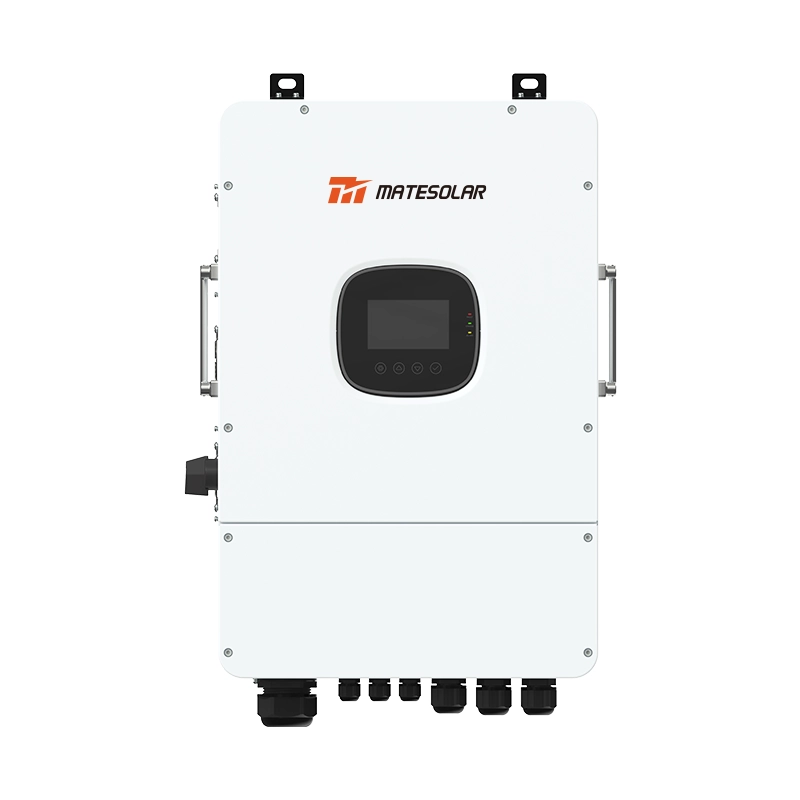
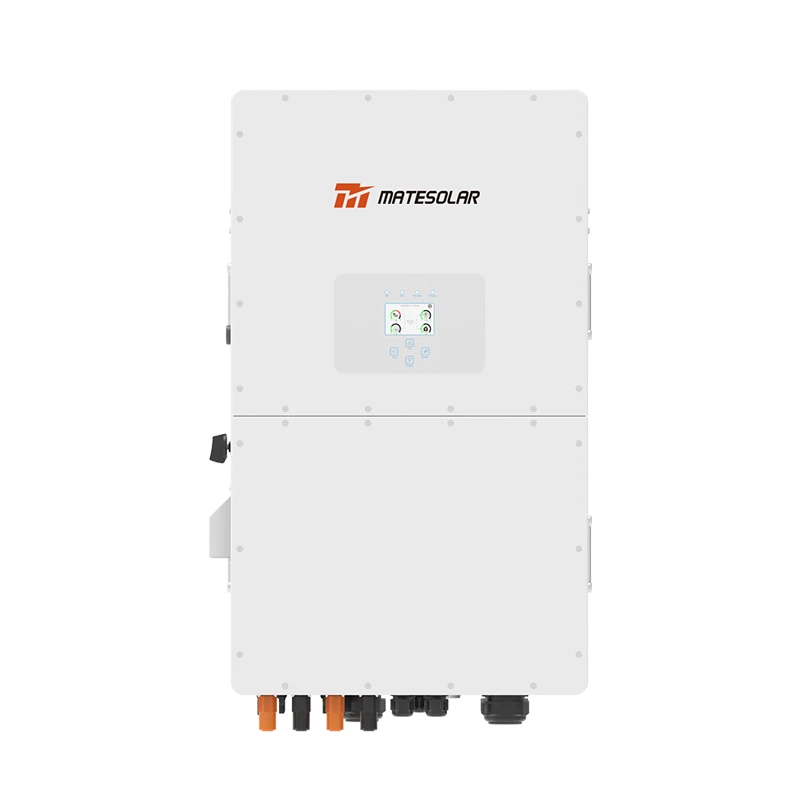
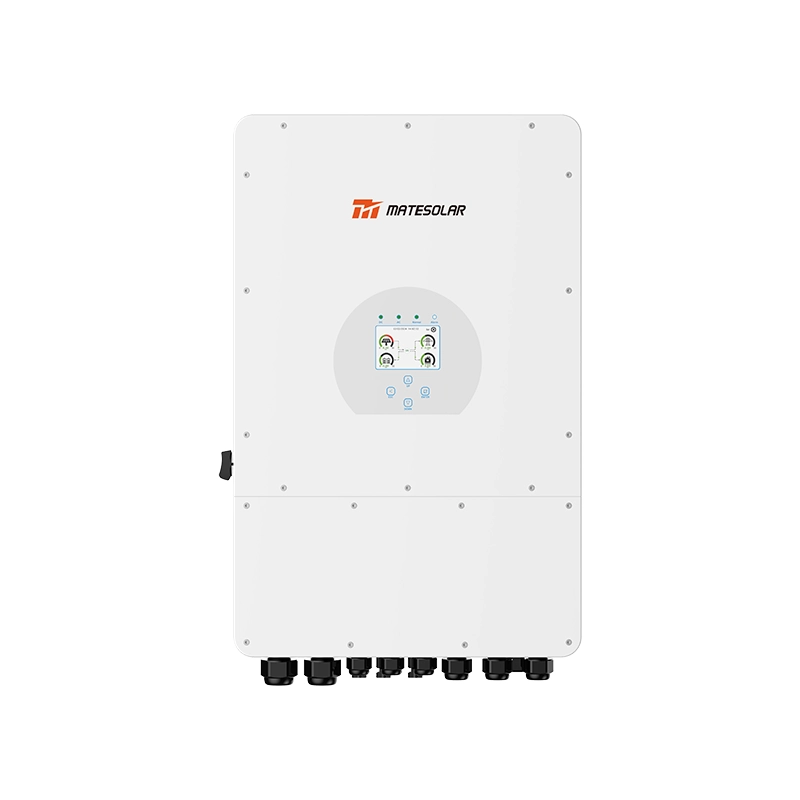
قدرة البدء من حالة الإطفاء التام بالنسبة للبنية التحتية الحيوية (المستشفيات، مرافق الاستجابة للطوارئ، الاتصالات)، يجب أن تكون أنظمة تخزين طاقة البطاريات (BESS) قادرة على بدء التشغيل الذاتي - بدء العمل بصفر طاقة من الشبكة وإنشاء شبكة محلية مصغرة دون الحاجة لطاقة خارجية. هذا يتطلب محولات تشكيل الشبكة بقدرة مصدر جهد، وهي عادةً ما تكون متاحة فقط في وحدات نظام تخزين الطاقة (PCS) على نطاق المرافق بحجم 250 كيلوواط وما فوق.
الفصل 5: تحليل نقاط الألم 3 - المشاريع التجارية الصغيرة والمتوسطة: الفنادق، محلات السوبر ماركت، المباني المكتبية، المطاعم
لمن يخدم هذا الفصل: أصحاب الفنادق، ومشغلي محلات السوبر ماركت، ومديري مباني المكاتب، وأصحاب المطاعم، وأي منشأة تجارية تعاني من قيود المساحة، وحساسية رأس المال الأولي، وتعريفات المرافق التجارية القياسية.
5.1 المشكلة: التعريفات الجمركية المرتفعة، المساحة المحدودة، قيود رأس المال
يواجه العملاء التجاريون الصغار والمتوسطون نفس تعرفات الطاقة الأمريكية البالغة 0.197 دولار للكيلوواط/ساعة مثل المستخدمين الصناعيين الأكبر حجماً، ولكن مع ثلاثة قيود مميزة: مساحة محدودة متاحة لتركيب المعدات، حساسية شديدة للنفقات الرأسمالية الأولية، وقدرة هندسية داخلية أقل للتنقل في عمليات إصدار الشهادات والمعايير المتعلقة بالسلامة.
بالنسبة لفندق صغير يضم 50 غرفة، قد تتراوح فواتير الكهرباء الشهرية بين 3,000 و5,000 دولار أمريكي، حيث ترتبط أحمال التبريد وتكييف الهواء والإضاءة ارتباطًا وثيقًا بمعدل الإشغال. ويمكن لنظام طاقة شمسية كهروضوئية متواضع بقدرة 50-100 كيلوواط في الساعة، مزود بسعة تخزين تتراوح بين 200 و300 كيلوواط/ساعة، أن يقلل الفواتير بنسبة 40-60%، لكن يجب أن تتسع غرفة المعدات الميكانيكية أو مساحة خارجية صغيرة لاستيعاب المعدات، وأن تتحمل الظروف المناخية المحلية، وأن تجتاز عمليات التفتيش المتزايدة الصرامة المتعلقة بالسلامة من الحرائق.
5.2 الحل التقني: نظام تخزين طاقة مدمج في خزانة خارجية
يتميز نظام تخزين الطاقة (ESS) الخارجي المبرد بالسائل - المتوفر بتكوينات 100 كيلوواط/232 كيلوواط ساعة و 125 كيلوواط/261 كيلوواط ساعة - بتصميم مخصص للتطبيقات التجارية والصناعية ذات المساحات المحدودة.
بصمة مدمجة تتطلب خزانة بقدرة 100 كيلوواط/232 كيلوواط ساعة مساحة تقل عن 2.5 متر مربع، مما يسمح بتركيبها في الغرف الميكانيكية أو الغرف الكهربائية أو المناطق الخارجية المحمية. تسمح التكوينات القابلة للتكديس بزيادة السعة دون الحاجة لمساحة أرضية إضافية.
تشغيل في درجات حرارة محيطة عالية: مصنف للتشغيل بكامل الطاقة في درجات حرارة محيطة تصل إلى 45 درجة مئوية، مع تخفيض القدرة فقط فوق 50 درجة مئوية. يحافظ نظام التبريد السائل على درجات حرارة الخلايا ضمن 5 درجات مئوية من نقطة الضبط حتى خلال حرارة فترة الظهيرة القصوى، مما يمنع فقدان السعة والتقادم المعجل الذي يؤثر على أنظمة التبريد بالهواء في المناخات الاستوائية.
جاهز للاستخدام الخارجي مقاومة الدخول IP55 تقاوم دخول الغبار ورذاذ الماء منخفض الضغط (المطر، غسل بالخرطوم). توفر مقاومة التآكل C5 (ISO 12944) حماية للمنشآت الساحلية والبيئات الصناعية التي تحتوي على ملوثات محمولة جواً. تحتوي الخزانة على ستائر شمسية مدمجة وتهوية سلبية لتقليل اكتساب الحرارة الشمسية.
مرونة التركيب خيار التثبيت على الحائط للتركيب على السطح أو الجدار الخارجي؛ خيار التثبيت على الأرض باستخدام مسامير تثبيت للأسطح الخرسانية أو الأسطح ذات الحصى المضغوط. يمكن التركيب بواسطة شخص واحد باستخدام نقاط الرفع المدمجة والعجلات (للنقل، يتم إزالتها بعد التركيب).
5.3 الامتثال للسلامة ومكافحة الحرائق: شهادات UL
لقد زادت سلطات السلامة من الحرائق في غواتيمالا تدقيقها لتركيبات تخزين الطاقة بعد عدة حوادث حريق دولية لأنظمة تخزين البطاريات. التوقع التنظيمي واضح: يجب أن تكون التركيبات معتمدة وفقًا لمعيار UL9540 (معيار سلامة أنظمة تخزين الطاقة) و UL9540A (اختبار انتشار الحريق للانفلات الحراري).
شهادة UL9540: يجب اختبار النظام بأكمله (وحدات البطارية، الغلاف، الإدارة الحرارية، تحويل الطاقة، إخماد الحرائق) كنظام متكامل. لا تتأهل الأنظمة المجمعة ميدانيًا من مصنعين مختلفين لمعيار UL9540 وتواجه تأخيرات في التصاريح أو رفضها.
اختبار UL9540A: يُظهر اختبار انتشار الهروب الحراري على مستويات الخلية والوحدة والتجميع والتركيب أن فشل خلية واحدة لن ينتشر إلى الخلايا المجاورة أو يتسبب في حريق خارجي خارج الحاوية. يتطلب قسم البناء ومسؤول مكافحة الحرائق وثائق اختبار للموافقة.
تكامل أنظمة إطفاء الحرائق: تشمل الخزائن أنظمة إخماد حرائق مدمجة قائمة على الهباء الجوي (غير مضغوطة، لا توجد أنابيب ذات ضغط عالٍ، لا يتم إطلاق العامل خارج الخزانة). ينشط الإخماد عند عتبات درجة حرارة محددة مسبقًا (عادةً 85-95 درجة مئوية)، ويطفئ الحرائق الأولية قبل انتشار اللهب، ولا يترك أي بقايا تتطلب التنظيف.
5.4 بنية "الرفيق الشمسي"
بالنسبة للمنشآت التجارية التي لديها أنظمة طاقة شمسية كهروضوئية قائمة، يمثل إضافة أنظمة تخزين الطاقة بالبطاريات (BESS) كـ "رفيق شمسي" المسار الأقل تكلفة والأسرع عائدًا على الاستثمار لتقليل التعريفات.
قبل التخزين: يبلغ معدل الاستهلاك الذاتي لنظام الطاقة الشمسية الكهروضوئية التجاري النموذجي بقدرة 100 كيلوواط-بواط، والذي لا يحتوي على وحدة تخزين، ما بين 60 و70%. أما الـ30 إلى 40% المتبقية من الطاقة المولدة، فتُنتج خلال ساعات الظهيرة عندما تكون أحمال المنشأة في أدنى مستوياتها، مما يؤدي إلى إنتاج فائض لا يمكن تصديره بشكل مربح، وبالتالي يتم تقليصه فعليًّا.
بعد التخزين (100 كيلوواط/232 كيلوواط ساعة): يقوم نظام تخزين الطاقة بالبطاريات (BESS) بامتصاص الفائض الكامل من الطاقة الشمسية خلال ساعات الظهيرة (عادةً ما يستغرق الشحن 4 ساعات بمعدل 50-58 كيلوواط). يتم تفريغ الطاقة المخزنة خلال فترات ذروة التعرفة المسائية، مما يزيد من الاستهلاك الذاتي إلى 90–95% ويقلل من مشتريات الشبكة بنسبة إضافية تتراوح بين 25 و30%، علاوة على الوفورات الناتجة عن الطاقة الشمسية وحدها.
مثال عملي - فندق بقدرة 100 كيلوواط من الطاقة الشمسية + 232 كيلوواط ساعة تخزين طاقة:
| المعلمة | شمسي فقط | شمسي + نظام تخزين طاقة البطارية | التحسينات |
| إنتاج الطاقة الشمسية السنوي | 140 ميغاواط ساعي | 140 ميغاواط ساعي | / |
| معدل الاستهلاك الذاتي | 65% | 93% | +28% |
| تم تجنب شراء الشبكة | 91 ميجاوات ساعة/سنة | 130 ميجاوات ساعة/سنة | +39 ميجاوات ساعة |
| مدخرات سنوية (0.197 دولار أمريكي/كيلوواط ساعة) | 17,900 دولار أمريكي | 25,600 دولار أمريكي | 7,700 دولار أمريكي |
| نفقات رأسمالية لبطاريات تخزين الطاقة (350 دولار أمريكي/كيلوواط ساعة) | / | ٨١٬٢٠٠ دولار أمريكي | / |
| فترة السداد المجمعة (الشمسية + تخزين البطاريات) | 6 سنوات | 5 سنوات (مجتمعة) | / |
5.5 التوسعات المعيارية وخيارات التمويل
الهندسة المعمارية المعيارية يدعم خزانة BESS الخارجية التوسع التدريجي للسعة. ابدأ بـ 100 كيلوواط/232 كيلوواط ساعة؛ أضف خزانة ثانية بالتوازي عند سموح الميزانية أو نمو الحمل. يدمج نظام إدارة الطاقة (EMS) تلقائيًا خزانات متعددة كأصل تخزين منطقي واحد.
نموذج الطاقة كخدمة (EaaS): تمويل بدون دفعة أولى، حيث يمتلك مورد نظام تخزين الطاقة الكهربائية (BESS) النظام ويقوم بتشغيله، بينما يدفع العميل رسوم خدمة شهرية على أساس الطاقة الموفرة (عادةً ما تتراوح بين 15 و20% من الوفورات المقاسة). وتبلغ مدة العقد من 5 إلى 10 سنوات، مع التزامات سداد قابلة للتحويل وضمانات أداء.
شروط نموذجية للخدمة كبرمجيات (EaaS):
- الولايات المتحدة 0 نفقات رأسمالية أولية
- الدفعة الشهرية = 80% من الوفورات المحققة في استهلاك الكهرباء (يحتفظ المورد بـ 20% منها كرسوم خدمة)
- عقد لمدة 10 سنوات مع تجديد تلقائي
- ضمان الأداء: ما لا يقل عن 90% من الوفورات المتوقعة
- تنتقل ملكية النظام إلى العميل عند انتهاء العقد (أو يزيل المورد المعدات مجانًا)
تمويل التأجير عقد إيجار تقليدي للمعدات لمدة تتراوح بين 3 و5 سنوات، مع دفعة مقدمة بقيمة 5–10% دولار أمريكي، وأقساط شهرية ثابتة بغض النظر عن حجم التوفير في الطاقة. خيار أقل مخاطرة للمرافق التي تفضل التكاليف الثابتة التي يمكن التنبؤ بها.
الفصل 6: تحليل نقاط الألم 4 - شركات هندسة وتوريد وتشغيل (EPC) والمطورون في السوق غير التجاري (اقتصاديات الاستهلاك الذاتي بدون تعويضات تصدير)
لمن يخدم هذا الفصل: شركات الهندسة والمشتريات والإنشاءات (EPC)، مطوري المشاريع، مدمجي الطاقة المتجددة، وصناديق الاستثمار التي تطور مشاريع تخزين الطاقة للعملاء التجاريين والصناعيين (C&I) حيث يظل العميل متصلًا بالشبكة ولا يمكنه تصدير الطاقة الفائضة.
6.1 المشكلة: تصميم اقتصادات قابلة للتطبيق بدون إمكانية الوصول إلى سوق التجزئة
يمثل سوق الكهرباء بالتجزئة المغلق في غواتيمالا تحديًا أساسيًا لمطوري مشاريع التخزين للمستهلكين الصناعيين والتجاريين. في غياب القدرة على بيع فائض إنتاج الطاقة الشمسية بأسعار التجزئة أو المشاركة في أسواق الطاقة بالجملة كبائع (بخلاف المشاركة في سوق السعة)، فإن نموذج العمل التقليدي "الطاقة الشمسية + التخزين كمورد للشبكة" لا يعمل.
يجب أن تحقق المشاريع عوائد بالكامل من تدفقات القيمة خلف العداد: مبيعات الطاقة المتجنبة (تحويل الطاقة)، تقليل رسوم الطلب (خفض الذروة)، والمشاركة في سوق السعة بموجب قرار CNEE رقم 128-2024.
6.2 الحل التقني: حزمة الإيرادات ذات الأولوية للاستهلاك الذاتي
مصدر الإيرادات 1 - موازنة الطاقة (تحويل الذروة): التيار القيمي الأساسي في بيئة التعريفة الجمركية في غواتيمالا. الشحن خلال فترات التعريفة المنخفضة / خارج أوقات الذروة (عادةً لساعات الليل أو ساعات الطاقة الشمسية في منتصف النهار)، التفريغ خلال فترات التعريفة الذروة (عادةً من الساعة 18:00 إلى 22:00). بالنسبة لعملاء EEGSA، تمثل التعريفة الذروة البالغة 1.51 GTQ/kWh (غير اجتماعية) ما يقرب من 0.197 دولار أمريكي/kWh، في حين يمكن أن تكون التعريفات خارج أوقات الذروة للمستخدمين الكبار منخفضة تصل إلى 0.08-0.10 دولار أمريكي/kWh، مما يخلق فرق مراجحة يتراوح من 0.10-0.12 دولار أمريكي/kWh لكل دورة.
الإيراد الثاني - إدارة رسوم الطلب: ثاني أكبر عنصر تكلفة لمنشآت القطاع التجاري والصناعي بعد استهلاك الطاقة. يتم احتساب رسوم الطلب بناءً على متوسط الطلب الأقصى بالكيلوواط خلال 15 أو 30 دقيقة في شهر الفوترة. تعمل أنظمة تخزين الطاقة بالبطاريات (BESS) المُعدة لتخفيف أحمال الذروة على الحد من الطلب المستورد من الشبكة إلى سقف محدد مسبقًا (عادةً 80% من الذروة التاريخية)، حيث تقوم البطارية بتزويد أي حمل يتجاوز هذا السقف.
الإيراد 3: المشاركة في سوق السعة (جديد): بموجب قرار CNEE رقم 128-2024، يمكن لأنظمة التخزين المتصلة بمحطات الطاقة الشمسية الحصول على مدفوعات القدرة مقابل عروض الطاقة الثابتة. سعر القدرة لعام 2026-2027 للتوليد المتجدد هو 16.15 دولار أمريكي/كيلوواط من القدرة الثابتة سنوياً.. بالنسبة لنظام تخزين طاقة ببطارية بقدرة 1 ميجاوات/4 ميجاوات ساعة، يمثل هذا حوالي 16150 دولارًا أمريكيًا سنويًا من إيرادات القدرة - وهو دخل إضافي متواضع ولكنه ذو مغزى.
الجدول 5: مكدس الإيرادات للتخزين التجاري والصناعي خلف العداد (بدون تصدير)
| تدفق الإيرادات | القيمة لكل ميغاواط/ساعة من نظام تخزين الطاقة بالبطاريات (سنويًا) | الملاحظات |
| موازنة الطاقة - تحويل الذروة | 34,000-38,000 دولار أمريكي | بناءً على 322 ميجا واط ساعة تفريغ سنوي، الهامش الأمريكي 0.12/كيلو واط ساعة |
| إدارة رسوم الطلب | 8,000-15,000 دولار أمريكي | يعتمد على ملف تعريف حمل المنشأة ومقدار ذروته |
| سوق القدرة (CNEE 128‑2024) | ٤٠٠٠-٥٠٠٠ دولار أمريكي | بناءً على سعر 16.15 دولارًا أمريكيًا/كيلوواط، وتخفيض السعة الثابتة لـ 20% |
| القيمة السنوية الإجمالية | 46,000-58,000 دولار أمريكي | 1 ميجاوات ساعة تخزين طاقة بطاريات، 1.5-2.5 ميجاوات قدرة |
6.3 المشاركة في سوق القدرة: مسار عملي
يسمح قرار CNEE رقم 128-2024 لأنظمة التوليد الهجينة المستقلة بالمشاركة في سوق الكهرباء بالجملة. بالنسبة لمشاريع التخزين التجارية والصناعية، يخلق هذا مسارًا للإيرادات من السعة بشكل مستقل عن هياكل تعريفة البيع بالتجزئة.
متطلبات الأهلية يجب تسجيل نظام التخزين لدى مسؤول سوق الجملة (AMM) كمولد. تنطبق الحد الأدنى من عتبات السعة المسجلة (عادةً 500 كيلوواط للتوليد القابل للإرسال). يجب أن يكون للنظام اتصال مباشر بشبكة التوزيع أو النقل (ليس فقط خلف عداد العميل) أو أن يعمل كجزء من محطة هجينة حيث يتم أيضًا تسجيل مكون الطاقة الشمسية الكهروضوئية.
عملية التسجيل قدم حزمة المواصفات الفنية (نموذج PCS، كيمياء البطارية، أنظمة الحماية، واجهة SCADA) إلى AMM للمراجعة (4-6 أسابيع). شارك في اختبارات القبول الخاصة بـ AMM (التوافق مع رمز الشبكة، القدرة على تحمل الأعطال، جودة الطاقة). قم بتنفيذ اتفاقية الربط مع الموزع المعني (EEGSA، DEORSA، أو DEOCSA).
مكافأة القدرة يتم حساب عروض الطاقة الثابتة (OF) بناءً على قدرة نظام التخزين على تسليم الطاقة المقدرة لمدة 4 ساعات متتالية خلال فترة ذروة الطلب (عادةً من 18:00 إلى 22:00 للنظام الغواتيمالي). يتم تحديد سعر السعة السنوية من قبل CNEE بناءً على تكلفة محطة التوليد الهامشية التي تم تجنبها (حاليًا 16.15 دولار أمريكي/كيلوواط للتوليد المتجدد).
6.4 قابلية التمويل: حزمة وثائق كاملة
تتطلب المؤسسات المالية الدولية (البنك الإسلامي للتنمية، البنك الدولي IFC، CABEI، والبنوك التجارية) مجموعة محددة من المستندات لتمويل مشاريع التخزين للصناعات والمنشآت (C&I):
وثائق فنية
- وثائق شهادة UL9540 و UL9540A لنظام تخزين الطاقة بالبطاريات (BESS)
- شهادة الامتثال لقانون شبكة PCS لغواتيمالا (تم اختبارها وفقًا لمتطلبات CNEE)
- ضمان أداء لمدة 15 عامًا مع جدول تدهور وأحكام للاستبدال
- شهادة الأيزو 9001 (إدارة الجودة) وشهادة الأيزو 14001 (إدارة البيئة)
- تقرير هندسي لطرف ثالث (تقييم الموقع، خطة التركيب، بروتوكول التشغيل)
وثائق اقتصادية
- نموذج التدفق النقدي التنبؤي مع توقعات لمدة 15 عامًا
- تحليل الحساسية (تعريفة -20%، تدهور +25%، تكلفة المعدات +50%)
- تقديرات إنتاج الطاقة P90/P50 (حيث يتم دمج الطاقة الشمسية الكهروضوئية)
- تحليل الطرف المقابل لإيرادات سوق السعة (سجل مدفوعات سوق الطاقة، تقييم الاستقرار التنظيمي)
وثائق قانونية
- اتفاقية الربط مع شركة التوزيع
- اتفاقية شراء الطاقة (إذا كانت هناك مبيعات طاقة لطرف ثالث)
- اتفاقية توريد معدات مع ضمانات أداء
- اتفاقية التشغيل والصيانة (10-15 سنة)
- شهادات التأمين (ممتلكات، مسؤولية، انقطاع أعمال)
وثائق التخفيف من المخاطر
- وثيقة تأمين طرف ثالث تغطي فشل المعدات، التوقف القسري، والأضرار التعاقدية (حيثما ينطبق)
- ضمان الشركة الأم أو سند الأداء (للمشاريع الممولة من المورد)
- بنود القوة القاهرة (الأعاصير، انقطاع التيار الكهربائي، التغييرات التنظيمية)
6.5 تأمين المستقبل: مسار التحديث عبر الهواء (OTA) لسوق التجزئة المفتوح
تستكشف الحكومة بنشاط تحرير سوق التجزئة. ودعا الوزير فينتورا علنًا إلى مواءمة كبار المستخدمين غير الخاضعين للتنظيم (المقيدين حاليًا بعقود مدتها 12 شهرًا) مع أفق التعاقد لمدة 15 عامًا للسوق المنظمة، واعترف رئيس CNEE أورتيز بأن موردي الكهرباء من القطاع الخاص يحتاجون إلى اعتراف في سوق التجزئة..
الإعداد التقني يمكن أن تستوعب أنظمة تخزين الطاقة (BESS) المزودة بإمكانية ترقية البرامج عن بُعد عبر الهواء (OTA) آليات السوق الجديدة دون الحاجة إلى تعديلات في الأجهزة. القدرات المستقبلية الرئيسية اللازمة لتمكينها:
- بروتوكولات تداول الطاقة من نظير إلى نظير (غير نشط حاليًا، لكن البرنامج قابل للترقية)
- خوارزميات الحد الديناميكي للتصدير (تعديل استراتيجية الاستهلاك الذاتي عند توفر تعويض للتصدير)
- أتمتة تعريفة وقت الاستخدام (تحديث جداول الأسعار عن بعد عندما تقوم CNEE بتعديل تعريفات الذروة/خارج الذروة)
- تجميع محطات الطاقة الافتراضية (تنسيق بطاريات تخزين الطاقة على نطاق واسع للمشاركة في سوق البيع بالجملة)
مثال تطبيقي: وحدة تحكم BESS تدير منصة EMS مفتوحة المصدر ببرامج ثابتة مراقبة الإصدارات. عند افتتاح سوق التجزئة (من المتوقع في الفترة 2027-2029)، يقوم تحديث برمجي عن بعد بتنشيط وحدة إدارة التصدير، مما يعيد تكوين النظام من وضع الاستهلاك الذاتي الخالص إلى وضع الاستهلاك الذاتي الأمثل + التصدير.
الفصل 7: تحليل نقاط الألم 5 — المرونة البيئية، والعزل، والخدمة طويلة الأجل (لجميع مستخدمي التخزين)
لمن يخدم هذا الفصل: أي منظمة تنشر تخزين الطاقة في غواتيمالا — من الفنادق الصغيرة إلى مطوري النطاق المرافق — التي تسعى إلى معدات مقاومة للمناخ، وحماية من فشل الشبكة، وصيانة موثوقة طويلة الأجل.
7.1 المشكلة: مناخ استوائي + شبكة كهرباء غير موثوقة + عدم اليقين في الخدمة
تقدم غواتيمالا ثلاثة تحديات بيئية وتشغيلية يجب أن تتحملها معدات التخزين:
مناخ استوائي: ارتفاع درجات الحرارة المحيطة (35-45 درجة مئوية في المناطق الساحلية والسهول الشرقية)، وارتفاع نسبة الرطوبة (70-90% رطوبة نسبية خلال موسم الأمطار، من مايو إلى أكتوبر)، ورذا الملح في المناطق الساحلية (بويرتو كيتزال، وبويرتو باريوس، وسانتو توماس دي كاستيلا)، وهطول الأمطار الموسمية الغزيرة مع خطر حدوث فيضانات محلية.
عدم استقرار الشبكة بعد فشل مناقصة نقل PET-3، تسببت قيود الشبكة في تقلبات سوق الطاقة الفورية تتراوح بين 8-107 دولارات أمريكية/ميجاوات ساعة خلال الأيام.. العواصف الاستوائية (أثرت كريستينا على غواتيمالا في يونيو 2026) وحالات الجفاف (تأثيرات ظاهرة النينيو على منطقة الممر الجاف) تخلق مخاطر متكررة لانقطاعات محلية.
فجوة الخدمة: لا تحتفظ العديد من موردي التخزين الدوليين ببنية تحتية للخدمات المحلية في غواتيمالا، مما يؤدي إلى أوقات استجابة تصل إلى شهور لفشل المعدات - وهو أمر غير مقبول للمرافق التي تعتمد على التخزين للعمليات الحيوية.
7.2 الحل التقني: مواصفات نظام تخزين الطاقة المقاوم للعوامل المناخية
حماية الدخول (تصنيف IP): الحد الأدنى IP55 للكابينتات الخارجية (محمية ضد تسرب الغبار بما يكفي لمنع سوء التشغيل؛ محمية ضد نفاثات الماء منخفضة الضغط من أي اتجاه). للتركيبات في المناطق المعرضة للفيضانات أو ذات الاحتمالية العالية للتنظيف بخرطوم مياه عالي الضغط، يوصى بـ IP65 (محكمة الغلق ضد الغبار؛ محمية ضد نفاثات الماء). تنطبق تصنيفات IP على النظام بأكمله - حاوية البطارية، وكابينت PCS، وحجرات الأسلاك - وليس على الغلاف الخارجي فقط.
الحماية من التآكل (تصنيف C5): تُطلب مقاومة التآكل وفقًا لمعيار ISO 12944 C5 للتركيبات الواقعة ضمن 5 كيلومترات من الساحل (بويرتو كيتزال، بويرتو باريوس) وخلال كيلومتر واحد من المناطق الصناعية التي تحتوي على شوائب قابلة للطيران من الكلوريدات أو الكبريتات. تم تحديد كلا النوعين C5‑M (بحري) و C5‑I (صناعي). طريقة التحقق: تقارير اختبار المورد وفقًا للمعيار ISO 9227 (اختبار بخاخ الملح، 1000+ ساعة كحد أدنى للحصول على شهادة C5).
إدارة الحرارة - التبريد السائل: في المناخات الاستوائية، يحافظ التبريد السائل (مقارنةً بالتبريد الهوائي) على درجة حرارة الخلايا في نطاق 5 درجات مئوية من نقطة الضبط، بغض النظر عن الظروف المحيطة. تتعرض الأنظمة المبردة بالهواء لانخفاض في السعة يتراوح بين 15 و30% عندما تزيد درجة الحرارة المحيطة عن 40 درجة مئوية؛ بينما تحافظ الأنظمة المبردة بالسائل على الطاقة المقدرة الكاملة حتى 45 درجة مئوية، مع انخفاض في السعة يبلغ 5% فقط عند 50 درجة مئوية. يبلغ استهلاك الطاقة في إدارة الحرارة للتبريد السائل عادةً ما بين 3 و5% من سعة نظام تخزين الطاقة بالبطاريات (BESS) (مقارنةً بـ2-4% للتبريد الهوائي في المناخات المعتدلة، لكن استهلاك التبريد الهوائي يرتفع إلى 8-12% في البيئات الاستوائية بسبب دورات تشغيل المروحة).
الجدول 6: مواصفات المرونة المناخية - الحد الأدنى من المتطلبات
| المعلمة | المواصفات | طريقة التحقق |
| الحماية من الدخول (خارجية) | IP55 كحد أدنى، IP65 موصى به | تقرير اختبار وفقًا لـ IEC 60529 |
| مقاومة التآكل | ISO 12944 C5 (بحري/صناعي) | اختبار رذاذ الملح وفقًا للمعيار ISO 9227، 1000+ ساعة |
| نطاق التشغيل المحيط | -20 درجة مئوية إلى +50 درجة مئوية (طاقة كاملة حتى 45 درجة مئوية) | تقرير اختبار وفقًا لـ IEC 62619 |
| تحمل الرطوبة | 0‑95% RH غير متكثف | تقرير اختبار وفقًا للمعيار IEC 60068-2-78 |
| تصنيف الارتفاع | 0-2500 متر بدون تخفيض | حساب التصميم وفقًا لمواصفات PCS |
| مقاومة الزلازل | المنطقة 3 (0.3 جرام تسارع أرضي ذروة) | تحليل حسب كود المبنى NSEG‑2 |
اعتبارات زلزالية غواتيمالا نشطة زلزالياً (براكين متعددة، خطوط صدع نشطة). يجب تصميم تركيبات BESS لتحمل التصميم الزلزالي للمنطقة 3 (تسارع الذروة الأرضي 0.3 جم). يتطلب ذلك رفوف وتثبيتات مصنفة زلزالياً، ووصلات قضبان مرنة بين الوحدات (غير صلبة)، واختبار التأهيل الزلزالي وفقًا لمعيار IEEE 693 أو رمز البناء المحلي NSEG-2.
7.3 الاستجابة للعزل والانقطاع العام
مع تأخر توسيع شبكة PET-3 ومواجهة 800 ميجاوات من الطاقة الشمسية لخطر التقييد، فإن عدم استقرار الشبكة المحلي ليس نظريًا - إنه الواقع التشغيلي الحالي.
قدرة العزل يجب أن تنتقل وحدة تخزين الطاقة (BESS) تلقائيًا من التشغيل المتصل بالشبكة إلى التشغيل المعزول عند فقدان طاقة الشبكة، وتحقيق الانتقال في أقل من 20 مللي ثانية. يعتبر وقت الانتقال أمرًا بالغ الأهمية نظرًا لأن الأحمال ذات التحكم الإلكتروني (أجهزة الكمبيوتر، وحدات التحكم المنطقية القابلة للبرمجة، محركات التردد المتغير) تتحمل عادةً 50-100 مللي ثانية فقط من انقطاع التيار قبل إعادة التشغيل أو حدوث خطأ.
مدة الجزيرة: للتطبيقات التجارية (الفنادق، السوبر ماركت، المكاتب)، يغطي التشغيل المعزول لمدة 4-6 ساعات الغالبية العظمى من أحداث انقطاع التيار الكهربائي. بالنسبة للصناعات والبنية التحتية الحيوية (مراكز البيانات، المستشفيات، مرافق الطوارئ)، يكون 8-12 ساعة مناسبًا، ويمكن تعزيزه بتشغيل المولد للأعطال الممتدة.
عاكسات تشكيل الشبكة: تتطلب المحولات التقليدية المتبعة للشبكة مرجع شبكة مستقر للمزامنة ولا يمكنها إنشاء مرجع جهد وتردد خاص بها. تقوم المحولات المشكِّلة للشبكة بإنشاء الشبكة المحلية أثناء التشغيل المعزول، مما يمكّن من بدء التشغيل من الصفر والتشغيل المستقر دون مرجع خارجي. لأي تطبيق يتطلب القدرة على العزل، فإن المحولات المشكِّلة للشبكة إلزامية.
تسلسل بدء التشغيل الأسود: عند فشل الشبكة بالكامل (جهد صفر، تردد صفر)، تقوم العواكس المشكلة للشبكة بما يلي: 1) اكتشاف فقدان المزامنة مع الشبكة (<10 مللي ثانية)؛ 2) الفصل عن الشبكة عبر مفتاح نقل تلقائي؛ 3) تأسيس مرجع الجهد والتردد على ناقل المنشأة المعزول (50-100 مللي ثانية)؛ 4) تزويد أحمال المنشأة بالطاقة (تيار ذروة محدود). إجمالي وقت بدء التشغيل بعد انقطاع كامل: 200-500 مللي ثانية، وهو كافٍ لمعظم الأحمال لتحمل الانقطاع دون تشويش.
7.4 الخدمة المحلية وقطع الغيار
إن غياب التوزيع المحلي للعديد من موردي أنظمة تخزين الطاقة على مستوى العالم يخلق مخاطر غير مقبولة للعملاء الغواتيماليين. التشخيص عن بعد ودعم البرامج قيّمان، لكن أعطال الأجهزة تتطلب وصولاً فعليًا إلى مكونات الاستبدال.
متطلبات مستوى الخدمة
| معلمة الخدمة | الحد الأدنى المقبول | مفضل |
| الاستجابة الأولى (التشخيص عن بعد) | 4 ساعات، 24/7/365 | ساعتان، 24/7/365 |
| إصلاح في الموقع (إذا فشل الإصلاح عن بعد) | 48 ساعة من التشخيص | ٢٤ ساعة من التشخيص |
| توصيل قطعة الغيار | 5-7 أيام عمل (شحن جوي) | 3-5 أيام عمل (مخزون إقليمي) |
| الدعم الفني الناطق بالإسبانية | فريق متخصص لأمريكا اللاتينية | مهندس مقيم |
| الصيانة الوقائية السنوية | زيارتان | 4 زيارات |
استراتيجية قطع الغيار: يجب على المورد الاحتفاظ بمخزون إقليمي لقطع الغيار (في مدينة بنما أو سان خوسيه، كوستاريكا) يشمل المكونات الأساسية التالية: وحدات البطاريات (بسعة مركبة لا تقل عن 5%)، ولوحات الطاقة الخاصة بنظام التحكم في الطاقة (PCS)، ولوحات التحكم، ومجموعات مضخات التبريد، ووحدات الاتصالات. ويجب إرسال قطع الغيار في غضون 24 ساعة من تأكيد حدوث العطل.
التشخيص عن بعد يجب أن تكون جميع أنظمة تخزين الطاقة بالبطاريات (BESS) مزودة بوسائل اتصال خلوية أو عبر الأقمار الصناعية من أجل المراقبة عن بُعد. يجب أن يتمتع مركز خدمة المورد (العالمي أو الإقليمي) بإمكانية الاطلاع على حالة النظام على مدار الساعة طوال أيام الأسبوع، بما في ذلك درجات حرارة الخلايا، ومستوى شحن البطارية (SOC)، ومقاييس التدهور، وسجلات الأعطال. ما يقارب 80% من "أعطال الأجهزة" هي في الواقع أخطاء في التكوين أو أعطال في البرامج يمكن حلها عن بُعد.
7.5 ضمانات الأداء طويلة الأجل والتأمين
الجدول 7: الحد الأدنى لضمانات مشاريع التخزين في غواتيمالا (عقد شراء طاقة لمدة 15 عامًا)
| مكوّن الضمان | مصطلح التغطية | أحكام محددة |
| استبقاء سعة البطارية | 15 سنة | ≥80% في السنة العاشرة، ≥70% في السنة الخامسة عشرة |
| كفاءة الذهاب والإياب | 15 سنة | في حدود 2% من المواصفات الأولية |
| توافر النظام | 15 سنة | ≥98% (باستثناء أعمال الصيانة المجدولة) |
| إدارة حرارية | 10 سنوات | نظام تبريد سائل، جميع المكونات |
| وحدات تحويل الطاقة (العاكس/الشاحن) | 10 سنوات | الإلكترونيات، وحدات الطاقة، لوحات التحكم |
| حاوية (سلامة مادية) | 15 سنة | التآكل، التحلل بالأشعة فوق البنفسجية، العزل ضد العوامل الجوية |
آلية استبدال السعة عندما تنخفض السعة عن الحدود الدنيا المنصوص عليها في الضمان، يتعين على المورد توفير خلايا أو وحدات بطارية بديلة مجانًا. وعادةً ما يتم الاستبدال على أساس تناسبي وفقًا لدرجة انخفاض الأداء (على سبيل المثال، إذا كانت السعة 72% من المواصفات في السنة 12 مقابل الحد الأدنى للضمان البالغ 70%، فلا يتم الاستبدال؛ وإذا كانت 68%، يوفر المورد سعة إضافية قدرها 2% للوصول إلى 70%). تقع مسؤولية لوجستيات الاستبدال (الشحن والتركيب والتشغيل) على عاتق المورد.
تأمين طرف ثالث المشاريع التي تتلقى تمويلًا مؤسسيًا تتطلب عادةً تأمينًا من طرف ثالث يغطي:
- تأمين قصور الأداء يُعوض مالك المشروع في حالة عدم استيفاء نظام تخزين الطاقة بالبطاريات (BESS) لمعايير الضمان (التغطية القياسية: 80% من القيمة المفقودة، لمدة 5 سنوات)
- تأمين انقطاع الأعمال يعوض عن المدخرات/الإيرادات المفقودة أثناء انقطاع البطارية (BESS) بما يتجاوز وقت التوقف المسموح به
- تأمين تعطل المعدات يغطي الفشل الكارثي غير المستبعد بالضمان (ضربة برق، فيضان، تخريب)
- الملكية والمسؤولية التغطية القياسية للحريق، السرقة، إصابات الطرف الثالث، التلوث البيئي
شركات التأمين العاملة في أمريكا الوسطى: MAPFRE، ASSA، Seguros Universales، AIG (تغطية إقليمية من مركز ميامي).
الفصل 8: آفاق السوق حتى عام 2030 - ما هو قادم؟
٨.١ إطلاق PEG‑6 (متوقع ٢٠٢٦-٢٠٢٧)
ستوفر PEG-6 ما يقرب من 300 ميغاوات من السعة الإضافية، مع توقع إصدار وثائق المناقصة بحلول الربع الرابع من عام 2026 ومن المتوقع منح العطاء في الربع الأول والثاني من عام 2027.. الاختلافات الرئيسية عن PEG-5: تعريفات محسنة للصلابة (إنتاج مستدام لعدة ساعات، أداء في الأحداث القصوى، التزامات استبدال التدهور)، زيادة التركيز على تكامل النقل، وفترات عقود أقصر محتملة.
الآثار المترتبة على موردي أنظمة تخزين الطاقة بالبطاريات (BESS): ستتطلب PEG-6 بيانات أداء مثبتة في مرحلة تقديم العطاءات (وليس مجرد المواصفات). يجب على الموردين إعداد تقارير اختبار من طرف ثالث لتشغيل مدة مستدامة، وأداء في درجات حرارة قصوى، والتحقق من معدل التدهور.
8.2 مناقصة نقل PET‑4 (متوقع 2027)
في أعقاب فشل مشروع PET-3، من المتوقع أن يتضمن مشروع PET-4 شروطًا تعاقدية منقحة تعالج المخاوف المتعلقة بالجدوى المالية — مثل زيادة ضمان السداد، وتقليل توزيع المخاطر، واحتمال تقديم ضمانات حكومية لإيرادات مشروع النقل. وتشمل خطة توسيع شبكة النقل إنشاء خطوط جديدة بطول 508 كم تقريبًا وزيادة سعة الشبكة بمقدار 6%.
انعكاسات: مع توسع شبكة النقل، سيقل خطر تقليص الإنتاج لمولدات الطاقة الشمسية، لكن الجدوى الاقتصادية لتخزين الطاقة كأداة للتخفيف من تقليص الإنتاج ستتغير. ستستمد قيمة التخزين بشكل متزايد من مراجحة الطاقة (اغتنام ذروة المساء) والخدمات الإضافية (تنظيم التردد، دعم الجهد).
8.3 تحرير سوق التجزئة (2027-2029)
وقد أشار الوزير فينتورا إلى أن التغييرات التنظيمية للسماح للمستخدمين الكبار غير المنظمين بالدخول في عقود طويلة الأجل قيد الدراسة الفعلية. الفتح الكامل لسوق التجزئة - السماح للمنتجين الذاتيين بالبيع لعدة عملاء - لا يزال بعيدًا ولكنه قيد المناقشة السياسية.
الآثار المترتبة على تخزين الطاقة في قطاع التجارة والصناعة: من شأن فتح سوق التجزئة أن يُحدث تغييرًا جذريًّا في الجدوى الاقتصادية لعمليات التخزين «خلف العداد» من خلال توفير مصدر جديد لإيرادات التصدير. حيث يمكن للمنشآت بيع فائض الطاقة المولدة من الألواح الشمسية والمخزنة إلى الشركات المجاورة أو مباشرةً إلى سوق الجملة، مما يزيد من القيمة السنوية للتخزين بنسبة تتراوح بين 20 و40%.
8.4 خارطة طريق الطاقة في غواتيمالا لعام 2050
وضعت وزارة الطاقة والمناجم خارطة طريق تتوقع توليد 81.5% من الطاقة المتجددة بحلول عام 2050، مدفوعةً بشكل أساسي بالطاقة الشمسية الكهروضوئية والطاقة الحرارية الأرضية وتخزين الطاقة. وتشير «خطة التوسع الإرشادية في توليد الطاقة (PEIG) للفترة 2026-2050» إلى أن هناك حاجة إلى قدرة إضافية تبلغ 7,778 ميغاواط بحلول عام 2050، بما في ذلك محطات الطاقة الشمسية على نطاق المرافق العامة ومولدات الطاقة المتجددة الموزعة.
يجب أن تتوسع شبكة النقل بمقدار 5,687 كيلومترًا وتضيف 172 محطة فرعية جديدة لتلبية الطلب المتوقع، مع توقع ما لا يقل عن 370 ميجاوات من BESS المقترنة بمحطات الطاقة الشمسية الكهروضوئية بحلول عام 2050.
8.5 مخاطر المناخ والقدرة على الصمود
إن موقع غواتيمالا في الممر الجاف لأمريكا الوسطى يجعلها عرضة بشدة للتطرف المناخي. تتسبب ظواهر النينيو في حدوث الجفاف واضطراب زراعي؛ وتتسبب العواصف الاستوائية في حدوث فيضانات وتدمير البنية التحتية. وقد حصلت الحكومة على قرض بقيمة مليار دولار أمريكي للاستجابة للطوارئ المناخية، لكن تخزين الطاقة الموزع يوفر المرونة المحلية الأكثر فعالية ضد انقطاع الشبكة أثناء هذه الأحداث.
محركات الطلب على التخزين طويل الأجل:
- صمود الشبكة في وجه أعطال النقل الناجمة عن تغير المناخ
- دمج الطاقة الشمسية وطاقة الرياح المتغيرة مع تجاوز حصة الطاقة المتجددة 80%
- كهربة النقل (ستضيف شواحن المركبات الكهربائية ذروة طلب كبيرة)
- النمو الصناعي في مناطق المعالجة التصديرية يتطلب ضمانات جودة الطاقة
- توسيع مركز البيانات (البنية التحتية الرقمية تتطلب طاقة لا تنقطع)
الأسئلة الشائعة (FAQ)
س1: ما هو متطلب نظام تخزين الطاقة بالبطاريات (BESS) بدقة لمشاريع الطاقة الشمسية على نطاق المرافق في غواتيمالا؟
تنص «خطة التوسع الإرشادية لتوليد الطاقة» (PEIG) للفترة 2026-2050 على أن جميع مشاريع الطاقة الشمسية الجديدة التي تتجاوز قدرتها 50 ميجاوات يجب أن تضم أنظمة تخزين بالبطاريات تعادل 30% من السعة الكهروضوئية المركبة، مع مدة تفريغ لا تقل عن 4 ساعات. ومن المتوقع أن يصل إجمالي سعة أنظمة تخزين الطاقة بالبطاريات (BESS) المقترنة بمحطات الطاقة الكهروضوئية إلى ما لا يقل عن 370 ميجاوات بحلول عام 2050.
ما هو سعر الكهرباء التجاري الحالي في غواتيمالا وكيف يؤثر على عائد الاستثمار في التخزين؟
اعتبارًا من يونيو 2026، يبلغ السعر التجاري لعملاء EEGSA من القطاع غير الاجتماعي 1.51 GTQ/كيلوواط ساعة (حوالي 0.197 دولار أمريكي/كيلوواط ساعة)، وهو ما يمثل زيادة بنسبة 15% مقارنة بمستويات أوائل عام 2026. بالنسبة للعملاء غير الاجتماعيين لـ DEORSA/DEOCSA، تتراوح الأسعار من 2.06-2.13 غوال/كيلوواط ساعة. يحقق نظام تخزين البطاريات (BESS) القياسي بقدرة 1 ميجاوات ساعة فترة استرداد بسيطة تتراوح بين 5-6 سنوات بموجب معدلات EEGSA الحالية، أو 3.5-4.5 سنة في مناطق خدمة DEORSA/DEOCSA.
س ٣: هل يمكنني بيع فائض توليد الطاقة الشمسية للشبكة في غواتيمالا؟
لا. لم يتم فتح سوق الكهرباء بالتجزئة في غواتيمالا للمنتجين الذاتيين ومولدات التوزيع. لا يمكن للمنشآت بيع الطاقة الشمسية الفائضة مباشرة للعملاء الآخرين بالتجزئة أو تلقي تعويض بأسعار التجزئة للطاقة المصدرة إلى الشبكة. هناك تغييرات في السياسة قيد المناقشة، ولكن لا يوجد جدول زمني ثابت لفتح سوق التجزئة.
س4: كيف يمكن لنظام تخزين طاقة البطاريات (BESS) أن يكون مربحًا بدون تعويضات تصدير؟
بدون تعويضات التصدير، تأتي قيمة التخزين من ثلاثة تيارات خلف العداد: المراجحة في الطاقة (الشحن خلال فترات التعريفة المنخفضة، والتفريغ خلال فترات الذروة)، وخفض رسوم الطلب (الحد من ذروة الطلب بالكيلوواط)، والمشاركة في سوق السعة بموجب القرار رقم 128-2024 الصادر عن CNEE. بالنسبة لنظام بقدرة 1 ميجاوات ساعة، تبلغ القيمة السنوية الإجمالية 46,000-58,000 دولار أمريكي، وهو ما يكفي لفترة سداد بسيطة مدتها 5-6 سنوات.
س 5: ما هو قرار CNEE رقم 128-2024 وكيف يفيد مشاريع التخزين؟
تم اعتماد القرار 128-2024 في مايو 2024، وتم بموجبه تعديل قواعد التنسيق التجاري والتشغيلي في غواتيمالا للسماح لأنظمة التخزين الملحقة بمحطات الطاقة الشمسية وطاقة الرياح بالمشاركة في سوق الكهرباء بالجملة. وقد وضع القرار منهجية لحساب عروض الطاقة الثابتة من النباتات الهجينة، مما يمكّن أنظمة التخزين من تلقي مدفوعات القدرة (حاليًا 16.15 دولار أمريكي / كيلوواط سنويًا).
ما هي الشهادات التي يجب أن تحصل عليها BESS للتركيب في غواتيمالا؟
تتطلب سلطات السلامة من الحرائق شهادات UL9540 (معيار سلامة أنظمة تخزين الطاقة) و UL9540A (اختبار انتشار الحرارة الناتج عن الهروب الحراري). للحصول على التأمين والتمويل، عادة ما تكون شهادات IEC 62619 (سلامة البطارية) و IEC 62477 (سلامة محولات الطاقة) و ISO 12944 C5 (مقاومة التآكل) مطلوبة. يلزم وجود UL1741 (الاتصال بالشبكة) أو ما يعادلها محليًا للتشغيل المتصل بالشبكة.
هل التبريد السائل ضروري لمناخ غواتيمالا؟
بالنسبة للتركيبات في المناطق الساحلية (درجات حرارة تتراوح بين 35 و45 درجة مئوية، ورطوبة عالية) وأي نظام سيعمل بكامل طاقته خلال ساعات الظهيرة، يُوصى بشدة باستخدام التبريد السائل. تتعرض الأنظمة المبردة بالهواء لانخفاض في السعة بنسبة 15–30% عندما تزيد درجة الحرارة المحيطة عن 40 درجة مئوية؛ بينما تحافظ الأنظمة المبردة بالسائل على طاقتها الكاملة حتى 45 درجة مئوية. يتم تعويض التكلفة الإضافية للتبريد السائل (التي تتراوح عادةً بين 5 و10% من التكلفة الإجمالية للنظام) من خلال السعة القابلة للاستخدام الأعلى والعمر التشغيلي الأطول.
س8: ما هي قدرة العزل التي يجب أن يوفرها نظام تخزين الطاقة بالبطاريات (BESS) عند فشل الشبكة؟
للتطبيقات التجارية (الفنادق، المكاتب، متاجر التجزئة)، فإن 4-6 ساعات من التشغيل المعزول كافية للمدد المعتادة لانقطاع التيار الكهربائي. بالنسبة للبنى التحتية الصناعية والحيوية (مراكز البيانات، المستشفيات، خطوط التصنيع التي لا يمكن إيقافها)، فإن 8-12 ساعة مناسبة. يجب أن يكون وقت التحويل من الشبكة إلى الوضع المعزول أقل من 20 مللي ثانية لتجنب إعادة ضبط الأحمال الإلكترونية. تتطلب القدرة على التشغيل المعزول استخدام محولات شبكية بالكامل.
س9: هل يمكن لنظام تخزين الطاقة بالبطاريات (BESS) توفير قدرة البدء الأسود (black start) أثناء انهيار كامل للشبكة؟
نعم، إذا كانت مزودة بمحولات تشكيل الشبكة. عند حدوث انقطاع كامل للشبكة (جهد صفر، تردد صفر)، تقوم محولات تشكيل الشبكة بتكوين مرجع للجهد والتردد على ناقل المنشأة المعزول في غضون 200-500 مللي ثانية، مما يتيح البدء الذاتي بدون مصدر طاقة خارجي. يتطلب ذلك أن يكون لدى نظام تخزين الطاقة بالبطاريات (BESS) مستوى شحن كافٍ (SOC) وقت فشل الشبكة وتكوين مفتاح نقل تلقائي مناسب.
س 10: ما هي خدمات الدعم وقطع الغيار المتاحة لنظام تخزين الطاقة في غواتيمالا؟
عادةً ما تحتفظ الموردون الدوليون الذين لديهم عمليات مخصصة في أمريكا اللاتينية بمخزون قطع غيار إقليمي (مدينة بنما أو سان خوسيه، كوستاريكا) ويوفرون مراقبة وتشخيصات عن بُعد على مدار الساعة طوال أيام الأسبوع باللغة الإسبانية؛ أوقات الاستجابة في الموقع تتراوح عادةً بين 24 و 48 ساعة؛ تسليم قطع الأجهزة في غضون 3-5 أيام عمل عن طريق الشحن الجوي. يمكن ترتيب شركاء تركيب محليين للمشاريع المتكاملة.
س11: ما هي فترة الضمان النموذجية لأنظمة تخزين الطاقة التجارية في غواتيمالا؟
المعايير الصناعية للمشاريع التي تتماشى مع اتفاقيات شراء الطاقة (PPA) لمدة 15 عامًا هي: ضمان سعة البطارية لمدة 15 عامًا (≥80% في العام العاشر، ≥70% في العام الخامس عشر)، وضمان وحدة التحكم في الطاقة (PCS) لمدة 10 أعوام، وضمان توفر النظام بنسبة ≥98% (باستثناء الصيانة المجدولة). وتتطلب أحكام استبدال السعة من المورد توفير خلايا بديلة عند تجاوز عتبات التدهور.
س12: كم يستغرق الحصول على الموافقة على الربط الكهربائي لمشاريع أنظمة تخزين الطاقة (BESS) في غواتيمالا؟
بالنسبة للأنظمة خلف العداد المتصلة بجهد منخفض (600 فولت أو أقل) وحجمها ≤ 500 كيلو واط، فإن موافقة الربط النموذجية تستغرق 60-90 يومًا من تاريخ تقديم الطلب. بالنسبة للربط بالجهد المتوسط (> 500 كيلو واط) أو الأنظمة أمام العداد، يمكن أن تستغرق الموافقة 4-6 أشهر، بما في ذلك اختبارات قبول AMM للتسجيل في سوق القدرة. العمل مع مهندس كهرباء محلي على دراية بإجراءات EEGSA/DEORSA/DEOCSA ضروري.
ما هي خيارات التمويل المتاحة لتخزين الملحقات والدوائر في غواتيمالا؟
«الطاقة كخدمة» (EaaS) بدون دفعة أولى، مع أقساط شهرية مرتبطة بالوفورات المقاسة (مدة العقد النموذجية 5-10 سنوات). تمويل تأجير المعدات بفترات تتراوح بين 3 و5 سنوات ودفعة أولى تبلغ 5-10% دولار أمريكي. ملكية طرف ثالث حيث يمتلك المستثمر نظام تخزين الطاقة بالبطاريات (BESS) ويشغله، ويبيع خدمات الطاقة إلى المنشأة. يتوفر تمويل من بنوك التنمية الدولية (IDB، CABEI) للمشاريع التي تزيد قدرتها عن 1 ميجاوات مع وجود جهات راعية مؤسسية.
متى سيتم إطلاق PEG-6 وما الذي سيختلف عن PEG-5؟
من المتوقع إطلاق PEG-6 في أواخر عام 2026 أو أوائل عام 2027، وسيوفر ما يقرب من 300 ميجاوات. تشمل توصيات الصناعة تحسين تعريفات القدرة الثابتة (الانتقال من "القدرة الثابتة" إلى "القدرة الثابتة ذات السمات المحددة" - الحد الأدنى للمدة، أداء الحدث الشديد، السعة المستدامة)، ومراقبة التدهور مع التزامات الاستبدال، ومنح محفظة متنوعة لتجنب التركيزات التكنولوجية والجغرافية..
س15: كيف تتماثل غواتيمالا مع أسواق أمريكا الوسطى الأخرى للتخزين؟
تُعد غواتيمالا السوق الأكثر تقدماً في أمريكا الوسطى في مجال تخزين الطاقة على نطاق المرافق العامة، حيث تفرض لائحة PEG-5 متطلبات إلزامية لنظام تخزين الطاقة بالبطاريات (BESS) من نوع 30%، بالإضافة إلى الاعتراف التنظيمي الصريح بدور التخزين في سوق الجملة (القرار رقم 128-2024). أما كوستاريكا، فتتمتع بنسبة انتشار عالية للطاقة المتجددة، لكن وتيرة نشر أنظمة التخزين فيها أبطأ. وتجري بنما والجمهورية الدومينيكية حالياً عمليات مناقصة يتجاوز مجموعها 4,000 ميجاوات، وتشمل أنظمة تخزين الطاقة الكهربائية (BESS) كشرط إلزامي أو كمكون ذي قيمة استراتيجية.
خاتمة: فرصة التخزين في غواتيمالا - دعوة للعمل
أكملت غواتيمالا الأعمال التأسيسية اللازمة لإنشاء سوق مزدهر لتخزين الطاقة. ويوجد الإطار التنظيمي اللازم (قرار اللجنة الوطنية للطاقة الكهربائية (CNEE) رقم 128-2024). كما أن التكليف واضح (نظام تخزين الطاقة بالبطاريات (BESS) بسعة 30% لمشاريع الطاقة الشمسية التي تزيد قدرتها عن 50 ميجاوات). كما أن إشارة الأسعار واضحة (تعريفات تجارية تبلغ 0.197 دولار أمريكي/كيلوواط ساعة، مع زيادة 15% تسري اعتبارًا من أوائل عام 2026). ويجري حاليًا التحضير بنشاط للمزاد القادم PEG-6.
بالنسبة لمطوري مشاريع EPC ومالكي المشاريع على نطاق المرافق العامة، يتمثل التحدي في تحقيق تكامل تنافسي من حيث التكلفة لنظام تخزين الطاقة بالبطاريات (BESS) من طراز 30% في إطار شروط اتفاقية شراء الطاقة (PPA) التي تبلغ تكلفتها 101 دولار أمريكي/ميغاواط ساعة. وهذا يتطلب خلايا LFP عالية الكثافة، وكفاءة ذهابًا وإيابًا تبلغ 98.5%، وضمانات أداء لمدة 15 عامًا مع أحكام الاستبدال، وجاهزية تقنية PEG-6 مثبتة (الخصائص المحددة، ومراقبة التدهور).
بالنسبة للمنشآت الصناعية ومناطق تجهيز الصادرات والمستخدمين التجاريين الكبار، فإن الفرصة متاحة على الفور: حيث يوفر التخزين «خلف العداد» فترة استرداد للتكلفة تتراوح بين 5 و6 سنوات وفقًا للأسعار الحالية، إلى جانب عائدات إضافية من ائتمانات الكربون والحماية من انقطاع التيار الكهربائي. وتعد القيود المفروضة على سوق التجزئة عائقًا، وليست حاجزًا—فالتعظيم الأقصى للاستهلاك الذاتي (90–95%) والمشاركة في سوق السعة يولدان عوائد كافية.
بالنسبة للمنشآت التجارية الصغيرة والمتوسطة - الفنادق، السوبر ماركت، المكاتب، المطاعم - توفر بطاريات تخزين الطاقة الخارجية المدمجة (BESS) (100-232 كيلوواط ساعة) نقطة الدخول: تتطلب مساحة صغيرة، معتمدة من UL9540، ومبردة سائلًا للمناطق المناخية الاستوائية، ومتوفرة بموجب تمويل "الخدمة كمنصة" (EaaS) بدون دفعة مقدمة.
لجميع أصحاب المصلحة، فإن المتطلبات البيئية والمتطلبات الخدمية غير قابلة للتفاوض: حماية من دخول الغبار والسوائل بمعيار IP55+، مقاومة للتآكل بمعيار C5، تبريد سائل للتشغيل المستمر في المناطق الاستوائية، تحويل وضعية العزل خلال أقل من 20 مللي ثانية، والقدرة على الخدمة المحلية مع توفر قطع الغيار خلال 3-5 أيام عمل.
نافذة الفرص المبكرة في سوق تخزين الطاقة في غواتيمالا مفتوحة، لكنها لن تبقى كذلك إلى الأبد. سيعيد توسيع شبكة النقل (PET-4) وتحرير سوق التجزئة تشكيل ديناميكيات المنافسة. المطورون وأصحاب المرافق والمستثمرون الذين يتصرفون خلال الـ 12-24 شهرًا القادمة سيؤمنون أفضل مواقع الربط بالشبكة، وأماكن التسجيل في سوق القدرة، وحصص تخصيص سلاسل الإمداد.
تمثل الأسئلة التي يتناولها هذا الدليل — وهي تحسين التكلفة لنظام تخزين الطاقة 30% في إطار الجدوى الاقتصادية لاتفاقيات شراء الطاقة (PPA)، وتعظيم الاستهلاك الذاتي دون الوصول إلى سوق التجزئة، ونشر الخزانات الخارجية في المساحات المحدودة، والهندسة المناخية في المناطق الاستوائية، والقدرة على العمل في وضع العزل الكهربائي في ظل قيود النقل — أحدث التطورات في ممارسات تخزين الطاقة في غواتيمالا. وهذه ليست مجرد اعتبارات نظرية، بل هي القرارات العملية والتقنية والتجارية التي يتخذها اليوم المطورون ومشغلو المنشآت والمستثمرون الذين سيحددون مستقبل الطاقة في غواتيمالا خلال دورة اتفاقية شراء الطاقة (PPA) التي تمتد لـ 15 عامًا قادمة.
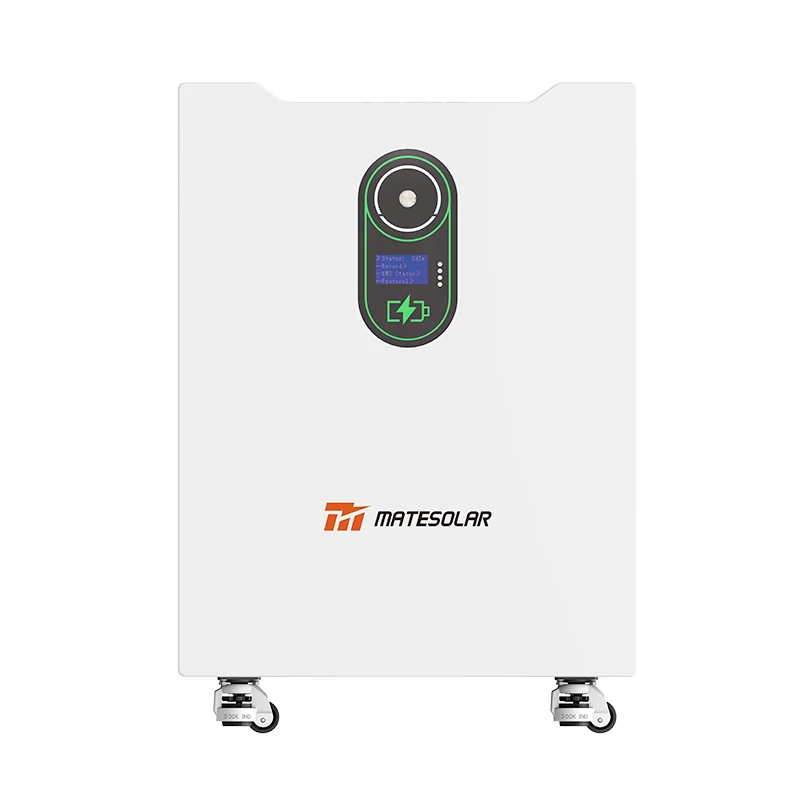
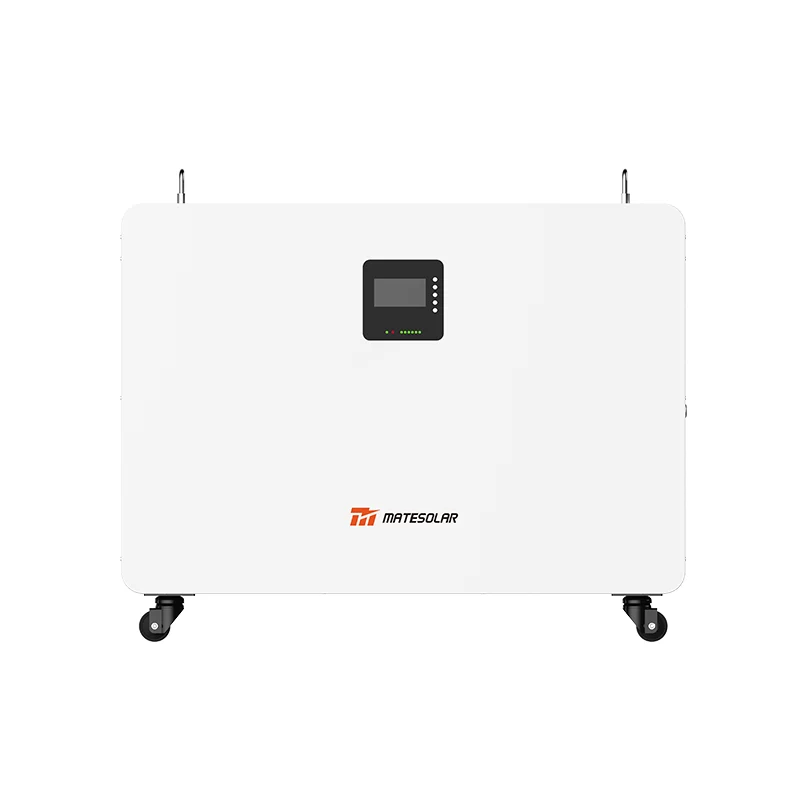
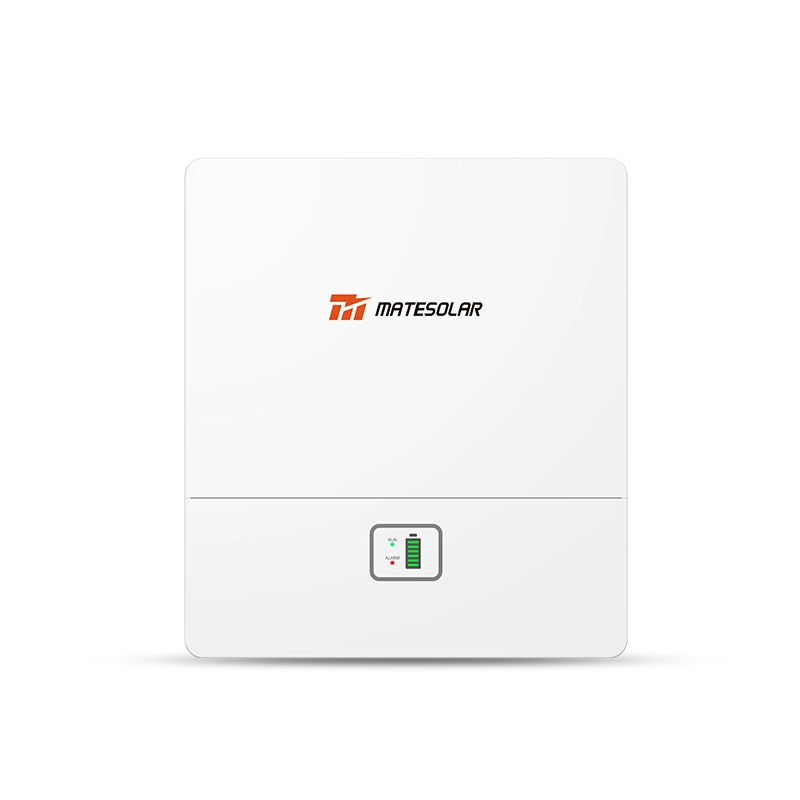
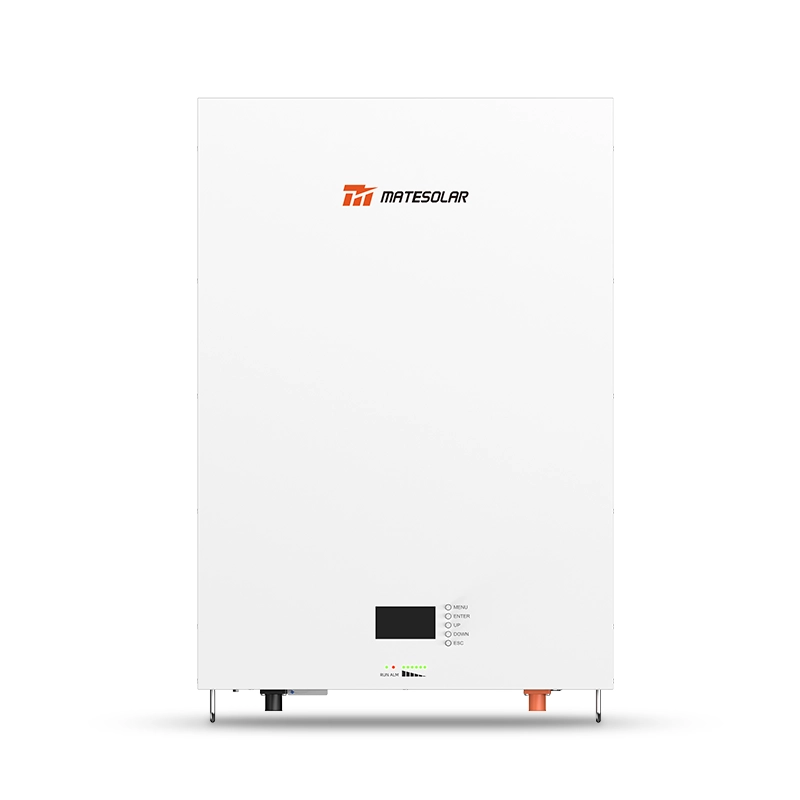
مات سولا ر هي مزود حلول متكاملة للطاقة الشمسية والتخزين، تقدم أنظمة تخزين الطاقة بالبطاريات (BESS) شاملة جاهزة للتسليم، مصممة خصيصًا لتتوافق مع الإطار التنظيمي في غواتيمالا، ومناخها الاستوائي، وأسعار الكهرباء التجارية. بدءًا من الخزائن الخارجية المدمجة (100-261 كيلوواط ساعة) للتطبيقات التجارية الصغيرة، وصولاً إلى وحدات التخزين المعبأة في حاويات (1-5 ميغاواط ساعة) لمشاريع الطاقة الشمسية على نطاق المرافق، تم تصميم كل حل من حلول مات سولا ر لتلبية متطلبات القرار رقم 128-2024 الخاص بـ CNEE، وتحقيق ضمانات أداء لاتفاقيات شراء الطاقة (PPA) لمدة 15 عامًا، وتوفير مراقبة عن بعد على مدار الساعة طوال أيام الأسبوع مع دعم إقليمي باللغة الإسبانية. من خلال اتفاقيات سلسلة التوريد الراسخة، وضمانات الأداء، وخيارات تمويل بيع الطاقة كمشروع (EaaS)، تمكّن مات سولا ر الشركات الغواتيمالية من الاستفادة الكاملة من قيمة انتقال الطاقة في البلاد. اتصل بفريقنا الفني الإقليمي لمناقشة مواصفات مشروعك وتلقي تحليل للعائد على الاستثمار خاص بالموقع في ظل هياكل التعريفة الحالية لـ EEGSA/DEORSA/DEOCSA.