



















بقلم المديرية الفنية لشركة ماتيسولار | نُشر: 11 مارس 2026
تيغوسيغالبا، سان بيدرو سولا، بويرتو كورتيس — بالنسبة للمشغلين الصناعيين في هندوراس، تحول الواقع الرياضي للانتقال في مجال الطاقة في البلاد من مناقشة أكاديمية إلى أزمة إدارة مخاطر على مستوى مجلس الإدارة. ووفقًا لخطة التوسع التوليدية المؤشرة لعام 2026-2035 (PIEG) الأحدث الصادرة عن مركز الإرسال الوطني (CND)، يواجه نظام الطاقة الهندوراسي إيقاف تشغيل 1343 ميجاوات من القدرة الحرارية، مع توقع إيقاف تشغيل أشد في عامي 2029 و2030، بما يشمل 886.06 ميجاوات و 276.52 ميجاوات على التوالي.
بالنسبة لمصانع النسيج التي تعمل على مدار الساعة في الممر الصناعي سان بيدرو سولا، ومصانع تجهيز الأغذية التي تتطلب سلاسل تبريد دون انقطاع في لا سيبا، وعمليات التعدين في الجبال الغربية التي تعتمد على الآلات ذات التيار العالي، يطرح هذا سؤالاً وجودياً: ما الذي يعمل عندما تتوقف مصانع الوقود الثقيل؟
تتعامل شركة الكهرباء الوطنية (ENEE) مع ما وصفه مديرها المؤقت إدواردو أوفييدو مؤخرًا بأنه واقع تشغيلي “مفلس”، حيث تحوم الخسائر الإجمالية بالقرب من 38 في المائة بسبب مزيج من أوجه القصور التقنية والخسائر غير التقنية. وفي حين أن الحكومة أطلقت مناقصة كبيرة بقدرة 1.5 جيجاوات تتطلب تكامل الطاقة المتجددة بنسبة 65 في المائة مقترنة بالتخزين، فإن الجدول الزمني للتشغيل - 800 ميجاوات بحلول أوائل عام 2028، و300 ميجاوات في عام 2029، و400 ميجاوات بحلول عام 2030 - يكشف عن فجوة خطيرة. تقاعد المحطات الحرارية قبل الجزء الأكبر من السعة الثابتة الجديدة مضمونة على الإنترنت.
تُعد هذه المقالة بمثابة دليل تقني ومخطط استثماري للمستهلكين الصناعيين الذين لا يستطيعون انتظار الشبكة الوطنية لحل مشكلة التحول. ونتناول في هذه المقالة ثلاث نقاط أساسية لتبني نظام التخزين الكهربائي الثانوي الصناعي في سياق هندوراس: استبدال التوليد الحراري الأساسي ببنى التخزين الهجين، وضمان الأداء طويل الأجل المستقل عن التقلبات المالية لشركة الكهرباء الوطنية، وبناء القدرات على مراحل تتناسب مع كل من التوسع في الإنتاج وجدول التقاعد الفعلي للأصول القديمة.
1. الواقع القابل للنشر: نظام بيس كبديل مباشر للتحميل الحراري الأساسي
إن المفهوم الخاطئ الأكثر استمرارًا في القطاع الصناعي في هندوراس هو أن أنظمة تخزين الطاقة بالبطاريات (BESS) هي مجرد أجهزة "احتياطية" - مناسبة لانقطاع التيار الكهربائي لمدة 30 دقيقة ولكنها غير قادرة على الحفاظ على الإنتاج المستمر. هذا التصور، المتجذر في الجيل الأول من أنظمة إمدادات الطاقة غير المنقطعة التي تعمل بحمض الرصاص، ليس فقط عفا عليه الزمن، بل إنه خطير لأغراض التخطيط.
إن بيسس الصناعية الحديثة، لا سيما تلك التي تستخدم كيمياء فوسفات الحديد الليثيوم (LFP) مع أنظمة إدارة الطاقة المتقدمة (EMS)، قادرة تمامًا على العمل ك أصول تشكيل الشبكة الأساسية. عند إقرانها مع توليد الطاقة الشمسية الكهروضوئية في الموقع، فإنها تشكل شبكة هجينة صغيرة يمكن أن تحل محل محطات زيت الوقود الثقيل من نوع ELCOSA بقدرة 80 ميجاوات التي كانت المجمعات الصناعية تعتمد عليها تاريخيًا.
1.1 حتمية تشكيل الشبكة
لفهم كيفية استبدال المولدات الحرارية بمولدات الطاقة الشمسية، يجب على المرء أن يفهم مفهوم المحولات "المكونة للشبكة" مقابل المحولات "التي تتبع الشبكة". إن تركيبات الطاقة الشمسية الكهروضوئية التقليدية تتبع الشبكة: إذا تعطلت الشبكة، فإنها تنطفئ. وهي تتطلب جهدًا ثابتًا ومرجعًا ثابتًا للتردد من المرفق.
يمكن لبطاريات تخزين الطاقة على نطاق صناعي (BESS) المنشأة اليوم أن تعمل في وضع تشكيل الشبكة. من خلال استخدام محولات كربيد السيليكون (SiC) المتقدمة وحلقات التحكم السريعة الاستجابة، تعمل البطارية كمصدر للجهد للمنشأة بأكملها. يمكنها المزامنة مع مولدات الديزل الموجودة للتشغيل الهجين أو فصل المنشأة تمامًا.
التحقق الأكاديمي لهذا النهج في السياق الهندوراسي قوي. قامت دراسة حديثة أجريت عام 2025 من جامعة هندوراس الوطنية المستقلة (UNAH) بنمذجة النظام الوطني المترابط (NIS) الذي يعمل في وضع الجزر في ظل ظروف طارئة شديدة. ووجدت الدراسة أنه مع دمج نظام تخزين طاقة ببطارية (BESS) بقدرة 75 ميجاوات (على غرار المقياس الذي يتم شراؤه لمحطة أمارتيكا الفرعية)، تحسن استقرار التردد بشكل كبير - من أقصى انخفاض خطير بلغ 55.3 هرتز أثناء فقدان 200 ميجاوات إلى 58.74 هرتز مستقر، مما منع تفعيل تخفيض الأحمال عند انخفاض التردد (UFLS).
بالنسبة للمنشآت الصناعية، تُترجم هذه البيانات إلى واقع بسيط: لا يحافظ نظام تبريد وتكييف المحركات على تشغيل المحركات وتبريد الضواغط، وتبريد الضواغط، ونسج الأنوال من خلال اضطرابات الشبكة التي قد تؤدي إلى توقف الإنتاج المكلفة.
1.2 الخلايا الكهروضوئية + بيسس + الديزل الحالي: بنية الشبكة الصغيرة الهجينة
بالنسبة لمعظم العملاء الصناعيين، فإن الاستبدال الكامل ليلاً لأصول الديزل أو زيت الوقود الثقيل غير عملي من الناحية المالية. بدلاً من ذلك ، يتضمن الهيكل الأمثل التهجين.
تتيح وحدات التحكم الهجينة الحديثة للمنشآت التعامل مع مولدات الديزل الموجودة لديها على أنها "بوليصة تأمين" بدلاً من مصادر الطاقة الأساسية. في التكوين النموذجي، تقوم مصفوفة الطاقة الشمسية الكهروضوئية بتوليد الطاقة خلال ساعات النهار، مع فائض الإنتاج الذي يشحن نظام التوزيع والتشغيل. وعندما تغرب الشمس أو يقلل الغطاء السحابي من إنتاج الطاقة الكهروضوئية، تقوم وحدة الطاقة المتجددة بإرسال الطاقة المخزنة بسلاسة. وفقط في حالة وجود غطاء سحابي لعدة أيام أو في حالة الطوارئ التي تتجاوز مدة تشغيل نظام التوزيع المتزامن للطاقة المخزنة تقوم مجموعات توليد الديزل بالمزامنة والتشغيل تلقائيًا.
يعمل هذا الوضع التشغيلي على إطالة فترات صيانة مولدات الديزل من مئات الساعات إلى آلاف الساعات، مما يقلل بشكل كبير من تكلفة الوقود غير المحترق والانبعاثات. بالنسبة لمنشأة نسيج تعمل على مدار الساعة طوال أيام الأسبوع، يمكن أن تحقق وفورات الوقود وحدها فترات استرداد تقل عن خمس سنوات عند استبدال وقود الوقود المستورد المسعر بالتكافؤ الدولي.
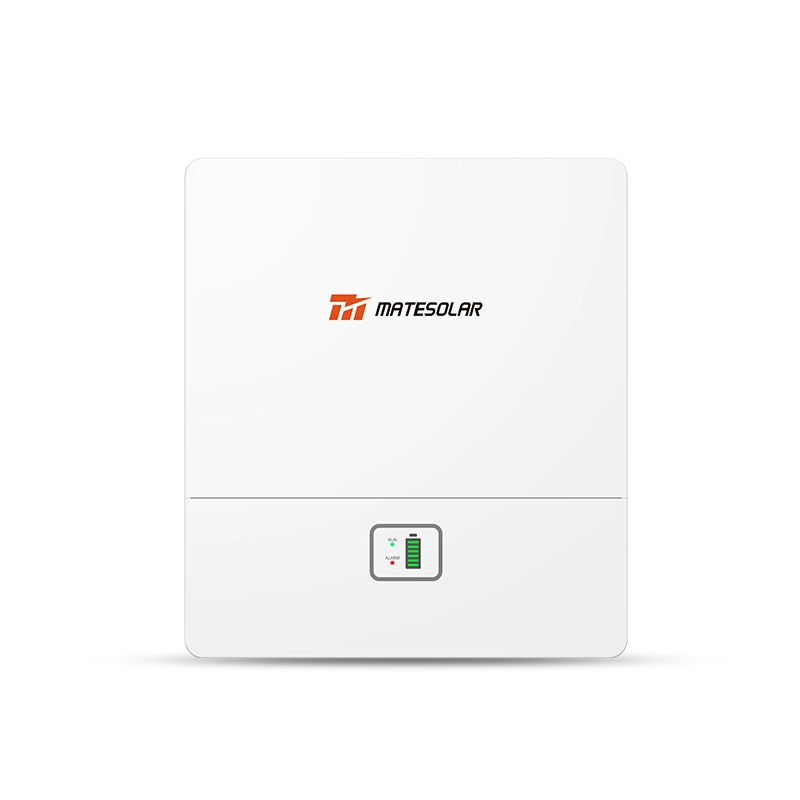
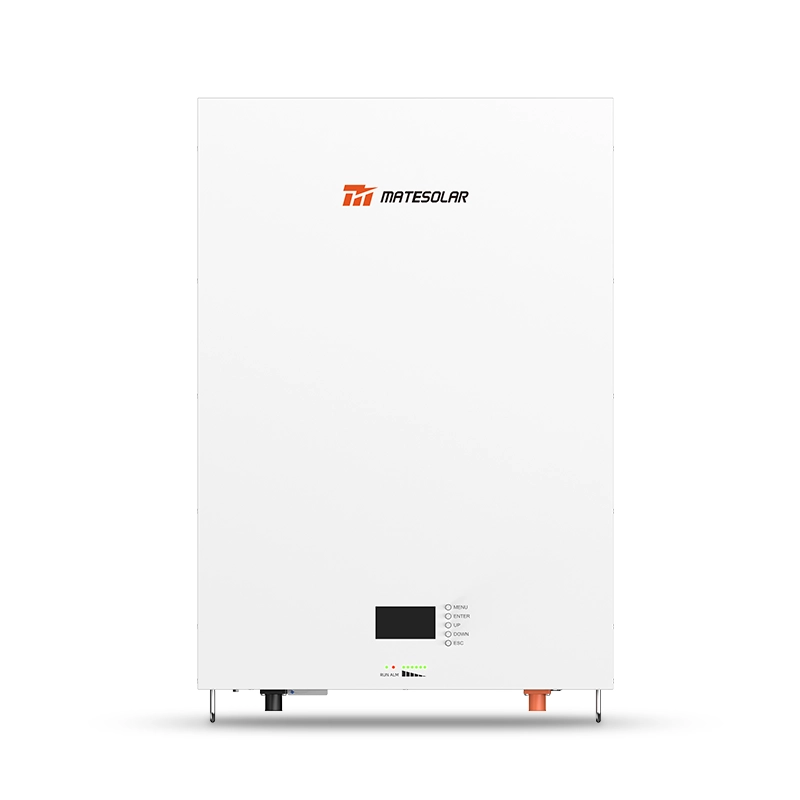
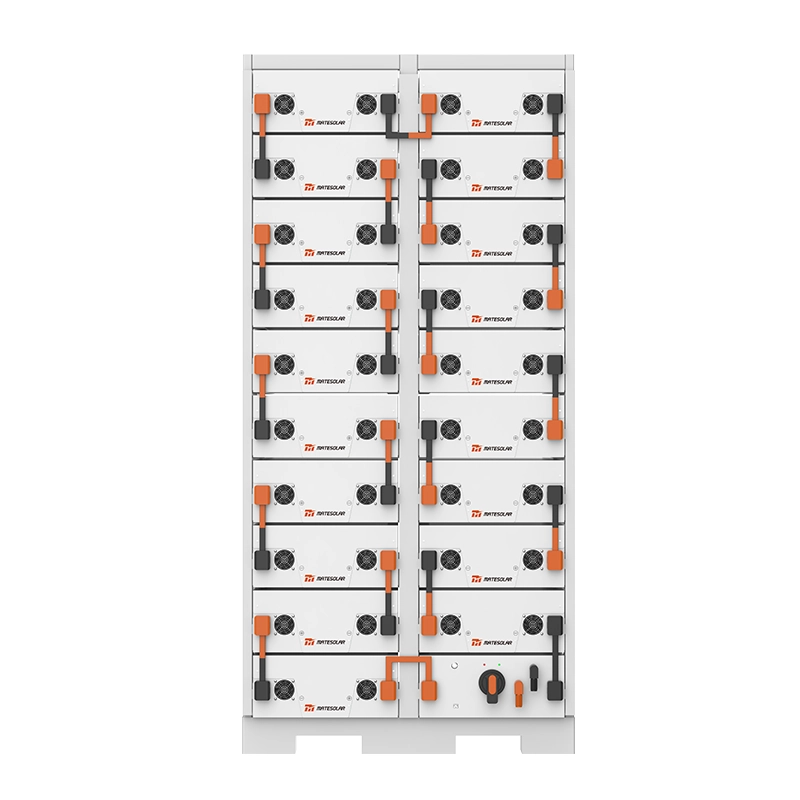
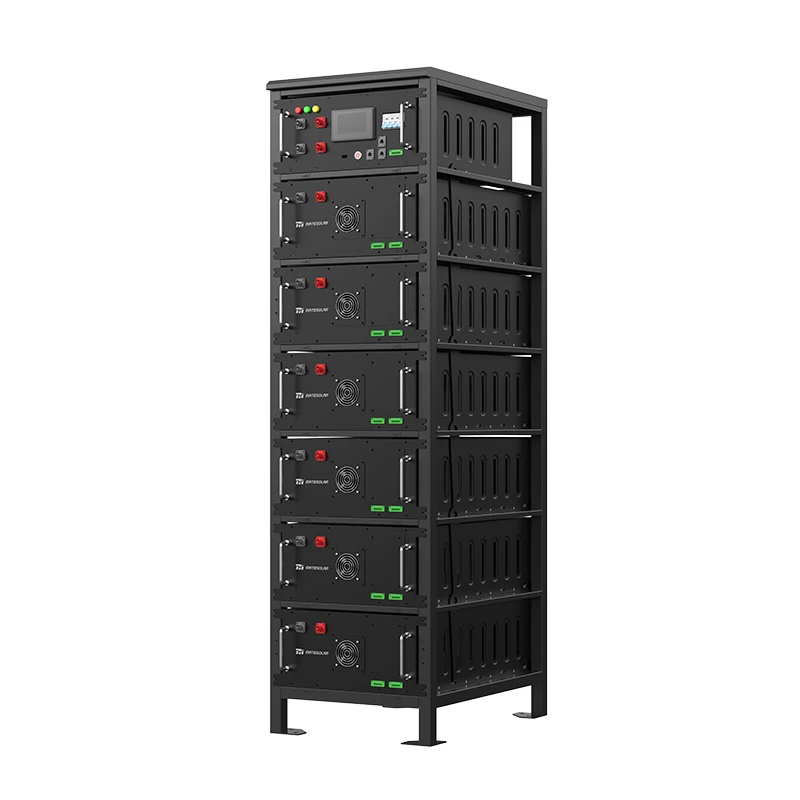
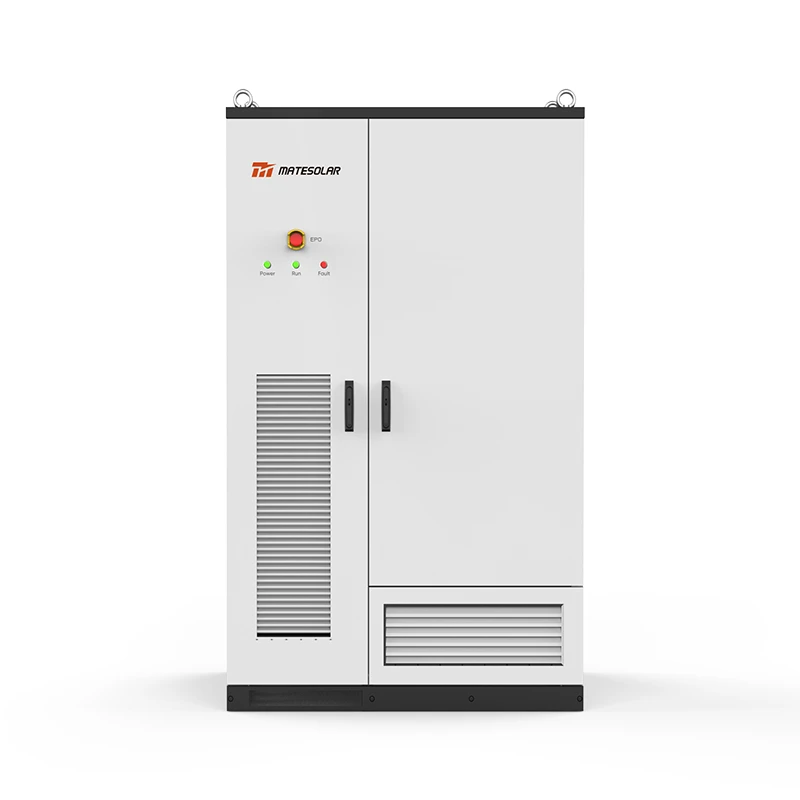
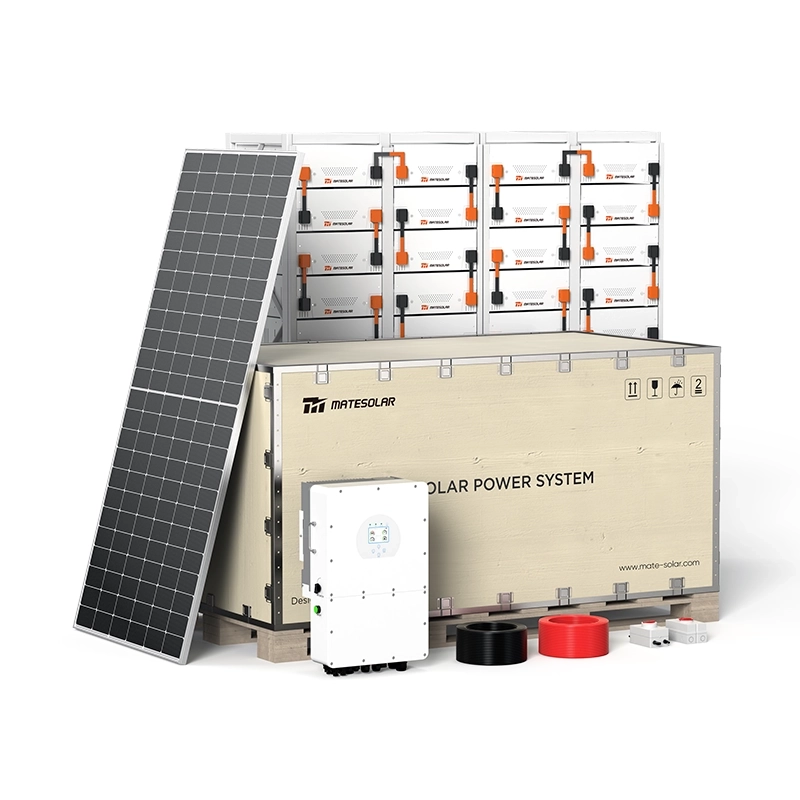
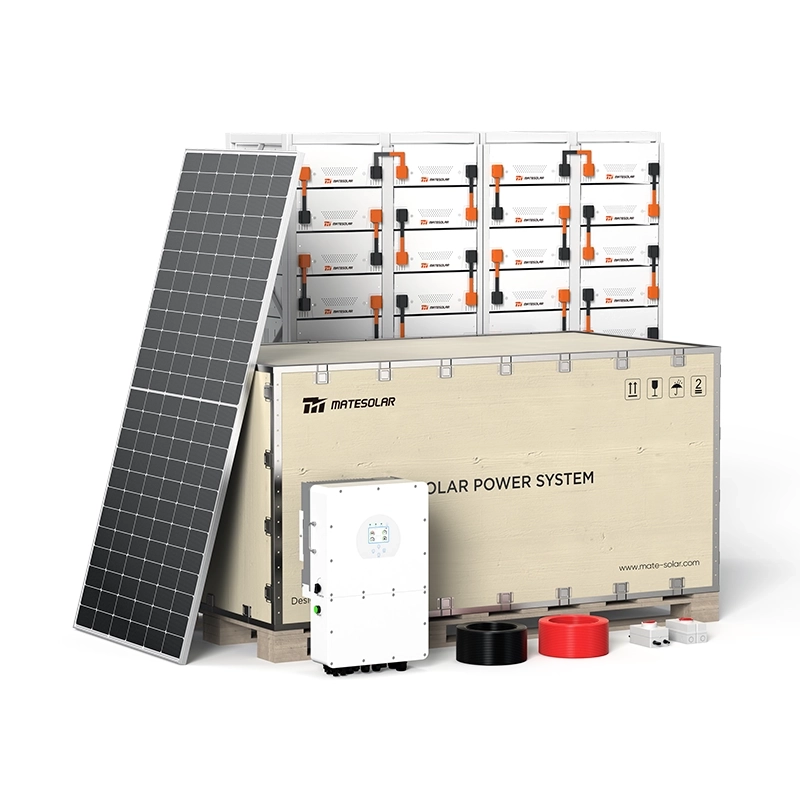
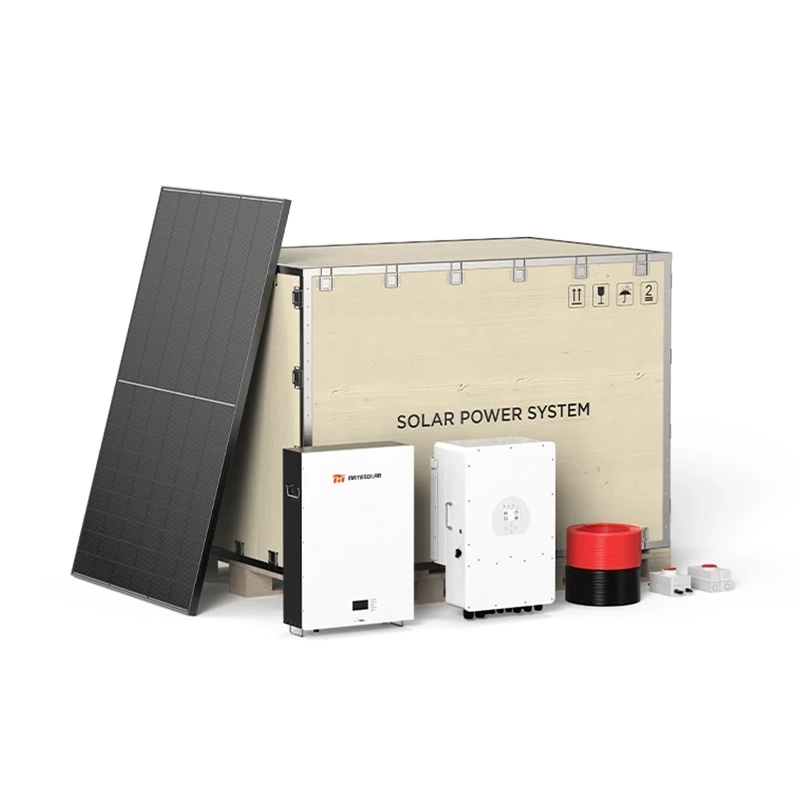
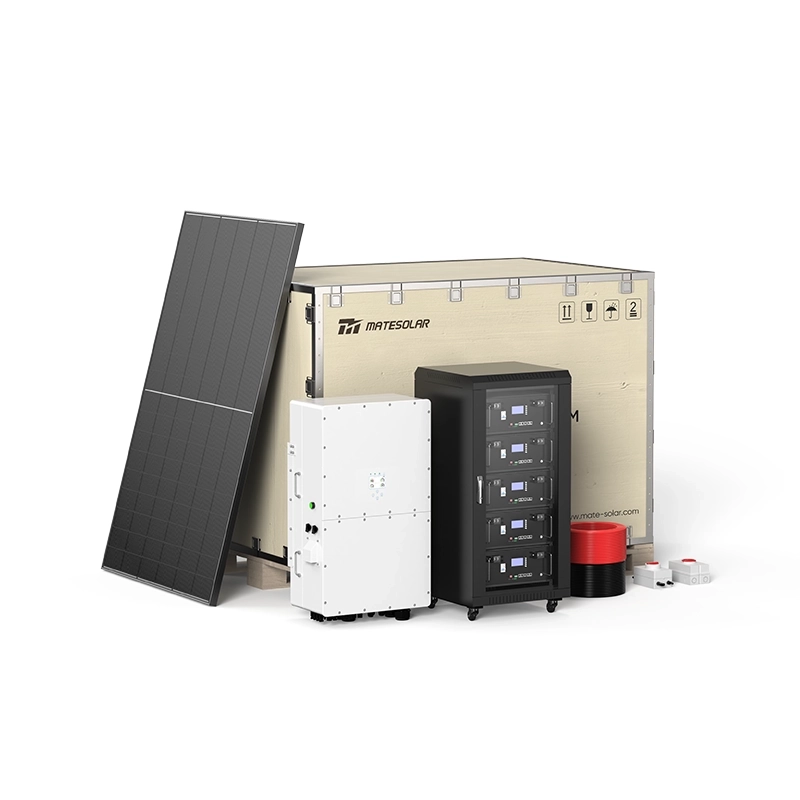
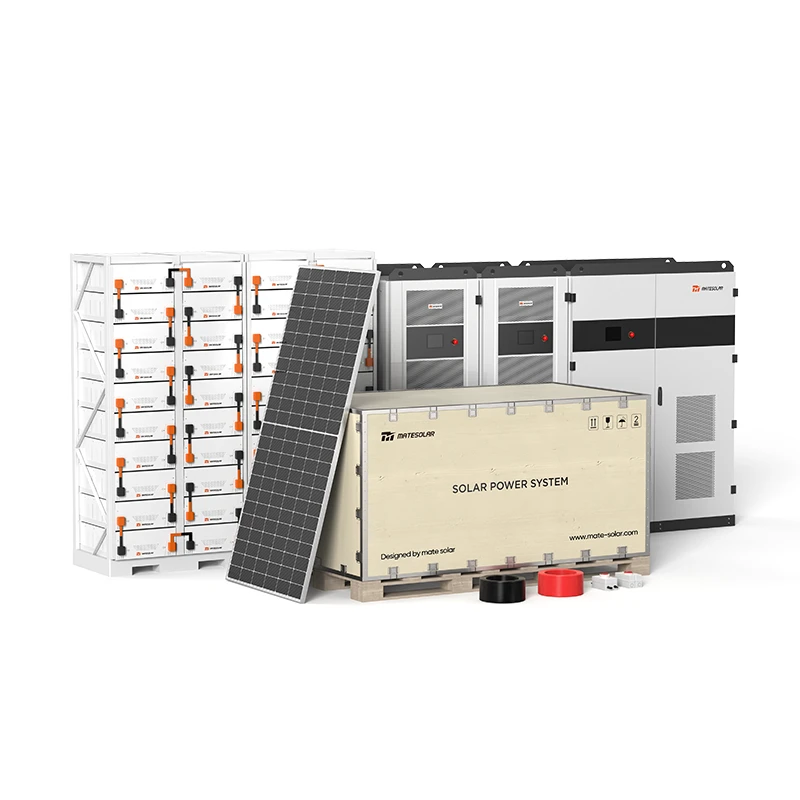
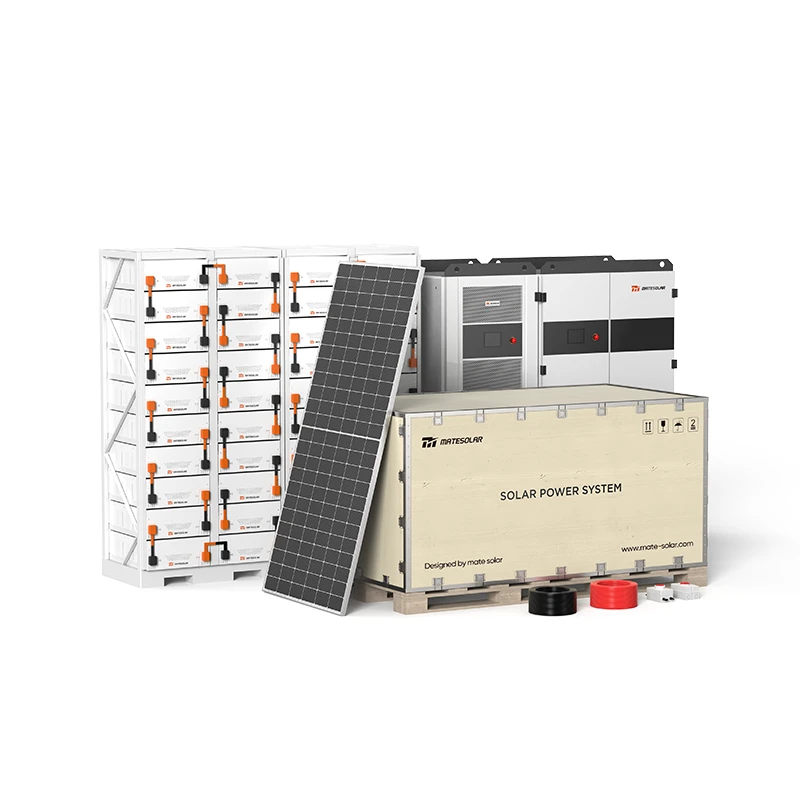
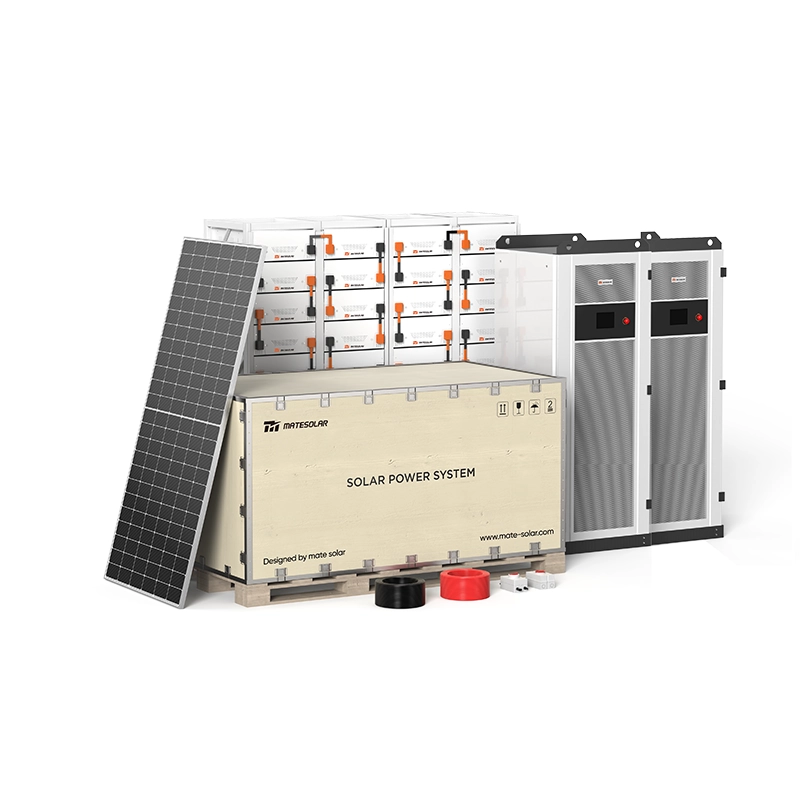
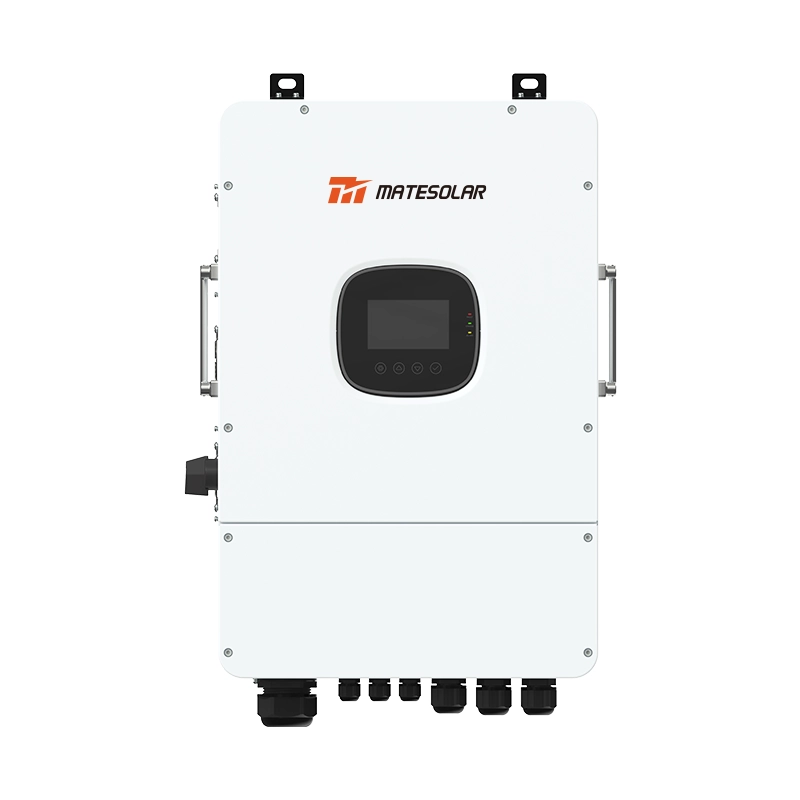
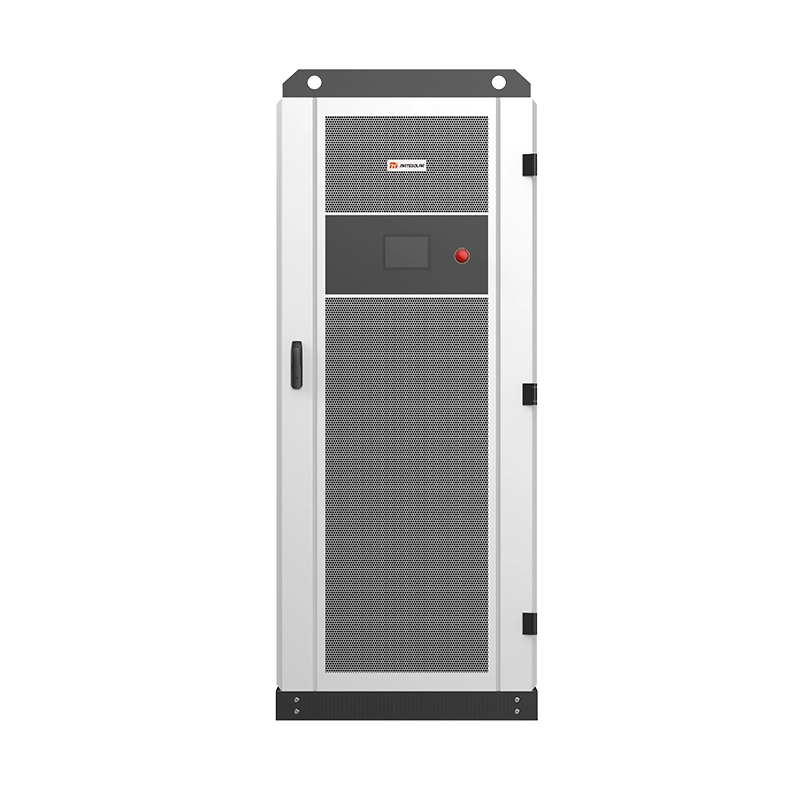
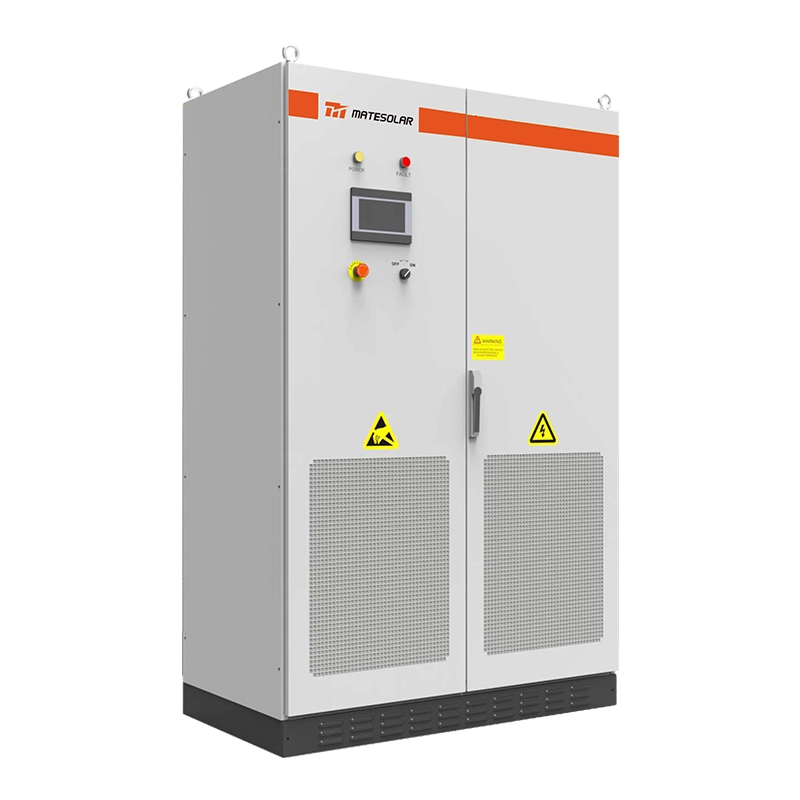
ولتسهيل هذا الانتقال للمستهلكين الصناعيين متوسطي الحجم الذين يحتاجون إلى نشر سريع، تقدم MateSolar حلولاً مصممة مسبقاً تتكامل مع مجموعة المفاتيح الكهربائية الحالية. وتتضمن نظام الطاقة الشمسية الهجين التجاري بقدرة 250 كيلوواط تم تصميمه خصيصاً للمنشآت التي تنتقل من منشآت صغيرة إلى متوسطة تعمل بالديزل، مما يوفر تهجيناً قابلاً للتوصيل والتشغيل دون الحاجة إلى أعمال مدنية واسعة النطاق.
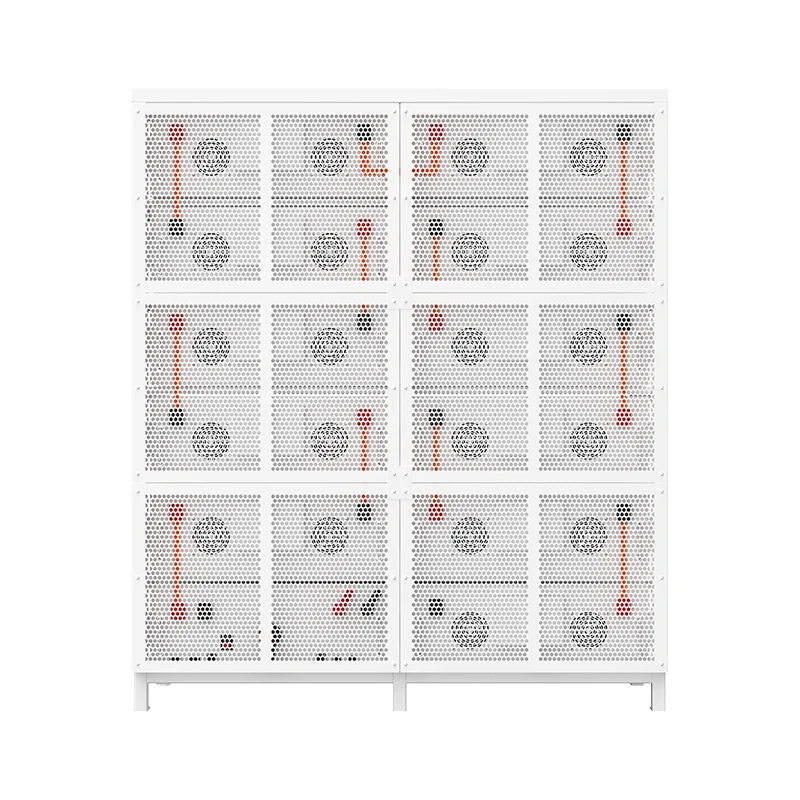
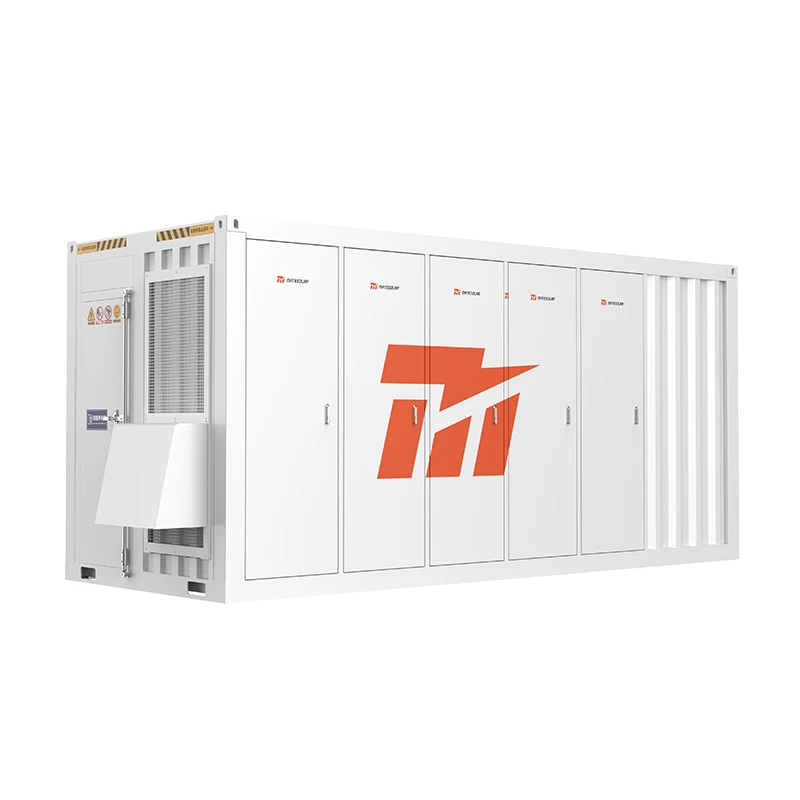
بالنسبة للعمليات التي تتطلب كثافة أعلى، فإن حاوية تبريد بالهواء 40 قدم ESS1 ميجاوات ساعة/2ميغاواط ساعة) يوفر لبنة بناء موحدة ومختبرة في المصنع لتكوين شبكة كهربائية صغيرة.
2. عامل الطاقة المتجددة وكفاءة الطاقة: لماذا يتفوق الاستهلاك الذاتي على الاعتماد على الشبكة؟
إن عدم الاستقرار المالي للمرافق الوطنية ليس سرًا، كما أنه ليس تطورًا حديثًا. ومع ذلك، فقد تغيرت آثاره على مشتري الطاقة الصناعية. ففي فبراير 2026، كررت الإدارة المؤقتة للمؤسسة الوطنية للكهرباء والطاقة علنًا أنه في حين أن الدولة تستطيع الحفاظ على التدفق النقدي التشغيلي للتوليد، فإنها لا تستطيع الوفاء بالتزاماتها في الدفع للمولدات الخاصة ولا تأمين تمويل جديد في ظل الظروف الحالية.
بالنسبة للمستهلك الصناعي الذي يفكر في تركيب نظام بطاريات خاص (BESS)، يطرح هذا سؤالًا استراتيجيًا: لماذا الاستثمار في التخزين في الموقع إذا ظلت إمداداتي الأساسية مرتبطة بشبكة غير مستقرة ماليًا؟
يكمن الجواب في التمييز بين العمليات التي تتفاعل مع الشبكة وتلك التي تعتمد عليها.
2.1 منطقة أمان "الاستهلاك الذاتي"
المنشآت الصناعية التي تقوم بتركيب أنظمة الطاقة الشمسية زائد التخزين خلف العداد (BTM) وتعمل بشكل أساسي في وضع الاستهلاك الذاتي تفصل بشكل فعال نفقاتها التشغيلية عن الصحة المالية لشركة الكهرباء والطاقة المتجددة. فهي لا تسحب من الشبكة إلا عندما تكون متوفرة وبأسعار مناسبة، ولكنها لا تعتمد عليها في استمرارية الإنتاج الحرجة.
ويكتسب هذا النموذج جاذبية خاصة بالنظر إلى نتائج المناقصة الدولية الجارية حاليًا لتوليد 1.5 جيجاوات. وفي حين أن المناقصة تتضمن آلية مالية لضمان المدفوعات المتأخرة للمولدات - وهي خطوة تهدف إلى استعادة ثقة المستثمرين - إلا أنها لا تزال غير مجربة. لا يمكن للمديرين الماليين الصناعيين أن يراهنوا على أهدافهم الإنتاجية لعام 2029 على آلية ضمان الدفع التي لم تتخلص بعد من أول دورة تخلف عن السداد.
علاوة على ذلك، تقر خطة التوسع نفسها بأن الموثوقية المستقبلية ستعتمد بشكل كبير على الأنظمة الهجينة. وينص تحليل PIEG صراحةً على أن "توليد الطاقة المتجددة يساهم بشكل كبير في الطاقة الثابتة للنظام ... بشكل رئيسي من الأنظمة الهجينة، التي تتكامل مع توليد الطاقة الشمسية الكهروضوئية وأنظمة تخزين البطاريات". تراهن الشبكة الوطنية على الأنظمة الهجينة. يجب أن يمتلك المستهلكون الصناعيون ببساطة حصتهم من تلك البنية التحتية الهجينة.
2.2 متطلبات ضمان الأداء لمدة 15 عامًا
عند شراء بطارية بيسس صناعية، فإن الفرق بين "الضمان" و"ضمان الأداء" أمر بالغ الأهمية - خاصة في سوق مثل هندوراس، حيث يمكن أن تؤدي درجات الحرارة المحيطة في المناطق الصناعية الساحلية مثل بويرتو كورتيس إلى تسريع تدهور البطارية إذا كانت الإدارة الحرارية غير كافية.
تعالج مات سولار ذلك من خلال ضمانات صيانة السعة مرتبطة بالإنتاجية والعمر الزمني، وليس فقط تغطية العيوب. بالنسبة للعملاء الصناعيين الذين يواجهون حافة التقاعد الحراري لعام 2029، يجب أن يحتفظ النظام المثبت في عام 2026 بما لا يقل عن 80 بالمائة من سعته القابلة للاستخدام الأولية في عام 2041.
الجدول 1: مقارنة بين هياكل الضمانات الصناعية للفرامل الصناعية
| مكوّن الضمان | عرض البائع القياسي | ضمانة ماتيسولار الصناعية | ما أهمية ذلك في هندوراس |
| تغطية الإنتاجية | 1 دورة في اليوم الواحد / 3,650 3 دورة | 2 دورة في اليوم الواحد / 7,300 دورة في اليوم الواحد | تتطلب التقلبات المتكررة في الشبكة والتحويلات الكهروضوئية اليومية تدويرًا أعلى |
| تغطية التقويم | 10 سنوات | 15 سنة | يتوافق مع أفق التقاعد الحراري لما بعد عام 2029 |
| نطاق درجة الحرارة | 15 درجة مئوية - 30 درجة مئوية مثالية | درجة الحرارة المحيطة 45 درجة مئوية مع تبريد سائل | تواجه المناطق الصناعية الساحلية (بويرتو كورتيس) حرارة عالية مستمرة |
| الاحتفاظ بالقدرة الاستيعابية | 60% في نهاية الفصل الدراسي | 80% في نهاية الفصل الدراسي | يضمن قدرة ثابتة لعمليات التحميل الأساسي في السنوات اللاحقة |
| ضمان الكفاءة ذهاباً وإياباً | 85% - 88% | >90% للعقد الأول | التأثير المباشر على التكلفة الإجمالية للمستهلك الأقل تكلفة وفترة الاسترداد |
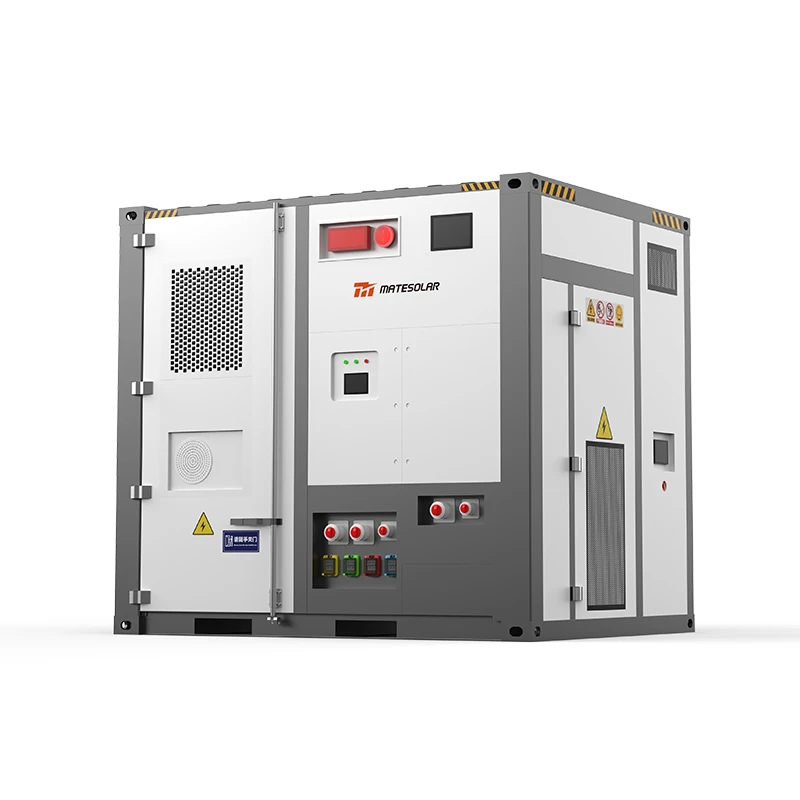
بالنسبة للتطبيقات الصناعية التي تتطلب أعلى كثافة للطاقة وأقل خسائر إضافية في المناخات الاستوائية، فإن نظام تخزين الطاقة في حاوية تبريد سائل تبريد سائل بقدرة 20 قدمًا بقدرة 3 ميجاوات ساعة/5 ميجاوات ساعة يوفر الاستقرار الحراري اللازم للحفاظ على هذه الضمانات.
3. التوسع المرحلي: مواءمة النفقات الرأسمالية مع الجدول الزمني للتقاعد
نادرًا ما تتماشى خطط التوسع الصناعي بشكل مثالي مع تقاعد التوليد على نطاق المرافق. قد تحتاج شركة تعدين إلى فتح وريد جديد في عام 2026، في حين أن اتفاقية شراء الطاقة الحرارية الأساسية الخاصة بها لا تنتهي صلاحيتها حتى عام 2028. وقد تكون إحدى حدائق النسيج قد حصلت على أرض للتوسع ولكنها تفتقر إلى سعة التحميل التي تبرر إنشاء محطة توليد كهرباء بيس كاملة النطاق اليوم.
يشكل "جرف التقاعد الحراري" لعام 2029-2030 فرصة فريدة للنشر التدريجي للتخزين.
3.1 استراتيجية "السعة المتداخلة"
فبدلاً من تمويل 10-20 ميجاوات كاملة من التخزين المطلوبة لاستبدال محطة حرارية كاملة اليوم، يمكن للمستهلكين الصناعيين نشر التخزين على شرائح تتناسب مع نمو أحمالهم والتضييق التدريجي لقدرة الشبكة.
المرحلة الأولى (2026-2027): نشر قدرة كافية لنظام تخزين الطاقة بالبطاريات (BESS) لتغطية العمليات الحيوية خلال فترات ذروة الطلب والمشاركة في إدارة شحن الطلب. تغطي هذه المرحلة عادةً 20-30 بالمائة من ذروة الحمل لمدة 2-4 ساعات. تقلل هذه المرحلة بشكل فوري من النفقات التشغيلية عن طريق خفض رسوم ذروة الطلب من ENEE وتوفر نسخة احتياطية للطوارئ لأنظمة التحكم والتبريد الحيوية.
المرحلة الثانية (2028–2029): مع شروع محطات الطاقة الحرارية في الإعلان عن مواعيد تقاعد نهائية - مثل التقاعد المخطط له في عام 2027 لوحدات مثل منشأة ELCOSA بقدرة 80 ميجاوات - قم بتوسيع سعة أنظمة تخزين الطاقة بالبطاريات (BESS) لتغطية 60-70٪ من الحمل الأقصى، مع مدة تمتد إلى 6-8 ساعات. تمكن هذه المرحلة المنشأة من العمل طوال الليل دون دعم من الشبكة.
المرحلة الثالثة (2030+): التوسع النهائي لتغطية كامل سعة الاستبدال، مع إمكانية الدمج مع الألواح الشمسية في الموقع لتحقيق قدرة أساسية متجددة على مدار الساعة طوال أيام الأسبوع.
3.2 المتطلبات التقنية للتوسع السلس
لا تدعم جميع بنيات أنظمة المحولات المركزية هذا النهج التدريجي. فغالباً ما تتطلب الأنظمة ذات العاكسات المركزية إعادة هندسة كبيرة عند إضافة السعة. وتسمح البنى الموزعة، لا سيما تلك التي تستخدم وحدات بناء وحدات مقترنة بالتيار المستمر أو وحدات بناء مقترنة بالتيار المتردد، بتوسيع السعة دون استبدال الأجهزة الموجودة.
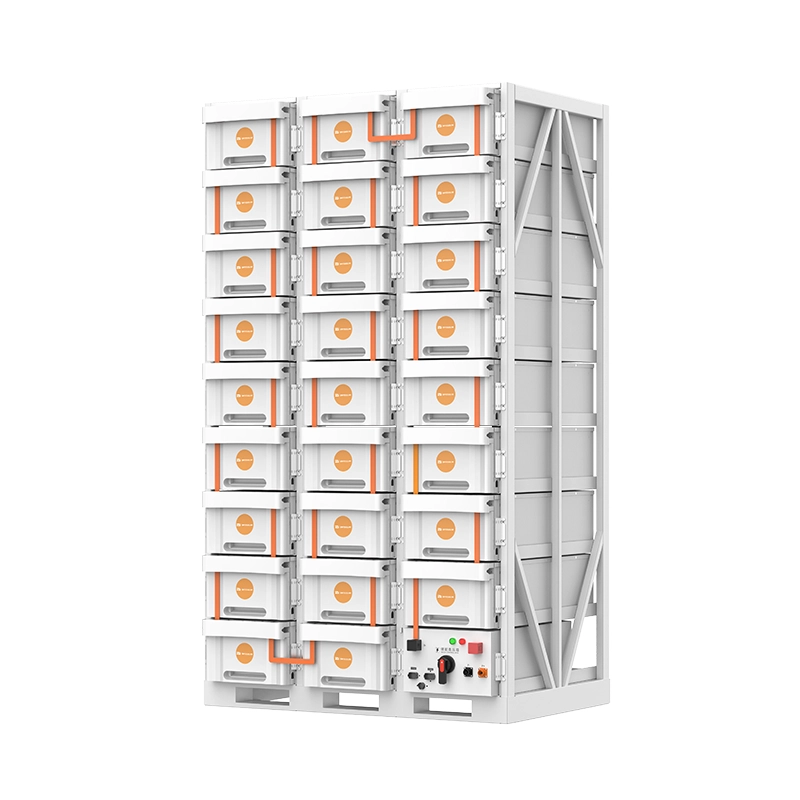
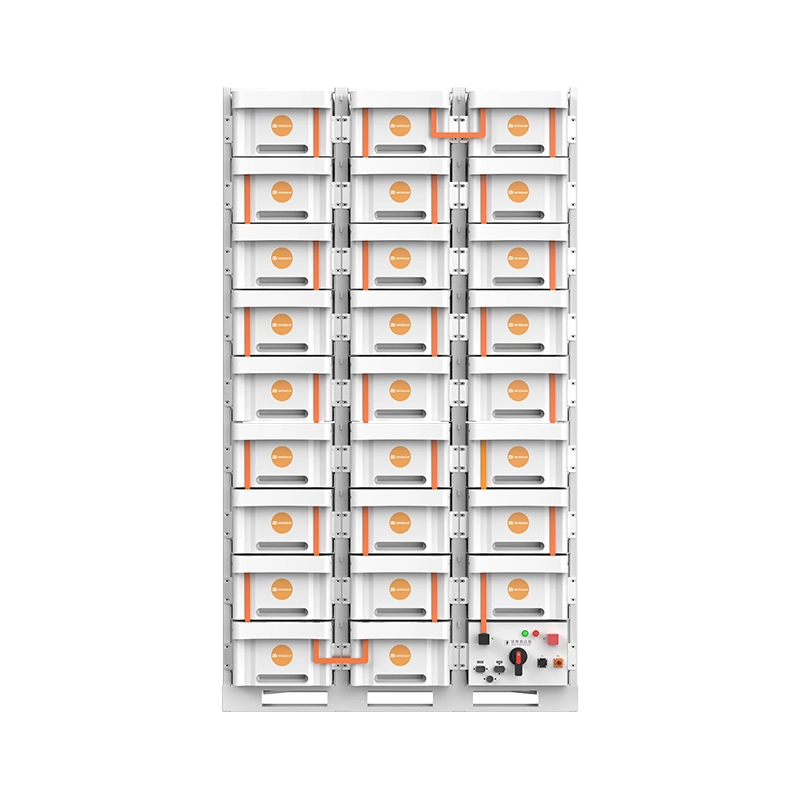
تم تصميم منصات مايت سولار المعبأة كوحدات متوازية كميزة أساسية. يمكن لمنشأة تقوم بنشر وحدة واحدة بقدرة 1 ميجاوات/ساعة في عام 2026 توصيل وحدة ثانية أو ثالثة أو رابعة بالتوازي في عام 2028 دون الحاجة إلى وحدة تحكم رئيسية جديدة أو إعادة تشغيل مكثفة. يتعرف نظام إدارة الطاقة (EMS) تلقائيًا على السعة الإضافية ويحسن التوزيع عبر الأسطول بأكمله.
الجدول 2: نموذج النشر المرحلي لنظام دعم الطاقة المتجددة للمرافق الصناعية في هندوراس
| المرحلة | الجدول الزمني | السعة المستهدفة | المدة | الوظيفة الأساسية | استقلالية الشبكة |
| أولاً: تغطية الأحمال الحرجة | 2026–2027 | 20-30% من ذروة الحمل 20-30% | 2-4 ساعات | تخفيض رسوم الطلب، وتخفيض رسوم الطلب، وتجاوز انقطاع التيار الكهربائي | 2-4 ساعات احتياطية |
| ثانياً: الحمل الأساسي الجزئي | 2028-2029 | 60-70% من ذروة الحمل | 6-8 ساعات | العمليات الليلية وذروة الذروة، وتنظيم الترددات | 6-8 ساعات من 6 إلى 8 ساعات من الجزر |
| ثالثاً: الاستبدال الكامل | 2030+ | 100% من ذروة الحمل + التكامل الكهروضوئي | أكثر من 8 ساعات (تعتمد على الطاقة الكهروضوئية) | طاقة أساسية متجددة على مدار الساعة طوال أيام الأسبوع، واستقلالية كاملة للشبكة | عزل جزري كامل مع الطاقة الكهروضوئية |
3.3 النافذة الانتقالية 2027-2028
من المهم ملاحظة أن بعض حالات التقاعد الحراري تبدأ قبل عام 2029. فمنشأة ELCOSA، على سبيل المثال، تم وضع علامة على التقاعد المحتمل في وقت مبكر من عام 2027. يجب على العملاء الصناعيين المتعاقدين حاليًا مع مولدات حرارية محددة مراجعة اتفاقيات شراء الطاقة الخاصة بهم على الفور. إذا كانت سعتك المتعاقد عليها مرتبطة بمحطة من المقرر تقاعدها في عام 2027، فإن الانتظار حتى عام 2028 لشراء التخزين يجعلك عرضة لتقلبات السوق الفورية أو التقنين غير المخطط له.
4. اختيار التكنولوجيا لبيئة التشغيل الهندوراسية
تقدم هندوراس مجموعة فريدة من التحديات التشغيلية لتخزين الطاقة: درجات الحرارة المحيطة المرتفعة، وشبكة نقل ذات مستويات منخفضة نسبيًا من الدوائر القصيرة (خصائص الشبكة الضعيفة)، والحاجة إلى القدرة على بدء التشغيل في حالة حدوث انقطاعات واسعة النطاق.
4.1 الإدارة الحرارية: التبريد بالهواء مقابل التبريد بالسائل
إن الاختيار بين الحاويات المبردة بالهواء أو المبردة بالسائل ليس مجرد مسألة كفاءة؛ إنها مسألة قدرة مستدامة في الظروف الاستوائية.
تعتمد الأنظمة المبردة بالهواء، والتي عادة ما تكون مصنفة من 1 ميغاواط/ساعة إلى 2 ميغاواط/ساعة في حاويات 40 قدمًا، على الحمل القسري لإزالة الحرارة من خلايا البطارية. في درجات الحرارة المحيطة التي تتجاوز 35 درجة مئوية، يجب على الضواغط المبردة بالهواء أن تعمل بجهد أكبر، مما يستهلك طاقة مساعدة ويحتمل أن يقلل من صافي الطاقة المتاحة للتفريغ. بالنسبة للمنشآت الأصغر حيث لا يعد البصمة هو القيد الأساسي، تظل الأنظمة المبردة بالهواء فعالة من حيث التكلفة وقابلة للصيانة في الميدان.
تقوم الأنظمة المبردة بالسائل، مثل منصات 20 قدمًا بقدرة 3 ميجاوات ساعة - 5 ميجاوات ساعة، بتدوير سائل التبريد من خلال ألواح باردة تلامس خلايا البطارية مباشرة. وهذا يسمح بتحكم أكثر إحكاماً في درجة الحرارة (عادةً ما يكون التباين بين خلية وأخرى أقل من 3 درجات مئوية) ويتيح كثافة طاقة أعلى. بالنسبة للمنشآت ذات العقارات المحدودة - مثل المجمعات الصناعية الموسعة حيث تكون الأراضي مرتفعة الثمن - فإن التبريد السائل هو المسار الوحيد القابل للتطبيق للحصول على سعة متعددة الميجاوات داخل المناطق المسيجة الحالية.
4.2 قدرات دعم البداية السوداء ودعم الشبكة
من الفوائد التي غالبًا ما يتم التغاضي عنها لنظم تخزين الطاقة الصناعية (BESS) في بيئة شبكة ضعيفة هي قدرتها على توفير دعم تشغيل البدء في حالة انقطاع التيار. في حالة حدوث انهيار واسع النطاق للنظام - وهو خطر يزداد مع إزالة القصور الذاتي الحراري من الشبكة - يمكن لنظام BESS المجهز بعاكسات تشكيل الشبكة تنشيط شبكات التوزيع المحلية، مما يسمح بإعادة تشغيل الأحمال الصناعية الحيوية دون انتظار تعافي نظام النقل.
وتؤكد الدراسة التي أجرتها هيئة الأمم المتحدة للمرافق الصحية في هونغ كونغ لنمذجة منشأة أماراتيكا للخدمات الكهربائية الموزعة على المحطات الفرعية أن أنظمة التخزين التي توفر الدعم المستمر لمدة 3.5 ثانية إلى عدة دقائق هي الفرق بين انقطاع الأحمال واستمرار التشغيل. قد تجد المنشآت الصناعية المتاخمة للمحطات الفرعية الرئيسية أن استثماراتها الخاصة في أنظمة التخزين الثنائية البوصلة تتماشى مع أولويات المرافق الوطنية، مما قد يفتح تدفقات إيرادات مستقبلية للخدمات الإضافية.
5. الاعتبارات المالية والتنظيمية لاستثمارات 2026-2027
5.1 تكلفة الانتظار
مع التضخم الذي يؤثر على المعدات الرأسمالية على مستوى العالم، من غير المتوقع أن تنخفض تكلفة أجهزة التخزين الكهربائي المتكامل بشكل حاد في الفترة 2026-2027 كما حدث في السنوات السابقة. لقد استقرت أسعار كربونات الليثيوم، ولا يزال الطلب على الخلايا من قطاعي السيارات الكهربائية والتخزين الثابت قويًا.
والأهم من ذلك أن تكلفة الفرصة البديلة للطاقة غير المخدومة أثناء انقطاع الشبكة آخذة في الارتفاع. لا يمكن أن تستوعب هوامش الإنتاج الصناعي في هندوراس، وخاصة في المنسوجات المجمعة للتصدير في ظل جداول زمنية ضيقة للتسليم في الوقت المحدد، توقف الإنتاج لعدة أيام. ويمكن أن تتجاوز تكلفة انقطاع واحد غير مخطط له يدوم 8 ساعات تكلفة وحدة صغيرة من وحدات التزويد بالطاقة الكهربائية.
5.2 المسارات التنظيمية للتوليد الذاتي
تسمح اللوائح الهندورية بالإنتاج الخاص للاستهلاك الذاتي. ومع ذلك، يجب على المرافق التي تخطط لتصدير الطاقة الزائدة مرة أخرى إلى الشبكة التعامل مع اتفاقيات الربط البيني مع ENEE. بالنسبة للمستهلكين الصناعيين الذين يركزون على الموثوقية وتجنب التكاليف، فإن المسار الموصى به هو تكوين "صفر تصدير"، مما يبسط الربط البيني ويتجنب التعرض لدورة الدفع الخاصة بـ ENEE.
يجب على المنشآت التي ترغب في المشاركة في سوق الخدمات الإضافية - في حالة تطورها بعد مناقصة 1.5 جيجاوات - أن تحدد معدات حاويات الطاقة الكهربائية المدمجة القادرة على الإرسال عن بعد والقياس عن بعد. تشتمل منصات الحاويات التي يبلغ طولها 20 قدمًا و40 قدمًا التي تقدمها MateSolar على واجهات SCADA المتقدمة المتوافقة مع أنظمة التحكم على مستوى المرافق.
6. خارطة طريق التنفيذ: من التقييم إلى التشغيل
بالنسبة للمشغل الصناعي الذي اقتنع بالأسباب التقنية والاقتصادية، يبقى السؤال التالي دائماً: كيف نبدأ؟
الخطوة 1: تحليل ملف تعريف الحمل (الأشهر 1-2)
نشر عدادات قياس الإيرادات على مستوى الإيرادات في المحول الرئيسي والمغذيات النهائية الحرجة. تحليل 12-24 شهرًا من بيانات الأحمال التاريخية لتحديد فترات ذروة الطلب ومتطلبات الحمل الأساسي ومدة الاضطرابات المعتادة في الشبكة.
الخطوة 2: تحديد حجم التكنولوجيا والنمذجة المالية (الشهر 3)
باستخدام بيانات الأحمال المعتمدة، قم بنمذجة حجم نظام تخزين البطاريات الأمثل. بالنسبة لمعظم المنشآت، فإن الحجم الأمثل ليس 100% من ذروة الحمل، بل هو الحجم الذي يلغي أعلى 20-30% من رسوم الطلب مع تغطية أطول مدة انقطاع متوقعة. بالنسبة لتخطيط عام 2026، يؤدي هذا عادةً إلى تغطية لمدة 2-4 ساعات عند 30-50% من ذروة الحمل.
الخطوة 3: الشراء والتركيب (الأشهر 4-8)
تُقصر الحلول الموحدة المعبأة في حاويات الجداول الزمنية للشراء بشكل كبير. حاوية تخزين الطاقة (ESS) بطول 40 قدمًا والمبردة بالهواء (1 ميجاوات ساعة – 2 ميجاوات ساعة) مثالية للمنشآت التي تعطي الأولوية للسرعة والبساطة، وتتطلب فقط قواعد خرسانية وتوصيلات كهربائية للمفاتيح الموجودة.
الخطوة 4: التشغيل التجريبي وتدريب المشغل (الشهر 9)
يضمن الاختبار الشامل تحت الحمل، بما في ذلك اختبارات النقل السلس، أداء النظام كما هو مصمم. ويغطي تدريب المشغل واجهة نظام الإدارة البيئية وتفسير الإنذارات والتنسيق مع مولدات الديزل الحالية.
الخطوة 5: التخطيط للتوسع (مستمر)
مع تشغيل النظام الأولي على الإنترنت وتحقيق وفورات تم التحقق منها، أعد النظر في خطة التوسعة المرحلية. مع اقتراب عام 2028 وتأكيد حالات التقاعد الحراري، قم بالسماح بإضافة قدرات المرحلة الثانية.
الأسئلة الشائعة (FAQ)
س1: هل يمكن أن يحل نظام BESS حقًا محل محطة وقود ثقيل بقدرة 10 ميجاوات تعمل بزيت الوقود الثقيل على مدار الساعة طوال أيام الأسبوع؟
نعم، ولكن فقط عند إقرانها بتوليد طاقة متجددة كافٍ أو بمدة زمنية مصممة لتغطية الليل. بالنسبة لمنشأة تتطلب 10 ميجاوات بشكل مستمر طوال الليل، ستكون هناك حاجة إلى نظام تخزين طاقة بطاريات (BESS) بقدرة 10 ميجاوات/80 ميجاوات ساعة (مدة 8 ساعات). ومع ذلك، يمكن لمعظم المنشآت الصناعية التحسين عن طريق نقل العمليات ذات الاستهلاك العالي إلى ساعات النهار عندما تكون الطاقة الشمسية متاحة، مما يقلل من مدة التخزين المطلوبة إلى 4-6 ساعات.
س2: ماذا سيحدث إذا ساء الوضع المالي لشركة ENEE وأصبحت طاقة الشبكة غير متوفرة لأيام؟
أ: يتيح نظام تخزين الطاقة ببطاريات (BESS) مصمم بشكل صحيح مع تكامل الألواح الشمسية إمكانية العزل غير المحدود خلال ساعات النهار وتشغيل محدود ليلاً بناءً على الطاقة المخزنة. يعمل النظام كشبكة كهرباء مصغرة، حيث تقوم الطاقة الشمسية بشحن البطاريات خلال النهار وتفريغ البطاريات ليلاً. في حالة وجود غطاء سحابي لعدة أيام، توفر مولدات الديزل الأصلية الدعم الاحتياطي النهائي، ولكن وقت تشغيلها ينخفض بأكثر من 90 بالمائة.
س3: كيف يمكنني ضمان عدم توقف استثماري في BESS إذا قمت بتوسيع مصنعي في عام 2028؟
حدد بنية معيارية من البداية. تتيح لك الأنظمة المعبأة التي يمكن موازاتها دون استبدال المكونات الأساسية إضافة سعة مع نمو الحمل. تم تصميم حلول MateSolar المعبأة للتوسع المتوازي "التوصيل والتشغيل".
س4: هل تقنية بطاريات الليثيوم آمنة في البيئات الصناعية ذات درجات الحرارة العالية؟
أ: كيمياء فوسفات حديد الليثيوم (LFP)، المستخدمة في جميع أنظمة MateSolar الصناعية، هي بطبيعتها أكثر استقرارًا حراريًا من كيميائيات النيكل والمنغنيز والكوبالت (NMC). جنبًا إلى جنب مع أنظمة التبريد السائل التي تحافظ على درجات حرارة الخلايا ضمن النطاقات المثلى، فإن خطر نشوب الحريق أقل بكثير مقارنة بتقنيات البطاريات القديمة.
س5: ما هي الفترة الواقعية لاسترداد التكاليف في هندوراس؟
بالنسبة للمنشآت ذات رسوم الطلب المرتفعة والتكاليف المعرضة للانقطاع، تتراوح فترات السداد عادةً من 4 إلى 7 سنوات، اعتمادًا على ملف الحمل المحدد وتكلفة وقود الديزل البديل. عند التمديد إلى عمر نظام مدته 15 عامًا، غالبًا ما يتجاوز معدل العائد الداخلي (IRR) 15 بالمائة.
س6: هل يمكنني المشاركة في المناقصة الوطنية بقدرة 1.5 جيجاوات من خلال منشأتي الخاصة؟
أ: المناقصة البالغة 1.5 جيجاوات مخصصة لشركات التوليد، وليس للاستهلاك الذاتي خلف العداد. ومع ذلك، قد تتمكن المنشآت الصناعية ذات القدرة الفائضة والاتصال المناسب من بيع الخدمات المساعدة في المستقبل. يجب أن تشمل التركيبات الحالية القدرة على هذه الإمكانية الاختيارية.
س7: كيف يؤثر مشروع Amarateca BESS على موثوقية منشأتي؟
ب: بطارية أماراتيكا لتخزين الطاقة بقدرة 75 ميجاوات/300 ميجاوات ساعة، والتي من المتوقع أن تبدأ العمل عام 2026، ستحسن الاستقرار العام للشبكة من خلال توفير تنظيم التردد. ومع ذلك، فهي لا تضمن الموثوقية على مستوى التوزيع. ستظل الحوادث المحلية تحدث، وهو ما لا يمكن معالجته إلا من خلال تخزين الطاقة خلف العداد.
س8: ما هي الصيانة المطلوبة لحاويات بيس المعبأة في حاويات؟
الصيانة الأولية تتضمن تنظيف/استبدال مرشحات أنظمة التدفئة والتهوية وتكييف الهواء، وفحص إحك ام الموصلات الكهربائية، وتحديثات برامج نظام إدارة الطاقة. خلايا البطارية نفسها لا تحتاج إلى صيانة. يوصى بعقود الصيانة الوقائية السنوية.
س9: س9: هل يمكنني استخدام مصفوفة الطاقة الشمسية الكهروضوئية الموجودة لديّ مع نظام BESS الجديد؟
نعم، من خلال تكوينات مقترنة بالتيار المتردد (AC-coupled) أو مقترنة بالتيار المستمر (DC-coupled). الاقتران بالتيار المتردد أبسط للتعديلات، حيث يتم توصيل نظام البطاريات بنفس ناقل التيار المتردد الخاص بمحولات الطاقة الشمسية PV. الاقتران بالتيار المستمر يوفر كفاءة أعلى للتركيبات الجديدة ولكنه يتطلب أجهزة متوافقة.
Q10: ماذا يحدث في نهاية عمر البطارية البالغ 15 عاماً؟
أ: تحتفظ بطاريات LFP بسعة كبيرة (عادةً 70-80 بالمائة) في نهاية عمرها الافتراضي لتطبيقات التخزين الثابتة. يمكن إعادة نشرها لتطبيقات أقل تطلبًا، أو يمكن إعادة تدوير الخلايا من خلال جهات إعادة تدوير معتمدة لاستعادة الليثيوم والحديد والفوسفات.
الخاتمة: نافذة العمل الاستراتيجي
إن الجدول الزمني للتقاعد الحراري الذي نشره المجلس الوطني للتطوير والتنمية ليس تنبؤًا؛ بل هو عد تنازلي. وبحلول مارس 2026، تكون عمليات التقاعد في الفترة 2029-2030 على بعد أقل من 36 شهرًا بالنسبة للشريحة الرئيسية الأولى. سيجد المستهلكون الصناعيون الذين يؤخرون عمليات الشراء حتى عام 2028 أنفسهم يتنافسون على توافر مقاول شراء وشراء محدود للمعدات ويواجهون اختناقات محتملة في توريد المعدات ويشغلون منشآتهم دون ضمان ثابت للطاقة خلال الفترة الانتقالية.
وقد أثبت المجتمع التقني في هندوراس، بما في ذلك الباحثون في جامعة هندوراس وشركاء دوليون مثل NREL، صحة دور حلول التخزين الهجين للطاقة المتجددة في الحفاظ على الاستقرار. ويشير الإطار التنظيمي، من خلال مناقصة 1.5 جيجاوات، إلى تحول وطني نحو حلول التخزين الهجين للطاقة المتجددة. الجزء المفقود هو الاعتماد الصناعي للتخزين خلف العداد الذي يعزل القدرة الإنتاجية عن تقلبات الشبكة.
في ماتي سولار، نحن لا نرى أنفسنا مجرد موردين للمعدات، بل كمزودين لحلول شاملة للطاقة الشمسية الكهروضوئية وتخزين الطاقة، مكرسين لضمان أن الصناعة الهندوراسية لا تقتصر على تجاوز "منحدر التقاعد الحراري" فحسب، بل تخرج أكثر قدرة على المنافسة، بتكاليف طاقة أقل وسيطرة مطلقة على استمرارية الإنتاج.
لن تشبه شبكة عام 2030 شبكة عام 2020 على الإطلاق. ستكون أصغر حجماً وأكثر تجدداً وأكثر اعتماداً على التخزين. وبالنسبة للمستهلكين الصناعيين، فإن السؤال الوحيد المطروح هو ما إذا كنت ستكون راكباً سلبياً في هذا التحول أو قائداً لمصيرك في مجال الطاقة.
انتماء المؤلف: الإدارة الفنية لماتيسولار
تاريخ النشر: 11 مارس 2026
مصادر البيانات: CND-PIEG 2026-2035، الإفصاحات العامة لـ ENEE، كلية الهندسة الكهربائية في UNAH، تقارير NREL الفنية
بالنسبة للتقييمات الخاصة بالمنشأة والتخطيط للتوسع التدريجي، تتوفر الاستشارات الهندسية من خلال قسم المشاريع الصناعية في ماتيسولار.