
















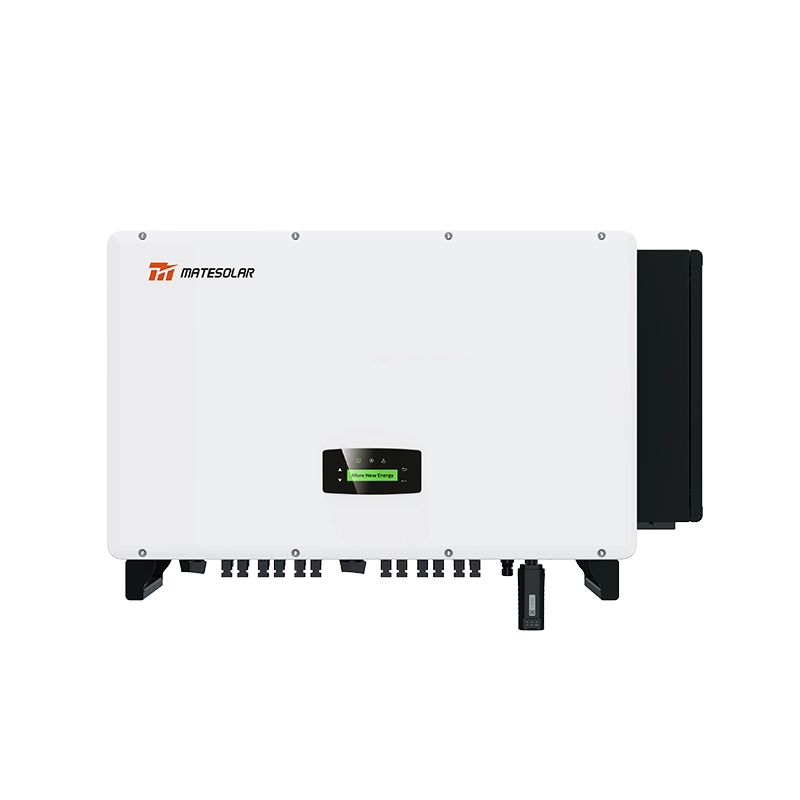
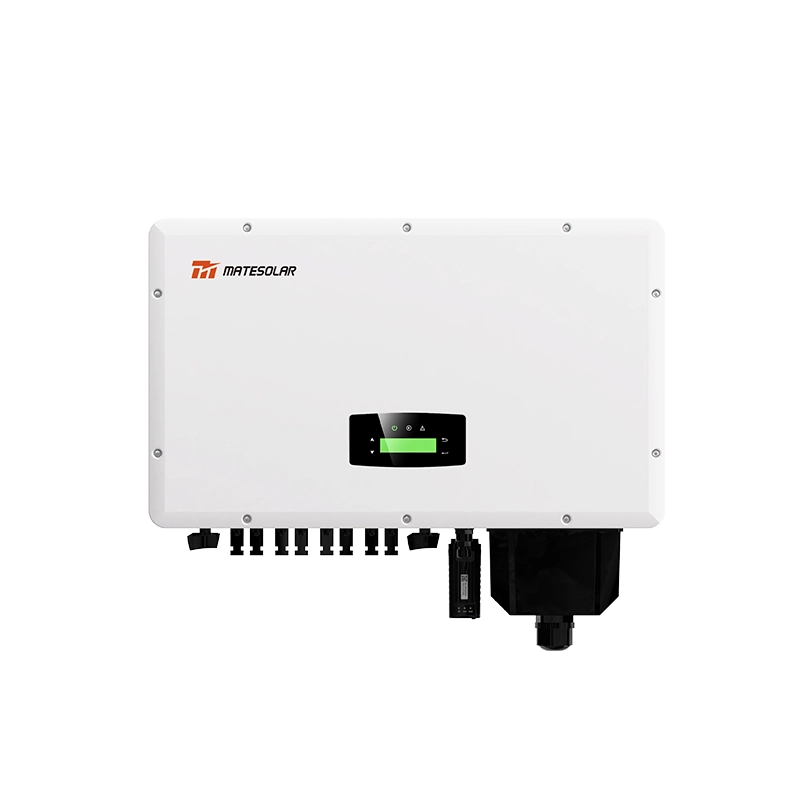
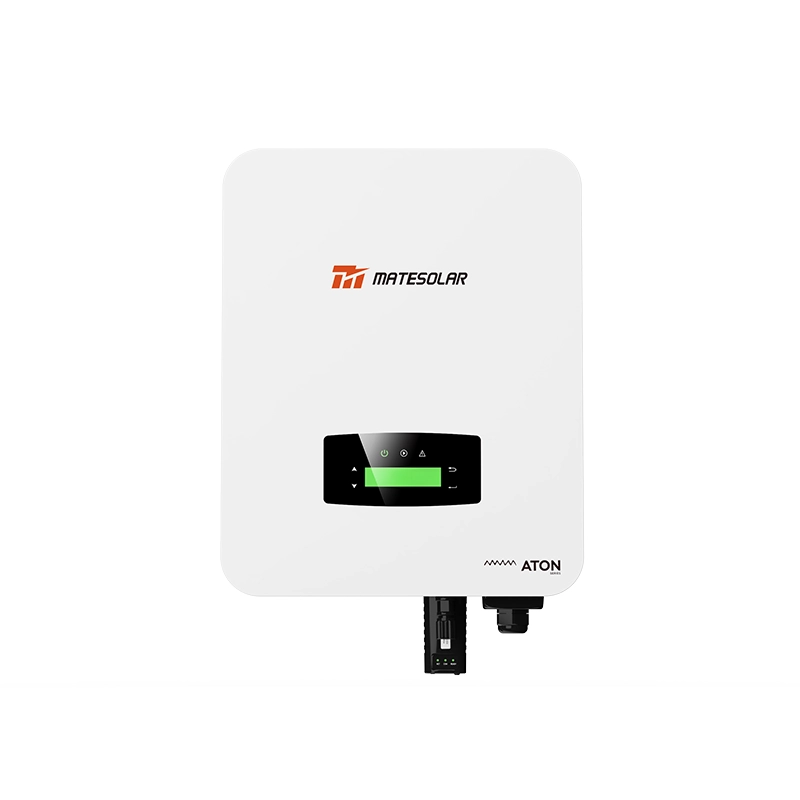
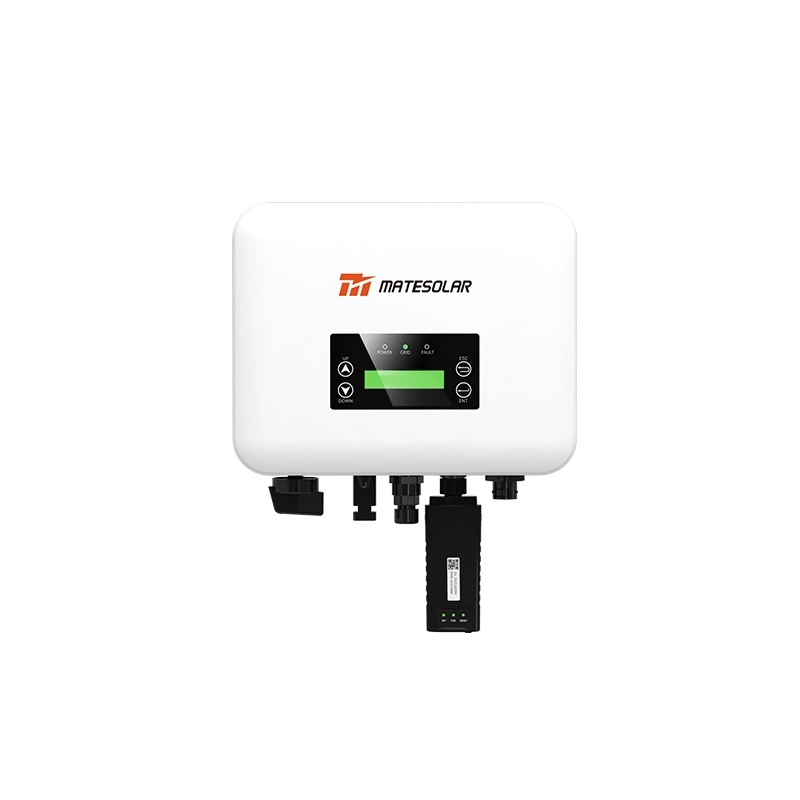


في الوقت الذي يواجه فيه أكبر سوق للكهرباء في أوروبا أزمة في توصيل الشبكات، تبرز أنظمة تخزين الطاقة المشتركة (ESS) باعتبارها الطريق الحاسم لإطلاق إمكانات الطاقة الشمسية وتعظيم الإيرادات وضمان استقرار النظام. يتعمق هذا التحليل الشامل في الضرورات الاستراتيجية والتقنية والتنظيمية للنجاح في العصر الجديد لأصول الطاقة المتكاملة.
نُشر في 11 فبراير 2026
1. ملخص تنفيذي: التحول الحتمي إلى الموقع المشترك
يمر مشهد الطاقة في ألمانيا بمنعطف محوري. مع قدرة مذهلة تبلغ 104 جيجاوات من الطاقة الشمسية في ظل الديناميكيات العميقة للسوق، اصطدم النموذج التقليدي لنشر أنظمة تخزين الطاقة المستقلة واسعة النطاق للبطاريات (BESS) بحاجز أساسي: استنفاد نقاط التوصيل بالشبكة. هناك أكثر من 78 جيجاوات من المشاريع المعتمدة في قائمة الانتظار، مما يعني احتكار سعة الشبكة المتاحة حتى عام 2030 تقريباً. يتزامن هذا الانغلاق في الشبكة مع حاجة السوق الملحة: فقد انخفضت معدلات التقاط الطاقة الشمسية من 981 تيرابايت 3 تيرابايت 3 تيرابايت في عام 2022 إلى حوالي 541 تيرابايت 3 تيرابايت في عام 2025 بسبب تفكك الأسعار في منتصف النهار, مما يهدد اقتصاديات المحطات الكهروضوئية الحالية والجديدة على حد سواء.
هذا التقارب بين التحديات يحفز تحولًا نهائيًا في السوق من الإعانات التي تحركها السياسات إلى التحسين المتطور القائم على السوق. ويتمثل الحل، الذي يكتسب هيمنة سريعة، في الاشتراك في تخزين البطاريات مع الطاقة الشمسية الكهروضوئية (PV+BESS). من خلال مشاركة توصيل شبكة واحدة، تتجاوز هذه المشاريع الهجينة قائمة انتظار التوصيل، وتعزز الاستفادة من البنية التحتية القائمة، وتحول تقليص الطاقة الشمسية من خسارة في الإيرادات إلى فرصة لخلق القيمة. وبدعم من اللوائح التنظيمية المتطورة مثل إطار عمل MiSpeL (تكامل السوق لأنظمة التخزين ونقاط الشحن), التي تتيح نماذج التشغيل "الرمادية والخضراء" الهجينة، لم يعد الاشتراك في موقع واحد بديلاً بل أصبح ضرورة لتطوير الطاقة المتجددة المربحة والمرنة للشبكة في ألمانيا.
2. حتمية السوق الألمانية: النمو، والجمود، وتقلب الأسعار
ألمانيا ليست مجرد أكبر سوق للكهرباء في أوروبا؛ بل هي الأكثر ديناميكية وتعقيدًا. فقد شهد أسطول محطات توليد الطاقة الكهربائية المدمجة نموًا قياسيًا في عام 2025، حيث أضاف 842 ميجاوات ليصل إلى 2.4 جيجاوات, مع وجود خط أنابيب يشير إلى إمكانية زيادة السعة بمقدار ثلاثة أضعاف. ومع ذلك، فإن هذا النمو مقيد بشكل متزايد ليس بالتكنولوجيا أو رأس المال، ولكن بالوصول إلى الشبكة.
عنق زجاجة توصيل الشبكة: التوقف الصعب للوصلة الثابتة المستقلة
لقد اختفت فعليًا فرصة إقامة مشروعات تخزين مستقلة جديدة على نطاق جيجاوات تسعى للحصول على اتفاقيات ربط ثابتة بالشبكة لهذا العقد. لدى مشغلي نظم النقل والتوزيع (TSOs/DSOs) قدرة محدودة على دمج أصول جديدة واسعة النطاق لشحن الشبكة. وقد أدى ذلك إلى ظهور اتفاقيات التوصيل المرنة (FCAs)، والتي توفر وصولاً أسرع مقابل قبول القيود التشغيلية مثل الحدود القصوى للاستيراد/التصدير أو حدود معدل الانحدار. وعلى الرغم من تمكين النشر، إلا أن هذه القيود يمكن أن تقلل من عائدات عمر نظام الشحن المرن بمقدار 10-13%, تآكل عوائد المشروع.
أزمة التفكيك الشمسي وفرصة المراجحة في مجال الطاقة الشمسية
نجاح ألمانيا Energiewende قد خلق تحديًا جديدًا. في الأيام المشمسة، يغمر فائض توليد الطاقة الشمسية الشبكة، مما يؤدي إلى انخفاض الأسعار اليومية أو إلى أدنى مستوياتها. اتسع الفارق بين الأسعار المنخفضة في منتصف النهار والقمم المسائية المرتفعة من 30 يورو/ميغاواط ساعة في عام 2019 إلى أكثر من 130 يورو/ميغاواط ساعة في عام 2024. بالنسبة لأصل شمسي خالص، يعني ذلك انخفاضًا حادًا في الإيرادات. أما بالنسبة للأصول المقترنة بالتخزين، فإنها تمثل فرصة المراجحة الأساسية: التقاط الطاقة الشمسية الرخيصة أو ذات الأسعار السلبية وإرسالها خلال فترات ارتفاع الأسعار.
الجدول 1: التحدي المزدوج للسوق الألمانية: قيود الشبكة مقابل تقلبات الأسعار
3. التخزين المشترك: الحل النهائي للأسواق غير المربوطة بالشبكة
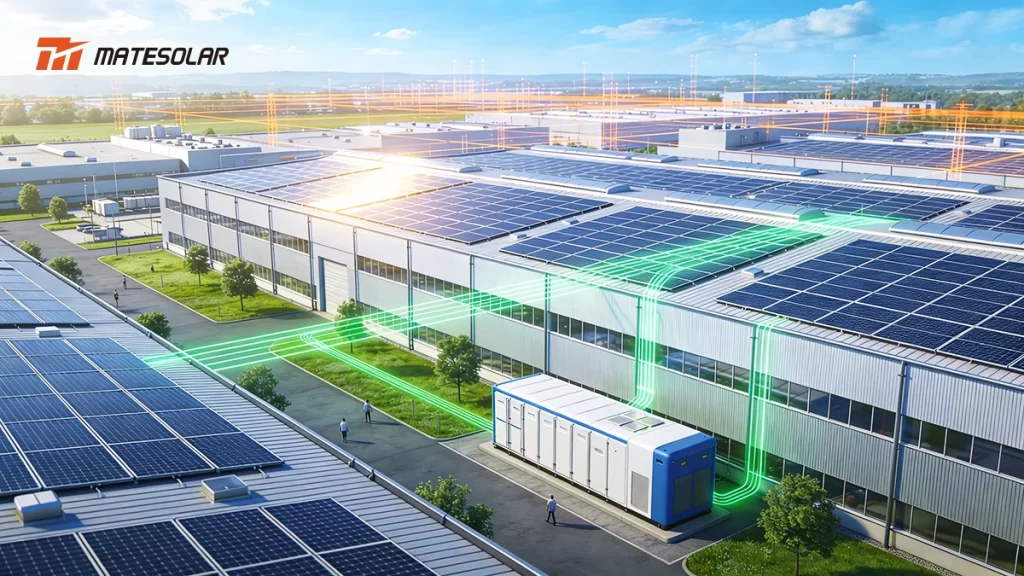
يشير التشارك في الموقع إلى الاقتران الاستراتيجي بين نظام تخزين الطاقة الكهربائية مع أحد أصول التوليد، عادةً ما تكون الطاقة الشمسية الكهروضوئية، على نقطة اتصال مشتركة بالشبكة. وهو يعالج معضلة المستخدم الأساسية: كيفية إضافة التخزين إلى محطة طاقة شمسية كهروضوئية جديدة أو قائمة لتجنب ازدحام الشبكة ومنع تقليصها وزيادة العوائد.
جرينفيلد مقابل براونفيلد: مساران استراتيجيان
- الموقع المشترك لحقل براونفيلد (التعديل التحديثي): إضافة بيس إلى محطة كهروضوئية تعمل بالفعل. وغالبًا ما يكون هذا هو أسرع طريق إلى السوق، مما يزيد من استخدام وصلة الشبكة القائمة. وتكمن القيمة الأساسية في تحسين إنتاج الطاقة الشمسية، والحد من تقليص الطاقة الشمسية، والمشاركة في الأسواق باستخدام الطاقة الشمسية المخزنة.
- الموقع المشترك في الحقول الخضراء: تطوير مشروع جديد ومتكامل للطاقة الكهروضوئية + الطاقة الشمسية + الطاقة الشمسية المدمجة من الألف إلى الياء. وهذا يسمح بتحديد الحجم الأمثل، واختيار التكنولوجيا، وتصميم النظام (على سبيل المثال، اقتران التيار المتردد مقابل التيار المستمر) لاستهداف تدفقات إيرادات محددة منذ البداية.
النماذج التشغيلية: الأخضر، والرمادي، والهجين الثوري
وتحدد القواعد التشغيلية التي تحكم مصدر شحن النظام الأساسي للمصارف التجارية إمكانية تحقيق الإيرادات والمعاملة التنظيمية.
1. التخزين الأخضر (التفريغ فقط): لا يجوز شحن نظام التخزين الأخضر إلا من المصفوفة الكهروضوئية المشتركة. ولا يمكنها سحب الطاقة من الشبكة. غالبًا ما يتجاوز هذا النموذج طوابير الشبكة بالكامل ولكنه مقيد من الناحية التشغيلية، مما يحد من المشاركة في الأسواق مثل FCR و aFRR الكامل، مما يؤدي إلى عوائد أقل (IRRs ~ 6%).
2. التخزين الرمادي (الشحن من الشبكة): يمكن شحن نظام التخزين الرمادي من كل من الطاقة الكهروضوئية والشبكة. ويوفر ذلك أقصى قدر من المرونة التشغيلية، مما يتيح المشاركة الكاملة في جميع أسواق الجملة وأسواق الموازنة، مع عوائد (12-14% IRR) تقترب من عوائد الأصول المستقلة. يعد تأمين توصيل الشبكة لهذا النموذج هو التحدي الأساسي الآن.
3. النموذج الهجين (في إطار قانون MiSpeL): تعد قواعد MiSpeL القادمة بمثابة تغيير لقواعد اللعبة. فهي ستسمح لنظام تخزين واحد بالتبديل ديناميكيًا بين الوضعين "الأخضر" و"الرمادي". على سبيل المثال، يمكن أن تعمل كطاقة "خضراء" لكسب علاوة على الطاقة الشمسية، ثم تتحول إلى "رمادية" لأداء خدمات استقرار الشبكة في الليل. ومن شأن هذا النهج "الأفضل في كلا العالمين" أن يطلق قيمة جديدة كبيرة.
*الجدول 2: تحليل مقارن للنماذج التشغيلية للمواقع المشتركة*
| الطراز | متطلبات الوصول إلى الشبكة | تدفقات الإيرادات الرئيسية | المزايا | العيوب | معدل العائد الداخلي النموذجي للمشروع |
| أخضر (التفريغ فقط) | الحد الأدنى؛ وغالباً ما تستخدم الوصلة الكهروضوئية الحالية. | المراجحة في الطاقة الشمسية، ومحدودية AFRR (إيجابية)، وعلاوة المناقصة الابتكارية. | أسرع عملية نشر، وتجنب طابور الشبكة، ومؤهل للحصول على إعانات محددة. | تشغيل مقيد بشدة، وإمكانات إيرادات أقل. | ~حوالي 6% (حتى 13% تقريبًا مع مناقصة الابتكار) |
| الرمادي (شحن الشبكة) | اتفاقية اتصال جديدة أو موسعة. | المراجحة الكاملة، وFCR، وAFRR، وMFRR، والقصور الذاتي. | أقصى قدر من الإيرادات المحتملة، وإمكانية خدمة الشبكة الكاملة. | التوصيل بالشبكة نادر وبطيء؛ قد يتطلب توصيل الشبكة مع وجود قيود. | 12-14% |
| هجين (MiSpeL) | على الأرجح بناءً على الاتصال الأساسي. | تكديس ديناميكي لجميع التدفقات الخضراء والرمادية. | تعظيم القيمة لكل ميجاوات ساعة؛ التكيف مع إشارات السوق؛ مقاومة للمستقبل. | تعقيدات تنظيمية؛ تتطلب نظام إدارة بيئي متطور. | من المتوقع أن تكون الأعلى |
4. حزمة القيمة: تعظيم الإيرادات في بيئة متعددة الأسواق
تتوقف ربحية البطارية ذات الموقع المشترك على استراتيجية تحسين الإيرادات متعددة الأسواق. يجب أن يقوم نظام إدارة الطاقة المتطور (EMS) بتخصيص سعة البطارية بشكل ديناميكي للفرصة الأعلى قيمة في كل لحظة.
1. الأسواق الأساسية لـ BESS الألمانية:
- التحكيم بالجملة (التحكيم اليومي واليومي): الأساس. تحويل الطاقة الشمسية من فترات الأسعار المنخفضة إلى فترات الأسعار المرتفعة. السوق اليومية في ألمانيا هي الأكثر سيولة في أوروبا، مع التقلبات الشديدة التي تقدم مكافآت عالية.
- تنظيم التردد (FCR & aFRR): الخدمات التقليدية عالية القيمة. في حين أن الأسواق آخذة في الانضغاط، إلا أنها تظل مهمة للإيرادات الأساسية.
- احتياطي استعادة التردد اليدوي (mFRR) والقصور الذاتي: الحدود الجديدة. اعتبارًا من عام 2026، سيُفتح منتج جديد قائم على السوق لشراء احتياطي استعادة التردد بالقصور الذاتي (mFRR) يقدم 8 آلاف يورو - 17 ألف يورو لكل ميجاوات سنويًا للبطاريات المزودة بمحولات تشكيل الشبكة. وهذا يمثل إضافة إيرادات كبيرة حساسة للموقع.
2. الدور الحاسم لتصميم النظام وتحديد حجمه:
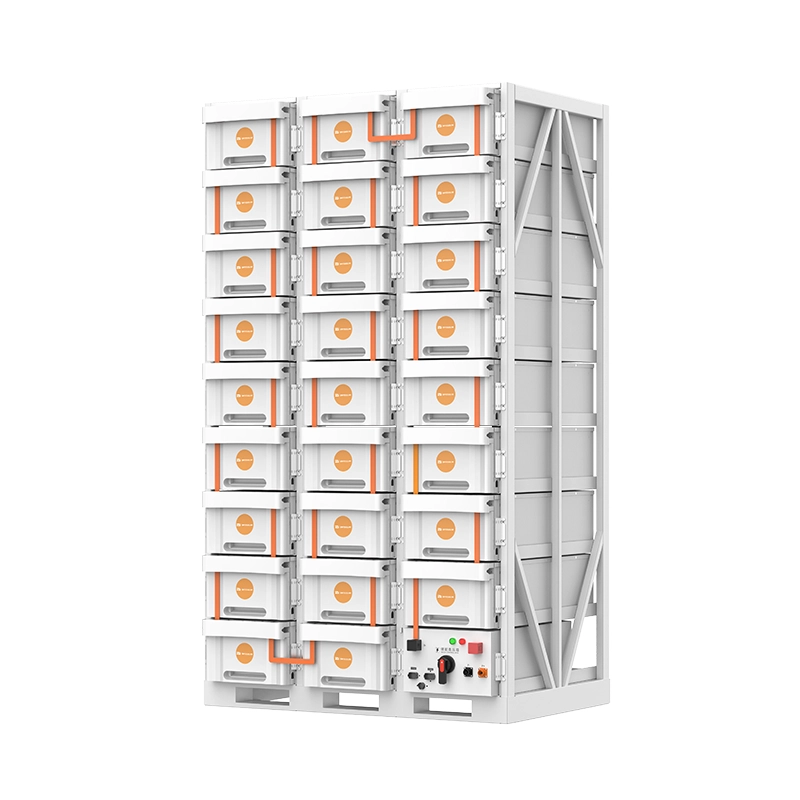
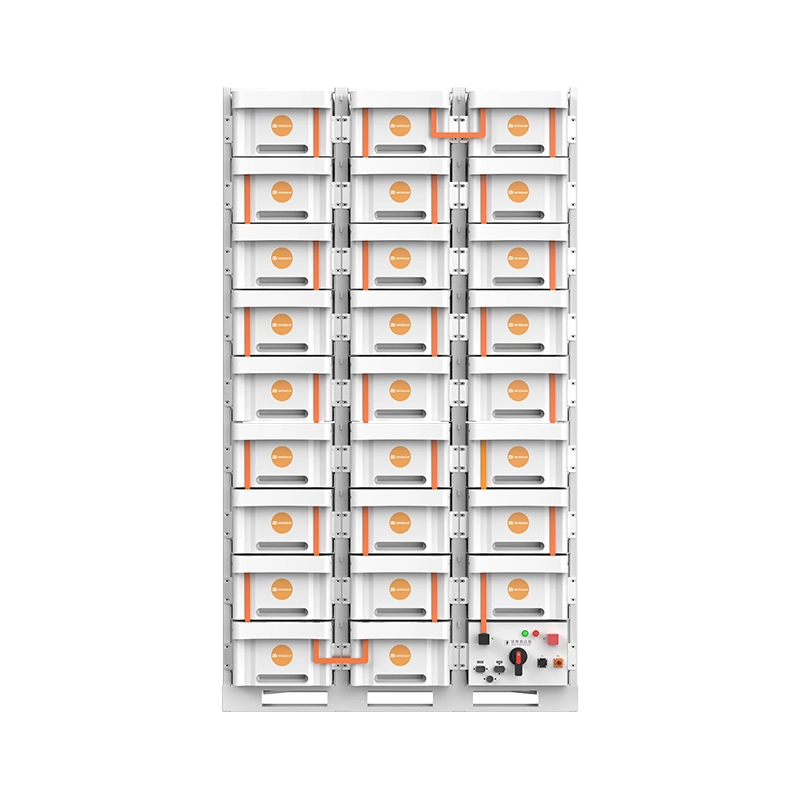
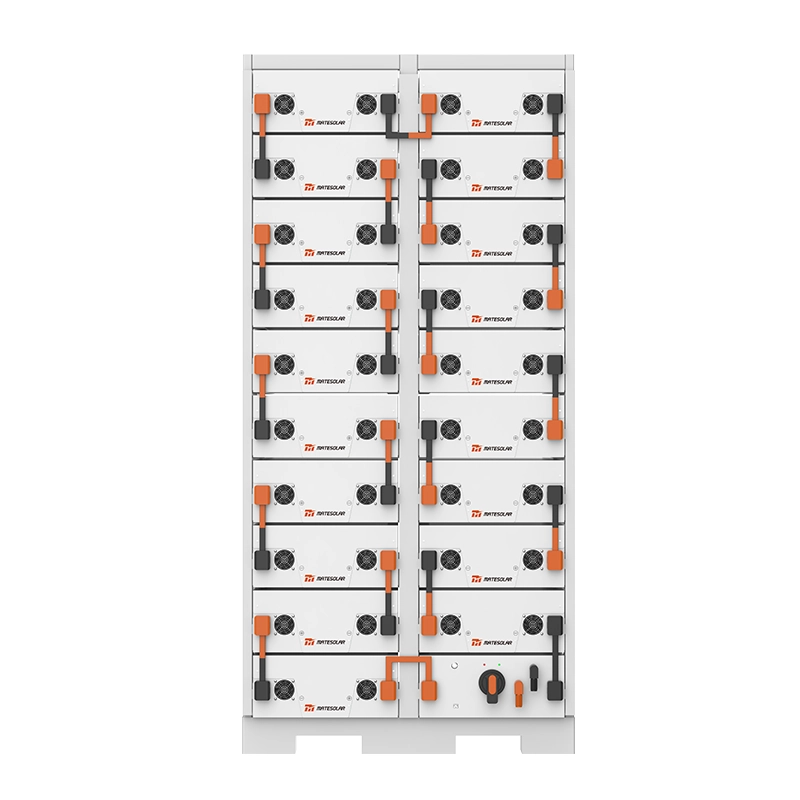
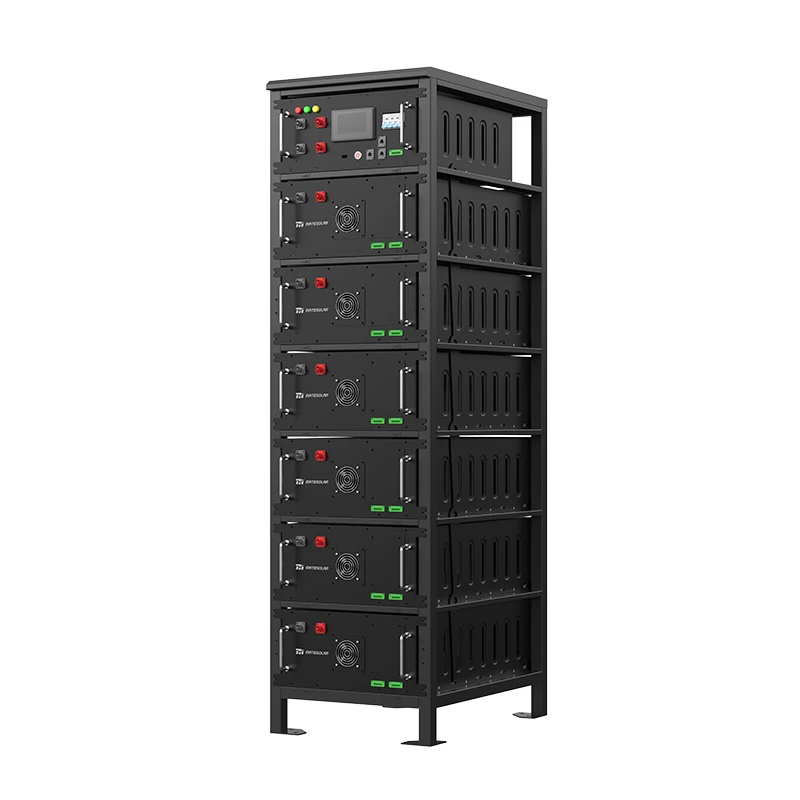
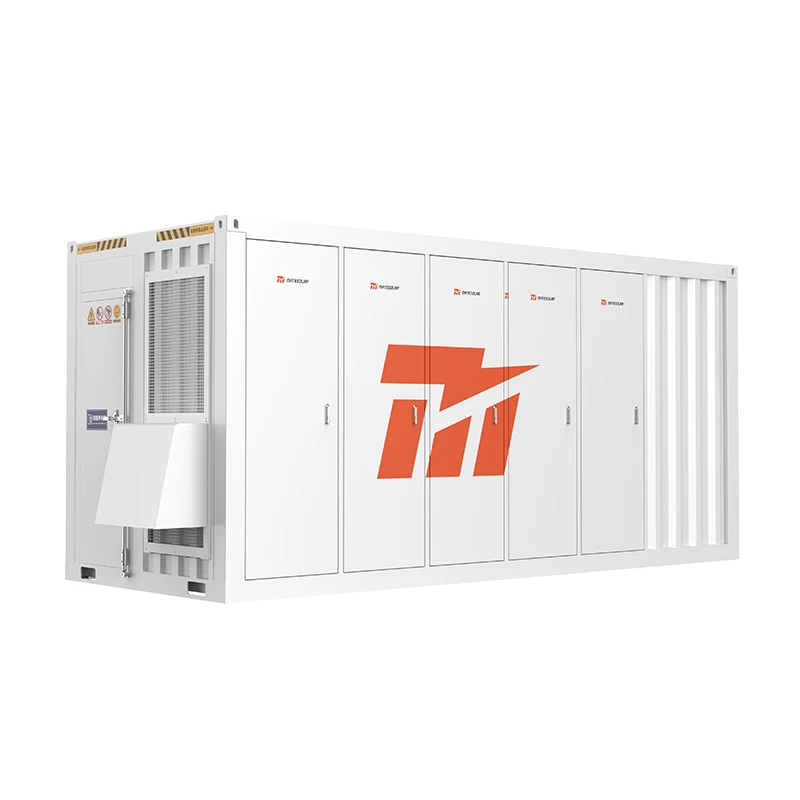
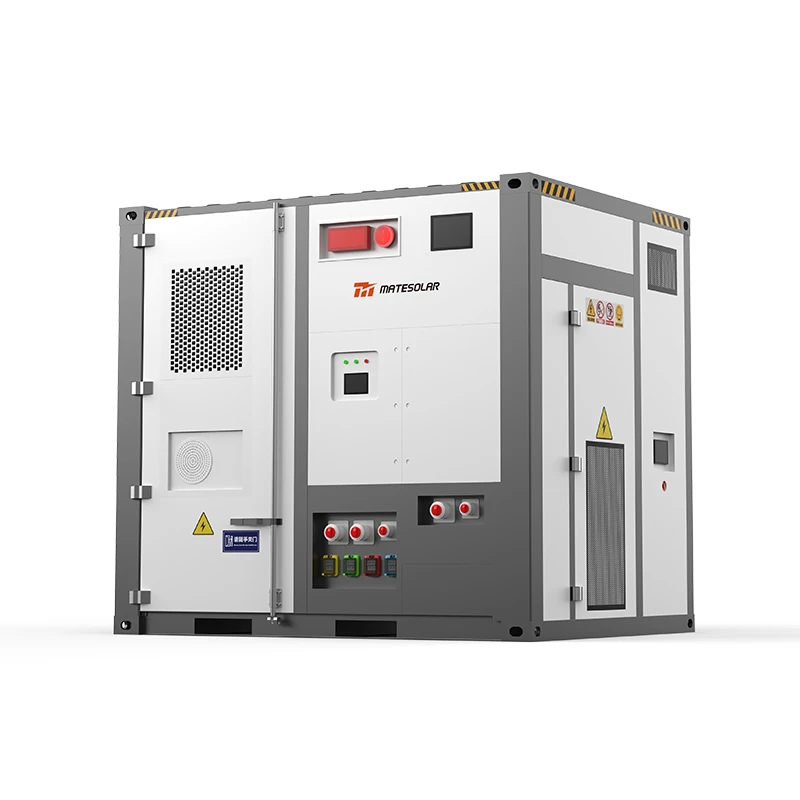
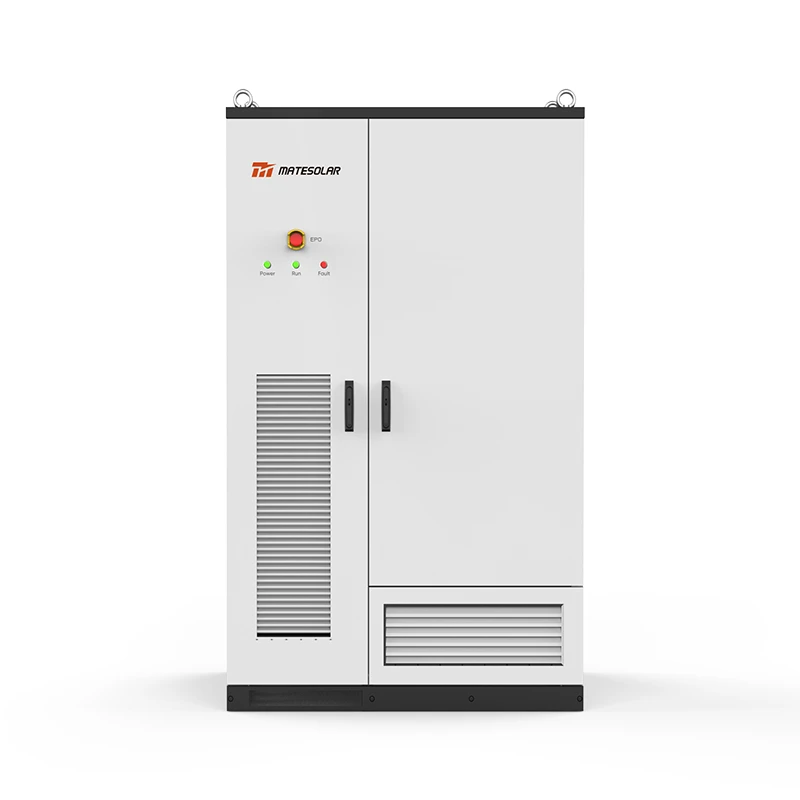
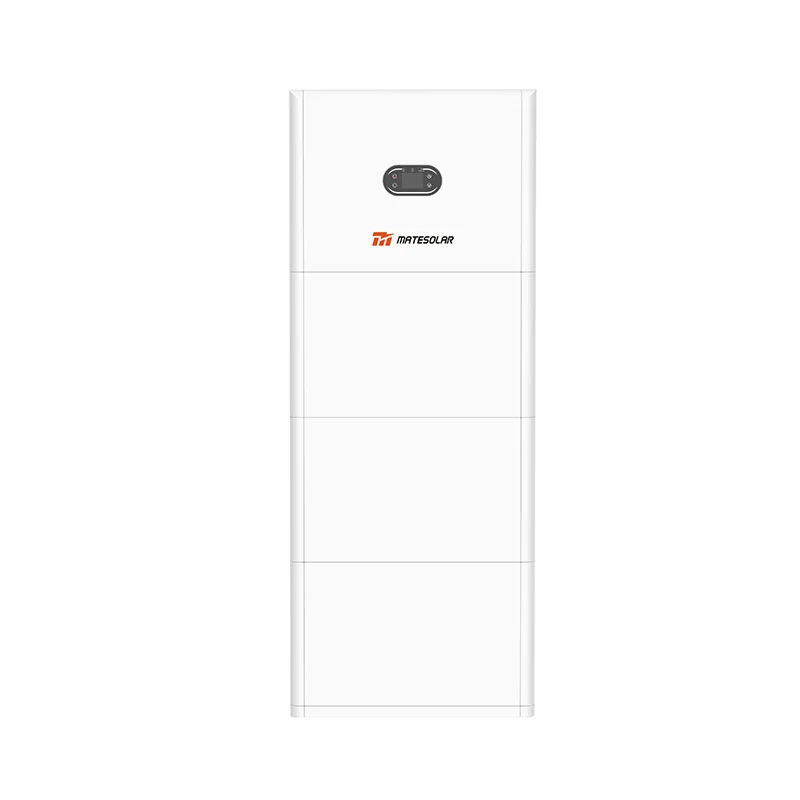
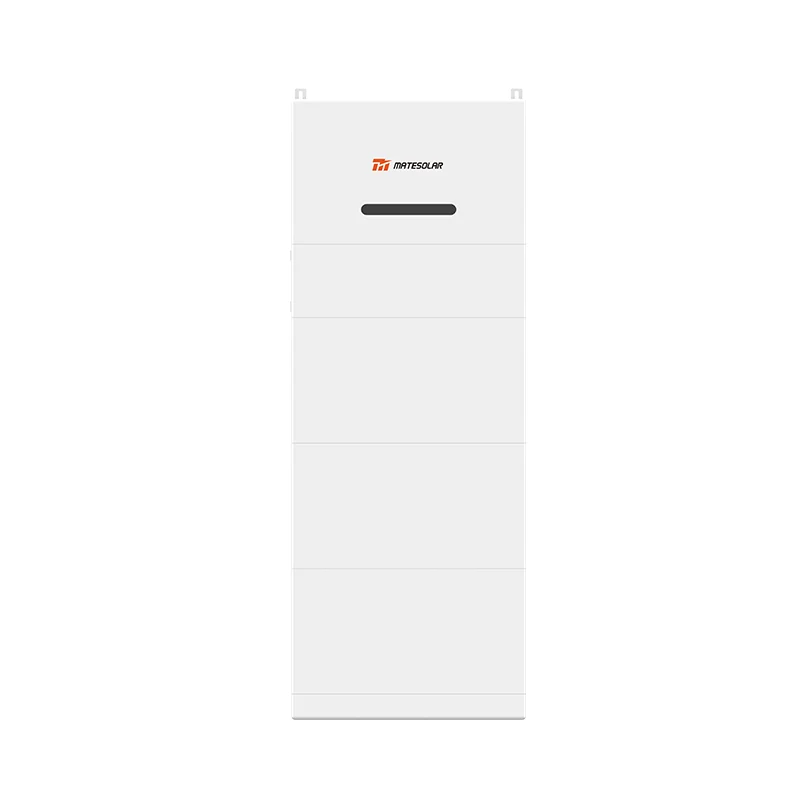
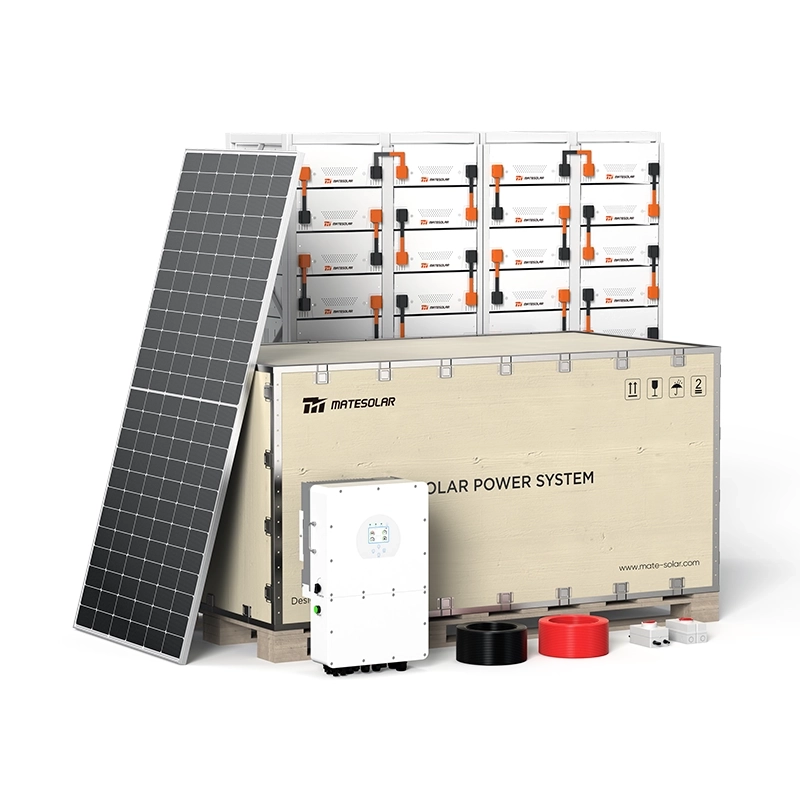
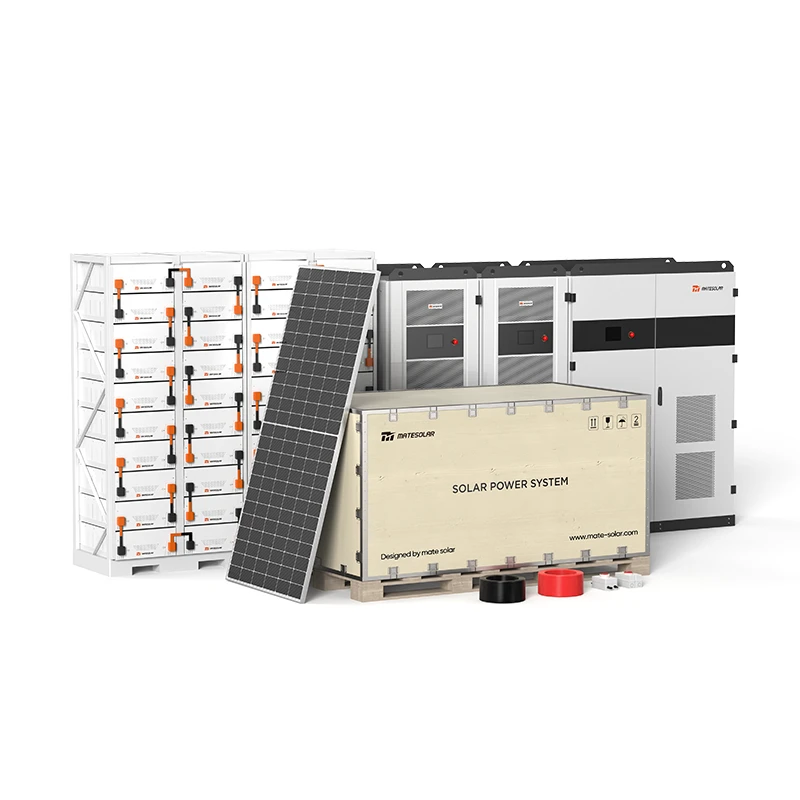
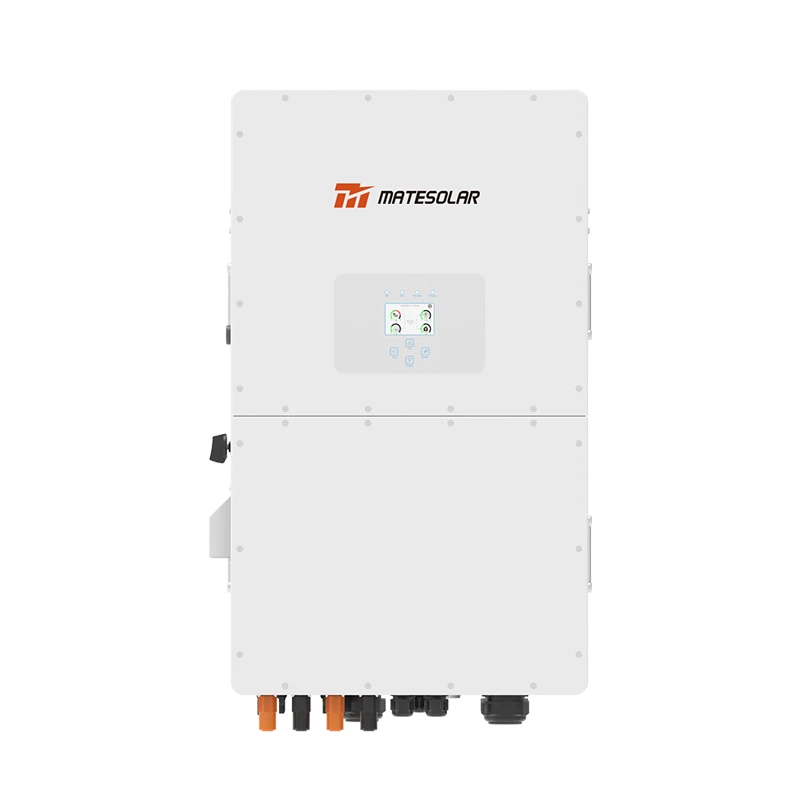
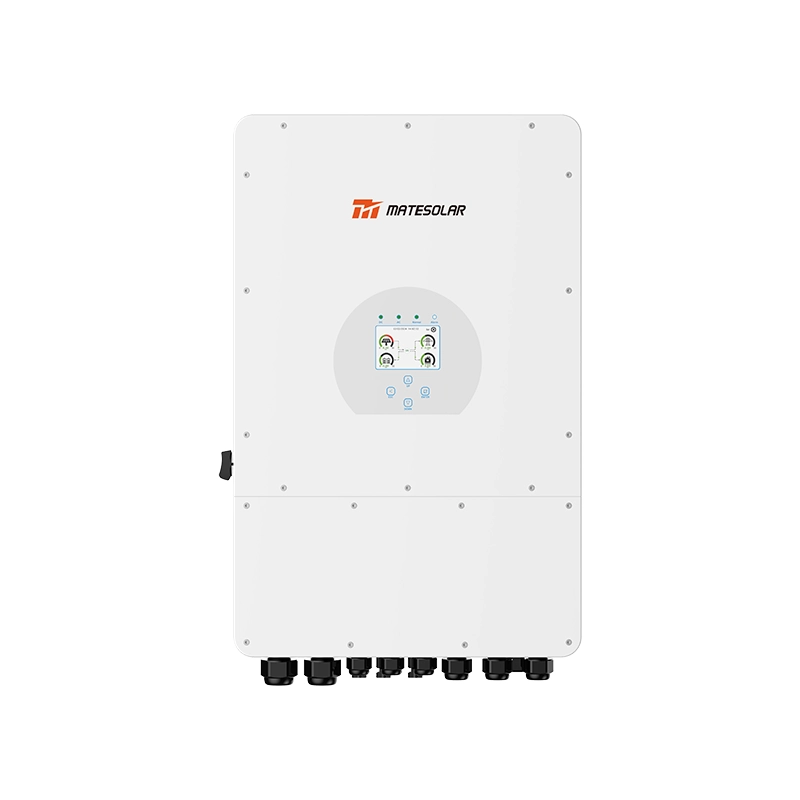
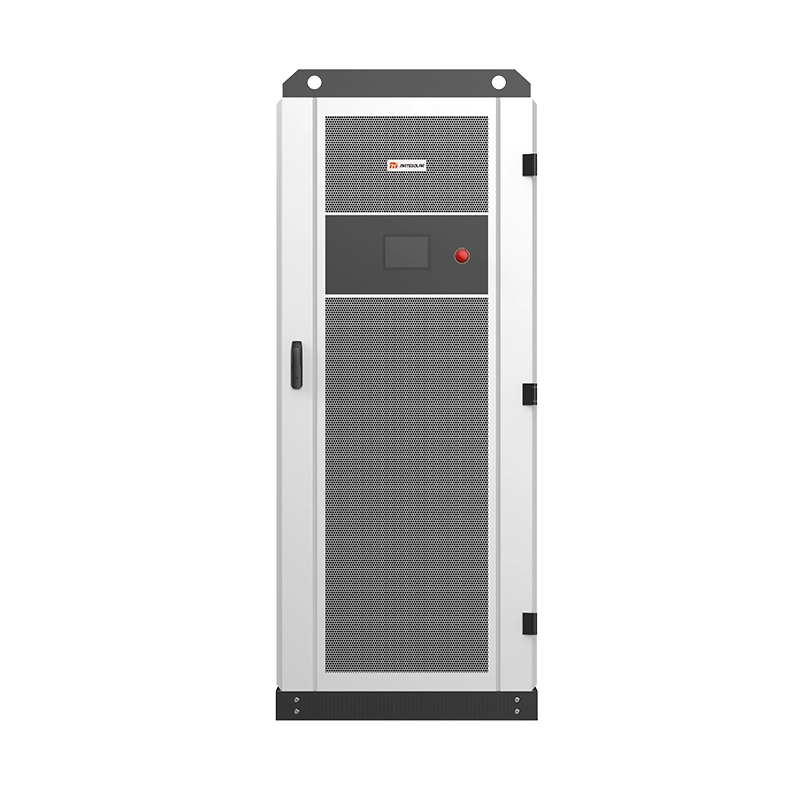
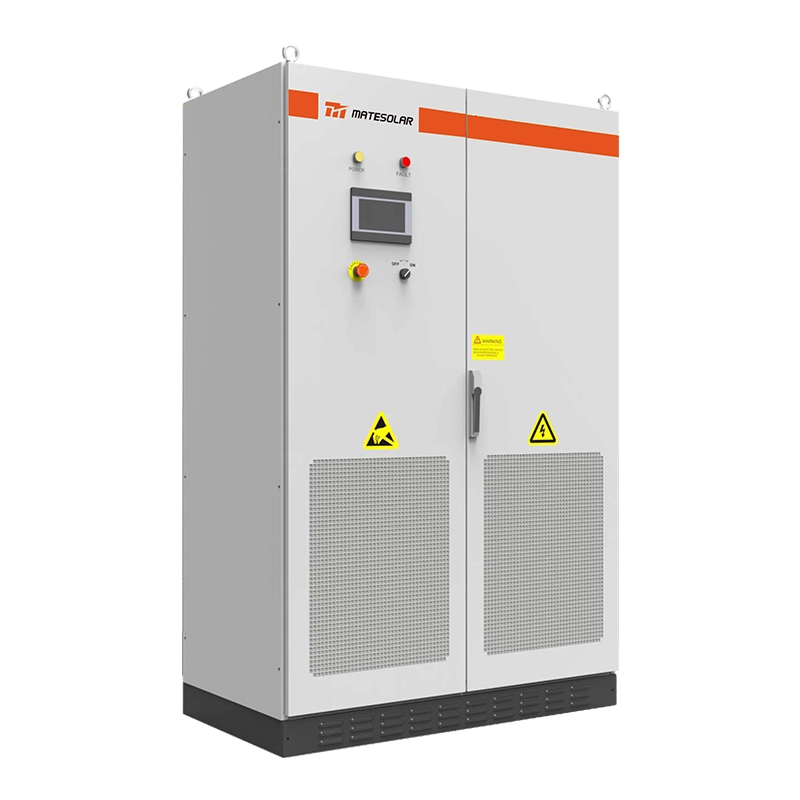
ويؤثر الاختيار بين الأنظمة المقترنة بالتيار المتردد والأنظمة المقترنة بالتيار المستمر، ومدة التخزين، تأثيرًا مباشرًا على مزيج الإيرادات. وفي حين هيمنت الأنظمة ذات الساعة الواحدة على عمليات الإنشاء المبكرة، فإن الاتجاه يتجه بشكل حاسم نحو أنظمة الساعتين وحتى 4 ساعات للحصول على فروق أسعار أطول مدة وتوفير المزيد من خدمات الشبكة. بالنسبة للتطبيقات الصناعية وتطبيقات المرافق على نطاق واسع، توفر الحلول الموضوعة في حاويات التوازن المثالي بين الطاقة وكثافة الطاقة وقابلية النشر. على سبيل المثال، تُعد حاوية ESS المبردة بالهواء المبردة بالهواء (40 قدمًا) (1-2 ميجاوات/ساعة) مثالية للنشر السريع في المواقع ذات المساحات الخضراء، بينما تعمل أنظمة ESS لحاويات التبريد السائل عالية الكثافة (20 قدمًا) (3-5 ميجاوات/ساعة) على زيادة تخزين الطاقة إلى أقصى حد في مساحة صغيرة للمشاريع العملاقة في الحقول الخضراء. يمكنك استكشاف حلول قوية على مستوى المرافق مثل نظام الطاقة الشمسية الهجين التجاري بقدرة 500 كيلوواط، المصمم للتكامل السلس بين الطاقة الكهروضوئية والطاقة الشمسية المتجددة.
5. دراسة حالة: مشروع جوبيتر - مخطط للمواقع المشتركة فائقة النطاق
توفر الصفقة الأخيرة التي شملت "مشروع جوبيتر" التابع لشركة WBS Power مخططًا ملموسًا للمستقبل. هذا المشروع، الذي تم بيعه إلى شركة Prime Capital AG في أواخر عام 2025، هو أكبر مشروع مشترك في ألمانيا حتى الآن: 500 ميجاوات/ 2000 ميجاوات ساعة من نظام الطاقة المتجددة بقدرة 2,000 ميجاوات ساعة مقترنة ب 150 ميجاوات من الطاقة الشمسية الكهروضوئية في مطار سابق في براندنبورغ.
الرؤى الاستراتيجية الرئيسية من المشروع:
- التوصيل المشترك للشبكة: ستتم تغذية كلا الأصلين بشبكة 380 كيلو فولت عبر نقطة توصيل واحدة، مما يجنب الحاجة إلى توصيل منفصل في قائمة الانتظار لشبكة نظام الربط الكهربائي.
- قيمة تتجاوز الطاقة: يشتمل المشروع أيضًا على خطط لإنشاء مركز بيانات فائق الحجم بقدرة 500 ميجاوات، مما يخلق حمولة أساسية "خلف العداد" ويوضح التآزر بين توليد الطاقة المتجددة والتخزين والبنية التحتية الرقمية.
- المشتريات المستقبلية: لتأمين موعد مبكر للربط بالشبكة، اتفق الشركاء على تسريع عملية الشراء الآجل للمواد التي طال انتظارها مثل المحولات, تسليط الضوء على أهمية الإدارة الاستباقية لسلسلة التوريد في بيئة مقيدة.
يجسد هذا المشروع كيف أن الموقع المشترك ليس مجرد حل بديل لمشكلات الشبكة، بل هو نموذج متفوق لتطوير بنية تحتية مرنة ومتعددة المصادر للطاقة.
6. تنفيذ استراتيجية الموقع المشترك: نهج تدريجي
يتطلب النجاح الانتقال من المفهوم إلى مشروع قابل للتمويل. وفيما يلي نهج منظم:
1. تقييم الموقع والشبكة: بالنسبة لمواقع الحقول الخضراء، قم بتحليل البيانات التاريخية لتقليص الطاقة الشمسية وبيانات تغذية الشبكة. بالنسبة للحقول الخضراء، قم بإجراء دراسات جدوى عميقة للشبكة. الانخراط مع مزود خدمة الشبكة/مقدم خدمات الطاقة في وقت مبكر لفهم خيارات وقيود تقييم الجدوى المالية.
2. النمذجة التقنية الاقتصادية: تحديد الحجم الأمثل لنظام دعم الطاقة الكهروضوئية على النحو الأمثل استنادًا إلى الملف الشخصي الكهروضوئي، وتدفقات الإيرادات المطلوبة (المراجحة مقابل الخدمات الإضافية)، وقيود الشبكة. نمذجة الأوضاع التشغيلية المختلفة (أخضر/رمادي/هجين) في إطار MiSpeL.
3. اختيار التكنولوجيا والشريك: اختر بين اقتران التيار المتردد أو التيار المستمر بناءً على العوامل التقنية والاقتصادية. اختر نظام إدارة الطاقة القادر على التحسين المتطور متعدد الأسواق. الشراكة مع مزود يقدم خدمات دورة حياة كاملة حقيقية، من التصميم والتمويل إلى التشغيل والصيانة على المدى الطويل وضمان الأداء.
4. التمويل وتكديس الإيرادات: هيكلة التمويل على أساس توقعات الإيرادات المختلطة. استكشاف آليات الدعم مثل مناقصات الابتكار للتكوينات الخضراء. وضع استراتيجية واضحة للمخاطرة التجارية أو المخاطر التجارية التي يمكن للمقرضين ضمانها.
7. الأسئلة الشائعة (FAQ)
س1: كثيراً ما يتم تقليص محطة الطاقة الكهروضوئية الحالية الخاصة بي. هل يمكن أن تحل إضافة التخزين هذه المشكلة وتكون مربحة؟
ج: بالتأكيد. هذه حالة استخدام رئيسية للموقع المشترك في الحقل البني. حيث يقوم نظام التخزين بالتقاط الطاقة التي كان من الممكن أن يتم تقليصها لولا ذلك، مما يتيح لك تحويلها إلى فترات أعلى سعراً. وهذا يحول مباشرة الإيرادات المفقودة إلى دخل جديد. تعتمد الربحية على درجة التقليص وفروق الأسعار المحققة والنموذج التشغيلي المختار. الخطوة الأولى هي التحليل التفصيلي الخاص بالموقع.
س2: كيف تغير لائحة MiSpeL القادمة حالة الأعمال التجارية للموقع المشترك؟
ج: نظام MiSpeL هو نظام تحويلي. فهو يبتعد عن التصنيف الجامد "الأخضر فقط" أو "الرمادي فقط". من خلال السماح بنماذج التشغيل المختلطة, ، يمكن لنظام تخزين واحد أن يكسب علاوة على الطاقة الشمسية المخزنة و المشاركة في أسواق خدمات الشبكة المربحة مع طاقة الشبكة. وتقلل هذه المرونة من مخاطر المشروع إلى حد كبير وتعزز العوائد المتوقعة، مما يجعل مشاريع الموقع المشترك أكثر قابلية للتمويل.
س3: ما هو الخطر الأكبر في تطوير مشروع مشترك للطاقة الكهروضوئية + الطاقة الشمسية + الطاقة الشمسية المتجددة في ألمانيا اليوم؟
ج: بالإضافة إلى تحدي التوصيل الشامل للشبكة، فإن الخطر الرئيسي هو عدم اليقين بشأن نموذج الإيرادات. فالسوق يتحول بسرعة من مدفوعات الخدمات الإضافية المستقرة إلى المراجحة التي يحركها التجار. وهذا يتطلب استراتيجيات تشغيلية أكثر تطوراً وينطوي على مخاطر سوقية أعلى. يكمن التخفيف من هذه المخاطر في منصات التداول المتقدمة التي تعمل بالذكاء الاصطناعي، والتخزين لفترات أطول لاغتنام المزيد من الفرص، وربما التحوط الجزئي للإيرادات من خلال اتفاقيات شراء الطاقة مع الشركات.
س4: هل هناك حلول موحدة وقابلة للتطوير لتسريع الجداول الزمنية للمشروع؟
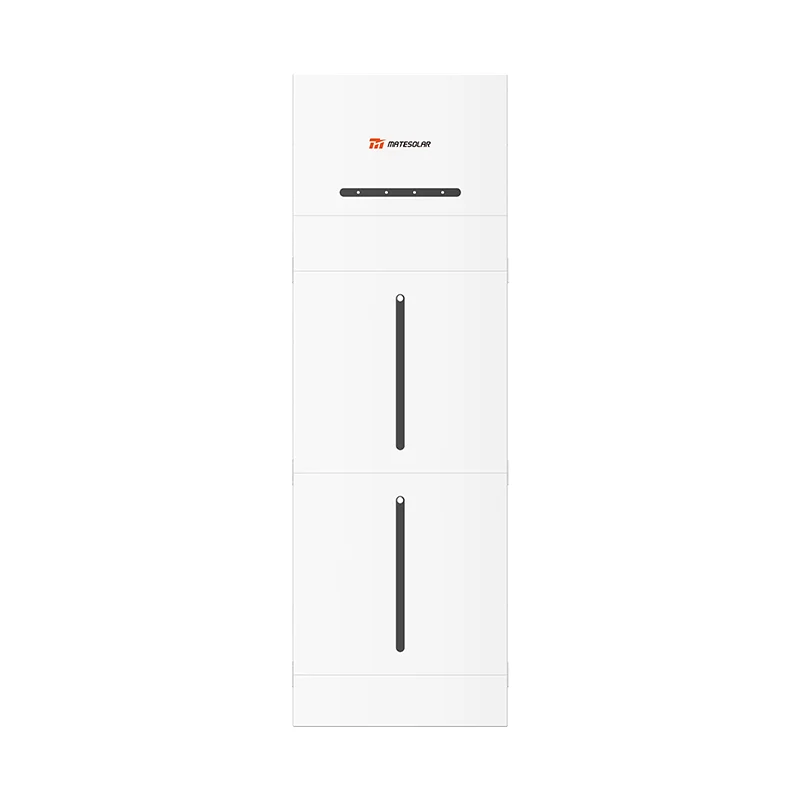
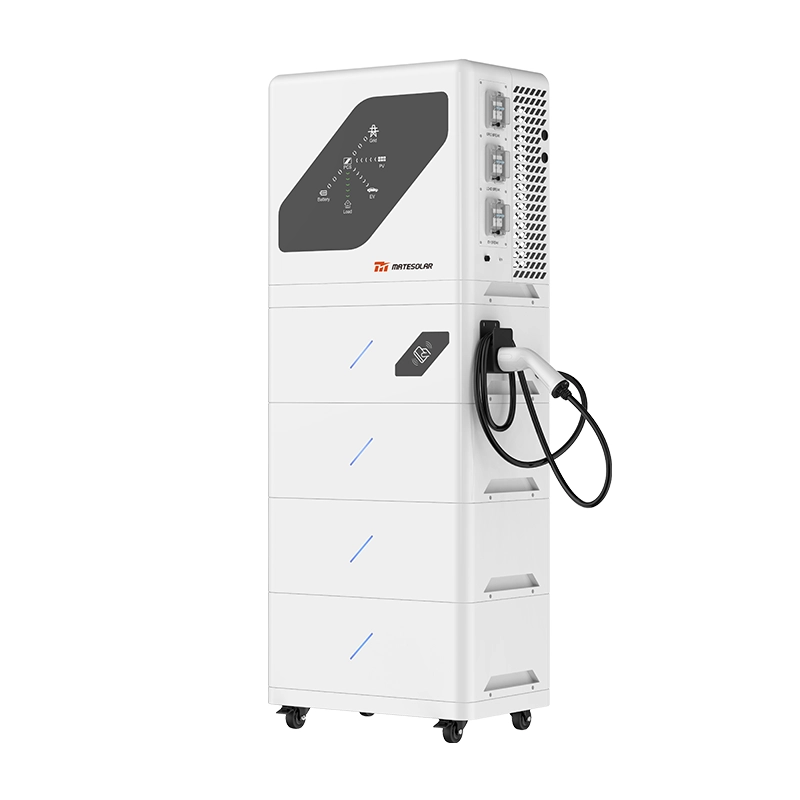
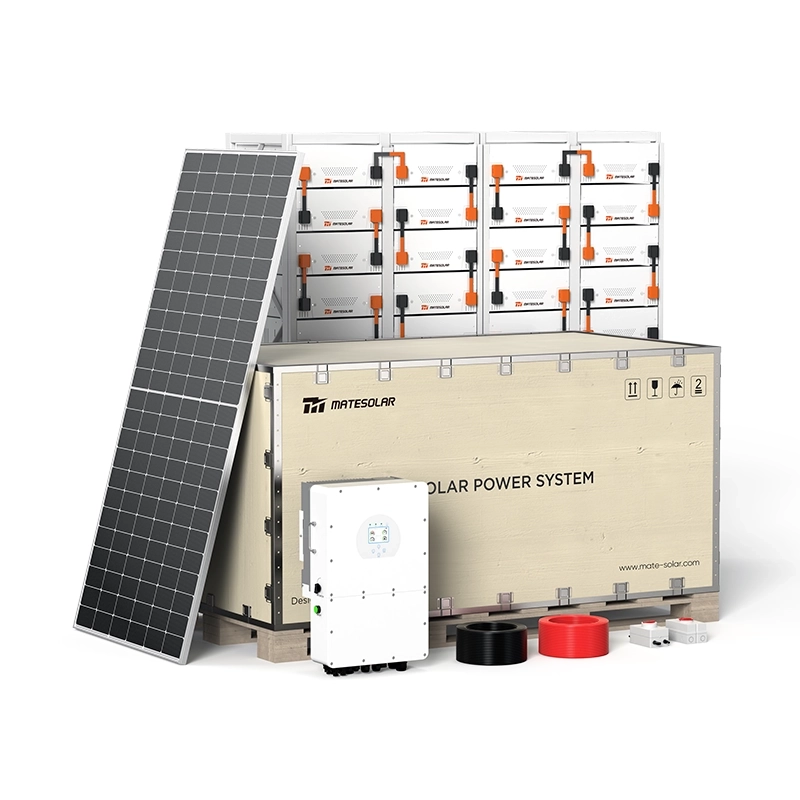
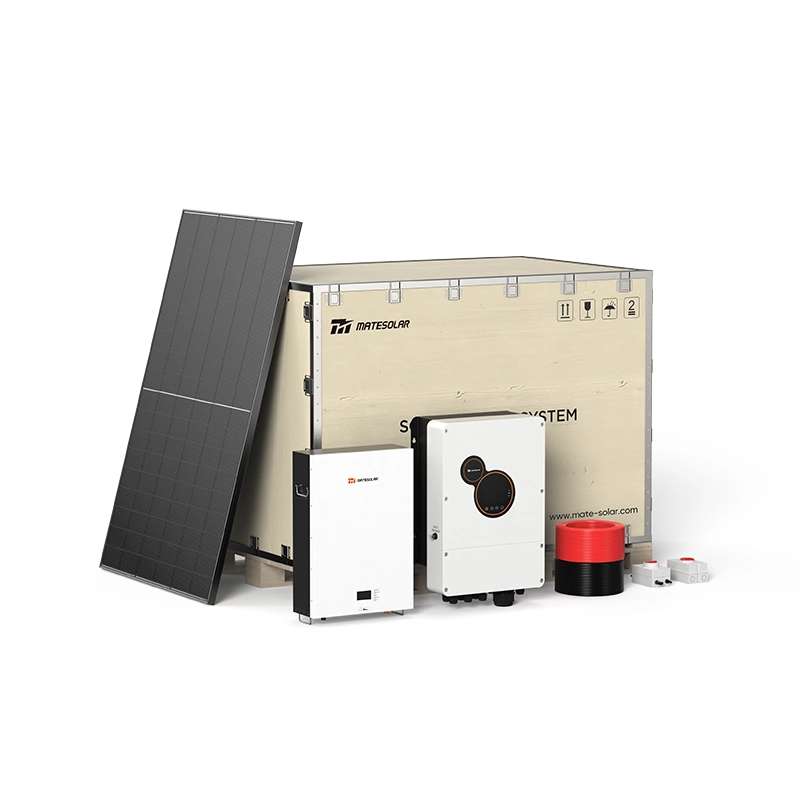
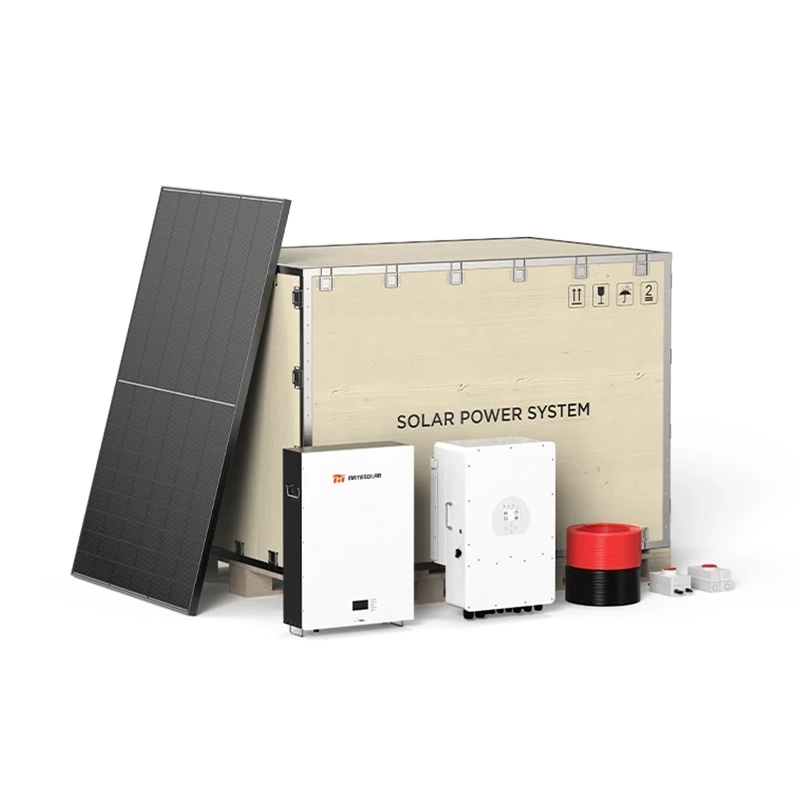
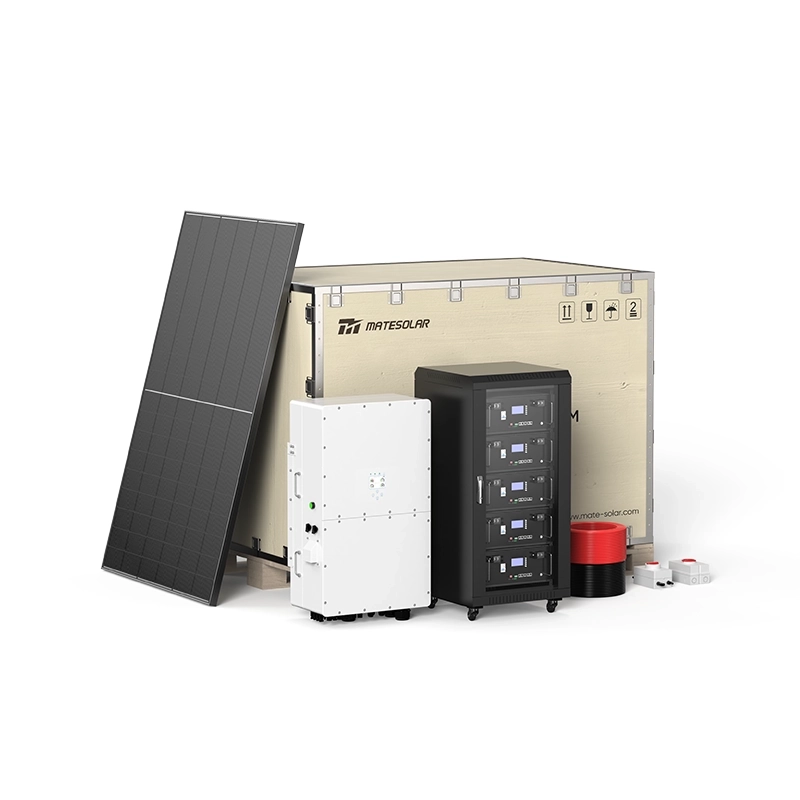
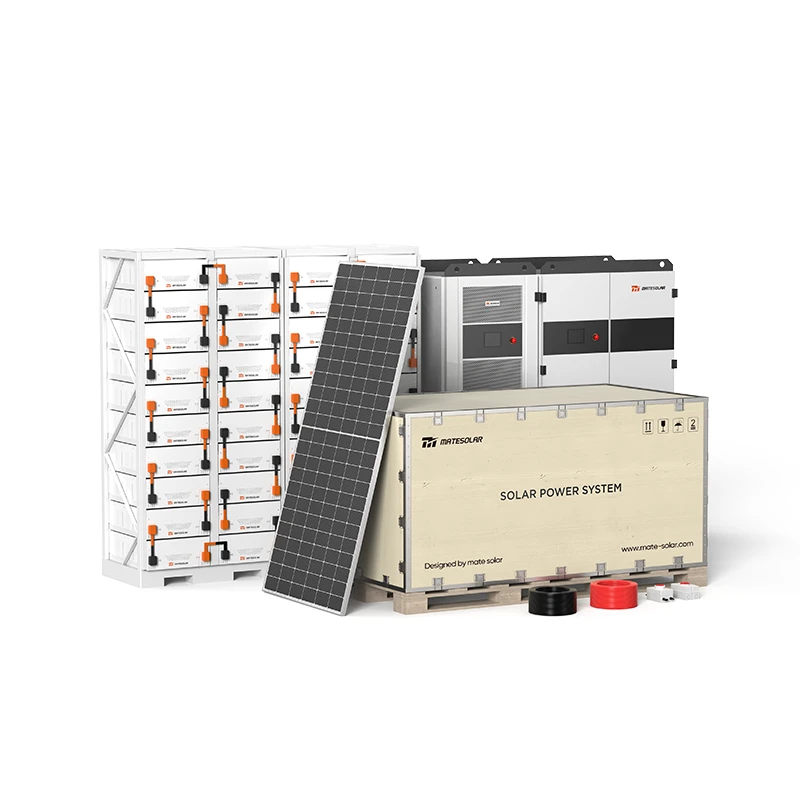
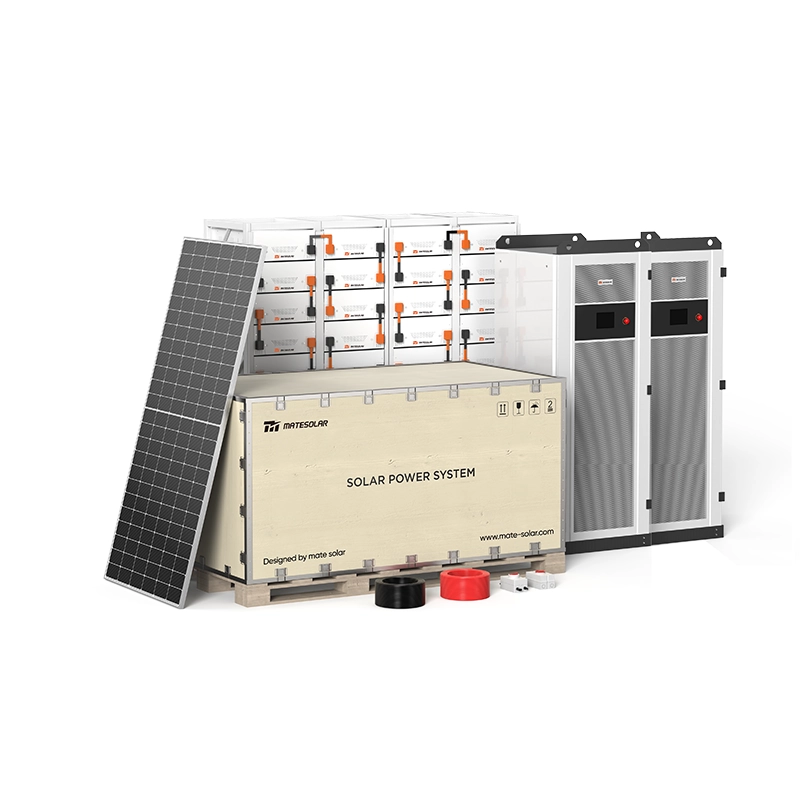
ج: نعم. تتحرك الصناعة نحو حلول التخزين المصممة مسبقاً والمجهزة في حاويات والتي تقلل بشكل كبير من وقت البناء والتعقيد في الموقع. بالنسبة للحلول الشاملة التي تدمج التوليد والتخزين منذ البداية، فكّر في استكشاف مجموعة أنظمة تخزين الطاقة الشمسية الكهروضوئية المخصصة لدينا، والتي تم تصميمها من أجل قابلية التوسع والنشر السريع.
8. الخاتمة: المستقبل المتكامل الآن
يفسح عصر مشاريع الطاقة المستقلة ذات الأصل الواحد في ألمانيا المجال لنموذج جديد من مراكز الطاقة المتكاملة متعددة الوظائف. وتُعد الطاقة الشمسية والتخزين المشترك في موقع واحد حجر الزاوية في هذا التحول. إنها استجابة مباشرة ومجدية تجاريًا لاختناقات الشبكة وتفكيك الطاقة الشمسية والحاجة المتزايدة لخدمات استقرار الشبكة.
المستقبل ينتمي إلى المشاريع التي يمكنها تحسين قيمتها بشكل ديناميكي عبر التوليد والتخزين والاستهلاك. وسيعتمد النجاح على الخبرة العميقة في السوق، وتكنولوجيا التحسين المتطورة، والشركاء الذين يمكنهم التنقل في دورة حياة المشروع الكاملة - بدءًا من التصميم النظري والتفاوض على الشبكة إلى إدارة الأصول طويلة الأجل القائمة على الذكاء الاصطناعي.
ونحن في ماتيسولار نجسد هذه الروح في شركة ماتيسولار كمزود حلول شاملة للطاقة الكهروضوئية وتخزين الطاقة. نحن نتشارك مع المطورين ومالكي الأصول ليس فقط لتقديم حلول "الطاقة الكهروضوئية + التخزين" الناضجة والمتكاملة وخدمات دورة الحياة الكاملة. بدءاً من دراسات الجدوى الأولية وتصميم النظام بالتكنولوجيا المثلى مثل حاوياتنا عالية الكثافة من أنظمة تخزين الطاقة الكهروضوئية والتخزين إلى النمذجة المالية والشراء والشراء والبناء والتشغيل والصيانة المستمرة التي تحقق أقصى قدر من الإيرادات، تتمثل مهمتنا في تحويل تحديات الشبكة والسوق إلى فرص أكثر ربحية. نظام الطاقة آخذ في التحول؛ دعونا نبني مستقبله معاً.
هذه المقالة هي لأغراض إعلامية وتعكس ديناميكيات السوق اعتبارًا من فبراير 2026. تخضع الظروف التنظيمية وظروف السوق للتغيير. يجب طلب المشورة المهنية لمشاريع محددة.